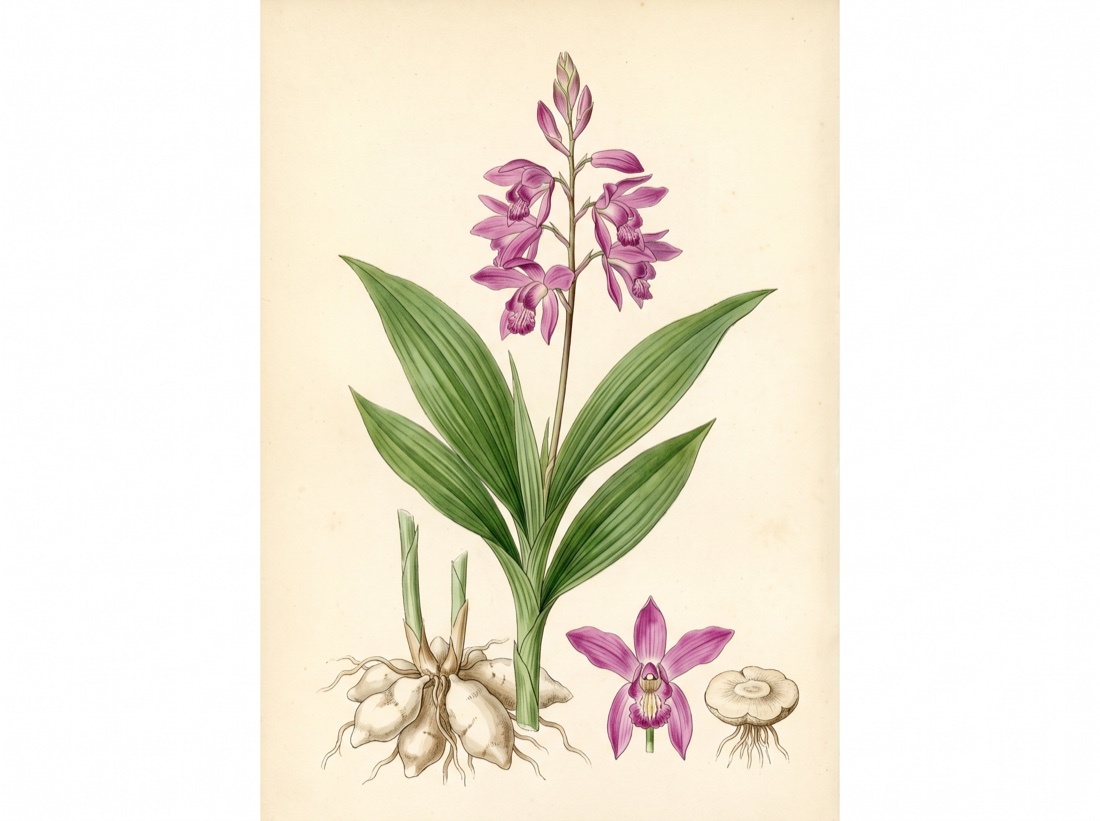
Chinese Herbalism
Bletilla
Bletilla striata
Also known as hyacinth orchid, Chinese ground orchid, hardy orchid, urn orchid, bletilla rhizome, bai ji, bái jí, bái jí piàn (sliced rhizome).
Bletilla striata is a hardy terrestrial orchid of eastern Asia, used in Chinese medicine for its flattened, starchy tuber, sold as bai ji. The dried tuber is horn-hard and swells in water into a thick mucilage; that gum is the point of the drug. Bai ji is the leading astringent hemostatic for the Lung and Stomach and the classic topical agent for wounds, burns, and cracked skin. It is one of the eighteen incompatibilities against aconite, and since all Bletilla are on CITES Appendix II, use cultivated material.

Ask Herbert about Bletilla. Herbert is the master herbalist inside Bountiful Herbs: he answers from this plate and eleven hundred others, with dosing, pairing and cautions. Your first ten questions are free.
Ask HerbertActions
Indications what the tradition reached for it in
- Hemoptysis from Lung yin damage or chronic lung disease
- Hematemesis and melena from peptic ulcer
- Gastric and duodenal ulcer with pain and bleeding
- Pulmonary tuberculosis with cough of blood (adjunct)
- Traumatic bleeding and wounds (topical powder)
- Sores, abscesses, and non-healing ulcers (topical)
- Burns and scalds (topical paste)
- Chapped hands and feet, anal fissure (topical)
- Bronchiectasis with blood-streaked sputum
- Nosebleed (topical powder or internal)
Specific indications
Bright or rust-colored blood in the sputum of a thin, dry-coughing patient with a chronic lung condition
Peptic ulcer with a burning epigastric ache and black stools or coffee-ground vomit that needs a coating, sealing herb
A clean wound, burn, or cracked skin that bleeds or oozes and will not close
Safety
The record lists 7 contraindications; open the plate in the library to read them in full.
In practice
Think of bai ji as a living bandage. Internally it is the herb for bleeding from a damaged surface: the eroded lining of a gastric ulcer, or a lung that coughs up blood. The classic pairing for gastric bleeding is bai ji with san qi as a fine powder swallowed with water in roughly equal parts; for ulcer disease without active bleeding, bai ji with wu zei gu is the traditional combination.
In Chinese medicine
Temperature: slightly cold. Taste: bitter, sweet, astringent. Channels: Lung, Liver, Stomach. Actions: Astringes and stops bleeding, especially from the Lung and Stomach; Reduces swelling and generates flesh, closing sores and ulcers; Moistens and protects damaged mucosa; Applied externally, seals cracked skin, burns, and non-healing wounds.
Dosing as the sources wrote it
| Preparation | As written | Metric |
|---|---|---|
| Decoction | 6-15 g dried sliced tuber daily in decoction | 6000-15000 mg |
| Powder | 3-6 g powdered tuber daily swallowed with warm water in divided doses | 3000-6000 mg |
| Topical | powder dusted on the wound or mixed with sesame oil to a paste applied once or twice daily |
Doses are reproduced from the sources for practitioners and are not a recommendation for any person.
From the sources
Overview. Bletilla striata is a hardy terrestrial orchid of eastern Asia, used in Chinese medicine for its flattened, starchy tuber, sold as bai ji. The dried tuber is horn-hard and swells in water into a thick mucilage; that gum is the point of the drug. Bai ji is the leading astringent hemostatic for the Lung and Stomach and the classic topical agent for wounds, burns, and cracked skin. It is one of the eighteen incompatibilities against aconite, and since all Bletilla are on CITES Appendix II, use cultivated material.
Clinical Notes. Think of bai ji as a living bandage. Internally it is the herb for bleeding from a damaged surface: the eroded lining of a gastric ulcer, or a lung that coughs up blood. The classic pairing for gastric bleeding is bai ji with san qi as a fine powder swallowed with water in roughly equal parts; for ulcer disease without active bleeding, bai ji with wu zei gu is the traditional combination.
Chinese Medicine Profile. Temperature: slightly cold. Taste: bitter, sweet, astringent. Channels: Lung, Liver, Stomach. Actions: Astringes and stops bleeding, especially from the Lung and Stomach; Reduces swelling and generates flesh, closing sores and ulcers; Moistens and protects damaged mucosa; Applied externally, seals cracked skin, burns, and non-healing wounds.
Conservation. Endangered in the wild across much of its range and listed on CITES Appendix II with all orchids; commercial supply is now largely cultivated, and only cultivated material should be used.
In formulas
Bletilla stands in 1 documented formula in the library, among them ning xuè tàng.
Often paired with
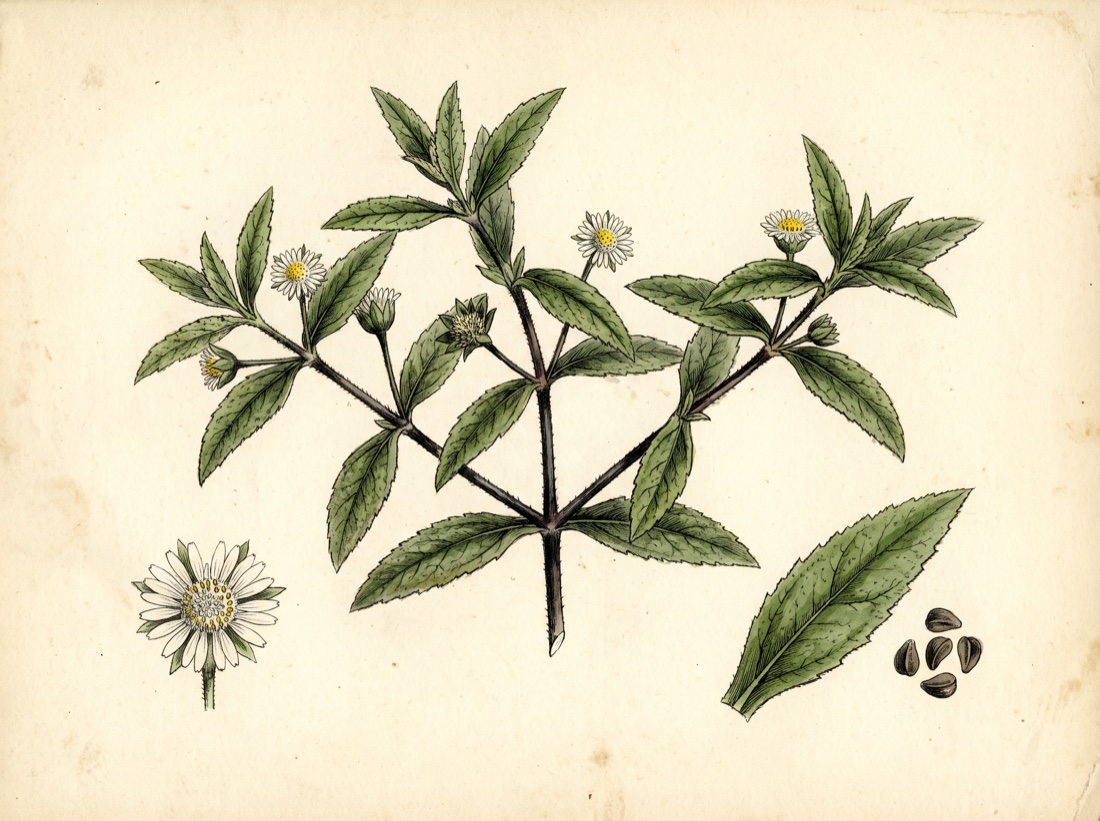 false daisyEclipta prostrata
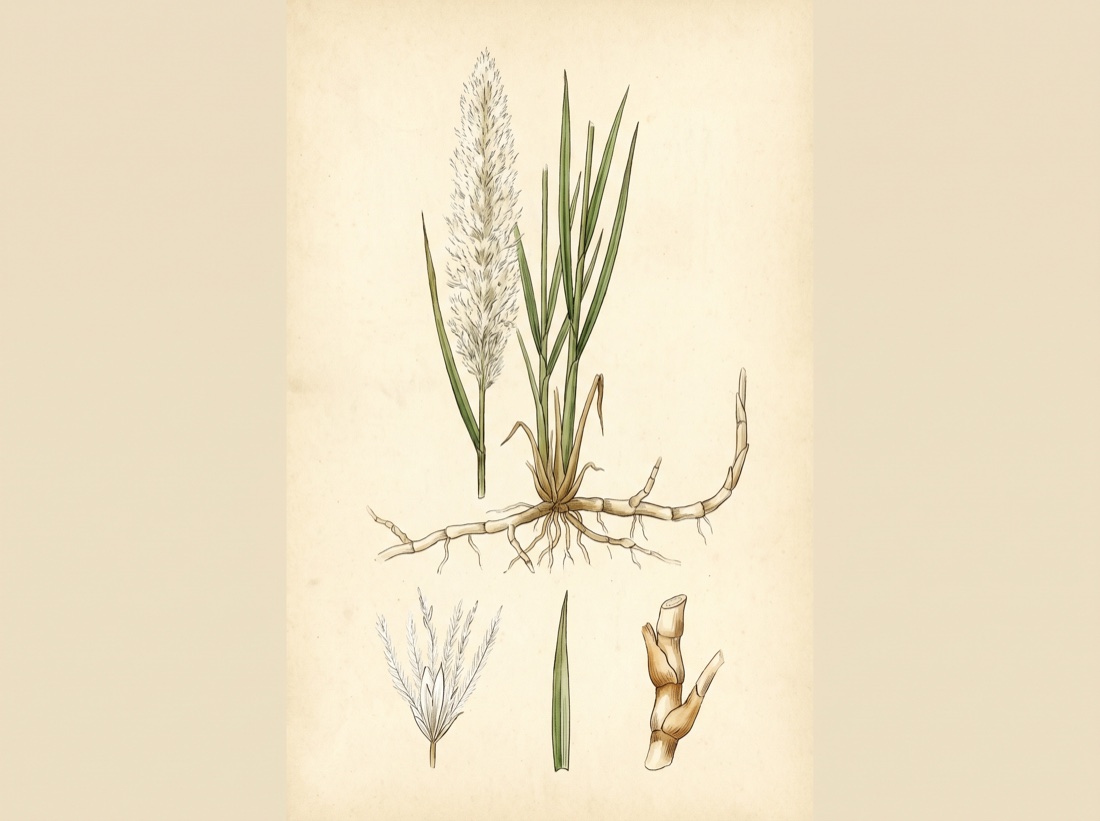 cogongrassImperata cylindrica
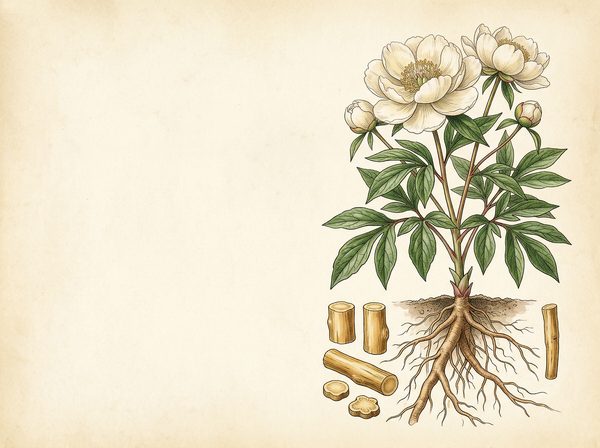 White PeonyPaeonia lactiflora
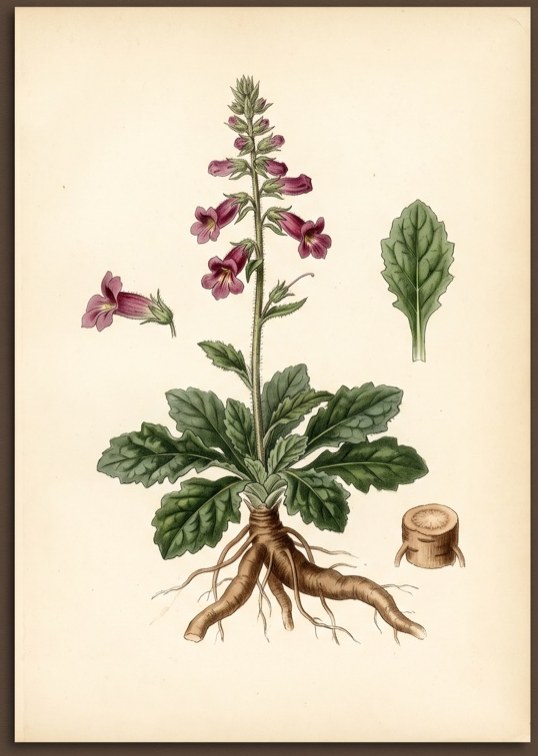 RehmanniaRehmannia glutinosa
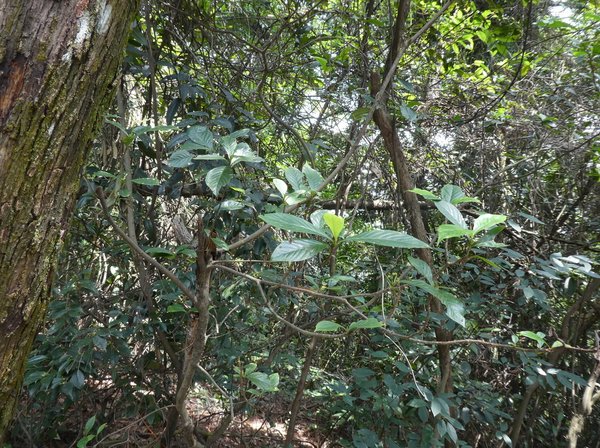 Zhi ZiGardenia jasminoides
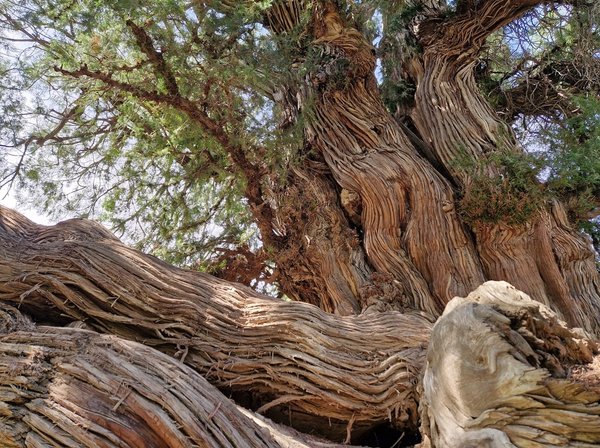 Bai Zi RenPlatycladus orientalis
Nearby on the shelf
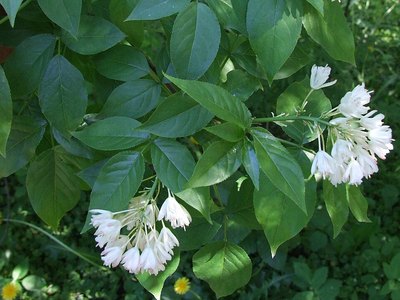 Bladder nutStaphylea trifolia
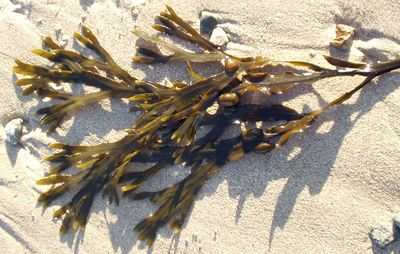 BladderwrackFucus vesiculosus
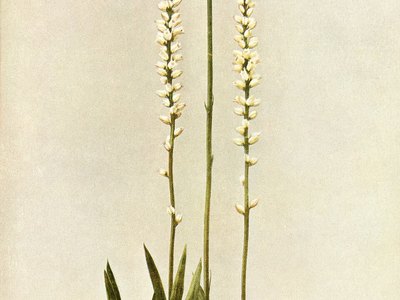 Blazing StarAletris farinosa
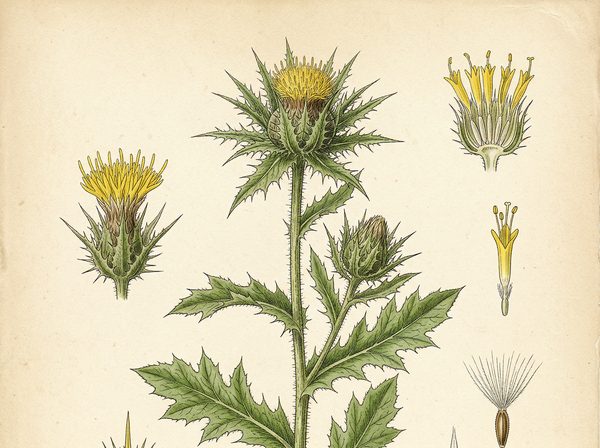 Blessed ThistleCnicus benedictus
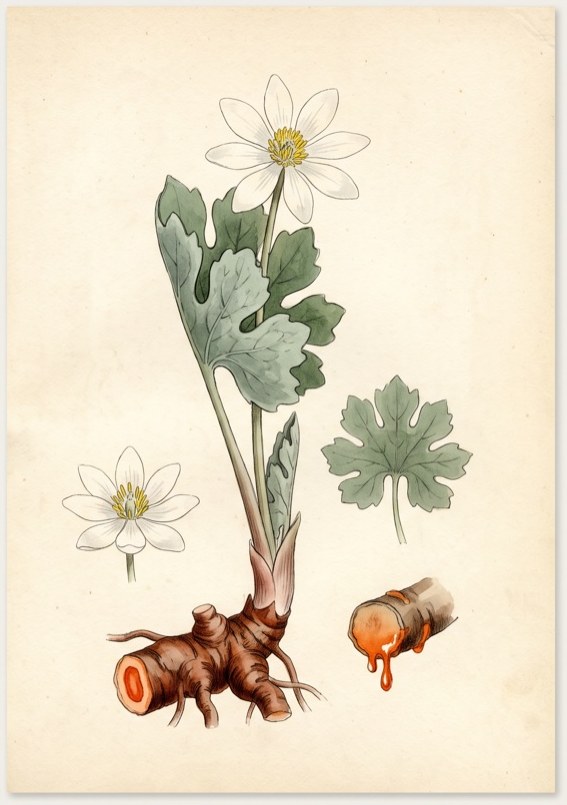 BloodrootSanguinaria canadensis
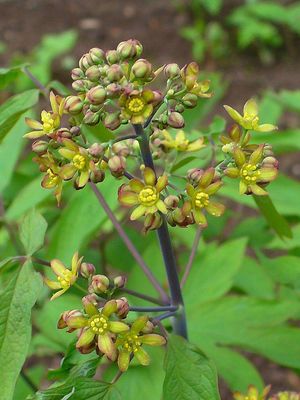 Blue cohoshCaulophyllum thalictroides
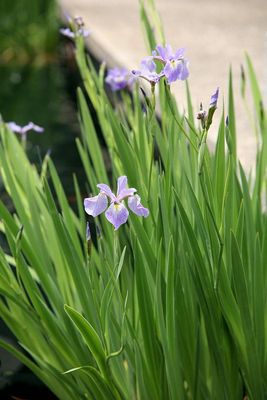 Blue flagIris versicolor
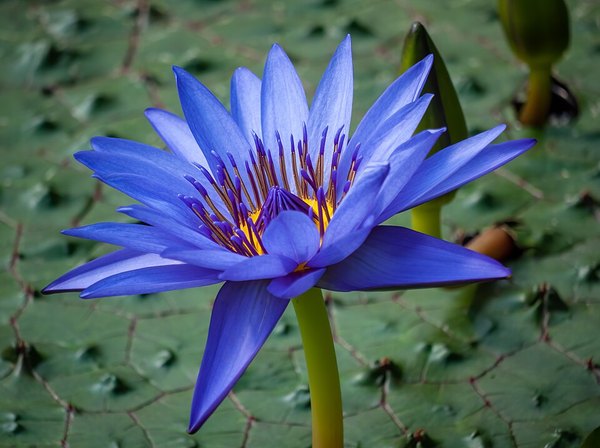 Blue LotusNymphaea caerulea
The whole plate is in the library. The compass, Compare, the Sky of eleven hundred plants and the formulary open with an email address and a password, free, with the formula builder and its safety engine. Herbert without limit, his formulating, clients, the handouts and the labels are the paid room.
Open the library, free