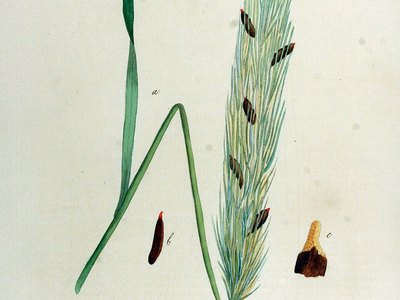
Western Herbalism
Ergot
Secale Cornutum
Also known as ergot of rye, spurred rye, smut of rye.
Ergot is the dried sclerotium, the compact, dark purplish-black, horn-shaped resting body, produced by the fungus Claviceps purpurea when it parasitizes rye (Secale cereale) and related grasses. It formed one of the most dramatic and closely studied remedies of nineteenth century American medicine, prized chiefly by eclectic and regular physicians alike for its ability to provoke firm, sustained uterine contraction after childbirth. Its alkaloids are the historical source of the modern pharmaceutical uterotonics ergometrine and ergotamine, and crude ergot preparations have essentially been superseded by these purified, standardized drugs.

Ask Herbert about Ergot. Herbert is the master herbalist inside Bountiful Herbs: he answers from this plate and eleven hundred others, with dosing, pairing and cautions. Your first ten questions are free.
Ask HerbertActions
Indications what the tradition reached for it in
- Postpartum hemorrhage
- Uterine atony after delivery
- Subinvolution of the uterus
- Passive uterine hemorrhage
- Menorrhagia from a relaxed, boggy uterus
- Prolonged, sluggish labor with weak contractions (historical, now abandoned)
- Functional uterine bleeding
- Migraine (historical use of ergot alkaloid derivatives, not crude ergot)
Specific indications
Boggy, atonic uterus after delivery of the placenta with slow, continuous, dark, non-clotting hemorrhage
Postpartum hemorrhage where the uterus fails to contract firmly despite normal delivery
Safety
Recognised toxicity. This plant carries a toxicity flag in the record; it is for trained practitioners only.
Low dose botanical. Used in drop doses in the classical practice; not a plant to dose freely.
Pregnancy: Contraindicated before delivery: ergot produces a powerful, sustained uterine contraction that can cause fetal distress or uterine rupture, and it was traditionally used only after the placenta had been expelled, under direct medical supervision.
Breastfeeding: Avoid: ergot alkaloids pass into breast milk, can suppress lactation, and may cause vomiting or diarrhea in the nursing infant.
The record lists 6 contraindications; open the plate in the library to read them in full.
In practice
In eclectic practice, ergot was reserved strictly for the period after delivery of the placenta, given to a uterus that had become boggy and failed to clamp down, with slow, dark, persistent oozing rather than brisk arterial bleeding.
Dosing as the sources wrote it
| Preparation | As written | Metric |
|---|---|---|
| Historical fluid extract (physician administered, postpartum only) | 0.3-1 mL as a single dose after delivery of the placenta | 0.3-1 mL |
| Historical tincture (1:10, physician administered) | 1-2 mL as a single dose, not repeated without medical supervision | 1-2 mL |
| In doses of from | In doses of from 30 to 60 grains, and especially when the stomach is in an irritable condition, it frequently causes vomiting and nausea. | 1944-3888 mg |
| A single dose, varying from 2 to 8 drachms, has occasioned vomiting, colic, pains, and headache; single doses of 20 to 40 grains have no great influence under ordinary circumstances. | 7776-31103 mg | |
| One or | One or 2 drachms of the powder may be stirred in 4 fluid ounces of hot water, and, when sufficiently cool, may be given in teaspoonful doses every 10 minutes until labor pains are induced; usually in 15 or 20 minutes the labor pains increase in force and frequency, and gradually become continuous, and effect the expulsion of the child within an hour. | 7776-7776 mg |
| To simply increase labor pains already existing not more than 5 drops, every 20 or 30 minutes are required; when speedy expulsion is sought, the dose should be 1 fluid drachm, by mouth or hypodermatically, every half hour or hour. | 0.1-0.1 mL |
Doses are reproduced from the sources for practitioners and are not a recommendation for any person.
From the sources
Overview. Ergot is the dried sclerotium, the compact, dark purplish-black, horn-shaped resting body, produced by the fungus Claviceps purpurea when it parasitizes rye (Secale cereale) and related grasses. It formed one of the most dramatic and closely studied remedies of nineteenth century American medicine, prized chiefly by eclectic and regular physicians alike for its ability to provoke firm, sustained uterine contraction after childbirth. Its alkaloids are the historical source of the modern pharmaceutical uterotonics ergometrine and ergotamine, and crude ergot preparations have essentially been superseded by these purified, standardized drugs.
Clinical Notes. In eclectic practice, ergot was reserved strictly for the period after delivery of the placenta, given to a uterus that had become boggy and failed to clamp down, with slow, dark, persistent oozing rather than brisk arterial bleeding.
Action, Medical Uses, and Dosage. This may be used during labor, as a parturient, in doses of 2 or 3 fluid drachms; in other instances it may be given in doses of 1 or 2 fluid drachms, 3 or 4 times a day, and gradually increased if desirable. It is less used than other preparations of ergot.
Action, Medical Uses, and Dosage. Ustilago appears to possess decided activity, its effects having been compared with those of ergot and nux vomica combined. Upon the lower animals it acts as a spinal excitant, producing tonic convulsions, and destroying life, either by tetanus or exhaustion.
Drawn from Scudder's Specific Medication and Specific Medicines; King's American Dispensatory, 18th edition (Felter and Lloyd), and the Bountiful Herbs editorial.
Often paired with
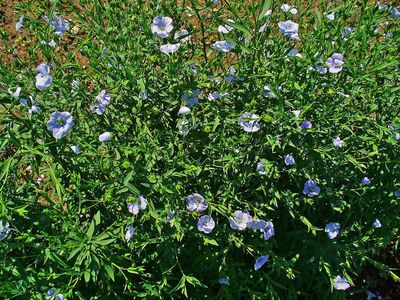 flaxLinum usitatissimum
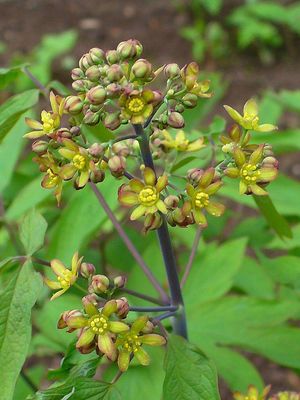 Blue cohoshCaulophyllum thalictroides
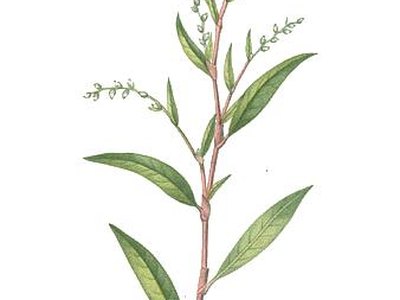 SmartweedPolygonum hydropiper
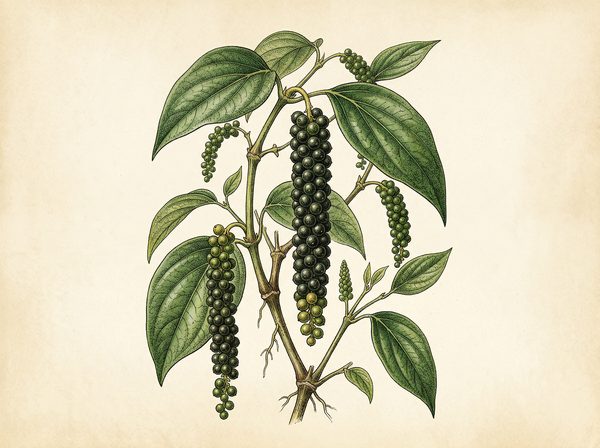 black pepperPiper nigrum
 SavinJuniperus sabina
Nearby on the shelf
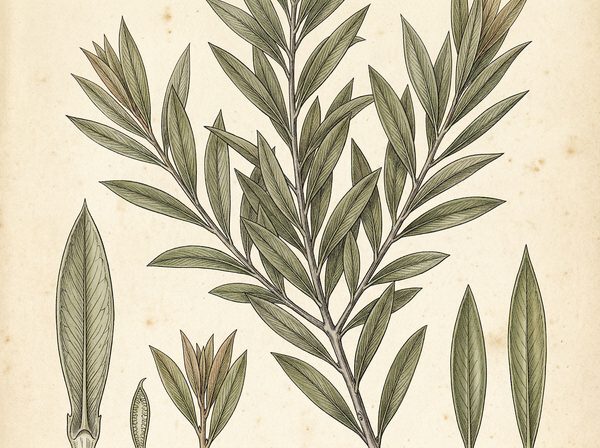 Emu BushEremophila spp.
 EpazoteDysphania ambrosioides
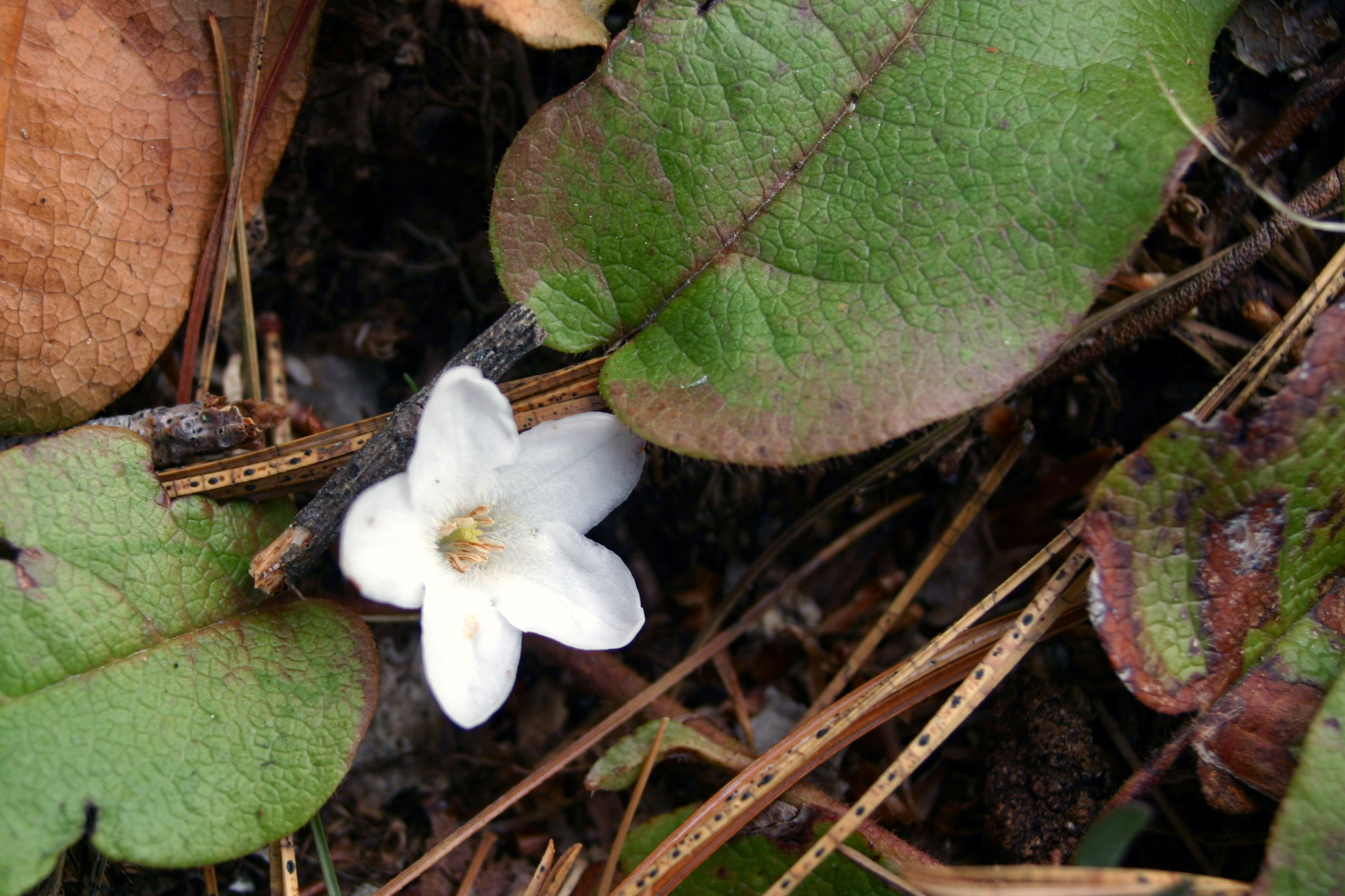 EpigaeaEpigaea repens
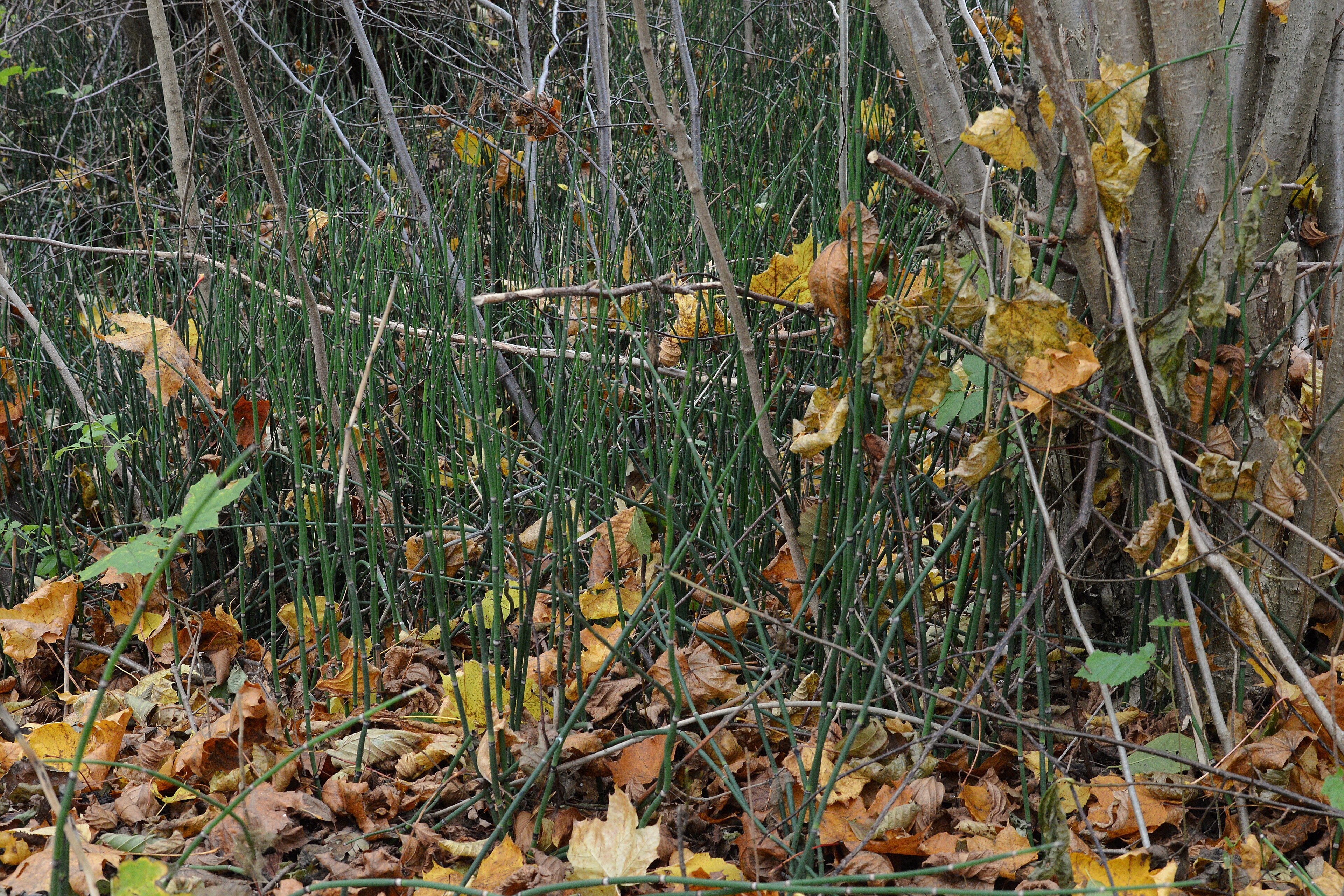 EquisetumEquisetum hyemale
 EryngiumEryngium aquaticum
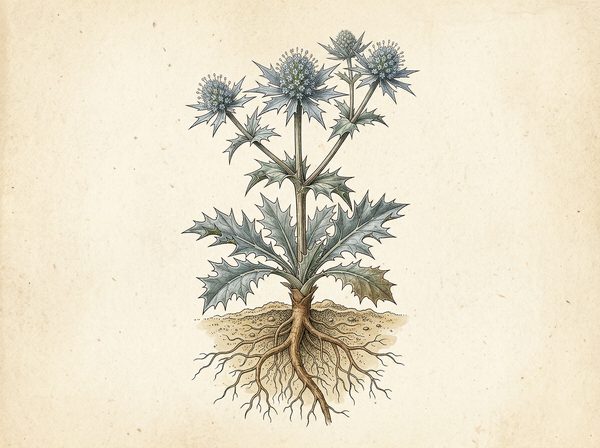 EryngoEryngium maritimum
 EucalyptusEucalyptus globulus
 European CranberryVaccinium macrocarpon
The whole plate is in the library. The compass, Compare, the Sky of eleven hundred plants and the formulary open with an email address and a password, free, with the formula builder and its safety engine. Herbert without limit, his formulating, clients, the handouts and the labels are the paid room.
Open the library, free