Western Herbalism
American Aconite
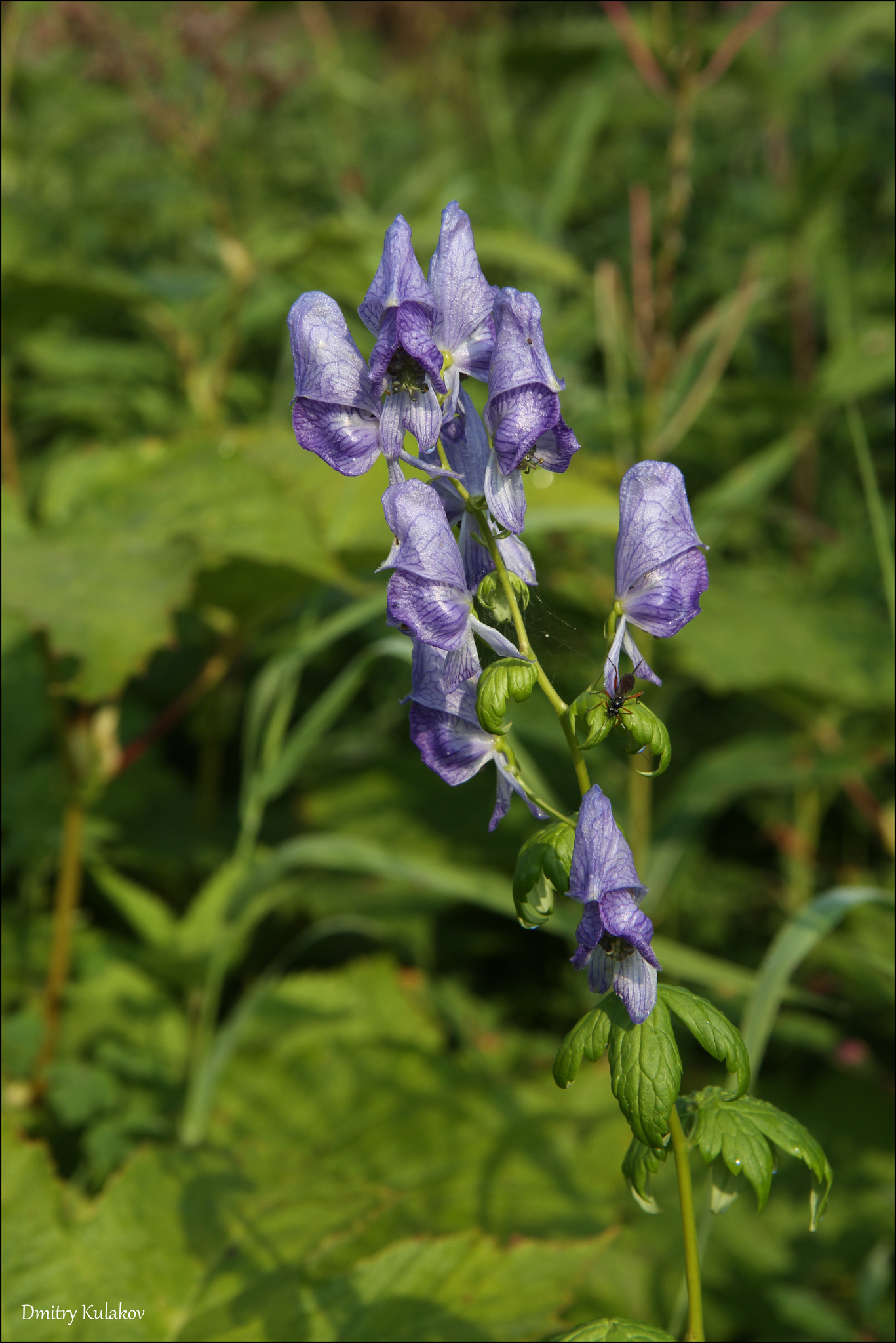
Aconitum Fischeri
Also known as Fischer's monkshood.
Aconitum fischeri is a name applied by nineteenth century Eclectic physicians to a monkshood root used as a substitute for the European Aconitum napellus, though the plant they intended is now generally regarded as the same species complex as the Siberian and northern European Aconitum septentrionale rather than a true American native. Monkshoods are perennial herbs of temperate woodlands and mountain meadows across the Northern Hemisphere, and the tuberous root is the part historically prepared. Within the Eclectic and earlier regular medical traditions of North America, this and related aconite species were prized as rapid-acting antipyretics and analgesics, though their extreme toxicity has left them almost entirely out of contemporary herbal practice.

Ask Herbert about American Aconite. Herbert is the master herbalist inside Bountiful Herbs: he answers from this plate and eleven hundred others, with dosing, pairing and cautions. Your first ten questions are free.
Ask HerbertActions
Indications what the tradition reached for it in
- Acute febrile illness with bounding pulse
- Neuralgia
- Trigeminal neuralgia
- Sciatica
- Rheumatic and neuralgic pain
- Restlessness accompanying fever
- Early stage inflammatory fevers
- Toothache (topical)
- Cardiac irritability with rapid, forceful pulse
Specific indications
Sudden onset fever with hot dry skin, full bounding pulse, and anxious restlessness, the classic Eclectic picture calling for aconite over other febrifuges
Sharp, shooting, or burning neuralgic pain with numbness or tingling in the affected nerve distribution
Safety
Recognised toxicity. This plant carries a toxicity flag in the record; it is for trained practitioners only.
Low dose botanical. Used in drop doses in the classical practice; not a plant to dose freely.
Pregnancy: Not for use in pregnancy
Breastfeeding: Contraindicated in lactation for the same reasons of severe toxicity.
The record lists 7 contraindications; open the plate in the library to read them in full.
In practice
Historical Eclectic writers reached for aconite tincture at the very onset of febrile illness, when the pulse was full, hard, and rapid and the skin hot and dry without sweating, using it to abort the fever before it established itself.
Dosing as the sources wrote it
| Preparation | As written | Metric |
|---|---|---|
| Historical Eclectic tincture (obsolete, not recommended) | 0.05-0.1 mL of a standardized 1:10 tincture, single dose, repeated only under direct physician supervision | 0.05-0.1 mL |
| Homeopathic preparation | as potency 6C or higher, per homeopathic dosing conventions, not as crude herb |
Doses are reproduced from the sources for practitioners and are not a recommendation for any person.
From the sources
Overview. Aconitum fischeri is a name applied by nineteenth century Eclectic physicians to a monkshood root used as a substitute for the European Aconitum napellus, though the plant they intended is now generally regarded as the same species complex as the Siberian and northern European Aconitum septentrionale rather than a true American native.
Clinical Notes. Historical Eclectic writers reached for aconite tincture at the very onset of febrile illness, when the pulse was full, hard, and rapid and the skin hot and dry without sweating, using it to abort the fever before it established itself.
Drawn from King's American Dispensatory, 18th edition (Felter and Lloyd), and the Bountiful Herbs editorial.
Nearby on the shelf
 Alstonia barkAlstonia Constricta
 Alum rootHeuchera americana
 AmaranthAmaranthus
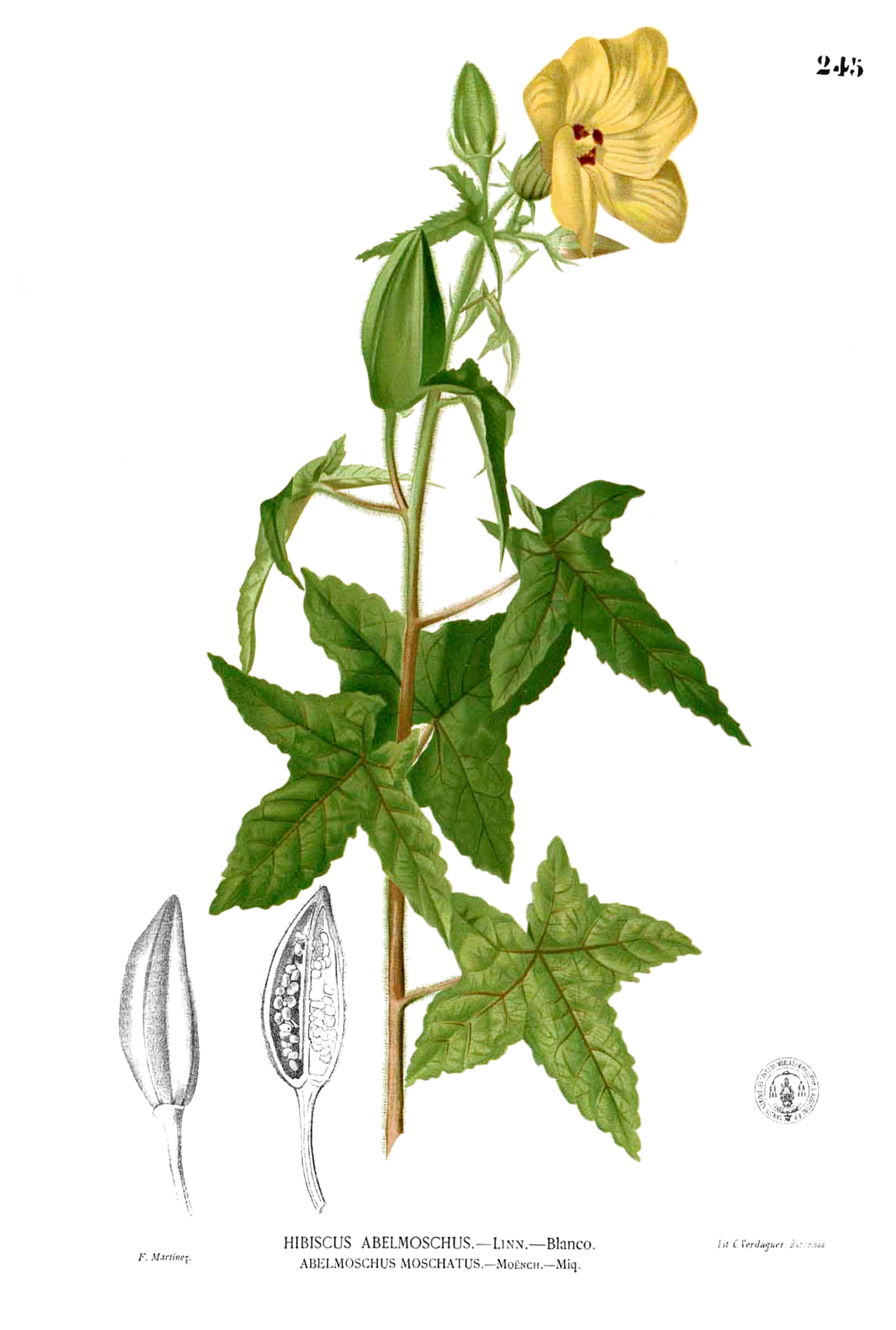 Ambrette seedAbelmoschus moschatus
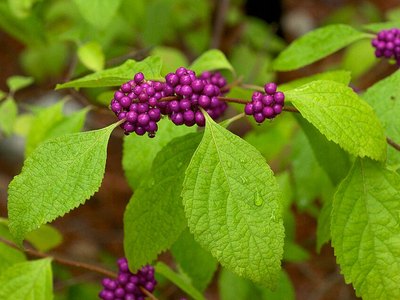 American beautyberryCallicarpa americana
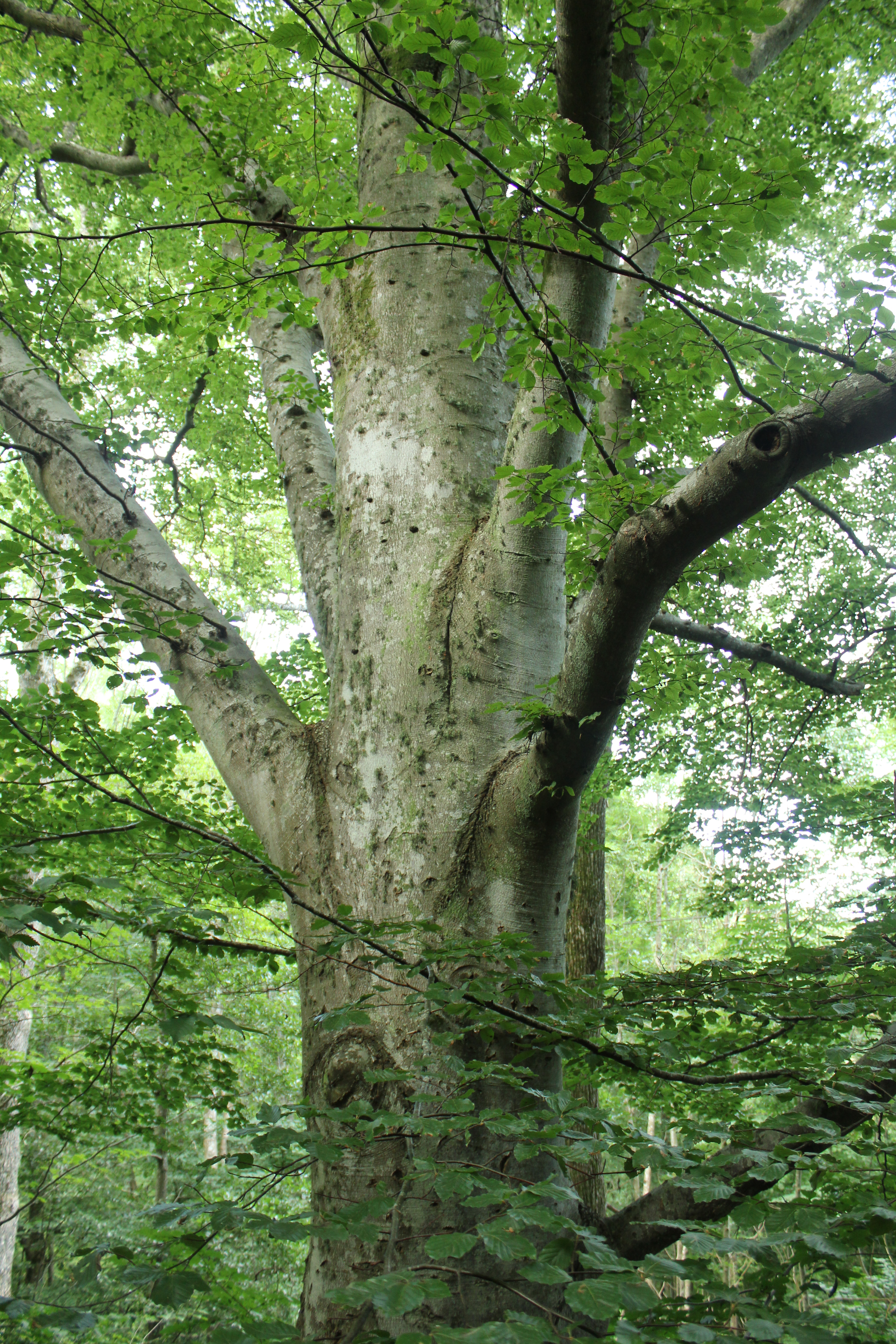 American beechFagus ferruginea
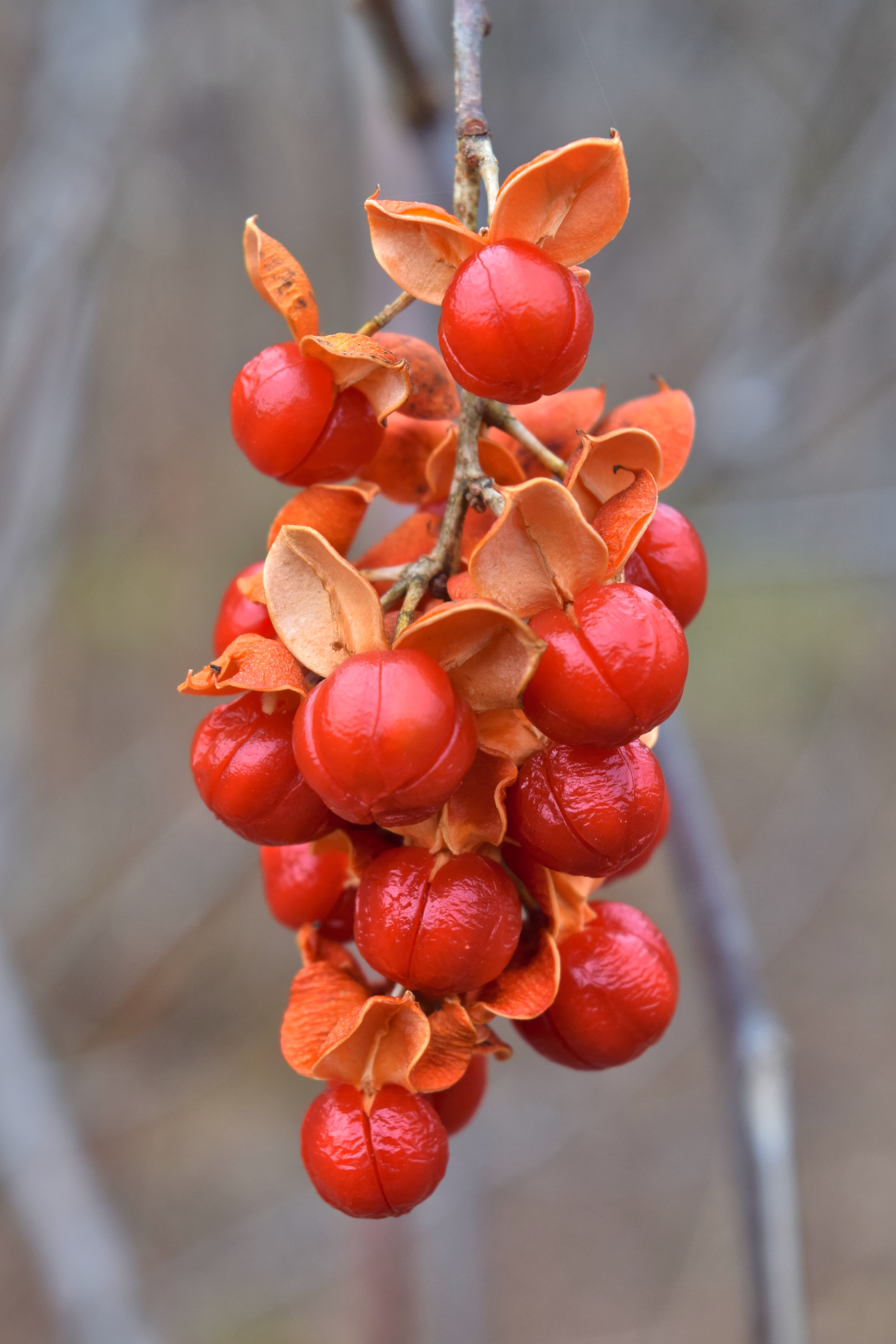 American bittersweetCelastrus scandens
 American centaurySabbatia angularis
The whole plate is in the library. The compass, Compare, the Sky of eleven hundred plants and the formulary open with an email address and a password, free, with the formula builder and its safety engine. Herbert without limit, his formulating, clients, the handouts and the labels are the paid room.
Open the library, free