Western Herbalism
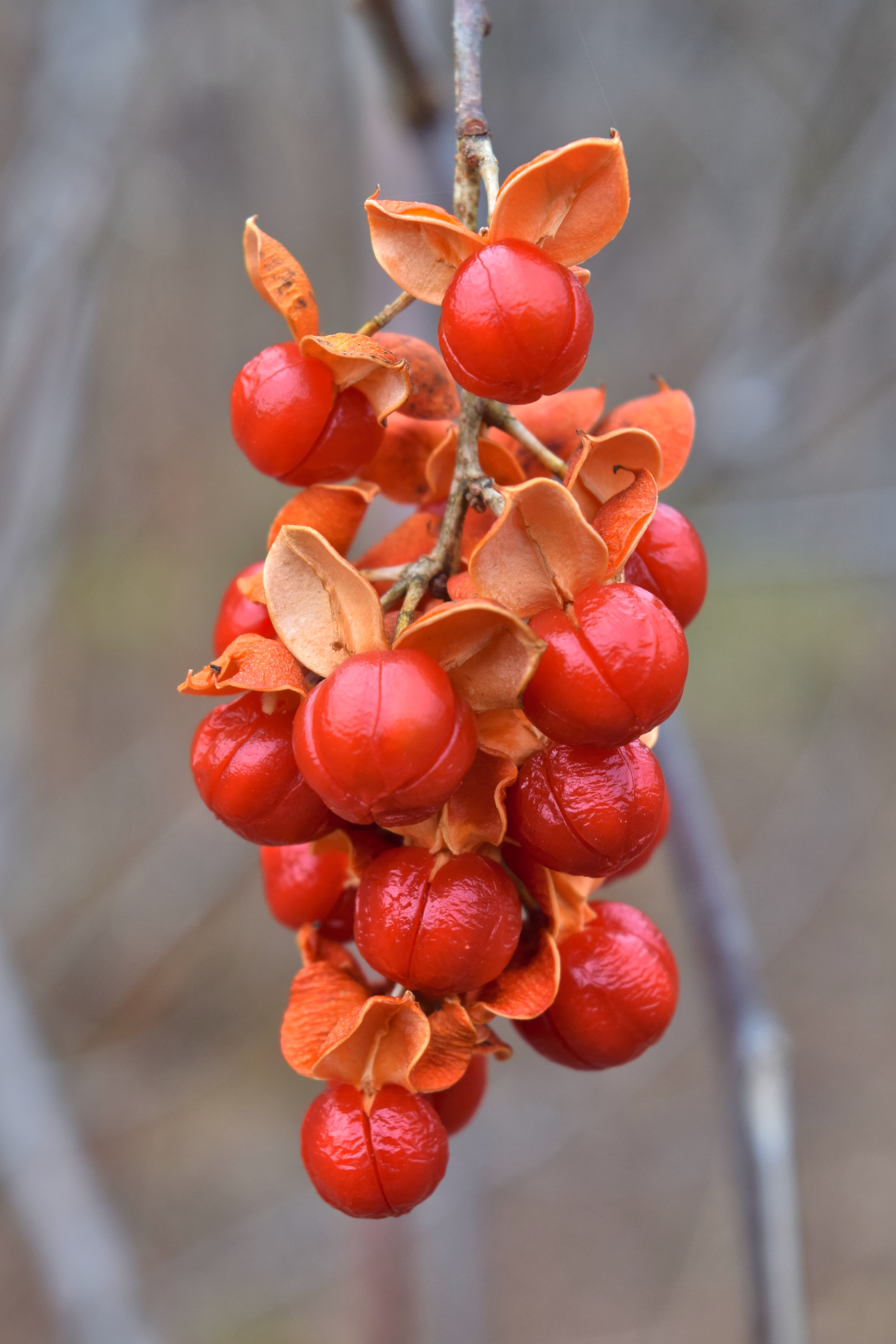
American bittersweet
Celastrus scandens
Also known as False bittersweet, Staff vine, Waxwork, Climbing bittersweet, Fever twig, Wax work, Etc, Staff-tree.
American bittersweet is a native North American climbing shrub of the staff vine family, found twining through woodland edges and thickets across the eastern and central United States. The root bark was the part valued by nineteenth century physiomedicalist and eclectic practitioners, who classed it among the alteratives used to restore healthy tissue tone in chronic, sluggish conditions. It never became a mainstream botanical medicine and has largely fallen out of use, but it holds a place in the American herbal record as a warming stimulant to elimination.

Ask Herbert about American bittersweet. Herbert is the master herbalist inside Bountiful Herbs: he answers from this plate and eleven hundred others, with dosing, pairing and cautions. Your first ten questions are free.
Ask HerbertActions
Indications what the tradition reached for it in
- Chronic skin disease with sluggish elimination
- Eczema and other scaly dermatoses
- Chronic rheumatism
- Secondary syphilis (historical use)
- Amenorrhea
- Hepatic congestion
- Scrofula
- Low grade dropsy with poor elimination
Specific indications
Chronic, dry, scaling skin eruption in a patient with sluggish liver function and poor peripheral circulation
Chronic rheumatic stiffness worse in cold, damp weather with a torpid, congested constitution needing alterative support
Safety
Low dose botanical. Used in drop doses in the classical practice; not a plant to dose freely.
Pregnancy: Use with care in pregnancy
Breastfeeding: Avoid in lactation as safety during breastfeeding has not been assessed.
The record lists 7 contraindications; open the plate in the library to read them in full.
In practice
Historical physiomedical writers reached for the root bark decoction or tincture in cases where the tissues seemed torpid and unresponsive: chronic scaly skin disease, sluggish rheumatic complaints, and low grade hepatic congestion in a patient who was generally cold, dull, and slow to eliminate.
Dosing as the sources wrote it
| Preparation | As written | Metric |
|---|---|---|
| Root bark decoction | 1-2 g dried root bark daily, short course only | 1000-2000 mg |
| Tincture (1:5, 45%) | 0.5-1.5 mL twice daily, short course only | 0.5-1.5 mL |
| Dose, two to three fluid ounces three times a day | 59.15-88.72 mL | |
| decoction | Dose of the decoction, from 2 to 4 fluid ounces, 3 times a day; of the extract, from 5 to 10 grains. | 59.15-118 mL |
Doses are reproduced from the sources for practitioners and are not a recommendation for any person.
From the sources
Overview. American bittersweet is a native North American climbing shrub of the staff vine family, found twining through woodland edges and thickets across the eastern and central United States. The root bark was the part valued by nineteenth century physiomedicalist and eclectic practitioners, who classed it among the alteratives used to restore healthy tissue tone in chronic, sluggish conditions. It never became a mainstream botanical medicine and has largely fallen out of use, but it holds a place in the American herbal record as a warming stimulant to elimination.
Clinical Notes. Historical physiomedical writers reached for the root bark decoction or tincture in cases where the tissues seemed torpid and unresponsive: chronic scaly skin disease, sluggish rheumatic complaints, and low grade hepatic congestion in a patient who was generally cold, dull, and slow to eliminate.
Properties and Uses. The root is a mild and slow relaxant, acting chiefly upon the glandular structures, including the kidneys and skin; but it makes a very general impression upon the system, and seems to influence the absorbents and spleen decidedly.
Description. Natural Order, Celastraceae. Genus CELASTRUS: Climbing shrubs, growing in woods and thickets; with a woody stem an inch or more in diameter, covered with a soft grayish-white bark; twining about the trunks and branches of trees to a great height.
Drawn from Cook's Physio-Medical Dispensatory; King's American Dispensatory, 18th edition (Felter and Lloyd), and the Bountiful Herbs editorial.
Often paired with
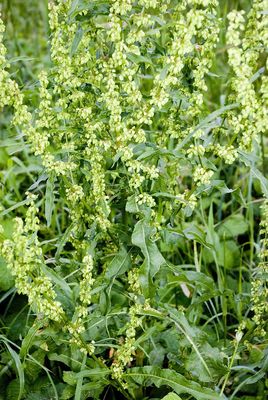 Curly dockRumex crispus
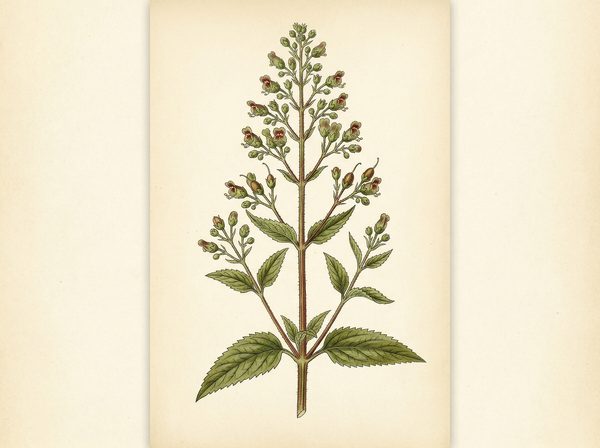 FigwortScrophularia nodosa
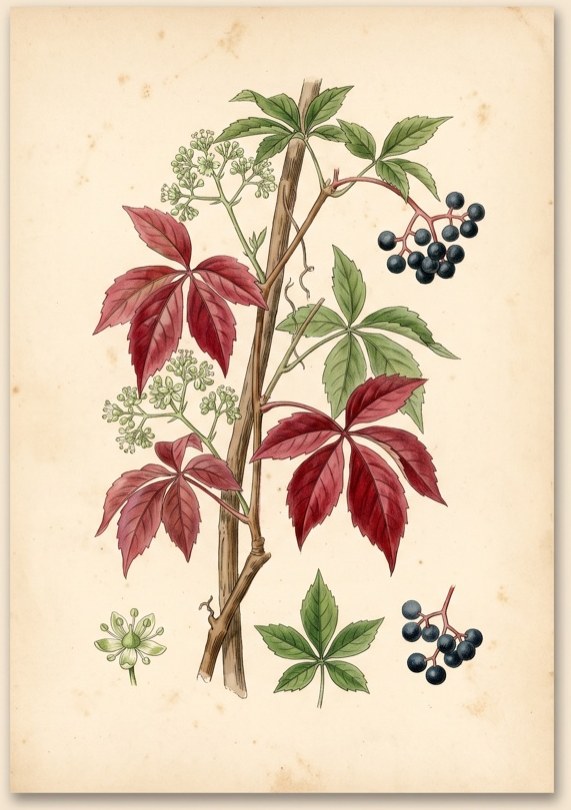 Virginia creeperAmpelosis quinquefolia
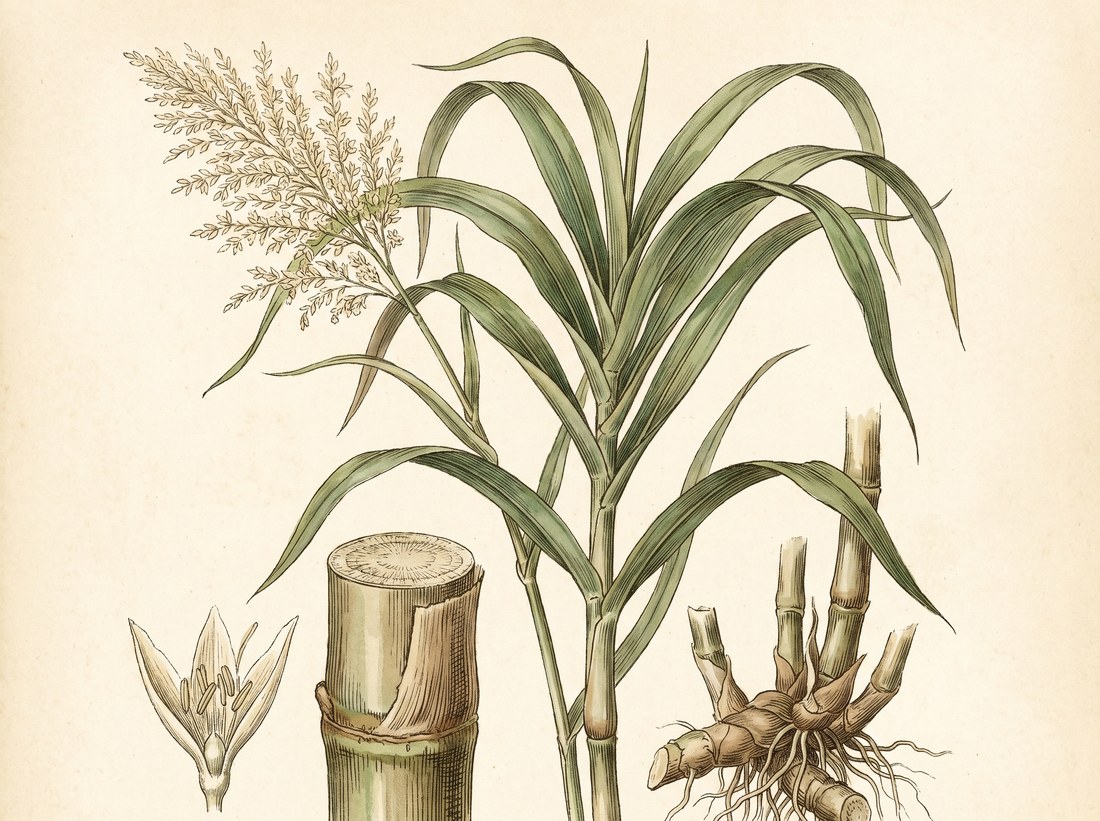 SugarSaccharum
 DulcamaraSolanum dulcamara
 Dwarf ElderAralia Hispida
Nearby on the shelf
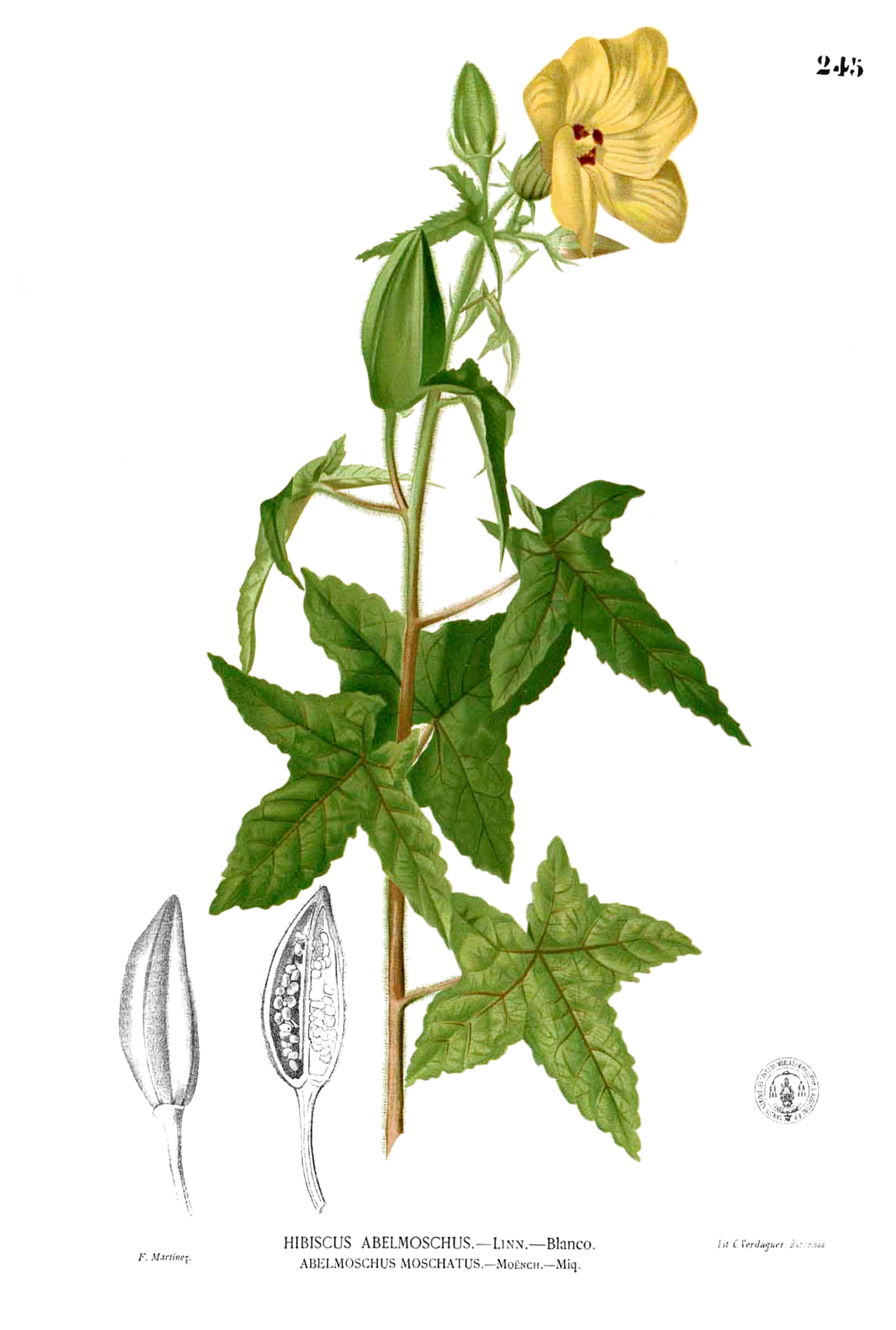 Ambrette seedAbelmoschus moschatus
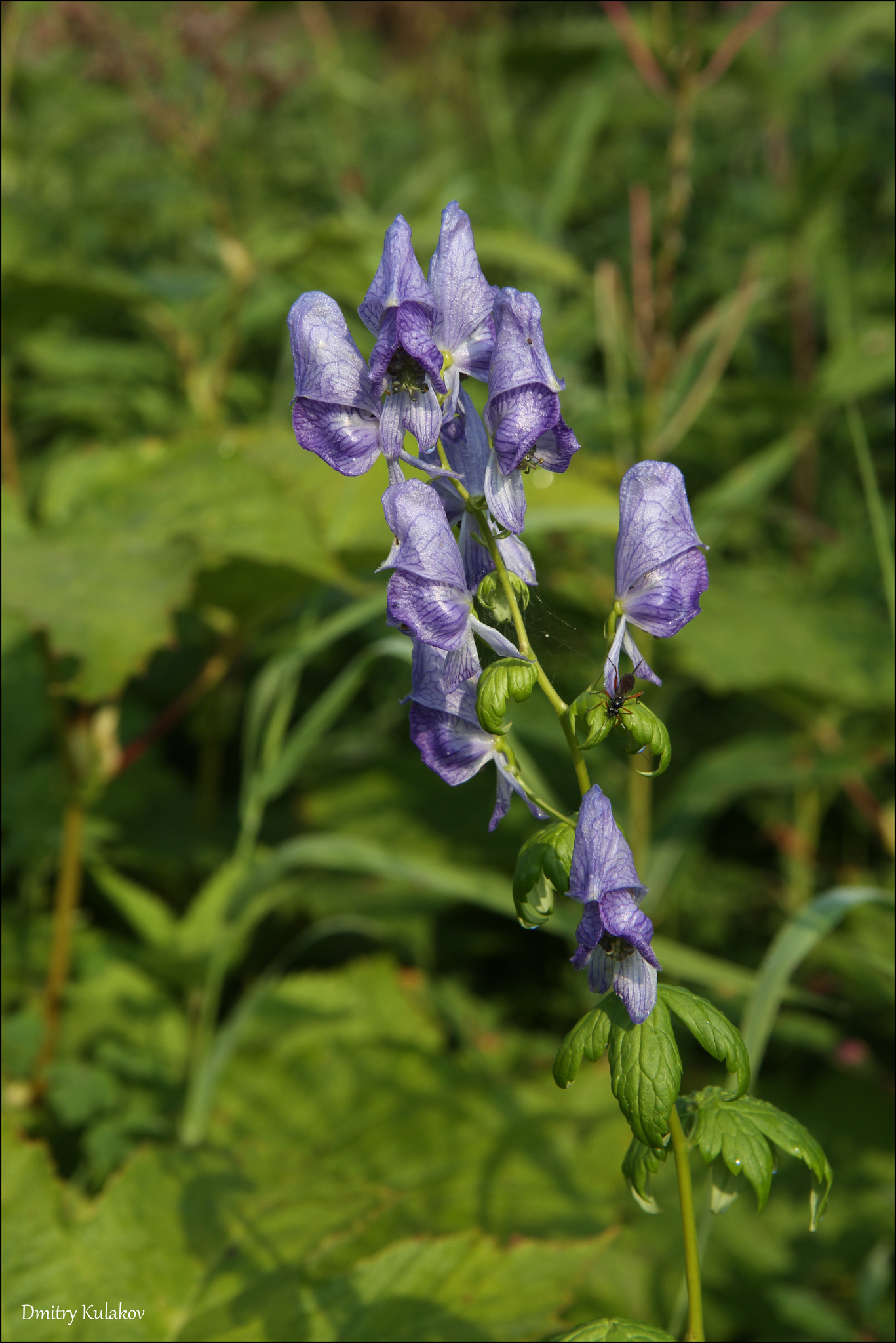 American AconiteAconitum Fischeri
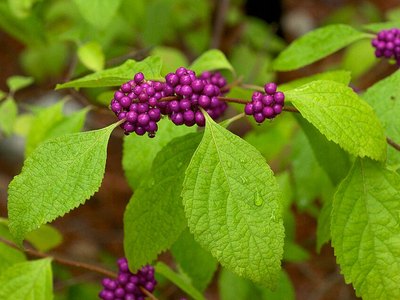 American beautyberryCallicarpa americana
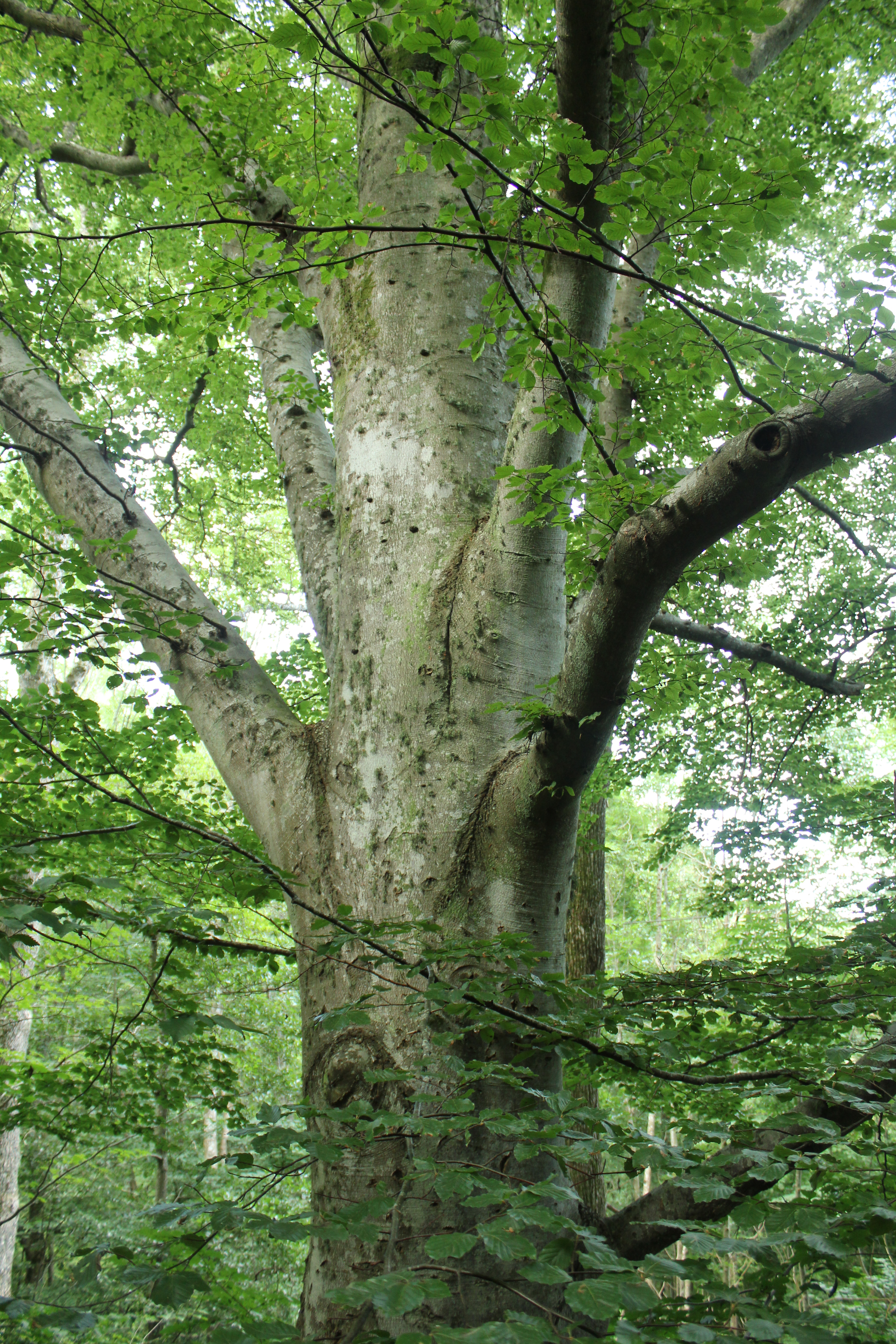 American beechFagus ferruginea
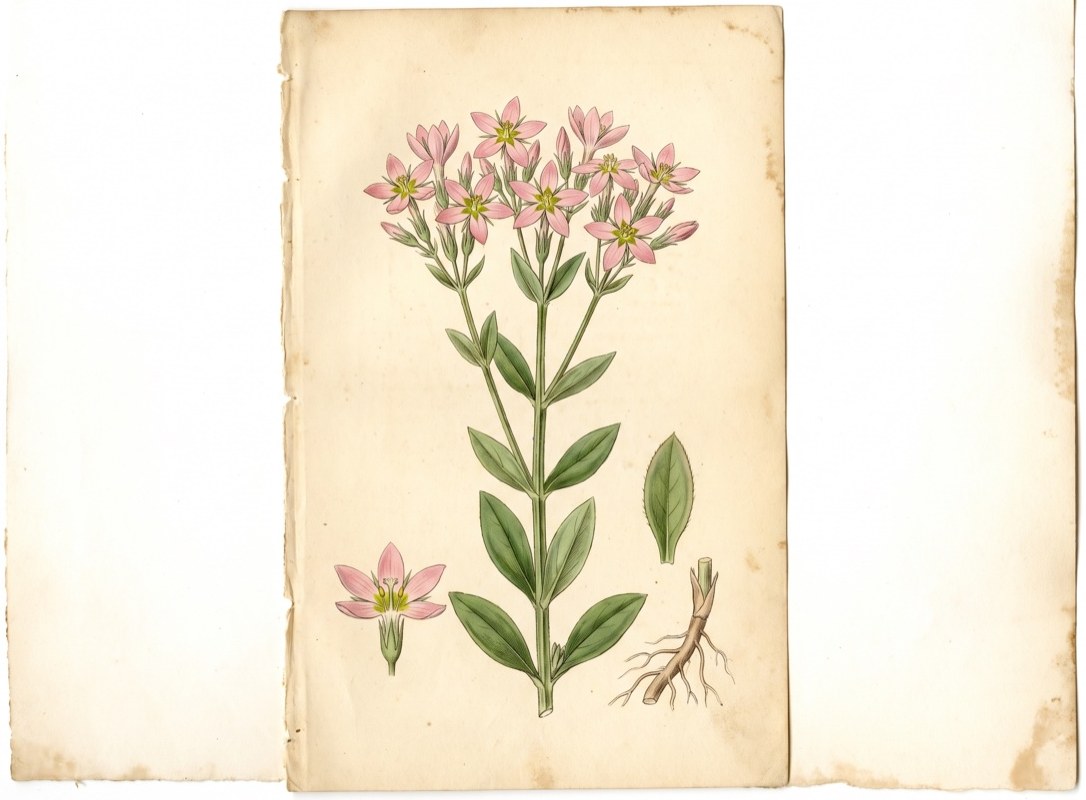 American centaurySabbatia angularis
 American columboFrasera carolinensis
 American cranesbillGermanium maculata
 American dittanyCunila mariana
The whole plate is in the library. The compass, Compare, the Sky of eleven hundred plants and the formulary open with an email address and a password, free, with the formula builder and its safety engine. Herbert without limit, his formulating, clients, the handouts and the labels are the paid room.
Open the library, free