Western Herbalism
American beautyberry
Callicarpa americana
Also known as Sourbush, French mulberry, Bermuda mulberry.
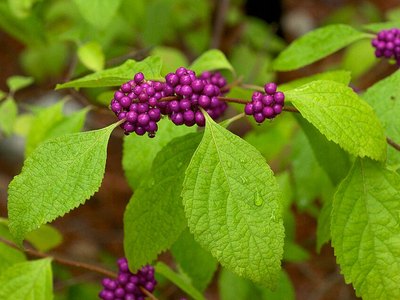
Callicarpa americana is a native shrub of the southeastern United States, easily recognized in late summer and autumn by its dense whorls of small, bright violet berries clustered along the stem. Nineteenth century physiomedicalist and folk practitioners used the aromatic, bitter bark as a gentle digestive tonic and the leaves and root in decoctions for fevers and aching joints. In more recent decades the leaves have drawn scientific attention for the natural insect-repellent compounds they contain, a use that echoes an old folk practice of rubbing crushed foliage on the skin and on horses to keep away biting insects.

Ask Herbert about American beautyberry. Herbert is the master herbalist inside Bountiful Herbs: he answers from this plate and eleven hundred others, with dosing, pairing and cautions. Your first ten questions are free.
Ask HerbertActions
Indications what the tradition reached for it in
- Poor appetite
- Sluggish digestion
- Dyspepsia with a bitter or flat taste
- Mild febrile illness
- Rheumatic and muscular aches
- Colic
- Edema with scanty urination
- Field use for deterring biting insects
- Dysentery (historical folk use)
Specific indications
Sluggish stomach and poor appetite calling for a mildly aromatic bitter bark decoction to rouse digestive tone
Fresh, bruised leaves crushed and rubbed on skin or tucked under a hat brim to keep biting insects off while working outdoors
Safety
Pregnancy: Avoid internal use in pregnancy given the absence of any safety data on the plant's constituents.
Breastfeeding: Avoid internal use during lactation for the same reason, insufficient safety data exist.
The record lists 4 contraindications; open the plate in the library to read them in full.
In practice
Where an older-generation herbalist reaches for gentian or centaury to stir a flat appetite, the beautyberry bark decoction was the southern equivalent, mild, aromatic, and reportedly easy on a delicate stomach compared to harsher bitters.
Dosing as the sources wrote it
| Preparation | As written | Metric |
|---|---|---|
| Bark decoction | 2-4 g dried bark simmered gently, taken in divided doses through the day | 2000-4000 mg |
| Tincture (1:5, 40%) | 1-2 mL two to three times daily | 1-2 mL |
| Fresh leaf, topical | Crushed fresh leaves or a strong cooled leaf infusion applied to skin as needed for insect deterrence |
Doses are reproduced from the sources for practitioners and are not a recommendation for any person.
From the sources
Overview. Callicarpa americana is a native shrub of the southeastern United States, easily recognized in late summer and autumn by its dense whorls of small, bright violet berries clustered along the stem. Nineteenth century physiomedicalist and folk practitioners used the aromatic, bitter bark as a gentle digestive tonic and the leaves and root in decoctions for fevers and aching joints. In more recent decades the leaves have drawn scientific attention for the natural insect-repellent compounds they contain, a use that echoes an old folk practice of rubbing crushed foliage on the skin and on horses to keep away biting insects.
Clinical Notes. Where an older-generation herbalist reaches for gentian or centaury to stir a flat appetite, the beautyberry bark decoction was the southern equivalent, mild, aromatic, and reportedly easy on a delicate stomach compared to harsher bitters.
Properties and Uses. The bark is an aromatic bitter, with mild tonic properties. It is rather grateful to the stomach, and promises to be a useful remedy. The leaves act upon the kidneys rather freely. Medical Herbalism journal and medherb.com The Physiomedical Dispensatory by William Cook, M.D., 1869 CALX LIME, OXIDE OF CALCIUM Lime exists abundantly in mineralogy, but is never found in an uncombined state.
Description. Natural Order, Verbenaceae. Genus CALLICARPA :Shrubs with opposite leaves, scurfy pubescence, and small flowers in axillary cymes. Calyx four-toothed, bell-shaped; corolla short bell-shaped, four-lobed; stamens four, exerted; style slender thickened upward; fruit a juicy drupe inclosing four nutlets. C. AMERICANA : Branches and leaves whitish-downy beneath. Leaves ovate-oblong, wavy-toothed, tapering, three to five inches long, two to three inches broad. Flowers small, violet-purple, compound in short cymous clusters; berries abundant, in dense verticils at the axils of the leaves, the size of elderberries, sweetish. Shrub three to five feet high. June and July. Common in the Southern States.
Drawn from Cook's Physio-Medical Dispensatory, and the Bountiful Herbs editorial.
Nearby on the shelf
 Alum rootHeuchera americana
 AmaranthAmaranthus
 Ambrette seedAbelmoschus moschatus
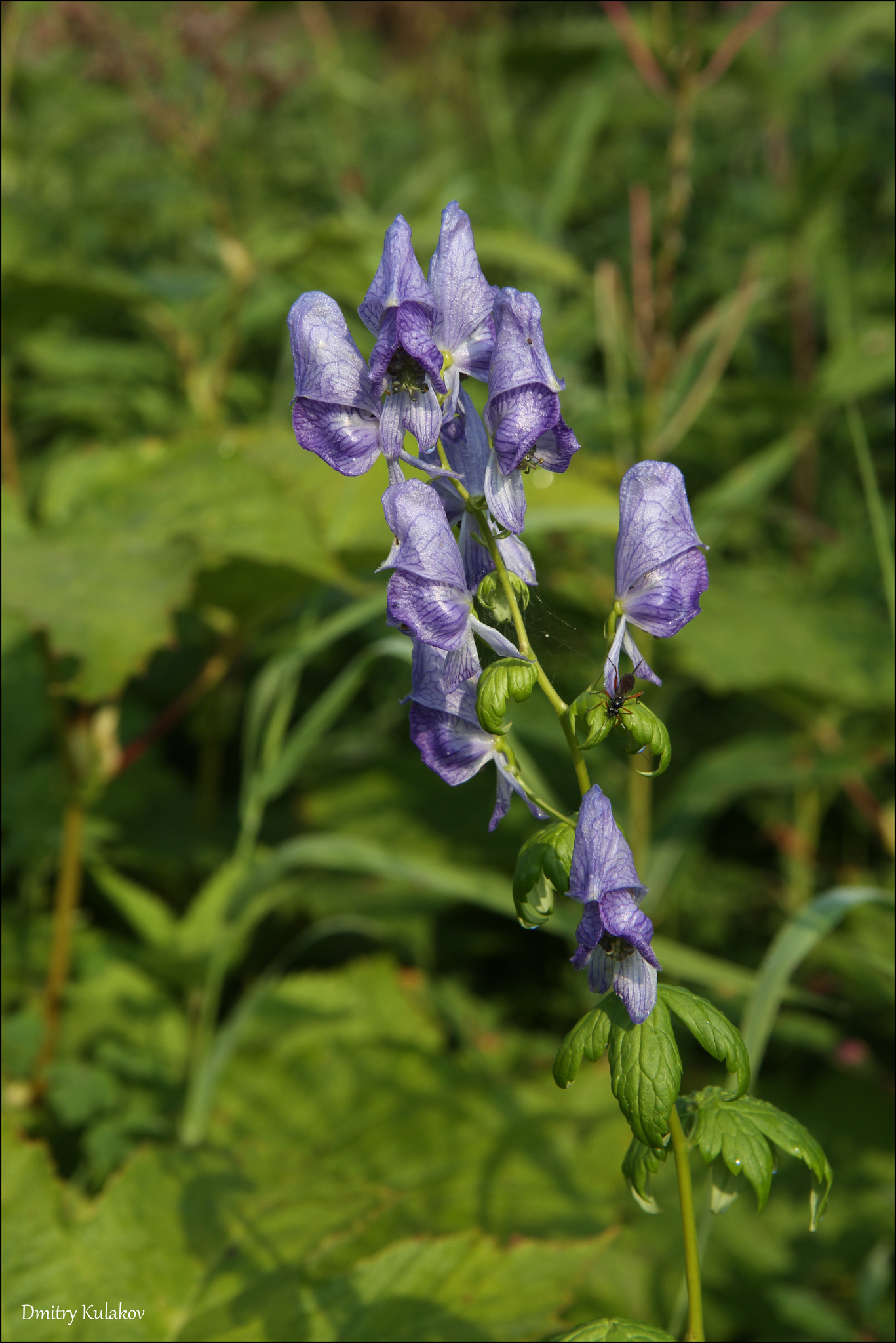 American AconiteAconitum Fischeri
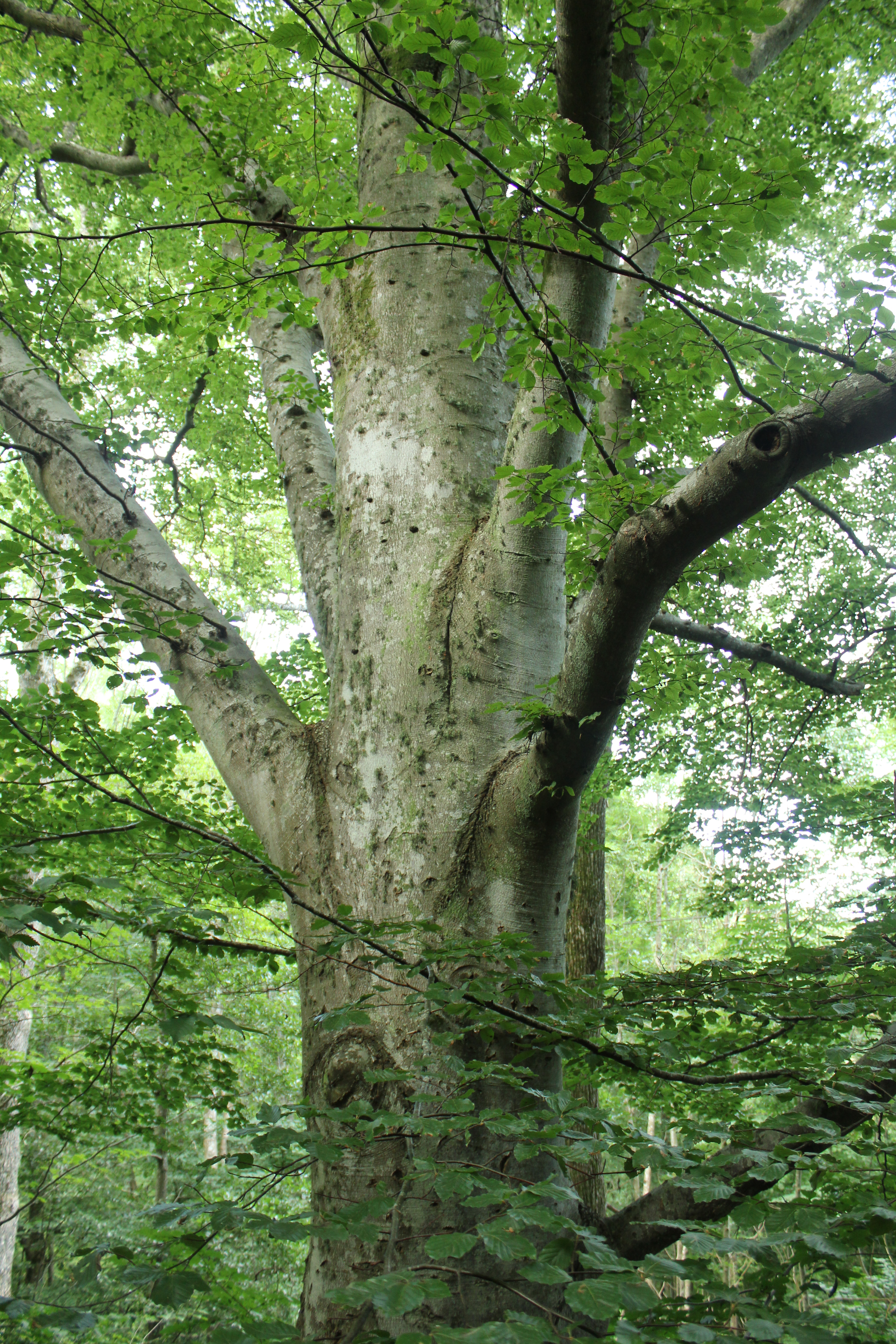 American beechFagus ferruginea
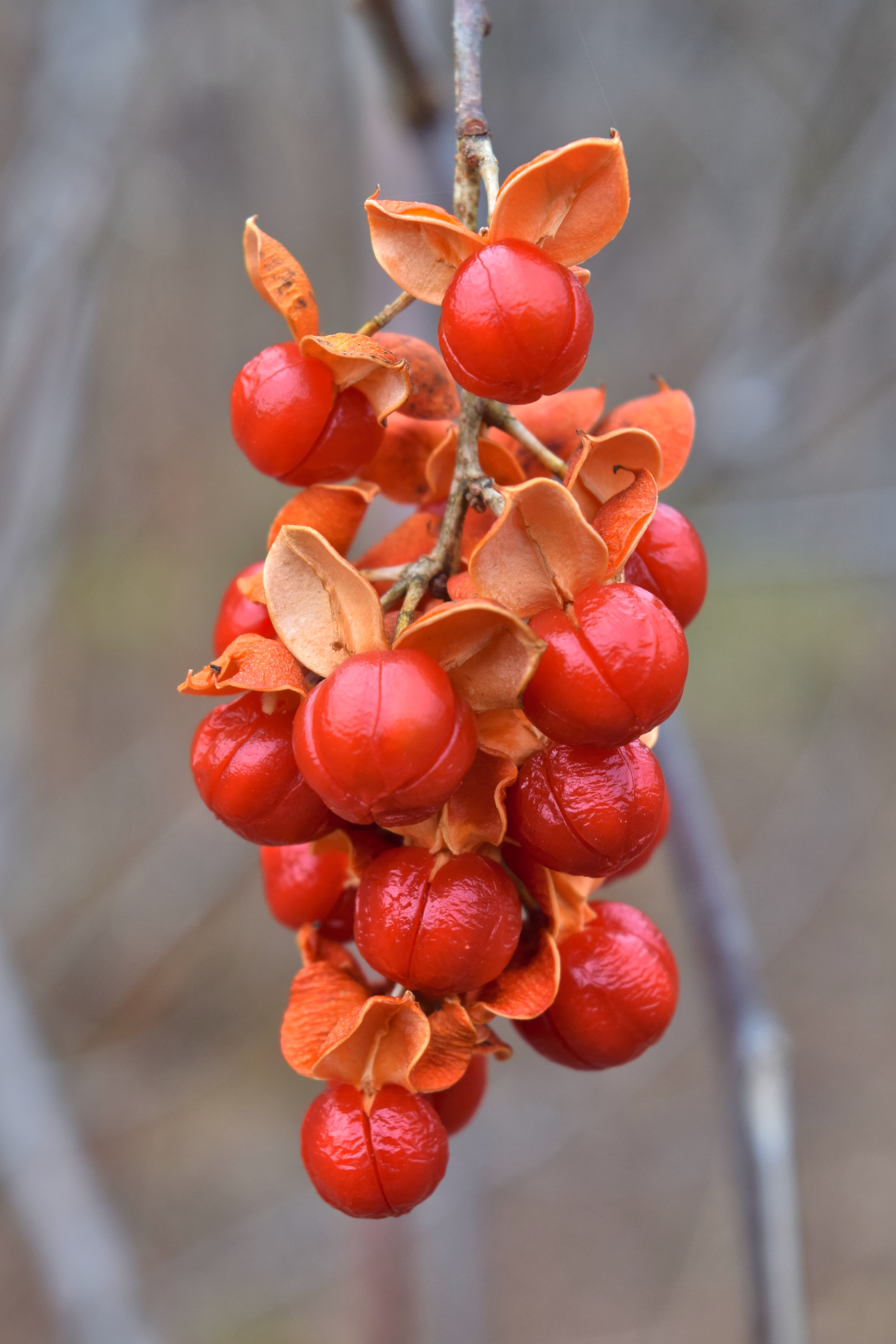 American bittersweetCelastrus scandens
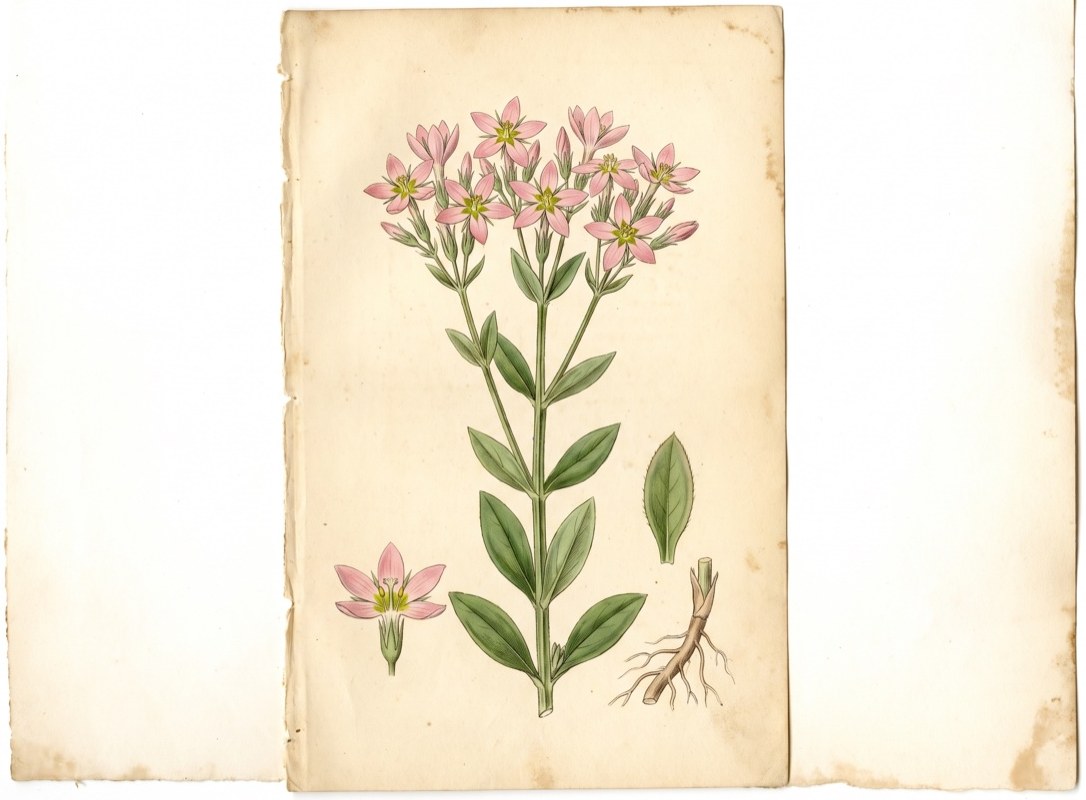 American centaurySabbatia angularis
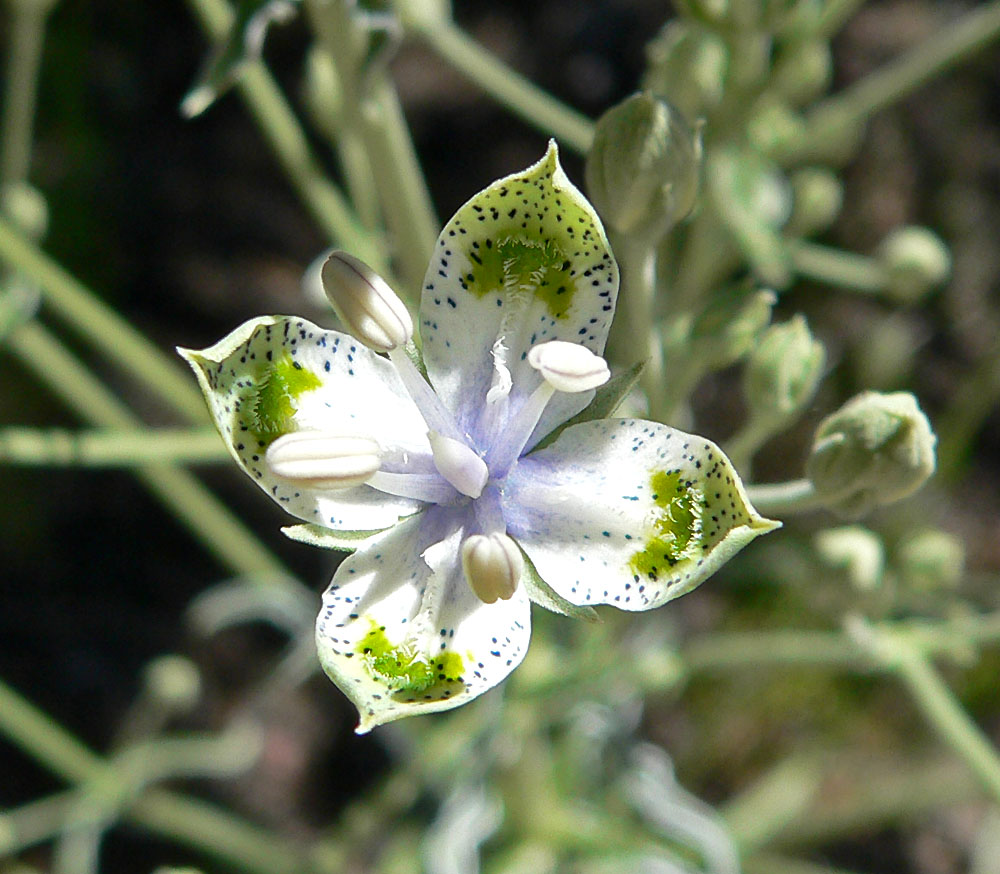 American columboFrasera carolinensis
The whole plate is in the library. The compass, Compare, the Sky of eleven hundred plants and the formulary open with an email address and a password, free, with the formula builder and its safety engine. Herbert without limit, his formulating, clients, the handouts and the labels are the paid room.
Open the library, free