Western Herbalism
American beech
Fagus ferruginea
Also known as Beech, Red beech, White beech.
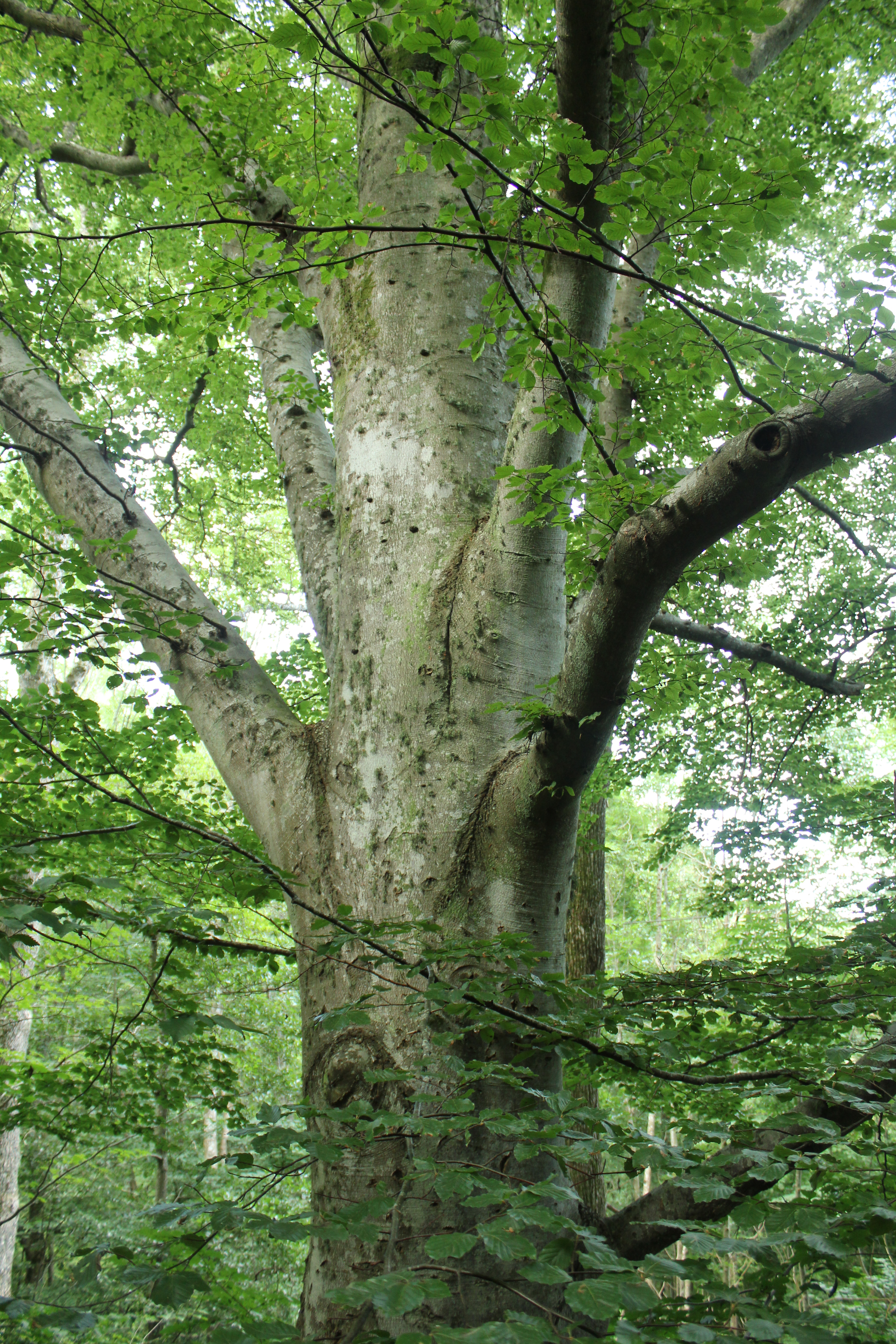
American beech is a large forest tree of eastern North America, easily known by its smooth ash-gray bark, glossy toothed leaves, and small triangular nuts held in a spiny burr. The leaves, gathered and dried, were the part used medicinally in nineteenth century American physiomedical and domestic practice. Within that tradition the leaf was valued as a gentle, cooling, relaxant remedy for irritated mucous membranes, used both internally as an infusion and externally as a poultice.

Ask Herbert about American beech. Herbert is the master herbalist inside Bountiful Herbs: he answers from this plate and eleven hundred others, with dosing, pairing and cautions. Your first ten questions are free.
Ask HerbertActions
Indications what the tradition reached for it in
- Scanty and scalding urine
- Cystitis
- Subacute catarrh of the bladder
- Aching of the kidneys and bladder
- Mild dysentery
- Painful swellings (topical)
- Irritable, weak, slow-healing ulcers (topical)
- General debility with weak tissue tone
Specific indications
Burning, scanty urination with a sense of heat and irritation in the bladder, where a soothing, cooling drink is wanted
Slow, irritable skin ulcers or swellings that need a relaxant, demulcent poultice rather than a stimulating one
Safety
Breastfeeding: No safety data exist; avoid medicinal use during lactation in the absence of information.
The record lists 1 contraindication; open the plate in the library to read them in full.
In practice
In the physiomedical literature beech leaf was reached for when tissue was irritated and inflamed rather than truly weak or atonic: a hot, scalding urine with a raw, uncomfortable bladder, or a low-grade dysentery where the gut needed soothing rather than stimulating.
Dosing as the sources wrote it
| Preparation | As written | Metric |
|---|---|---|
| Infusion | 7-8 g dried leaf (about two drachms) infused in 500 mL warm water, taken through the day | 7000-8000 mg |
| Tincture (1:5, 40%) | 2-4 mL three times daily | 2-4 mL |
| Dose, from three to ten grains, three times a day | 194-648 mg |
Doses are reproduced from the sources for practitioners and are not a recommendation for any person.
From the sources
Overview. American beech is a large forest tree of eastern North America, easily known by its smooth ash-gray bark, glossy toothed leaves, and small triangular nuts held in a spiny burr. The leaves, gathered and dried, were the part used medicinally in nineteenth century American physiomedical and domestic practice. Within that tradition the leaf was valued as a gentle, cooling, relaxant remedy for irritated mucous membranes, used both internally as an infusion and externally as a poultice.
Clinical Notes. In the physiomedical literature beech leaf was reached for when tissue was irritated and inflamed rather than truly weak or atonic: a hot, scalding urine with a raw, uncomfortable bladder, or a low-grade dysentery where the gut needed soothing rather than stimulating.
Properties and Uses. The leaves of the beech-tree are possessed of relaxant and demulcent properties, and leave behind a mild tonic impression. They may be used in poultices to painful swellings and irritable and weak ulcers.
Properties and Uses. This article is very slightly alkaline; and is also stimulant and moderately relaxant. It acts upon the stomach, duodenum, and smaller intestines, proving mildly laxative, and leaving behind a tonic impression.
Drawn from Cook's Physio-Medical Dispensatory, and the Bountiful Herbs editorial.
Nearby on the shelf
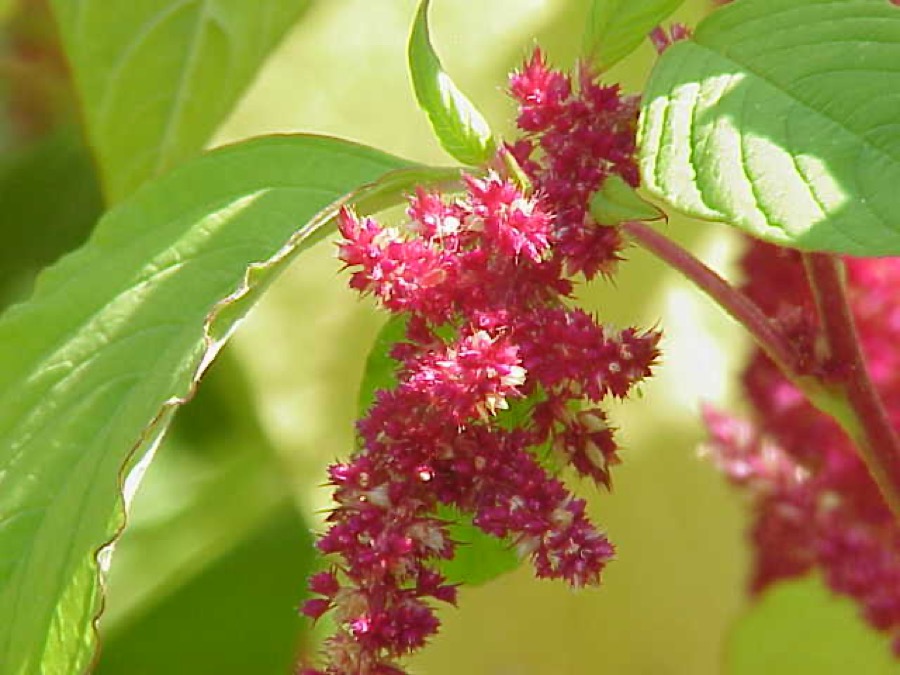 AmaranthAmaranthus
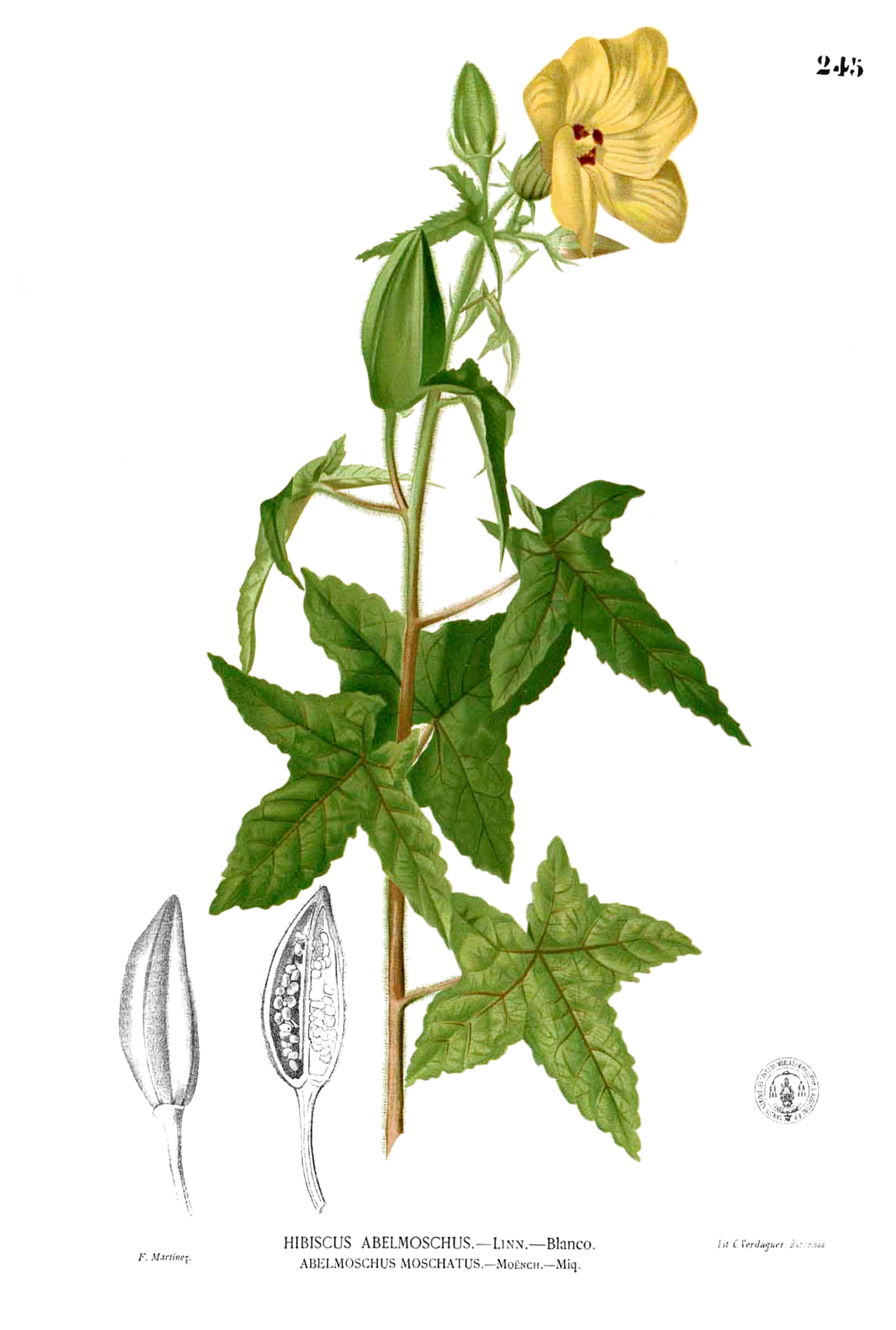 Ambrette seedAbelmoschus moschatus
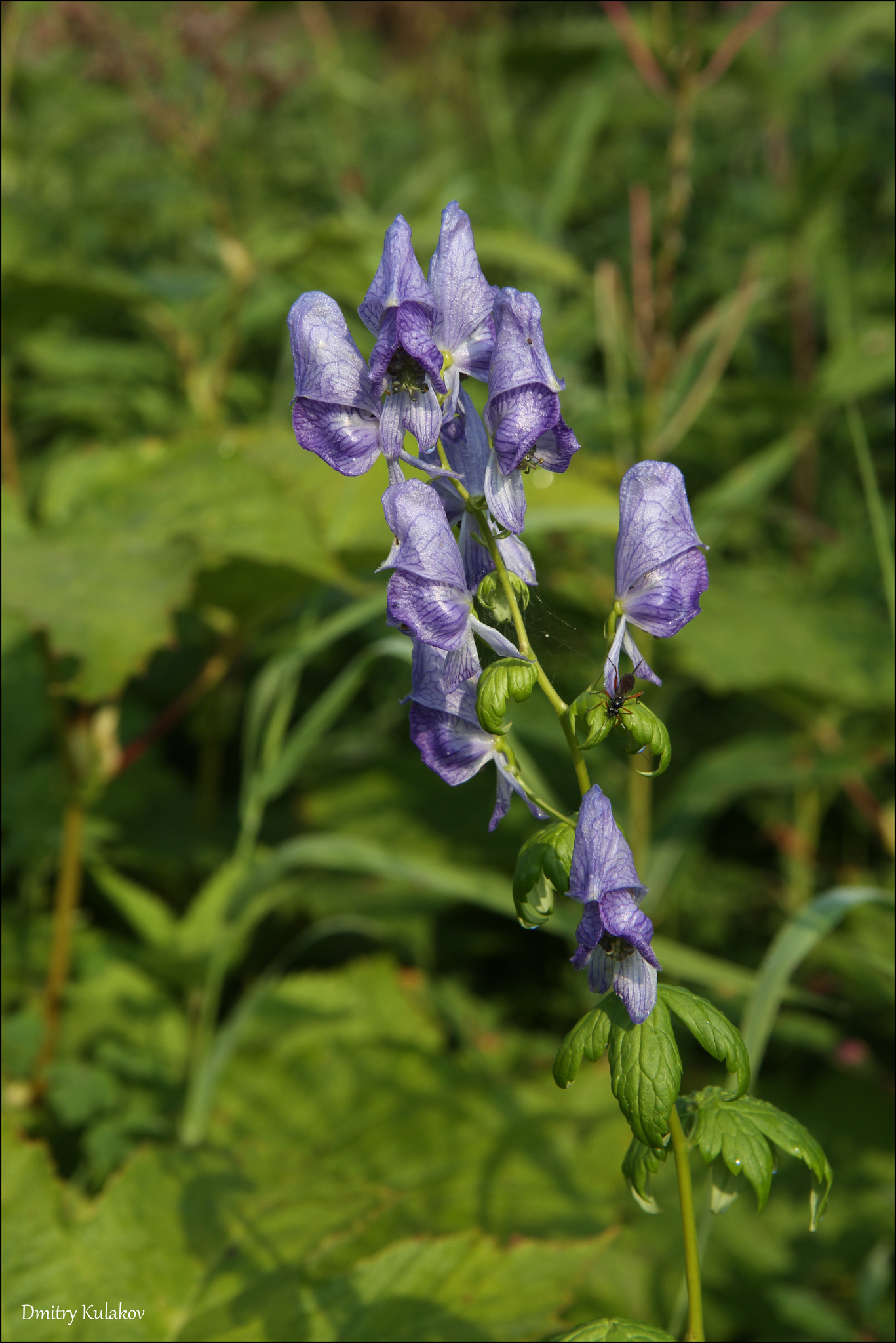 American AconiteAconitum Fischeri
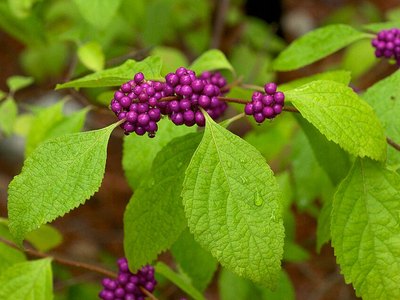 American beautyberryCallicarpa americana
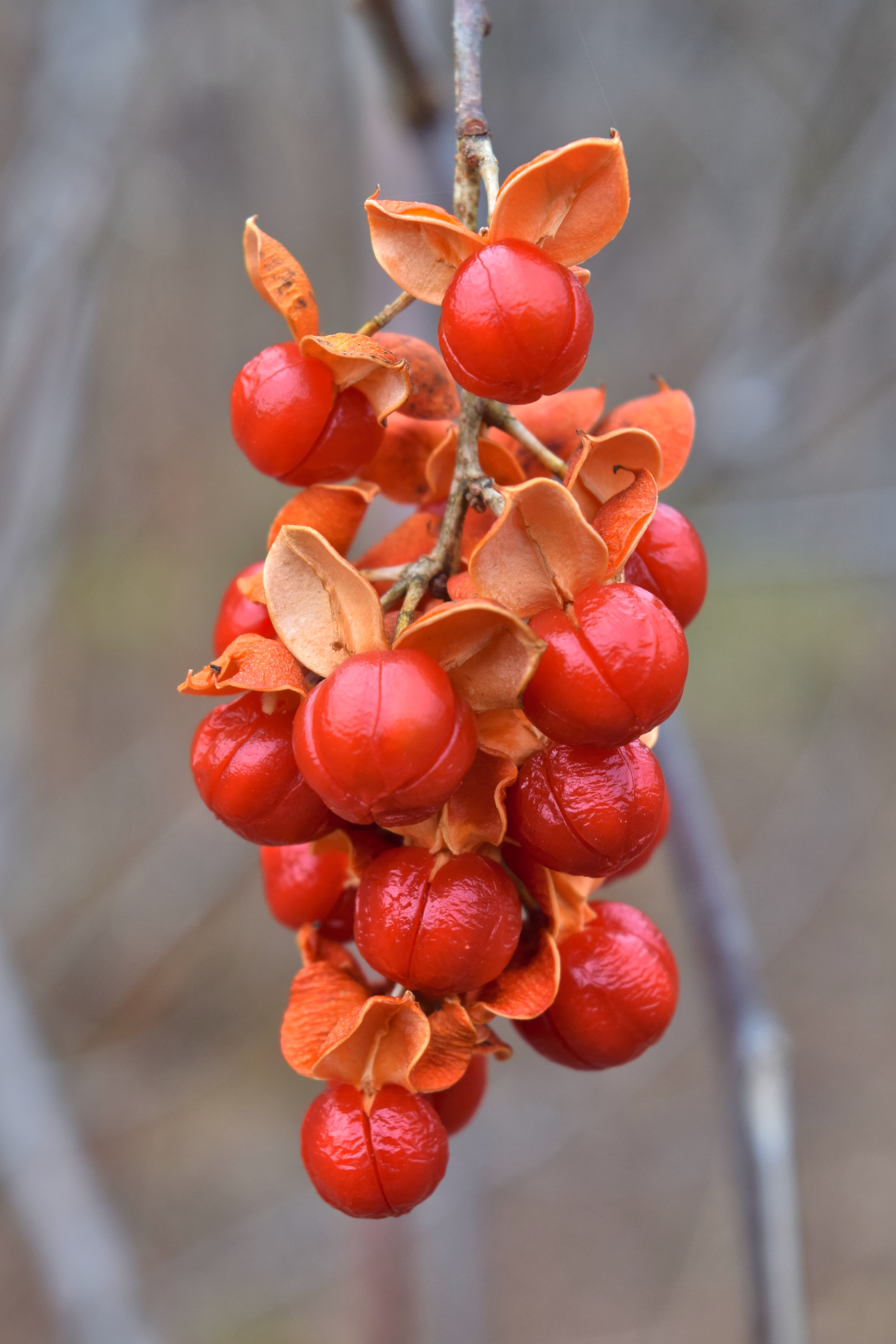 American bittersweetCelastrus scandens
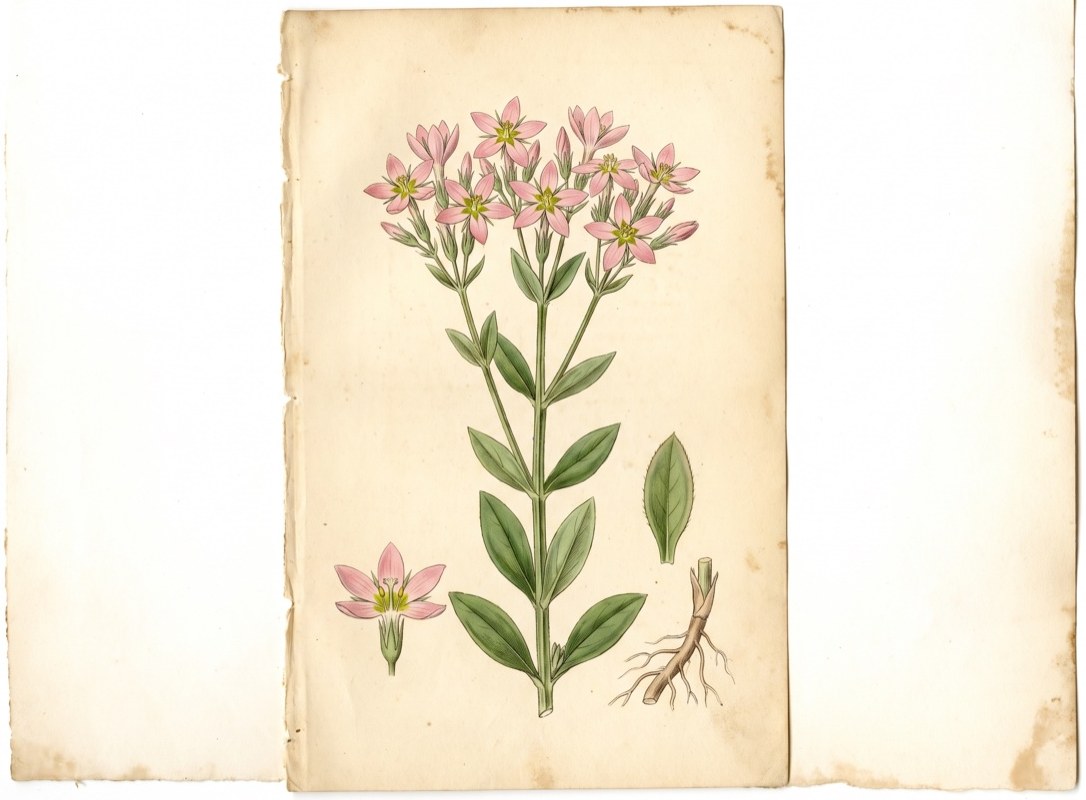 American centaurySabbatia angularis
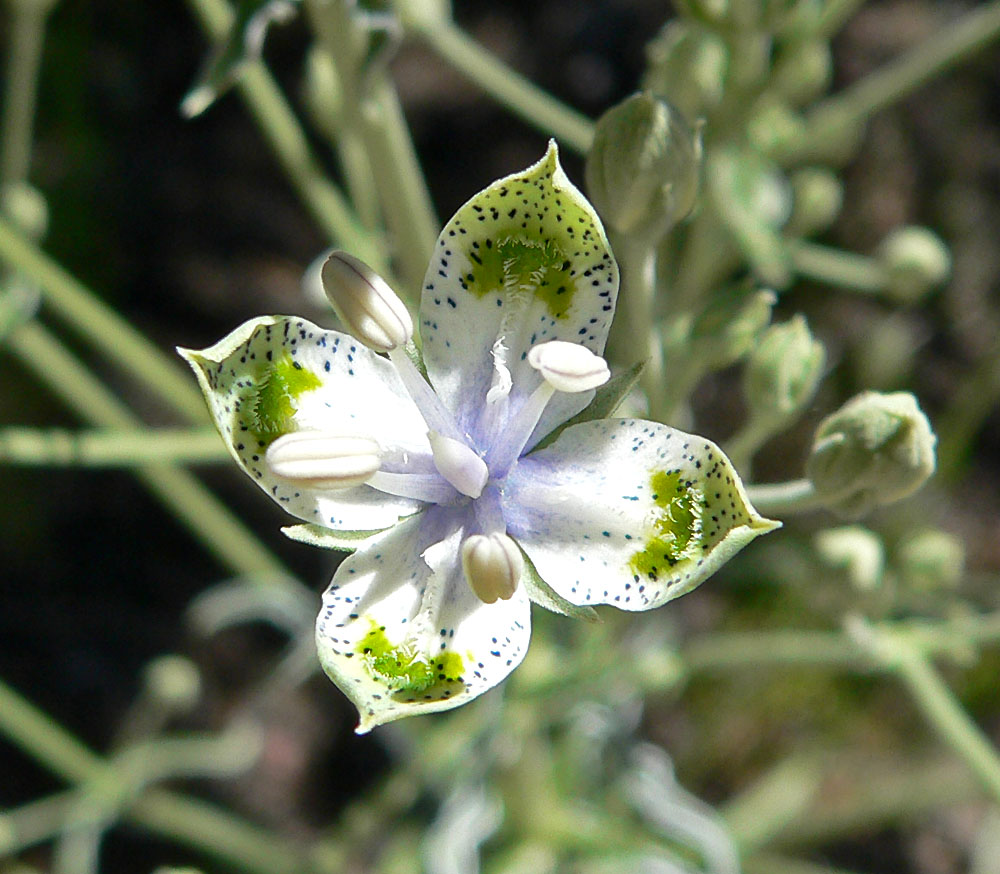 American columboFrasera carolinensis
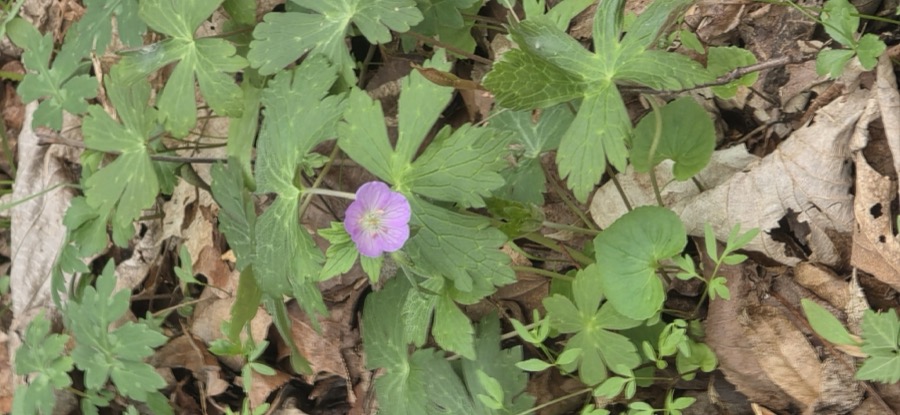 American cranesbillGermanium maculata
The whole plate is in the library. The compass, Compare, the Sky of eleven hundred plants and the formulary open with an email address and a password, free, with the formula builder and its safety engine. Herbert without limit, his formulating, clients, the handouts and the labels are the paid room.
Open the library, free