Ayurvedic Herbalism
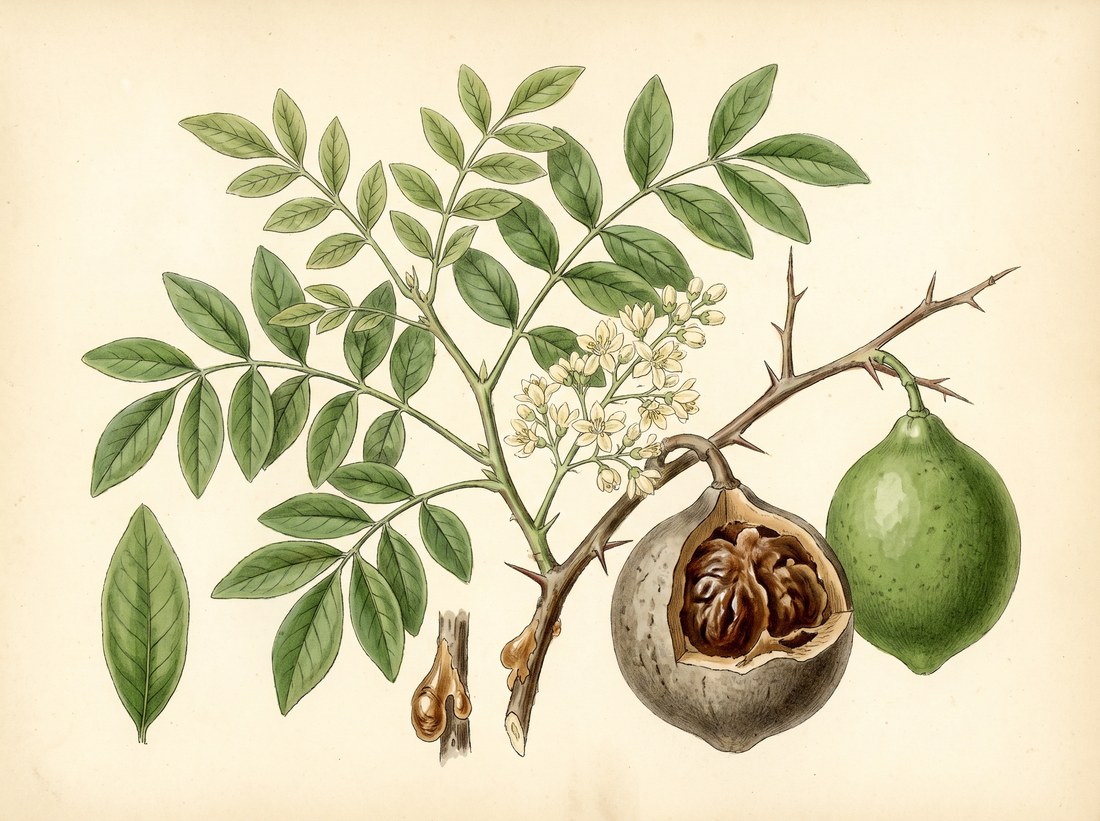
Wood apple
Limonia acidissima
Also known as elephant apple, monkey fruit, curd fruit, kaitha, Kapittha, Dadhittha, Dadhiphala.
Limonia acidissima, long known as Feronia limonia or Feronia elephantum, is a slow-growing, thorny deciduous tree of the citrus family native to the dry plains of India and Sri Lanka and grown across South and Southeast Asia for its hard, woody, grayish fruit the size of a large orange. The brown, sour-sweet, strongly aromatic pulp is eaten fresh with sugar or made into chutney and sherbet, and Ayurveda knows the fruit as Kapittha, an astringent, cooling remedy for diarrhea, hiccup, vomiting and thirst that also cleanses the throat. The unripe fruit is the medicine for the bowel; the ripe fruit is a heavy, nourishing food with milder actions.

Ask Herbert about Wood apple. Herbert is the master herbalist inside Bountiful Herbs: he answers from this plate and eleven hundred others, with dosing, pairing and cautions. Your first ten questions are free.
Ask HerbertActions
Indications what the tradition reached for it in
- Acute and chronic diarrhea
- Dysentery with mucus
- Irritable bowel with loose stools
- Persistent hiccup
- Nausea and vomiting with thirst
- Sore throat and hoarseness
- Bleeding gums and gingivitis
- Heat exhaustion with thirst (ripe fruit sherbet)
- Poor appetite and dyspepsia (leaf)
- Minor wounds and insect bites (leaf or pulp poultice)
- Recovery of weight after diarrheal illness (ripe fruit)
Specific indications
Watery or mucousy stools several times a day in a hot, thirsty patient who is losing weight, where a cooling astringent is wanted rather than a heating one
Hiccup or retching that will not settle, with a dry mouth and thirst, especially in fever or after vomiting
A child with recurrent loose stools, poor appetite and a sore, red throat in the hot season
Bleeding, spongy gums with bad breath and a sour taste in a pitta patient
Safety
The record lists 7 contraindications; open the plate in the library to read them in full.
In practice
The Ayurvedic physician distinguishes the two fruits sharply. Ama kapittha, the unripe fruit, is astringent and sour, grahi and kanthya, and is dried and powdered for atisara, pravahika and grahani, usually with Bilva, Musta and Dhataki or in Kapitthashtaka churna with the aromatic spices that keep it from binding too hard.
In Ayurveda
Rasa: unripe fruit kashaya (astringent), amla (sour); ripe fruit madhura (sweet), amla (sour), kashaya (astringent). Virya: sheeta (cooling). Vipaka: madhura (sweet) for the ripe fruit; katu (pungent) for the unripe. Guna: guru (heavy), ruksha (dry); the ripe fruit is guru and somewhat vishtambhi (obstructing). Dosha: unripe fruit pacifies vata and pitta and is grahi; ripe fruit pacifies all three doshas per the Nighantus but is heavy to digest and can increase kapha in excess. Karma: grahi (absorbs, binds the stool); kanthya (benefits throat and voice); kanthashodhana (cleanses the throat); rochana (improves taste); deepana (kindles digestion); vishaghna (antidotal); hikkanigrahana (relieves hiccup); chardinigrahana (relieves vomiting); trishnanigrahana (relieves thirst); shvasahara (relieves dyspnea); vrishya (aphrodisiac, ripe fruit); dantya (benefits teeth and gums). Classical indications: atisara (diarrhea); pravahika (dysentery); grahani (malabsorption, irritable bowel); hikka (hiccup); chardi (vomiting); trishna (thirst); kantharoga (throat disease); visha (poisoning); aruchi (loss of taste); shvasa (dyspnea); kasa (cough); raktapitta (bleeding); dantaroga (dental disease, gum bleeding). The fruit is the drug in two states: the unripe fruit, dried and powdered, is the astringent grahi for diarrhea and dysentery, while the ripe pulp is eaten fresh, made into sherbet or chutney and used for thirst, hiccup and as a heavy nourishing food. The pulp leads Kapitthashtaka churna; the leaves are chewed or decocted for indigestion and the gum is used as a demulcent and as a binder. Classical formulations: Kapitthashtaka churna, Kapittha sharkara (sherbet), Kapittha leha, Kapittha panaka, Kapittha patra kwatha, Bilvadi churna (as a companion astringent in regional variants). Described in: Charaka Samhita, Sushruta Samhita, Ashtanga Hridaya, Bhavaprakasha Nighantu, Dhanvantari Nighantu, Raja Nighantu, Kaiyadeva Nighantu, Madanapala Nighantu, Ayurvedic Pharmacopoeia of India.
Dosing as the sources wrote it
| Preparation | As written | Metric |
|---|---|---|
| Churna (unripe fruit) | 3-6 g powdered unripe fruit twice daily with buttermilk | 3000-6000 mg |
| Ripe pulp (panaka) | 10-30 g ripe fruit pulp in water once or twice daily | 10000-30000 mg |
| Kwatha (leaf) | 50-100 mL leaf decoction twice daily | 50-100 mL |
| Kalka, topical | 5-10 g leaf or pulp paste applied locally | 5000-10000 mg |
Doses are reproduced from the sources for practitioners and are not a recommendation for any person.
From the sources
Clinical Notes. The Ayurvedic physician distinguishes the two fruits sharply. Ama kapittha, the unripe fruit, is astringent and sour, grahi and kanthya, and is dried and powdered for atisara, pravahika and grahani, usually with Bilva, Musta and Dhataki or in Kapitthashtaka churna with the aromatic spices that keep it from binding too hard.
Ayurvedic Profile. Rasa: unripe fruit kashaya (astringent), amla (sour); ripe fruit madhura (sweet), amla (sour), kashaya (astringent). Virya: sheeta (cooling). Vipaka: madhura (sweet) for the ripe fruit; katu (pungent) for the unripe.
In formulas
Wood apple stands in 2 documented formulas in the library, among them Daśamūlāriṣṭa, Vajrakapāṭa Rasa.
Often paired with
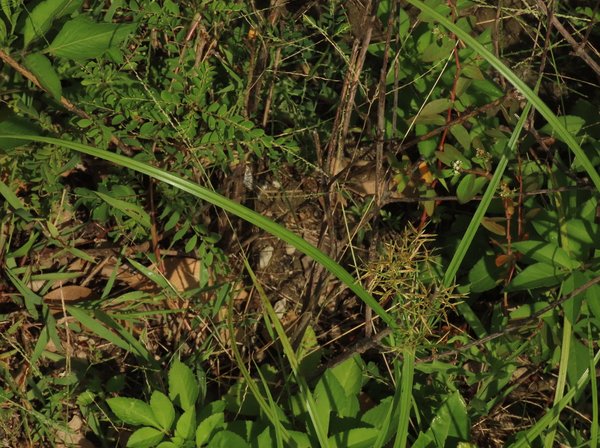 nut grassCyperus rotundus
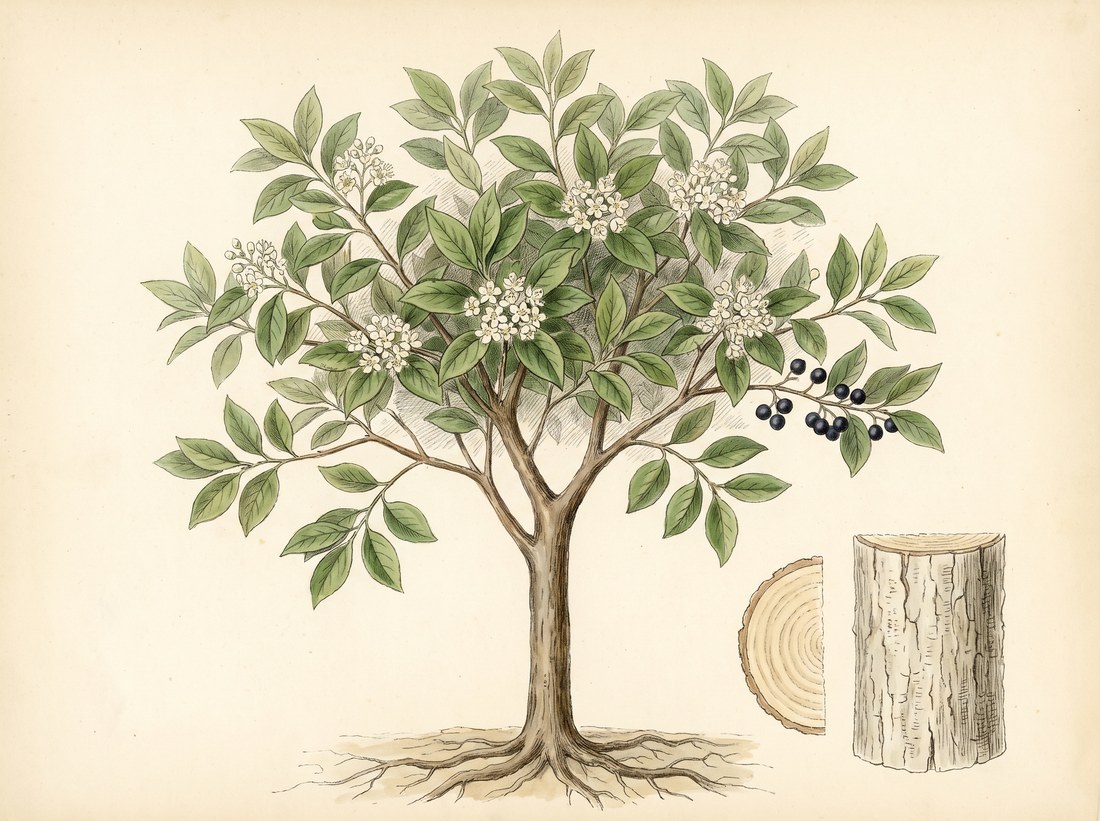 lodh treeSymplocos racemosa
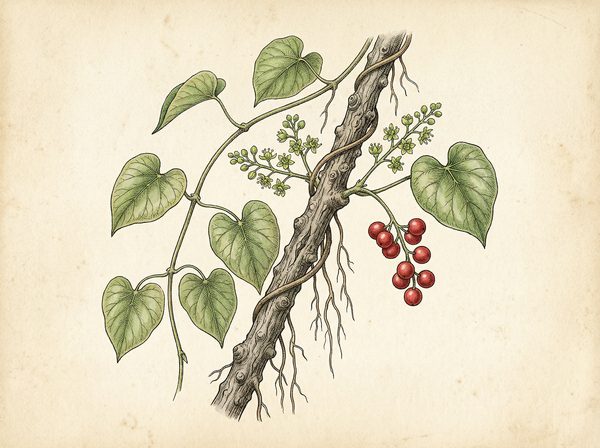 guduchiTinospora cordifolia
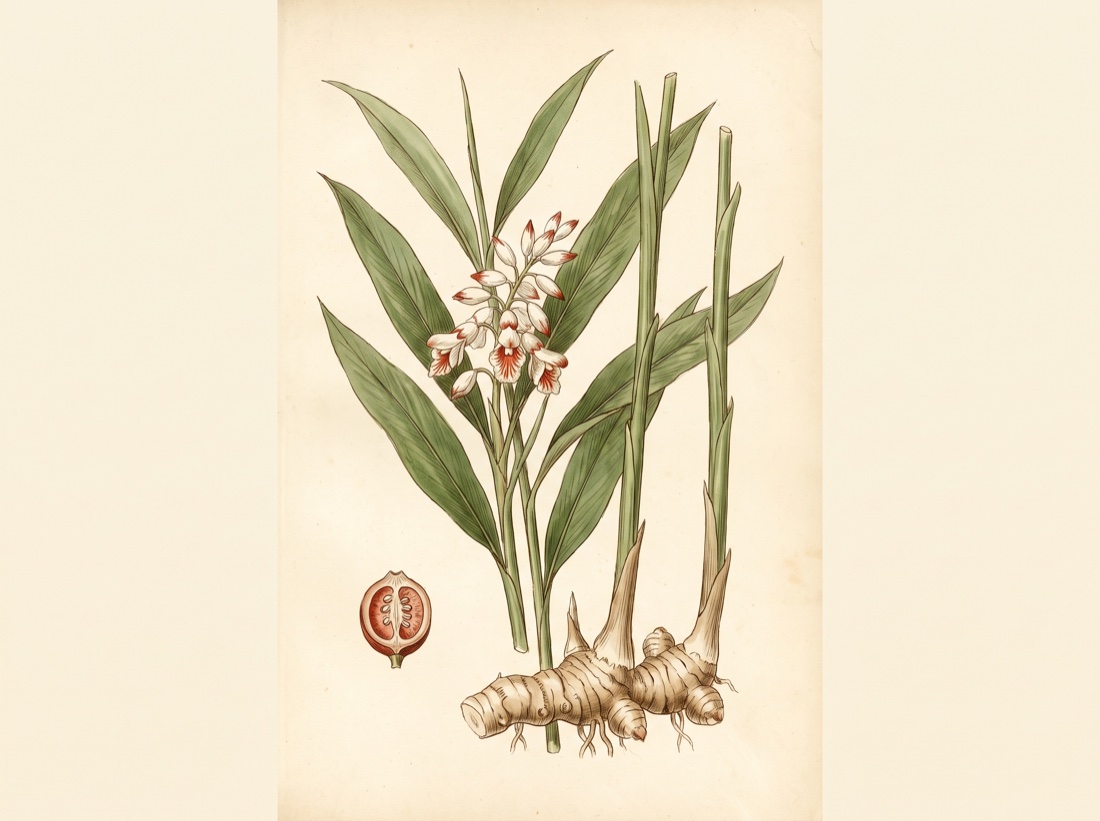 greater galangalAlpinia galanga
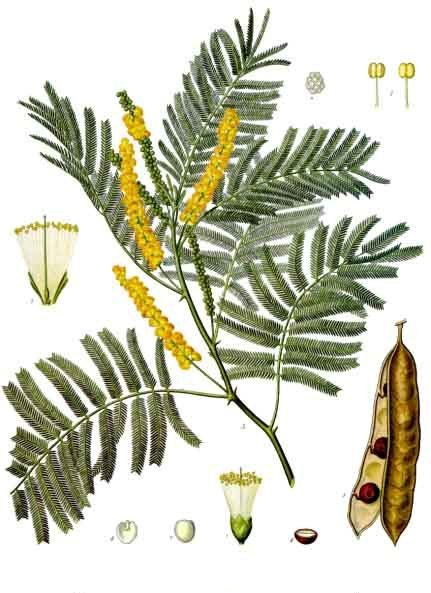 cutch treeAcacia catechu
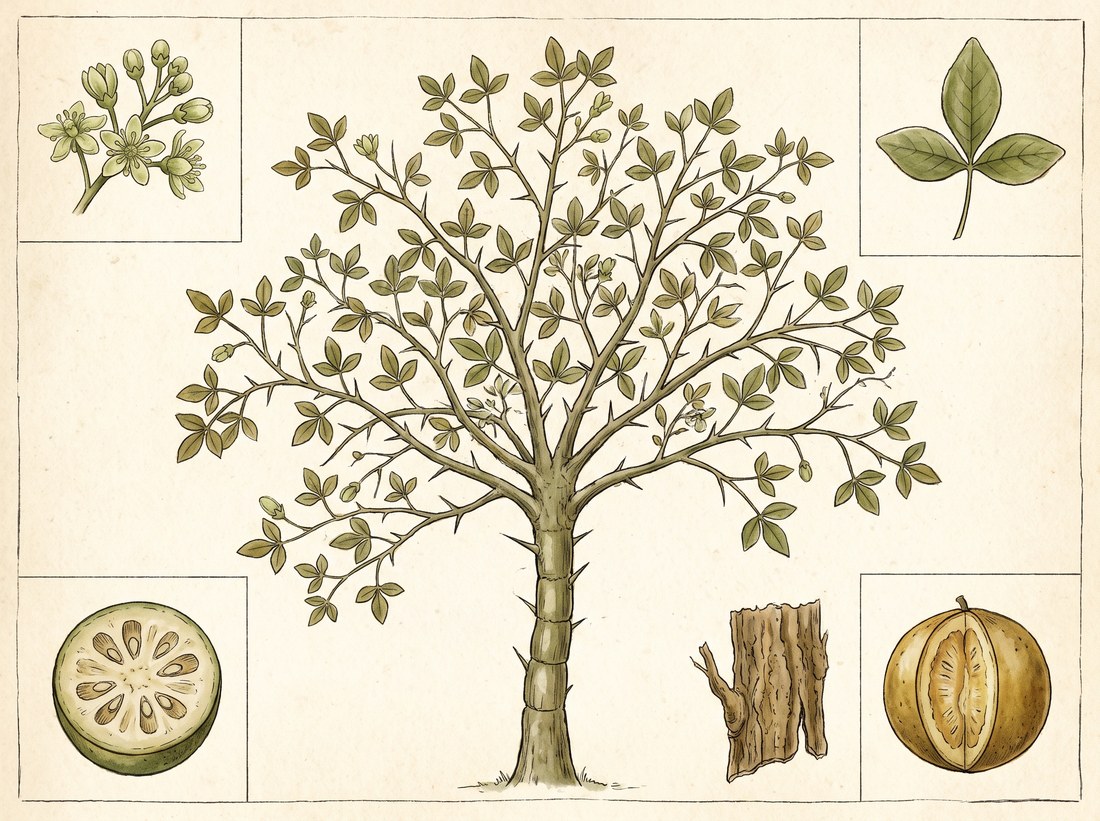 baelAegle marmelos
Nearby on the shelf
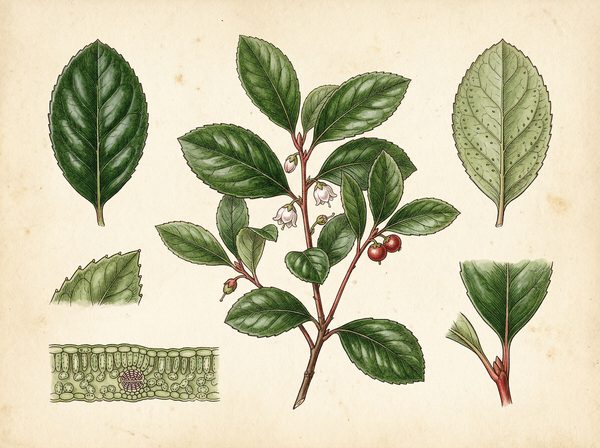 WintergreenGaultheria procumbens
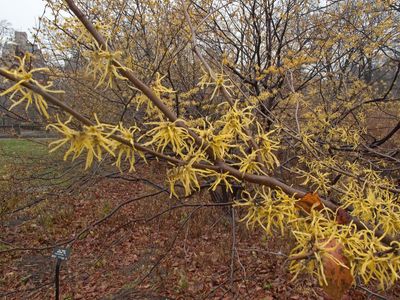 Witch hazelHamamelis virginiana
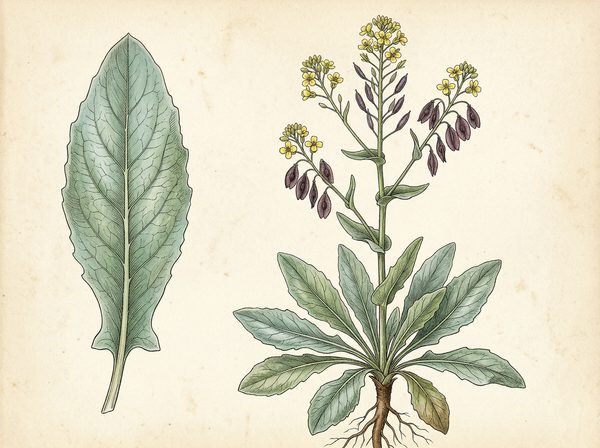 WoadIsatis tinctoria
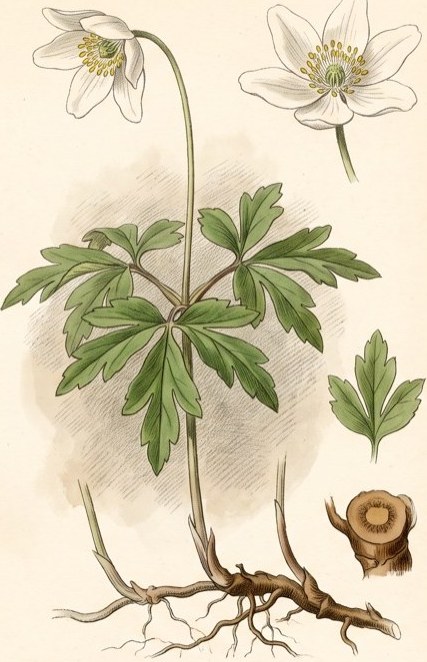 Wood AnemoneAnemone nemorosa
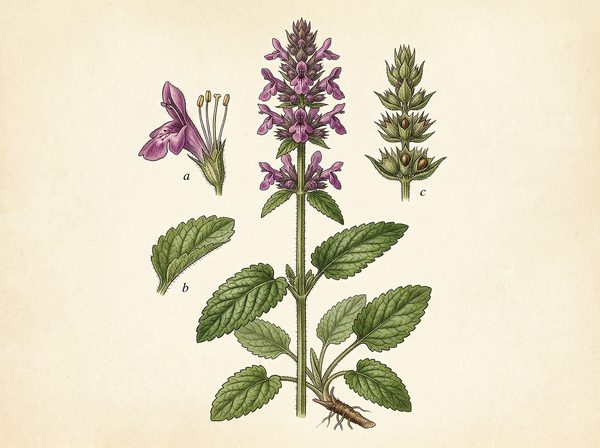 Wood BetonyStachys officinalis
 Wood sorrelOxalis acetosella
 WoorariCurare
 WormseedChenopodium ambrosioides
The whole plate is in the library. The compass, Compare, the Sky of eleven hundred plants and the formulary open with an email address and a password, free, with the formula builder and its safety engine. Herbert without limit, his formulating, clients, the handouts and the labels are the paid room.
Open the library, free