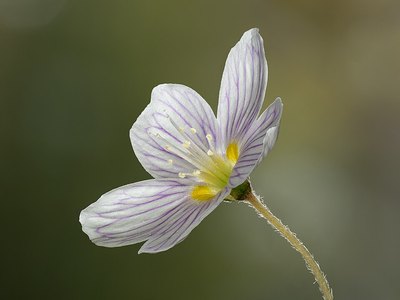
Western Herbalism
Wood sorrel
Oxalis acetosella
Also known as Common wood sorrel, Cuckoo bread, Sour trefoil, Alleluia.
Wood sorrel is a small, shade-loving woodland herb native to Europe, with delicate clover-like trifoliate leaves and pale nodding flowers, that has long been gathered for its refreshingly sour leaves. The fresh aerial parts were used in European folk and physiomedicalist practice as a cooling, moistening remedy for fevers, thirst, and scorbutic conditions, taken as an infusion, expressed juice, or made into a cooling drink. It has largely fallen out of professional use, being replaced by more concentrated sources of vitamin C and safer diuretics, but retains a place in older Western herbal texts as a simple household remedy.

Ask Herbert about Wood sorrel. Herbert is the master herbalist inside Bountiful Herbs: he answers from this plate and eleven hundred others, with dosing, pairing and cautions. Your first ten questions are free.
Ask HerbertActions
Indications what the tradition reached for it in
- Fever with thirst
- Scorbutic gum disease
- Mouth ulcers
- Sore throat
- Nausea and loss of appetite
- Urinary irritation
- Summer heat exhaustion
- Minor skin inflammation and sores
- Convalescent debility with poor appetite
Specific indications
Feverish thirst with a craving for something sour and cooling to moisten a dry mouth
Bleeding, spongy gums of scorbutic type with general debility
Safety
Low dose botanical. Used in drop doses in the classical practice; not a plant to dose freely.
Pregnancy: Not rated in the safety literature; given its oxalate content, avoid regular or concentrated use in pregnancy and limit to occasional small culinary amounts.
The record lists 7 contraindications; open the plate in the library to read them in full.
In practice
In the physiomedicalist framework wood sorrel was regarded as a relaxant and refrigerant, useful where tissue was hot, dry, and irritated, such as in feverish thirst or an inflamed, dry mouth. The fresh leaves, chewed or infused, give an immediate sour, cooling sensation that was thought to encourage salivation and quench thirst in low fevers, and the plant was traditionally taken as a spring tonic for scorbutic gum disease and general debility, reflecting its natural vitamin C content.
Dosing as the sources wrote it
| Preparation | As written | Metric |
|---|---|---|
| Fresh herb infusion | 5-10 g fresh leaf infused in 250 mL hot water, once or twice daily for a few days only | 5000-10000 mg |
| Tincture (1:5, 25%) | 1-2 mL up to three times daily, short courses only | 1-2 mL |
Doses are reproduced from the sources for practitioners and are not a recommendation for any person.
From the sources
Overview. Wood sorrel is a small, shade-loving woodland herb native to Europe, with delicate clover-like trifoliate leaves and pale nodding flowers, that has long been gathered for its refreshingly sour leaves. The fresh aerial parts were used in European folk and physiomedicalist practice as a cooling, moistening remedy for fevers, thirst, and scorbutic conditions, taken as an infusion, expressed juice, or made into a cooling drink. It has largely fallen out of professional use, being replaced by more concentrated sources of vitamin C and safer diuretics, but retains a place in older Western herbal texts as a simple household remedy.
Clinical Notes. In the physiomedicalist framework wood sorrel was regarded as a relaxant and refrigerant, useful where tissue was hot, dry, and irritated, such as in feverish thirst or an inflamed, dry mouth. The fresh leaves, chewed or infused, give an immediate sour, cooling sensation that was thought to encourage salivation and quench thirst in low fevers, and the plant was traditionally taken as a spring tonic for scorbutic gum disease and general debility, reflecting its natural vitamin C content.
Properties and Uses. This herb, freshly gathered, is well bruised in a mortar, and then subjected to strong pressure. The juice thus obtained is put in shallow earthen dishes, and evaporated in the sun. A soft extract is thus obtained without any fermentation whatever; whence this extract in no sense resembles oxalic acid, as Newton and some others have asserted.
Medical Uses and Dosage. This article, unless in great attenuation, is an unfit agent for internal administration, though it has been given in doses of three-quarters of a grain every 3 hours in diphtheria. Such a procedure is certainly dangerous, and an infusion of sorrel, sumac-bobs, and similar substances containing the acid in combination, would even be hazardous.
Drawn from Cook's Physio-Medical Dispensatory; King's American Dispensatory, 18th edition (Felter and Lloyd), and the Bountiful Herbs editorial.
Nearby on the shelf
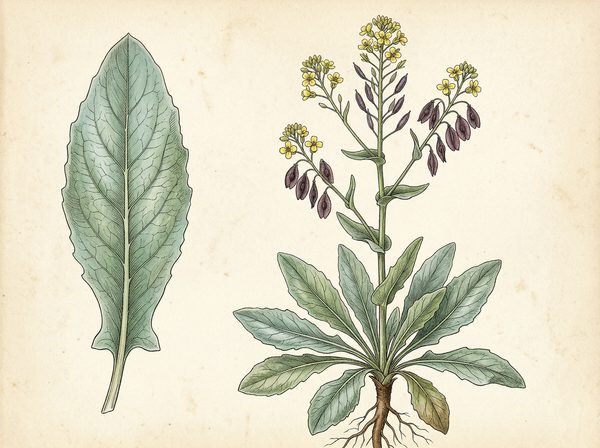 WoadIsatis tinctoria
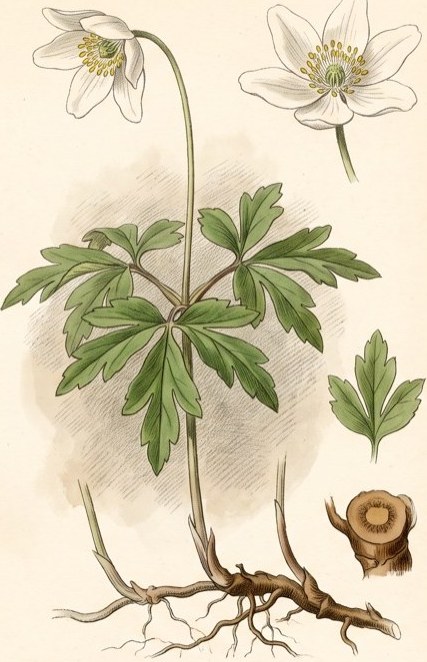 Wood AnemoneAnemone nemorosa
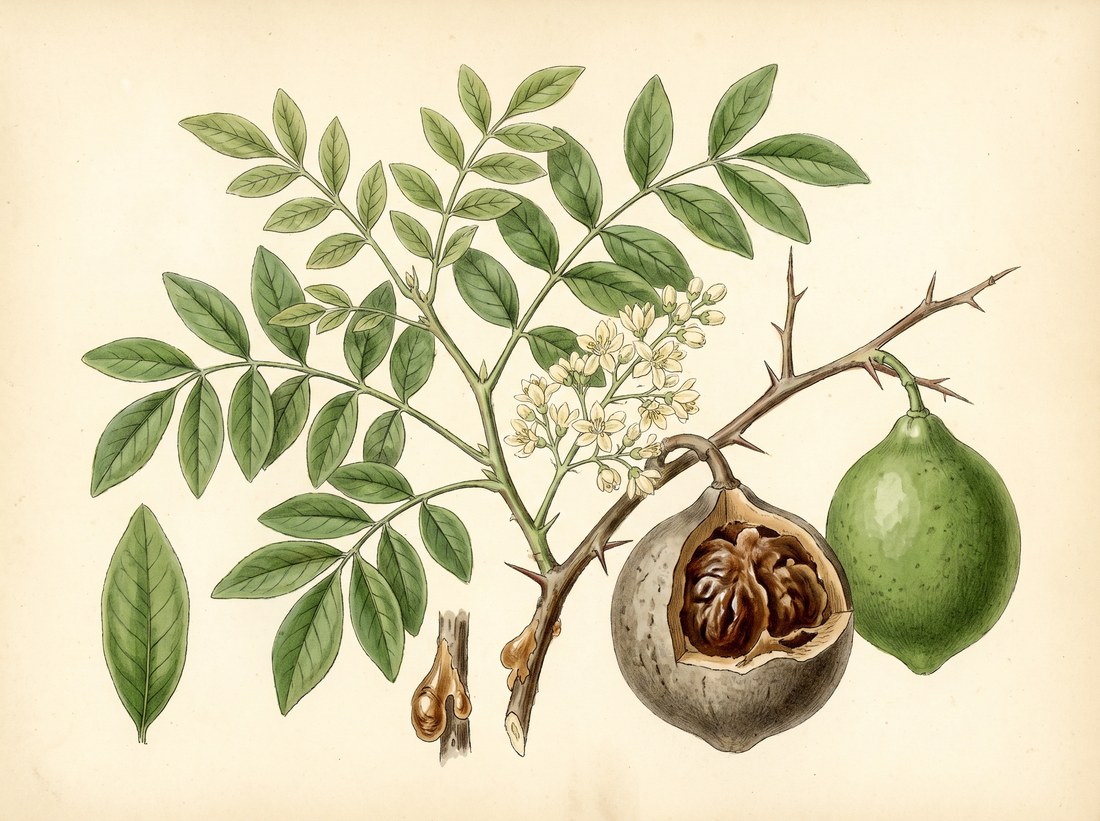 Wood appleLimonia acidissima
 Wood BetonyStachys officinalis
 WoorariCurare
 WormseedChenopodium ambrosioides
 WormwoodArtemisia absinthium
 Wu MeiPrunus mume
The whole plate is in the library. The compass, Compare, the Sky of eleven hundred plants and the formulary open with an email address and a password, free, with the formula builder and its safety engine. Herbert without limit, his formulating, clients, the handouts and the labels are the paid room.
Open the library, free