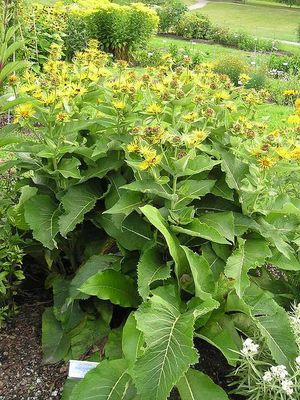
Western and Chinese herbalism
Elecampane
Inula helenium
Also known as Scabwort, Alant, Horseheal, Inula, alant camphor, Elecampagne, Elf Dock, Velvet Dock, tǔ mù xiāng.
Inulin in root is prebiotic/soluble fiber=extracted in water or ingested as powdered root (does not extract in ETOH) TCM=uses flower of Inula japonica (Xuan Fu Hua), it is considered bitter, acrid, salty & slightly warm, enters the large intestine, lung, stomach & spleen, used to dissolve phlegm accumulation in lung, descen qi and stop vomiting, dispels cold and damp, builds up lung qi, warming to lungs and St/Sp channels

Ask Herbert about Elecampane. Herbert is the master herbalist inside Bountiful Herbs: he answers from this plate and eleven hundred others, with dosing, pairing and cautions. Your first ten questions are free.
Ask HerbertActions
Indications what the tradition reached for it in
- Liver disease
- Loss of appetite
- Nausea
- Gas/bloating
- Pneumonia
- Maldigestion
- Belching
- Bronchitis (acute)
- Indigestion
- Bronchitis (chronic)
- Cough (w/ viscid sputum)
- Asthma
- Cough (wet)
- Emphys
- Bronchitis
- Cough
- Debility
- Fatigue
- Infection
- Inflammation
- Respiratory congestion
- Dyspepsia
- Weakness
- Digestive complaints
- Respiratory complaints
- Bronchial/tracheal catarrh
- Cough associated with pulmonary tuberculosis
- Dry irritating cough in children
Safety
Pregnancy: Limited safety data in pregnancy
Breastfeeding: Not for use while breastfeeding
The record lists 3 contraindications; open the plate in the library to read them in full.
Dosing as the sources wrote it
| Preparation | As written | Metric |
|---|---|---|
| Decoction | 2-3 tsp/c TID (more often for acute) | |
| Tincture (1:2-1:3) | 3-5 ml TID | 3-5 mL |
| Powdered root | 10-30 g/day | 10000-30000 mg |
| Rhizome/root 1.5-4.0 g as a decoction three times daily | 1500-4000 mg | |
| (G6, G7) Liquid extract 1.5-4.0 mL (1 : 1 in 25% alcohol) three times daily .(G6, G7) | 1.5-4 mL | |
| From ten to twenty grains of the powder may be used as a dose, three or more times a day | 648-1296 mg |
Doses are reproduced from the sources for practitioners and are not a recommendation for any person.
From the sources
Clinical Notes. Inulin in root is prebiotic/soluble fiber=extracted in water or ingested as powdered root (does not extract in ETOH) TCM=uses flower of Inula japonica (Xuan Fu Hua), it is considered bitter, acrid, salty & slightly warm, enters the large intestine, lung, stomach & spleen, used to dissolve phlegm accumulation in lung, descen qi and stop vomiting, dispels cold and damp, builds up lung qi, warming to lungs and St/Sp channels
Action and Therapy. Inula is an aromatic, stimulating expectorant and tonic. It is one of the old but neglected remedies of early domestic and eclectic development, and has recently been revived as a remedy of promise in chronic pulmonic disorders.
Therapy. In atonic condition of the abdominal viscera with engorgement great relaxation and general inactivity this agent exercises specific properties. It influences not only the character of the circulation but acts also as an alterative, improving the character of the blood.
Properties and Uses. The root is stimulating and relaxing, leaving behind a tonic and slightly astringing impression. Its influence is expended chiefly upon the mucous structures of the lungs; but it also acts moderately upon the stomach, uterus, skin, and kidneys.
Drawn from Cook's Physio-Medical Dispensatory; Scudder's Specific Medication and Specific Medicines; King's American Dispensatory, 18th edition (Felter and Lloyd); Ellingwood's American Materia Medica, Therapeutics and Pharmacognosy, and the Bountiful Herbs editorial.
In formulas
Elecampane stands in 6 documented formulas in the library, among them Chronic Bronchitis Formula, Kuṭajāriṣta, Miśreyārka, Kāṅkāyana Guṭikā, ùng sù yin [yòu kē].
Often paired with
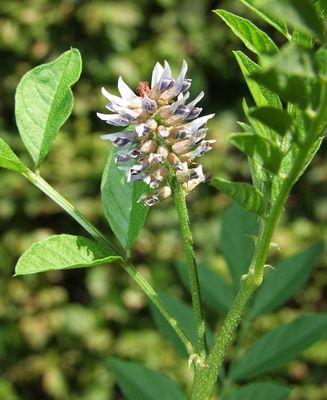 Licorice rootGlycyrrhiza glabra
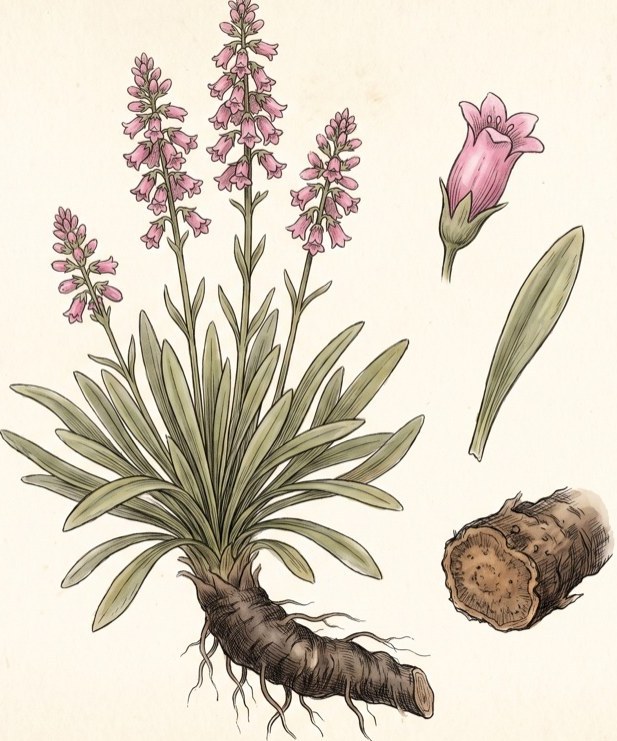 jatamansiNardostachys jatamansi
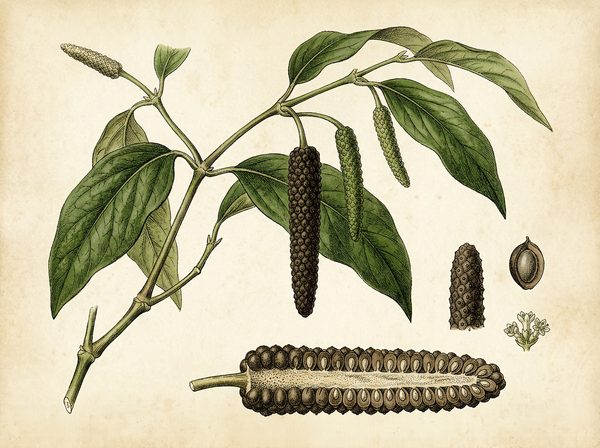 long pepperPiper longum
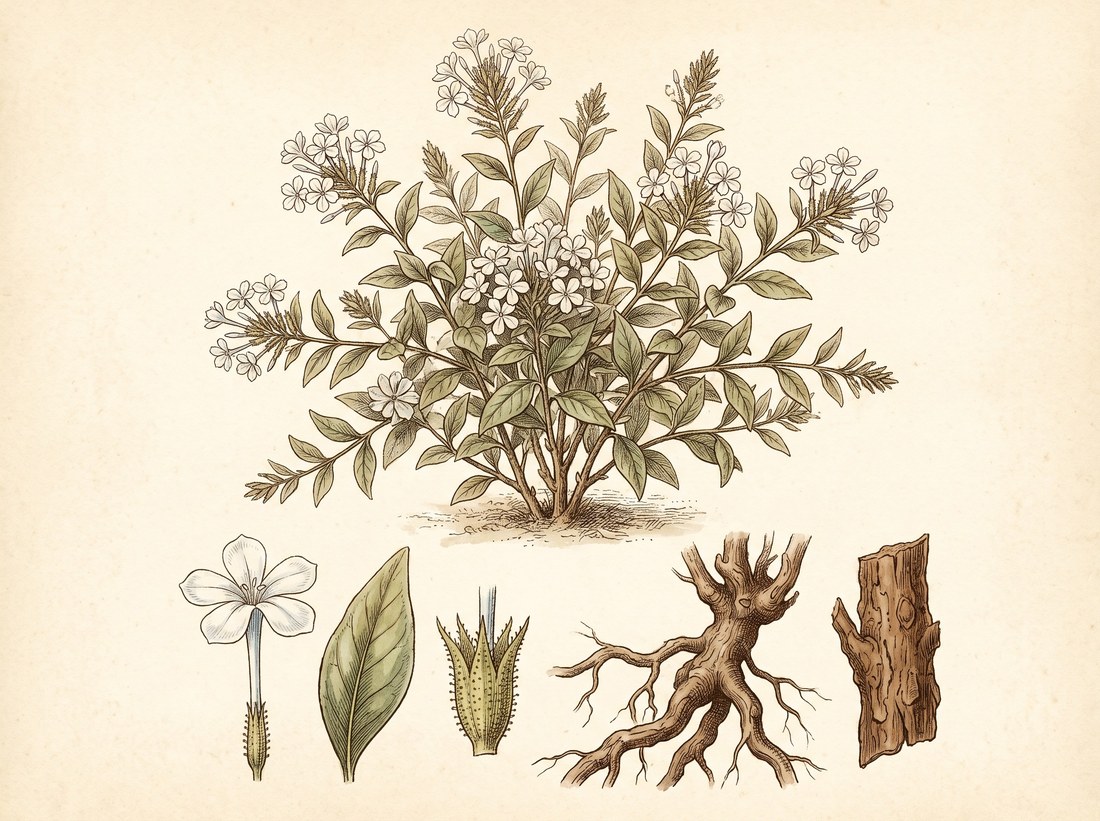 Ceylon leadwortPlumbago zeylanica
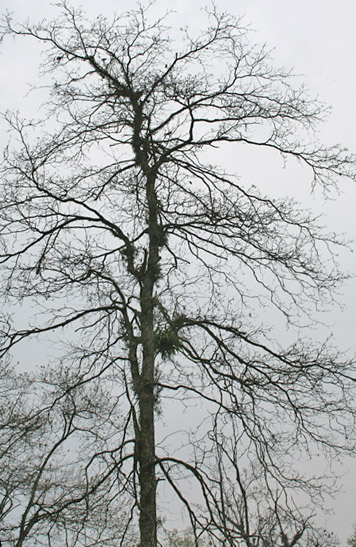 chebulic myrobalanTerminalia chebula
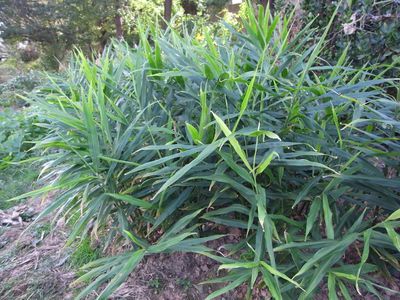 GingerZingiber officinale
Nearby on the shelf
 Eastern red cedarJuniperus virginiana
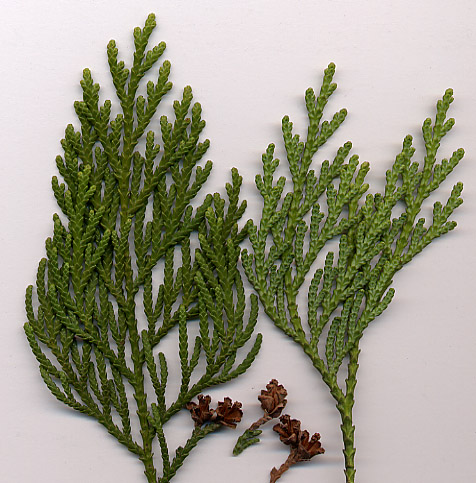 Eastern white cedarThuja occidentalis
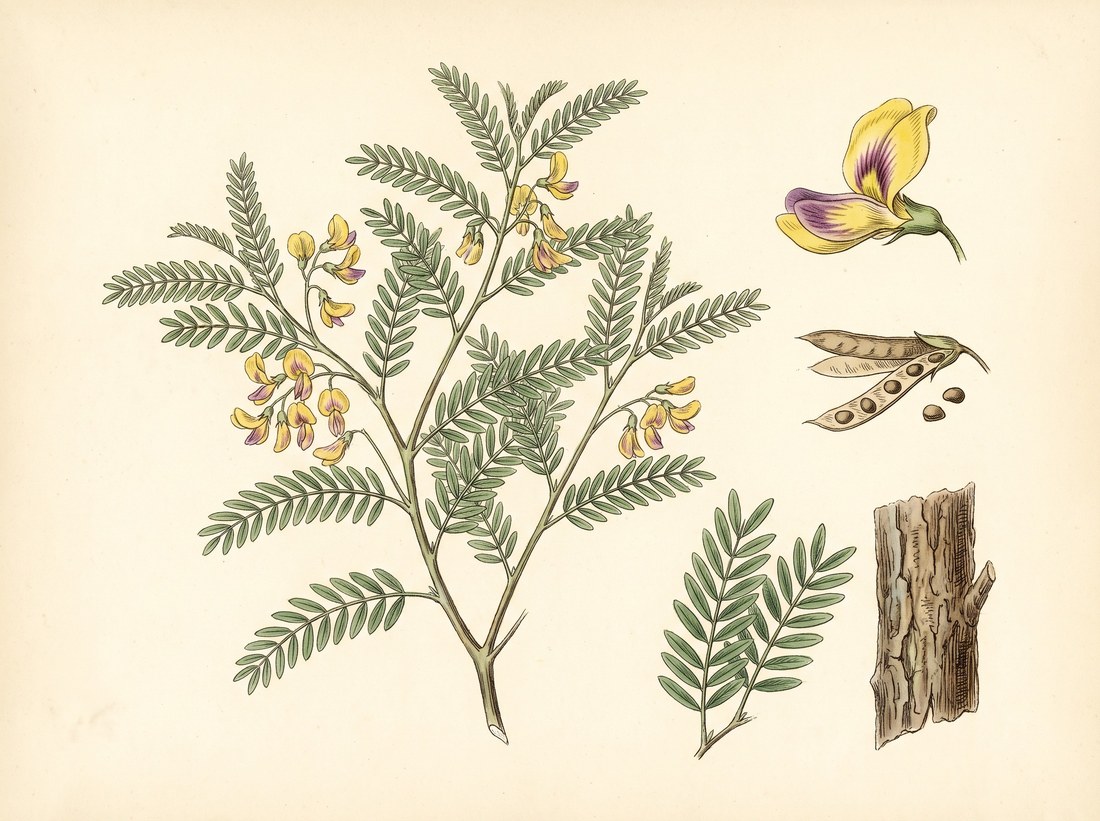 Egyptian riverhempSesbania sesban
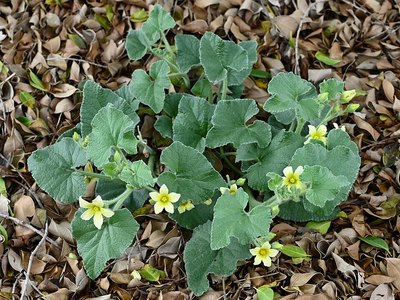 ElateriumEcballium elaterium
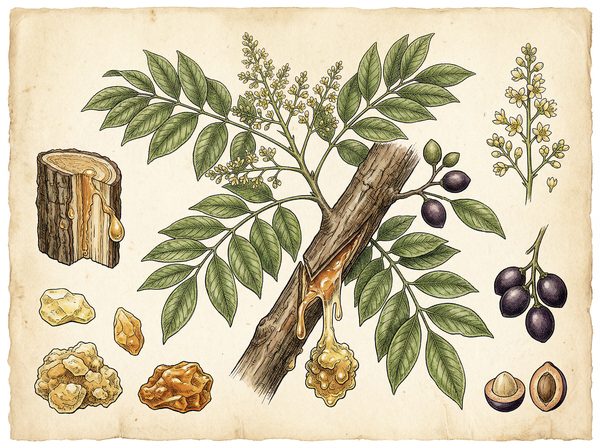 ElemiCanarium luzonicum
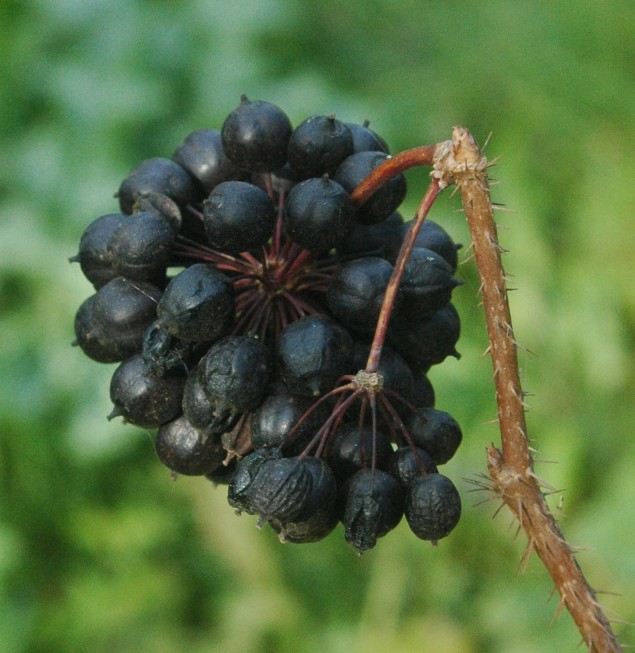 EleutheroEleutherococcus senticosus
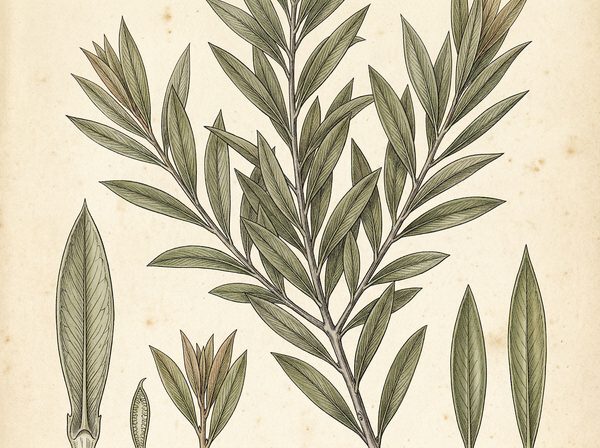 Emu BushEremophila spp.
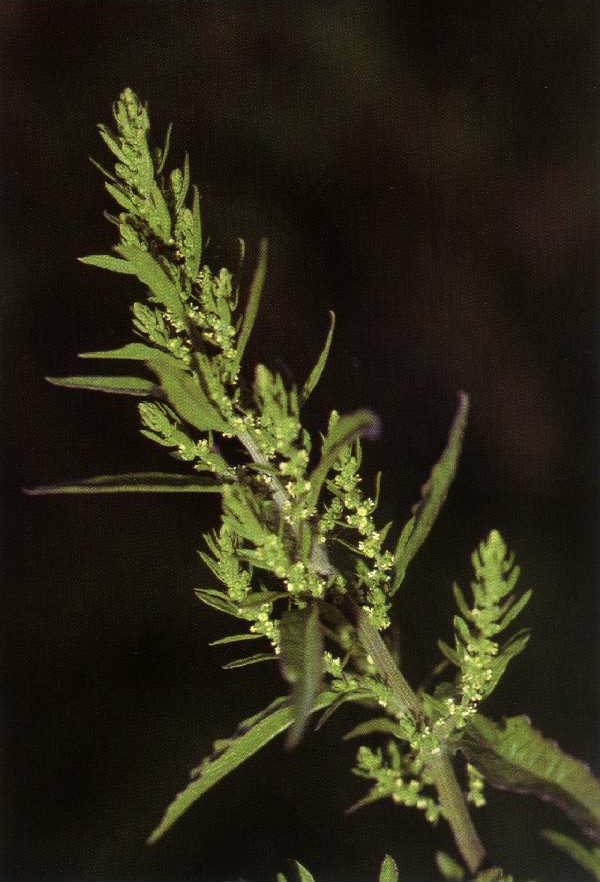 EpazoteDysphania ambrosioides
The whole plate is in the library. The compass, Compare, the Sky of eleven hundred plants and the formulary open with an email address and a password, free, with the formula builder and its safety engine. Herbert without limit, his formulating, clients, the handouts and the labels are the paid room.
Open the library, free