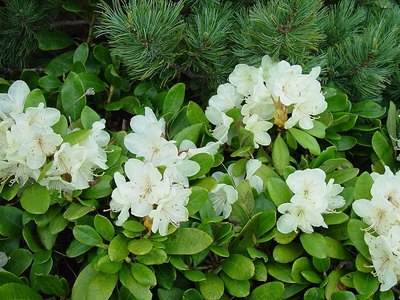
Western Herbalism
Snow rose
Rhododendron chrysanthum
Also known as Siberian rhododendron, golden-flowered rhododendron, yellow rhododendron, Rosebay, Yellow-flowered rhododendron, Alpine rose.
Rhododendron chrysanthum is an old name for the Siberian golden rhododendron, a low alpine shrub of the heath family native to mountainous regions of Siberia and the Russian Far East, where its leaves have long been used in folk medicine for rheumatic and gouty complaints. The dried or fresh leaves, gathered in late summer, were the part used, most often as a tincture. It entered nineteenth century Western practice through German and Russian sources and was taken up briefly by American Eclectic physicians as a circulatory remedy, though it never became a mainstream botanical.

Ask Herbert about Snow rose. Herbert is the master herbalist inside Bountiful Herbs: he answers from this plate and eleven hundred others, with dosing, pairing and cautions. Your first ten questions are free.
Ask HerbertActions
Indications what the tradition reached for it in
- Chronic rheumatism (historical)
- Gout (historical)
- Rheumatic joint pain with heat
- Hypertension (historical, unsupervised use inadvisable)
- Neuralgia (historical)
- Sciatica (historical)
- Chronic articular stiffness
- Febrile rheumatic states (historical)
- Rheumatic and gouty joint pain (historical)
- Chronic nephritis with edema (historical)
- Anasarca and dropsical swelling (historical)
- Hydrothorax and pleuritic effusion (historical)
- Hydrocele (historical)
- Chronic cystitis with burning and frequency (historical)
- Rheumatic fever with joint stiffness (historical)
- Painful, deep-seated joint aching worse with cold and damp
Specific indications
Rheumatic or gouty joint pain with a bounding, rapid pulse that the old Eclectic writers described as calling for a circulatory depressant
Chronic joint stiffness in a debilitated patient where practitioners of the period looked for a slow, small-dose remedy rather than an acute one
Safety
Recognised toxicity. This plant carries a toxicity flag in the record; it is for trained practitioners only.
Low dose botanical. Used in drop doses in the classical practice; not a plant to dose freely.
Pregnancy: Avoid in pregnancy: grayanotoxin content and lack of any modern safety data make use inappropriate.
Breastfeeding: Avoid in lactation: no safety data and known cardiotoxic constituents preclude use.
The record lists 6 contraindications; open the plate in the library to read them in full.
In practice
Nineteenth century Eclectic writers placed rhododendron leaf tincture alongside veratrum and aconite as an agent that slows and strengthens the pulse and clears capillary congestion, and on that basis it was tried in rheumatism, gout, and some febrile states.
Dosing as the sources wrote it
| Preparation | As written | Metric |
|---|---|---|
| Historical fresh leaf tincture (1:10, per Eclectic sources) | 0.1-0.3 mL up to three times daily, historical dosing only, not recommended without expert toxicological supervision | 0.1-0.3 mL |
| Traditional folk decoction | not established; use is discouraged due to unpredictable grayanotoxin content | |
| The dose should be minute, from a fraction of a drop to a drop of a saturated tincture. | ||
| The dose is a teaspoonful every hour, of a mixture of 20 minims of the fluid extract with 4 fluid ounces of water. | 1.23-1.23 mL | |
| Historical tincture (1:10, dilute) | 0.1-0.3 mL, three times daily, historical use only and not recommended in modern practice | 0.1-0.3 mL |
| Historical dried leaf infusion | 0.3-1 g dried leaf as a weak infusion, historical use only and not recommended in modern practice | 300-1000 mg |
Doses are reproduced from the sources for practitioners and are not a recommendation for any person.
From the sources
Overview. Rhododendron chrysanthum is an old name for the Siberian golden rhododendron, a low alpine shrub of the heath family native to mountainous regions of Siberia and the Russian Far East, where its leaves have long been used in folk medicine for rheumatic and gouty complaints. The dried or fresh leaves, gathered in late summer, were the part used, most often as a tincture. It entered nineteenth century Western practice through German and Russian sources and was taken up briefly by American Eclectic physicians as a circulatory remedy, though it never became a mainstream botanical.
Overview. Rhododendron is a very large genus of evergreen and deciduous shrubs in the heath family, native across the Northern Hemisphere from the Himalaya and China to Siberia, Europe, and North America. Several species, most notably Rhododendron chrysanthum of Siberia and Rhododendron ferrugineum of the European Alps, were once official or semi-official remedies used for rheumatic and gouty complaints and as strong diuretics. All parts of the plant, and honey made from its nectar, contain grayanotoxins, and the genus is now regarded chiefly as a source of poisoning rather than as a safe medicinal agent.
Clinical Notes. Nineteenth century Eclectic writers placed rhododendron leaf tincture alongside veratrum and aconite as an agent that slows and strengthens the pulse and clears capillary congestion, and on that basis it was tried in rheumatism, gout, and some febrile states.
Clinical Notes. Older eclectic and European texts describe a dilute tincture or infusion of rhododendron leaf used for rheumatic and gouty joint pain, chronic nephritis with dropsy, hydrothorax, and hydrocele, and for irritable bladder conditions in older men.
Drawn from Scudder's Specific Medication and Specific Medicines; King's American Dispensatory, 18th edition (Felter and Lloyd), and the Bountiful Herbs editorial.
Nearby on the shelf
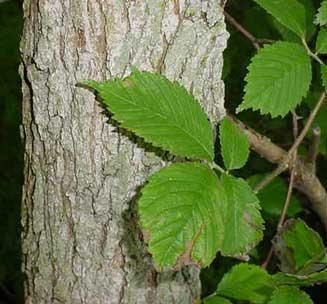 Slippery elmUlmus rubra
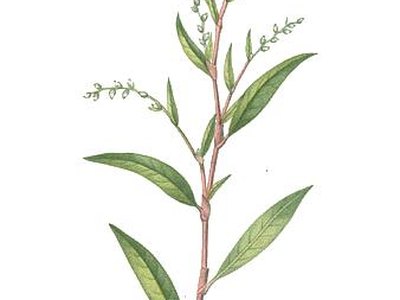 SmartweedPolygonum hydropiper
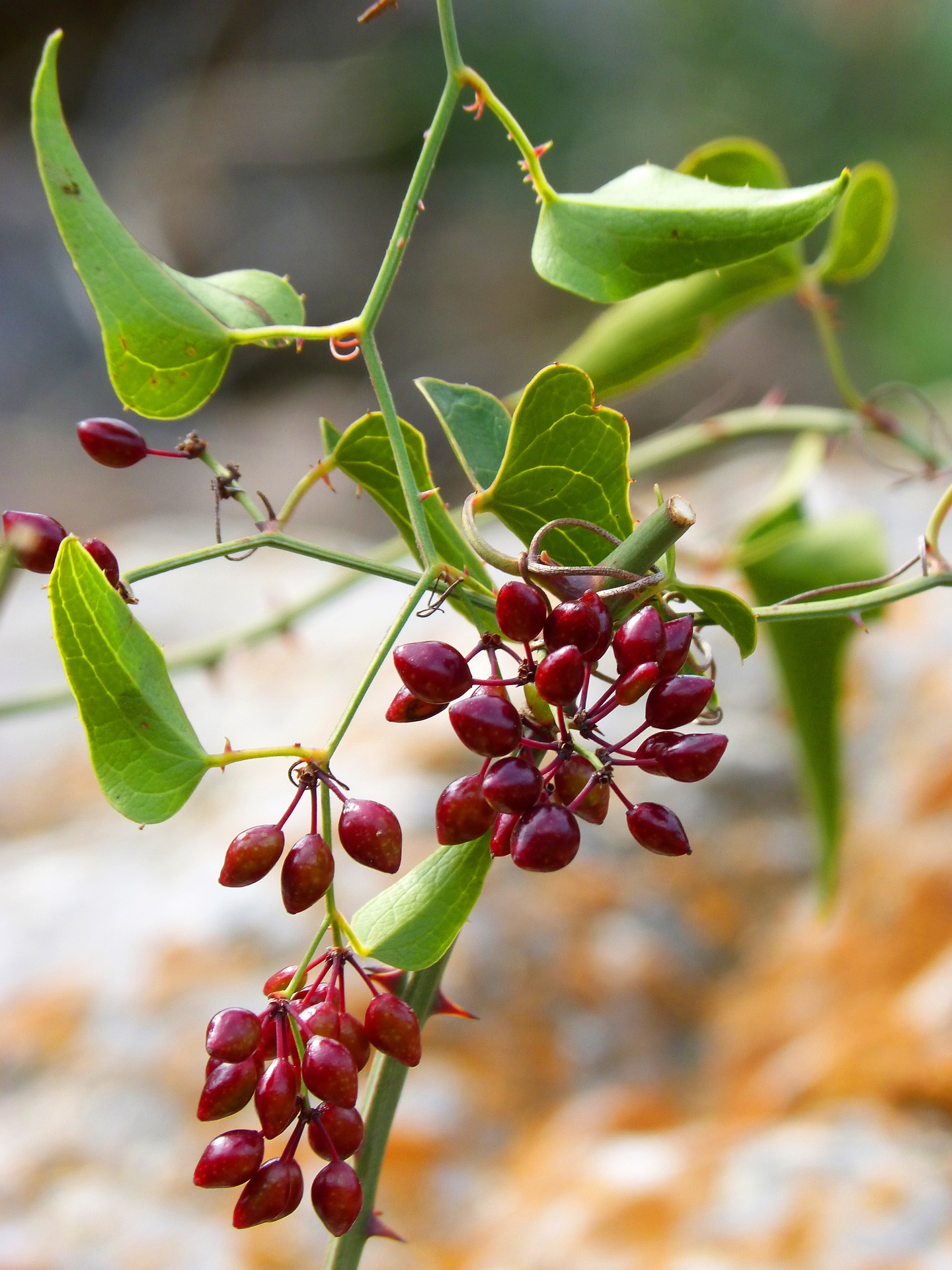 Smilax regeliiSmilax regelii
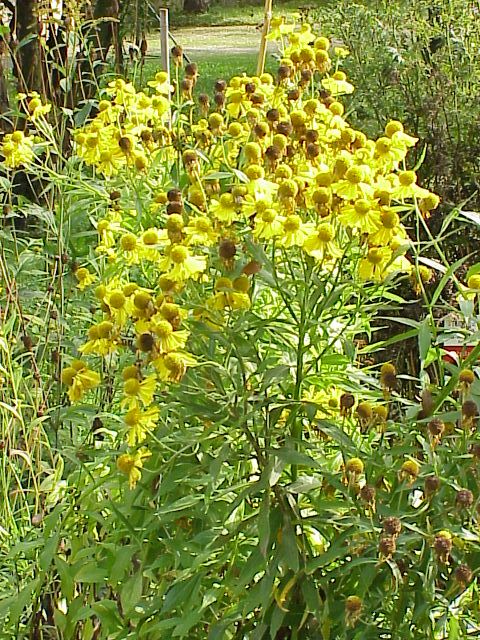 SneezeweedHelenium
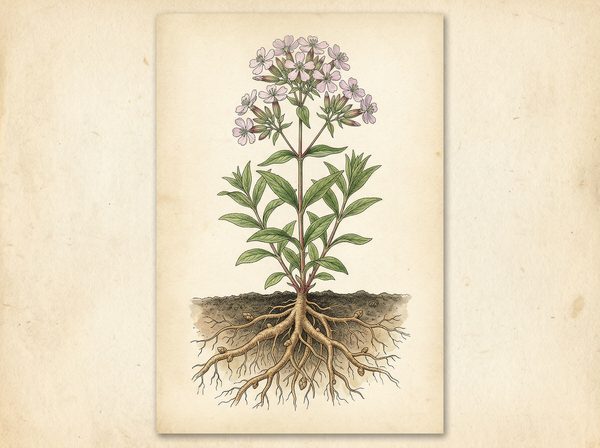 SoapwortSaponaria officinalis
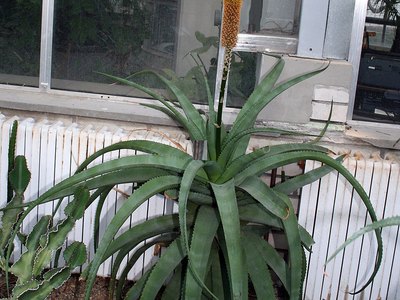 Socotrine aloesAloes socotrina
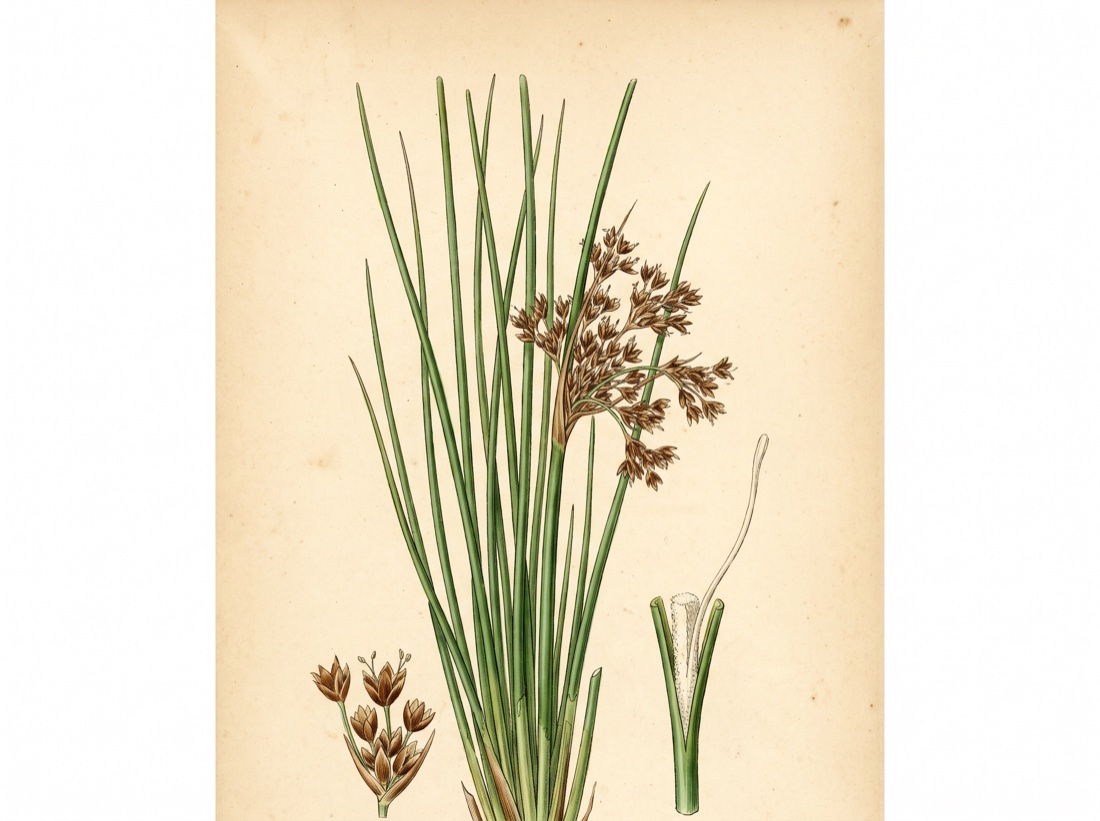 Soft rushJuncus effusus
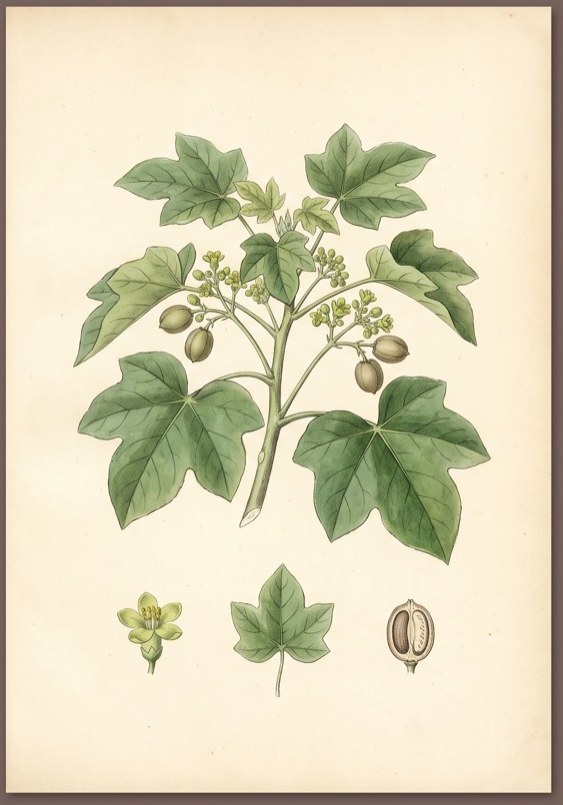 SolanumJatropha
The whole plate is in the library. The compass, Compare, the Sky of eleven hundred plants and the formulary open with an email address and a password, free, with the formula builder and its safety engine. Herbert without limit, his formulating, clients, the handouts and the labels are the paid room.
Open the library, free