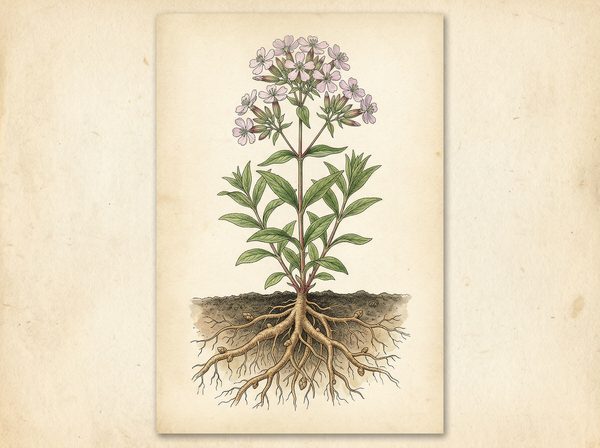
Western Herbalism
Soapwort
Saponaria officinalis
Also known as Red Soapwort, Soaproot, Bouncing Bet, Fuller's-herb.
Rarely used internally in modern herbalism due to irritant saponins on gastric mucosa approves root for catarrhs of upper respiratory tract One saponin cytotoxic to Walker carcinoma cells in vitro Mainly used externally as wash for skin or low-dose expectorant Avoid contact with eyes

Ask Herbert about Soapwort. Herbert is the master herbalist inside Bountiful Herbs: he answers from this plate and eleven hundred others, with dosing, pairing and cautions. Your first ten questions are free.
Ask HerbertActions
Indications what the tradition reached for it in
- Acne
- Catarrh of upper respiratory tract
- Rheumatism
- Cough
- Cutaneous eruptions
- Bronchitis
- Itchy skin
- Abdominal distension
- Eczema
- Jaundice
- Syphilis skin conditions
- Debility
- Edema
- Fatigue
- Fluid retention
- Gallbladder disorders
- Itching
- Pruritus
- Respiratory congestion
- Dyspepsia
- Urinary disorders
- Weakness
- Respiratory complaints
- Skin conditions
- Metabolic waste accumulation
- Gallbladder dysfunction
- Poor bile flow
- Fever
- Common cold
- Constipation
Safety
Low dose botanical. Used in drop doses in the classical practice; not a plant to dose freely.
Pregnancy: Pregnancy Caution
Breastfeeding: Lactation (source flag notSafeInLactation)
The record lists 2 contraindications; open the plate in the library to read them in full.
Dosing as the sources wrote it
| Preparation | As written | Metric |
|---|---|---|
| Dried root for tea/decoction: 1.5 g per day | 1500-1500 mg | |
| Dose, from 2 to 6 grains. | 130-389 mg | |
| decoction | Dose of the decoction (℥i to Oj), from 2 to 4 fluid ounces, 3 or 4 times a day; of the extract or inspissated juice, from 10 to 20 grains. | 59.15-118 mL |
Doses are reproduced from the sources for practitioners and are not a recommendation for any person.
From the sources
Clinical Notes. Rarely used internally in modern herbalism due to irritant saponins on gastric mucosa approves root for catarrhs of upper respiratory tract One saponin cytotoxic to Walker carcinoma cells in vitro Mainly used externally as wash for skin or low-dose expectorant Avoid contact with eyes
dosage. For internal respiratory use the dried root is taken in very small amounts, on the order of one and a half grams of root per day as a tea or decoction; a whole-plant decoction is also used as an external skin wash.
indication. Both the juice and a decoction of root and leaves were used internally and externally for stubborn skin conditions such as eczema, itching, acne and cutaneous eruptions.
traditional_use. Older materia medica recommended internal and external use of a root-and-leaf decoction for venereal complaints and ulcers, a historical application no longer part of modern practice.
Drawn from King's American Dispensatory, 18th edition (Felter and Lloyd), and the Bountiful Herbs editorial.
Often paired with
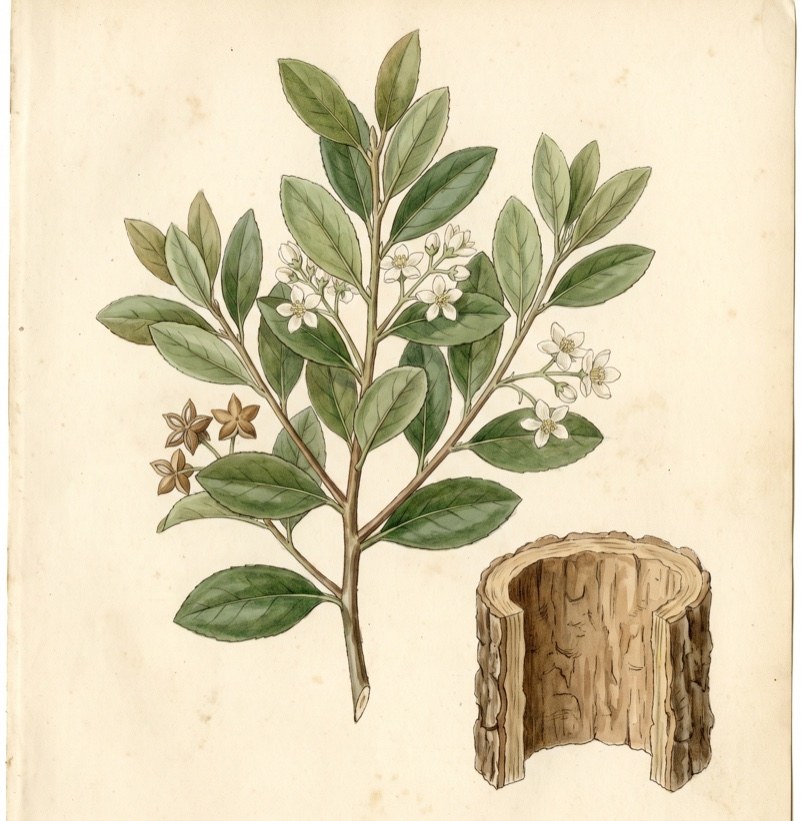 QuillajaQuillaja
Nearby on the shelf
 SmartweedPolygonum hydropiper
 Smilax regeliiSmilax regelii
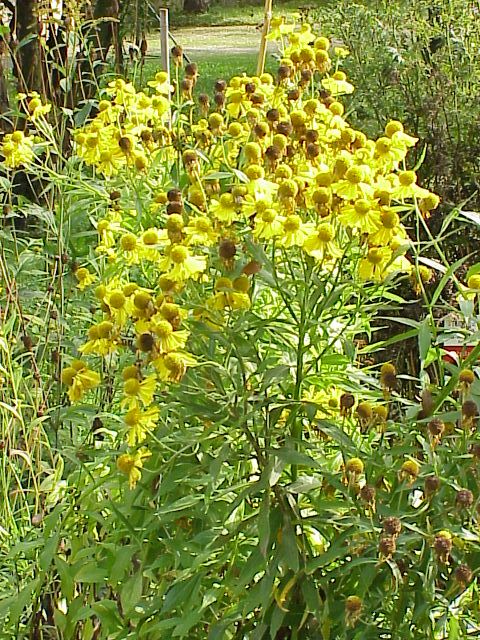 SneezeweedHelenium
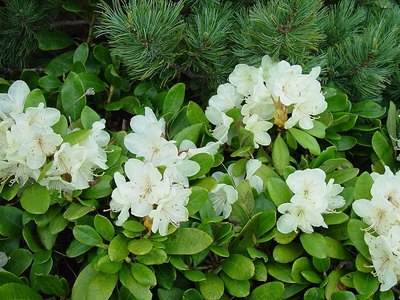 Snow roseRhododendron chrysanthum
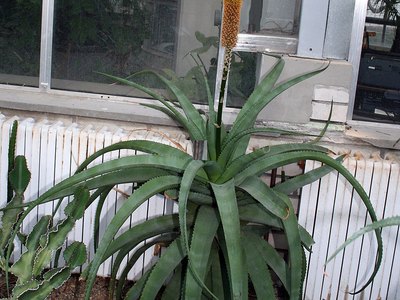 Socotrine aloesAloes socotrina
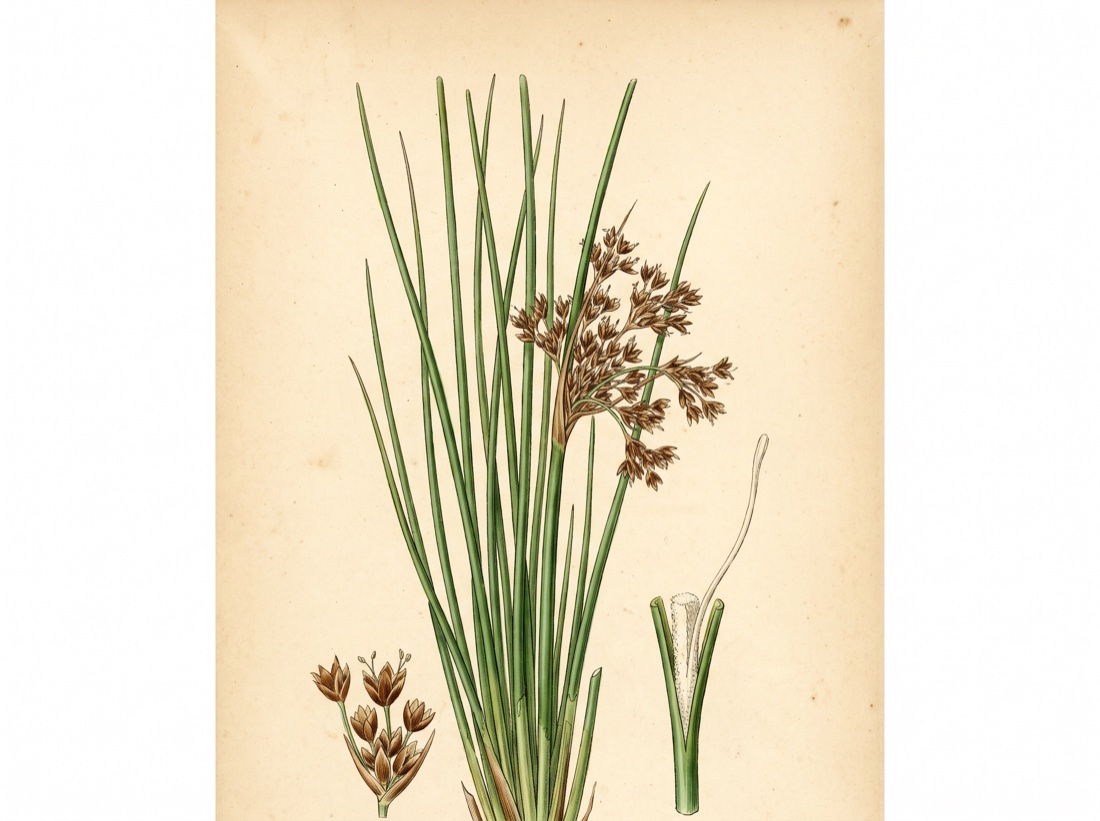 Soft rushJuncus effusus
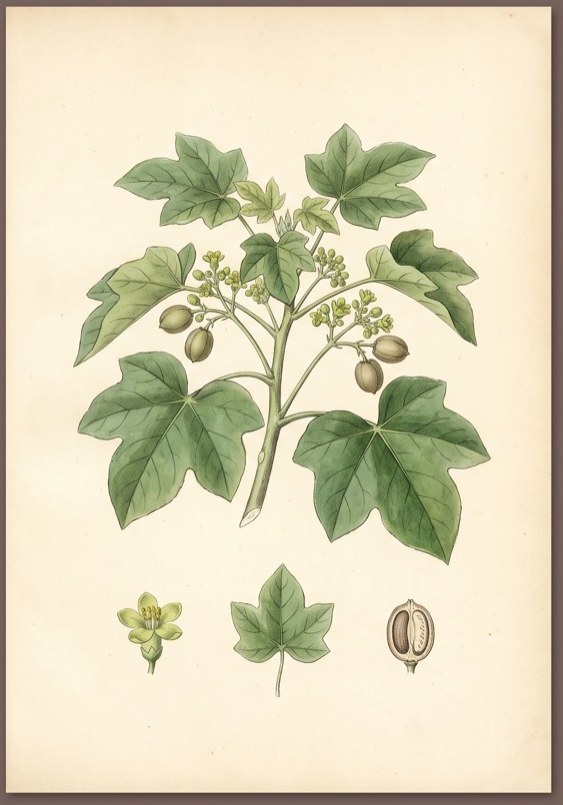 SolanumJatropha
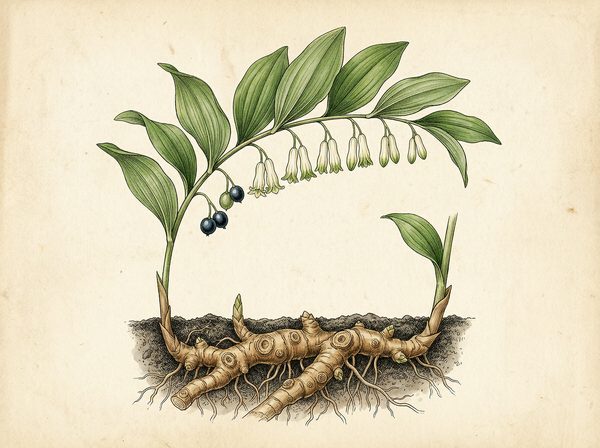 Solomon's SealPolygonatum biflorum
The whole plate is in the library. The compass, Compare, the Sky of eleven hundred plants and the formulary open with an email address and a password, free, with the formula builder and its safety engine. Herbert without limit, his formulating, clients, the handouts and the labels are the paid room.
Open the library, free