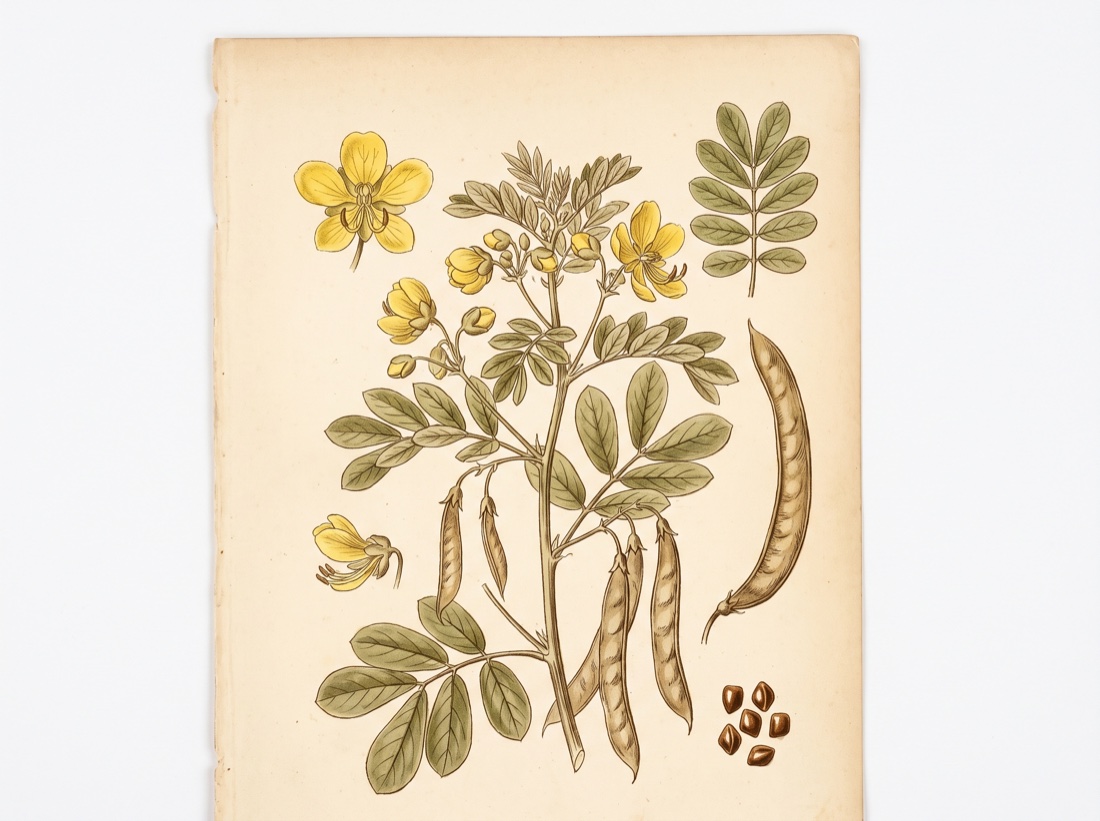
Chinese and Ayurvedic herbalism
Sicklepod
Senna obtusifolia
Also known as cassia seed, foetid cassia, coffee weed, java bean, jue ming zi, sickle senna, ringworm plant, Chinese senna, jué míng zǐ, cǎo jué míng, Chakramarda.
Jue ming zi is the ripe seed of Senna obtusifolia, still widely listed as Cassia obtusifolia, a weedy annual legume of the tropics and subtropics cultivated in Anhui, Guangxi and Sichuan; the closely related Senna tora is admitted as the same drug. The glossy, angular brown seeds are lightly roasted and brewed as a tea across East Asia. The name means the seed that clarifies vision, and it is the everyday eye herb of Chinese medicine that also gently opens the bowels and settles a rising liver.

Ask Herbert about Sicklepod. Herbert is the master herbalist inside Bountiful Herbs: he answers from this plate and eleven hundred others, with dosing, pairing and cautions. Your first ten questions are free.
Ask HerbertActions
Indications what the tradition reached for it in
- Red, painful, swollen eyes from liver fire or wind-heat
- Photophobia and excessive tearing
- Blurred vision and dry eyes from liver and kidney deficiency
- Headache and dizziness from liver yang rising
- Hypertension with headache and red eyes (adjunct)
- Hyperlipidemia and fatty liver (adjunct)
- Habitual constipation with dry stool, especially in the elderly
- Constipation accompanying hypertension or eye disease
- Overweight with sluggish bowels
- Tinea and eczema as a topical paste (traditional)
- Ringworm and tinea of the body, groin and scalp (topical)
- Eczema and itching eruptions with scaling (topical)
- Scabies like itch and impetigo (topical, adjunct)
- Psoriasis and chronic scaly dermatoses (topical, adjunct)
- Constipation with a sluggish, heavy digestion (leaves)
- Intestinal worms
- Hemorrhoids with constipation
- Mild dyslipidemia (seed, traditional and animal evidence)
- Eye strain and redness (seed decoction, traditional)
- Cough with thick sputum (adjunct)
Specific indications
Red, gritty eyes with a frontal headache, irritability and constipation in a heavy-set patient with high blood pressure or high cholesterol
Dry, hard stools in an older patient who cannot tolerate strong purgatives, where a gentle, slightly cooling seed tea is enough
Blurred, tired vision with dry eyes in a patient who also runs hot and constipated
Chronic itchy eczema in a kapha type patient who is also constipated and heavy
Safety
Low dose botanical. Used in drop doses in the classical practice; not a plant to dose freely.
The record lists 9 contraindications; open the plate in the library to read them in full.
In practice
Jue ming zi belongs wherever liver heat rises to the eyes and head. For red, painful eyes combine it with ju hua, man jing zi and mu zei; for wind-heat eyes with xia ku cao and huang qin; for headache and dizziness with hypertension, with xia ku cao, gou teng, ju hua and shi jue ming; and for deficient blurred vision, with gou qi zi, sha yuan zi and nu zhen zi.
In Ayurveda
Rasa: katu (pungent), tikta (bitter). Virya: ushna (heating). Vipaka: katu (pungent). Guna: laghu (light), ruksha (dry). Dosha: pacifies kapha and vata; aggravates pitta in excess. Prabhava: dadrughna: the tradition names it the specific for ringworm, and its Sanskrit synonyms say so. Karma: dadrughna (cures ringworm); kushthaghna (helps skin disease); kandughna (relieves itching); krimighna (anthelmintic, antifungal); vishaghna (counters poisons); shothahara (reduces swelling); rechana (mild laxative; leaves); deepana (kindles digestion); kaphahara (reduces kapha); vatanulomana (regulates vata); hridya (supports the heart); chakshushya (benefits the eyes; seed). Classical indications: dadru (ringworm and fungal skin infection); kushtha (skin disease); kandu (itching); kitibha (psoriasis like scaly eruptions); pama and vicharchika (scabies like and eczematous eruptions); krimi (worms); shotha (swelling); vibandha (constipation; leaves); arsha (hemorrhoids); kasa and shvasa (cough and dyspnea); gulma (abdominal mass); netraroga (eye disorders; seed); visha (poisoning, insect bite). The seed is the principal drug, ground with buttermilk, lime juice or castor oil into a paste (kalka, lepa) for ringworm and eczema, and taken internally in small doses as churna; the seed is also roasted as a coffee substitute. The tender leaves are eaten as a laxative vegetable and applied as poultice; the root is rubbed with lime juice for ringworm. Medicated oils for the skin carry the seed and leaf. Classical formulations: Chakramarda taila, Chakramarda beeja lepa, Marichadi taila, Dadrughna lepa, Chakramarda kalka, Chakramarda churna. Described in: Charaka Samhita, Sushruta Samhita, Ashtanga Hridaya, Bhavaprakasha Nighantu, Dhanvantari Nighantu, Raja Nighantu, Kaiyadeva Nighantu, Ayurvedic Pharmacopoeia of India.
In Chinese medicine
Temperature: slightly cold. Taste: sweet, bitter, salty. Channels: Liver, Large Intestine. Actions: Clears liver heat and brightens the eyes; Calms ascending liver yang that causes headache and dizziness; Moistens the intestines and unblocks the bowels; Drains heat downward through the stool.
Dosing as the sources wrote it
| Preparation | As written | Metric |
|---|---|---|
| Decoction | 9-15 g dried seed daily in decoction, cracked before cooking | 9000-15000 mg |
| Roasted seed tea | 10-15 g stir-fried seed steeped in 500 mL hot water, drunk through the day | 10000-15000 mg |
| Powder | 2-3 g powdered seed once or twice daily | 2000-3000 mg |
| Tincture (1:5, 45%) | 2-4 mL three times daily | 2-4 mL |
| Kalka, topical | 5-10 g seed paste ground in buttermilk or lime juice applied once or twice daily | 5000-10000 mg |
| Taila, topical | 5-10 mL medicated oil applied to affected skin twice daily | 5-10 mL |
Doses are reproduced from the sources for practitioners and are not a recommendation for any person.
From the sources
Overview. Jue ming zi is the ripe seed of Senna obtusifolia, still widely listed as Cassia obtusifolia, a weedy annual legume of the tropics and subtropics cultivated in Anhui, Guangxi and Sichuan; the closely related Senna tora is admitted as the same drug. The glossy, angular brown seeds are lightly roasted and brewed as a tea across East Asia. The name means the seed that clarifies vision, and it is the everyday eye herb of Chinese medicine that also gently opens the bowels and settles a rising liver.
Overview. Chakramarda is a fast growing annual weed of the pea family found on waste ground, roadsides and field margins throughout the plains of India in the monsoon, from Punjab to Bengal and down through the Deccan to Tamil Nadu and Kerala. Its sickle shaped pods hold the shiny rhomboid seeds that are the drug. Ayurveda knows it above all as the ringworm plant, a pungent, heating, drying herb whose seed paste has cleared fungal skin infections for two thousand years; the leaves are a laxative vegetable and the seed, roasted, a coffee substitute. Its close relative Senna tora is used identically and the two are often treated as one drug.
Clinical Notes. Jue ming zi belongs wherever liver heat rises to the eyes and head. For red, painful eyes combine it with ju hua, man jing zi and mu zei; for wind-heat eyes with xia ku cao and huang qin; for headache and dizziness with hypertension, with xia ku cao, gou teng, ju hua and shi jue ming; and for deficient blurred vision, with gou qi zi, sha yuan zi and nu zhen zi.
Clinical Notes. The Ayurvedic practitioner reaches for Chakramarda first for the skin. The classical preparation is simple: the seeds are ground with sour buttermilk or lime juice into a paste and applied to ringworm, eczema and itching patches once or twice daily; ground in castor oil the paste suits drier, more scaly lesions.
In formulas
Sicklepod stands in 8 documented formulas in the library, among them shí hú yè guāng wán, wu zĩ tāng, Kāsīsādi Ghṛta, Nimbādi Cūrṇa, Mahā Viṣagarbha Taila, Vajraka Taila.
Often paired with
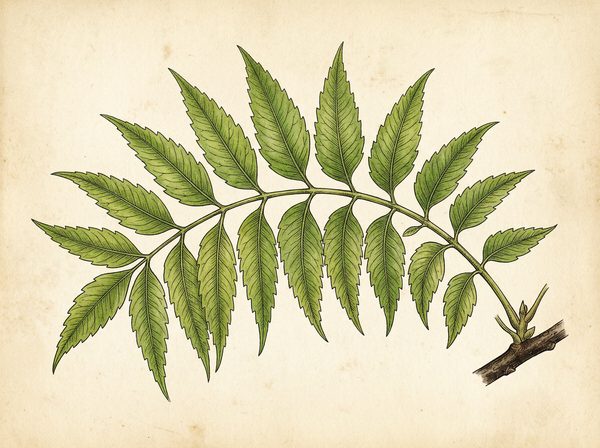 neemAzadirachta indica
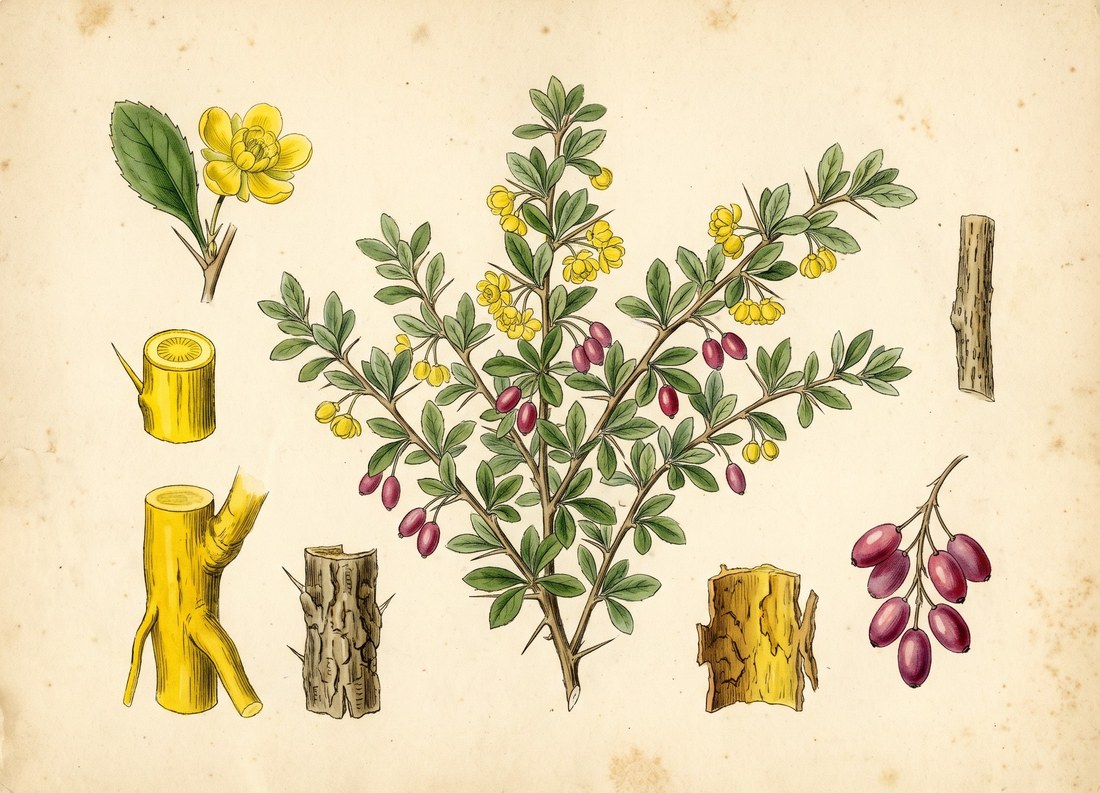 Indian barberryBerberis aristata
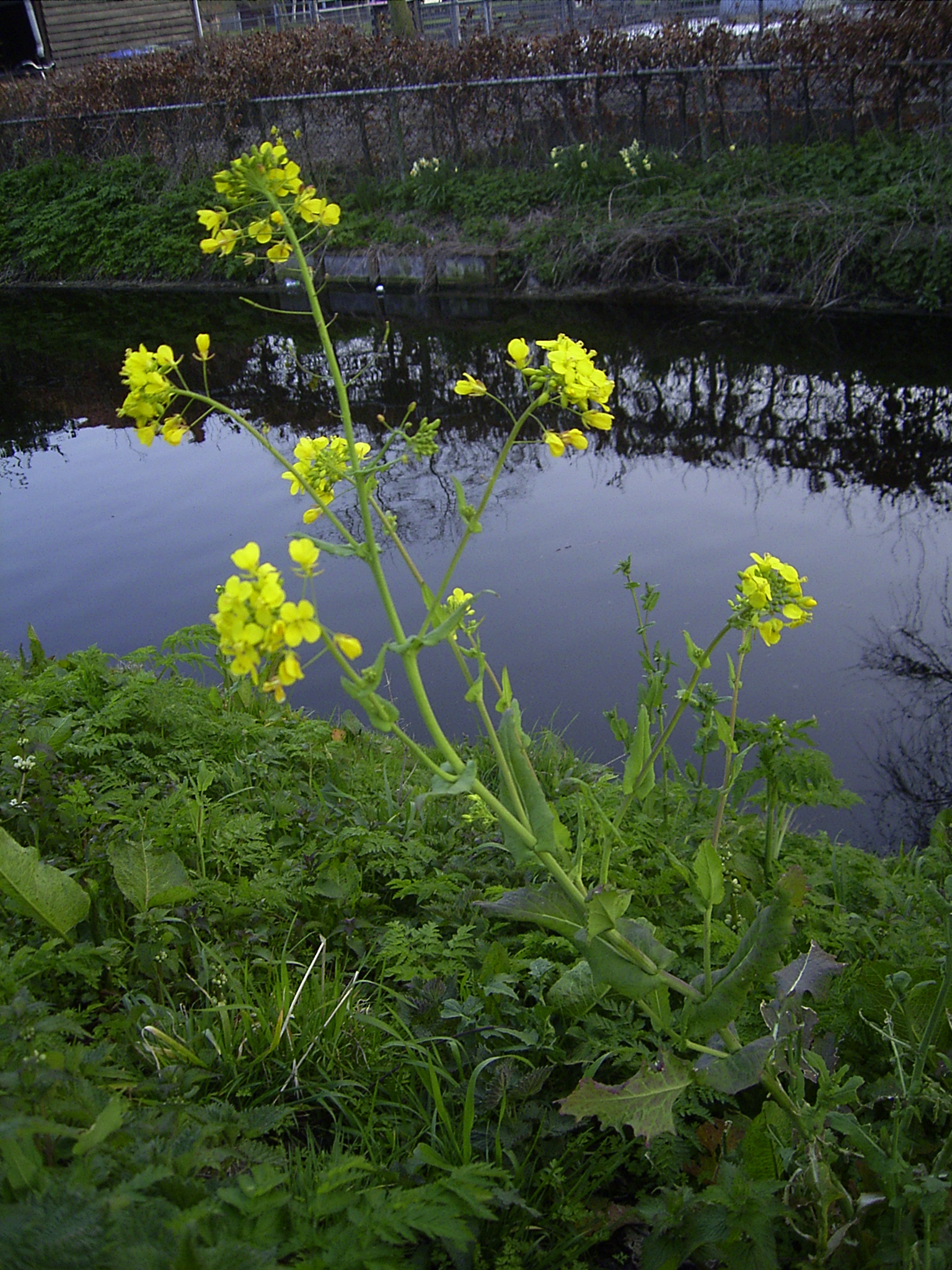 white mustardBrassica alba
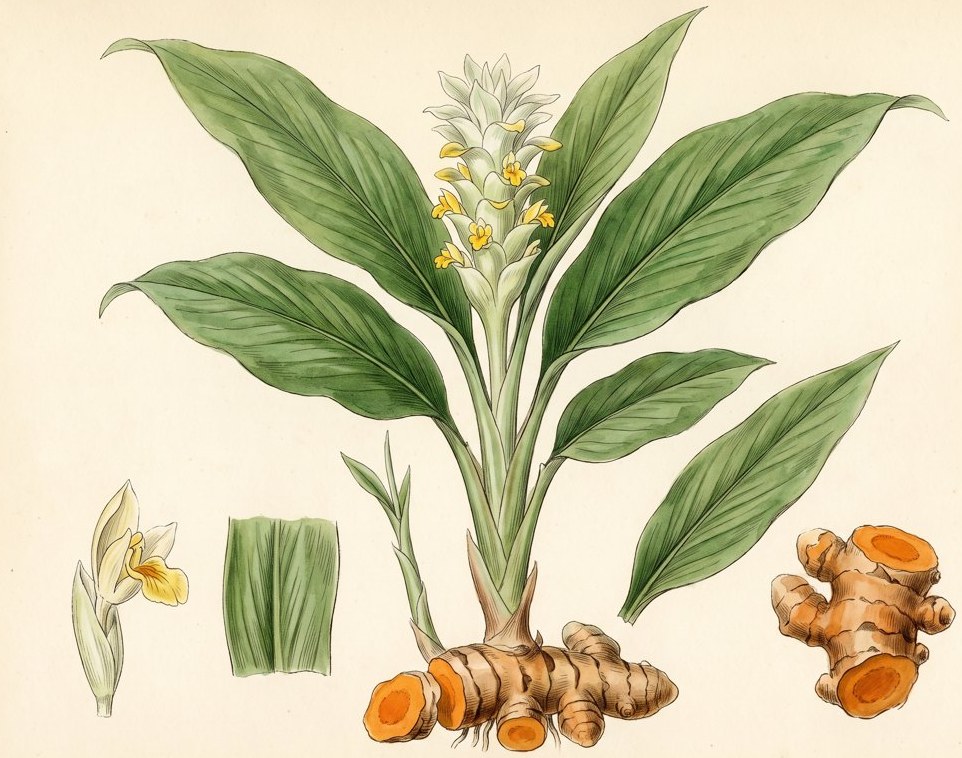 turmericCurcuma longa
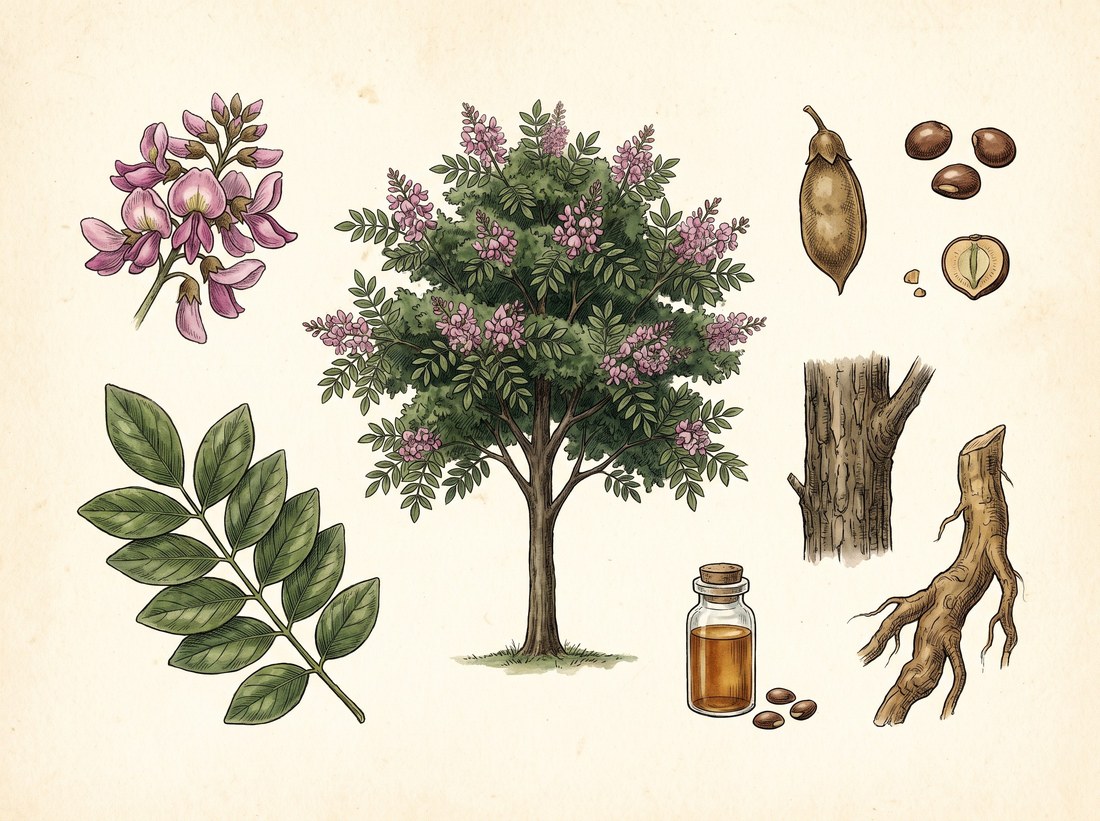 Indian beechPongamia pinnata
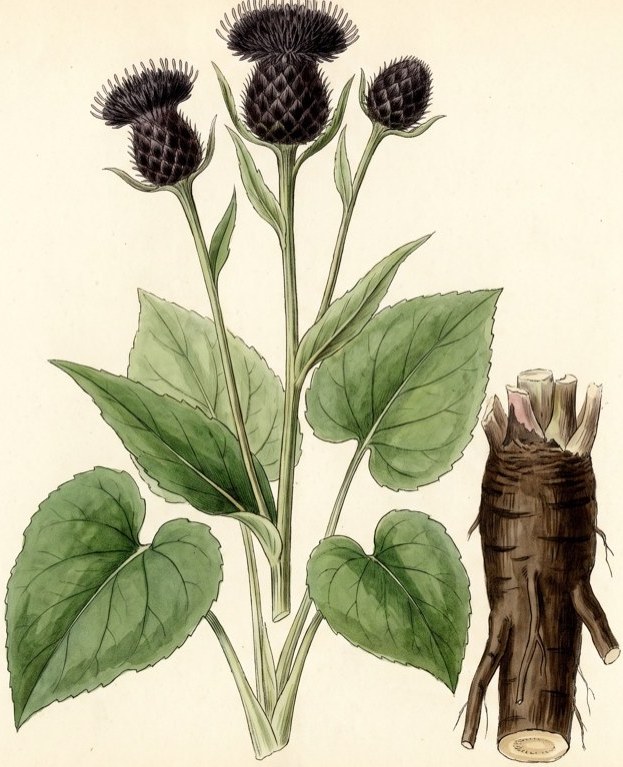 costusSaussurea costus
Nearby on the shelf
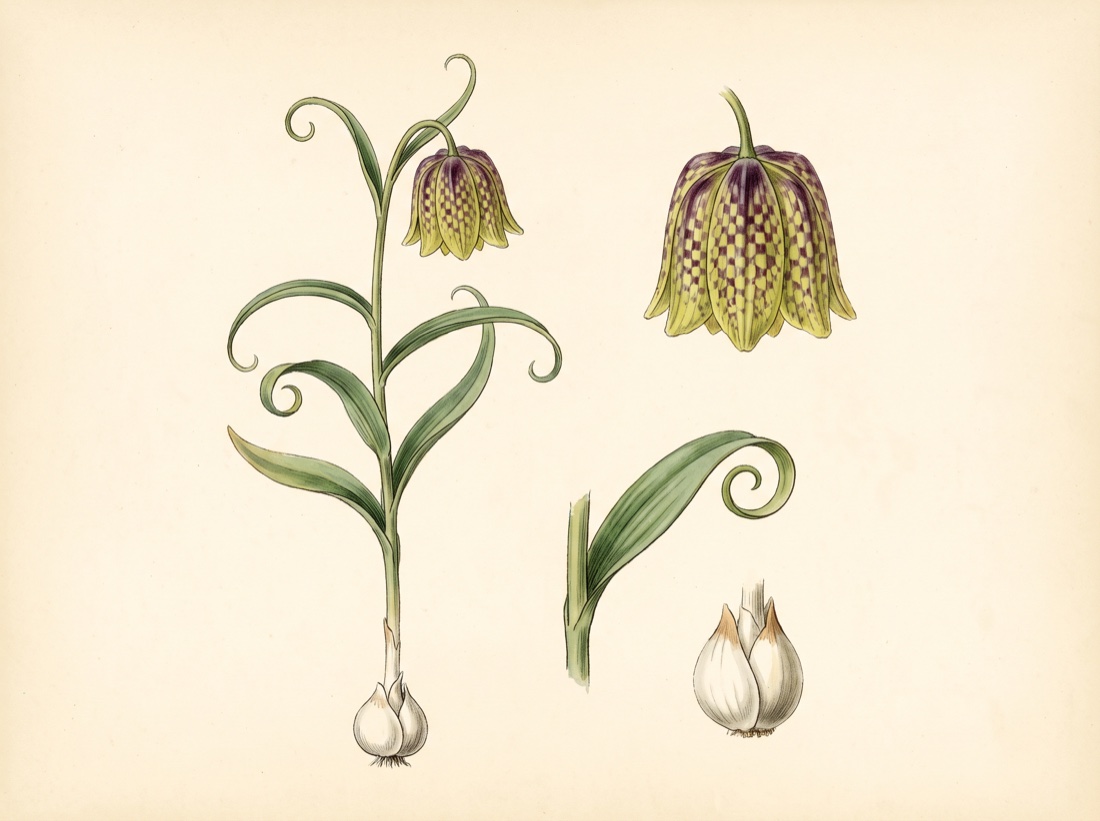 Sichuan fritillaryFritillaria cirrhosa
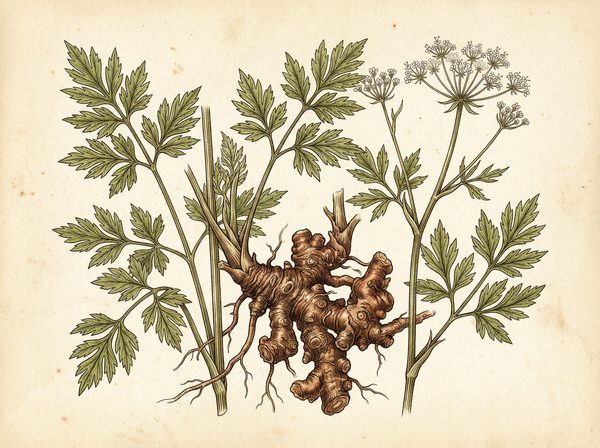 Sichuan Lovage RhizomeLigusticum chuanxiong
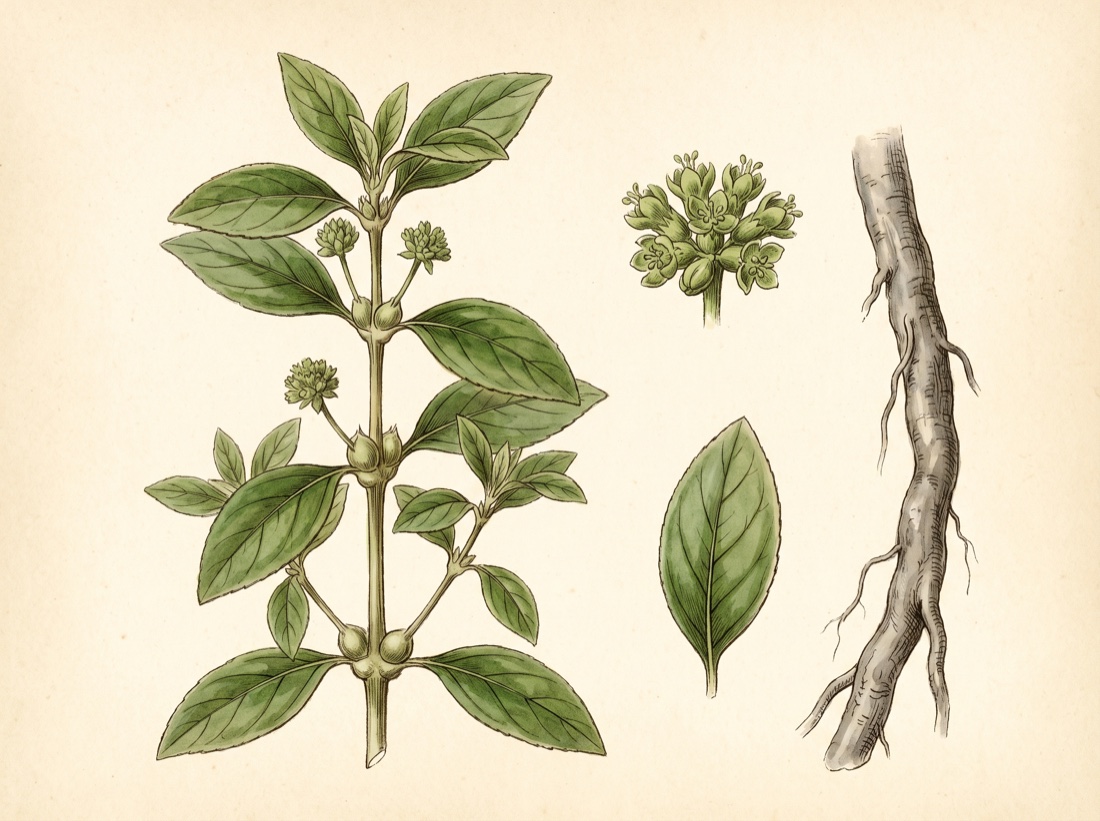 Sichuan ox kneeCyathula officinalis
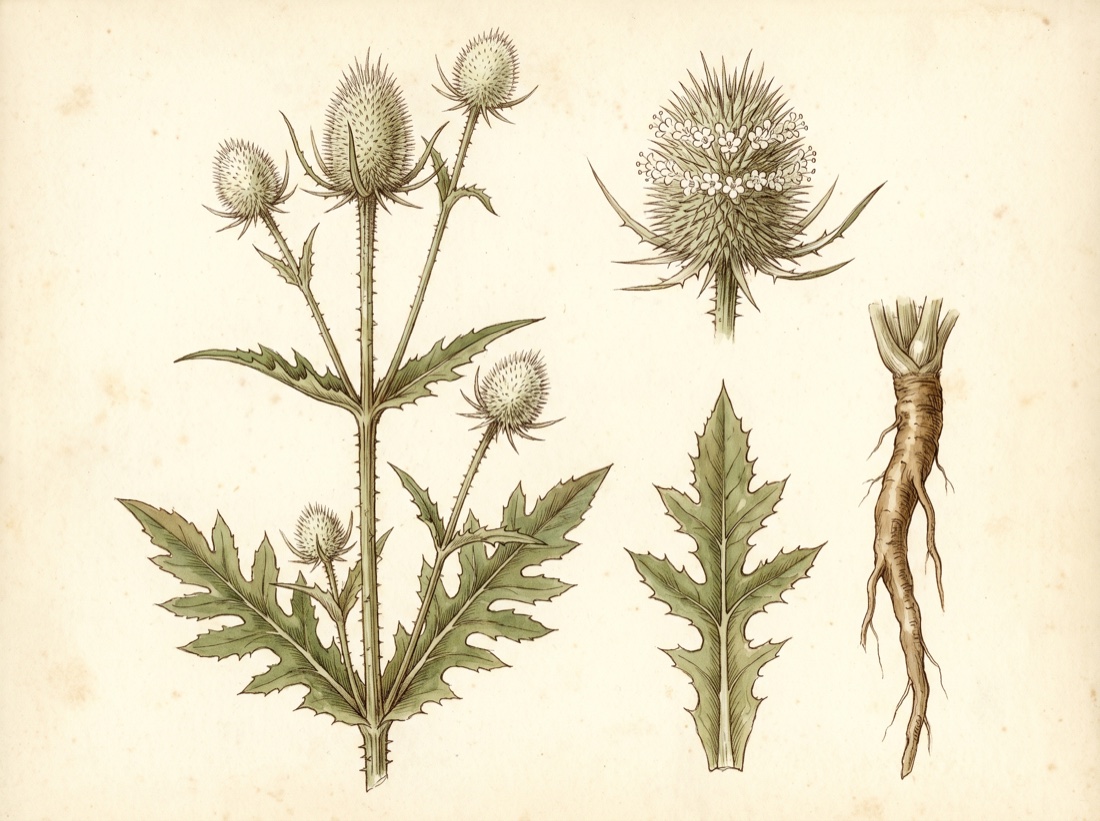 Sichuan teaselDipsacus asper
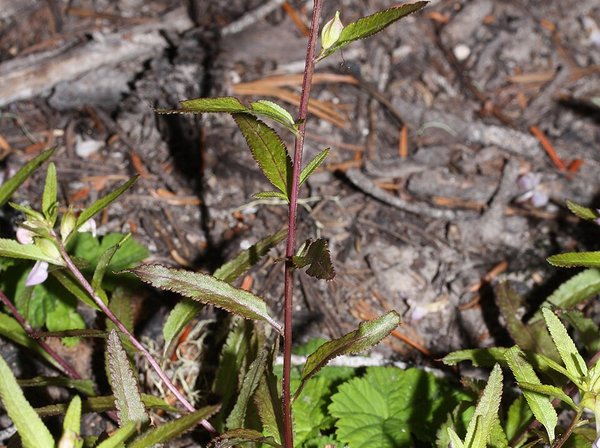 Sickletop LousewortPedicularis racemosa
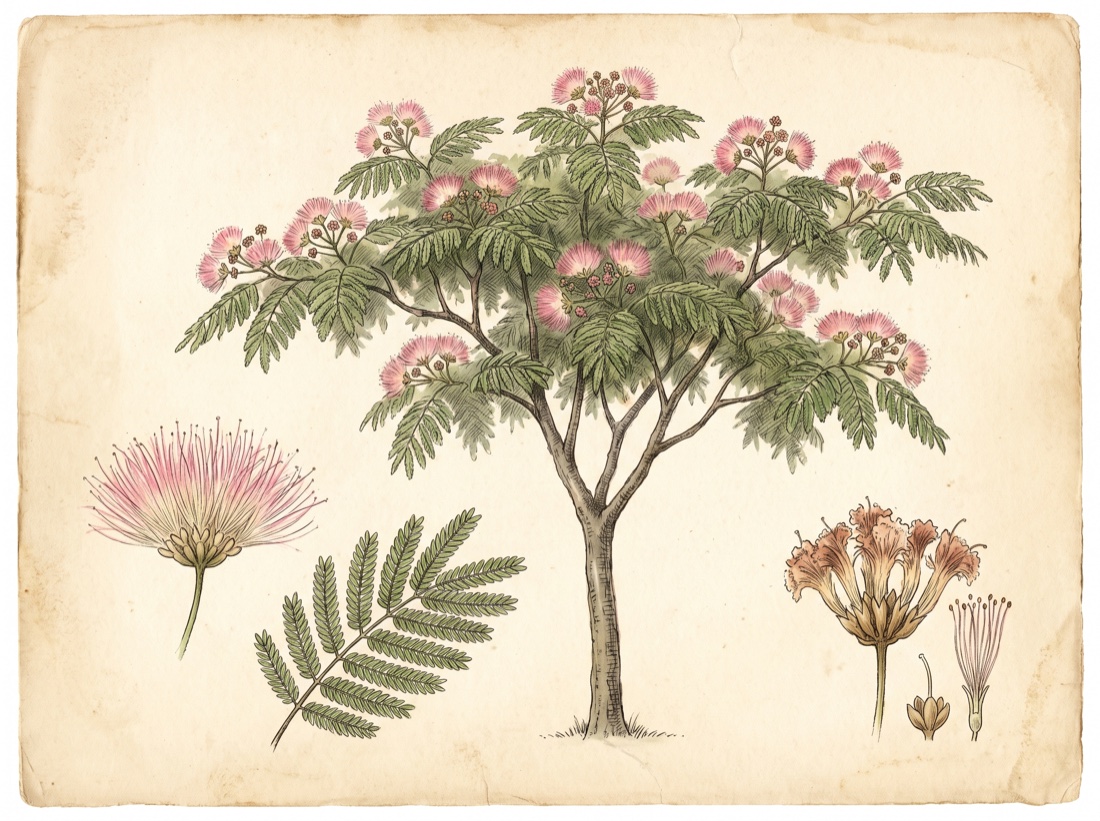 Silk treeAlbizia julibrissin
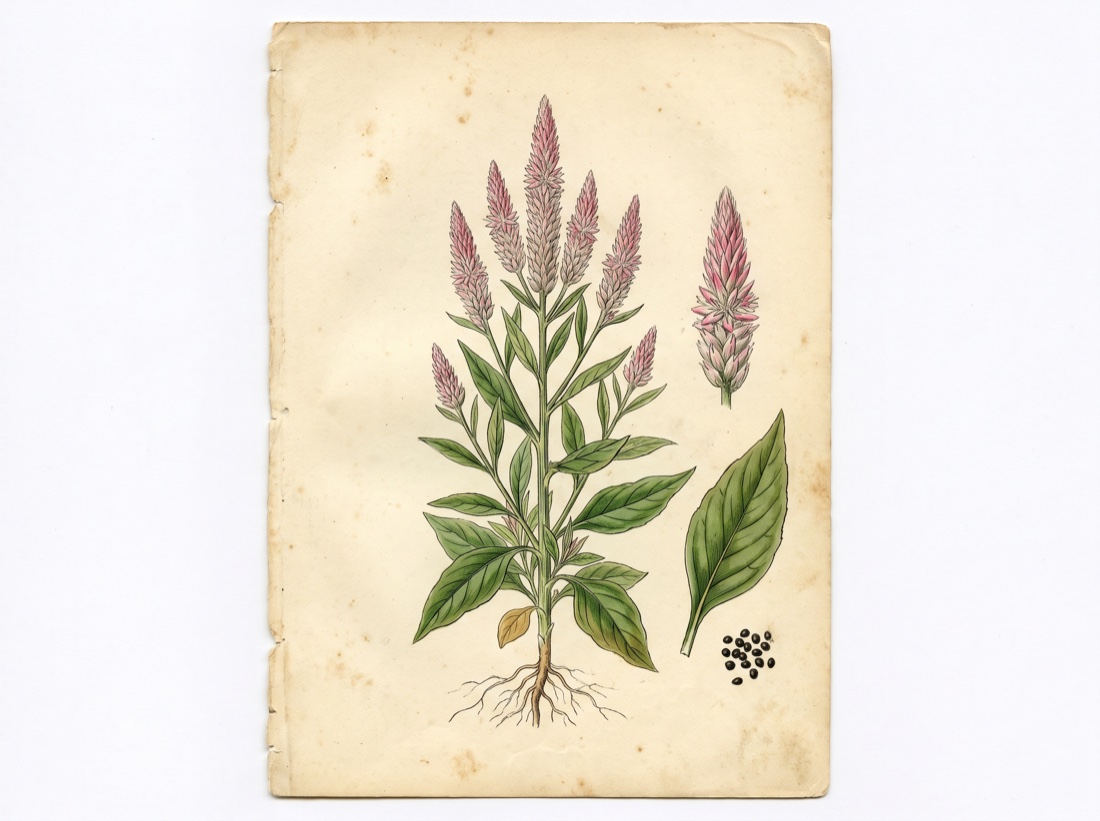 Silver cockscombCelosia argentea
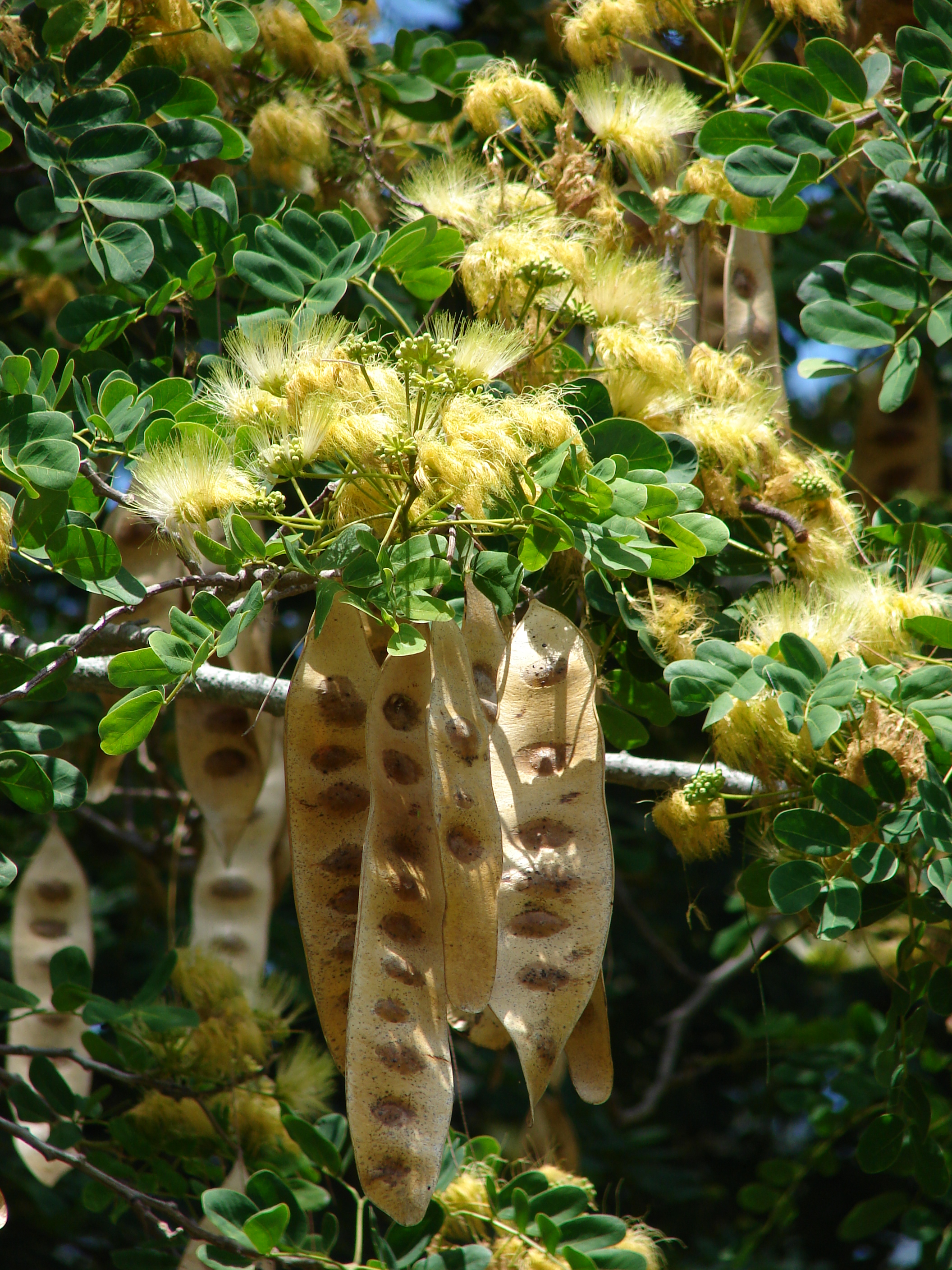 SirisAlbizia lebbeck
The whole plate is in the library. The compass, Compare, the Sky of eleven hundred plants and the formulary open with an email address and a password, free, with the formula builder and its safety engine. Herbert without limit, his formulating, clients, the handouts and the labels are the paid room.
Open the library, free