Western Herbalism
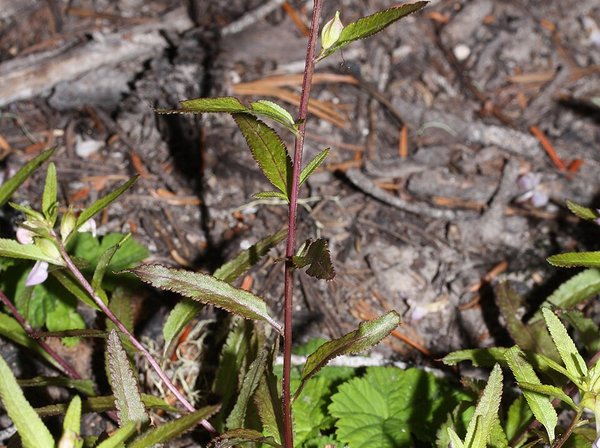
Sickletop Lousewort
Pedicularis racemosa
Also known as Wood Betony (Western), Parrot's Beak, Pedicularis.
Sickletop Lousewort acts primarily as: Skeletal-muscle relaxant, Mild sedative, Nervine, Antispasmodic, Anxiolytic, Analgesic (musculoskeletal). Secondary actions include Relax tense skeletal muscles, Calm the nervous system, Ease musculoskeletal tension, Settle anxiety.

Ask Herbert about Sickletop Lousewort. Herbert is the master herbalist inside Bountiful Herbs: he answers from this plate and eleven hundred others, with dosing, pairing and cautions. Your first ten questions are free.
Ask HerbertActions
Indications what the tradition reached for it in
- Skeletal-muscle tension, tightness and spasm
- Neck, shoulder and back tension
- Tension headache from tight muscles
- Anxiety with physical bracing and tension
- Insomnia from muscle tension
- Minor musculoskeletal pain
- Restlessness
- Mild nervous agitation
Safety
The record lists 3 contraindications; open the plate in the library to read them in full.
Dosing as the sources wrote it
| Preparation | As written | Metric |
|---|---|---|
| Dried herb infusion | Dried herb infusion: 1-2 tsp per cup | |
| Tincture (1:5, fresh preferred) | Tincture (1:5, fresh preferred): 1-3 ml as needed up to three times daily | 1-3 mL |
Doses are reproduced from the sources for practitioners and are not a recommendation for any person.
From the sources
primary-actions. Sickletop Lousewort acts primarily as: Skeletal-muscle relaxant, Mild sedative, Nervine, Antispasmodic, Anxiolytic, Analgesic (musculoskeletal). Secondary actions include Relax tense skeletal muscles, Calm the nervous system, Ease musculoskeletal tension, Settle anxiety.
indications. Sickletop Lousewort is traditionally indicated for: Skeletal-muscle tension, tightness and spasm, Neck, shoulder and back tension, Tension headache from tight muscles, Anxiety with physical bracing and tension, Insomnia from muscle tension, Minor musculoskeletal pain, Restlessness, Mild nervous agitation.
constituents. Notable constituents of Sickletop Lousewort include: Iridoid glycosides, Phenylpropanoid glycosides, Flavonoids, (Possible host-derived alkaloids if grown on toxic hosts).
dose-reference. Reference preparation/dosing for Sickletop Lousewort: Dried herb infusion: 1-2 tsp per cup; Tincture (1:5, fresh preferred): 1-3 ml as needed up to three times daily; Sometimes smoked traditionally for relaxation; A muscle-relaxing, calming nervine
Nearby on the shelf
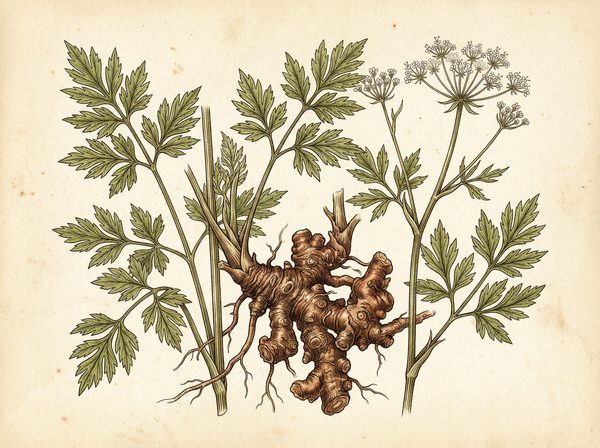 Sichuan Lovage RhizomeLigusticum chuanxiong
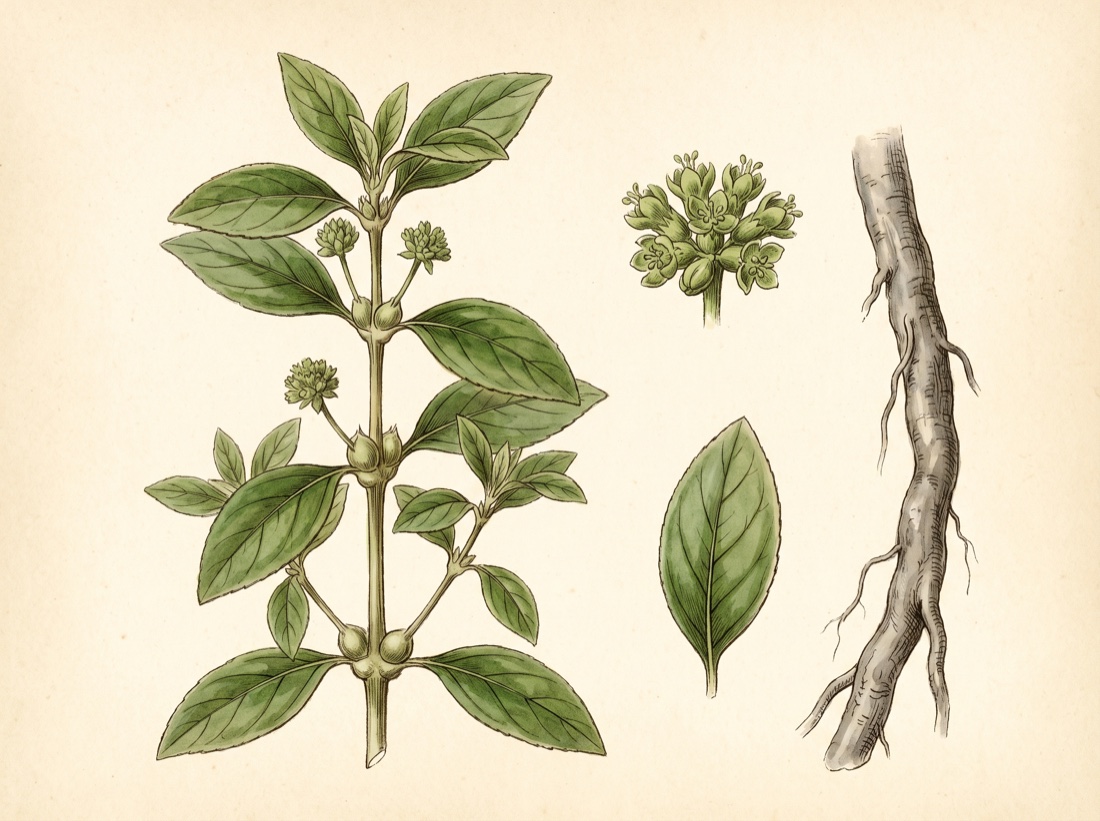 Sichuan ox kneeCyathula officinalis
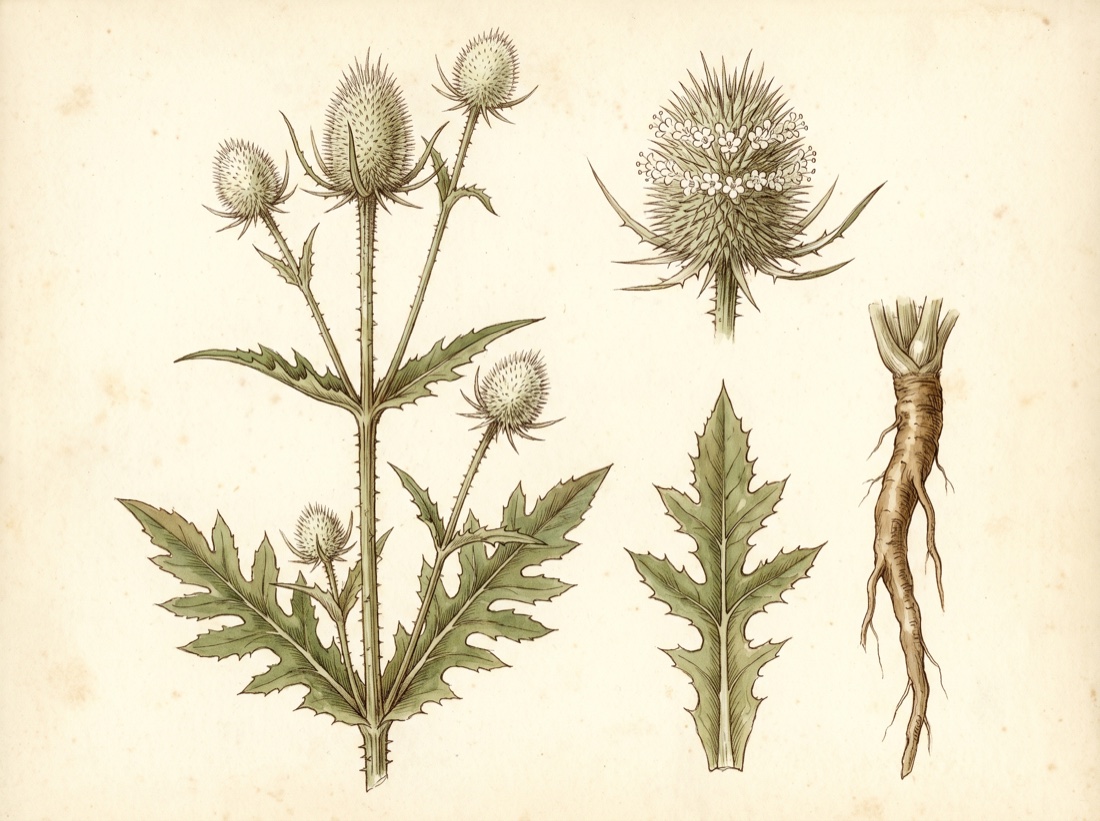 Sichuan teaselDipsacus asper
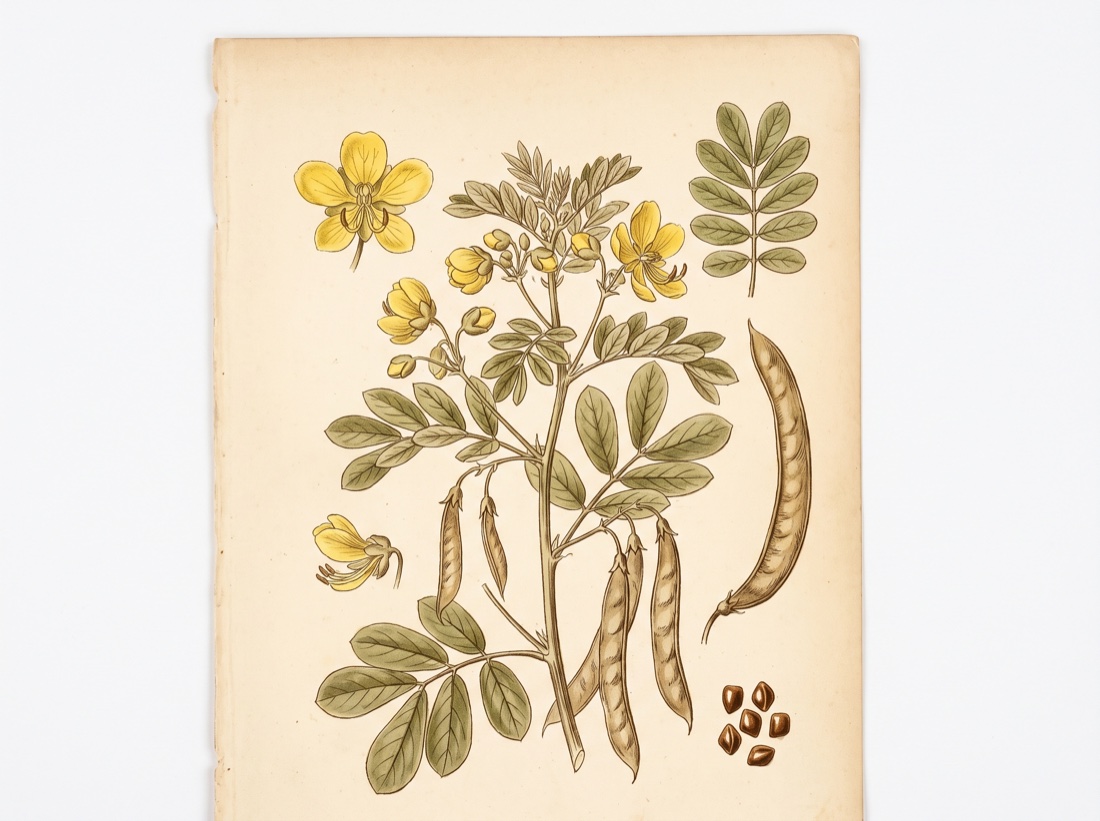 SicklepodSenna obtusifolia
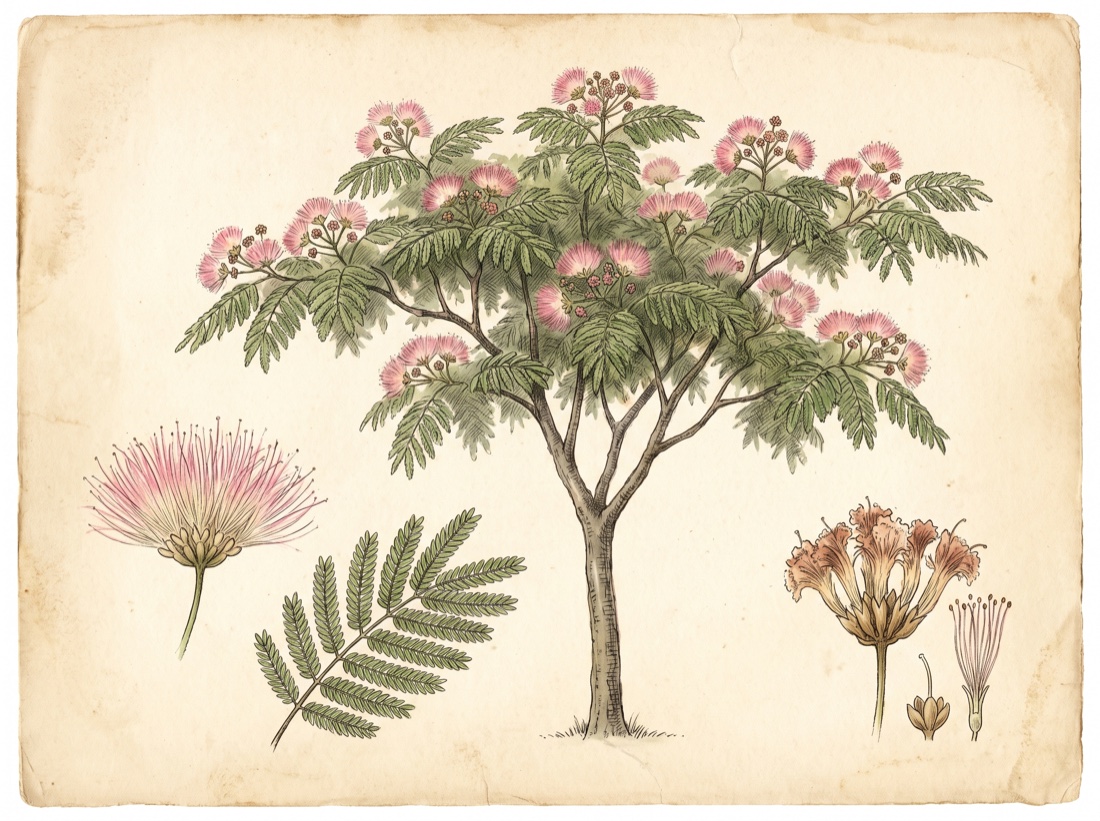 Silk treeAlbizia julibrissin
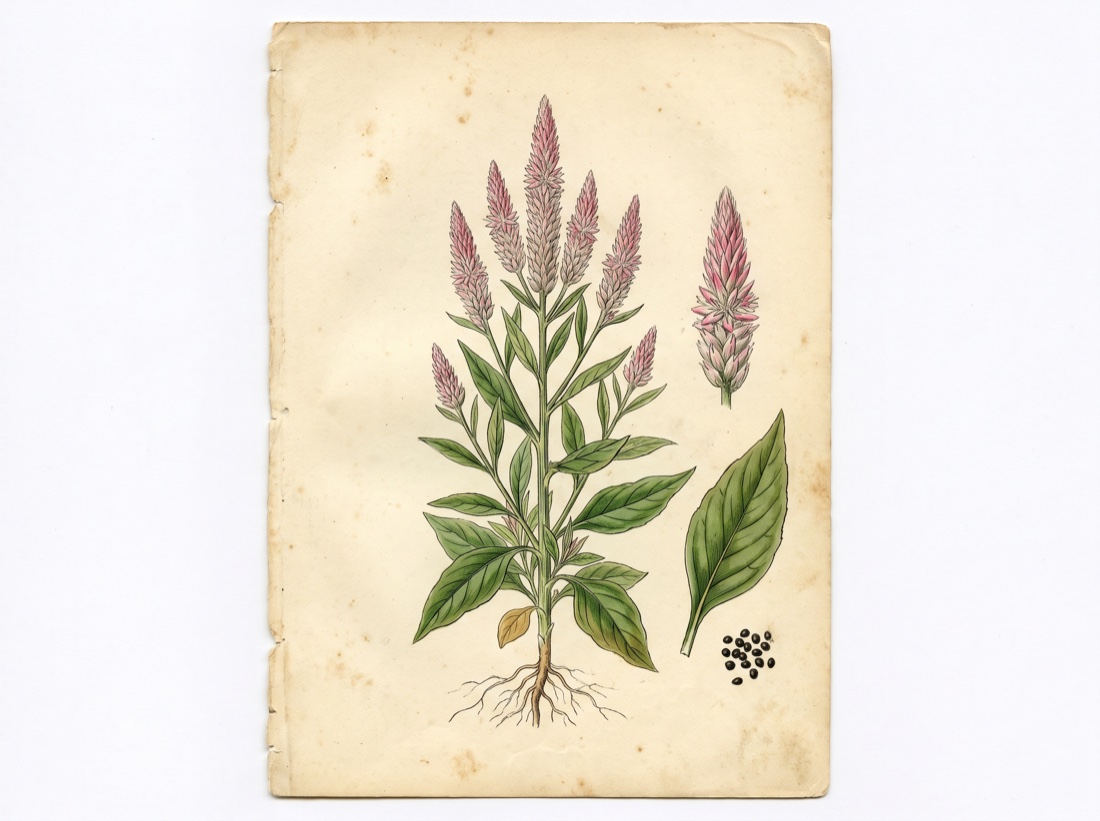 Silver cockscombCelosia argentea
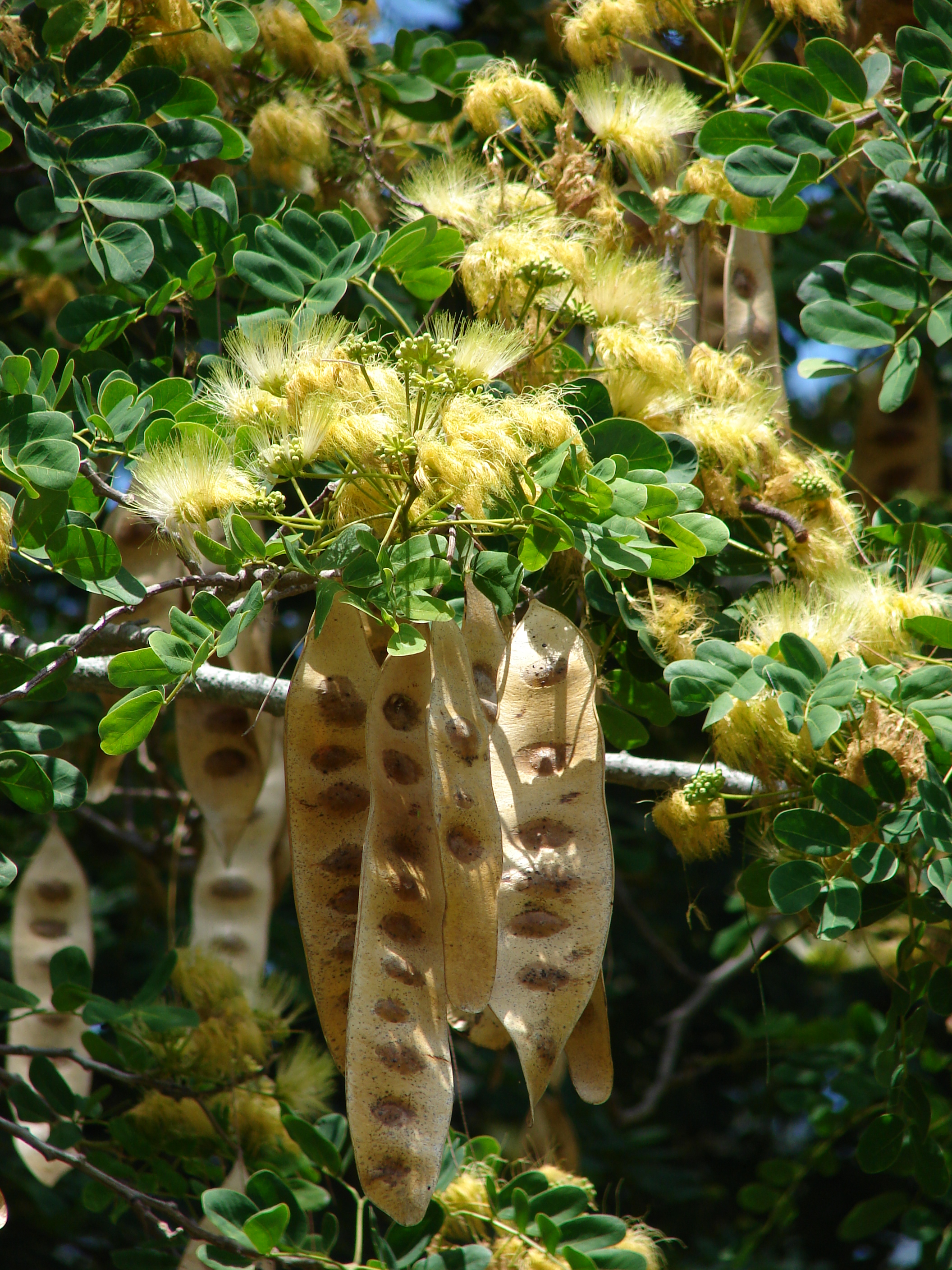 SirisAlbizia lebbeck
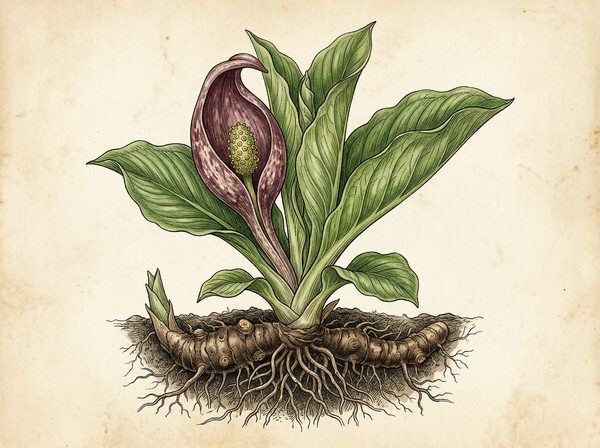 Skunk CabbageSymplocarpus foetidus
The whole plate is in the library. The compass, Compare, the Sky of eleven hundred plants and the formulary open with an email address and a password, free, with the formula builder and its safety engine. Herbert without limit, his formulating, clients, the handouts and the labels are the paid room.
Open the library, free