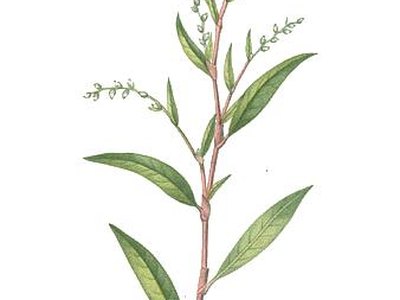
Western Herbalism
Smartweed
Polygonum hydropiper
Also known as Water-pepper, Marsh pepper, Biting persicaria, Arsesmart, Smart-weed.
Water pepper is an annual of wet ditches and marshy ground across the northern temperate zone, easily told from its milder relatives by its intensely peppery, biting taste when fresh, a property that fades markedly on drying. The fresh flowering herb is the part valued medicinally. It held a firm place in nineteenth century physiomedicalist and Eclectic practice as a warming, stimulating agent for the pelvic organs, the bowel, and the peripheral circulation, and it still appears occasionally in Western herbal practice for the same purposes, though modern clinical evidence remains thin.

Ask Herbert about Smartweed. Herbert is the master herbalist inside Bountiful Herbs: he answers from this plate and eleven hundred others, with dosing, pairing and cautions. Your first ten questions are free.
Ask HerbertActions
Indications what the tradition reached for it in
- Delayed or scanty menstruation
- Dysmenorrhea with congestion
- Diarrhea and dysentery
- Hemorrhoids
- Urinary gravel and scanty urine
- Rheumatic and gouty joint pain (topical)
- Bruises and sprains (topical)
- Epistaxis and minor uterine bleeding
- Chilblains (topical counterirritant)
- Intestinal worms (historical use)
Specific indications
Delayed menses with a feeling of pelvic fullness and dull, dragging ache, worse for cold and damp
Congested, swollen hemorrhoids with a burning, throbbing quality, eased by a fomentation of the fresh herb
Cold, sluggish rheumatic joints that respond to a warming, reddening external application
Safety
Low dose botanical. Used in drop doses in the classical practice; not a plant to dose freely.
Pregnancy: Avoid in pregnancy: it was traditionally used specifically to provoke delayed menstruation and its emmenagogue and uterine stimulant reputation makes it unsuitable in pregnancy.
Breastfeeding: Avoid during lactation, as there is no reliable safety data and traditional use emphasizes a stimulant effect on the reproductive organs.
The record lists 5 contraindications; open the plate in the library to read them in full.
In practice
Physiomedicalist writers valued water pepper chiefly as a diffusive, warming stimulant to relaxed or congested tissue, reaching for it where circulation to the pelvis or bowel seemed sluggish rather than acutely inflamed.
Dosing as the sources wrote it
| Preparation | As written | Metric |
|---|---|---|
| Infusion of dried herb | 2-4 g dried herb as infusion, up to three times daily | 2000-4000 mg |
| Tincture, fresh plant (1:2, 45%) | 1-2 mL three times daily | 1-2 mL |
| Tincture, dried herb (1:5, 45%) | 2-4 mL three times daily | 2-4 mL |
| Topical fomentation or poultice | fresh bruised herb or strong infusion applied externally to affected area, once or twice daily, short term | |
| a teaspoonful of the saturated tincture | Eberle found it very efficient in the dose of a teaspoonful of the saturated tincture, repeated 4 or 5 times a day, or from 2 to 5 grains of the aqueous extract, in amenorrhoea; probably, an alcoholic extract would be found more active. | 130-324 mg |
| Dose, of the infusion, from 2 to 4 fluid ounces; of the saturated tincture, from 1 to 4 fluid drachms, 3 or 4 times a day: specific polygonum, 1 to 60 drops. | 59.15-118 mL |
Doses are reproduced from the sources for practitioners and are not a recommendation for any person.
From the sources
Overview. Water pepper is an annual of wet ditches and marshy ground across the northern temperate zone, easily told from its milder relatives by its intensely peppery, biting taste when fresh, a property that fades markedly on drying. The fresh flowering herb is the part valued medicinally. It held a firm place in nineteenth century physiomedicalist and Eclectic practice as a warming, stimulating agent for the pelvic organs, the bowel, and the peripheral circulation, and it still appears occasionally in Western herbal practice for the same purposes, though modern clinical evidence remains thin.
Clinical Notes. Physiomedicalist writers valued water pepper chiefly as a diffusive, warming stimulant to relaxed or congested tissue, reaching for it where circulation to the pelvis or bowel seemed sluggish rather than acutely inflamed.
Properties and Uses. This herb is very acrid, and possibly vesicant, when green. The dried article is a sharp, diffusive, and not disagreeable stimulant, with a moderate portion of relaxing powers. A warm infusion readily enlarges outward capillary action, securing a free and warm perspiration, an increase of expectoration, and a decided increase of the catamenia when this flow has been checked by exposure.
Medical Uses and Dosage. Extract of water pepper is stimulant, diuretic, and emmenagogue, and is especially useful in amenorrhoea and chronic affections of the kidneys. It is devoid of the pepper taste of fresh water pepper, which constituent is too evanescent to withstand such manipulation. The dose is from 2 to 10 grains, 3 or 4 times a day.
Drawn from Cook's Physio-Medical Dispensatory; King's American Dispensatory, 18th edition (Felter and Lloyd), and the Bountiful Herbs editorial.
Often paired with
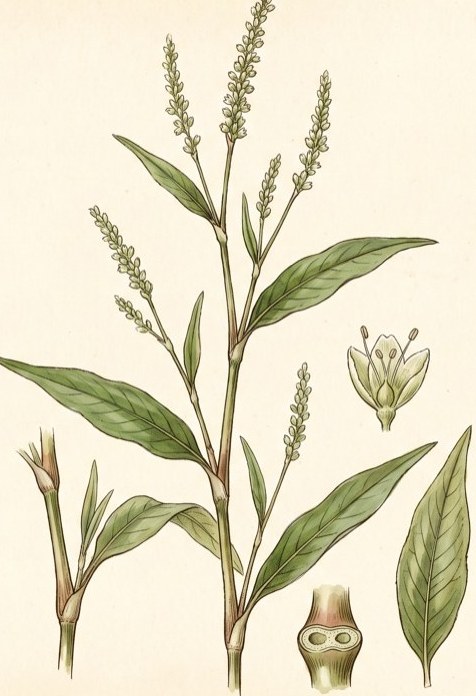 Water pepperPolygonum punctatum
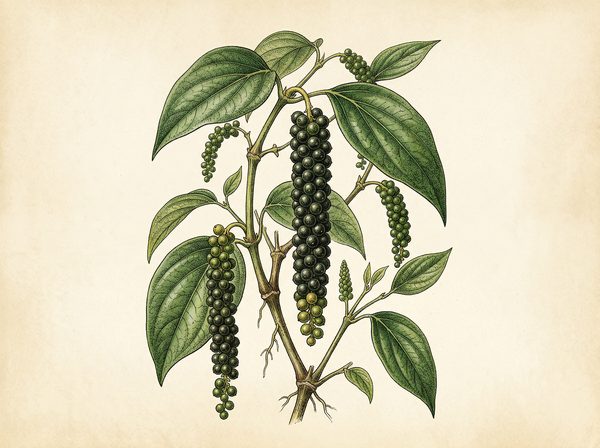 black pepperPiper nigrum
 KnotgrassPolygonum aviculare
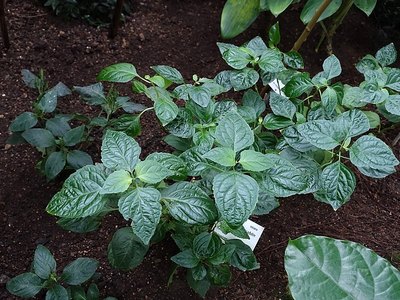 PatchouliPogostemon cablin
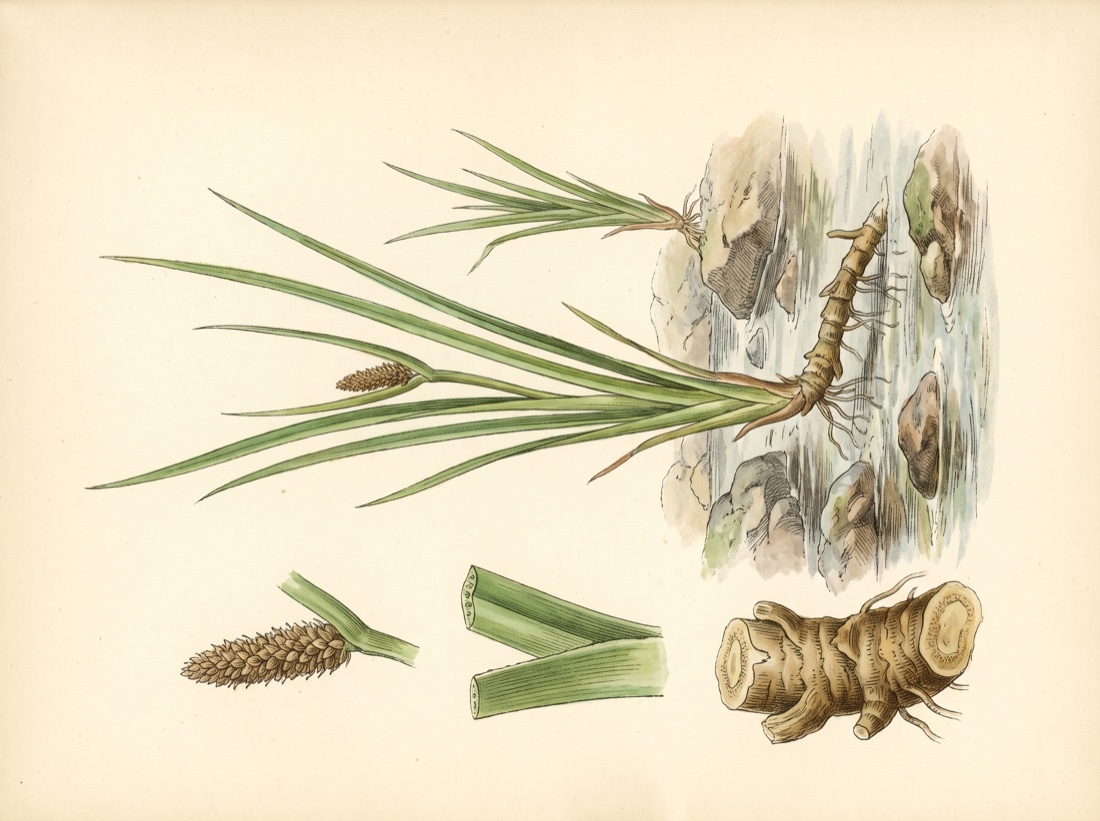 grass-leaf sweet flagAcorus gramineus
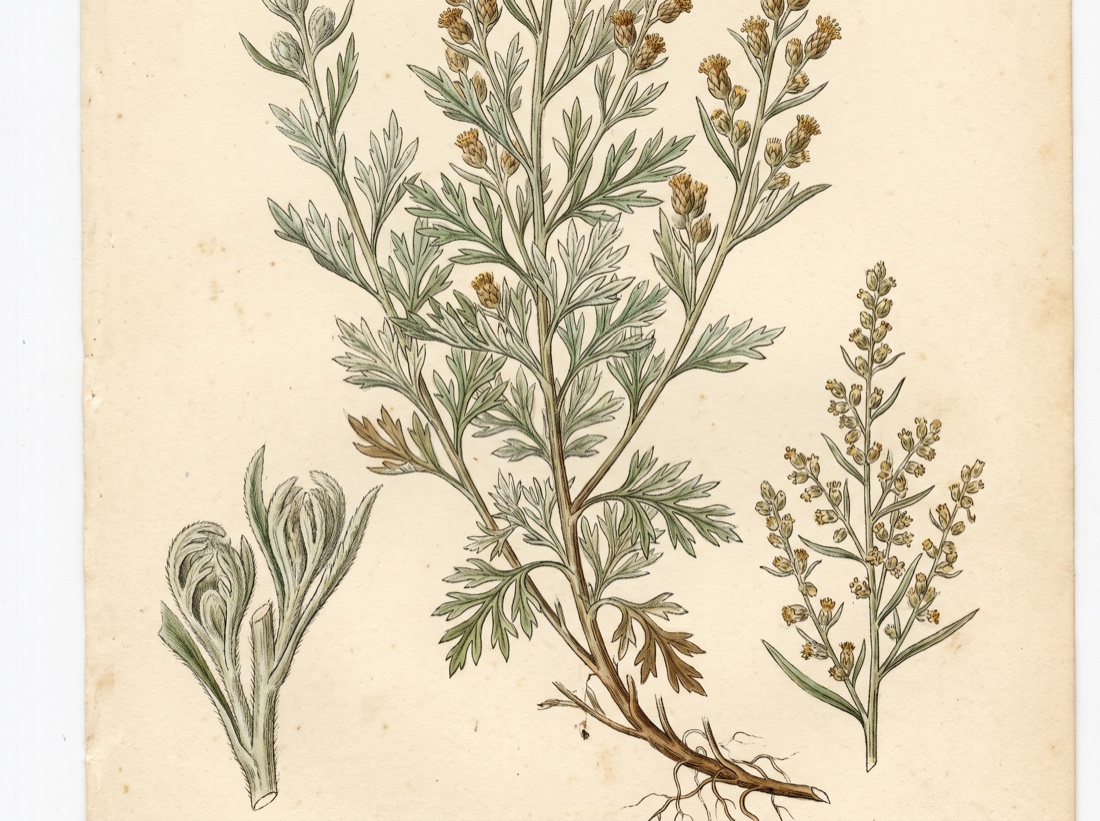 capillary wormwoodArtemisia capillaris
Nearby on the shelf
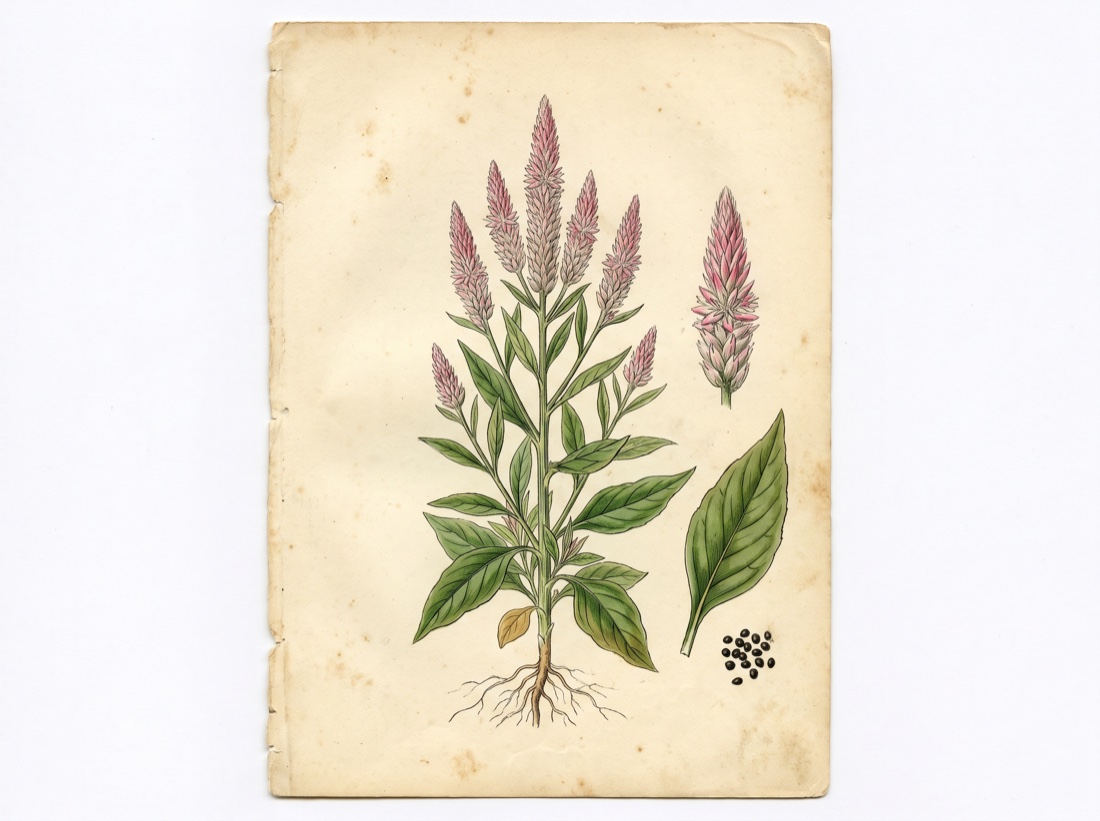 Silver cockscombCelosia argentea
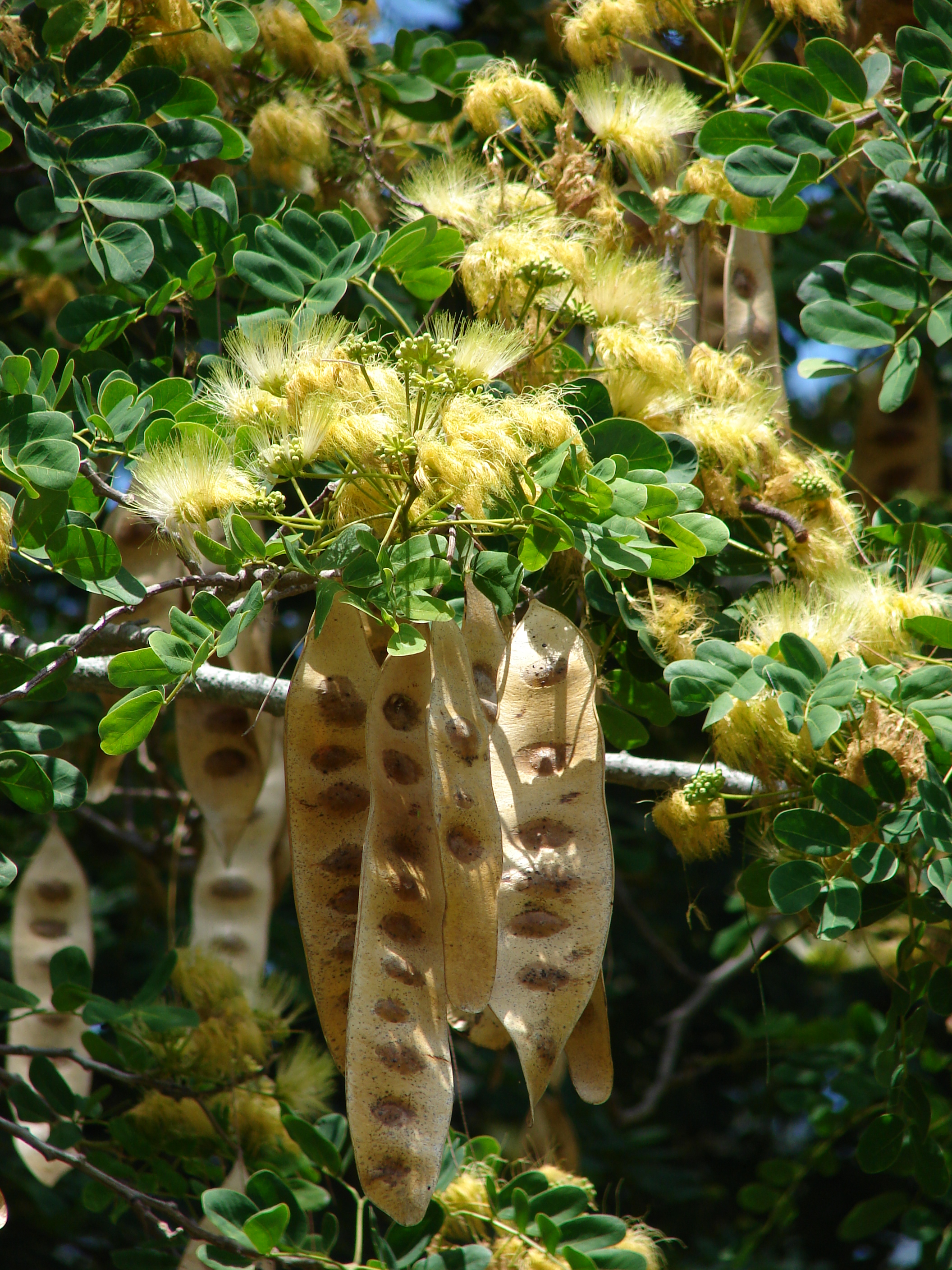 SirisAlbizia lebbeck
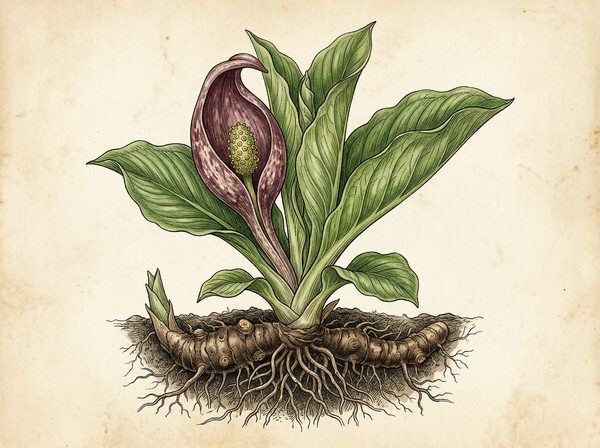 Skunk CabbageSymplocarpus foetidus
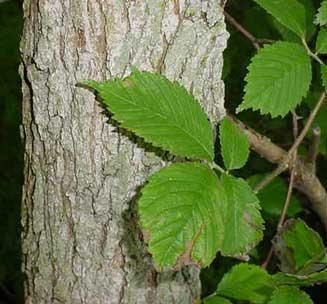 Slippery elmUlmus rubra
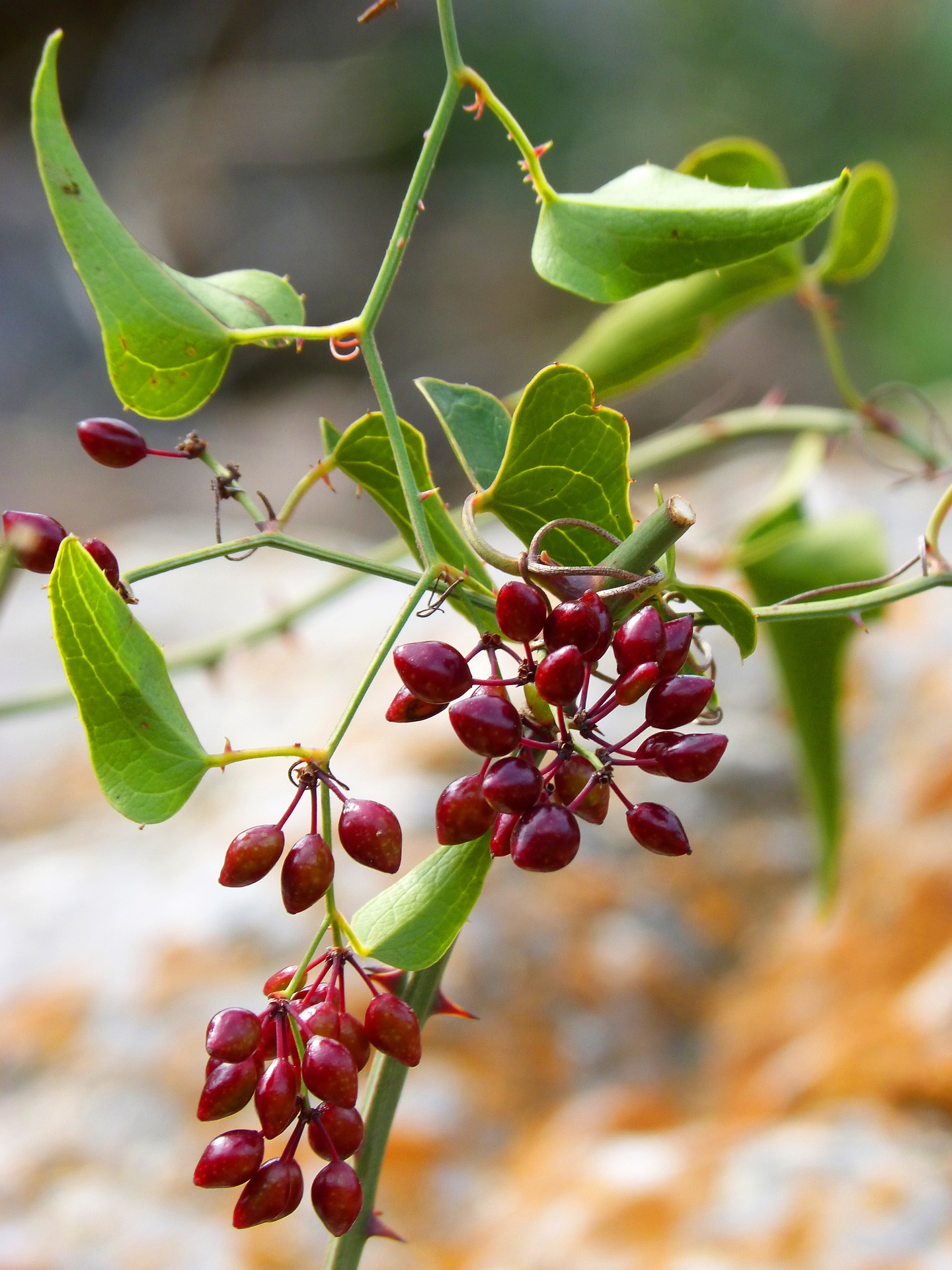 Smilax regeliiSmilax regelii
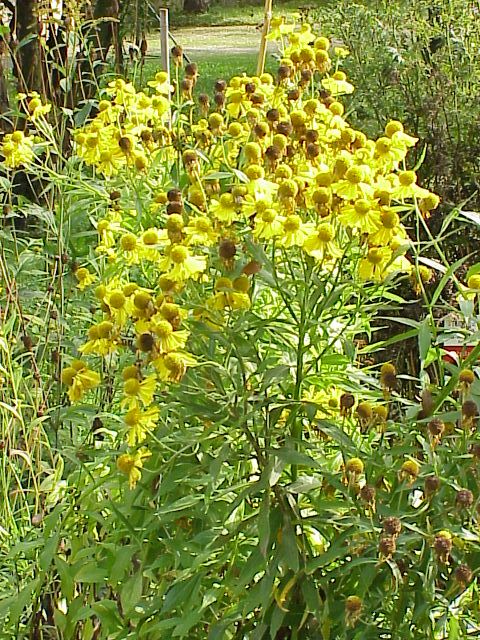 SneezeweedHelenium
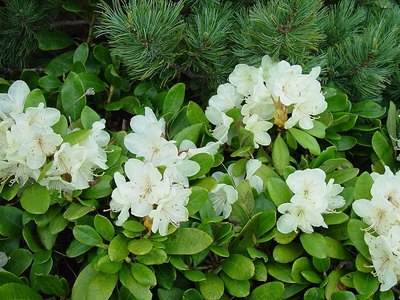 Snow roseRhododendron chrysanthum
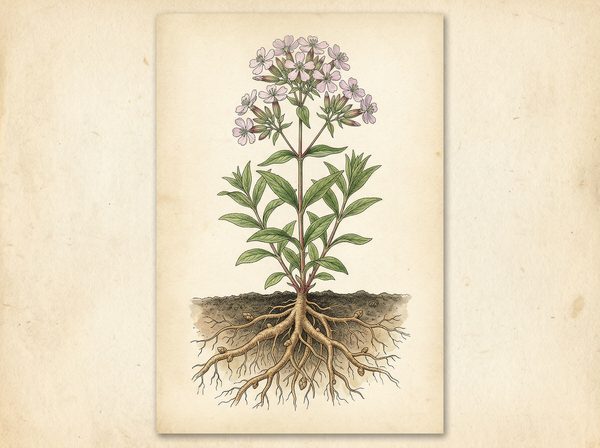 SoapwortSaponaria officinalis
The whole plate is in the library. The compass, Compare, the Sky of eleven hundred plants and the formulary open with an email address and a password, free, with the formula builder and its safety engine. Herbert without limit, his formulating, clients, the handouts and the labels are the paid room.
Open the library, free