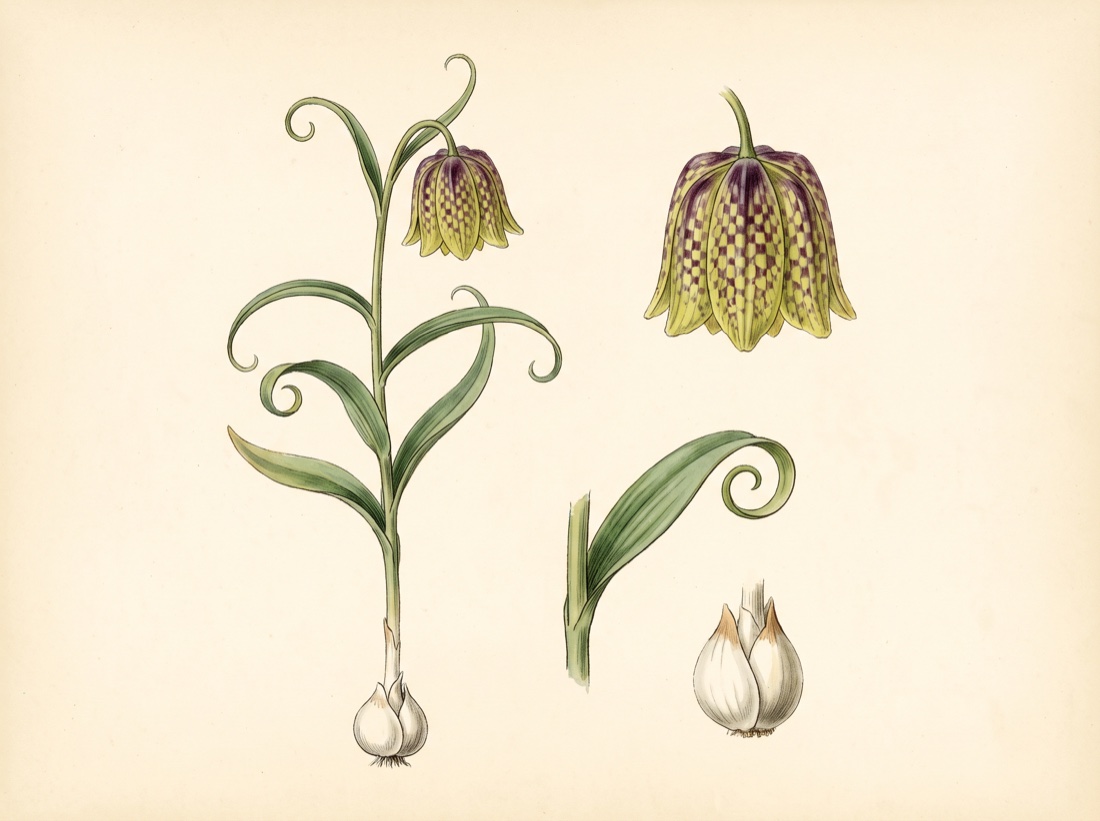
Chinese Herbalism
Sichuan fritillary
Fritillaria cirrhosa
Also known as Himalayan fritillary, tendrilled fritillary, chuan bei mu, Sichuan fritillary bulb, chuān bèi mǔ, bèi mǔ.
Chuan bei mu is the small, pearl-white bulb of a fritillary that grows in alpine meadows and scrub at 3000 to 4500 meters in Sichuan, Yunnan, Tibet, Qinghai and adjacent Nepal. It is the most prized of the fritillary bulbs in Chinese medicine, cooling and moistening to the lung, and it is the herb of choice for the chronic dry cough that follows illness or accompanies lung yin deficiency. Several closely related species (Fritillaria unibracteata, F. przewalskii, F. delavayi, F. taipaiensis and F. wabuensis) are accepted as the same drug, and the whole group is under severe pressure from wild harvest.

Ask Herbert about Sichuan fritillary. Herbert is the master herbalist inside Bountiful Herbs: he answers from this plate and eleven hundred others, with dosing, pairing and cautions. Your first ten questions are free.
Ask HerbertActions
Indications what the tradition reached for it in
- Chronic dry cough with scanty, sticky phlegm
- Cough from lung yin deficiency
- Cough with blood-streaked sputum
- Lung-heat cough with yellow phlegm
- Lingering cough after a respiratory infection
- Chronic bronchitis and mild asthma (supportive)
- Scrofula and neck lymph node swellings
- Breast abscess and lumps (with other herbs)
- Lung abscess (with other herbs)
- Goiter and thyroid nodules (traditional, with other herbs)
Specific indications
A tickling, unproductive cough that drags on for weeks after a chest infection, with a dry throat, a little sticky phlegm that is hard to raise, and worse at night
A weak, dry cough in an older or debilitated person with a red tongue and little coating, where harsher expectorants only irritate
Chronic cough with occasional streaks of blood in the sputum where the lung is dry and hot rather than cold and wet
Safety
The record lists 5 contraindications; open the plate in the library to read them in full.
In practice
Reach for chuan bei mu when the cough is dry, hot and chronic: the lingering post-viral cough, the elderly cough with a dry throat, the smoker with threads of blood in sticky sputum. It pairs beautifully with pears, either the classic steamed pear stuffed with powdered bulb and rock sugar or added to a pear and honey decoction, and with sha shen, mai men dong and bai he in yin-nourishing formulas.
In Chinese medicine
Temperature: slightly cold. Taste: bitter, sweet. Channels: Lung, Heart. Actions: Clears heat and moistens the Lung; Transforms phlegm and stops cough; Dissipates nodules and reduces swelling; Relieves constraint in the chest.
Dosing as the sources wrote it
| Preparation | As written | Metric |
|---|---|---|
| Powder, swallowed or stirred into strained decoction | 1-2 g dried bulb powder two to three times daily | 1000-2000 mg |
| Decoction | 3-10 g dried bulb daily | 3000-10000 mg |
| Steamed pear preparation | 3-6 g bulb powder in one pear once daily | 3000-6000 mg |
Doses are reproduced from the sources for practitioners and are not a recommendation for any person.
From the sources
Overview. Chuan bei mu is the small, pearl-white bulb of a fritillary that grows in alpine meadows and scrub at 3000 to 4500 meters in Sichuan, Yunnan, Tibet, Qinghai and adjacent Nepal. It is the most prized of the fritillary bulbs in Chinese medicine, cooling and moistening to the lung, and it is the herb of choice for the chronic dry cough that follows illness or accompanies lung yin deficiency. Several closely related species (Fritillaria unibracteata, F. przewalskii, F. delavayi, F. taipaiensis and F. wabuensis) are accepted as the same drug, and the whole group is under severe pressure from wild harvest.
Clinical Notes. Reach for chuan bei mu when the cough is dry, hot and chronic: the lingering post-viral cough, the elderly cough with a dry throat, the smoker with threads of blood in sticky sputum. It pairs beautifully with pears, either the classic steamed pear stuffed with powdered bulb and rock sugar or added to a pear and honey decoction, and with sha shen, mai men dong and bai he in yin-nourishing formulas.
Chinese Medicine Profile. Temperature: slightly cold. Taste: bitter, sweet. Channels: Lung, Heart. Actions: Clears heat and moistens the Lung; Transforms phlegm and stops cough; Dissipates nodules and reduces swelling; Relieves constraint in the chest.
Conservation. Wild populations are heavily overharvested and declining across the Hengduan Mountains and Himalaya; the species is under national protection in China, and only cultivated material should be used.
In formulas
Sichuan fritillary stands in 40 documented formulas in the library, among them hui chùn dàn, qi gé sán, líng jiao gòu téng tâng, gàn lù xião dú dàn, rén shèn gé jiề sǎn, bảo chǎn wú yõu fàng.
Often paired with
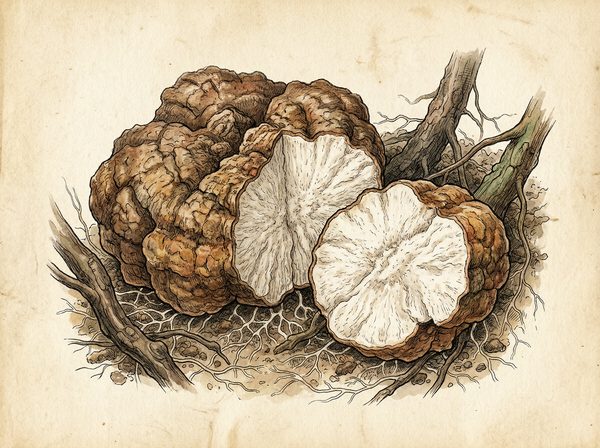 PoriaWolfiporia extensa
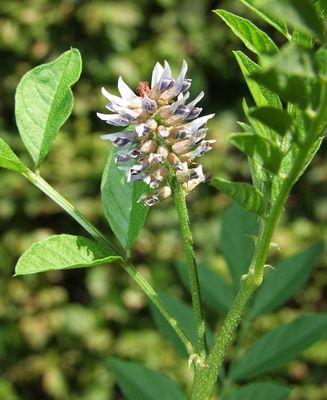 Licorice rootGlycyrrhiza glabra
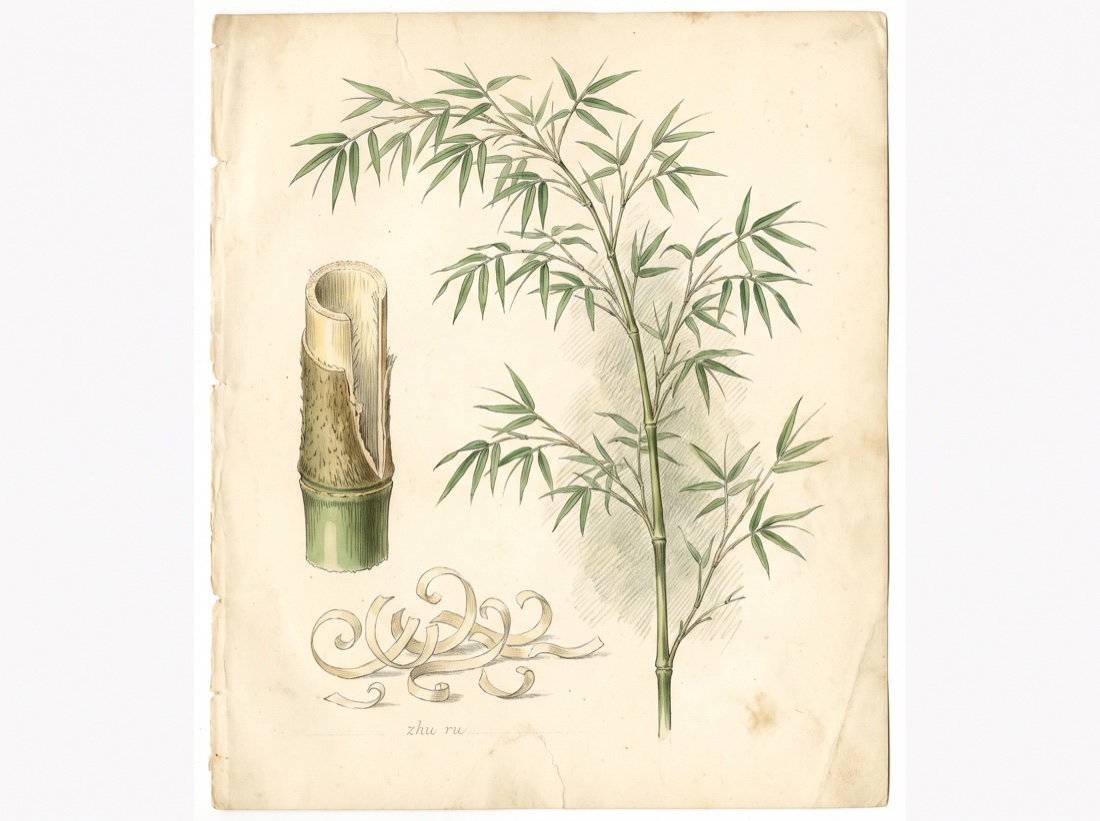 punting-pole bambooBambusa tuldoides
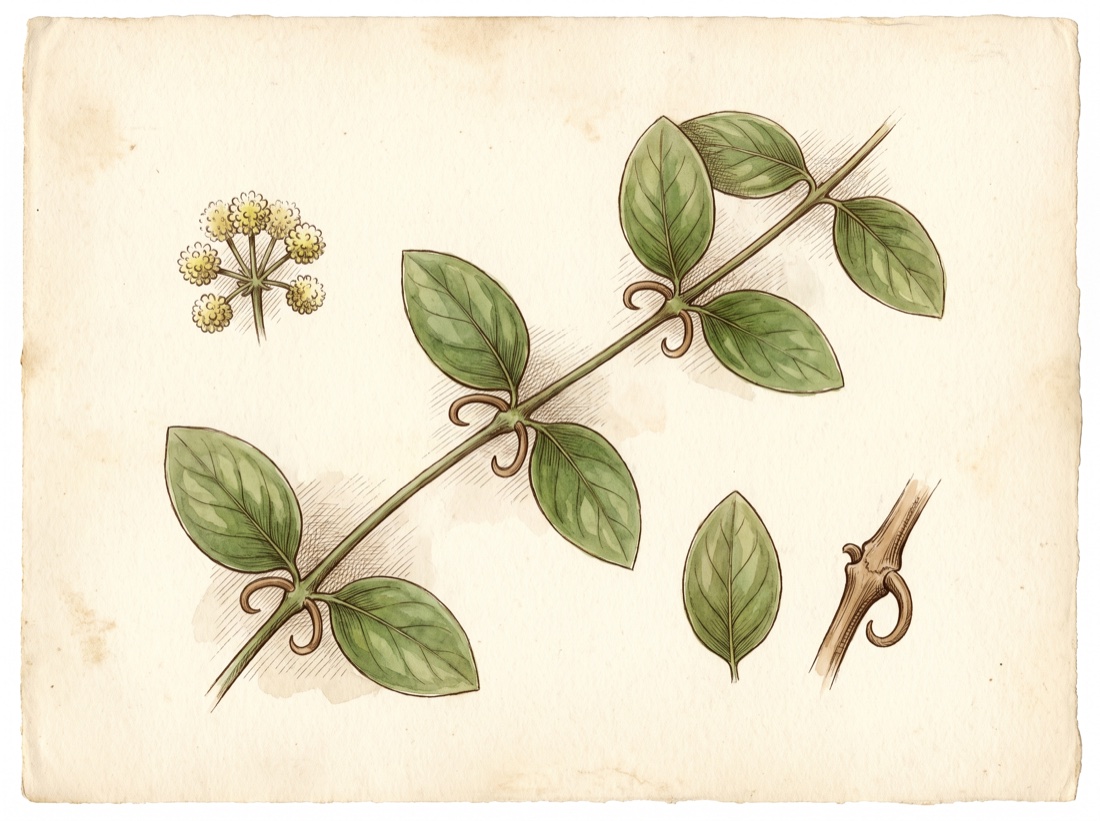 gou tengUncaria rhynchophylla
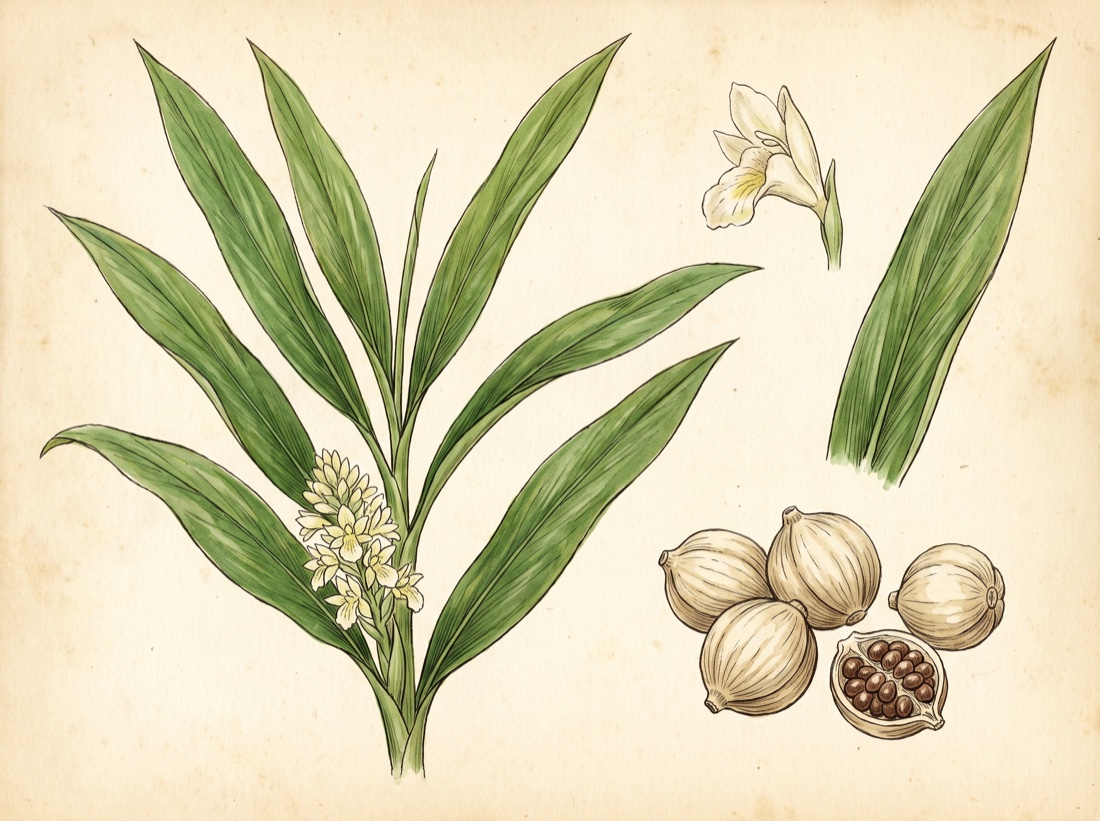 round cardamomWurfbainia compacta
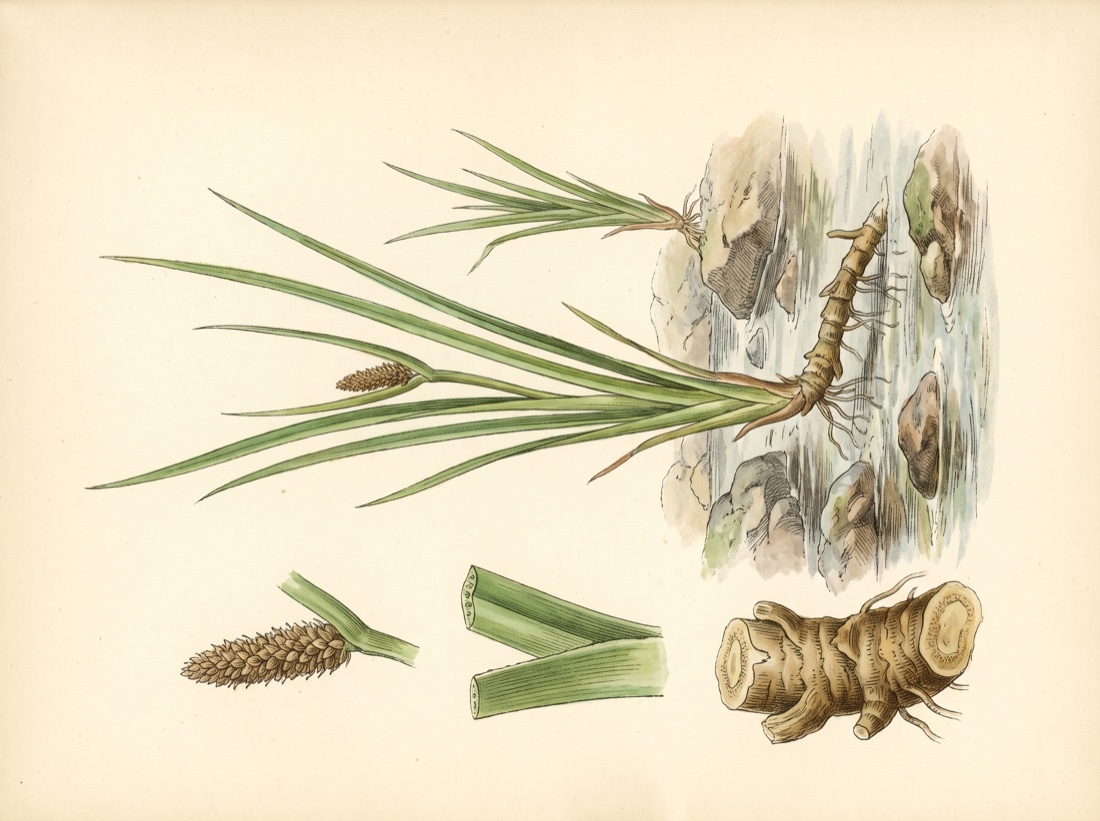 grass-leaf sweet flagAcorus gramineus
Nearby on the shelf
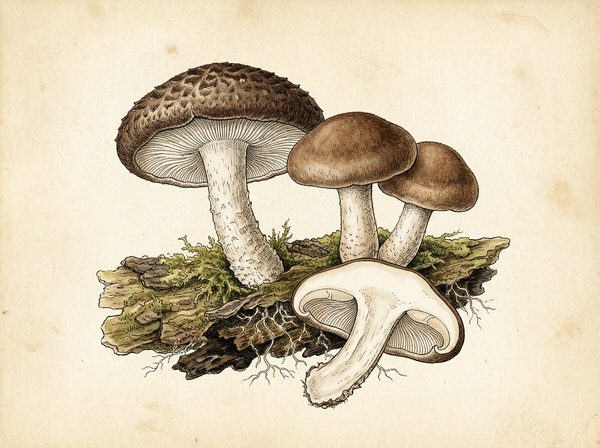 ShiitakeLentinula edodes
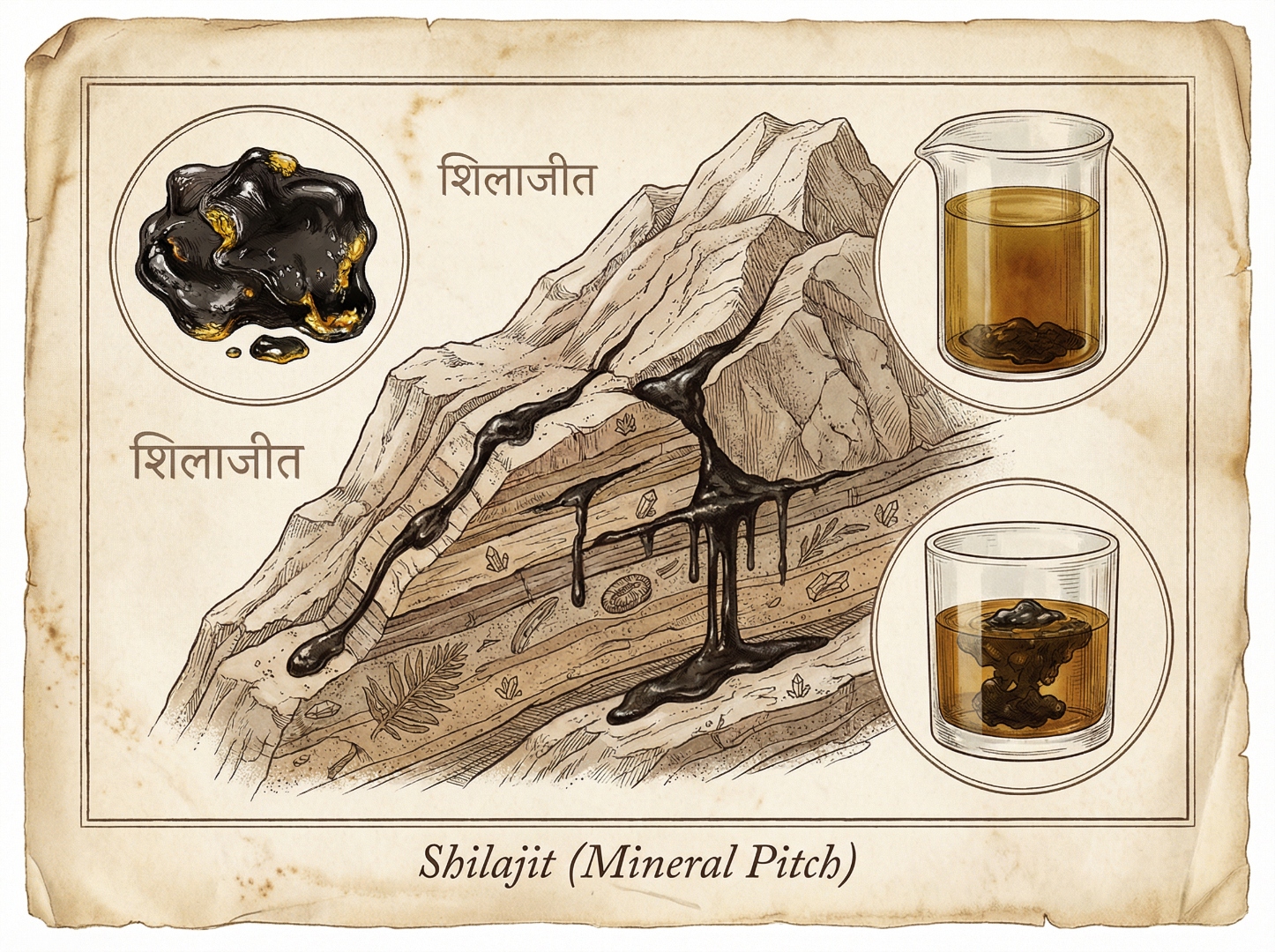 ShilajitAsphaltum punjabianum
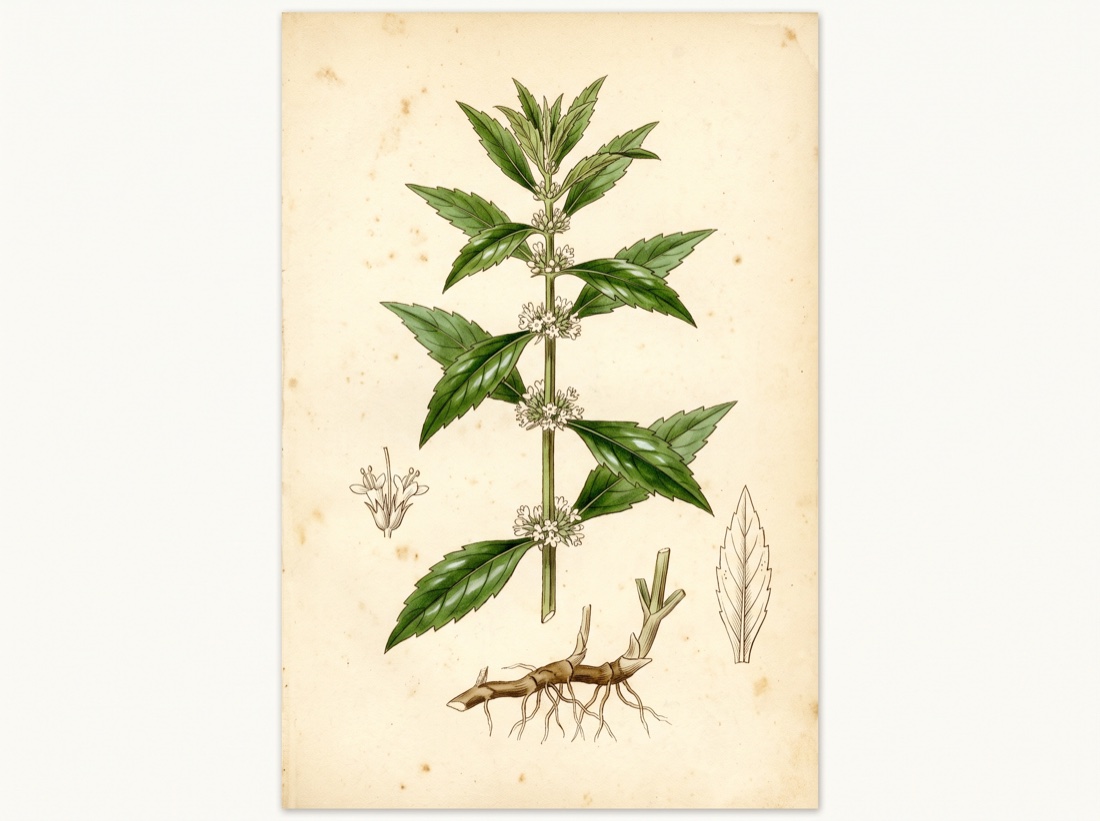 Shiny bugleweedLycopus lucidus
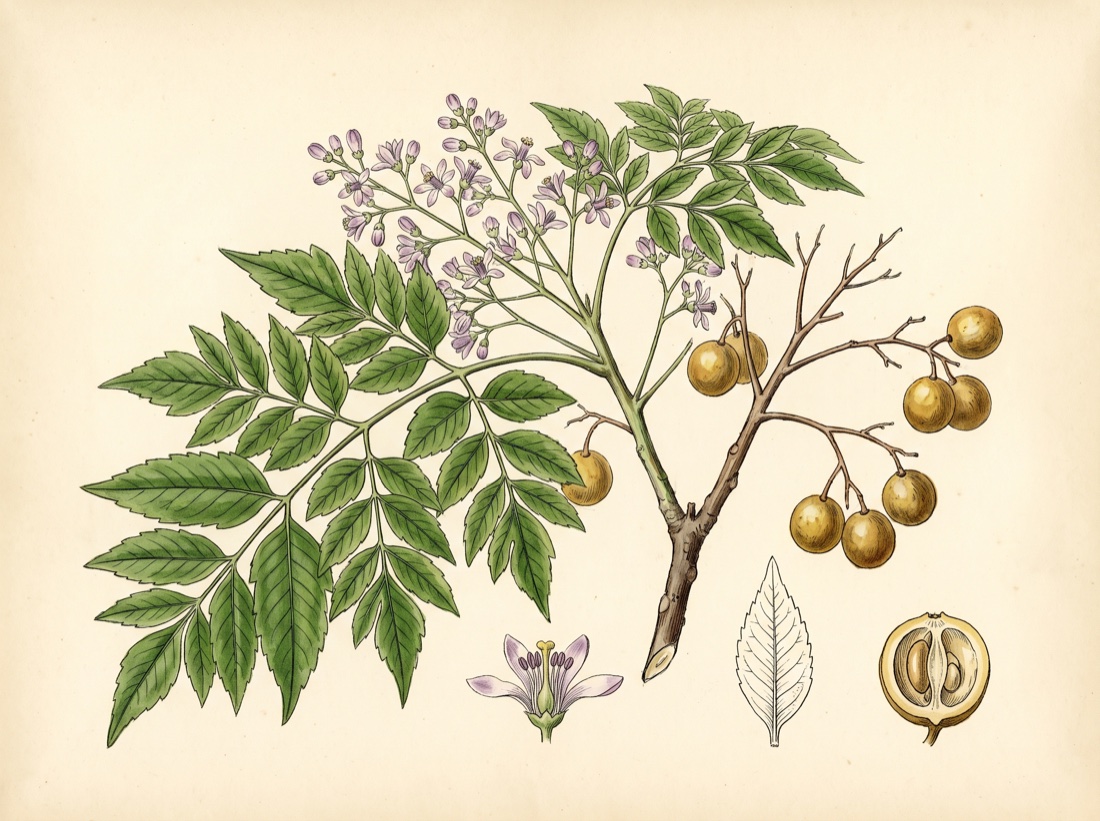 Sichuan chinaberryMelia toosendan
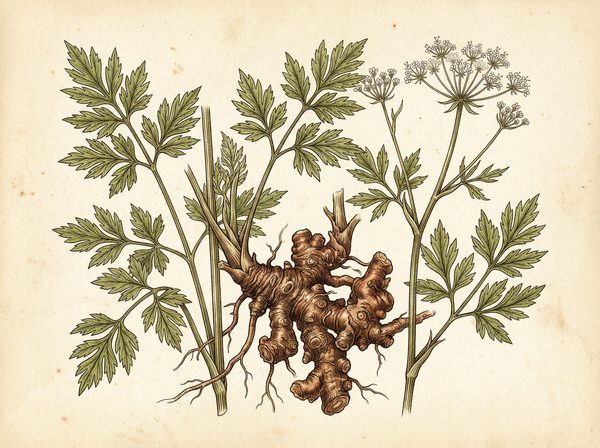 Sichuan Lovage RhizomeLigusticum chuanxiong
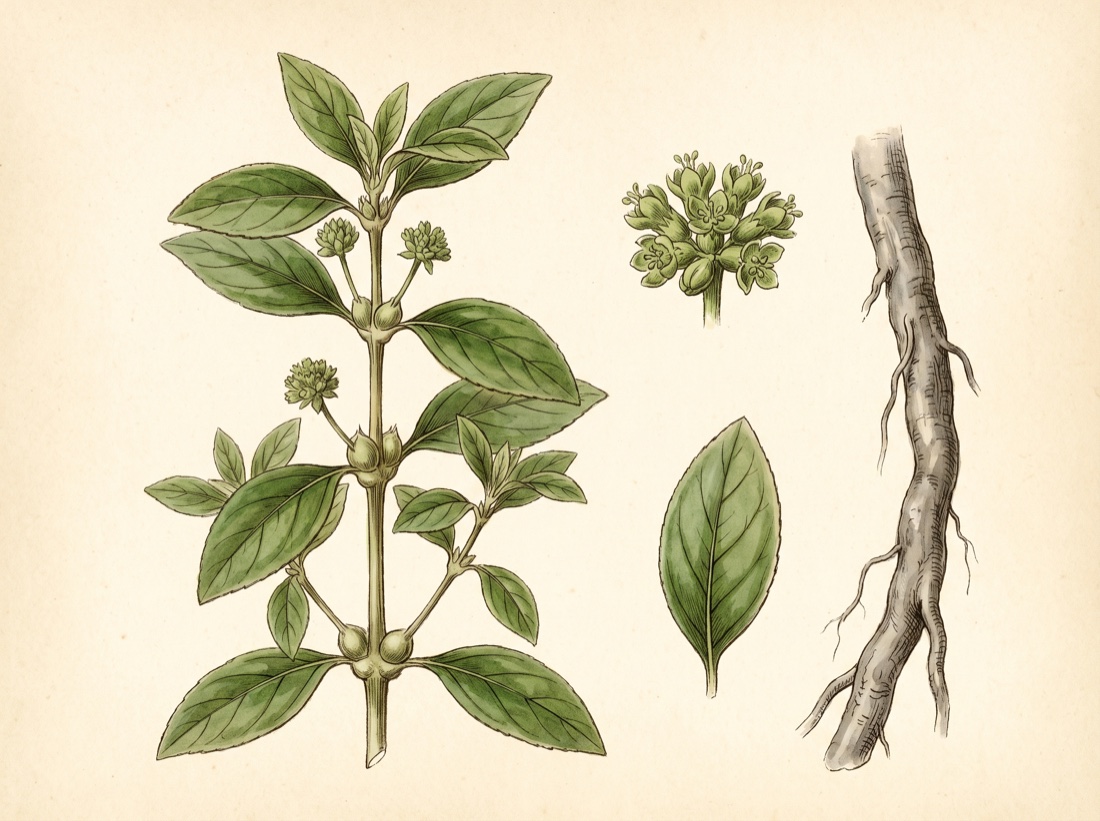 Sichuan ox kneeCyathula officinalis
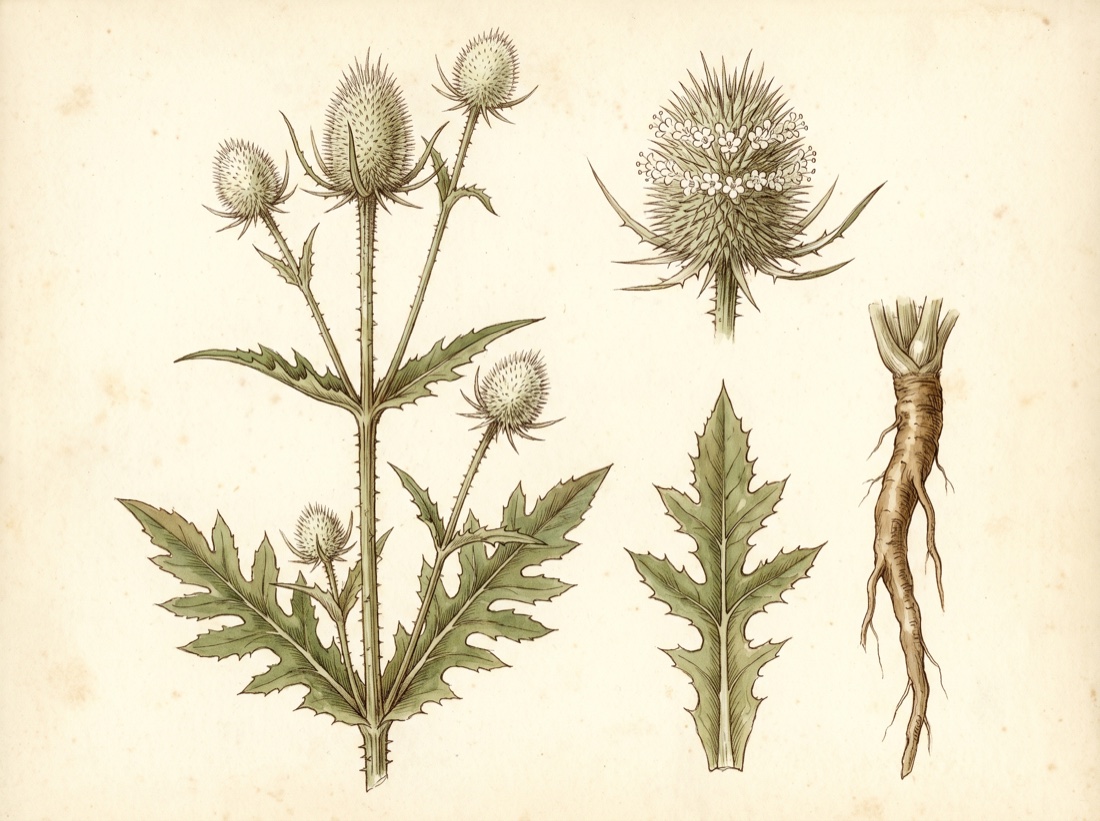 Sichuan teaselDipsacus asper
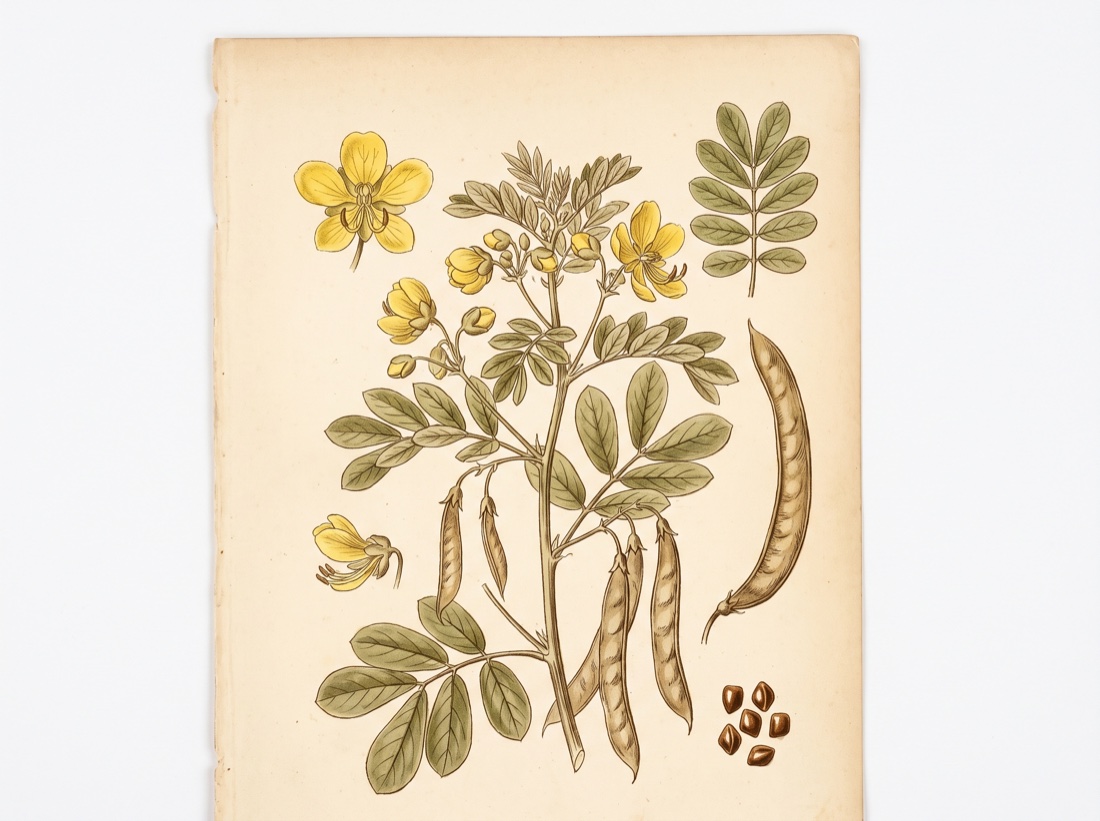 SicklepodSenna obtusifolia
The whole plate is in the library. The compass, Compare, the Sky of eleven hundred plants and the formulary open with an email address and a password, free, with the formula builder and its safety engine. Herbert without limit, his formulating, clients, the handouts and the labels are the paid room.
Open the library, free