Western Herbalism
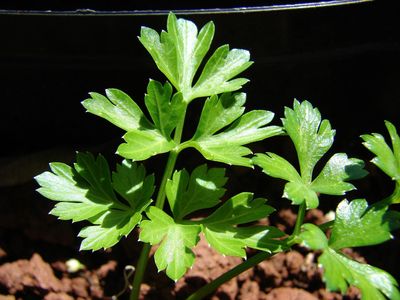
Parsley
Petroselinum crispum
Also known as Garden parsley, Petroselinum, (1) Parsley Fruit, Parsley Seed, (2) Parsley Root, Common parsley, Curly parsley, Rock parsley.
Parsley is a familiar biennial herb of the carrot family, cultivated worldwide as a culinary green and long valued in Western herbal practice as a mild diuretic and digestive remedy. The leaf, root, and seed have each been used, though the seed's concentrated oil, once distilled for its apiol content, has fallen out of use owing to its toxicity. In nineteenth century eclectic practice the root and seed infusions were reached for as a gentle diuretic and emmenagogue, a use that persists in modern Western herbalism at much more conservative doses.

Ask Herbert about Parsley. Herbert is the master herbalist inside Bountiful Herbs: he answers from this plate and eleven hundred others, with dosing, pairing and cautions. Your first ten questions are free.
Ask HerbertActions
Indications what the tradition reached for it in
- Kidney stone (non-obstructing)
- Gas/bloating
- Oligomenorrhea
- Intestinal cramps
- Amenorrhea (secondary)
- Uterine cramps
- Hypertension
- Urinary gravel
- Rheumatic complaints
- Premenstrual fluid retention
- Cystitis
- Arthritis
- Abdominal distension
- Amenorrhea
- Bloating
- Colic
- Cramps
- Digestive discomfort
- Edema
- Flatulence
- Fluid retention
- Gas
- Menstrual irregularity
- Muscle spasms
- Urinary disorders
- Digestive complaints
- Urinary complaints
- Flatulent dyspepsia
- Dysuria
- Bronchitic cough in the elderly
Specific indications
Scanty urine with dependent edema and a bloated, sluggish digestive feeling
Delayed or scanty menses with a full, congested sensation in the low pelvis
Safety
Low dose botanical. Used in drop doses in the classical practice; not a plant to dose freely.
Pregnancy: Pregnancy Caution
Breastfeeding: Lactation=lacking data but culinary ingestion considered safe
The record lists 2 contraindications; open the plate in the library to read them in full.
Dosing as the sources wrote it
| Preparation | As written | Metric |
|---|---|---|
| Tincture (1:3-1:5) | 1-3 ml TID | 1-3 mL |
| Infusion | 2-3 tsp/c TID | |
| Leaf/root 2-4 g as an infusion | 2000-4000 mg | |
| Seed 1-2g | 1000-2000 mg | |
| Dried root 2-4 g or by infusion three times daily | 2000-4000 mg | |
| (G6, G7) Liquid extract 2-4 mL (1 : 1 in 25% alcohol) three times daily .(G6, G7) | 2-4 mL |
Doses are reproduced from the sources for practitioners and are not a recommendation for any person.
From the sources
Overview. Parsley is a familiar biennial herb of the carrot family, cultivated worldwide as a culinary green and long valued in Western herbal practice as a mild diuretic and digestive remedy. The leaf, root, and seed have each been used, though the seed's concentrated oil, once distilled for its apiol content, has fallen out of use owing to its toxicity. In nineteenth century eclectic practice the root and seed infusions were reached for as a gentle diuretic and emmenagogue, a use that persists in modern Western herbalism at much more conservative doses.
Clinical Notes. Inhibits Na/K pump in kidney Seed=stronger action , more diuretic than leaf, anti-spasmodic, carminative, emmenagogue Leaf=nutritive, diuretic (mild) Leaves can be chewed as breath freshener
Clinical Notes. In practice parsley leaf and root are used as a food-strength diuretic, well suited to mild fluid retention, premenstrual bloating, and sluggish digestion where a gentle rather than forceful action is wanted.
Action and Therapy. Decoction of parsley root is an active diuretic, as is also the oil (three or four drops). Both relieve urinary irritation, and have been extensively employed to relieve dropsical effusions when the kidneys are in a condition to respond, especially when the edema follows scarlet fever.
Drawn from Cook's Physio-Medical Dispensatory; King's American Dispensatory, 18th edition (Felter and Lloyd); Ellingwood's American Materia Medica, Therapeutics and Pharmacognosy; Felter's Eclectic Materia Medica, Pharmacology and Therapeutics, and the Bountiful Herbs editorial.
Often paired with
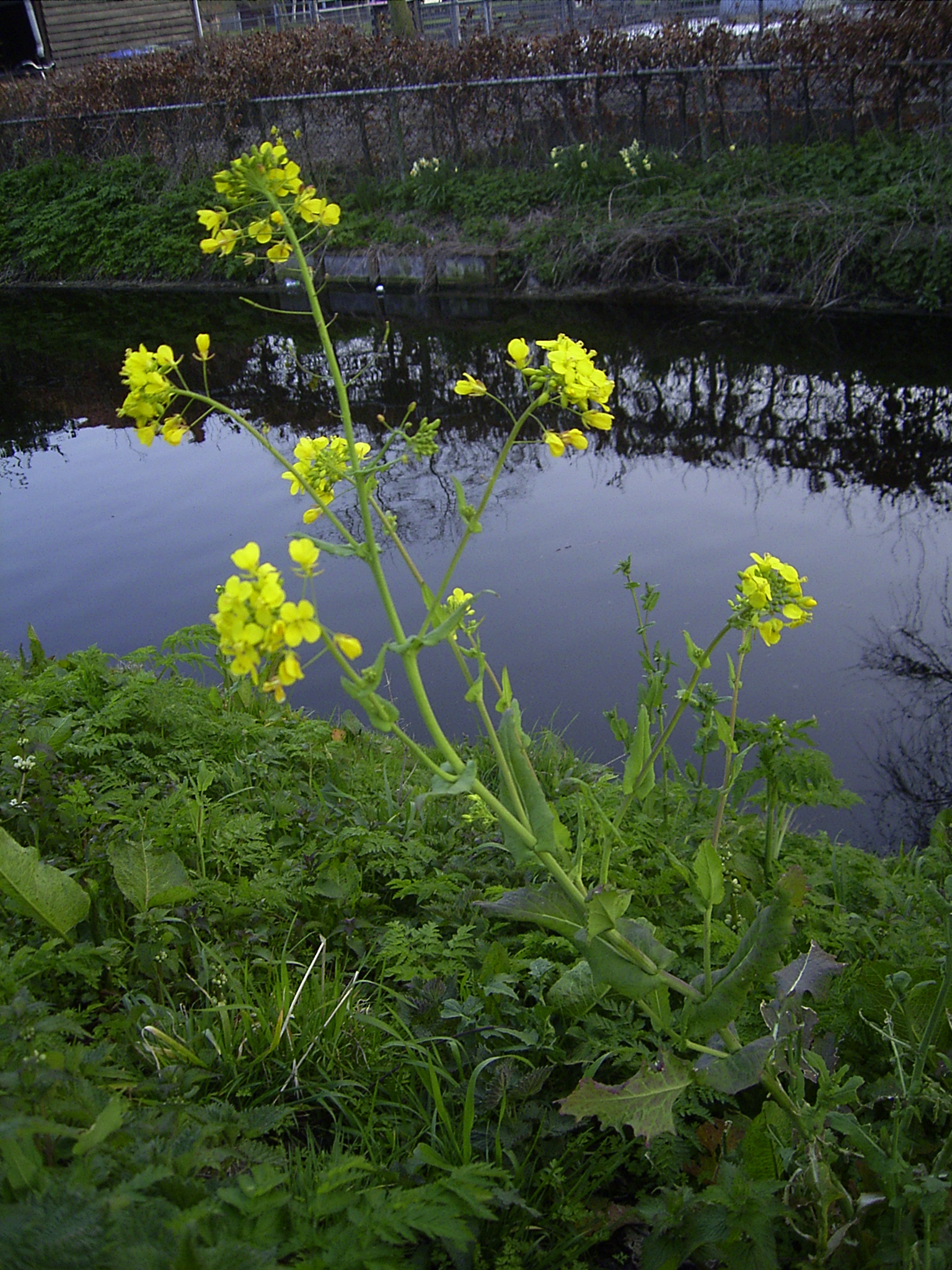 white mustardBrassica alba
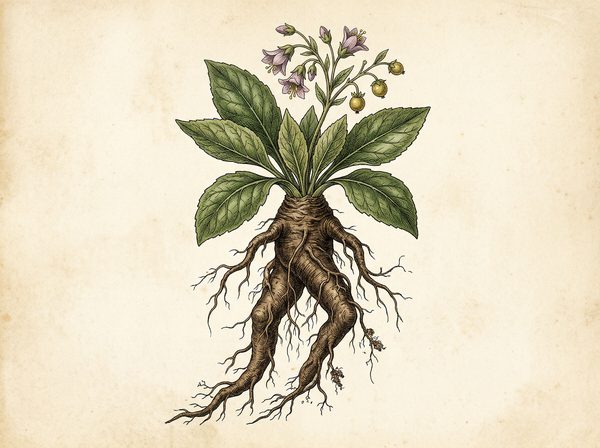 MandrakeMandragora officinarum
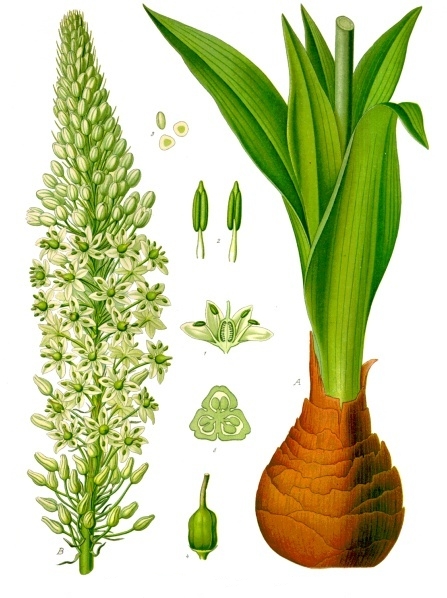 SquillDrimia maritima
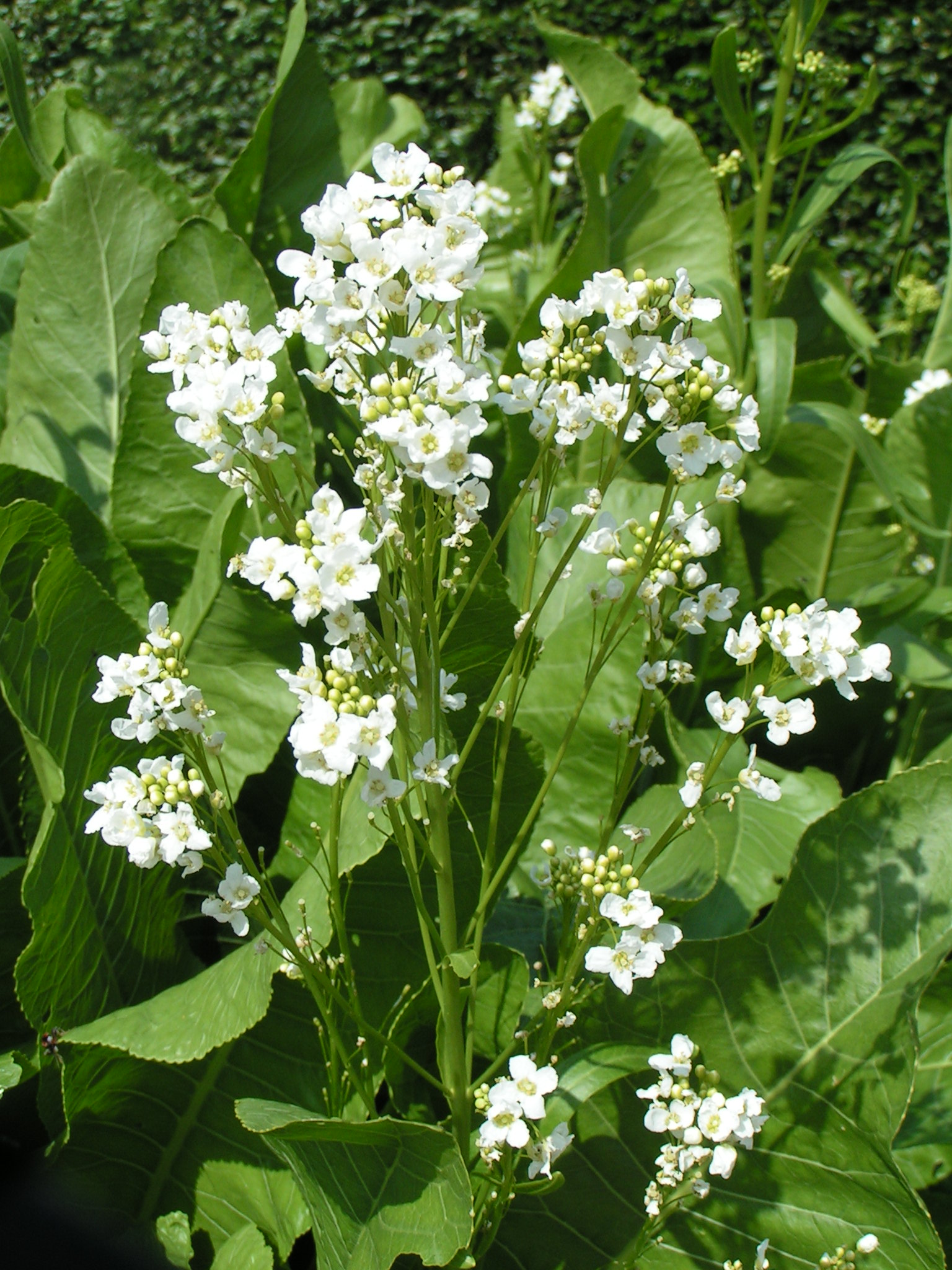 HorseradishArmoracia rusticana
 JuniperJuniperus communis
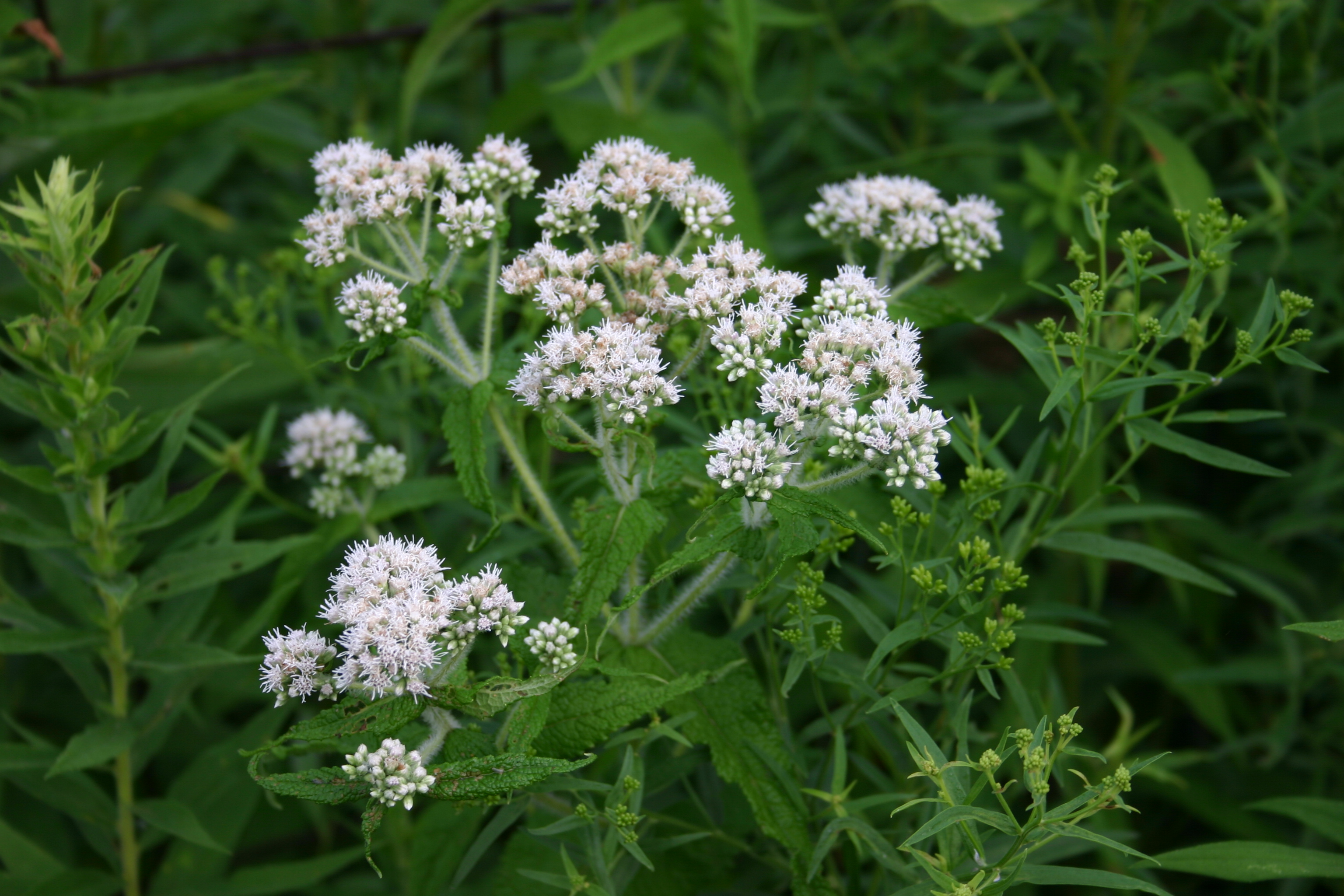 Gravel rootEupatorium purpureum
Nearby on the shelf
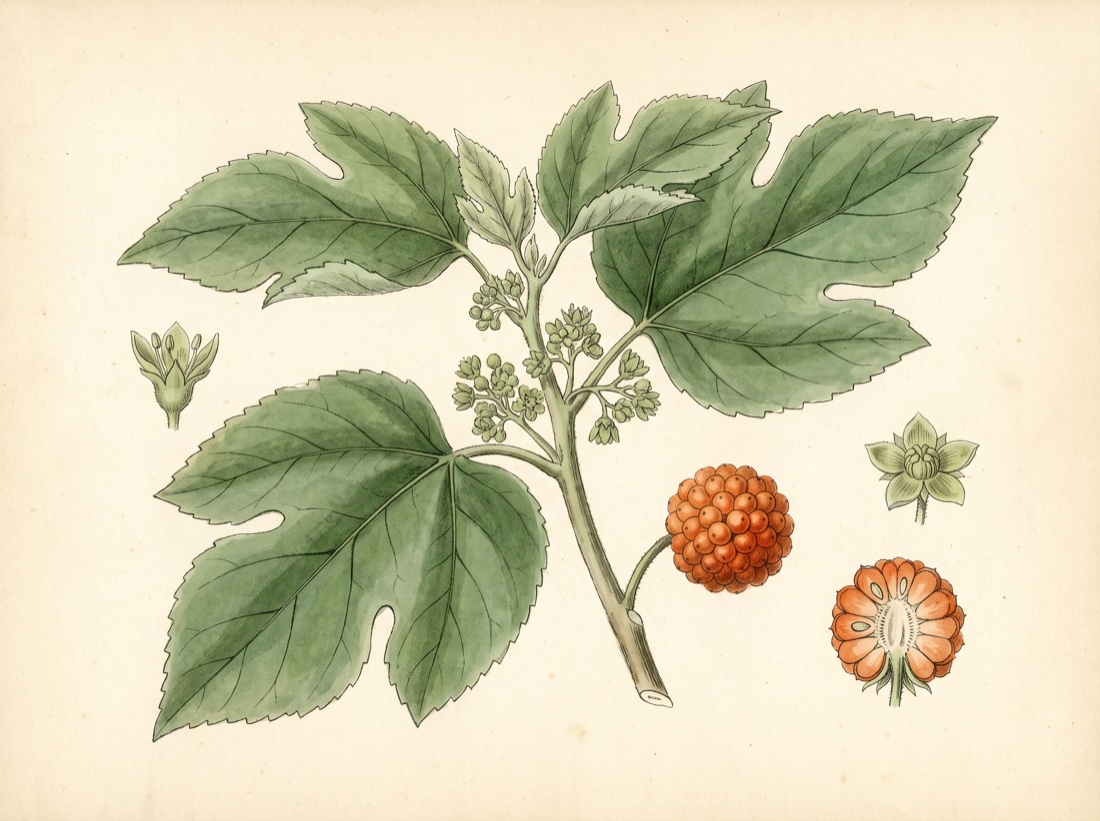 Paper mulberryBroussonetia papyrifera
 Para cressSpilanthes oleracea
 PareiraPareira brava
 Pareira bravaCissampelos pareira
 Partridge berryMitchella repens
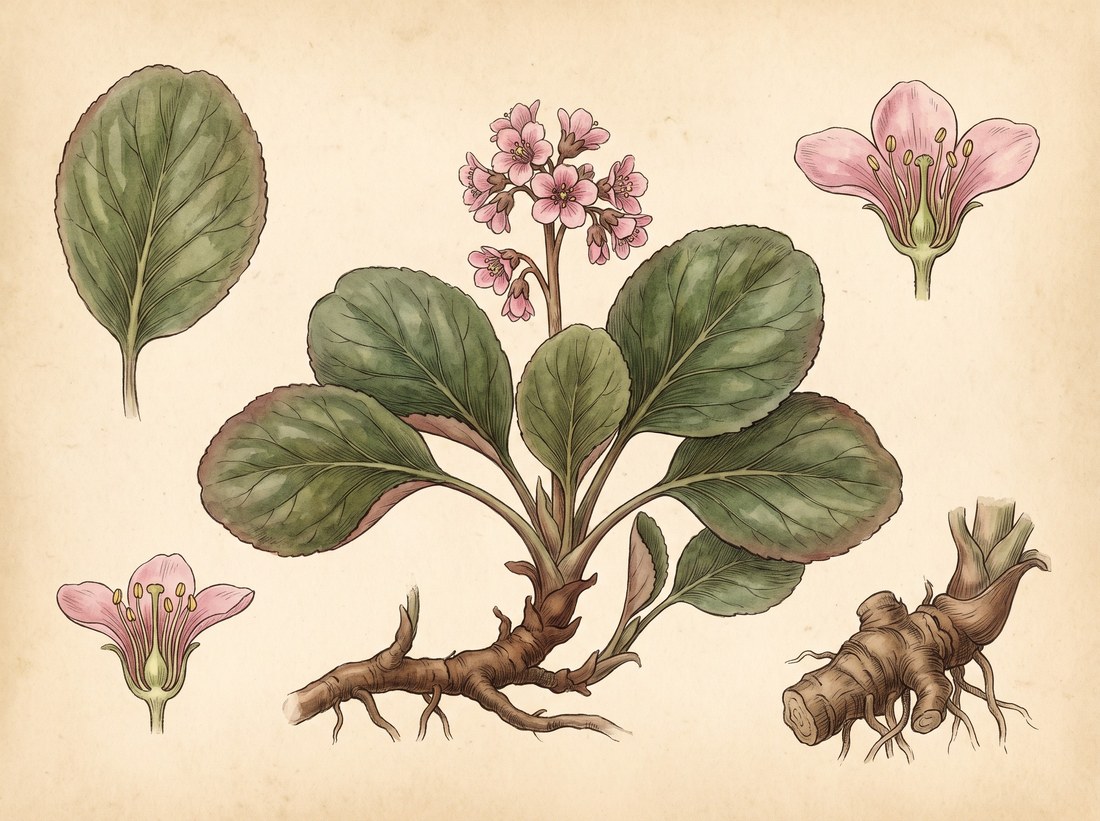 PashanbhedBergenia ligulata
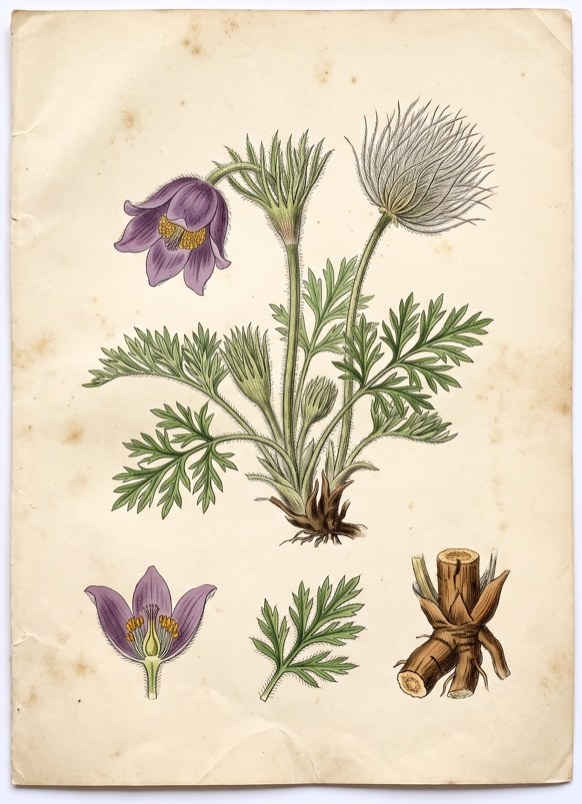 Pasque flowerPulsatilla vulgaris
 Passion FlowerPassiflora incarnata
The whole plate is in the library. The compass, Compare, the Sky of eleven hundred plants and the formulary open with an email address and a password, free, with the formula builder and its safety engine. Herbert without limit, his formulating, clients, the handouts and the labels are the paid room.
Open the library, free