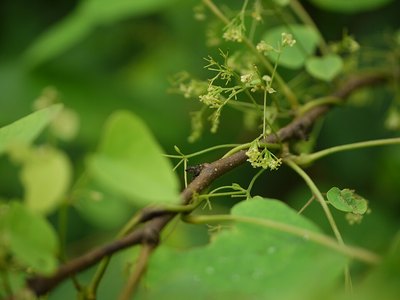
Western Herbalism
Pareira
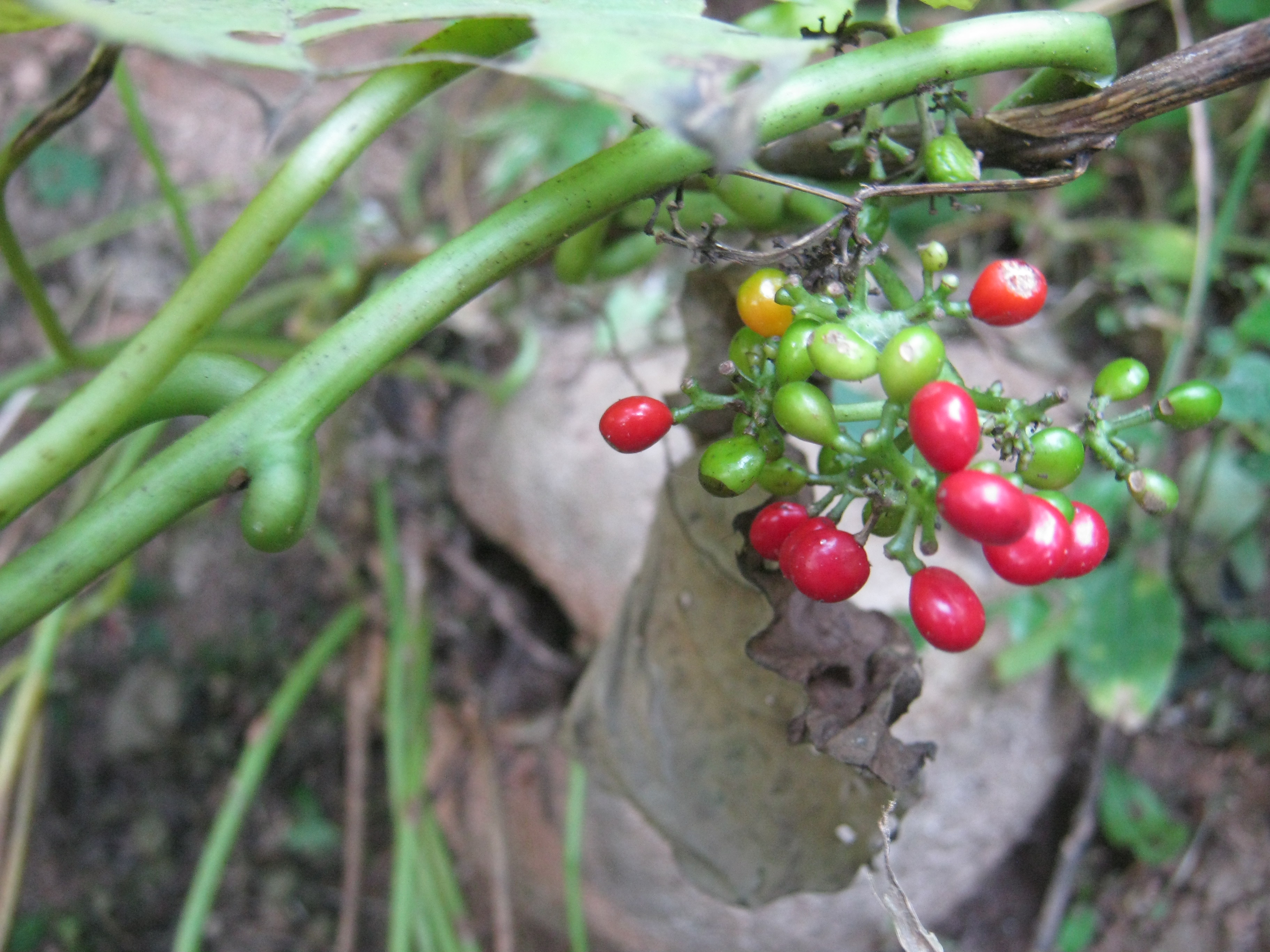
Pareira brava
Also known as Pareira Root, Pareira Brava, Ice Vine, Velvet Leaf (false pareira, distinct species).
Pareira is the root of a woody South American vine of the moonseed family, long used in Andean and Amazonian traditional medicine and later adopted into European and North American eclectic practice as a urinary remedy. The dried root was prepared as an infusion, tincture, or fluid extract and given for chronic disorders of the kidneys and bladder marked by irritating, salt-laden urine. The same plant is historically important as one of the botanical sources of curare, though the arrow-poison use depends on injection of the isolated alkaloids and has no bearing on its oral use as a diuretic tonic.

Ask Herbert about Pareira. Herbert is the master herbalist inside Bountiful Herbs: he answers from this plate and eleven hundred others, with dosing, pairing and cautions. Your first ten questions are free.
Ask HerbertActions
Indications what the tradition reached for it in
- Chronic cystitis
- Chronic pyelonephritis
- Urinary gravel and calculi
- Scanty urine with excess urates or earthy salts
- Chronic gleet
- Chronic urethritis
- Hematuria of chronic low-grade irritation
- Dysuria with thick mucoid sediment
- Debility following chronic urinary tract disease
Specific indications
Scanty, turbid, heavily loaded urine with a dull aching soreness over the kidneys, in a patient whose urinary complaint is chronic rather than acute
Chronic bladder irritation with thick ropy mucus in the sediment and a general picture of urinary tract debility rather than acute infection
Safety
Low dose botanical. Used in drop doses in the classical practice; not a plant to dose freely.
Pregnancy: Avoid in pregnancy: alkaloid content is poorly studied and traditional use does not establish safety.
Breastfeeding: Avoid in lactation: no safety data exist for infant exposure to the root's alkaloids.
The record lists 5 contraindications; open the plate in the library to read them in full.
In practice
Eclectic physicians reached for pareira in chronic, low-grade urinary complaints rather than acute inflammatory ones: a patient with a long history of scanty, turbid urine heavy with urates or mucus, a dull ache over the kidneys, and general debility from prolonged irritation of the urinary tract.
Dosing as the sources wrote it
| Preparation | As written | Metric |
|---|---|---|
| Infusion | 4-8 g dried root as an infusion, taken in divided doses through the day | 4000-8000 mg |
| Tincture (1:5) | 1-3 mL three times daily | 1-3 mL |
| Fluid extract (1:1) | 0.5-1.5 mL three times daily | 0.5-1.5 mL |
| Dose, 5 to 30 grains. | 324-1944 mg | |
| Dose, 1 to 30 drops. | 0.02-0.6 mL | |
| Dose, of the infusion, from 1 to 4 fluid ounces; of the extract, from 10 to 20 grains. | 29.57-118 mL |
Doses are reproduced from the sources for practitioners and are not a recommendation for any person.
From the sources
Overview. Pareira is the root of a woody South American vine of the moonseed family, long used in Andean and Amazonian traditional medicine and later adopted into European and North American eclectic practice as a urinary remedy. The dried root was prepared as an infusion, tincture, or fluid extract and given for chronic disorders of the kidneys and bladder marked by irritating, salt-laden urine. The same plant is historically important as one of the botanical sources of curare, though the arrow-poison use depends on injection of the isolated alkaloids and has no bearing on its oral use as a diuretic tonic.
Clinical Notes. Eclectic physicians reached for pareira in chronic, low-grade urinary complaints rather than acute inflammatory ones: a patient with a long history of scanty, turbid urine heavy with urates or mucus, a dull ache over the kidneys, and general debility from prolonged irritation of the urinary tract.
Action and Therapy. Pariera is mostly employed as a tonic diuretic, in chronic inflammation of the bladder, and of the kidneys with excretion of pus. The indications, as given above, should be observed in its use. It is not often employed.
Therapy. Irritation, frequent desire to urinate, and pain in the organs during urination are relieved by this remedy. It is thought to be useful, especially in chronic inflammations of the urinary passages. Pyelitis, pyelonephritis, and cystitis, with large. secretion of pus and mucus are benefited by it. It should be used in mild infusion, in the treatment of phosphaturia, or the condition sometimes known as phosphatic diabetes. It is a good auxiliary remedy in the treatment of all forms of lithemia.
Drawn from King's American Dispensatory, 18th edition (Felter and Lloyd); Ellingwood's American Materia Medica, Therapeutics and Pharmacognosy; Felter's Eclectic Materia Medica, Pharmacology and Therapeutics, and the Bountiful Herbs editorial.
Nearby on the shelf
 PapawAsimina
 PapayaCarica papaya
 Paper mulberryBroussonetia papyrifera
 Para cressSpilanthes oleracea
 Pareira bravaCissampelos pareira
 ParsleyPetroselinum crispum
 Partridge berryMitchella repens
 PashanbhedBergenia ligulata
The whole plate is in the library. The compass, Compare, the Sky of eleven hundred plants and the formulary open with an email address and a password, free, with the formula builder and its safety engine. Herbert without limit, his formulating, clients, the handouts and the labels are the paid room.
Open the library, free