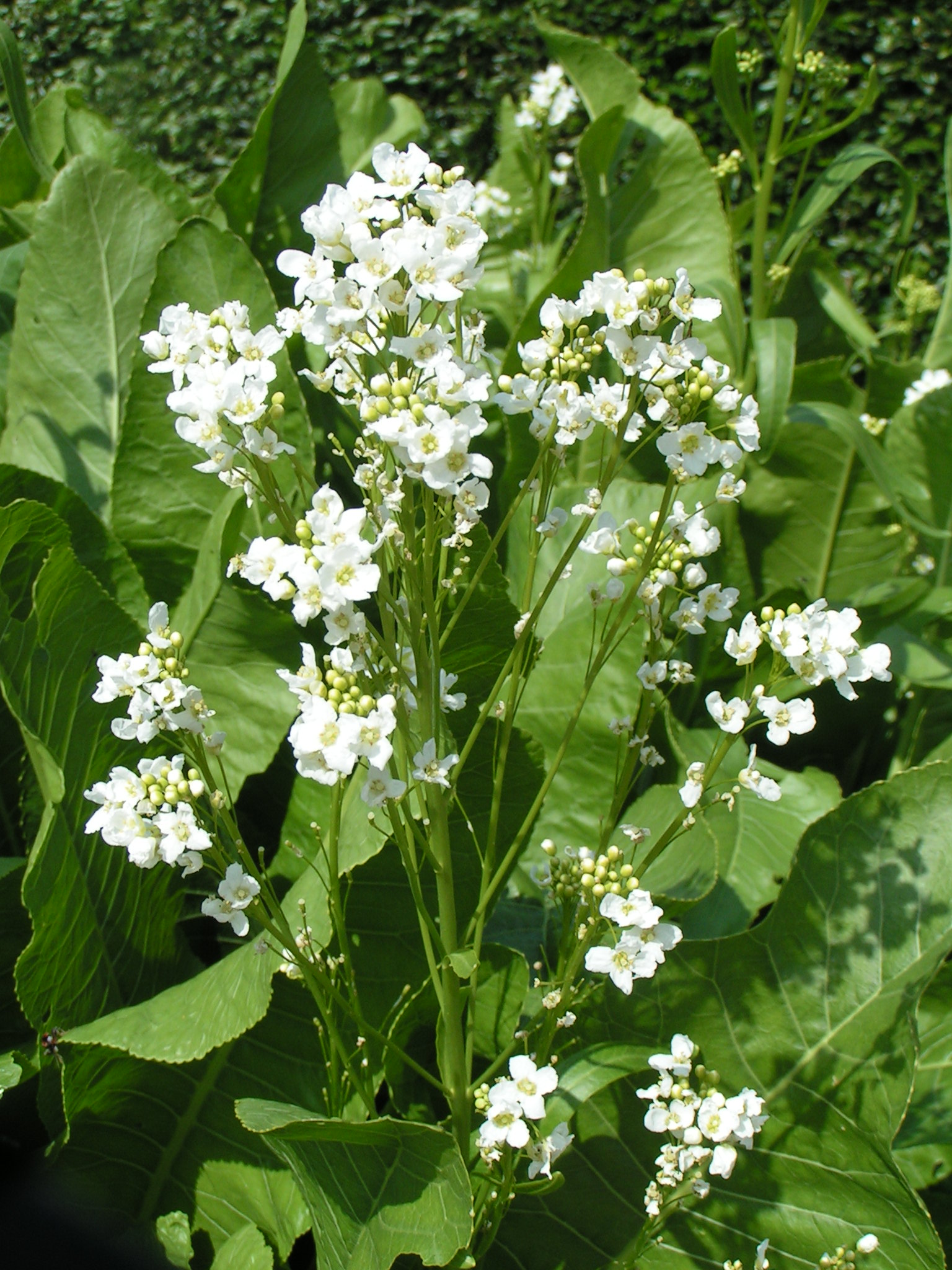
Western Herbalism
Horseradish
Armoracia rusticana
Also known as Red Cole.
The fresh roots are excitant to a high degree, and will provoke inflammation and blistering. The dried roots are not possessed of these powers, but form a pleasant, efficient, and somewhat sharp glandular stimulant.

Ask Herbert about Horseradish. Herbert is the master herbalist inside Bountiful Herbs: he answers from this plate and eleven hundred others, with dosing, pairing and cautions. Your first ten questions are free.
Ask HerbertActions
Indications what the tradition reached for it in
- Sinusitis and sinus congestion
- Bronchitis and respiratory catarrh with thick mucus
- Common cold and influenza
- Urinary tract infection (approved supportive use in some European monographs)
- Sluggish digestion and low appetite
- Muscle and joint pain (topical poultice as a counterirritant)
- Edema
- Pulmonary
- Urinary infection
- Urinary stones
- Oedematous conditions
- Externally for application to inflamed joints
- Tissues
- Nasal congestion
- Sinusitis
- Pregnancy
- Infants
- Iron deficiency
Safety
The record lists 6 contraindications; open the plate in the library to read them in full.
Dosing as the sources wrote it
| Preparation | As written | Metric |
|---|---|---|
| Fresh grated root | Fresh grated root: 2-4 g with meals | 2000-4000 mg |
| Tincture (1:5, fresh root) | Tincture (1:5, fresh root): 2-4 ml three times daily | 2-4 mL |
| Root (fresh) 2-4 g before meals | 2000-4000 mg | |
| · The typical dose of horseradish is 2-20 g/day of the root or equivalent prep- arations | 2000-20000 mg | |
| · Therapeutic dose: 2-5 mg/kg/day | 2-5 mg | |
| · The Australian Iron Status Advisory Panel advocates dietary intervention as the first treatment option for mild iron deficiency (serum ferritin 10-15 µg/L) | 0.01-0.01 mg |
Doses are reproduced from the sources for practitioners and are not a recommendation for any person.
From the sources
Properties and Uses. The fresh roots are excitant to a high degree, and will provoke inflammation and blistering. The dried roots are not possessed of these powers, but form a pleasant, efficient, and somewhat sharp glandular stimulant.
Action, Medical Uses, and Dosage. This forms an efficient preparation for obstinate colds, catarrhs, hoarseness, and chronic irritation of the throat and fauces. The dose is from 1 to 4 fluid drachms, every 2 or 3 hours. The following compound, known as Cough or Vegetable Elixir, has been found a most beneficial agent in chronic pulmonary affections, cough, etc. To 1 gallon of good cider vinegar, add ½ pound each, of balsam of tolu and gum Arabic, dissolve by heat, and add of refined sugar 6 pounds; when all is dissolved, remove from the fire, and add of tincture of opium, 18 fluid ounces. The dose of this is a teaspoonful 3, 4, or 5 times a day, or whenever the cough is severe. Sometimes molasses or honey may be substituted for the sugar.
primary-actions. Horseradish acts primarily as: Rubefacient, Stimulating expectorant, Diaphoretic, Diuretic, Antimicrobial, Digestive stimulant, Counterirritant (topical). Secondary actions include Stimulate and warm, Clear sinus and respiratory congestion, Promote sweating and urination, Antimicrobial, Stimulate digestion.
Description. Natural Order, Cruciferae. This is the well-known horseradish, cultivated in our gardens for the value of its root as a table condiment. The root is fleshy, long, tapering, white, perennial, and extremely pungent.
Drawn from Cook's Physio-Medical Dispensatory; King's American Dispensatory, 18th edition (Felter and Lloyd), and the Bountiful Herbs editorial.
Often paired with
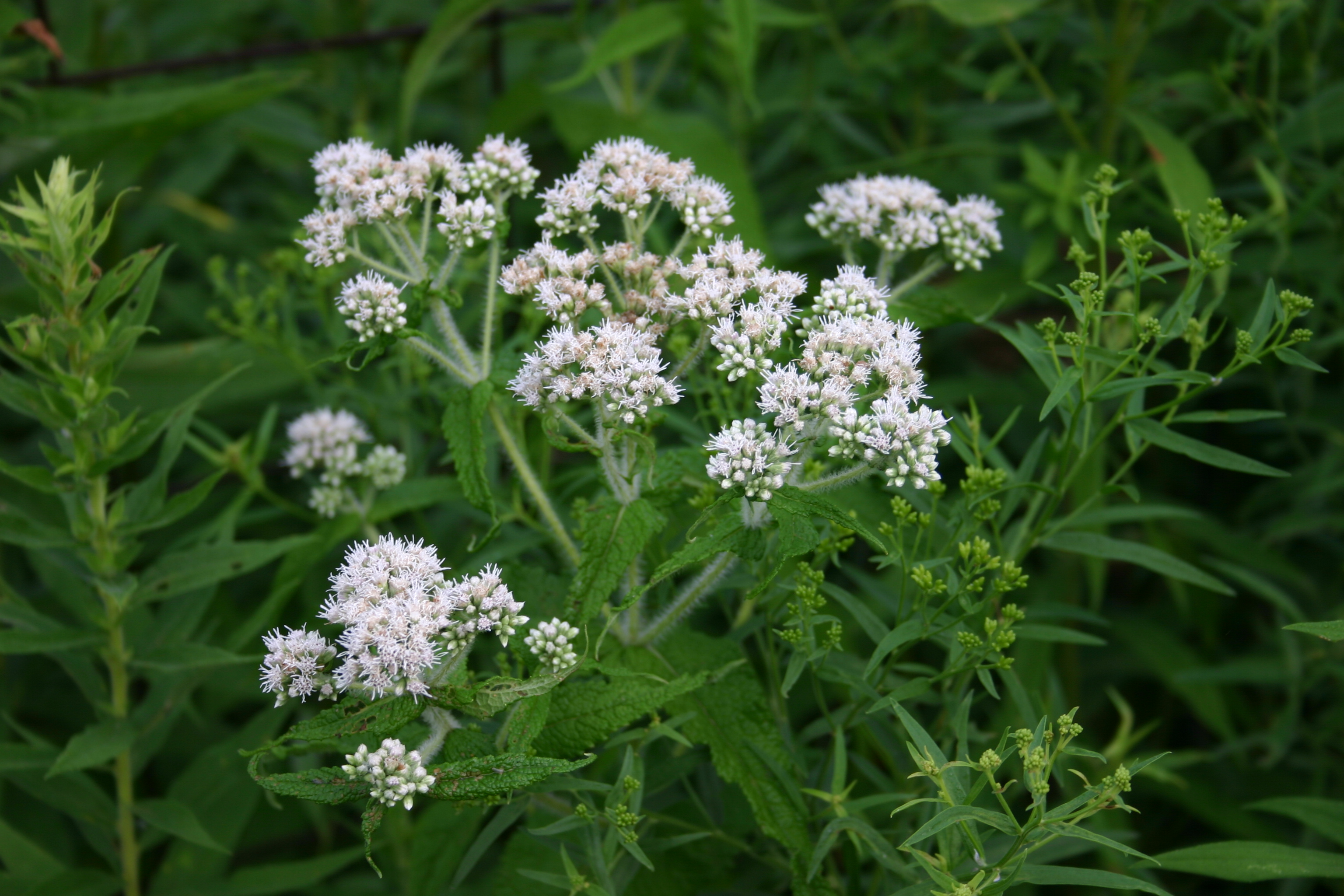 Gravel rootEupatorium purpureum
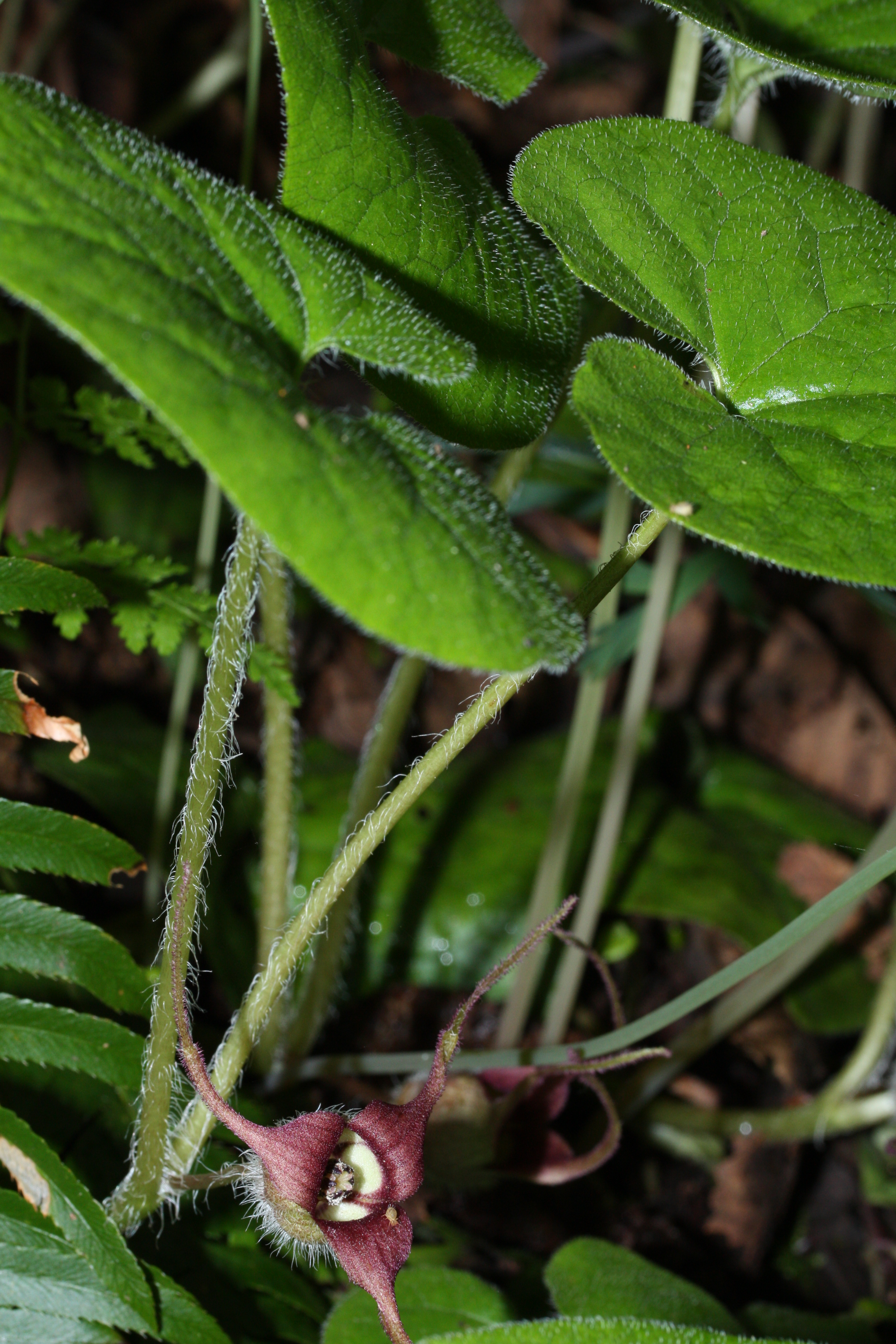 Wild GingerAsarum Candense
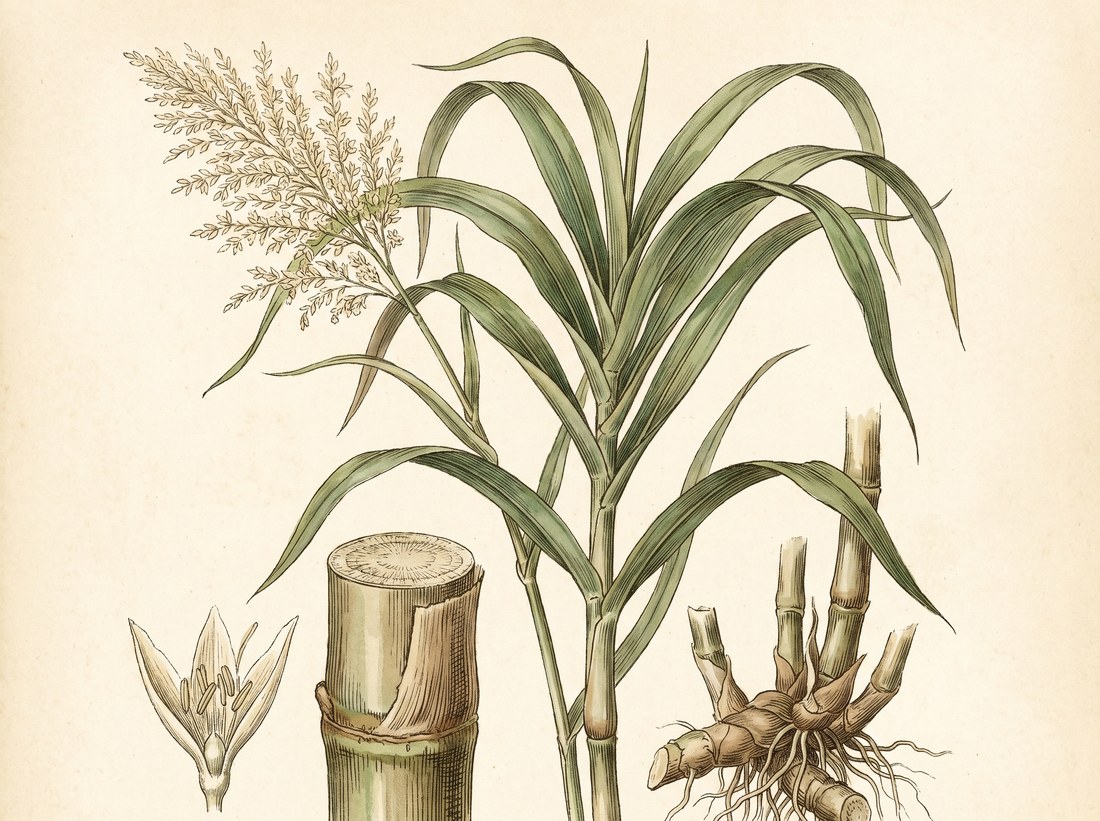 SugarSaccharum
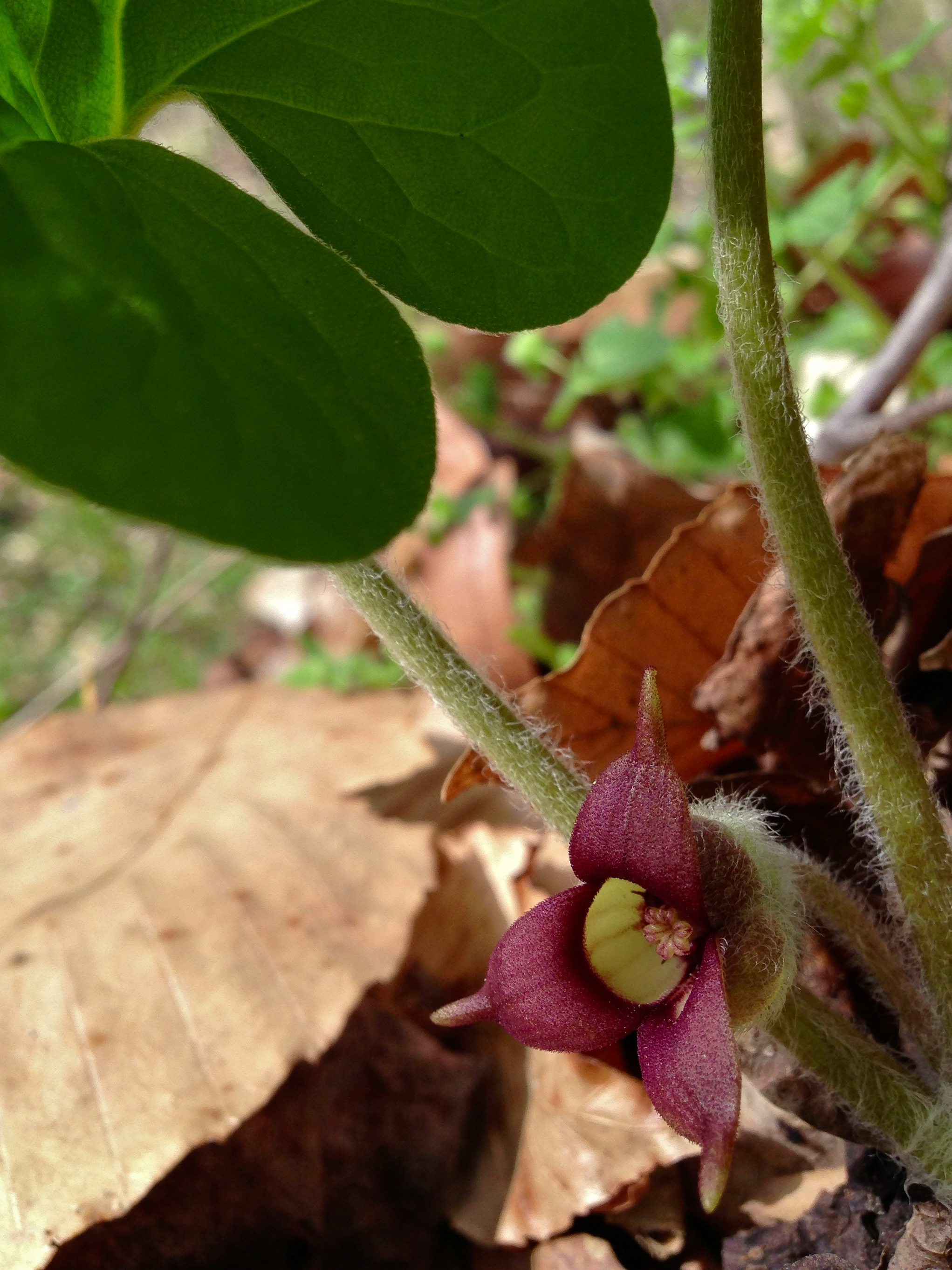 AsarumAsarum canadense
 Ochroleucous gentianGentiana Ochroleuca
Nearby on the shelf
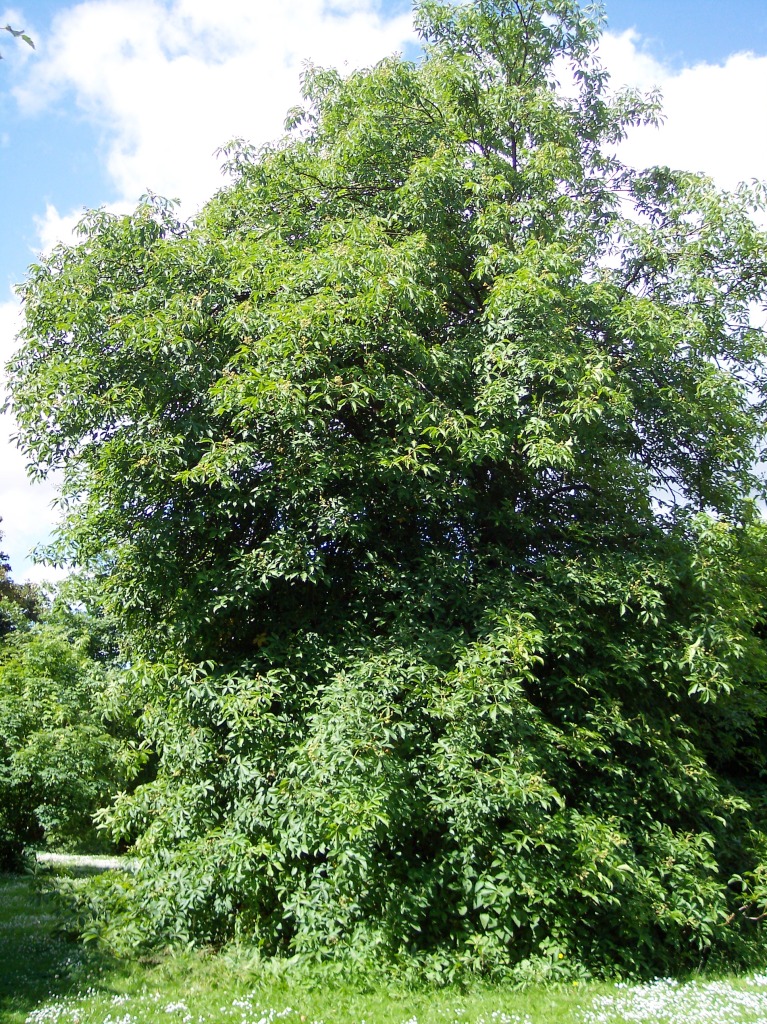 Horse ChestnutAesculus hippocastanum
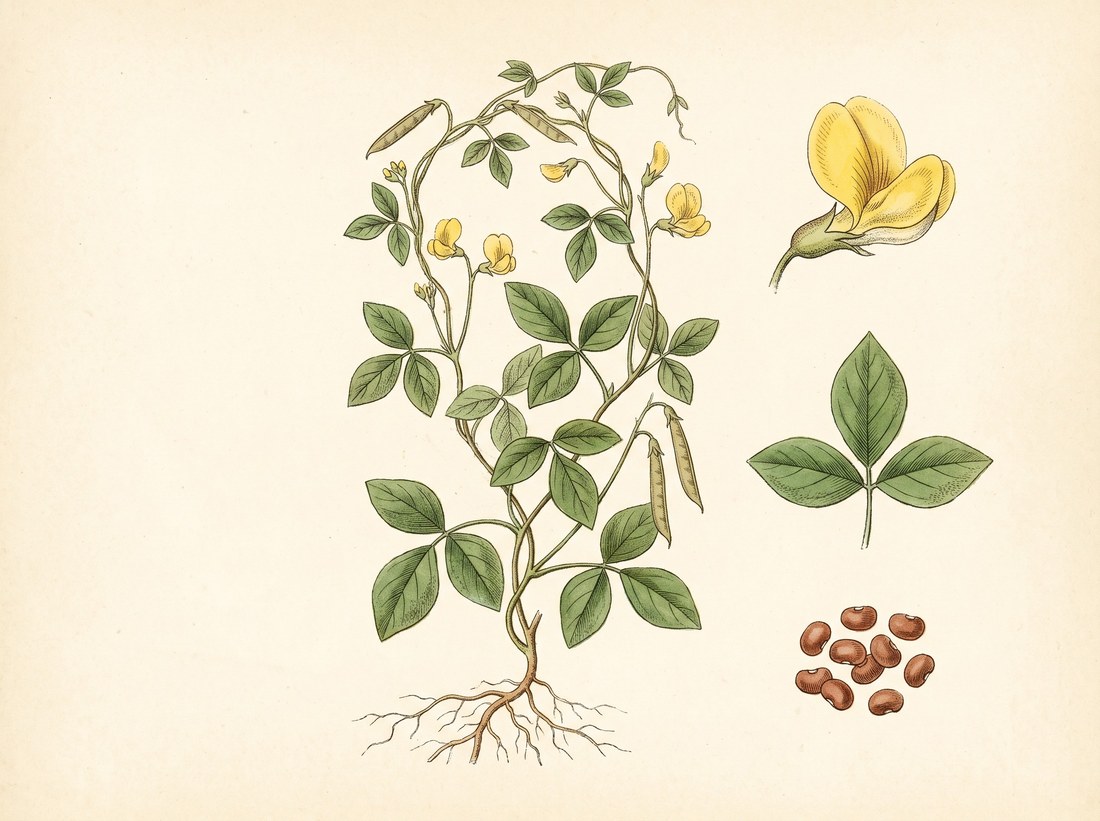 Horse gramMacrotyloma uniflorum
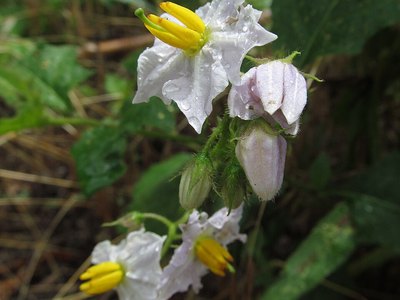 Horse-nettleSolanum Carolinense
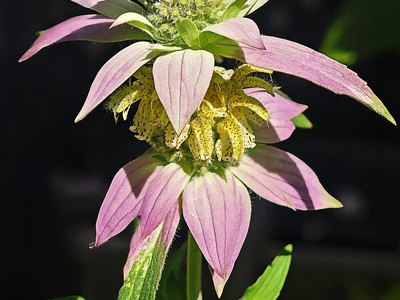 HorsemintMonarda punctata
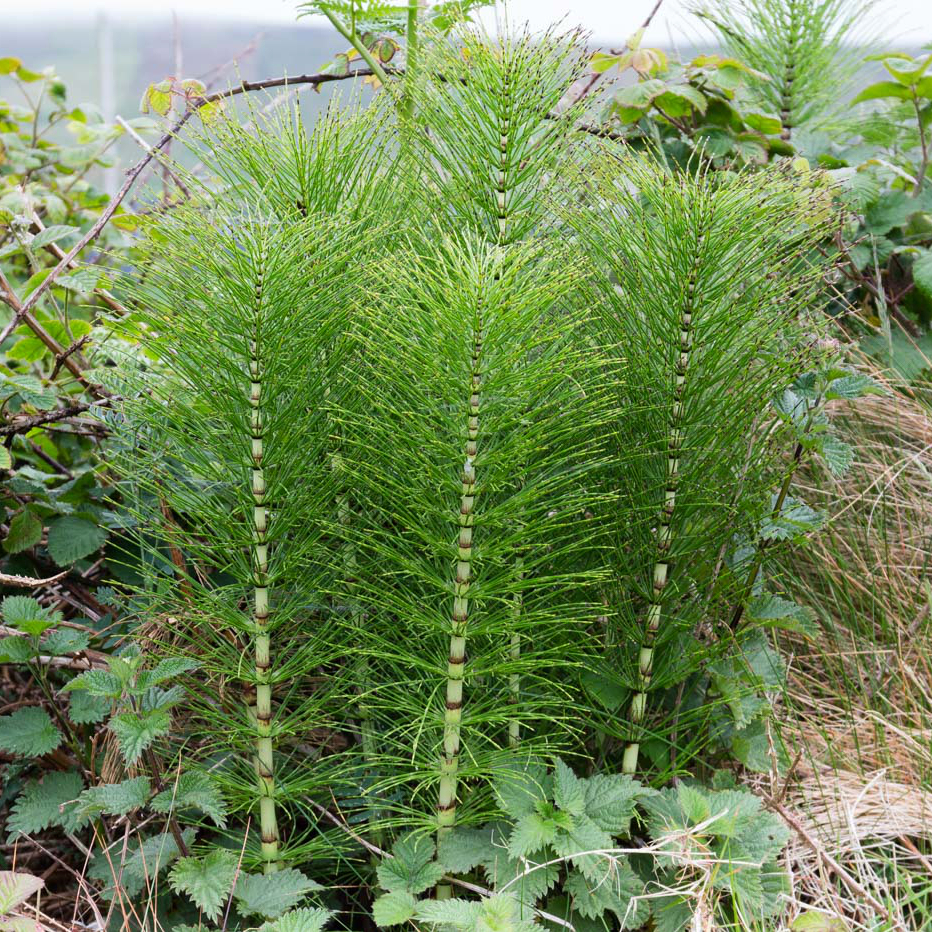 HorsetailEquisetum arvense
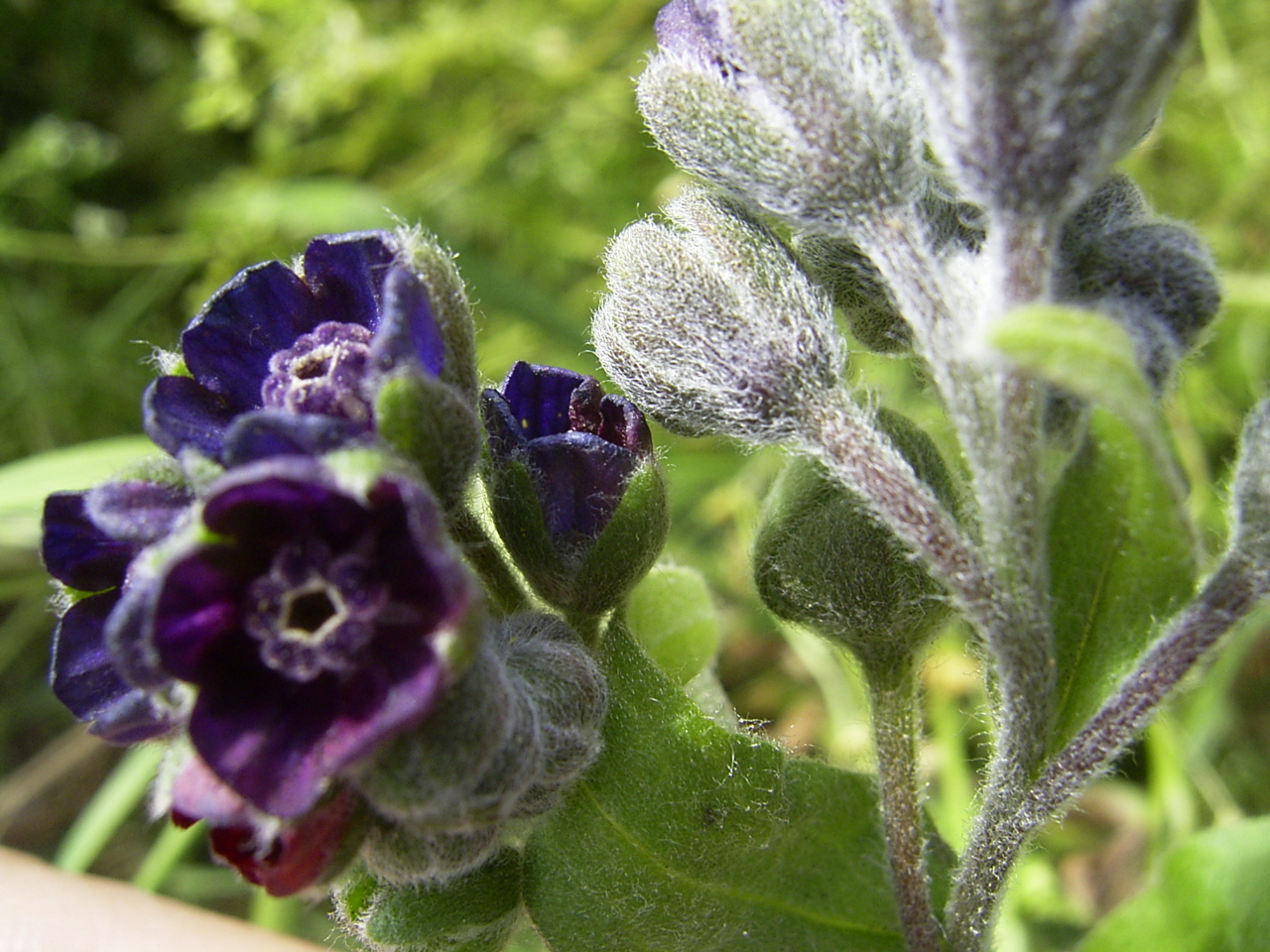 Hound's TongueCynoglossum
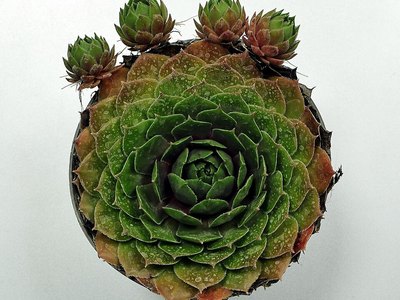 House leekSempervivum tectorum
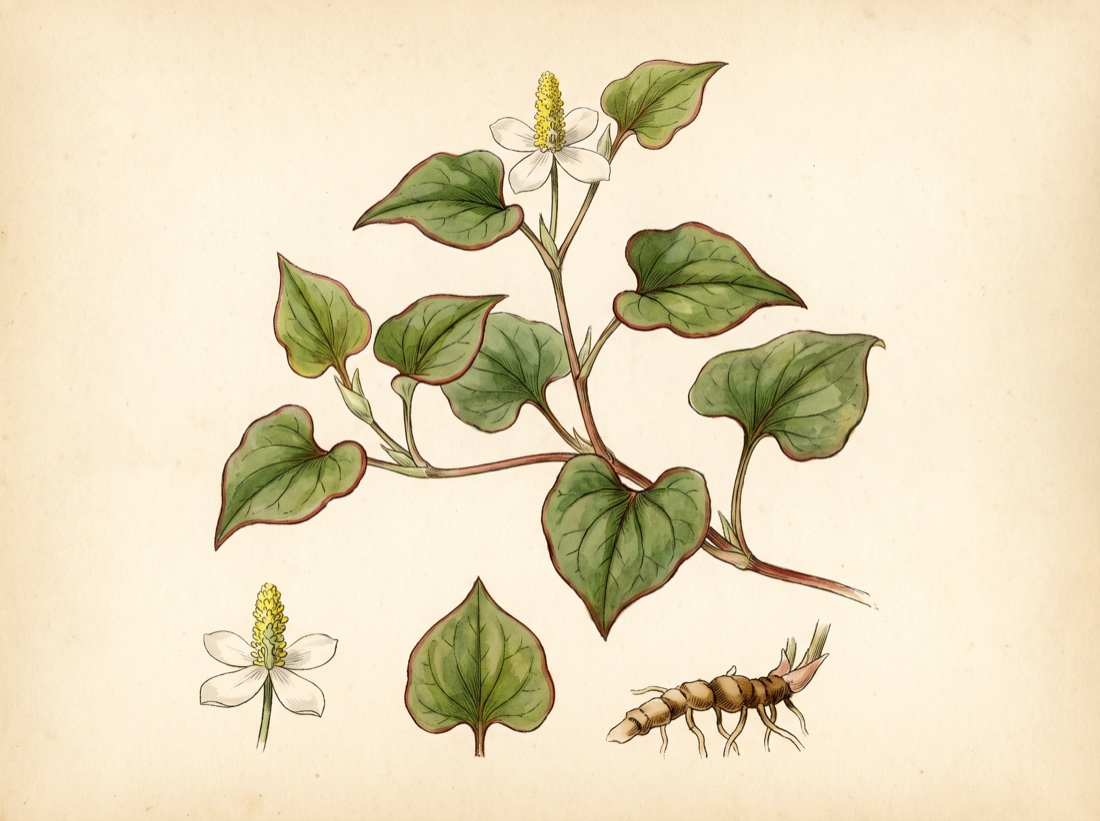 HouttuyniaHouttuynia cordata
The whole plate is in the library. The compass, Compare, the Sky of eleven hundred plants and the formulary open with an email address and a password, free, with the formula builder and its safety engine. Herbert without limit, his formulating, clients, the handouts and the labels are the paid room.
Open the library, free