Western Herbalism
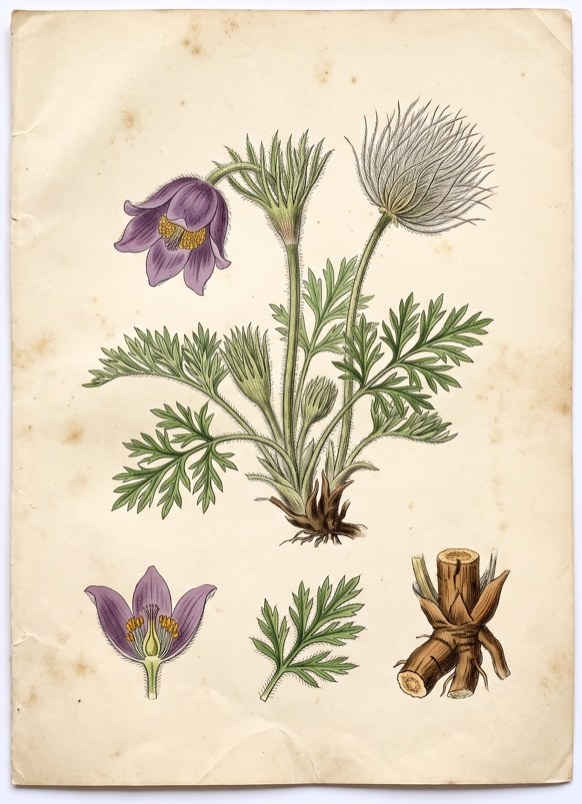
Pasque flower
Pulsatilla vulgaris
Also known as Windflower, Pulsatilla, Wissjul, Pulsatilla nigricans Störck, meadow-anemone, wind flower, Passe-Flower, pulstatilla.
Low-dose herb for acute use only Conflicting opinions regarding whether fresh or dried plant material should be used, some say fresh is too toxic and has serious potential side effects

Ask Herbert about Pasque flower. Herbert is the master herbalist inside Bountiful Herbs: he answers from this plate and eleven hundred others, with dosing, pairing and cautions. Your first ten questions are free.
Ask HerbertActions
Indications what the tradition reached for it in
- Exhaustion
- Irritability
- Orchitis
- Uterine cramps
- Anxiety
- Pain (pelvic)
- Benign prostatic hyperplasia
- Premenstrual syndrome (w/ tension headache)
- Epididymitis
- Emotionally labile
- Pelvic spasms
- Headache (w/ nervous tension or emotional upset)
- Pain
- Dysmenorrhea
- Pain (ovarian)
- Colic
- Cramps
- Insomnia
- Muscle spasms
- Restlessness
- Dysmenorrhoea
- Ovaralgia
- Tension headache
- Hyperactive states
- Boils
- Skin eruptions associated with bacterial infection
- Asthma
- Pulmonary disease
- Earache
- Specifically for painful conditions of the male
Safety
Recognised toxicity. This plant carries a toxicity flag in the record; it is for trained practitioners only.
Low dose botanical. Used in drop doses in the classical practice; not a plant to dose freely.
Pregnancy: Use with care in pregnancy
Breastfeeding: Not for use while breastfeeding
The record lists 4 contraindications; open the plate in the library to read them in full.
Dosing as the sources wrote it
| Preparation | As written | Metric |
|---|---|---|
| Tincture (1:10) | 10-30 gtts TID | 0.2-0.6 mL |
| dried material Infusion | 1/2 tsp/c TID | |
| Dried herb 0.12-0.3 g as an infusion or decoction three times daily .(G6, G7) Liquid extract 0.12-0.3 mL (1 : 1 in 25% alcohol) three times daily .(G6, G7) Tincture 0.3-1.0 mL (1 : 10 in 40% alcohol) | 120-300 mg | |
| Extractum Pulsatillae Fluidum , Fluid Extract of Pulsatilla | Dose, from one-half to two minims. | 0.03-0.12 mL |
| Extractum Pulsatillae, Extract of Pulsatilla | Dose, one-sixth of a grain. | 64.8-64.8 mg |
| Tinctura Pulsatillae, Tincture of Pulsatilla | Dose, from five to thirty minims. | 0.31-1.85 mL |
Doses are reproduced from the sources for practitioners and are not a recommendation for any person.
From the sources
Clinical Notes. Low-dose herb for acute use only Conflicting opinions regarding whether fresh or dried plant material should be used, some say fresh is too toxic and has serious potential side effects
Therapy. External. The value of pulsatilla has been emphasized in “jerking” or “jumping” toothache, usually due to the formation of a pus cavity near the nerve. Full strength specific medicine pulsatilla, or diluted one-half with water, is applied besides giving the drug internally.
Therapy. Its influence is especially directed to that portion of the sympathetic nervous system influencing the reproductive organs. It increases the tone and functional power of these organs, and overcomes irregular, imperfect or deficient action.
Action, Medical Uses, and Dosage. This plant is acrid and poisonous. It has been recommended in amaurosis and other diseases of the eye, secondary syphilis, cutaneous diseases, and whooping-cough, in doses of 1 or 2 grains daily. These, however, are its old-time uses.
Drawn from King's American Dispensatory, 18th edition (Felter and Lloyd); Ellingwood's American Materia Medica, Therapeutics and Pharmacognosy; Felter's Eclectic Materia Medica, Pharmacology and Therapeutics, and the Bountiful Herbs editorial.
In formulas
Pasque flower stands in 11 documented formulas in the library, among them bái tóu wèng tāng, bái tóu wêng jia gan cǎo ẽ jiào tang, jia wèi bái tou wêng tàng.
Often paired with
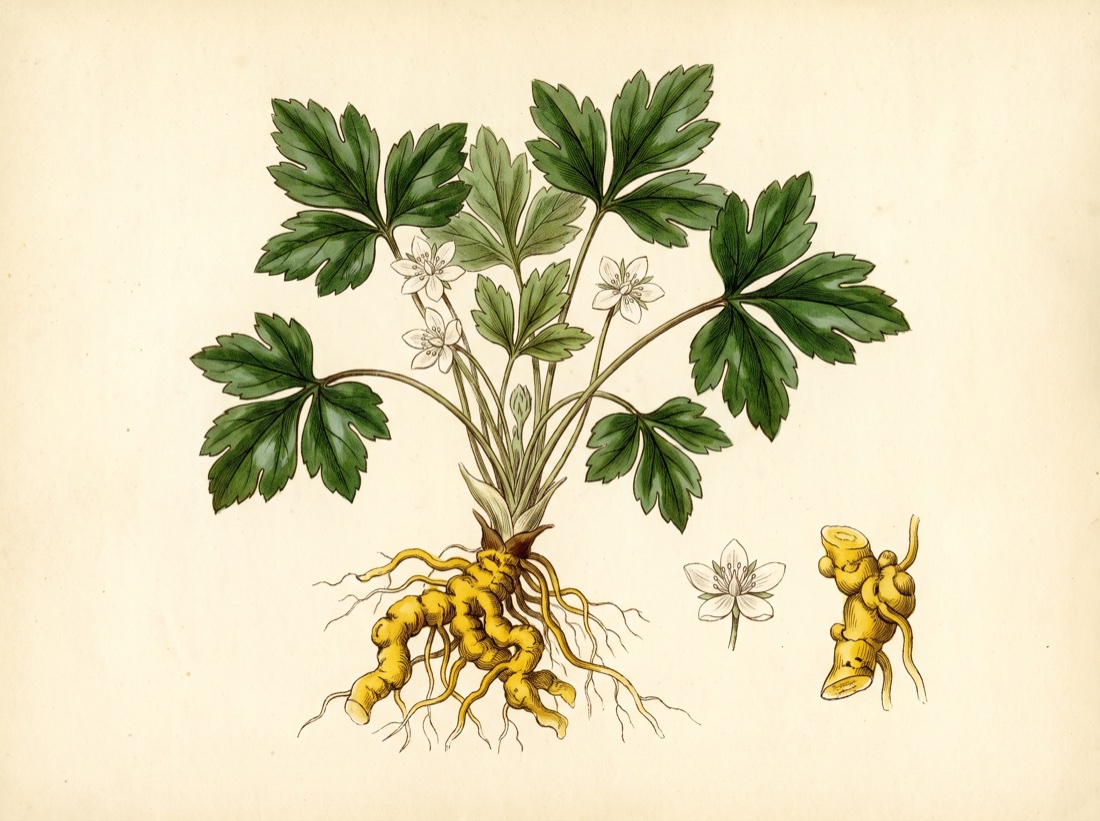 Chinese goldthreadCoptis chinensis
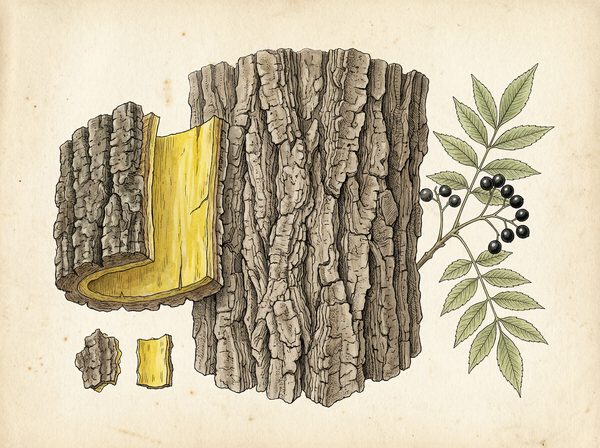 Huang BaiPhellodendron amurense
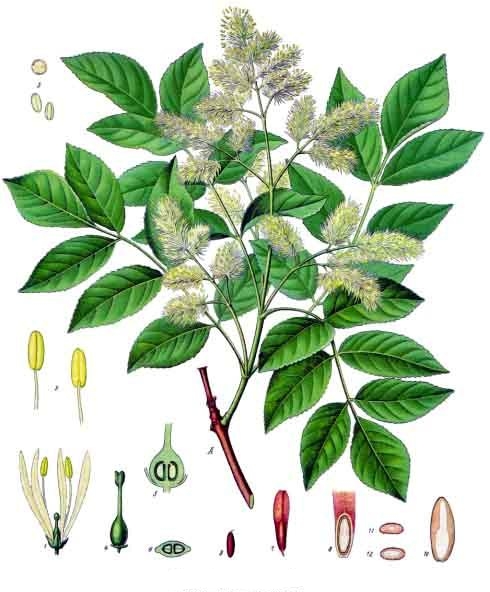 AshFraxinus excelsior
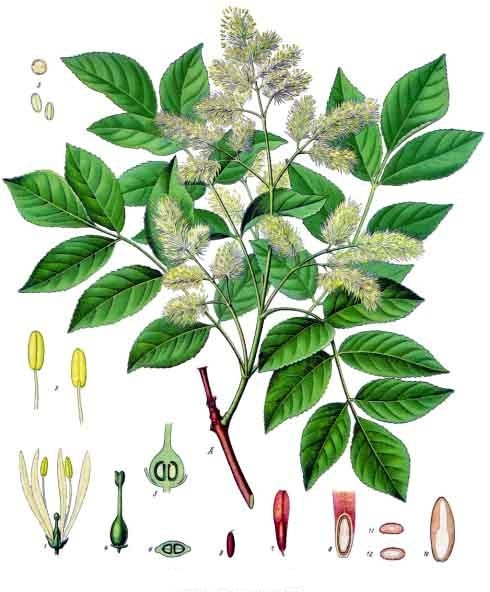 White ashFraxinus americana
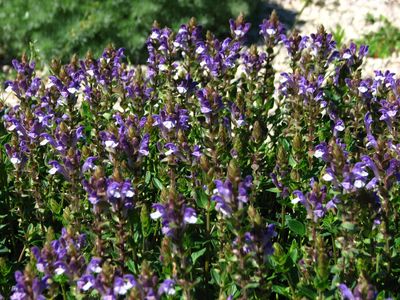 Chinese skullcapScutellaria baicalensis
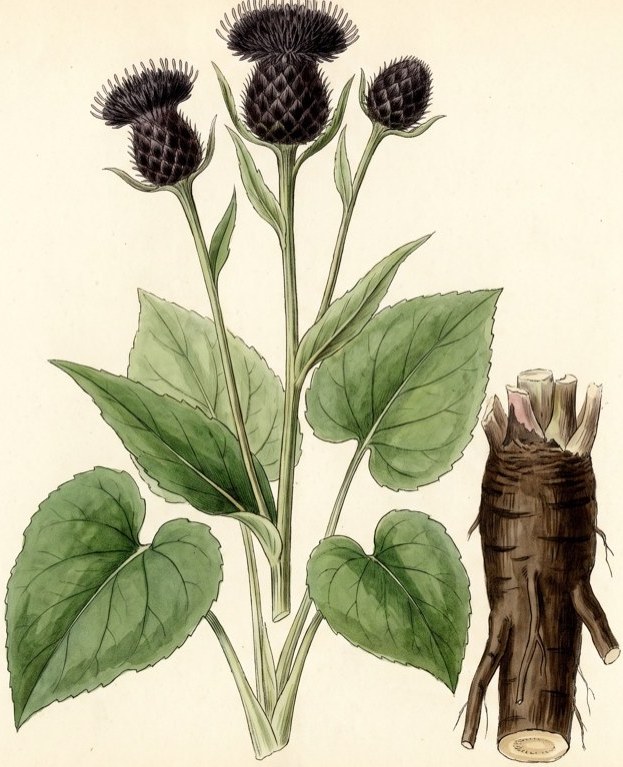 costusSaussurea costus
Nearby on the shelf
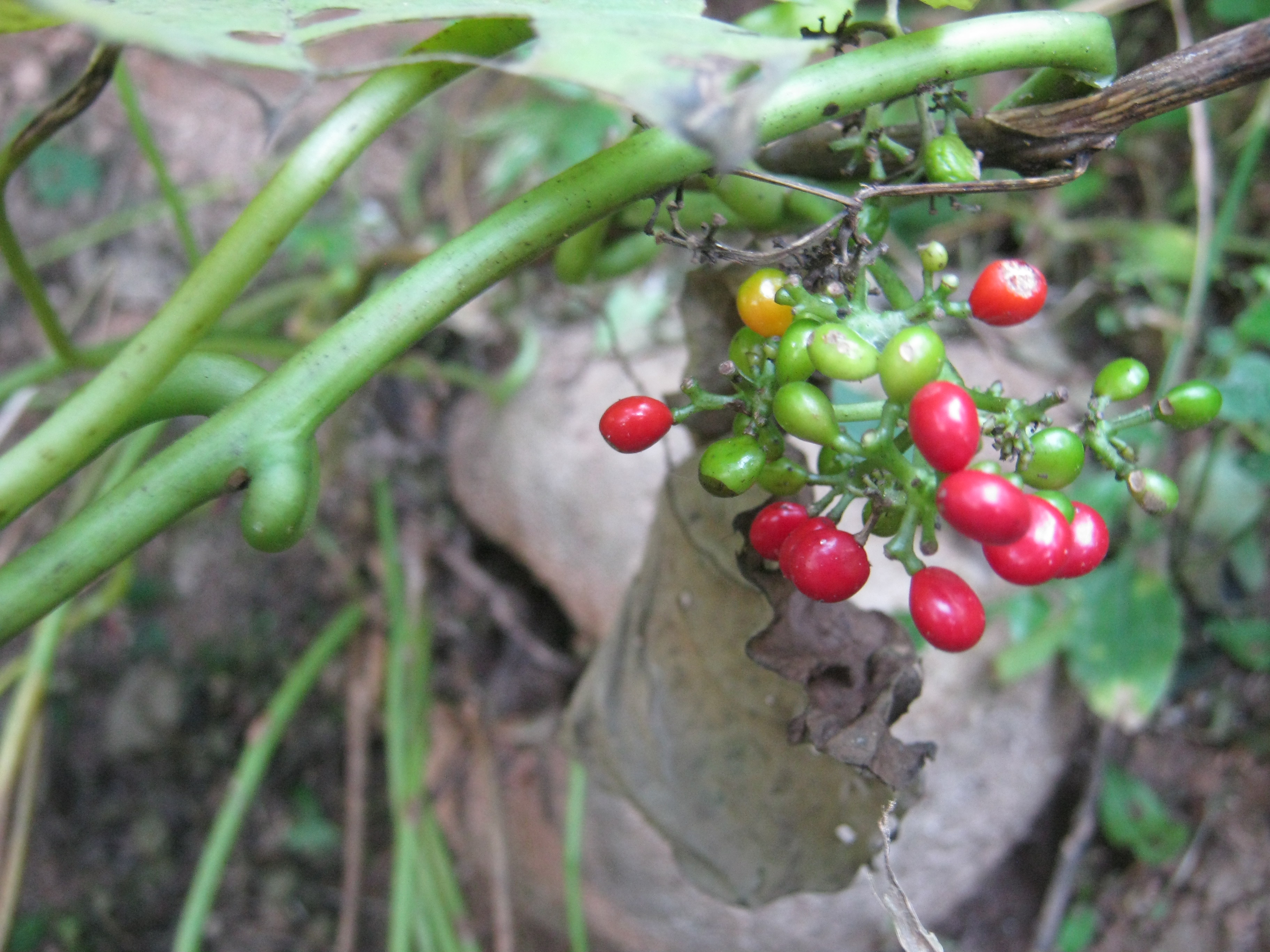 Pareira bravaCissampelos pareira
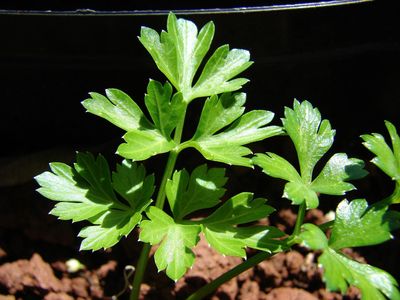 ParsleyPetroselinum crispum
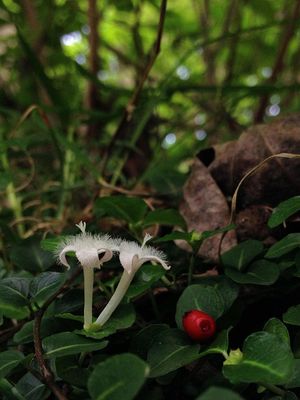 Partridge berryMitchella repens
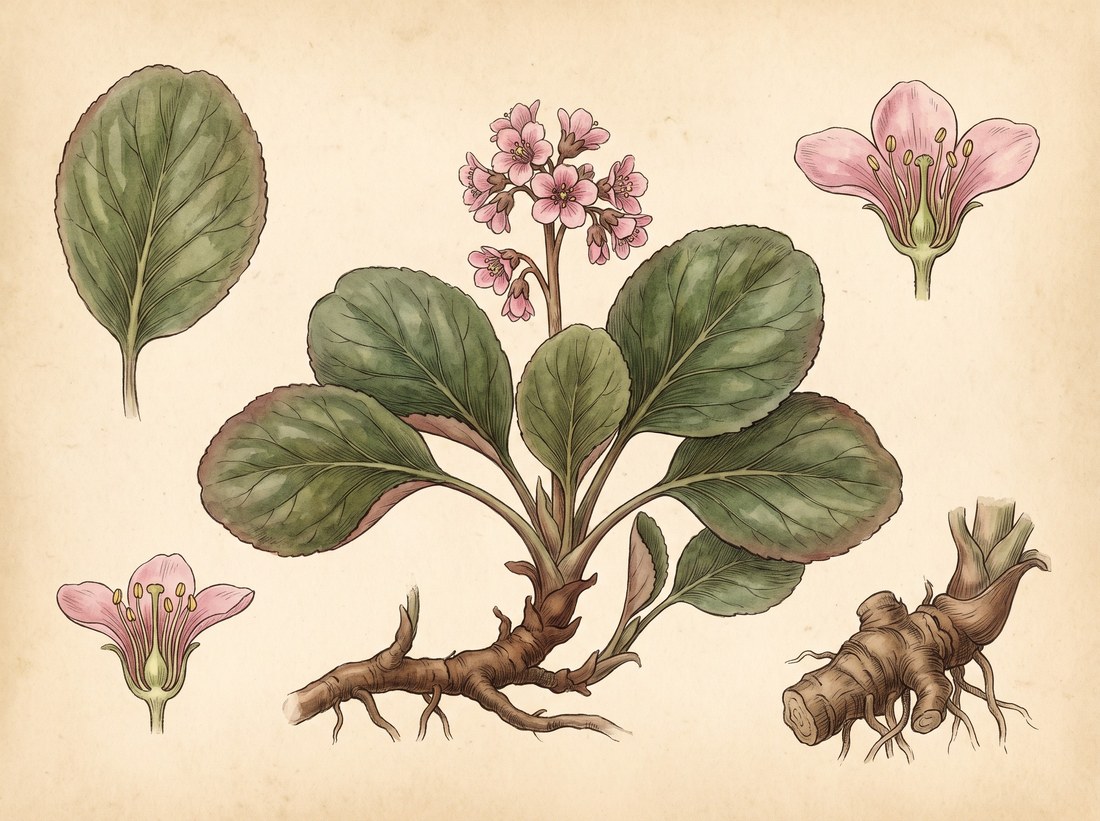 PashanbhedBergenia ligulata
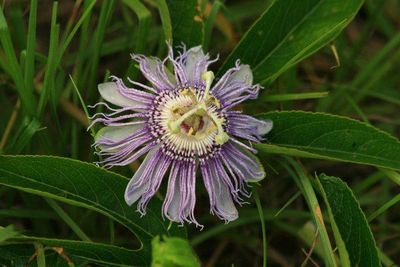 Passion FlowerPassiflora incarnata
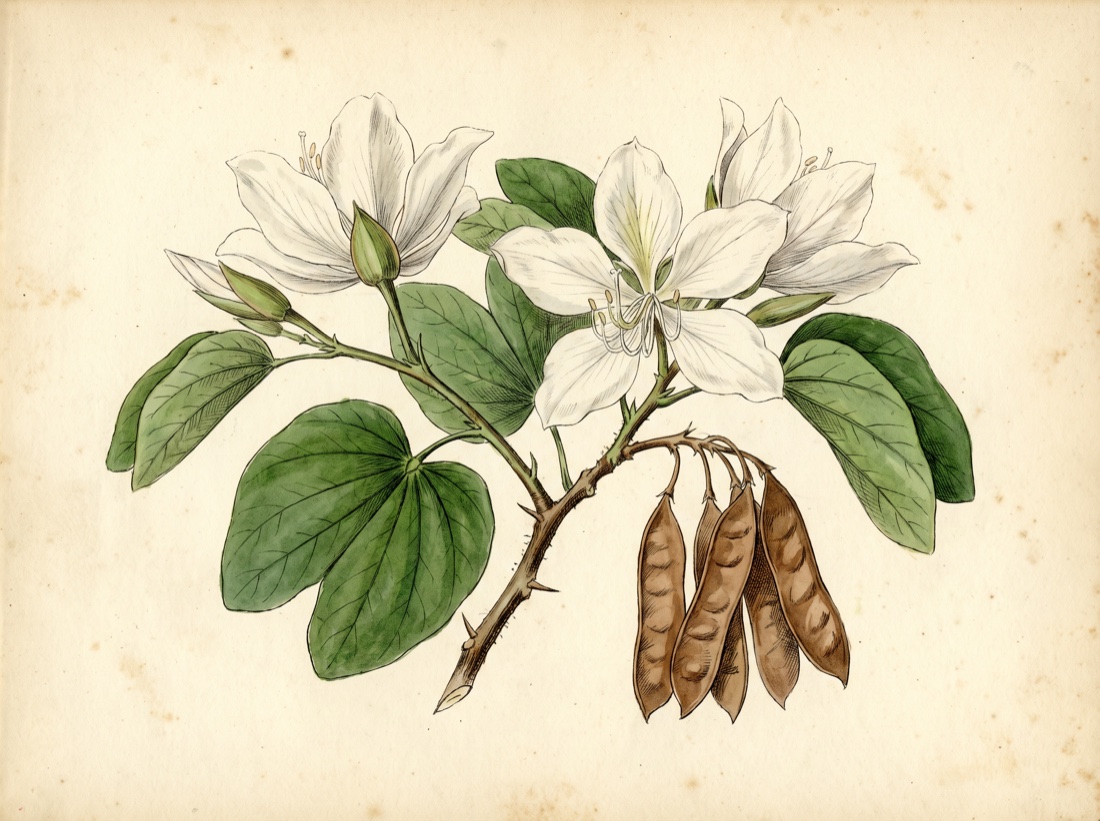 Pata de vacaBauhinia forficata
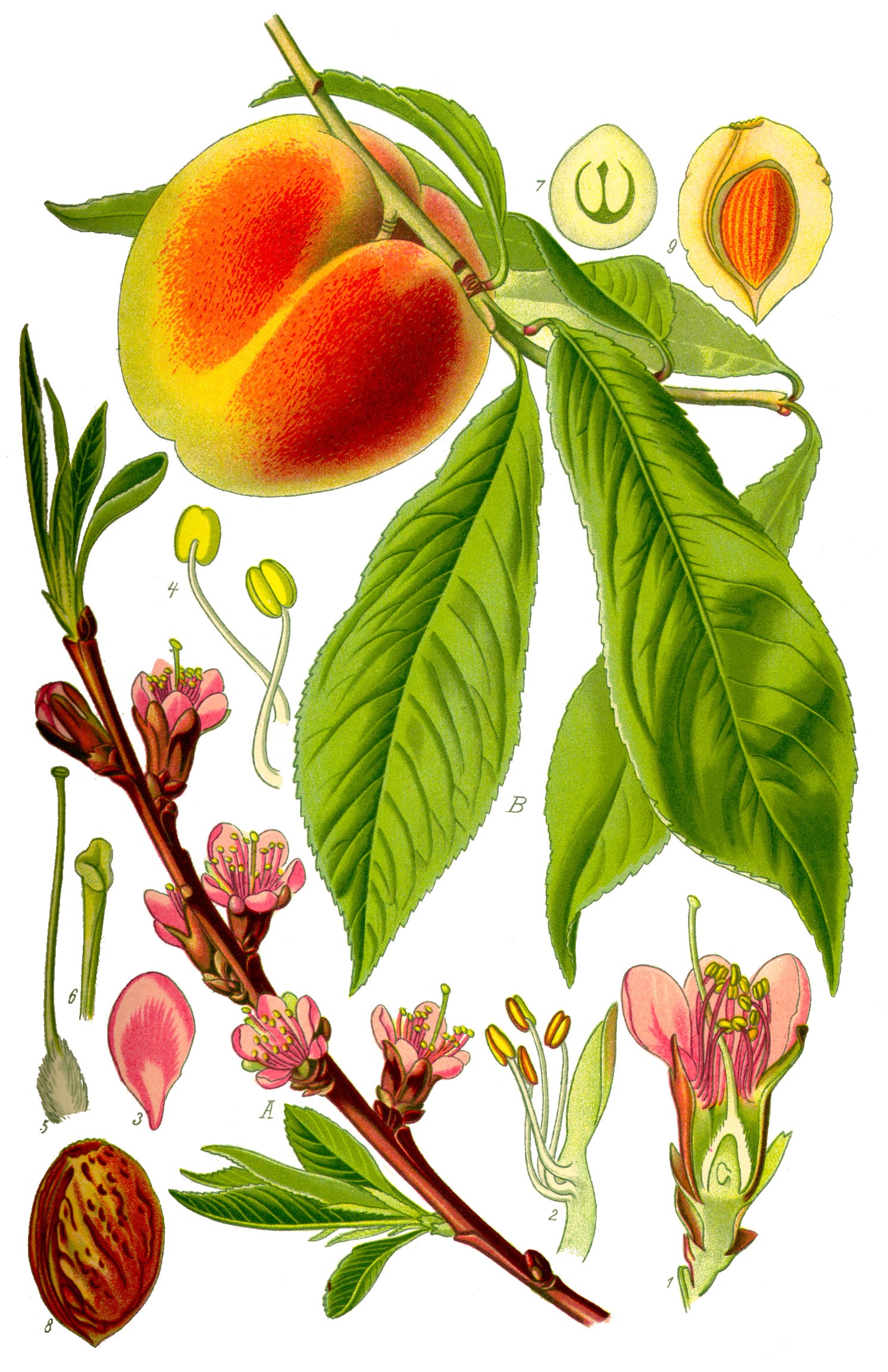 PeachPrunus persica
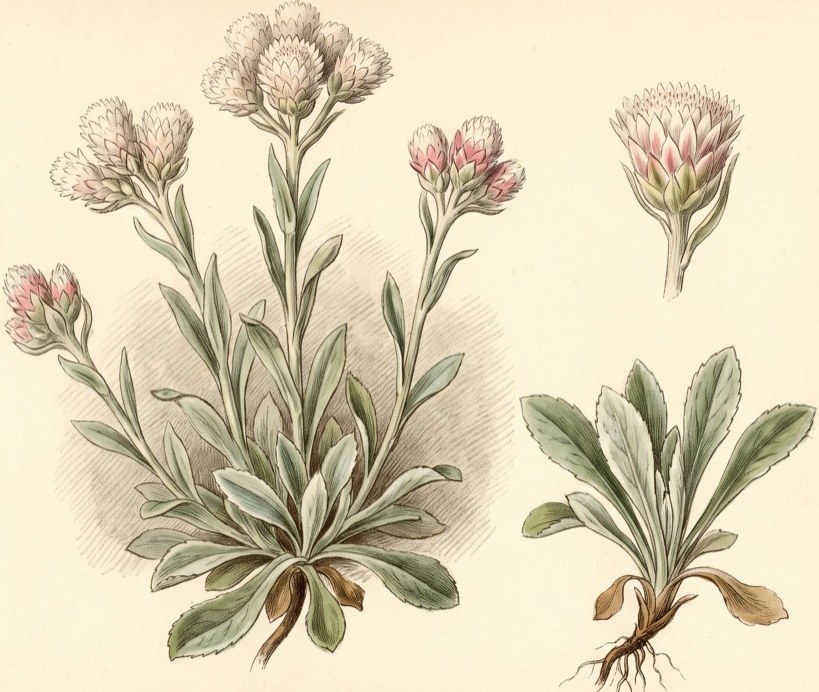 Pearly EverlastingAntennaria
The whole plate is in the library. The compass, Compare, the Sky of eleven hundred plants and the formulary open with an email address and a password, free, with the formula builder and its safety engine. Herbert without limit, his formulating, clients, the handouts and the labels are the paid room.
Open the library, free