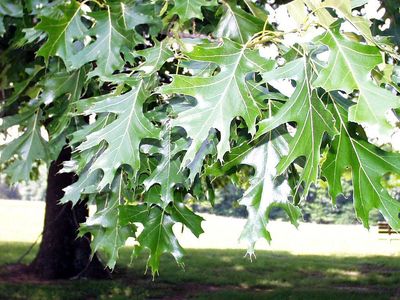
Western Herbalism
Nutgall
Galla
Also known as Galls, Aleppo gall, Oak gall.
Nutgall is a hard, rounded excrescence that forms on the young twigs and buds of Quercus infectoria and related Middle Eastern and Mediterranean oaks after the female gall wasp deposits her eggs and the tree responds by producing dense, tannin-rich tissue around the larva. The dried, unopened gall, harvested before the insect emerges, is the part used and is prized as one of the richest natural sources of tannic acid. In older Western and eclectic practice it was a workhorse astringent, used both internally in small doses and, more commonly, as an external application for bleeding, lax, or inflamed tissue, particularly hemorrhoids.

Ask Herbert about Nutgall. Herbert is the master herbalist inside Bountiful Herbs: he answers from this plate and eleven hundred others, with dosing, pairing and cautions. Your first ten questions are free.
Ask HerbertActions
Indications what the tradition reached for it in
- Hemorrhoids
- Anal fissure
- Diarrhea and dysentery
- Leukorrhea
- Sore throat and pharyngitis (gargle)
- Gingivitis and mouth ulcers
- Minor wounds, abrasions, and weeping skin lesions
- Excessive local sweating
- Rectal or vaginal prolapse (adjunct astringent)
- Chronic mucosal discharge
Specific indications
Swollen, protruding hemorrhoids with bleeding and a sensation of heaviness, calling for a firm astringent ointment applied locally.
Loose, watery stool with lax, irritated bowel tissue where a strongly tannin-rich astringent is wanted to tighten and protect the mucosa.
Safety
Low dose botanical. Used in drop doses in the classical practice; not a plant to dose freely.
Breastfeeding: No data specific to lactation; avoid internal use and limit to topical application if needed.
The record lists 5 contraindications; open the plate in the library to read them in full.
In practice
Galls are almost pure concentrated tannin and act by precipitating surface proteins on mucous membranes and skin, forming a protective, styptic film that reduces oozing, bleeding, and secretion. This makes powdered gall, or an ointment made from it, a traditional first reach for external hemorrhoidal care, often compounded with a small amount of opium historically to combine the astringent effect with pain relief, though modern practice replaces the opium with a topical anesthetic or simply omits it.
Dosing as the sources wrote it
| Preparation | As written | Metric |
|---|---|---|
| Ointment (topical, hemorrhoids/fissures) | 10-20% powdered gall in a suitable base, applied to the affected area two to three times daily | |
| Decoction (gargle or mouthwash) | 5-10 g crushed gall per 500 mL water, simmered and used as a topical gargle, not swallowed | 5000-10000 mg |
| Powder (topical styptic) | applied directly and sparingly to bleeding or weeping tissue as needed | |
| Pulvis Gallae, Pulverized Galls | Dose, 5 to 20 grains. | 324-1296 mg |
Doses are reproduced from the sources for practitioners and are not a recommendation for any person.
From the sources
Overview. Nutgall is a hard, rounded excrescence that forms on the young twigs and buds of Quercus infectoria and related Middle Eastern and Mediterranean oaks after the female gall wasp deposits her eggs and the tree responds by producing dense, tannin-rich tissue around the larva. The dried, unopened gall, harvested before the insect emerges, is the part used and is prized as one of the richest natural sources of tannic acid. In older Western and eclectic practice it was a workhorse astringent, used both internally in small doses and, more commonly, as an external application for bleeding, lax, or inflamed tissue, particularly hemorrhoids.
Clinical Notes. Galls are almost pure concentrated tannin and act by precipitating surface proteins on mucous membranes and skin, forming a protective, styptic film that reduces oozing, bleeding, and secretion. This makes powdered gall, or an ointment made from it, a traditional first reach for external hemorrhoidal care, often compounded with a small amount of opium historically to combine the astringent effect with pain relief, though modern practice replaces the opium with a topical anesthetic or simply omits it.
An excrescence on Quercus infectoria, Olivier, and other allied species of Quercus (Nat. Ord. Fagaceae), caused by the punctures and deposited ova of the Cynips tinctoria, Hartig.
Drawn from Felter's Eclectic Materia Medica, Pharmacology and Therapeutics, and the Bountiful Herbs editorial.
Often paired with
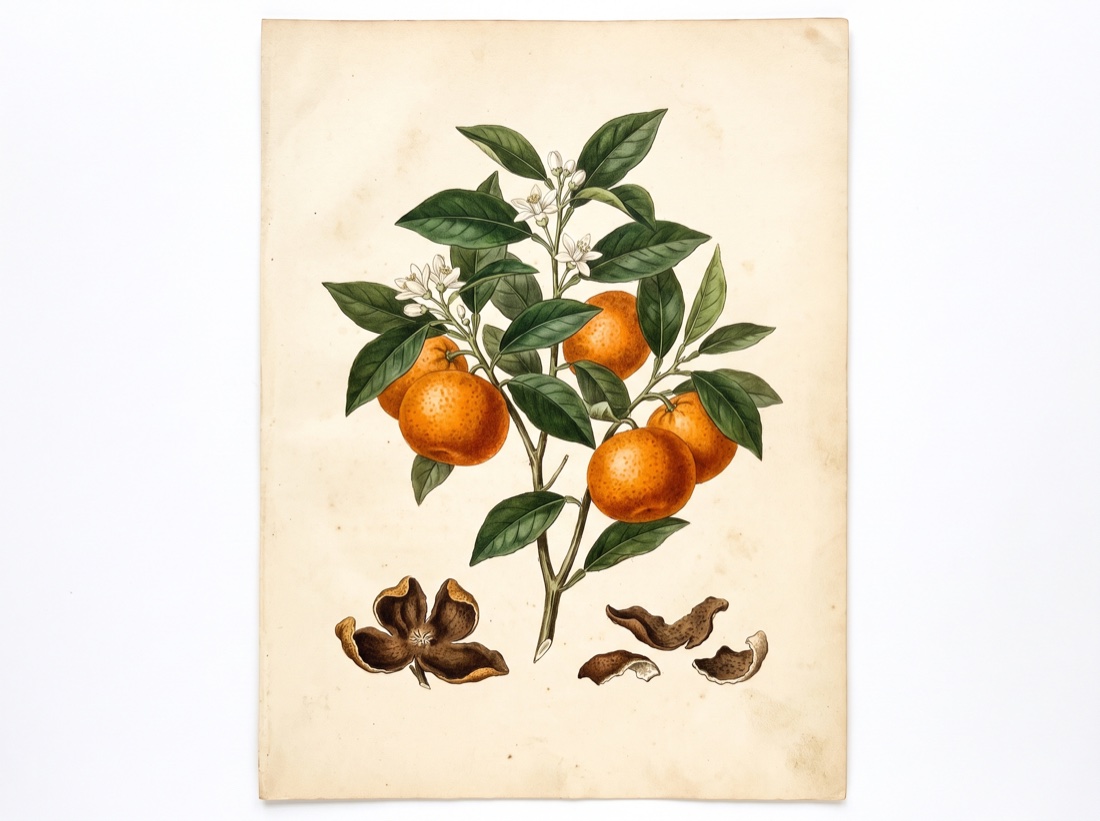 tangerineCitrus reticulata
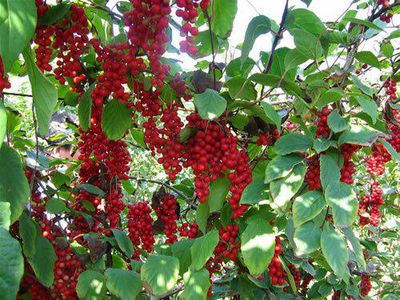 Wu Wei ZiSchisandra chinensis
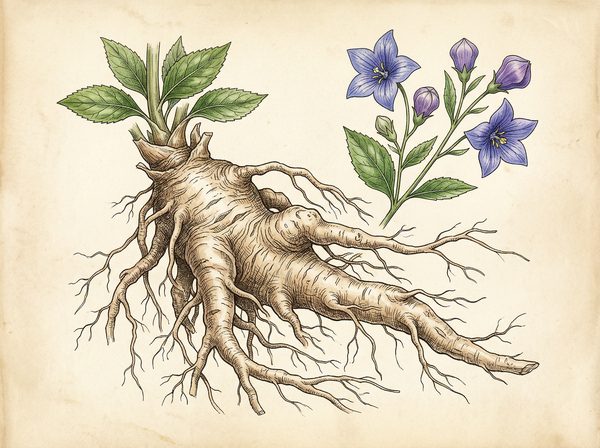 Balloon Flower RootPlatycodon grandiflorus
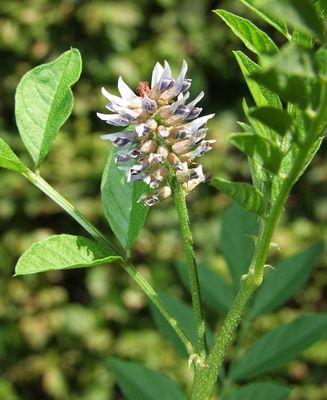 Licorice rootGlycyrrhiza glabra
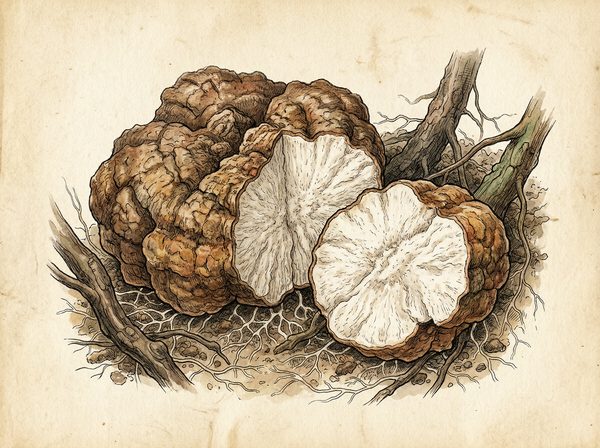 PoriaWolfiporia extensa
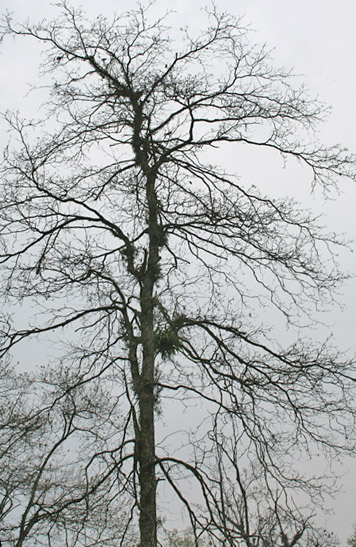 chebulic myrobalanTerminalia chebula
Nearby on the shelf
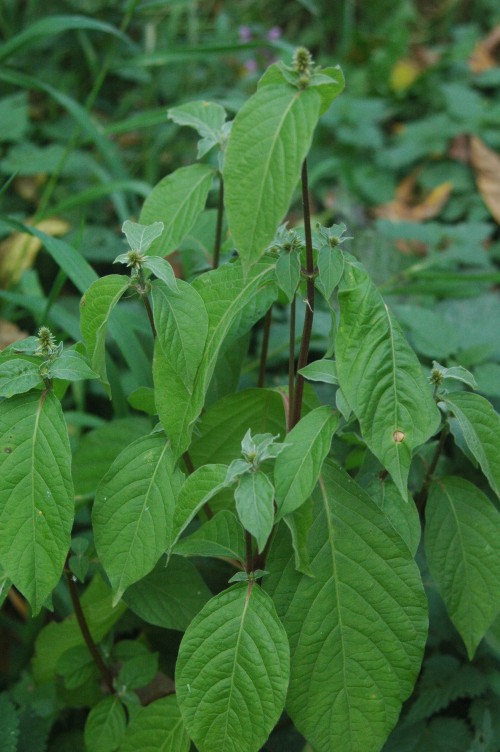 Niu XiAchyranthes bidentata
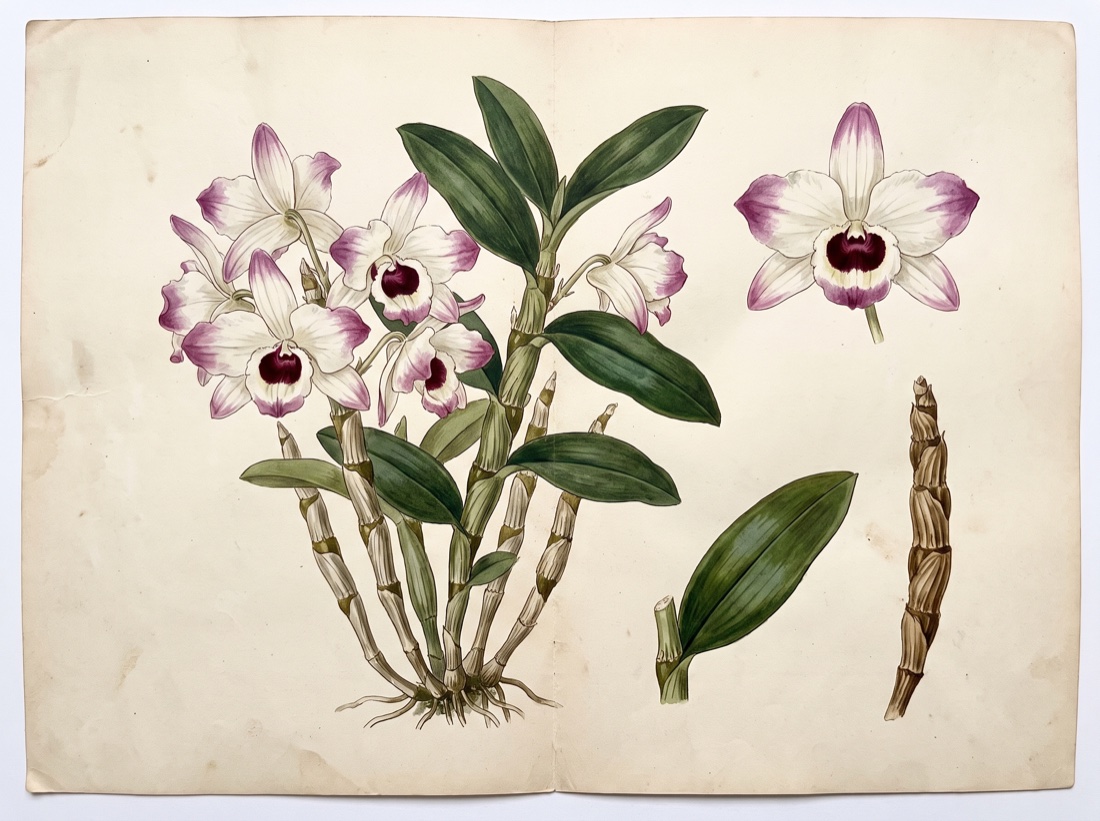 Noble dendrobiumDendrobium nobile
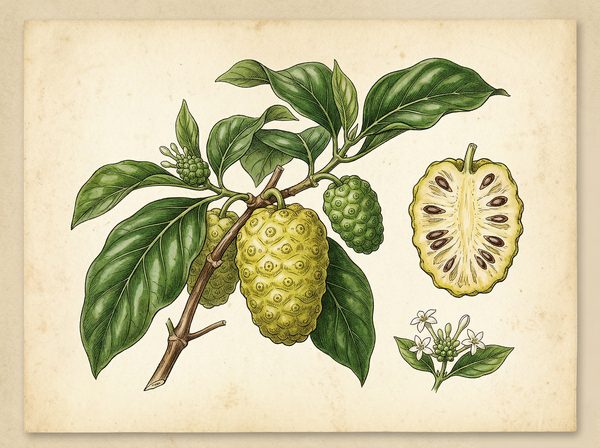 NoniMorinda citrifolia
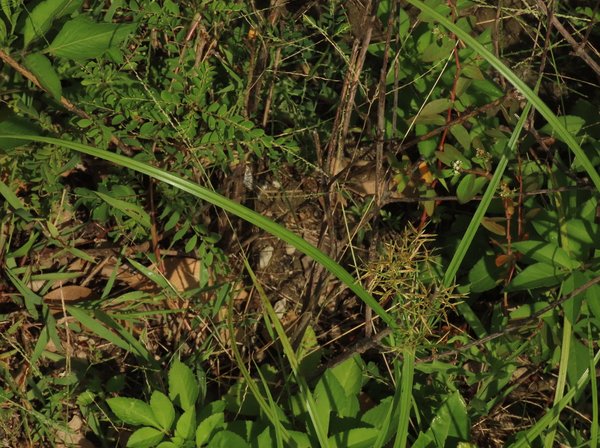 Nut grassCyperus rotundus
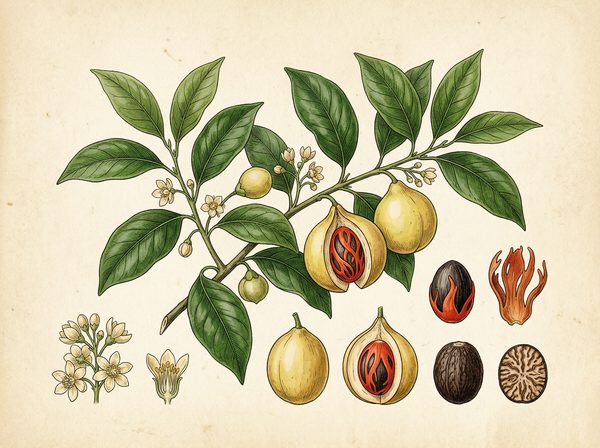 NutmegMyristica fragrans
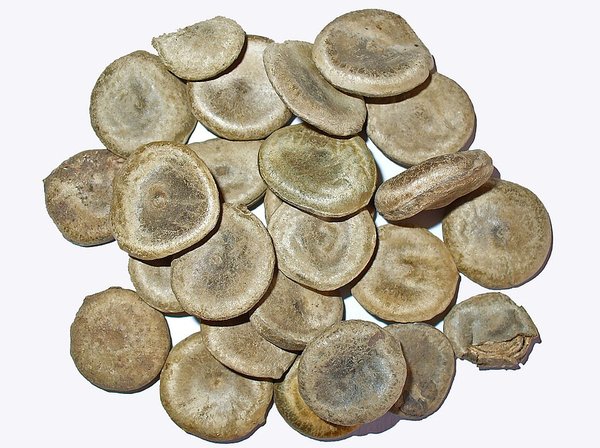 Nux VomicaStrychnos nux-vomica
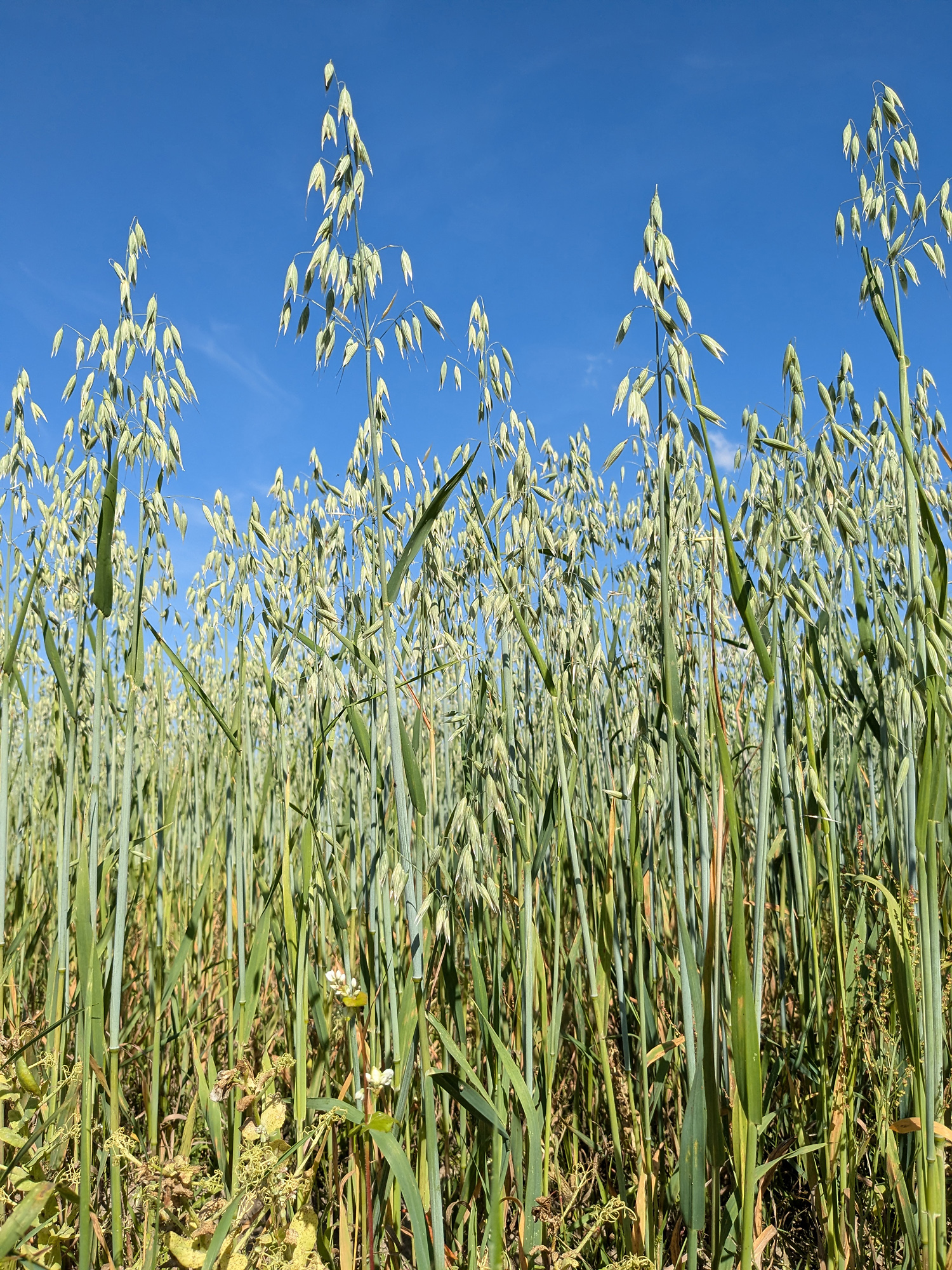 OatAvena sativa
 Ochroleucous gentianGentiana Ochroleuca
The whole plate is in the library. The compass, Compare, the Sky of eleven hundred plants and the formulary open with an email address and a password, free, with the formula builder and its safety engine. Herbert without limit, his formulating, clients, the handouts and the labels are the paid room.
Open the library, free