Western Herbalism
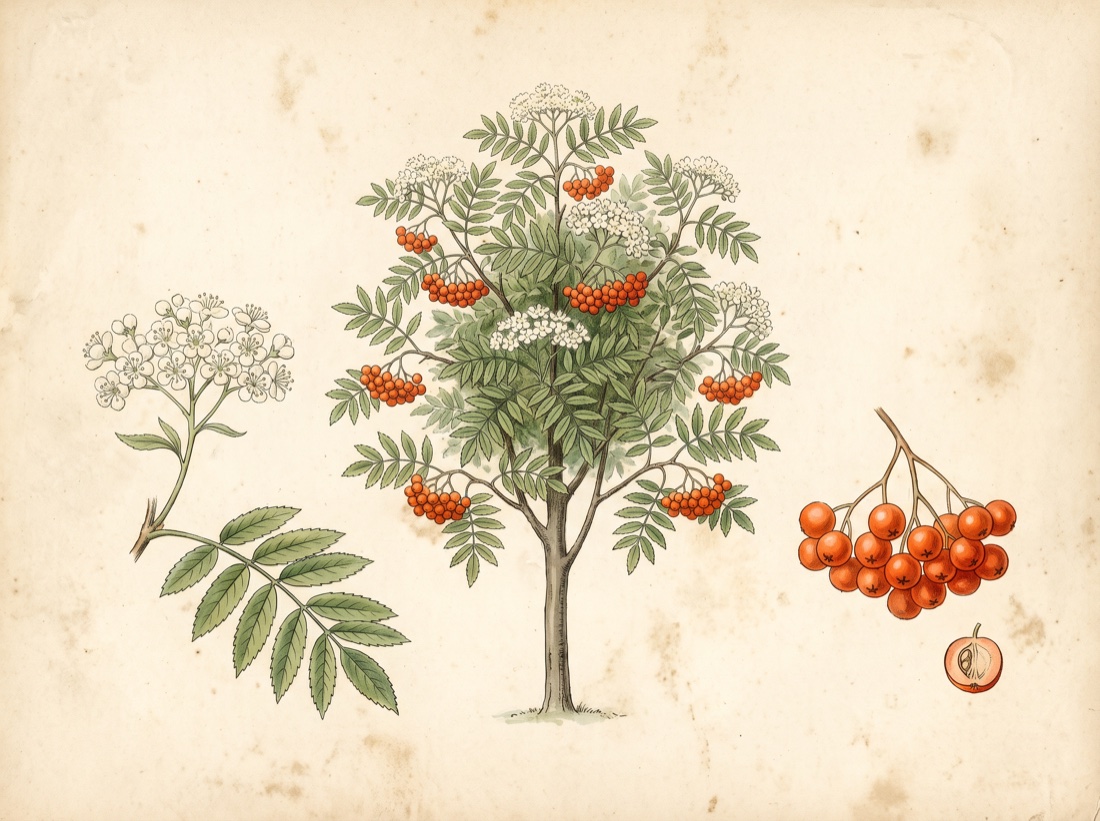
Mountain Ash
Sorbus
Also known as Rowan, Rowan Tree, Quickbeam.
Sorbus aucuparia, commonly called mountain ash or rowan, is a small deciduous tree of the rose family native to Europe and northern Asia and widely naturalized in North America. Its bright orange-red berries, gathered in autumn after the first frosts soften their acidity, have long been used in European folk and eclectic medicine as a food and a mild astringent remedy. The berries were traditionally cooked, dried, or fermented into preserves, syrups, and wines, both as a pleasant sour food and as a home remedy for sore throats and looseness of the bowels.

Ask Herbert about Mountain Ash. Herbert is the master herbalist inside Bountiful Herbs: he answers from this plate and eleven hundred others, with dosing, pairing and cautions. Your first ten questions are free.
Ask HerbertActions
Indications what the tradition reached for it in
- Diarrhea
- Sore throat and hoarseness
- Hemorrhoids
- Mild scurvy or vitamin C insufficiency (historical)
- Catarrh
- Mild urinary complaints
- Rheumatic aches (folk use)
- General debility with poor appetite
Specific indications
Sore, raw throat with hoarseness, gargled as an infusion of the dried, cooked berries
Loose, watery stools with no sign of active infection, calling for the astringent cooked berry preparation
Safety
Low dose botanical. Used in drop doses in the classical practice; not a plant to dose freely.
The record lists 4 contraindications; open the plate in the library to read them in full.
In practice
Rowan berries are best considered a gentle, food-grade astringent and nutritive rather than a potent medicinal agent. A cooled infusion or syrup of the cooked, dried fruit makes a pleasant gargle for a raw, hoarse throat, and the same preparation taken internally in small amounts has traditionally settled simple diarrhea, likely through its tannin and organic acid content.
Dosing as the sources wrote it
| Preparation | As written | Metric |
|---|---|---|
| Infusion of dried, cooked fruit | 2-4 g dried berries as infusion, up to three times daily | 2000-4000 mg |
| Syrup of cooked fruit | 5-15 mL syrup up to three times daily | 5-15 mL |
Doses are reproduced from the sources for practitioners and are not a recommendation for any person.
From the sources
Overview. Sorbus aucuparia, commonly called mountain ash or rowan, is a small deciduous tree of the rose family native to Europe and northern Asia and widely naturalized in North America. Its bright orange-red berries, gathered in autumn after the first frosts soften their acidity, have long been used in European folk and eclectic medicine as a food and a mild astringent remedy. The berries were traditionally cooked, dried, or fermented into preserves, syrups, and wines, both as a pleasant sour food and as a home remedy for sore throats and looseness of the bowels.
Clinical Notes. Rowan berries are best considered a gentle, food-grade astringent and nutritive rather than a potent medicinal agent. A cooled infusion or syrup of the cooked, dried fruit makes a pleasant gargle for a raw, hoarse throat, and the same preparation taken internally in small amounts has traditionally settled simple diarrhea, likely through its tannin and organic acid content.
Drawn from King's American Dispensatory, 18th edition (Felter and Lloyd), and the Bountiful Herbs editorial.
Nearby on the shelf
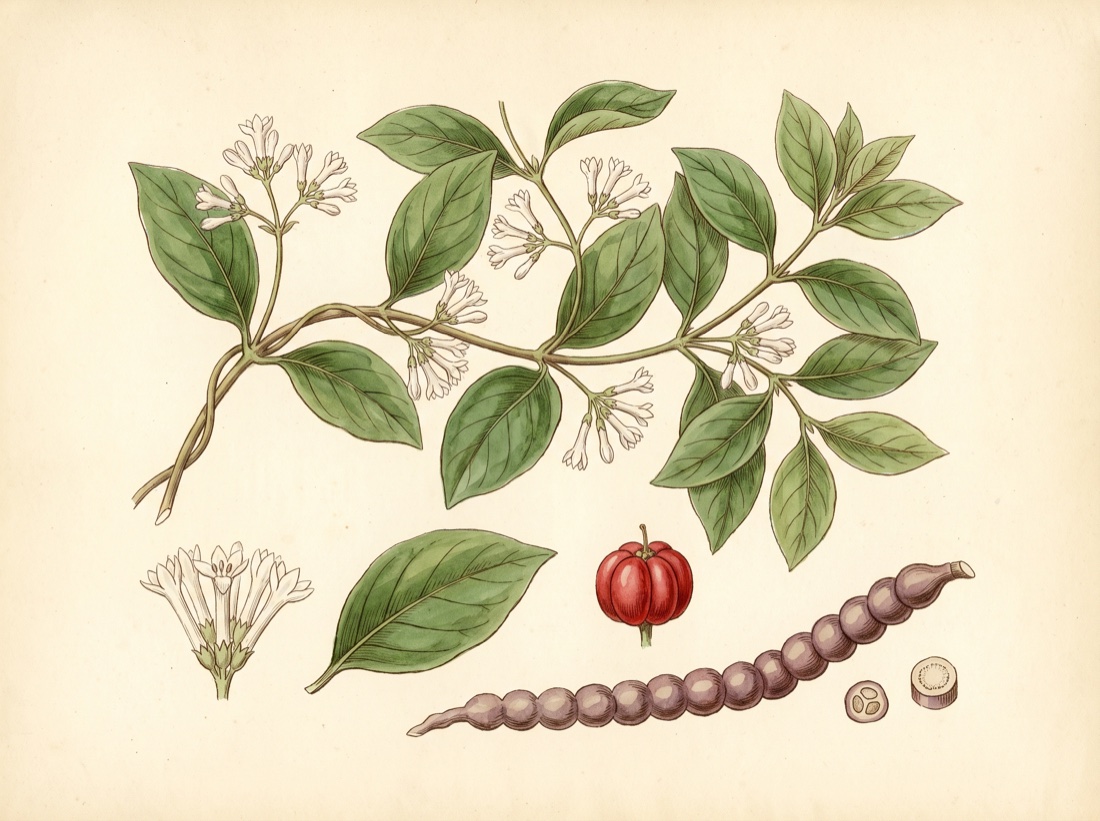 Morinda rootMorinda officinalis
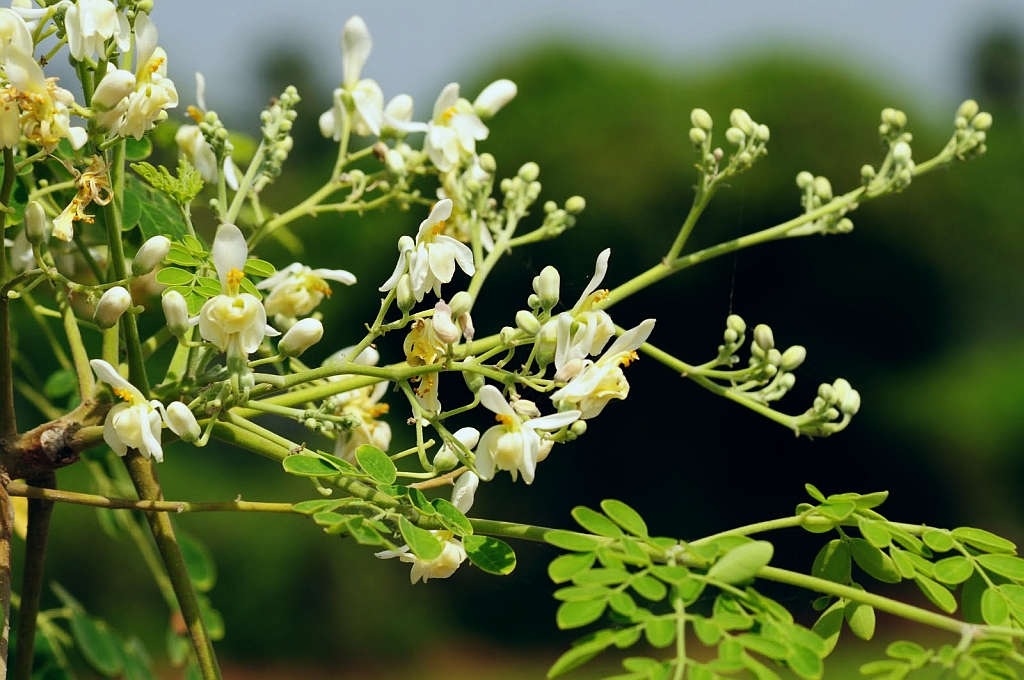 MoringaMoringa oleifera
 MotherwortLeonurus cardiaca
 Mountain ebonyBauhinia variegata
 Mountain knotgrassAerva lanata
 Mountain LaurelKalmia latifolia
 Mountain mintPycnanthemum
The whole plate is in the library. The compass, Compare, the Sky of eleven hundred plants and the formulary open with an email address and a password, free, with the formula builder and its safety engine. Herbert without limit, his formulating, clients, the handouts and the labels are the paid room.
Open the library, free