Ayurvedic Herbalism
Mountain ebony
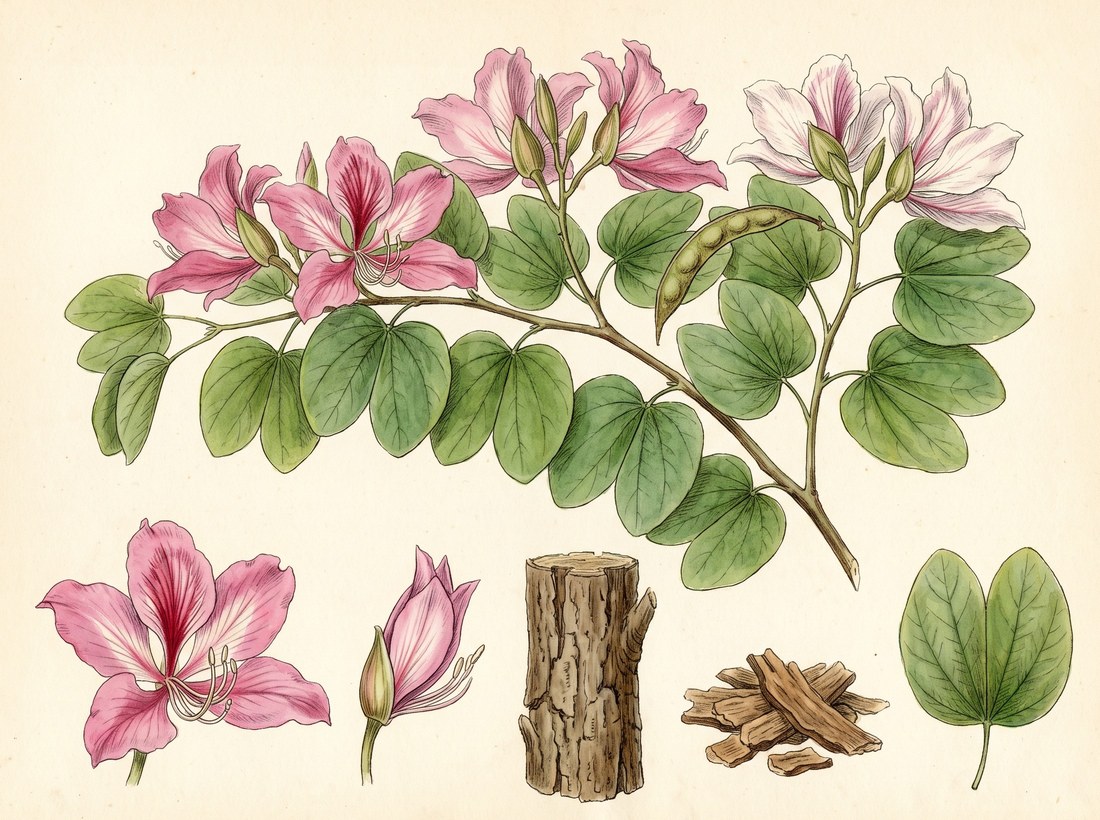
Bauhinia variegata
Also known as orchid tree, camel's foot tree, kachnar, Kanchanara, Kanchana, Kanchanaraka.
Bauhinia variegata is a medium deciduous tree with twin-lobed leaves shaped like a camel's footprint and showy pink or white orchid-like flowers, native to the sub-Himalayan tract and the drier forests of central and peninsular India, and planted along roads everywhere. Ayurveda uses the astringent, cooling stem bark as Kanchanara, the leading herb for gandamala, the swellings of the glands of the neck, and by extension for cysts, nodules and growths of the lymphatic and glandular tissues. The flower buds are also a seasonal vegetable in the north.

Ask Herbert about Mountain ebony. Herbert is the master herbalist inside Bountiful Herbs: he answers from this plate and eleven hundred others, with dosing, pairing and cautions. Your first ten questions are free.
Ask HerbertActions
Indications what the tradition reached for it in
- Cervical lymphadenopathy and chronic swollen glands
- Simple goiter and nodular thyroid enlargement (adjunct)
- Fibrocystic breast and benign lumps
- Lipomas and subcutaneous nodules
- Uterine fibroids and ovarian cysts (adjunct)
- Menorrhagia and leukorrhea
- Hemorrhoids with bleeding
- Chronic skin disease with glandular involvement
- Chronic diarrhea and dysentery
- Nonhealing ulcers (topical)
- Sluggish lymphatic drainage after infection
Specific indications
A kapha-type patient with soft, painless, slowly enlarging glands in the neck and a tendency to catarrh and weight gain
Benign lumps that come and go with the cycle in a woman with heavy periods and a sluggish, cool constitution
Enlarged thyroid without hyperfunction in a patient who is tired, puffy and slow
Chronic swollen lymph nodes that persist for months after a resolved infection
Safety
The record lists 5 contraindications; open the plate in the library to read them in full.
In practice
The Ayurvedic practitioner reaches for Kanchanara whenever kapha has collected into a lump: enlarged lymph nodes, goiter, fibrocystic breast tissue, lipomas, cysts and the chronic glandular swellings the texts call apachi.
In Ayurveda
Rasa: kashaya (astringent). Virya: sheeta (cooling). Vipaka: katu (pungent). Guna: laghu (light), ruksha (dry). Dosha: pacifies kapha and pitta; may aggravate vata in excess. Prabhava: gandamalanashana (dispels glandular swellings of the neck). Karma: gandamalanashana (resolves glandular swellings); grahi (absorbent, binds stool); krimighna (anthelmintic); kushthaghna (relieves skin disease); vranaropana (heals wounds and ulcers); raktapittahara (checks bleeding); shothahara (reduces swelling); lekhana (scrapes accumulated tissue); kaphahara (reduces kapha). Classical indications: gandamala (cervical lymphadenopathy and goiter); apachi (chronic glandular swelling); granthi (nodules and cysts); arbuda (tumors); arsha (hemorrhoids); raktapitta (bleeding disorders); pradara (menorrhagia and leukorrhea); kushtha (skin disease); krimi (worms); vrana (ulcers); atisara (diarrhea); prameha (urinary disorders). The stem bark is the principal drug, given as kwatha, as churna with rice water, and as the leading ingredient of Kanchanara guggulu; the flower buds are eaten as a vegetable and used for bleeding and diarrhea; the root bark and flowers enter decoctions for glandular swelling. A paste of bark is applied to swellings and ulcers. Classical formulations: Kanchanara guggulu, Kanchanaradi kwatha, Kanchanara twak churna, Kanchanara kwatha, Gandamala kandana rasa (herbal component), Ushirasava. Described in: Charaka Samhita, Sushruta Samhita, Ashtanga Hridaya, Bhavaprakasha Nighantu, Dhanvantari Nighantu, Raja Nighantu, Kaiyadeva Nighantu, Madanapala Nighantu, Ayurvedic Pharmacopoeia of India.
Dosing as the sources wrote it
| Preparation | As written | Metric |
|---|---|---|
| Churna | 3-6 g powdered bark twice daily with warm water or rice water | 3000-6000 mg |
| Kwatha | 50-100 mL decoction twice daily | 50-100 mL |
| Guggulu (Kanchanara guggulu) | 1-3 g daily in divided doses with warm water | 1000-3000 mg |
| Kalka, topical | 5-10 g bark paste applied to swellings | 5000-10000 mg |
Doses are reproduced from the sources for practitioners and are not a recommendation for any person.
From the sources
Overview. Bauhinia variegata is a medium deciduous tree with twin-lobed leaves shaped like a camel's footprint and showy pink or white orchid-like flowers, native to the sub-Himalayan tract and the drier forests of central and peninsular India, and planted along roads everywhere. Ayurveda uses the astringent, cooling stem bark as Kanchanara, the leading herb for gandamala, the swellings of the glands of the neck, and by extension for cysts, nodules and growths of the lymphatic and glandular tissues. The flower buds are also a seasonal vegetable in the north.
Clinical Notes. The Ayurvedic practitioner reaches for Kanchanara whenever kapha has collected into a lump: enlarged lymph nodes, goiter, fibrocystic breast tissue, lipomas, cysts and the chronic glandular swellings the texts call apachi.
Ayurvedic Profile. Rasa: kashaya (astringent). Virya: sheeta (cooling). Vipaka: katu (pungent). Guna: laghu (light), ruksha (dry). Dosha: pacifies kapha and pitta; may aggravate vata in excess. Prabhava: gandamalanashana (dispels glandular swellings of the neck).
In formulas
Mountain ebony stands in 6 documented formulas in the library, among them Uśīrāsava, Candanāsava, Viḍaṅgāriṣṭa, Kāṅcanāra Guggulu, Svarṇa Bhasma, Gaṇḍamālā Kaṇḍana Rasa.
Often paired with
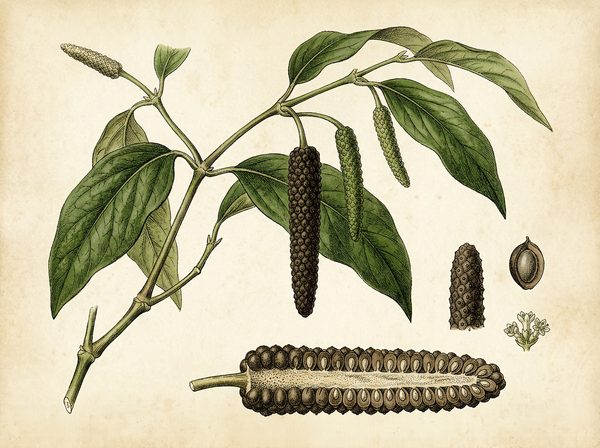 long pepperPiper longum
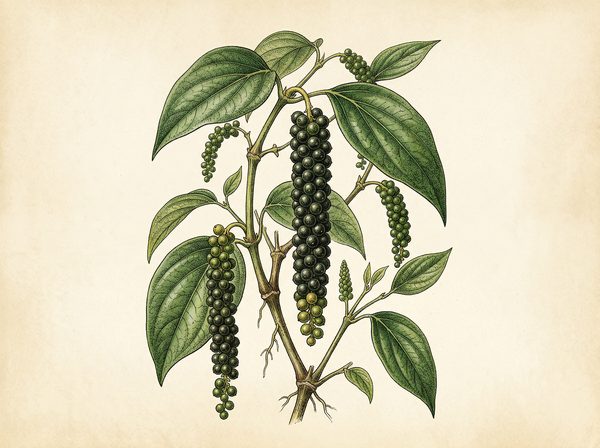 black pepperPiper nigrum
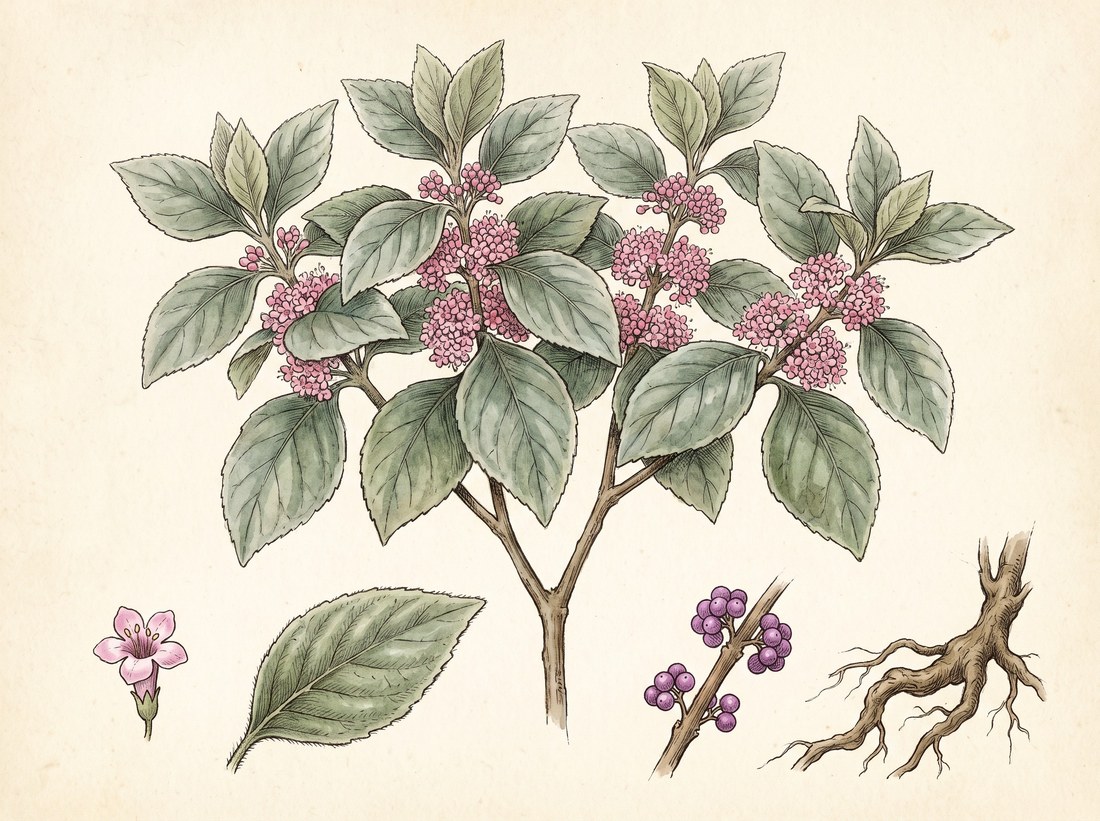 beautyberryCallicarpa macrophylla
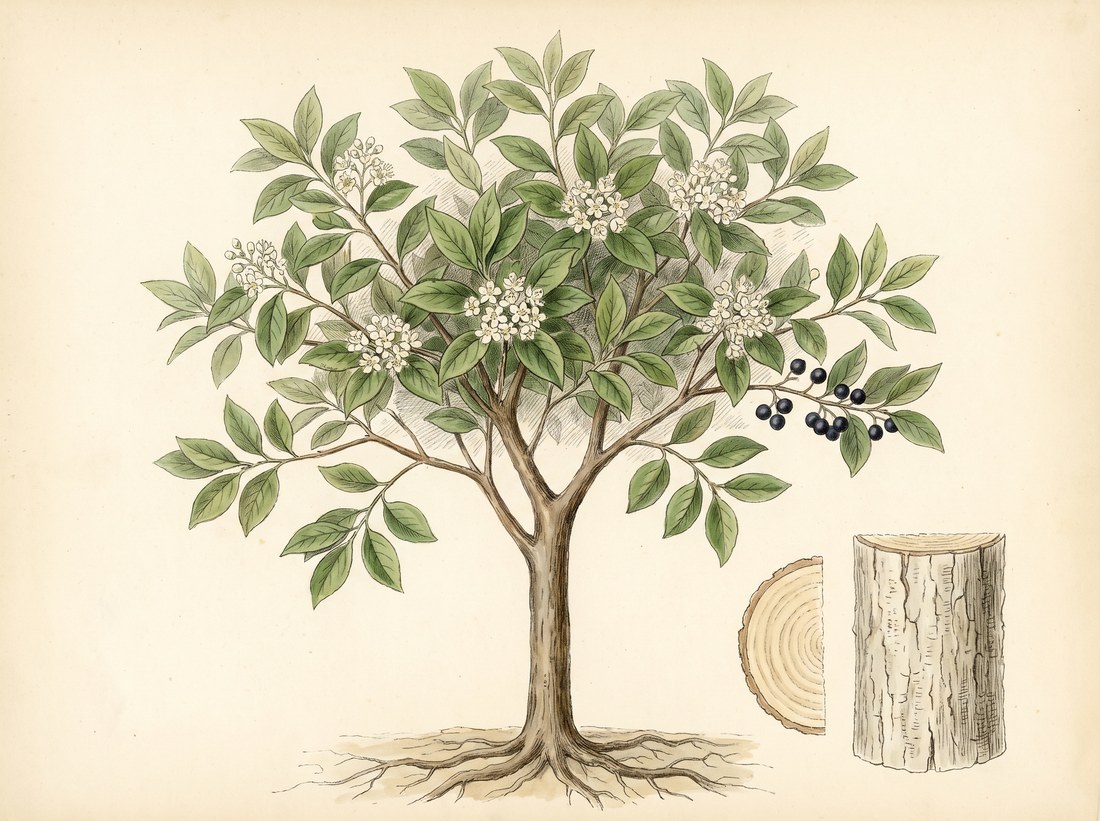 lodh treeSymplocos racemosa
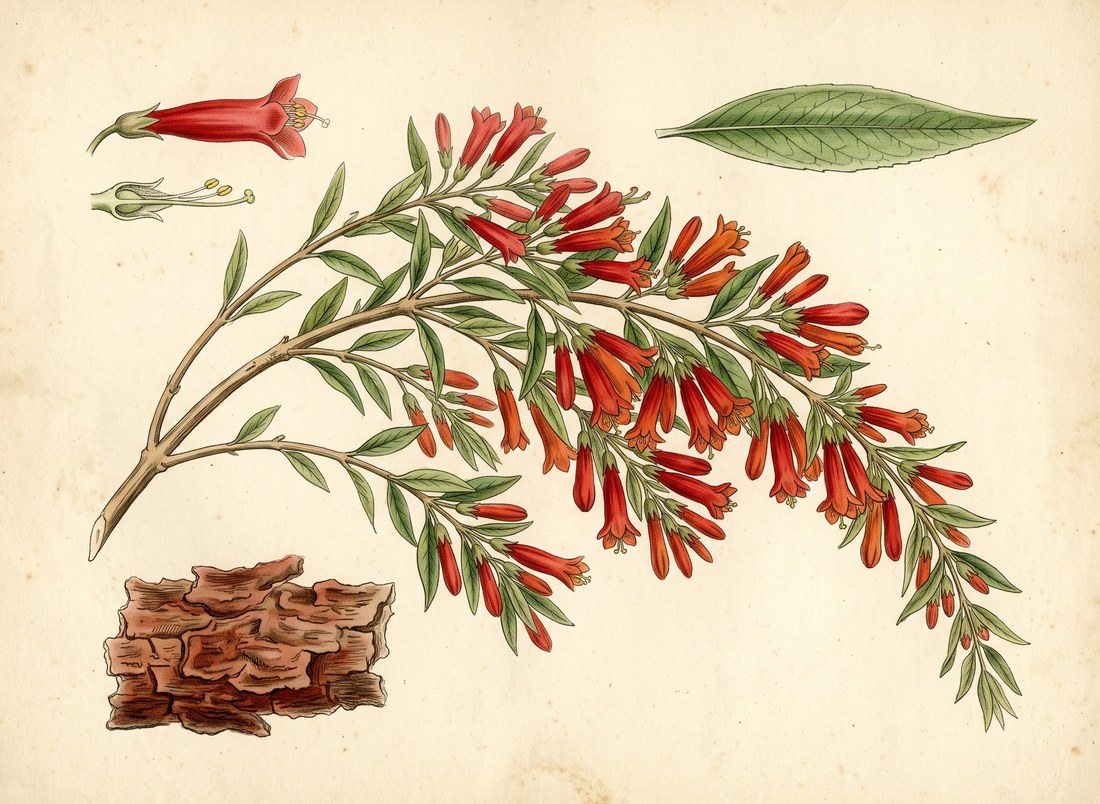 dhatakiWoodfordia fruticosa
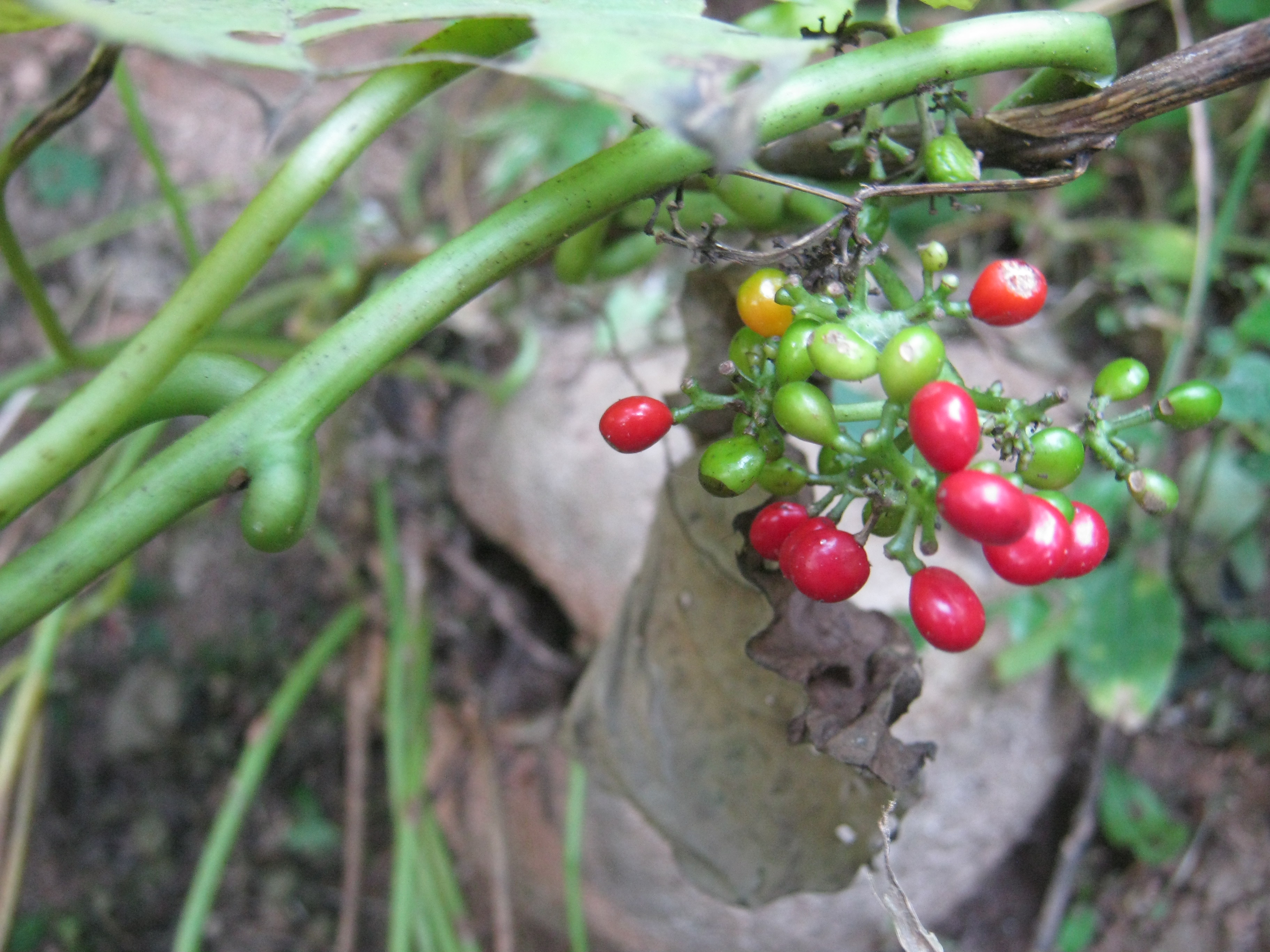 Pareira bravaCissampelos pareira
Nearby on the shelf
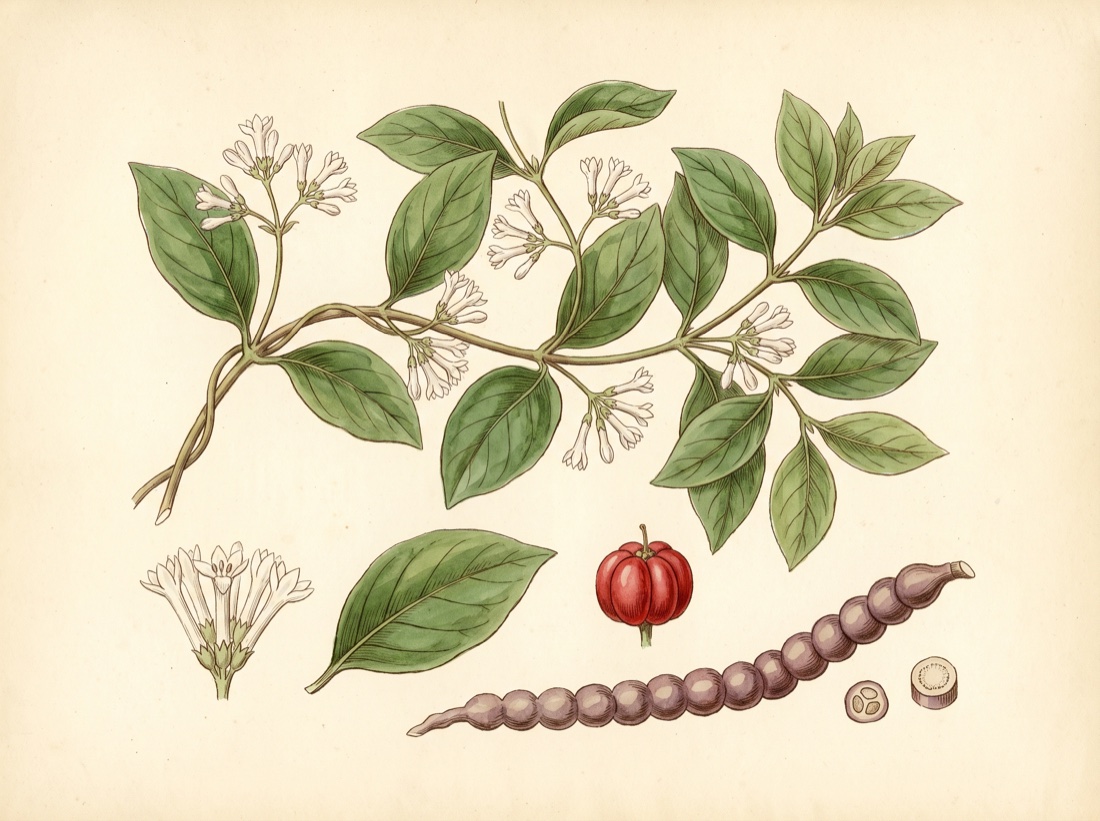 Morinda rootMorinda officinalis
 MoringaMoringa oleifera
 MotherwortLeonurus cardiaca
 Mountain AshSorbus
 Mountain knotgrassAerva lanata
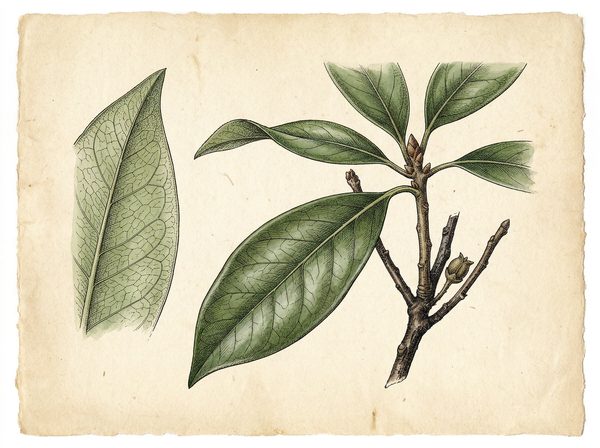 Mountain LaurelKalmia latifolia
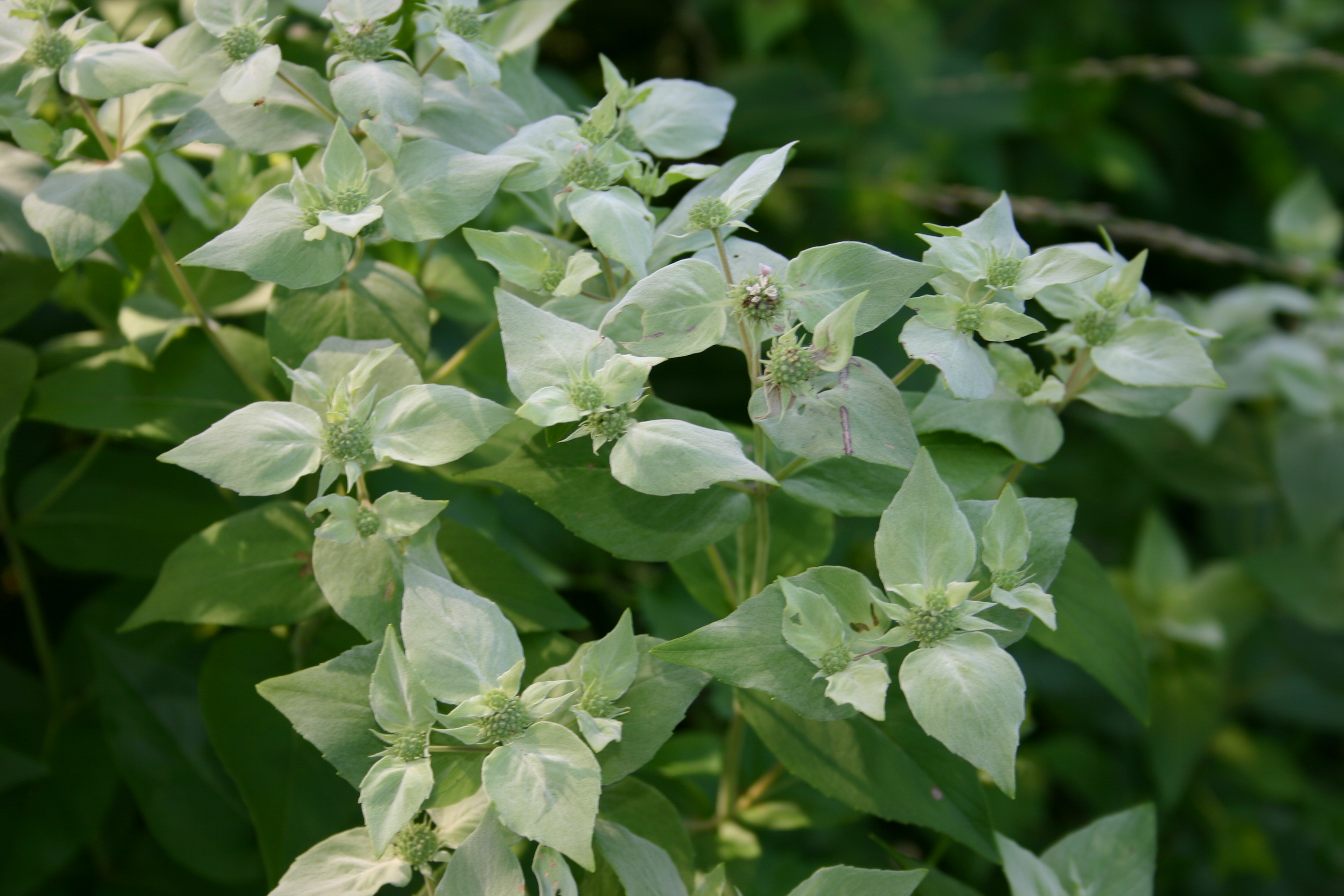 Mountain mintPycnanthemum
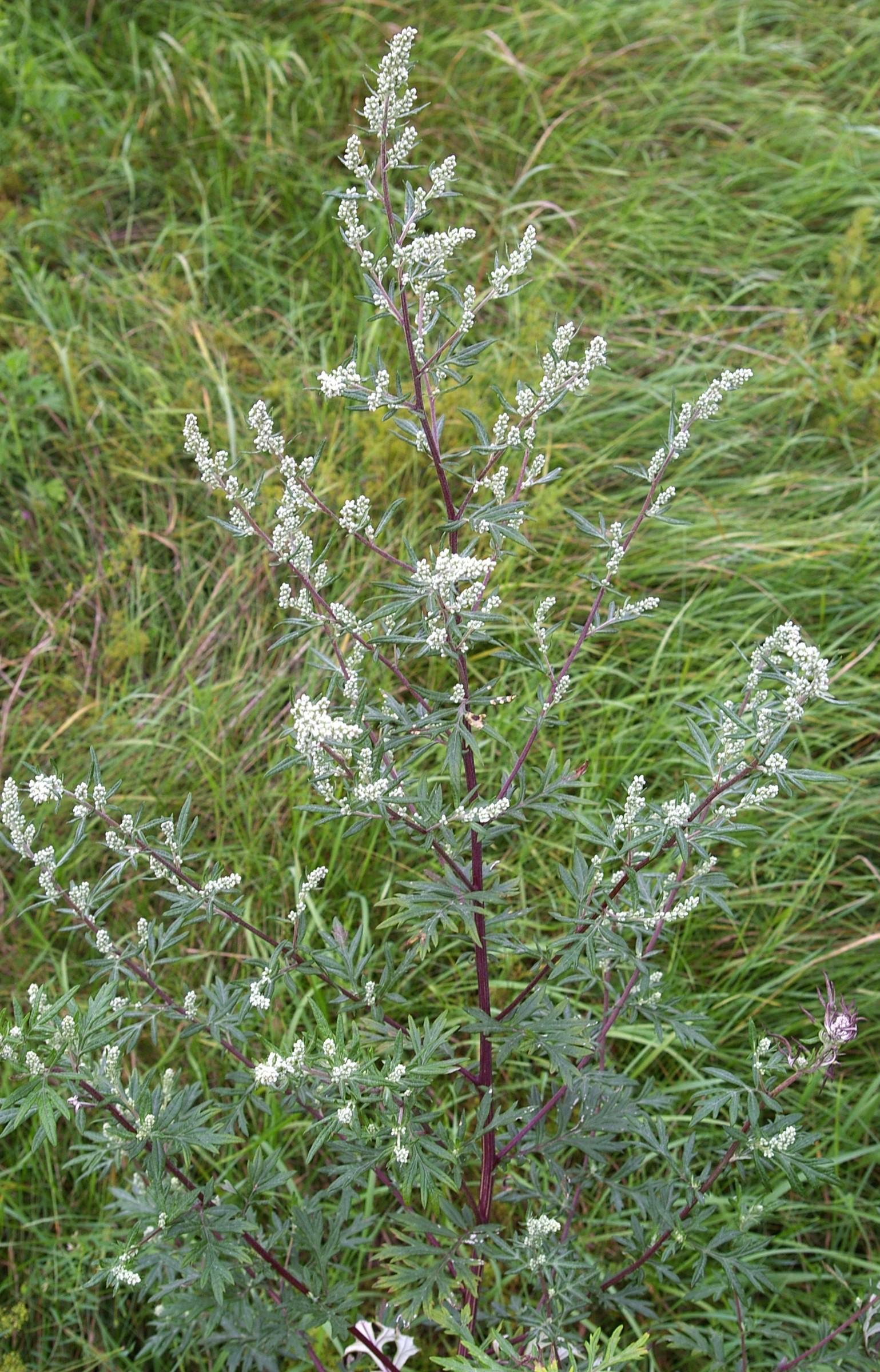 MugwortArtemisia vulgaris
The whole plate is in the library. The compass, Compare, the Sky of eleven hundred plants and the formulary open with an email address and a password, free, with the formula builder and its safety engine. Herbert without limit, his formulating, clients, the handouts and the labels are the paid room.
Open the library, free