Western and Ayurvedic herbalism
Lime
Citrus aurantiifolia
Also known as key lime, Mexican lime, West Indian lime, Kagzi lime, Nimbuka, Jambira, Nimbu.
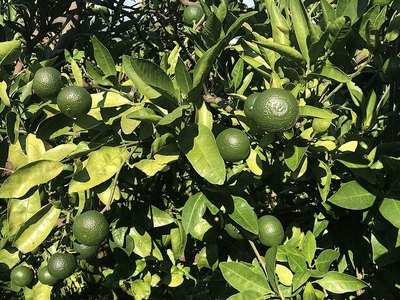
Nimbuka is the small, thin skinned, intensely sour lime grown across the plains and coasts of India, from the orchards of Andhra Pradesh, Gujarat and Maharashtra to the home gardens of Tamil Nadu and Kerala, and sold everywhere as kagzi nimbu. The tree is a small thorny evergreen of the citrus family, native to Southeast Asia and naturalized in India since antiquity. Ayurveda counts the sour juice among the great digestive stimulants: a heating, sharp, sour fruit that kindles the fire, settles nausea, dispels gas and, taken with sugar and salt, quenches thirst and cools the body by effect. The peel, leaf and root are used less often.

Ask Herbert about Lime. Herbert is the master herbalist inside Bountiful Herbs: he answers from this plate and eleven hundred others, with dosing, pairing and cautions. Your first ten questions are free.
Ask HerbertActions
Indications what the tradition reached for it in
- Loss of appetite and poor digestion
- Nausea and vomiting, including morning sickness (small amounts)
- Bloating and colic after heavy meals
- Constipation with sluggish digestion (warm lime water)
- Thirst, heat exhaustion and dehydration (lime with salt and sugar)
- Sore throat and cough with thick mucus
- Bleeding, spongy gums and vitamin C deficiency
- Recurrent urinary stones (citrate, dietary)
- Insect bites and scorpion sting (topical juice)
- Joint pain and stiffness (bolus fomentation)
- Dandruff and oily scalp (topical)
- low mood
- oily skin (well diluted)
- air freshening
Specific indications
A vata patient with no appetite, gas and a sense of food sitting undigested, who is revived by lime, rock salt and ginger before meals
Heat exhaustion in hot weather with thirst, weakness and cramps, treated with lime, salt and sugar in water
Nausea of early pregnancy relieved by sucking a wedge of lime with a pinch of salt
Stiff, aching joints in a cold constitution, warmed with a bolus of fried lime and salt
Safety
The record lists 7 contraindications; open the plate in the library to read them in full.
In practice
The Ayurvedic practitioner uses Nimbuka as a corrective before and after meals. A squeeze of lime with rock salt and fresh ginger, taken before food, is the standard appetizer for vata patients with weak digestion; lime in warm water on rising is a gentle laxative and liver stimulant; lime with sugar and a pinch of salt is the household drink for thirst, heat exhaustion, fainting and the weakness after diarrhea.
In Ayurveda
Rasa: amla (sour); the peel adds tikta (bitter) and katu (pungent). Virya: ushna (heating). Vipaka: amla (sour). Guna: laghu (light), tikshna (sharp), snigdha (slightly unctuous). Dosha: pacifies vata and kapha; aggravates pitta in excess, though a little with sugar and salt is cooling by effect. Karma: deepana (kindles digestion); pachana (digests ama); ruchya (improves taste and appetite); vatanulomana (relieves gas and regulates vata); chhardinigrahana (stops vomiting); trishnanigrahana (relieves thirst, as a sweet drink); hridya (pleasing to the heart); krimighna (anthelmintic); shulaprashamana (relieves colic); vishaghna (counters poisons, insect bite); kaphanissaraka (loosens mucus); mukhashodhana (cleanses the mouth). Classical indications: agnimandya (weak digestion); aruchi (loss of taste); ajirna (indigestion); chhardi (vomiting); hrillasa (nausea); shula (colic); udara and gulma (distension and abdominal masses); vibandha (constipation); krimi (worms); trishna (thirst); kasa (cough); visha (insect and scorpion sting, topical); dantamamsa roga (gum disease). The fresh juice is the medicine, taken in warm water with honey, rock salt or sugar before or after meals; the whole fruit is preserved in salt as a digestive pickle; the peel is dried and powdered or used fresh in bolus fomentation (Jambira pinda sweda) for joint pain; the leaf is used in decoction and as a fragrant carminative; the root bark is decocted for fever and colic in folk practice. Classical formulations: Nimbuka swarasa, Jambira pinda sweda, Nimbuka lavana, Nimbuka sharkara paniya, Jambiradi taila, Nimbukadi churna. Described in: Bhavaprakasha Nighantu, Dhanvantari Nighantu, Raja Nighantu, Kaiyadeva Nighantu, Madanapala Nighantu.
Dosing as the sources wrote it
| Preparation | As written | Metric |
|---|---|---|
| Swarasa | 10-20 mL fresh juice in warm water once or twice daily before or after food | 10-20 mL |
| Sharkara paniya | 20-30 mL juice with sugar and a pinch of salt in 250 mL water as needed for thirst | 20-30 mL |
| Peel churna | 1-3 g dried peel powder once or twice daily | 1000-3000 mg |
| Nimbuka lavana | 5-10 g preserved salted lime with meals | 5000-10000 mg |
| Jambira pinda sweda | 2-4 whole limes fried with salt and herbs, tied in cloth and applied hot for 20-30 minutes | |
| Topical (diluted in carrier) | Topical: typical 0.7% in carrier; face/sensitive 0.5; dermal maximum 0.7%. Cold-pressed lime is strongly phototoxic; steam-distilled lime is not. |
Doses are reproduced from the sources for practitioners and are not a recommendation for any person.
From the sources
Overview. Nimbuka is the small, thin skinned, intensely sour lime grown across the plains and coasts of India, from the orchards of Andhra Pradesh, Gujarat and Maharashtra to the home gardens of Tamil Nadu and Kerala, and sold everywhere as kagzi nimbu. The tree is a small thorny evergreen of the citrus family, native to Southeast Asia and naturalized in India since antiquity. Ayurveda counts the sour juice among the great digestive stimulants: a heating, sharp, sour fruit that kindles the fire, settles nausea, dispels gas and, taken with sugar and salt, quenches thirst and cools the body by effect. The peel, leaf and root are used less often.
Ayurvedic Profile. Rasa: amla (sour); the peel adds tikta (bitter) and katu (pungent). Virya: ushna (heating). Vipaka: amla (sour). Guna: laghu (light), tikshna (sharp), snigdha (slightly unctuous). Dosha: pacifies vata and kapha; aggravates pitta in excess, though a little with sugar and salt is cooling by effect.
Nearby on the shelf
 Levant cottonGossypium herbaceum
 Lian QiaoForsythia suspensa
 Licorice rootGlycyrrhiza glabra
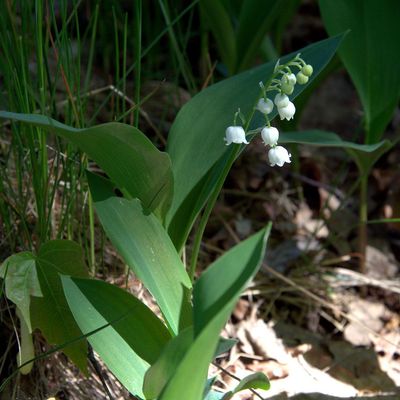 Lily of the valleyConvallaria majalis
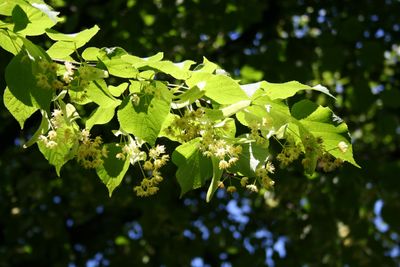 Lime flowerTilia spp.
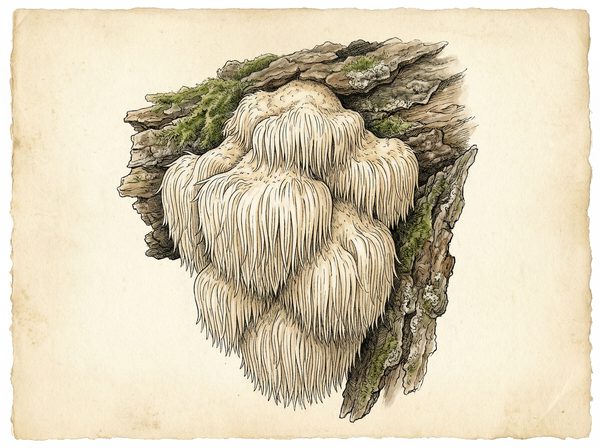 Lion's ManeHericium erinaceus
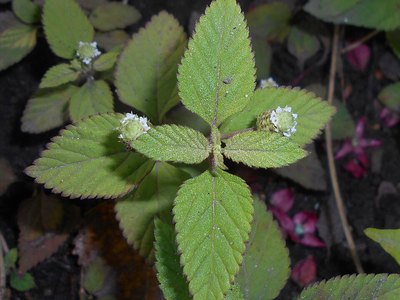 LippiaLippia mexicana
 Liquidambar styracifluaLiquidambar styraciflua
The whole plate is in the library. The compass, Compare, the Sky of eleven hundred plants and the formulary open with an email address and a password, free, with the formula builder and its safety engine. Herbert without limit, his formulating, clients, the handouts and the labels are the paid room.
Open the library, free