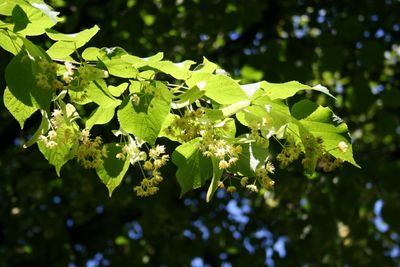
Western Herbalism
Lime flower
Tilia spp.
Also known as Lime Tree, officinarum pro parte, Linden Flowers, Linden, Basswood, Linn tree, White wood, Linden tree.
Good in combination w/ other hypertension herbs to reduce stress Drink as hot tea for diaphoresis For upper respiratory inflammation, combine with Sambucus, Euphrasia TCM=dispels exterior wind heat, regulates qi, and treats liver yang rising

Ask Herbert about Lime flower. Herbert is the master herbalist inside Bountiful Herbs: he answers from this plate and eleven hundred others, with dosing, pairing and cautions. Your first ten questions are free.
Ask HerbertActions
Indications what the tradition reached for it in
- Hypertension (secondary to anxiety)
- Stress
- Anxiety
- Hypertension (mild)
- Fever (low grade)
- Tachycardia (w/ anxiety or nervous tension)
- Upper respiratory infection
- Epilepsy (traditional use)
- Nervous palpitations (w/ anxiety or nervous tension)
- Flu (w/fever)
- Hypertension (associated w/anxiety, nervous tension, or atherosclerosis)
- Nervous tension
- Cold (w/ fever)
- Colic
- Cramps
- Hypertension
- Inflammation
- Insomnia
- Muscle spasms
- Restlessness
- Viral infections
- Fever
- Infection
- Respiratory complaints
- Common cold
- Mucus congestion
- Thick mucus
- Migraine
- Hysteria
- Arteriosclerotic hypertension
Safety
Pregnancy: Limited data. No increase in harm from limited human use; animal studies lacking (Mills & Bone B2)
Pregnancy, our record's flag: Limited data. Limited safety data in pregnancy (our record's flag)
Pregnancy, a modern clinical reference: The safety of lime flower has not been established; In view of the lack of toxicological data, use of lime flower during pregnancy and lactation should be avoided
Breastfeeding: No concern. Compatible with breastfeeding (Mills & Bone C)
Breastfeeding, our record's flag: No concern while breastfeeding (our record's flag)
Breastfeeding, a modern clinical reference: In view of the lack of toxicological data, use of lime flower during pregnancy and lactation should be avoided
The record lists 3 contraindications; open the plate in the library to read them in full.
Dosing as the sources wrote it
| Preparation | As written | Metric |
|---|---|---|
| Infusion | 1 Tbs/c TID | |
| Tincture (1:3) | 3-5 ml TID | 3-5 mL |
| Flowerhead 2-4 g by infusion | ||
| Liquid extract 2-4 mL (1 : 1 in 25% alcohol) | 2-4 mL | |
| Tincture 1-2 mL (1 : 5 in 45% alcohol). | 1-2 mL | |
| Dose, 1 to 20 minims. | 0.0616-1.23 mL |
Doses are reproduced from the sources for practitioners and are not a recommendation for any person.
From the sources
Clinical Notes. Good in combination w/ other hypertension herbs to reduce stress Drink as hot tea for diaphoresis For upper respiratory inflammation, combine with Sambucus, Euphrasia TCM=dispels exterior wind heat, regulates qi, and treats liver yang rising
Action, Medical Uses, and Dosage. The European species (Tilia europaea) is a common domestic remedy in Europe for the relief of many nervous and catarrhal disorders. The leaves, flowers, and buds are employed, and their properties may be regarded as stimulant, lenitive, tonic, and nervine.
primary-actions. Lime flower acts primarily as: Antispasmodic, Diaphoretic, Hypotensive, Sedative (mild), Antiviral, Nervine, Anti-inflammatory. Secondary actions include Anti-inflammatory, Mucolytic, Anticatarrhal.
Description. Linden flowers are borne in cymes, which are axillary, and the peduncles are partly united to a greenish-yellow, linear, leaf-like bract. The petals are 5 and whitish, or approach yellow, are oblong, or lanceolate, generally notched. The calyx is 5-parted. The stamens are numerous and hypogynous, somewhat united at their bases so as to form 5 clusters (in the last two species), while in the others the stamens are connected at their bases with a petaloid scale opposite the petal. Ovary 5-celled; style 1; stigma 5-lobed; fruit a spherical, nut-like capsule, 1-celled, and 1 or 2-seeded. When fresh, the odor is agreeable; when dry, faint. The taste is mucilaginous and sweetish.
Drawn from King's American Dispensatory, 18th edition (Felter and Lloyd), and the Bountiful Herbs editorial.
In formulas
Lime flower stands in 1 documented formula in the library, among them Heart Tonic Formula.
Often paired with
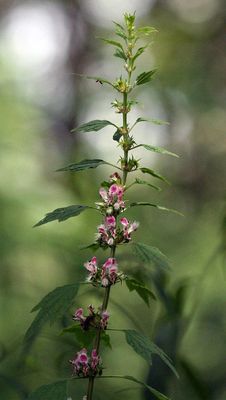 MotherwortLeonurus cardiaca
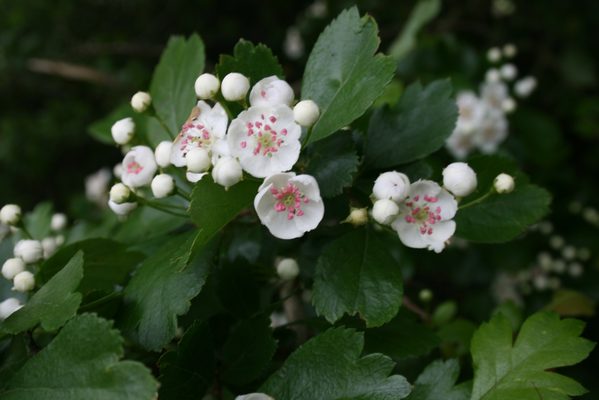 HawthornCrataegus oxyacantha
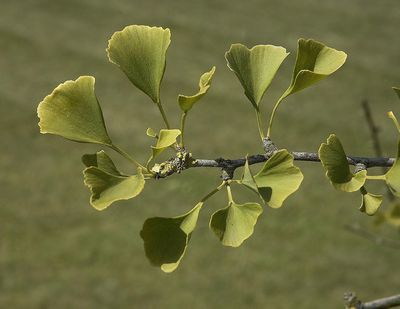 Maidenhair treeGinkgo biloba
Nearby on the shelf
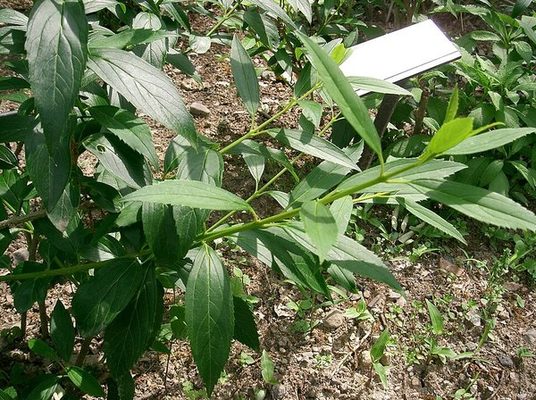 Lian QiaoForsythia suspensa
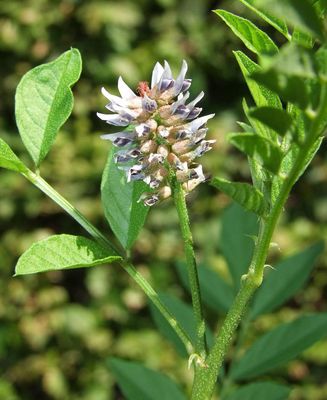 Licorice rootGlycyrrhiza glabra
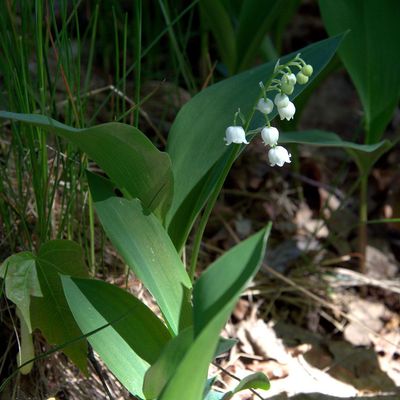 Lily of the valleyConvallaria majalis
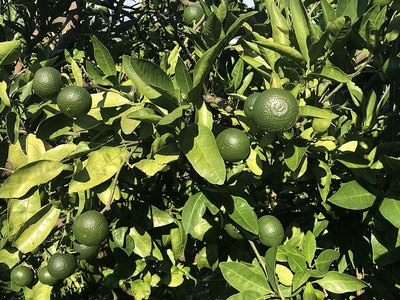 LimeCitrus aurantiifolia
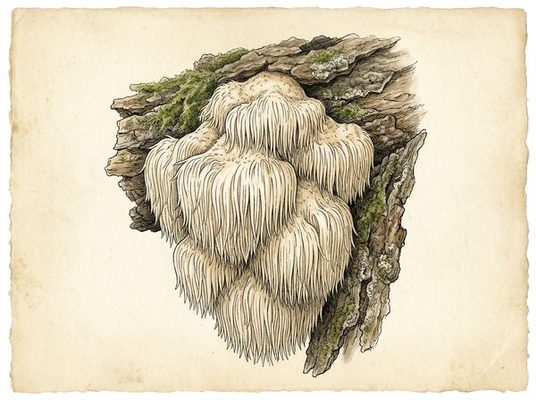 Lion's ManeHericium erinaceus
 LippiaLippia mexicana
 Liquidambar styracifluaLiquidambar styraciflua
The whole plate is in the library. The compass, Compare, the Sky of eleven hundred plants and the formulary open with an email address and a password, free, with the formula builder and its safety engine. Herbert in full, his formulating, clients, the handouts and the labels are the paid room.
Open the library, free