Western Herbalism
House leek
Sempervivum tectorum
Also known as Houseleek, Hen and chicks, Roof houseleek, Jupiter's beard, Welcome-home-husband-though-never-so-drunk.
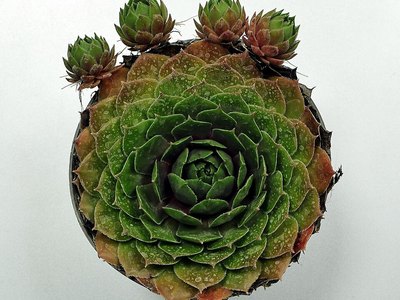
Sempervivum tectorum is a succulent perennial of the Crassulaceae, native to the mountains of central and southern Europe and long cultivated on roofs and walls across Europe for its remarkable hardiness, giving rise to its common name houseleek. Its thick, water-storing leaves are arranged in a tight rosette, and the fresh leaf, or the juice pressed from it, is the part used. In the physiomedicalist tradition it was classed among the cooling, relaxant agents, valued chiefly as an external application for burns and hot inflammatory skin conditions, with a lesser and now largely obsolete internal use as a mild diuretic and febrifuge.

Ask Herbert about House leek. Herbert is the master herbalist inside Bountiful Herbs: he answers from this plate and eleven hundred others, with dosing, pairing and cautions. Your first ten questions are free.
Ask HerbertActions
Indications what the tradition reached for it in
- Minor burns and scalds
- Sunburn
- Erysipelas
- Acute superficial skin inflammation
- Ophthalmia (external eye irritation, as a diluted wash)
- Insect bites and stings
- Corns and calluses (traditional)
- Warts (traditional)
- Chilblains
- Mild febrile catarrh with skin involvement (historical internal use)
Specific indications
Fresh minor burn or scald with hot, tight, reddened skin, treated promptly with the crushed leaf or its juice applied directly
Acute, hot, irritated conjunctiva or eyelid margin, soothed with a well-diluted wash of the fresh juice
Safety
The record lists 5 contraindications; open the plate in the library to read them in full.
In practice
The main modern use of houseleek, where it is used at all, is topical: the fresh leaf is split or crushed and the exposed mucilaginous pulp, or the expressed juice, applied directly to minor burns, scalds, sunburn, and other hot, reddened inflammatory skin conditions.
Dosing as the sources wrote it
| Preparation | As written | Metric |
|---|---|---|
| Fresh leaf pulp or juice (topical) | Apply crushed fresh leaf or expressed juice directly to the affected area 2-4 times daily | |
| Diluted juice eyewash (topical) | Fresh juice diluted 1:10 in cooled boiled water, used as an eye wash as needed |
Doses are reproduced from the sources for practitioners and are not a recommendation for any person.
From the sources
Overview. Sempervivum tectorum is a succulent perennial of the Crassulaceae, native to the mountains of central and southern Europe and long cultivated on roofs and walls across Europe for its remarkable hardiness, giving rise to its common name houseleek. Its thick, water-storing leaves are arranged in a tight rosette, and the fresh leaf, or the juice pressed from it, is the part used. In the physiomedicalist tradition it was classed among the cooling, relaxant agents, valued chiefly as an external application for burns and hot inflammatory skin conditions, with a lesser and now largely obsolete internal use as a mild diuretic and febrifuge.
Clinical Notes. The main modern use of houseleek, where it is used at all, is topical: the fresh leaf is split or crushed and the exposed mucilaginous pulp, or the expressed juice, applied directly to minor burns, scalds, sunburn, and other hot, reddened inflammatory skin conditions.
Properties and Uses. The juice of the leaves, readily obtained by mashing and pressure, has a cooling and slightly saline taste. It is a cooling application in much repute for acute and sub-acute ophthalmia, burns, simple erysipelas, and other cutaneous inflammations. Taken internally in doses of a teaspoonful to a tablespoonful every four hours, it increases the flow of urine, and has been much commended in catarrhal and bilious fever, and in erysipelas. The split leaves are reputed of great value as a local application to shingles, tetter, corns, and warts. Medical Herbalism journal and medherb.com The Physiomedical Dispensatory by William Cook, M.D., 1869
Description. Natural Order, Crassulaceae. The fibrous root of this plant sends off numerous tufts of thick and succulent leaves, about an inch in length and two-thirds of an inch broad, acute, stiffly fringed along the edges, and arranged in the manner of the petals of a rose-the size of the leaves regularly diminishing toward the center. The flower-stalk rises to the height of a foot from the center of one of these leafy tufts, erect, downy, sparsely leaved, and bearing at its summit a cyme of numerous large and pale-rose flowers. The plant is native to Europe, and is frequently cultivated in this country for its peculiarly-arranged leaves and its remarkable tenacity of life.
Drawn from Cook's Physio-Medical Dispensatory, and the Bountiful Herbs editorial.
Nearby on the shelf
 HorsemintMonarda punctata
 HorseradishArmoracia rusticana
 HorsetailEquisetum arvense
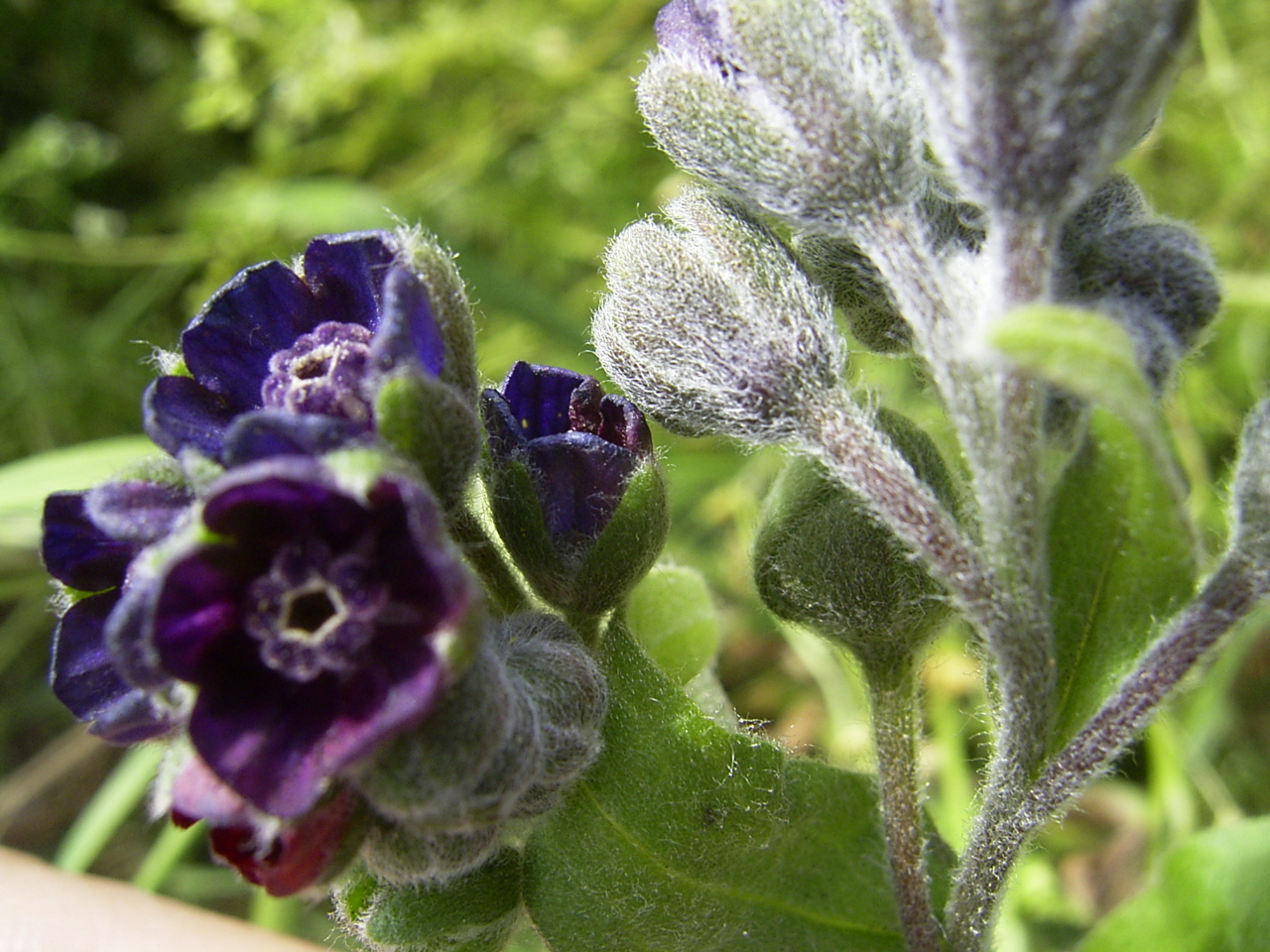 Hound's TongueCynoglossum
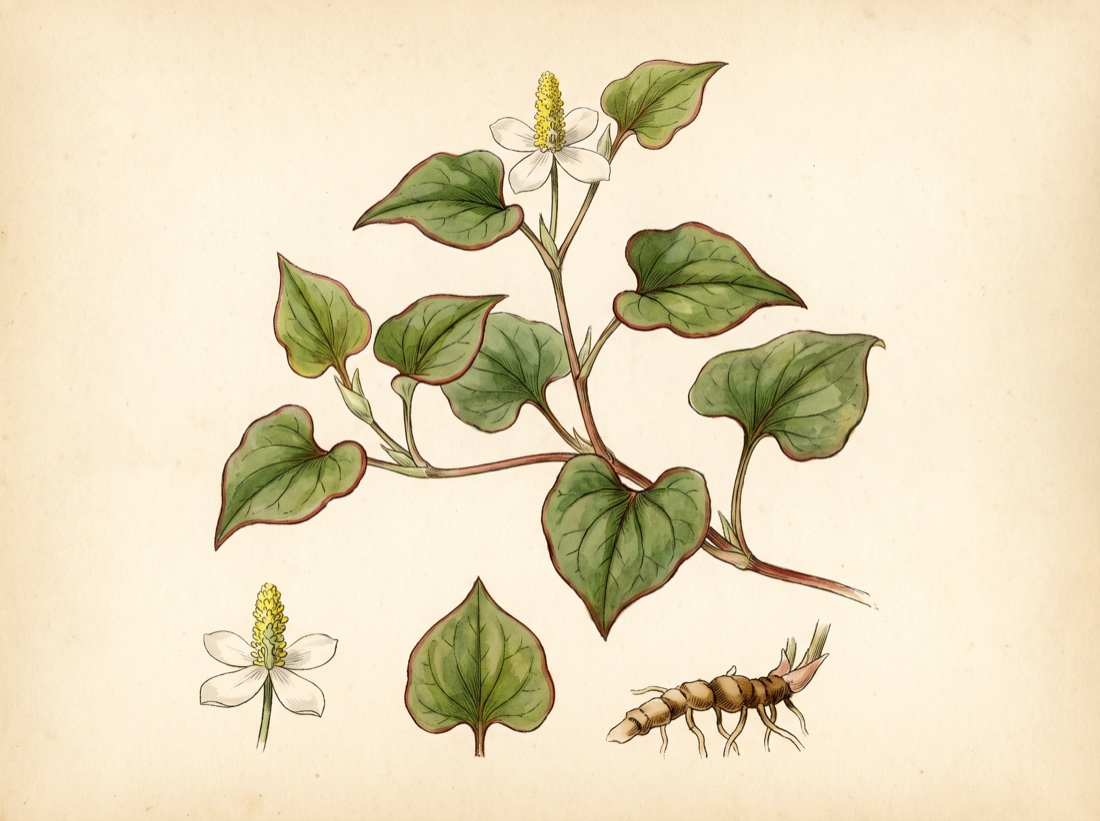 HouttuyniaHouttuynia cordata
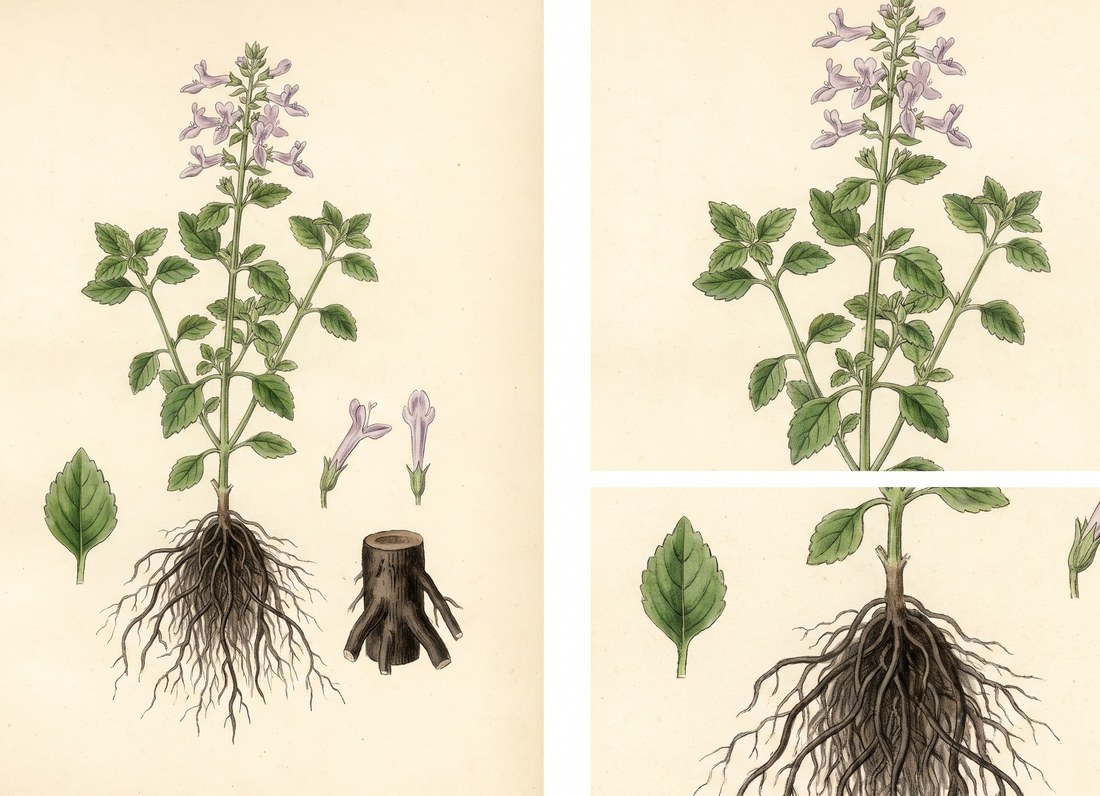 HriberaColeus vettiveroides
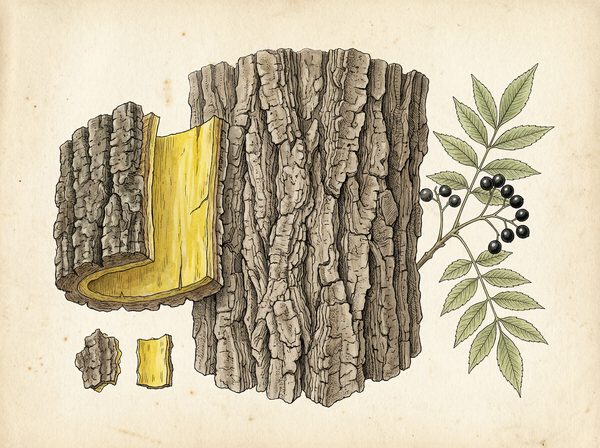 Huang BaiPhellodendron amurense
 Huang QiAstragalus propinquus
The whole plate is in the library. The compass, Compare, the Sky of eleven hundred plants and the formulary open with an email address and a password, free, with the formula builder and its safety engine. Herbert without limit, his formulating, clients, the handouts and the labels are the paid room.
Open the library, free