Western and Ayurvedic herbalism
Gymnema
Gymnema sylvestre
Also known as gurmar, sugar destroyer, Australian cowplant, periploca of the woods, Small Indian Ipecac, Gurmar in Hindi “sugar destroyer”, Meshashringi, Madhunashini, Ajashringi.
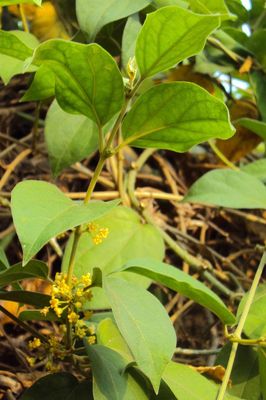
Gymnema sylvestre is a slow growing woody climber of the milkweed subfamily with opposite oval leaves and small yellow flowers, native to the deciduous forests of central and southern India and also found in Sri Lanka, tropical Africa and Australia. Ayurveda calls the leaf Meshashringi, ram's horn, from the shape of the fruit, and Madhunashini, destroyer of sweetness, because chewing it abolishes the taste of sugar for an hour or two. It is the classical herb for prameha and madhumeha, the urinary and metabolic disorders that include diabetes, and it is warming, drying and reducing in nature.

Ask Herbert about Gymnema. Herbert is the master herbalist inside Bountiful Herbs: he answers from this plate and eleven hundred others, with dosing, pairing and cautions. Your first ten questions are free.
Ask HerbertActions
Indications what the tradition reached for it in
- Type 2 diabetes (adjunct to diet and medication)
- Prediabetes and insulin resistance
- Sugar craving and compulsive sweet eating
- Obesity with high carbohydrate intake
- Dyslipidemia with elevated triglycerides
- Type 1 diabetes as an adjunct under close supervision (traditional and small trial use)
- Metabolic syndrome
- Polycystic ovary syndrome with insulin resistance (adjunct)
- Chronic cough with sputum (traditional)
- Constipation of kapha type (traditional)
- Wounds and swellings (root paste, topical)
- Diabetes (type II)
- Diabetes (type I, caution)
- Sugar cravings
- Hypercholesterolemia
- Hypertriglyceridemia
- Hyperlipidemia
- Hyperglycemia
- High cholesterol
- Diabetes type 1
- Type 2
Specific indications
The heavy, sluggish kapha patient with rising blood sugar, a sweet tooth and afternoon drowsiness after meals
A newly diagnosed type 2 diabetic who wants to try diet and herbs before or alongside metformin
The dieter who knows what to do but cannot stop reaching for sugar, where chewing the leaf or taking the powder before meals flattens the craving
Elevated triglycerides and fasting glucose together in a patient with central weight gain
Safety
Pregnancy: Limited safety data in pregnancy
Breastfeeding: Lactation category=no data
The record lists 6 contraindications; open the plate in the library to read them in full.
In practice
The Ayurvedic physician gives Meshashringi for kapha-type prameha: the overweight, sedentary patient with sweet urine, lethargy, excess mucus and a strong appetite for sweets. The leaf powder is taken with warm water before the two main meals, or fresh leaves are chewed in the morning to spoil the taste of sweet foods for the rest of the day.
In Ayurveda
Rasa: kashaya (astringent), tikta (bitter), katu (pungent). Virya: ushna (heating). Vipaka: katu (pungent). Guna: laghu (light), ruksha (dry). Dosha: pacifies kapha and vata; may aggravate pitta in excess. Prabhava: madhunashana (abolishes the taste of sweetness and counters diabetes). Karma: pramehaghna (counters urinary and metabolic disorders); medohara (reduces fat); kaphahara (reduces kapha); deepana (kindles digestion); vishaghna (counters poison); krimighna (anthelmintic); hridya (supports the heart); kasahara (relieves cough); shothahara (reduces swelling); chakshushya (benefits the eyes). Classical indications: prameha (urinary disorders including diabetes); madhumeha (diabetes mellitus); medoroga (obesity); kasa (cough); shvasa (dyspnea); visha (snake and insect poisoning); krimi (worms); hridroga (heart disease); netraroga (eye disease); vrana (wounds). The leaf is the drug, chewed fresh to blunt the sweet taste, dried and powdered as churna with warm water before meals, decocted as kwatha, and used in compound antidiabetic powders. The root is used regionally for snakebite and as a paste on wounds. Classical formulations: Meshashringi churna, Ayaskriti, Meshashringyadi kwatha, Madhumehari churna (compound antidiabetic powders), Nishamalaki with Meshashringi (regional). Described in: Sushruta Samhita, Ashtanga Hridaya, Bhavaprakasha Nighantu, Dhanvantari Nighantu, Raja Nighantu, Ayurvedic Pharmacopoeia of India.
Dosing as the sources wrote it
| Preparation | As written | Metric |
|---|---|---|
| Churna | 3-6 g powdered leaf daily in divided doses before meals with warm water | 3000-6000 mg |
| Kwatha | 50-100 mL decoction twice daily | 50-100 mL |
| Standardized extract | 200-400 mg leaf extract standardized to gymnemic acids twice daily before meals | 200-400 mg |
| Kalka, topical | 5-10 g root or leaf paste applied to wounds or swellings | 5000-10000 mg |
| Tincture (1:2-1:3) | 1-3 ml TID | 1-3 mL |
| Powdered leaves | 400 mg-10 g/d (most research done on 400 mg/day) | 400-400 mg |
Doses are reproduced from the sources for practitioners and are not a recommendation for any person.
From the sources
Overview. Gymnema sylvestre is a slow growing woody climber of the milkweed subfamily with opposite oval leaves and small yellow flowers, native to the deciduous forests of central and southern India and also found in Sri Lanka, tropical Africa and Australia. Ayurveda calls the leaf Meshashringi, ram's horn, from the shape of the fruit, and Madhunashini, destroyer of sweetness, because chewing it abolishes the taste of sugar for an hour or two. It is the classical herb for prameha and madhumeha, the urinary and metabolic disorders that include diabetes, and it is warming, drying and reducing in nature.
Clinical Notes. The Ayurvedic physician gives Meshashringi for kapha-type prameha: the overweight, sedentary patient with sweet urine, lethargy, excess mucus and a strong appetite for sweets. The leaf powder is taken with warm water before the two main meals, or fresh leaves are chewed in the morning to spoil the taste of sweet foods for the rest of the day.
primary-actions. Gymnema acts primarily as: Appetite suppressant, Hypoglycemic. Secondary actions include Inhibits glucose absorption, Hypolipidemic, Pancreatic beta cell trophorestorative.
indications. Gymnema is traditionally indicated for: Diabetes (type II), Diabetes (type I, caution), Sugar cravings, Hypercholesterolemia, Hypertriglyceridemia, Hyperlipidemia, Hyperglycemia, High cholesterol.
In formulas
Gymnema stands in 5 documented formulas in the library, among them Ayaskṛti, Paṅcatikta Ghṛta, Mahā Kalyāṇaka Ghṛta, Mahā Viṣagarbha Taila, Blood Sugar Support Formula.
Often paired with
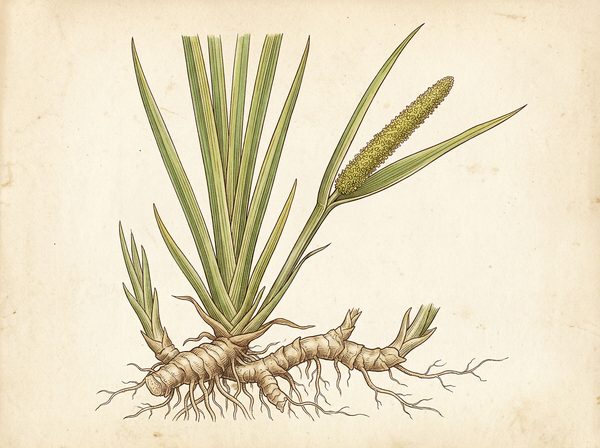 sweet flagAcorus calamus
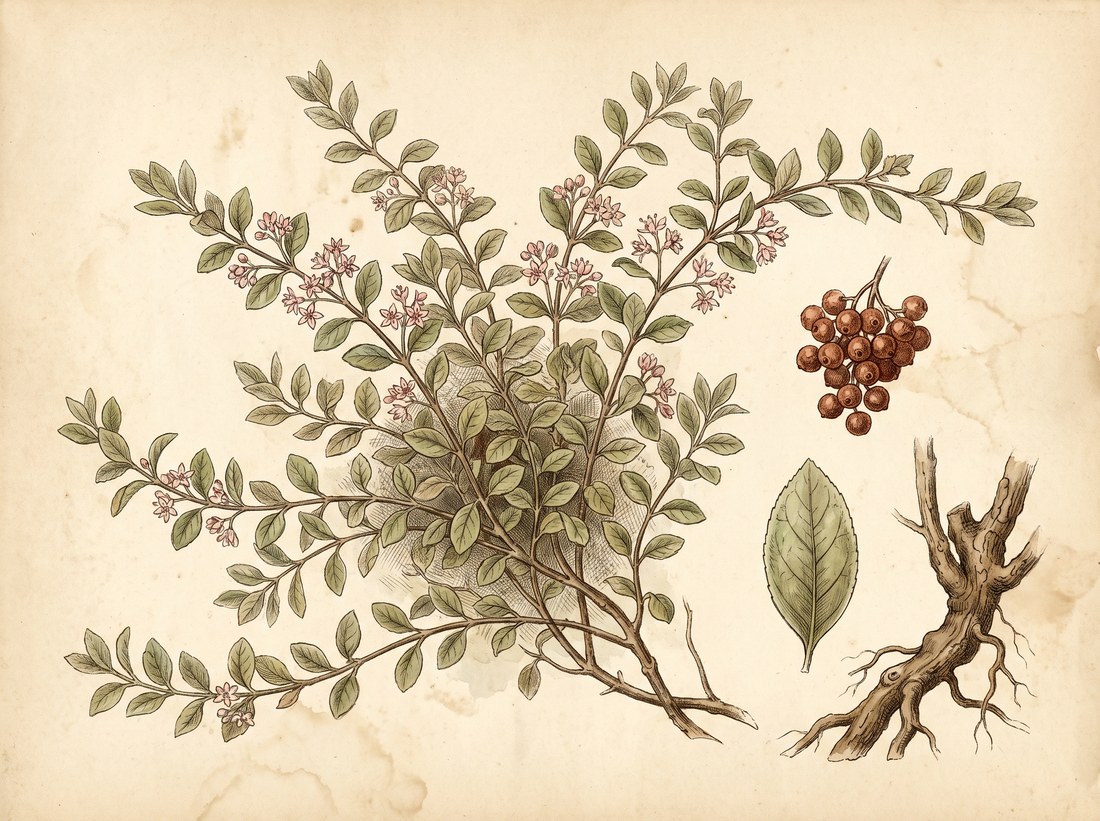 false black pepperEmbelia ribes
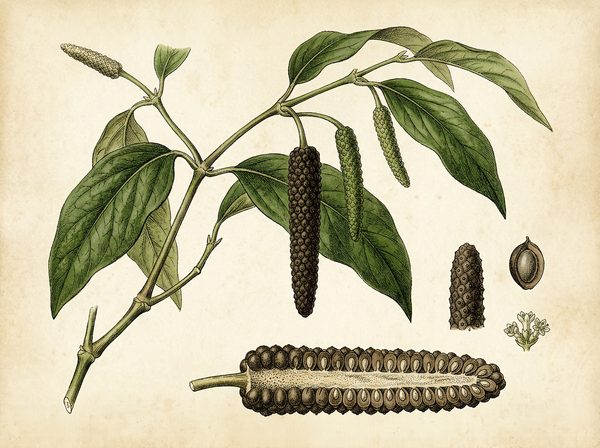 long pepperPiper longum
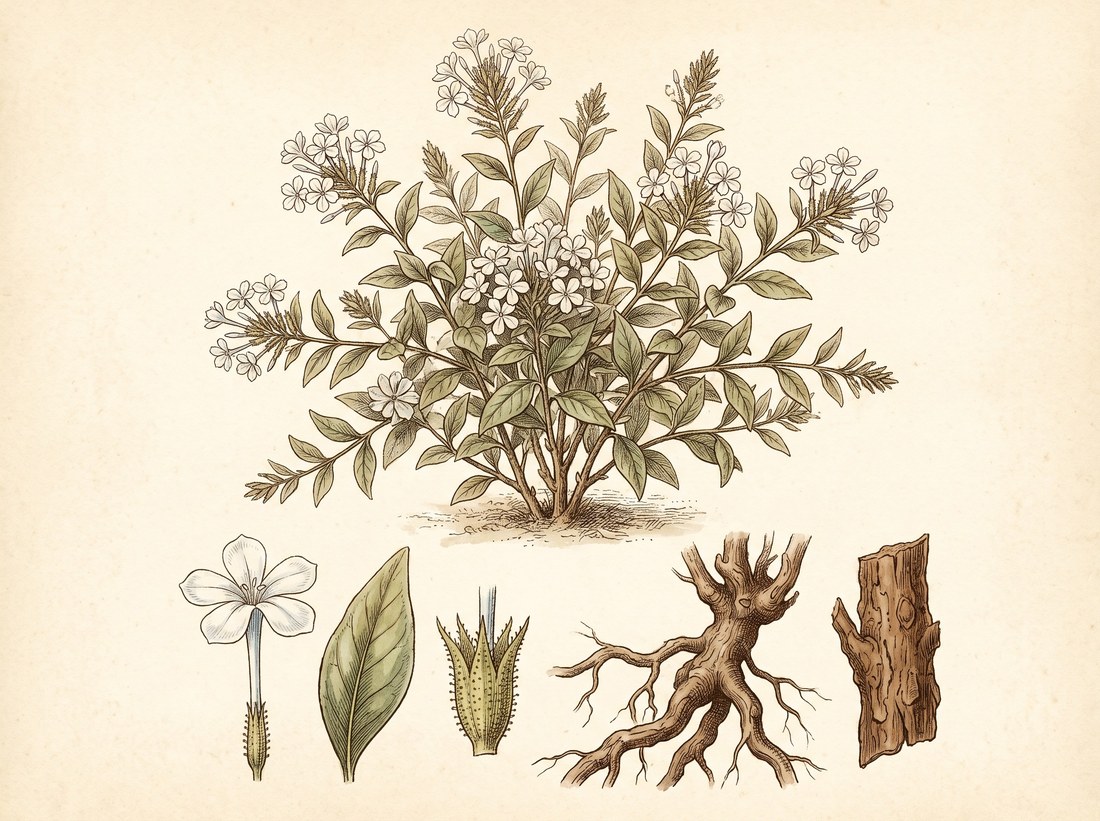 Ceylon leadwortPlumbago zeylanica
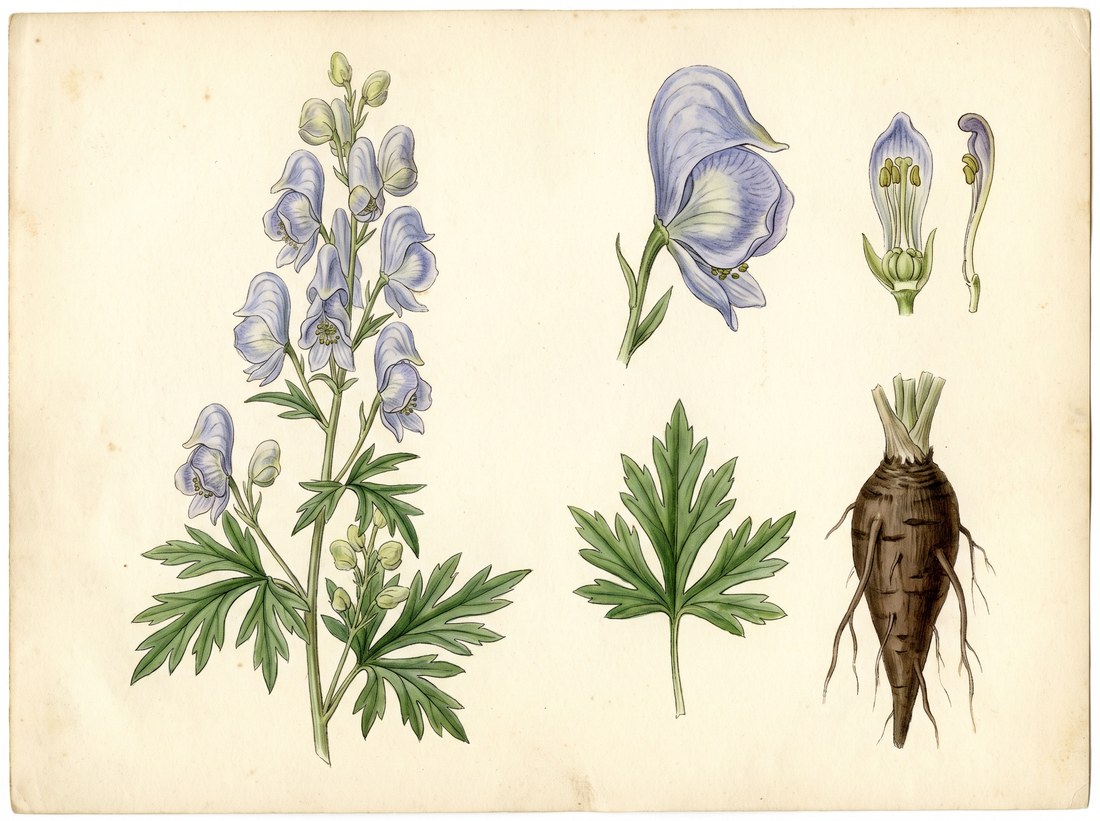 Indian ateesAconitum heterophyllum
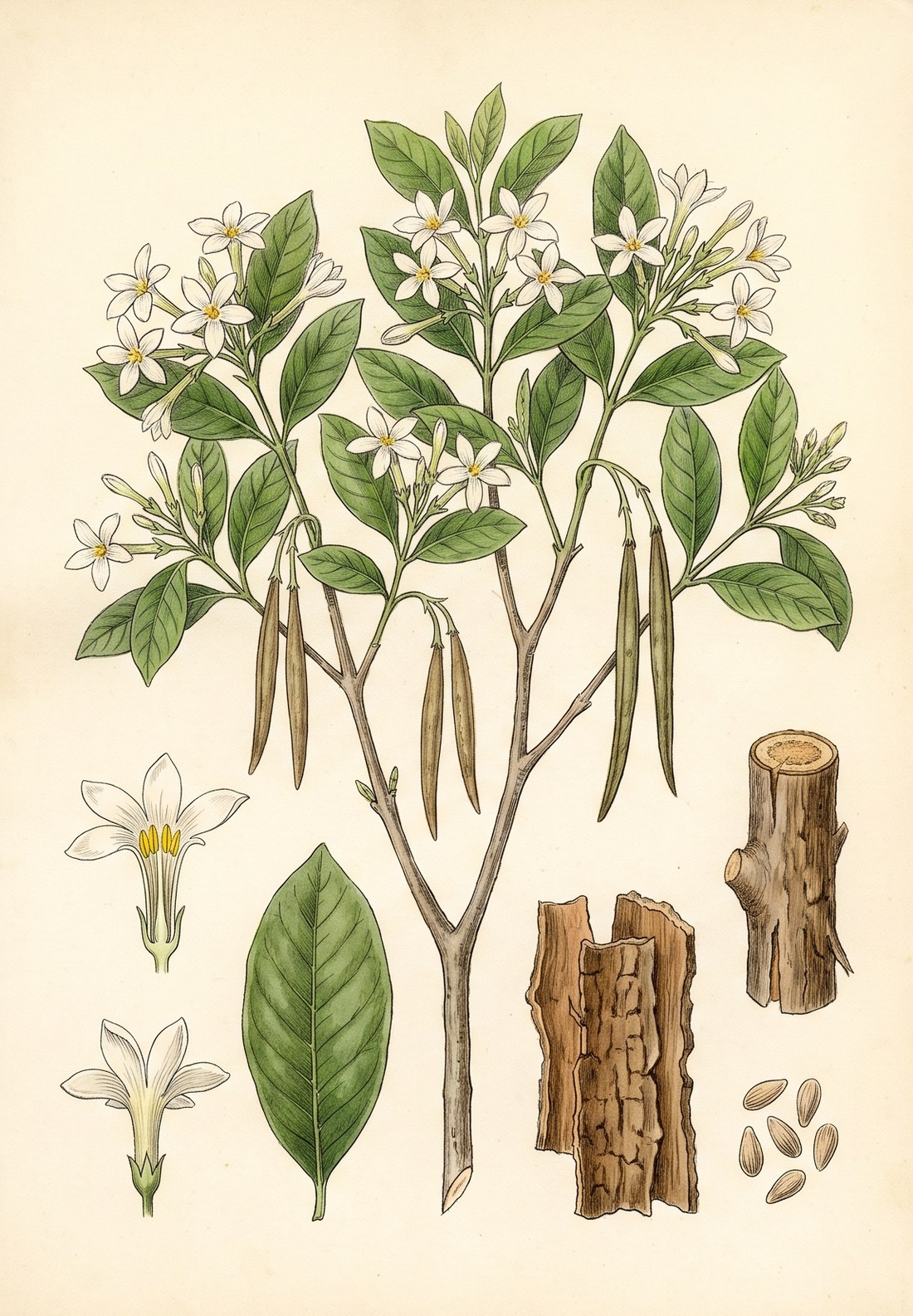 kurchiHolarrhena antidysenterica
Nearby on the shelf
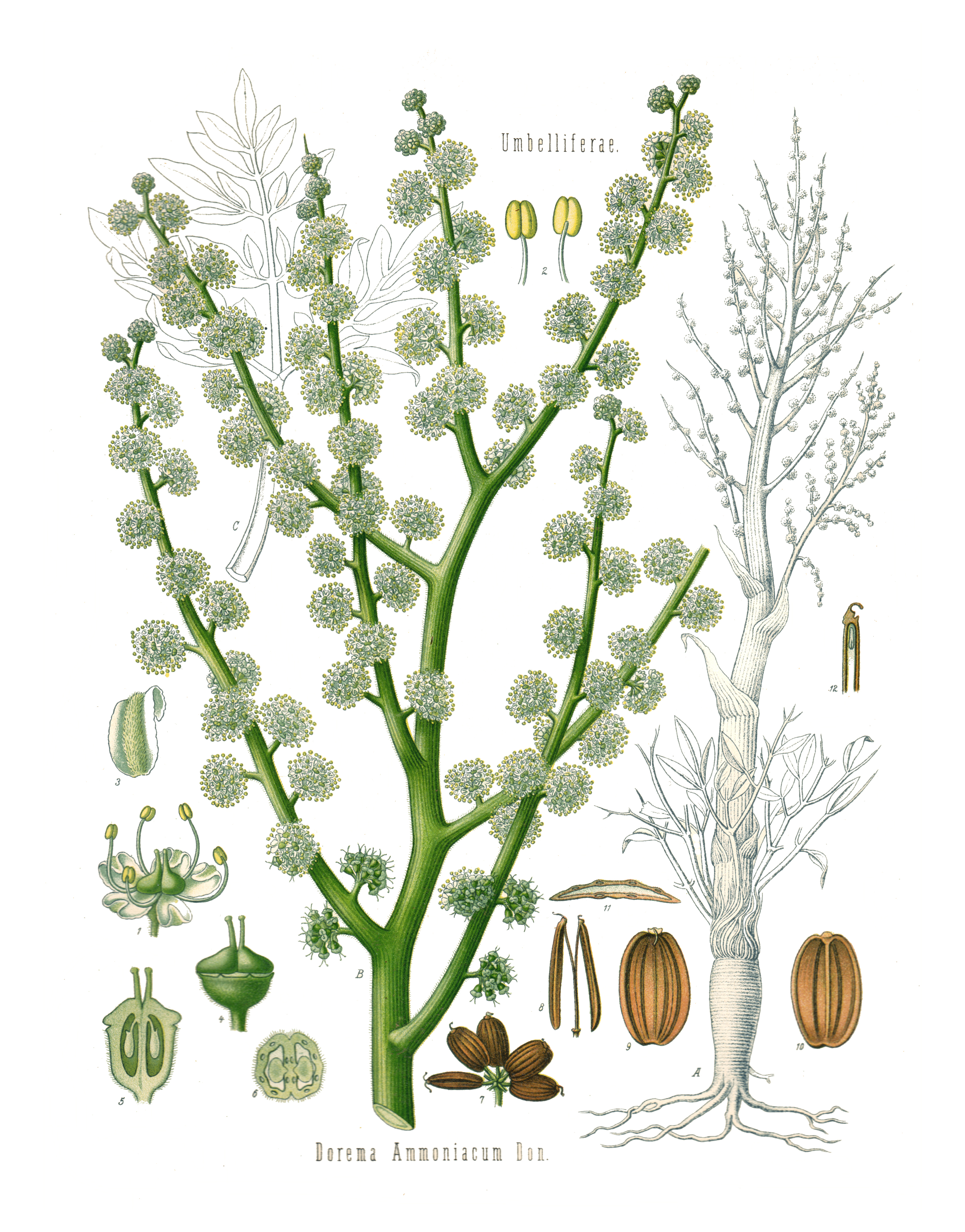 Gum ammoniacumDorema ammoniacum
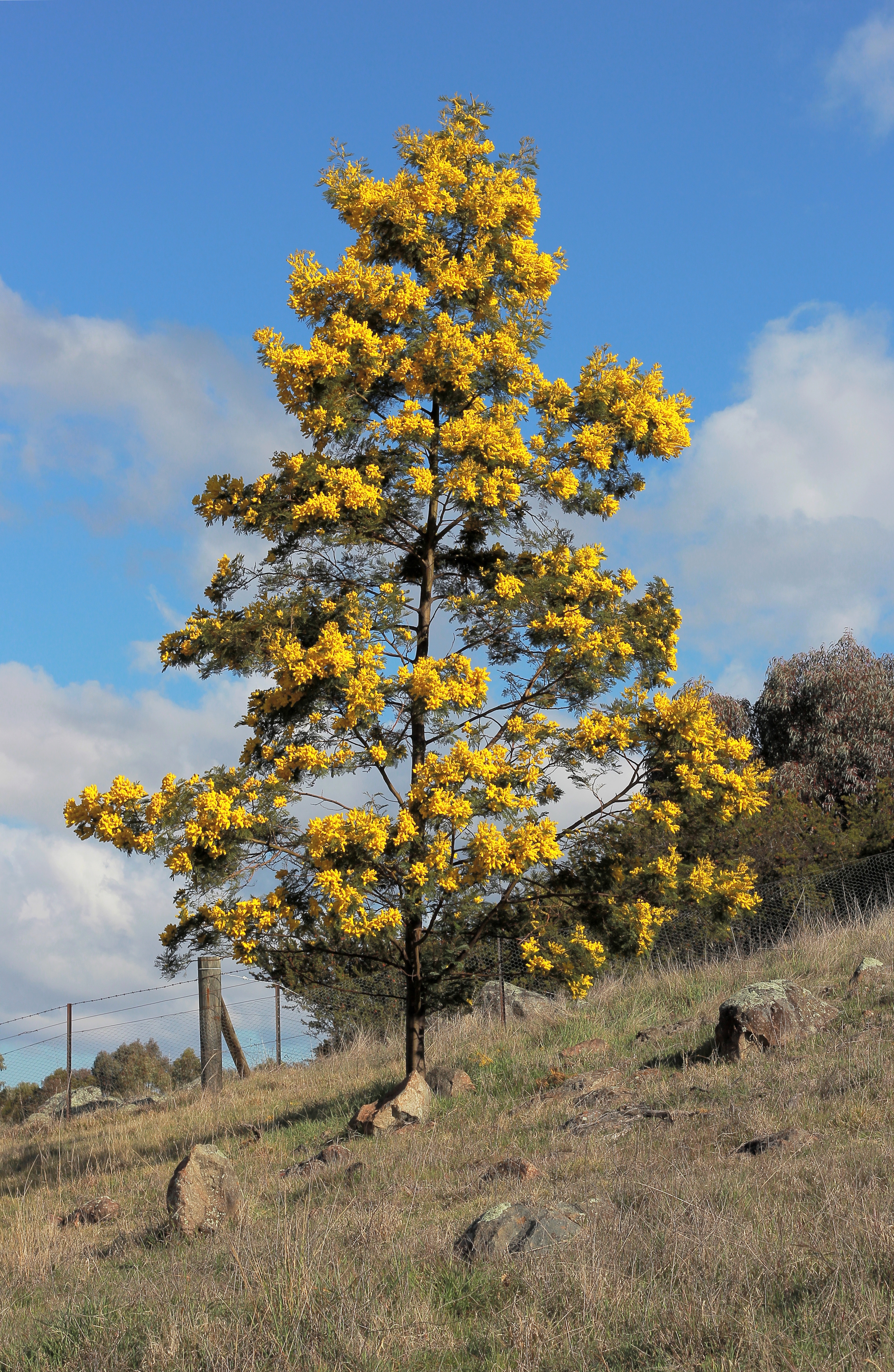 Gum arabicAcacia vera
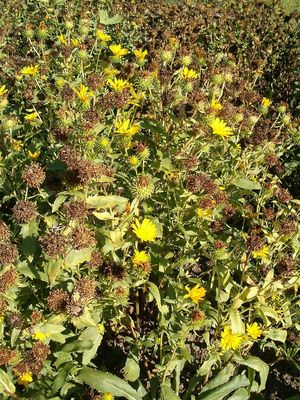 Gum weedGrindelia spp.
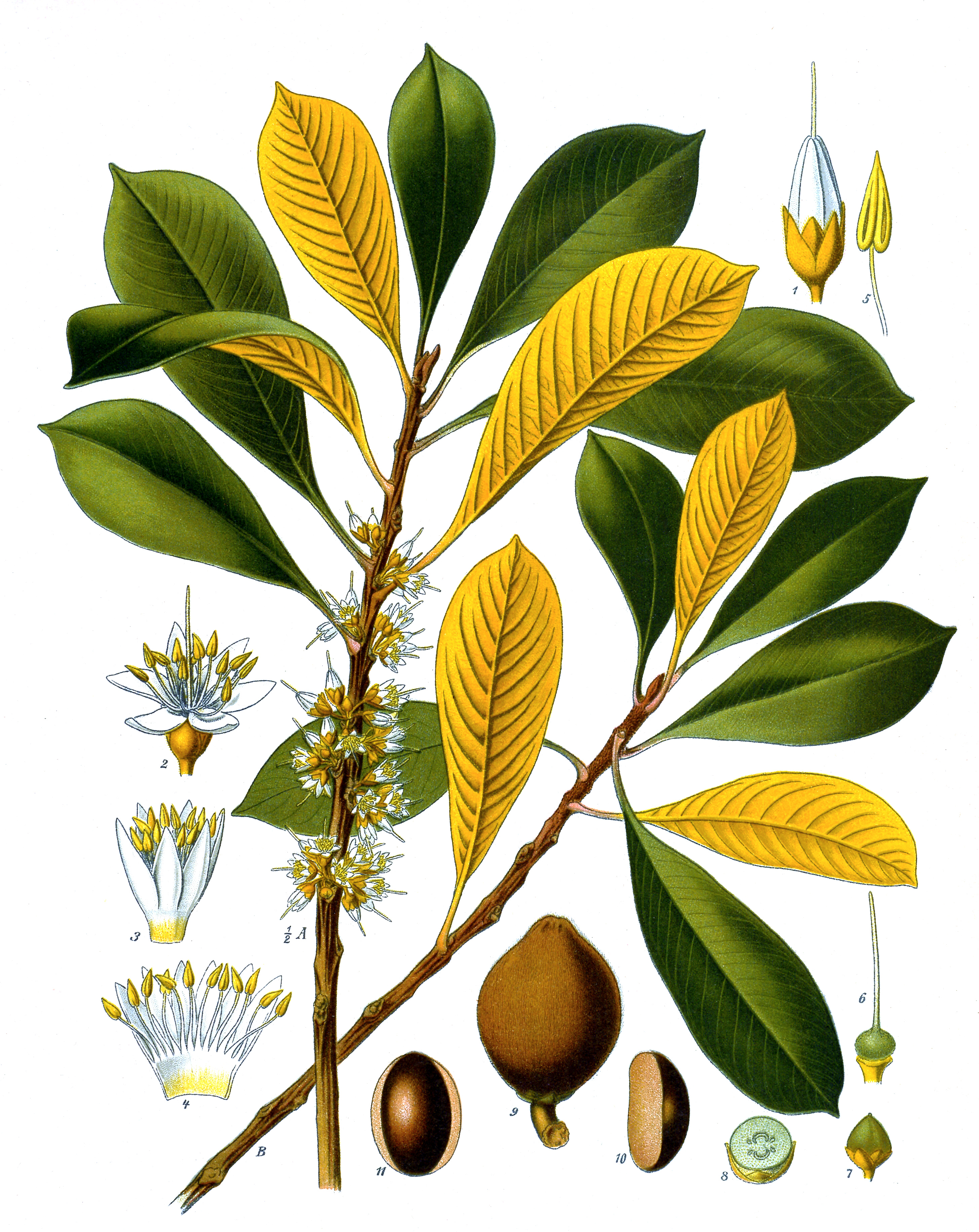 Gutta-PerchaGutta-Percha
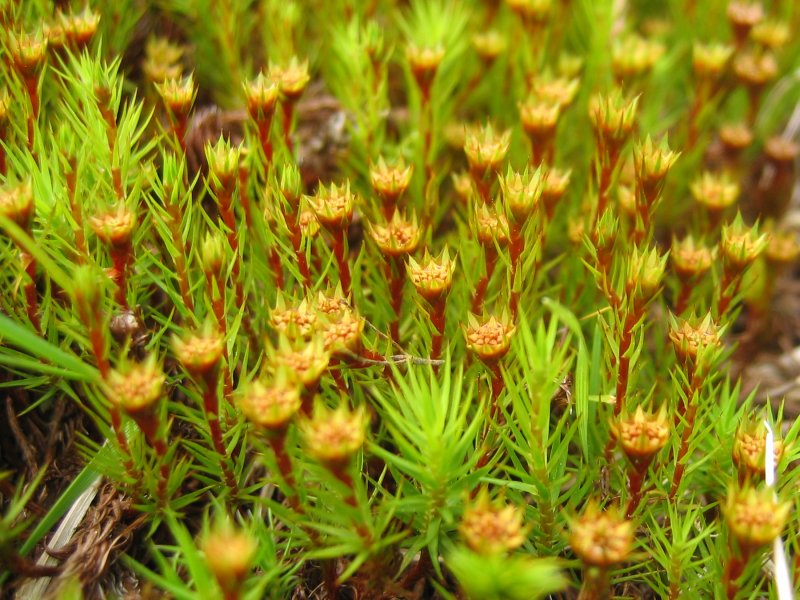 Hair-cap mossPolytrichum juniperum
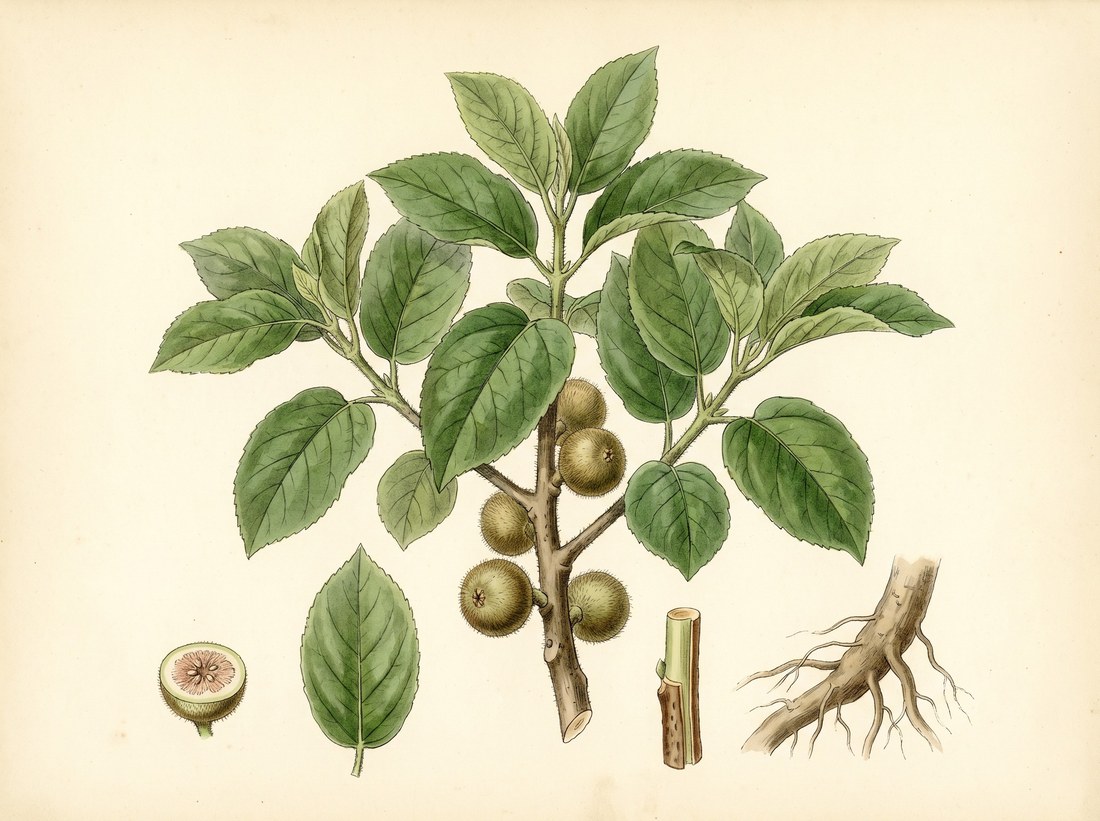 Hairy figFicus hispida
 Hairy Monkey-FlowerMimulus
 Han Fang JiStephania tetrandra
The whole plate is in the library. The compass, Compare, the Sky of eleven hundred plants and the formulary open with an email address and a password, free, with the formula builder and its safety engine. Herbert without limit, his formulating, clients, the handouts and the labels are the paid room.
Open the library, free