Ayurvedic Herbalism
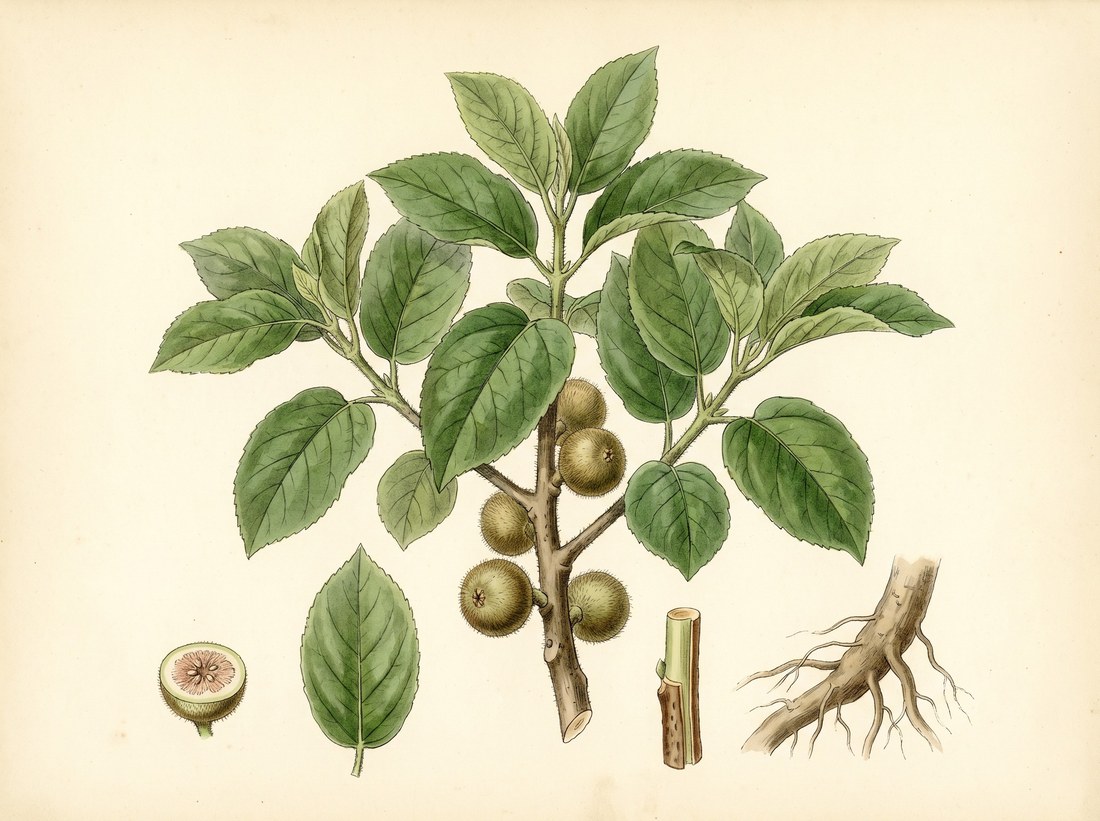
Hairy fig
Ficus hispida
Also known as opposite-leaved fig, devil fig, rough-leaved fig, kakodumbara, Kakodumbara, Kakodumbarika, Phalgu.
Ficus hispida is a small, rough-leaved fig with opposite leaves and hairy figs borne in clusters on the trunk and old branches, common in moist forests, river banks, hedges and village edges across India from the Himalayan foothills to Kerala and Sri Lanka, and east to Southeast Asia and northern Australia. Ayurveda names it Kakodumbara, the crow's fig, and gives it a place beside Bakuchi in the treatment of shvitra and kushtha, and beside the other fig barks in diarrhea, bleeding and wounds. The fruit is an old remedy for anemia and jaundice, and an emetic in quantity.

Ask Herbert about Hairy fig. Herbert is the master herbalist inside Bountiful Herbs: he answers from this plate and eleven hundred others, with dosing, pairing and cautions. Your first ten questions are free.
Ask HerbertActions
Indications what the tradition reached for it in
- Vitiligo and leukoderma (topical and internal, with Bakuchi)
- Chronic skin diseases with discharge and itching
- Anemia with pallor and weakness (traditional)
- Jaundice and sluggish liver (adjunct)
- Diarrhea and dysentery (bark)
- Bleeding hemorrhoids (bark)
- Slow-healing wounds and ulcers (topical)
- Type 2 diabetes with skin complications (adjunct)
- Painful inflammatory swellings (bark, internal and topical)
- Poor lactation (fruit, traditional)
Specific indications
White patches in a kapha-pitta patient with pale skin and a sluggish liver, where Kakodumbara bark is taken inside and its paste applied to the patches as a gentler partner or alternative to Bakuchi
A patient with weeping, itching skin sores, loose stools and bleeding piles, whose tissues need to be astringed and whose blood needs cleaning at the same time
Pallor, weakness and a yellow tinge after a liver illness, treated with the fruit and bark alongside Amalaki and Bhumyamalaki
Safety
Low dose botanical. Used in drop doses in the classical practice; not a plant to dose freely.
Pregnancy: Avoid in pregnancy: no published safety class is known to us, the fruit is emetic in quantity, the plant contains furocoumarins, and the tradition gives no reassurance.
The record lists 8 contraindications; open the plate in the library to read them in full.
In practice
The classical texts pair Kakodumbara with Bakuchi in shvitra, and the two share the same photochemistry: the fig carries furocoumarins including bergapten, so a bark or fruit paste applied to a white patch and followed by measured morning sunlight can encourage repigmentation.
In Ayurveda
Rasa: kashaya (astringent), madhura (sweet), with a tikta (bitter) note in the bark. Virya: sheeta (cooling). Vipaka: katu (pungent). Guna: guru (heavy), ruksha (dry). Dosha: pacifies kapha and pitta; heavy and astringent, so it can aggravate vata in excess. Prabhava: shvitraghna: a specific action on leukoderma, named alongside Bakuchi in the classical shvitra treatments. Karma: shvitraghna (treats leukoderma); kushthaghna (relieves skin disease); raktashodhaka (purifies blood); vranaropana (heals wounds); pandughna (relieves anemia); kamalahara (relieves jaundice); stambhana (astringes, checks discharge); shothahara (reduces swelling); vamaka (the fruit provokes vomiting in quantity); stanyajanana (promotes breast milk, the fruit). Classical indications: shvitra (leukoderma, vitiligo); kushtha (skin disease); pandu (anemia); kamala (jaundice); raktapitta (bleeding disorders); arsha (hemorrhoids); atisara (diarrhea); shotha (swelling); vrana (wounds and ulcers); prameha (urinary disorders); visha (poisoning, as an emetic). The stem bark is used as churna and kwatha for internal use and as a wash; the fruit, fresh or dried, is used in leukoderma, anemia and jaundice and as an emetic in larger amounts; the leaf and latex are applied to wounds and skin lesions, and the bark and fruit are ground into lepa for white patches. Classical formulations: Kakodumbara twak kwatha, Kakodumbara churna, Kakodumbaradi lepa, Kakodumbara phala churna, Shvitrahara lepa (regional, with Bakuchi). Described in: Charaka Samhita, Sushruta Samhita, Ashtanga Hridaya, Bhavaprakasha Nighantu, Dhanvantari Nighantu, Raja Nighantu, Kaiyadeva Nighantu.
Dosing as the sources wrote it
| Preparation | As written | Metric |
|---|---|---|
| Churna (bark) | 3-6 g powdered stem bark twice daily with honey or warm water | 3000-6000 mg |
| Kwatha (bark) | 50-100 mL bark decoction twice daily before food | 50-100 mL |
| Churna (fruit) | 2-5 g powdered dried fruit once daily, low dose only | 2000-5000 mg |
| Swarasa (leaf) | 10-20 mL fresh leaf juice once daily | 10-20 mL |
| Lepa, topical | 5-10 g bark or fruit paste applied to white patches or wounds once daily | 5000-10000 mg |
Doses are reproduced from the sources for practitioners and are not a recommendation for any person.
From the sources
Overview. Ficus hispida is a small, rough-leaved fig with opposite leaves and hairy figs borne in clusters on the trunk and old branches, common in moist forests, river banks, hedges and village edges across India from the Himalayan foothills to Kerala and Sri Lanka, and east to Southeast Asia and northern Australia. Ayurveda names it Kakodumbara, the crow's fig, and gives it a place beside Bakuchi in the treatment of shvitra and kushtha, and beside the other fig barks in diarrhea, bleeding and wounds. The fruit is an old remedy for anemia and jaundice, and an emetic in quantity.
Clinical Notes. The classical texts pair Kakodumbara with Bakuchi in shvitra, and the two share the same photochemistry: the fig carries furocoumarins including bergapten, so a bark or fruit paste applied to a white patch and followed by measured morning sunlight can encourage repigmentation.
Ayurvedic Profile. Rasa: kashaya (astringent), madhura (sweet), with a tikta (bitter) note in the bark. Virya: sheeta (cooling). Vipaka: katu (pungent). Guna: guru (heavy), ruksha (dry). Dosha: pacifies kapha and pitta; heavy and astringent, so it can aggravate vata in excess.
In formulas
Hairy fig stands in 2 documented formulas in the library, among them Mahā Paṅcagavya Ghṛtā, Citrakādi Taila.
Often paired with
 Ceylon leadwortPlumbago zeylanica
 Pareira bravaCissampelos pareira
 prickly chaff flowerAchyranthes aspera
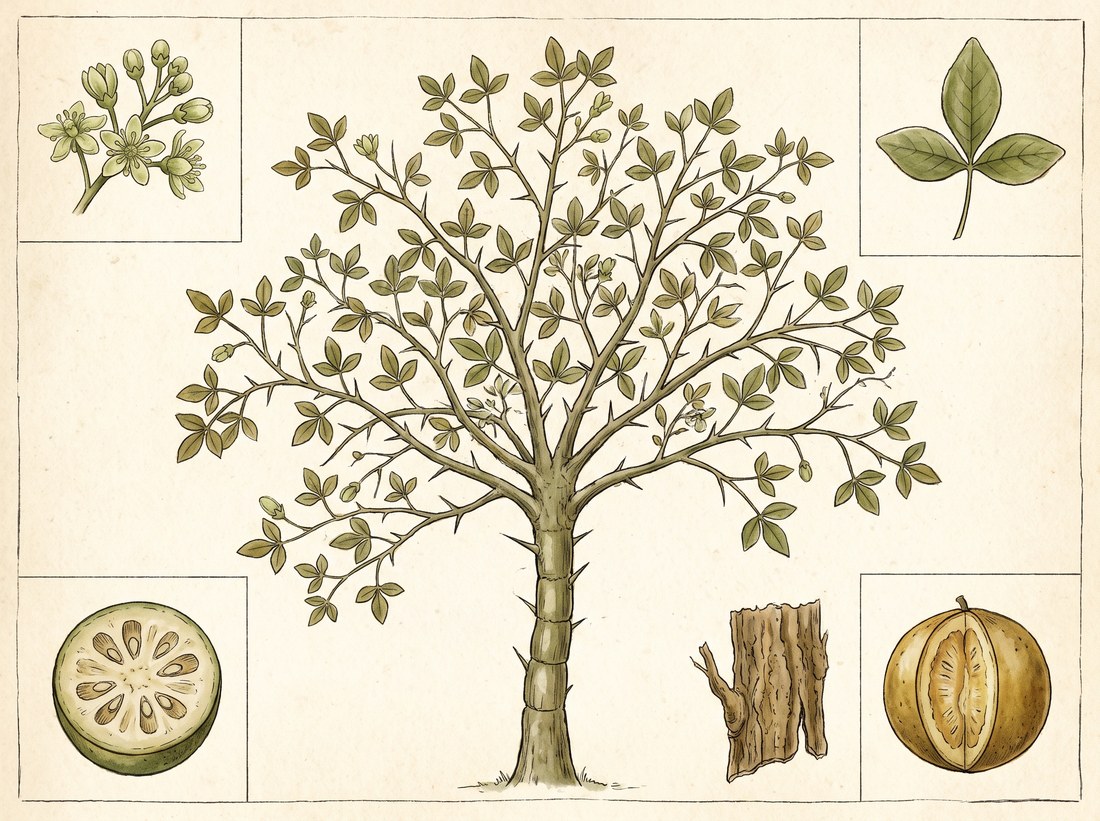 baelAegle marmelos
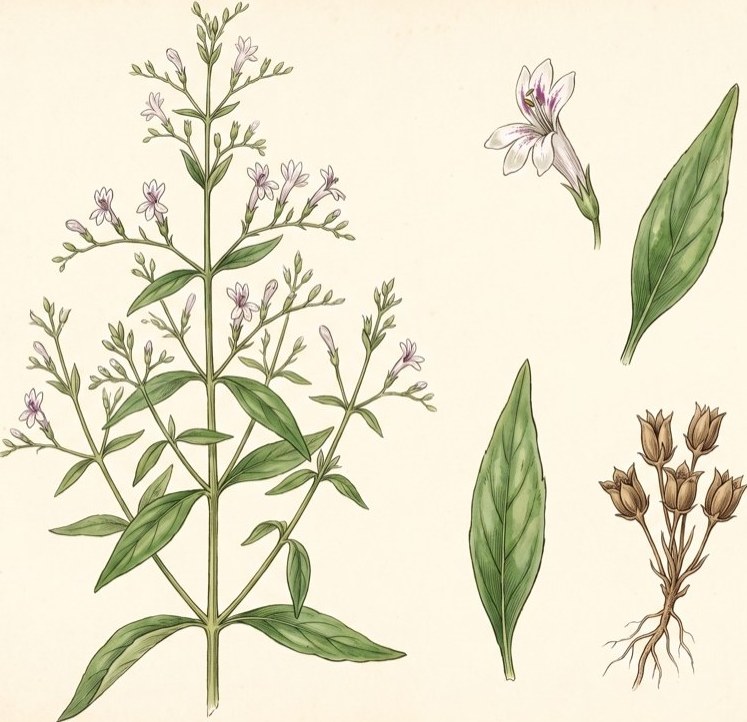 andrographisAndrographis paniculata
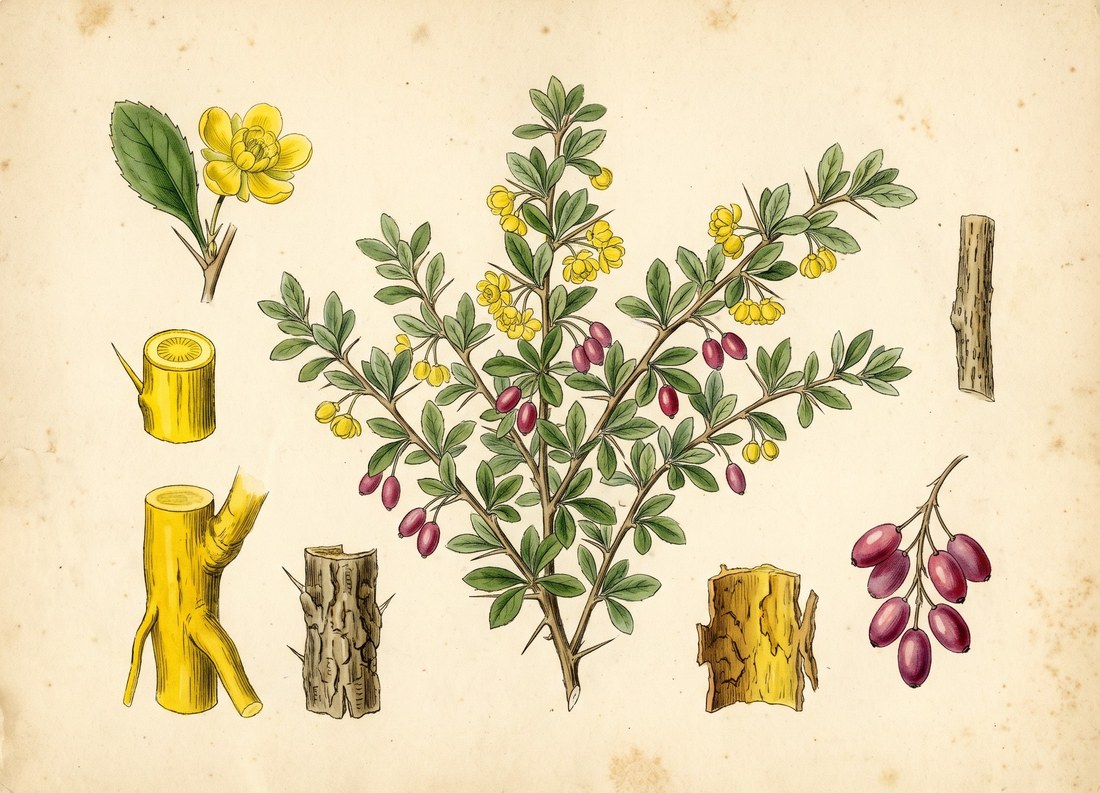 Indian barberryBerberis aristata
Nearby on the shelf
 Gum weedGrindelia spp.
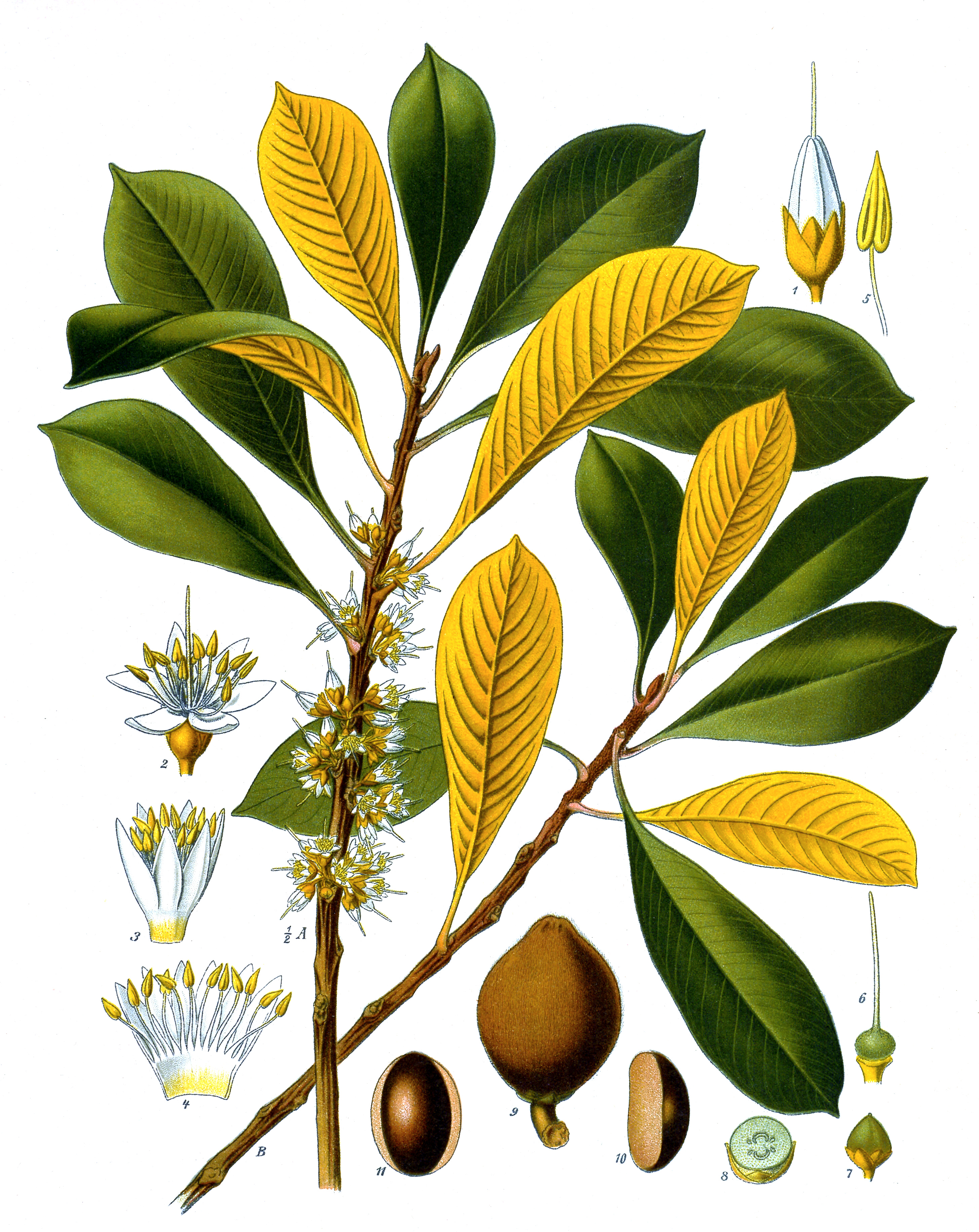 Gutta-PerchaGutta-Percha
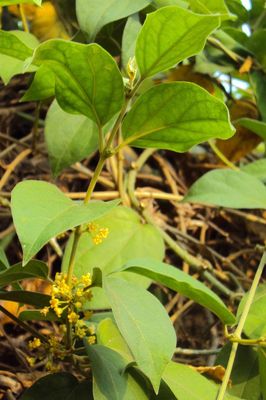 GymnemaGymnema sylvestre
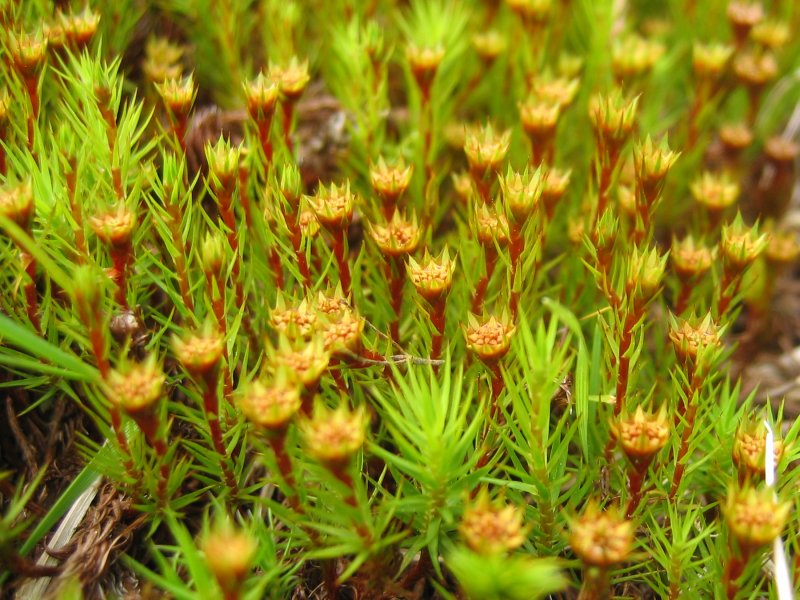 Hair-cap mossPolytrichum juniperum
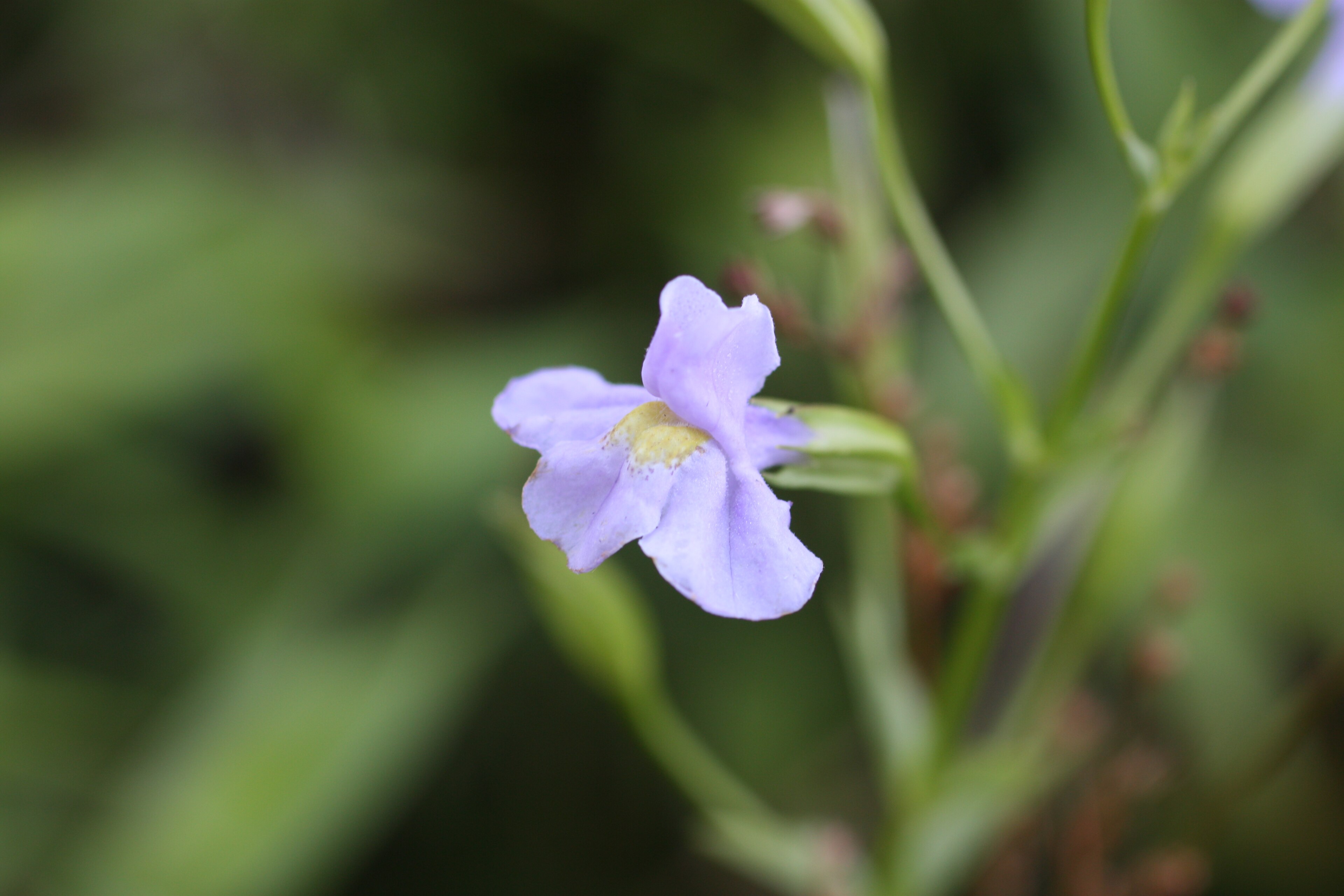 Hairy Monkey-FlowerMimulus
 Han Fang JiStephania tetrandra
 HaplopappusHaplopappus laricifolius
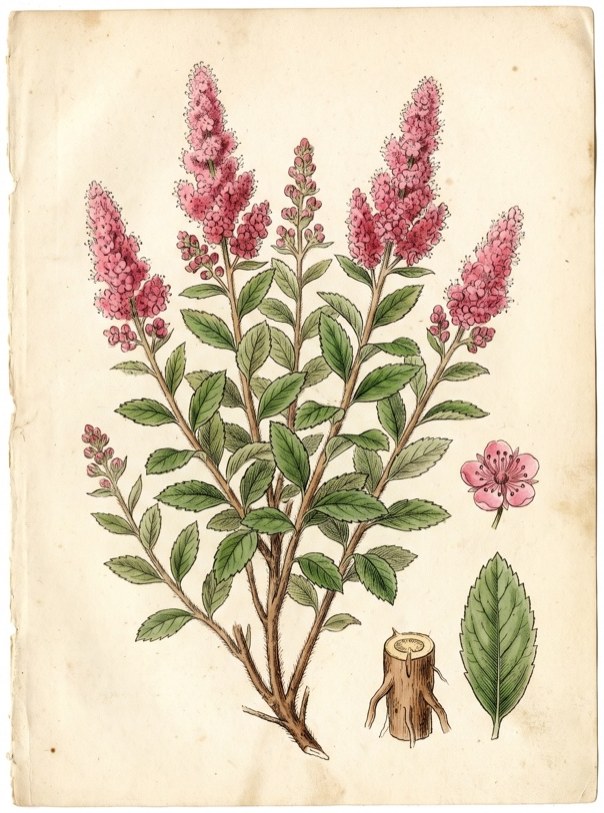 HardhackSpirea tomentosa
The whole plate is in the library. The compass, Compare, the Sky of eleven hundred plants and the formulary open with an email address and a password, free, with the formula builder and its safety engine. Herbert without limit, his formulating, clients, the handouts and the labels are the paid room.
Open the library, free