Chinese and Ayurvedic herbalism
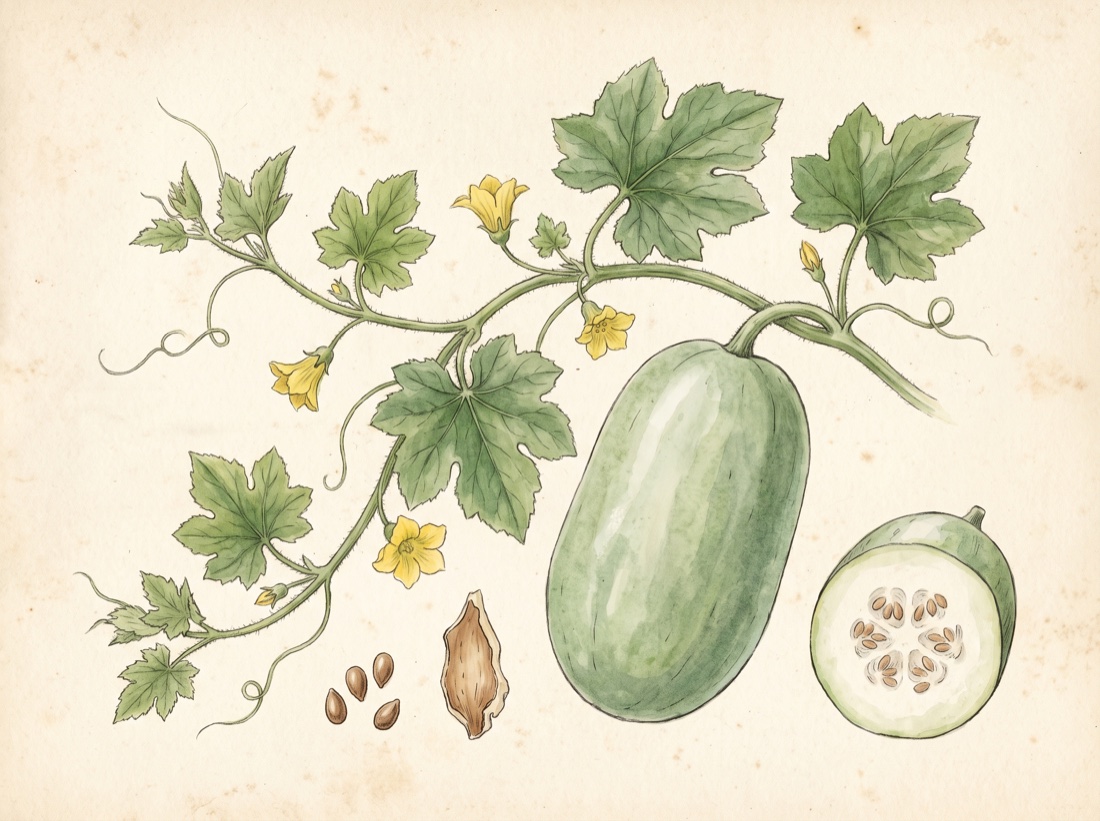
Winter melon
Benincasa hispida
Also known as wax gourd, ash gourd, white gourd, Chinese preserving melon, dong gua zi (seed), dong gua pi (peel), white pumpkin, petha, dōng guā zǐ, dōng guā rén, dōng guā pí.
Benincasa hispida is a large trailing annual vine of the gourd family, grown across South and East Asia for its heavy waxy-skinned fruit that can be stored through the winter. In Chinese medicine the dried seed (dong gua zi) and the dried peel (dong gua pi) are separate drugs: the seed clears Lung heat and expels pus, the peel promotes urination and reduces swelling. In Ayurveda the fruit is kushmanda, a cooling, sweet, sattvic food and medicine used as a rasayana for the nervous system and as a soothing remedy for ulcers, bleeding, and urinary heat.

Ask Herbert about Winter melon. Herbert is the master herbalist inside Bountiful Herbs: he answers from this plate and eleven hundred others, with dosing, pairing and cautions. Your first ten questions are free.
Ask HerbertActions
Indications what the tradition reached for it in
- Lung abscess with foul purulent sputum
- Cough with thick yellow phlegm
- Intestinal abscess and appendicitis (as part of formula)
- Damp-heat leukorrhea
- Painful or scanty urination with heat
- Edema and summerheat with thirst (peel)
- Peptic ulcer and hyperacidity (Ayurvedic fresh juice)
- Dry constipation in the elderly or after fever
- Nervous exhaustion, insomnia, and poor memory (Ayurvedic use)
- Bleeding disorders with pitta heat such as epistaxis (Ayurvedic use)
- Hyperacidity and reflux with burning
- Bleeding gums, epistaxis and hematemesis (juice)
- Peptic ulcer (adjunct, juice and avaleha)
- Anxiety, agitation and insomnia in a hot, wasted patient
- Epilepsy and psychosis (Kushmanda ghrita, adjunct to standard care)
- Convalescence after fever and bleeding illness
- Burning urination and gravel
- Nausea and vomiting of heat
- Wasting in tuberculosis and chronic disease (avaleha)
- Low sperm count with heat (seed and avaleha)
- Intestinal worms (seed)
- Dry cough with blood streaks (avaleha)
Specific indications
Cough with sticky yellow sputum, chest oppression, and a foul smell suggesting pus formation
Burning epigastric pain with acid reflux in a thin, overheated patient who craves cool sweet foods
Edema with thirst, sweating, and scanty urine during hot weather
Safety
Pregnancy: Use with care in pregnancy
The record lists 4 contraindications; open the plate in the library to read them in full.
In practice
Reach for the seed when a cough turns purulent: thick yellow or green sputum with a fetid odor, chest pain, and heat signs. It is a standard member of Wei Jing Tang, the reed decoction for lung abscess, alongside reed rhizome, peach kernel, and coix seed.
In Ayurveda
Rasa: madhura. Virya: shita. Vipaka: madhura. Dosha: pacifies pitta and vata; increases kapha in excess.
In Chinese medicine
Temperature: cool (seed), slightly cold (peel). Taste: sweet. Channels: Lung, Stomach, Large Intestine (seed); Lung, Spleen, Small Intestine (peel). Actions: Clears heat from the Lung and transforms phlegm-heat; Expels pus and dissipates abscess, internal and intestinal; Promotes urination and drains dampness; Moistens the intestines and eases dry constipation; Peel: promotes urination and reduces edema and summerheat damp.
Dosing as the sources wrote it
| Preparation | As written | Metric |
|---|---|---|
| Seed decoction | 10-15 g dried seed daily in decoction | 10000-15000 mg |
| Peel decoction | 9-30 g dried peel daily in decoction | 9000-30000 mg |
| Fresh juice (Ayurvedic) | 30-60 mL fresh fruit juice once daily in the morning | 30-60 mL |
| Seed powder | 3-6 g powdered seed twice daily | 3000-6000 mg |
| Swarasa (fruit juice) | 20-40 mL fresh ripe fruit juice once or twice daily on an empty stomach | 20-40 mL |
| Avaleha (Kushmanda avaleha) | 10-20 g twice daily with warm milk | 10000-20000 mg |
Doses are reproduced from the sources for practitioners and are not a recommendation for any person.
From the sources
Overview. Benincasa hispida is a large trailing annual vine of the gourd family, grown across South and East Asia for its heavy waxy-skinned fruit that can be stored through the winter. In Chinese medicine the dried seed (dong gua zi) and the dried peel (dong gua pi) are separate drugs: the seed clears Lung heat and expels pus, the peel promotes urination and reduces swelling. In Ayurveda the fruit is kushmanda, a cooling, sweet, sattvic food and medicine used as a rasayana for the nervous system and as a soothing remedy for ulcers, bleeding, and urinary heat.
Overview. Benincasa hispida is the ash gourd or winter melon, a trailing annual vine of the cucumber family with large hairy leaves and a big oblong fruit whose skin is coated with a white waxy bloom when ripe. Native to South and Southeast Asia, it is grown across India in the warm months, above all in Uttar Pradesh, Bihar, Bengal and the south. Ayurveda calls it Kushmanda and ranks the ripe fruit among the sweet, cooling, nourishing rasayanas, prized for bleeding disorders, hyperacidity, wasting, and, in ghee, for epilepsy and insanity. The fruit, its juice and its seeds are used.
Clinical Notes. Reach for the seed when a cough turns purulent: thick yellow or green sputum with a fetid odor, chest pain, and heat signs. It is a standard member of Wei Jing Tang, the reed decoction for lung abscess, alongside reed rhizome, peach kernel, and coix seed.
Clinical Notes. Kushmanda is the Ayurvedic remedy for a hot, depleted system: pitta with vata behind it, bleeding, burning, wasting, thirst and an unquiet mind. The fresh juice of the ripe fruit, 20 to 40 mL with a pinch of rock candy or honey on an empty stomach, is the standard prescription for raktapitta and amlapitta, and it is the coolest and gentlest antacid in the materia medica.
In formulas
Winter melon stands in 21 documented formulas in the library, among them jià jiǎn zhú yè shí gão tāng, wet jing tang, dà huáng mũ dàn tāng, wũ yè lú gẽn tāng, Kuṭajāvaleha, Vastyāmayāntaka Ghṛta.
Often paired with
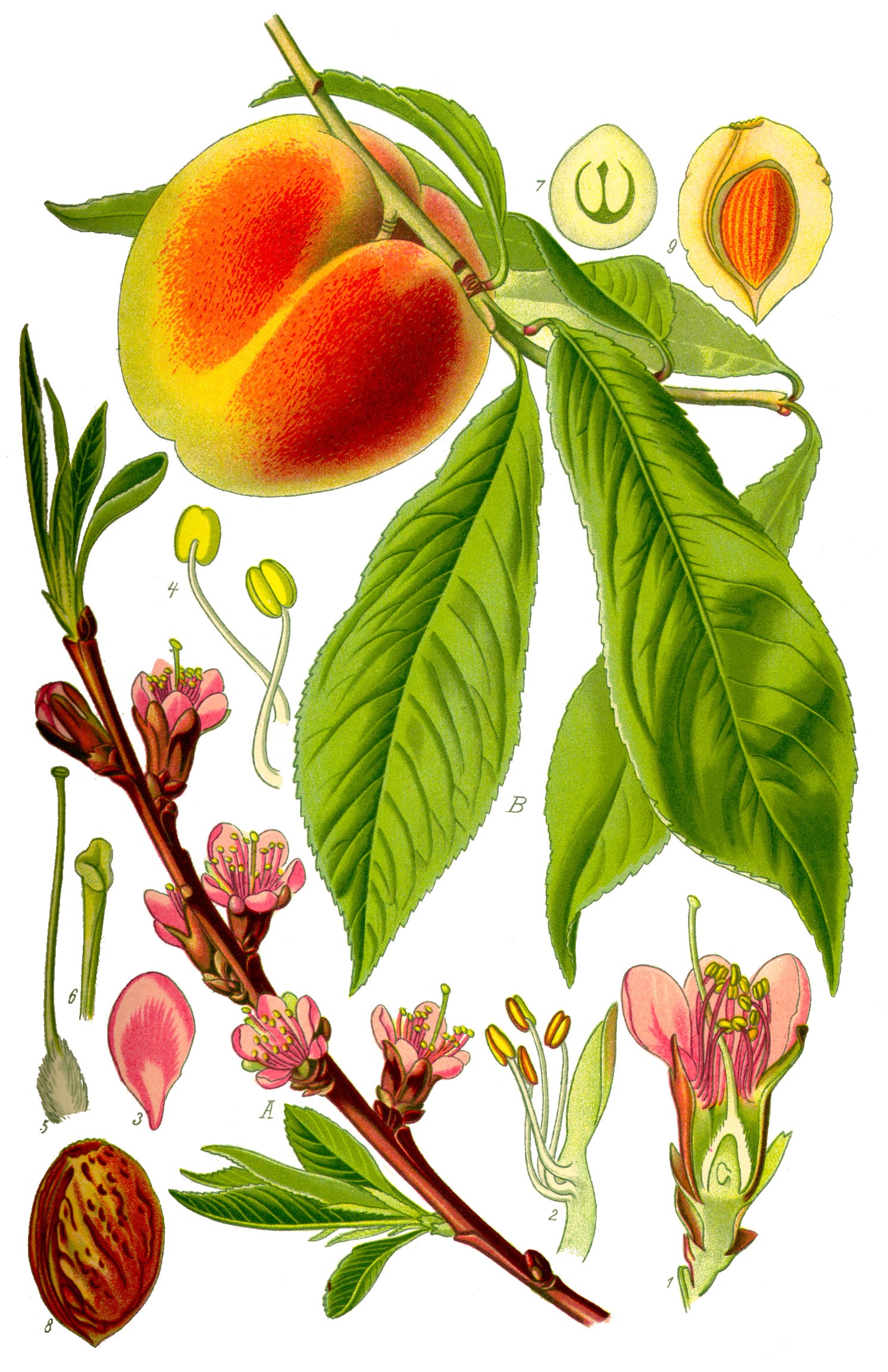 PeachPrunus persica
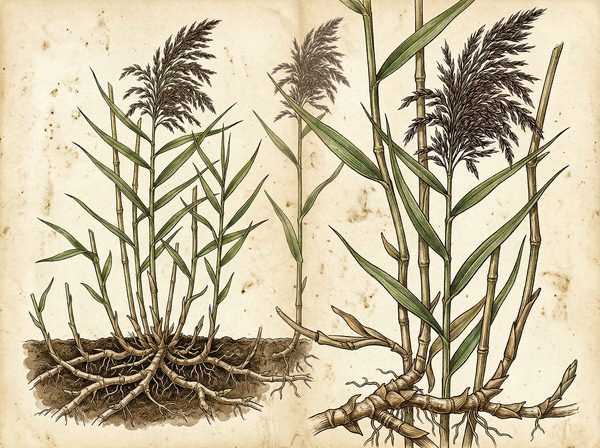 Reed RootPhragmites australis
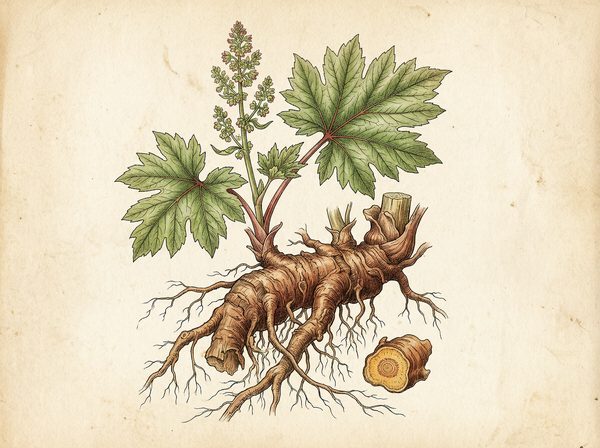 Chinese RhubarbRheum palmatum
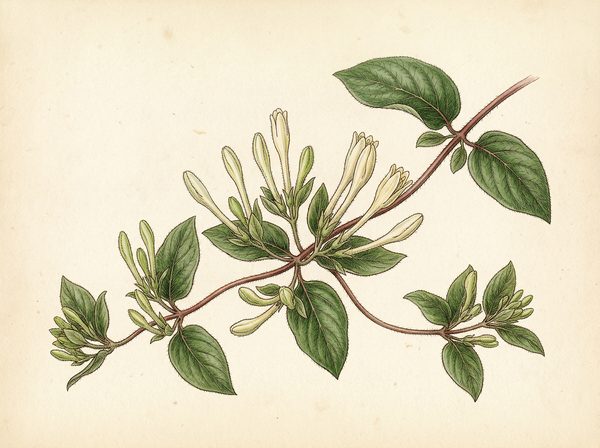 HoneysuckleLonicera japonica
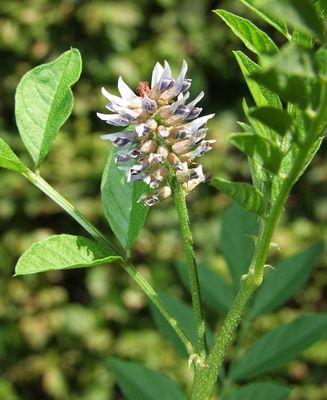 Licorice rootGlycyrrhiza glabra
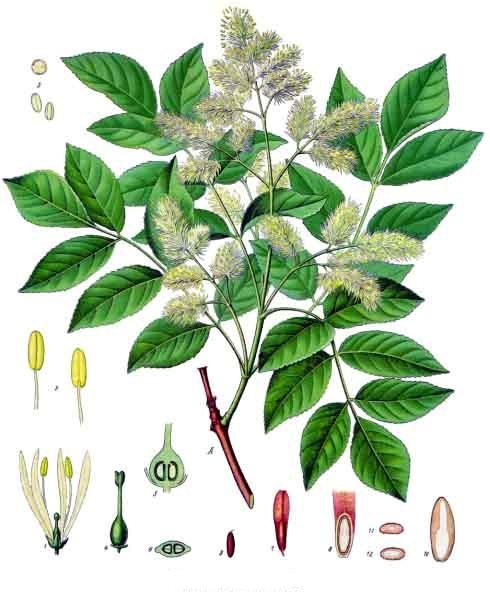 Manna ashFraxinus ornus
Nearby on the shelf
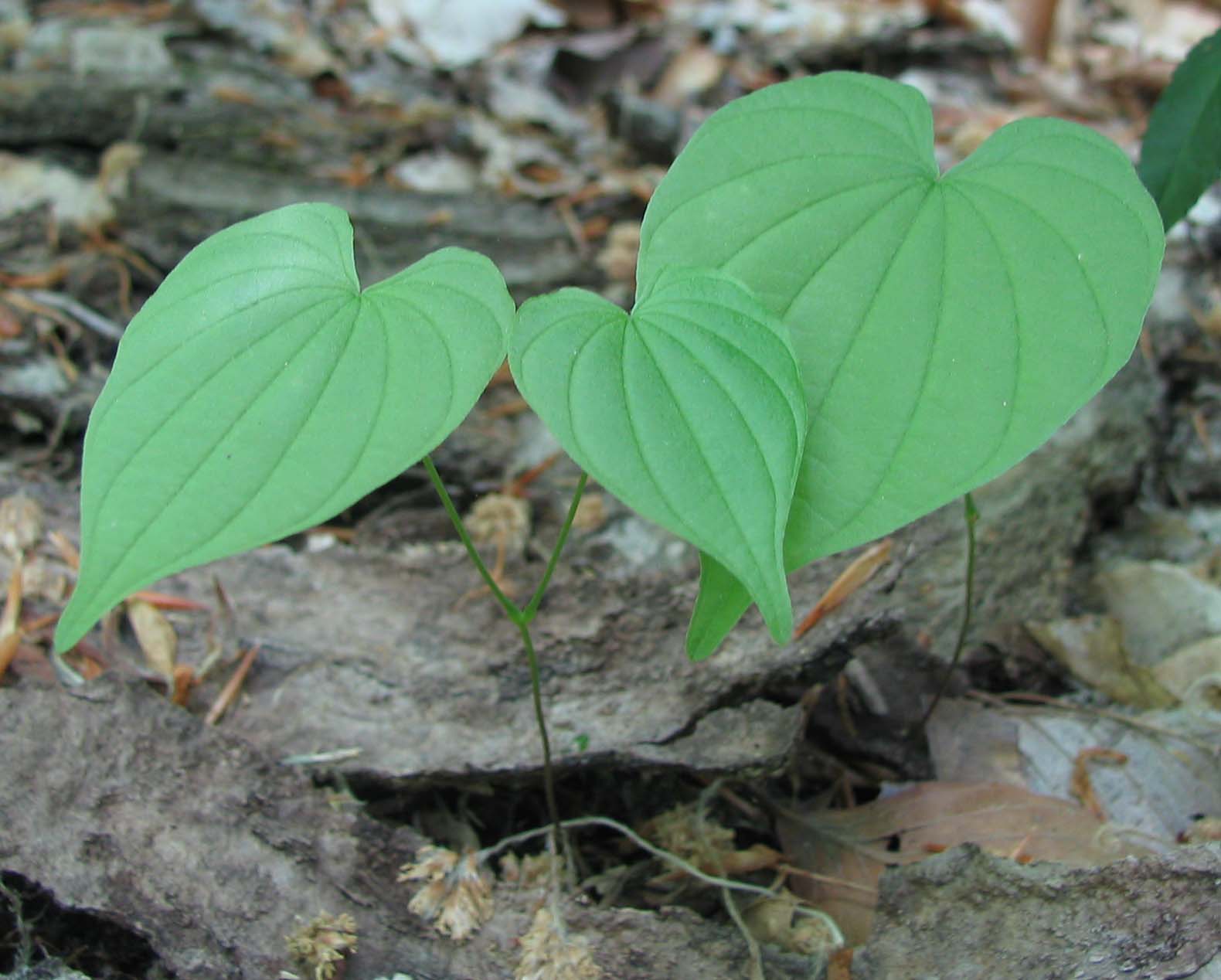 Wild yamDiscorea composita
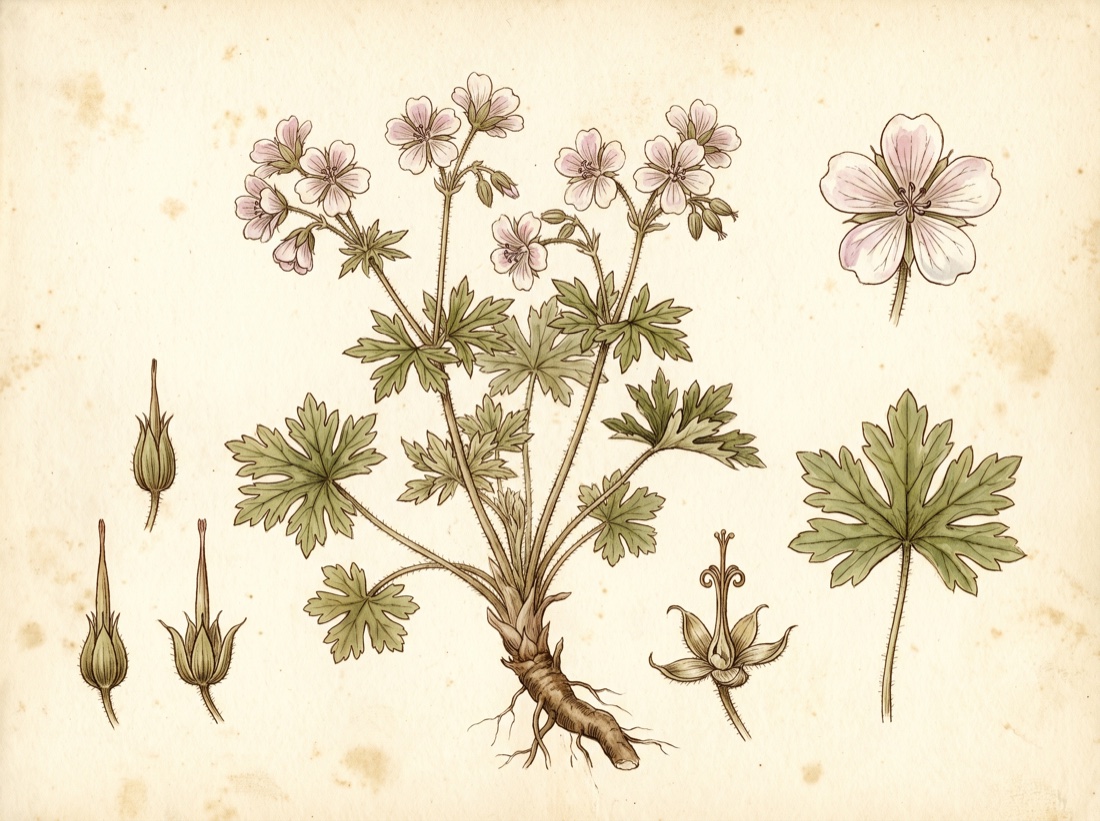 Wilford's cranesbillGeranium wilfordii
 WillowSalix spp.
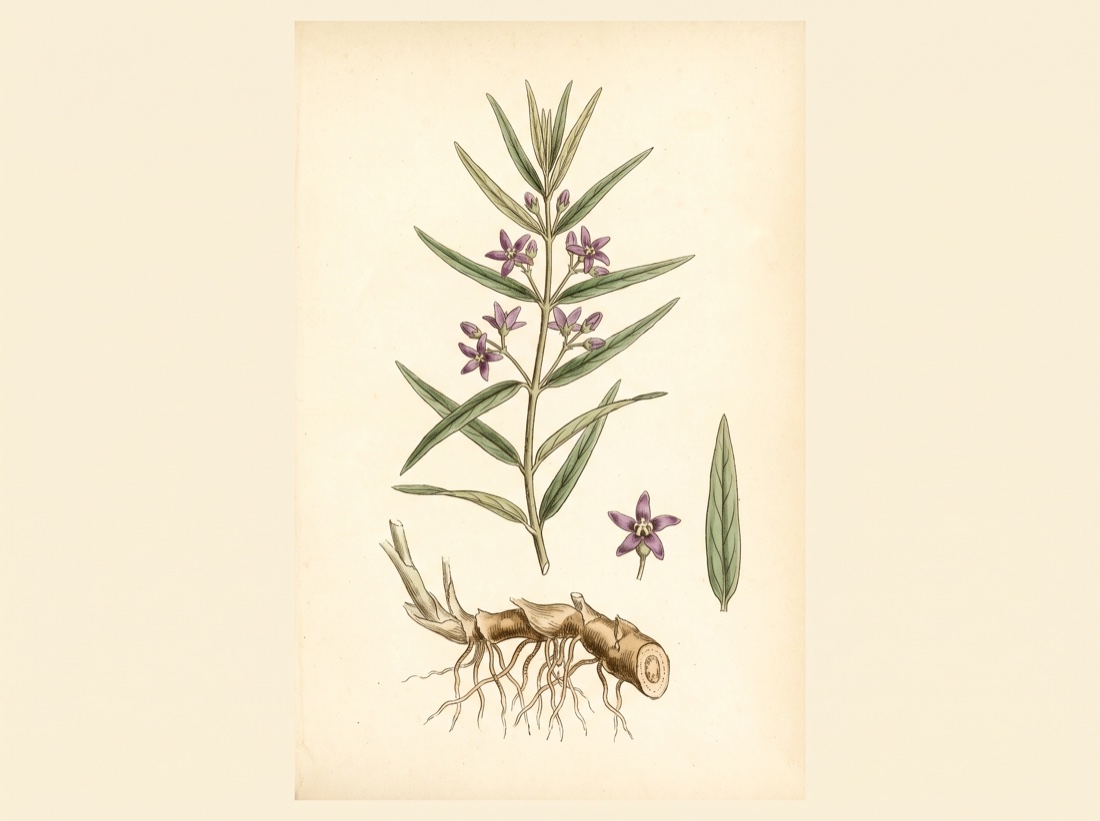 Willowleaf swallowwortVincetoxicum stauntonii
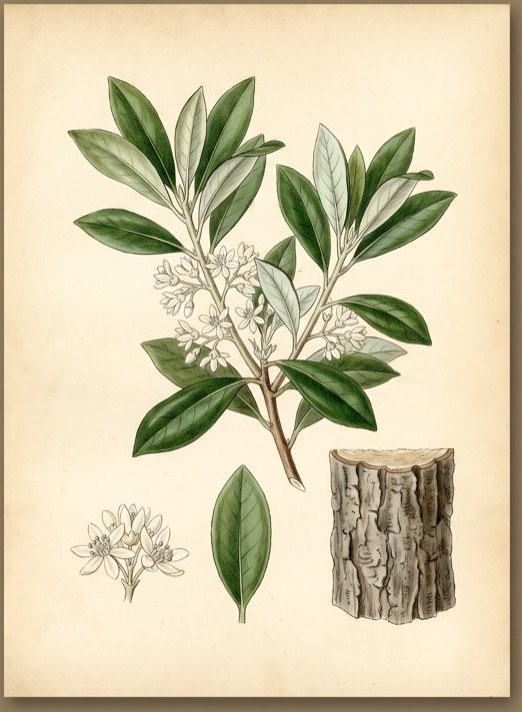 Winter's barkWintera
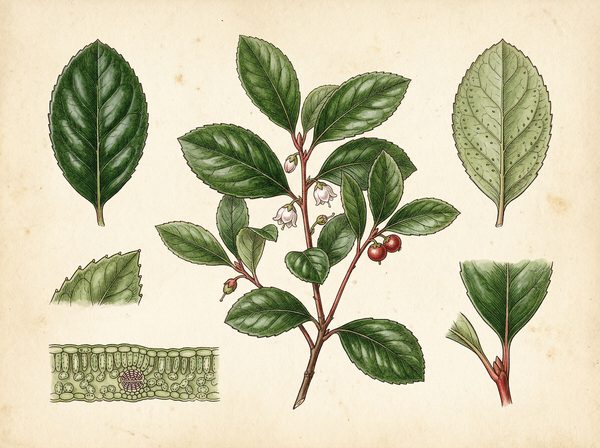 WintergreenGaultheria procumbens
 Witch hazelHamamelis virginiana
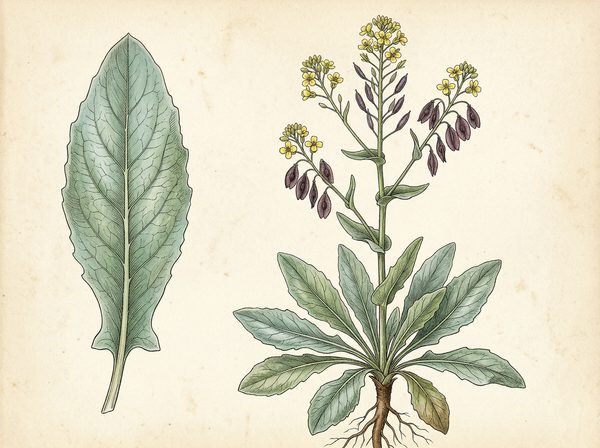 WoadIsatis tinctoria
The whole plate is in the library. The compass, Compare, the Sky of eleven hundred plants and the formulary open with an email address and a password, free, with the formula builder and its safety engine. Herbert without limit, his formulating, clients, the handouts and the labels are the paid room.
Open the library, free