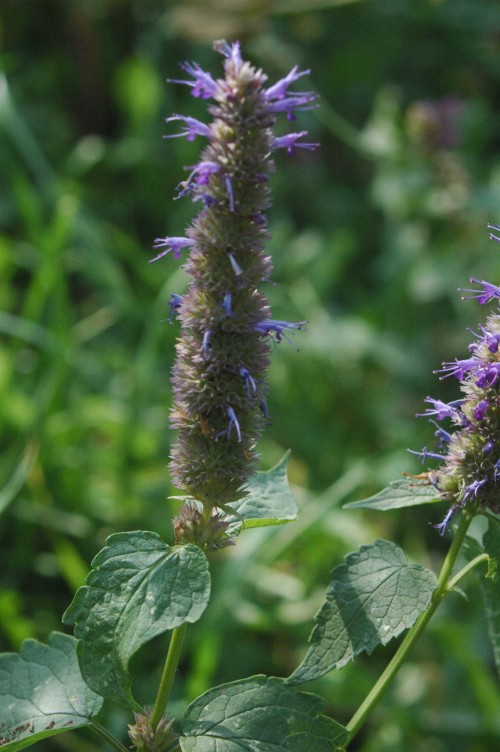
Chinese Herbalism
Korean Mint
Agastache rugosa
Also known as Huo Xiang, tǔ può xiāng.
Classified in TCM as aromatic herb that transforms dampness Enters spleen, stomach, lung channels Historical use from Eastern Han dynasty Previously in Chinese Pharmacopoeia Total extract procoagulant, key flavonoids anticoagulant Verify species vs Pogostemon cablin

Ask Herbert about Korean Mint. Herbert is the master herbalist inside Bountiful Herbs: he answers from this plate and eleven hundred others, with dosing, pairing and cautions. Your first ten questions are free.
Ask HerbertActions
Indications what the tradition reached for it in
- Cholera
- Diarrhea
- Head heaviness
- Nausea
- Traveler's diarrhea
- Chills
- Epigastric oppression
- Loss of appetite
- Anxiety
- Summerheat-damp
- Fever
- GI complaints
- Arthritis
- Chest oppression
- Vomiting
- Abdominal distension
- Fatigue
- Infection
- Bloating
- Colic
- Digestive discomfort
- Edema
- Flatulence
- Fluid retention
- Gas
- Inflammation
- Urinary disorders
- Digestive complaints
- Oxidative stress
Safety
The record lists 2 contraindications; open the plate in the library to read them in full.
Dosing as the sources wrote it
| Preparation | As written | Metric |
|---|---|---|
| Decoction/granules: 3-9g/day (up to 12g short-term, add late) | 3000-9000 mg | |
| Tincture | Tincture (1:5 in 45-60% ethanol): 2-4mL up to 3x daily | 2-4 mL |
Doses are reproduced from the sources for practitioners and are not a recommendation for any person.
From the sources
Clinical Notes. Classified in TCM as aromatic herb that transforms dampness Enters spleen, stomach, lung channels Historical use from Eastern Han dynasty Previously in Chinese Pharmacopoeia Total extract procoagulant, key flavonoids anticoagulant Verify species vs Pogostemon cablin
primary-actions. Korean Mint acts primarily as: Aromatic, Diuretic, Antiemetic, Carminative, Antimicrobial, Gastroprotective. Secondary actions include Anti-inflammatory, Antioxidant, Cardioprotective.
indications. Korean Mint is traditionally indicated for: Cholera, Diarrhea, Head heaviness, Nausea, Traveler's diarrhea, Chills, Epigastric oppression, Loss of appetite, Anxiety, Summerheat-damp, Fever, GI complaints, Arthritis, Chest oppression, Vomiting, and 14 further conditions.
constituents. Notable constituents of Korean Mint include: Essential oils (estragole, methyleugenol, eugenol, menthone, limonene, pulegone), Flavonoids (acacetin, tilianin, apigenin), Phenolic acids (rosmarinic acid, protocatechuic acid), Ursolic acid (and others).
In formulas
Korean Mint stands in 31 documented formulas in the library, among them jia jiǎn dá yuán yin, Léi shì xuân tou mó yuán fà, xiè huáng sǎn, wũ yè lú gẽn tāng, gui líng gǎn lù yìn, bão tãi zi shẽng wán.
Often paired with
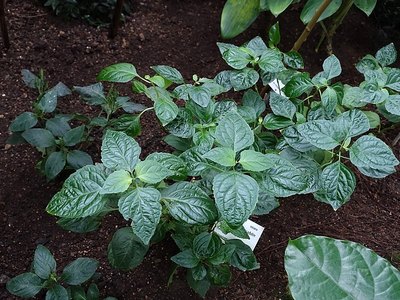 PatchouliPogostemon cablin
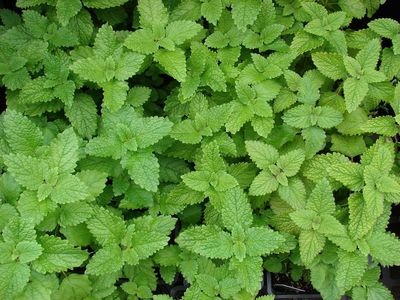 Lemon BalmMelissa officinalis
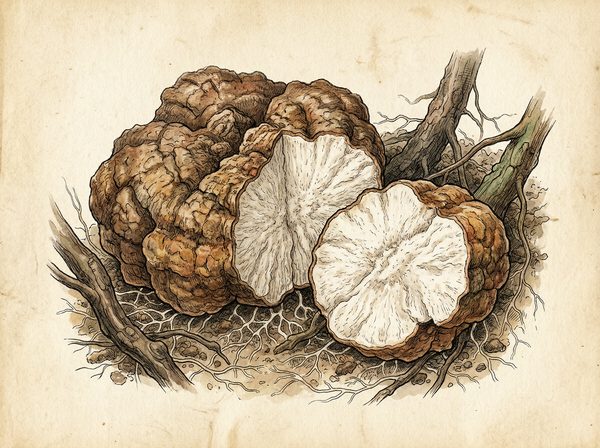 PoriaWolfiporia extensa
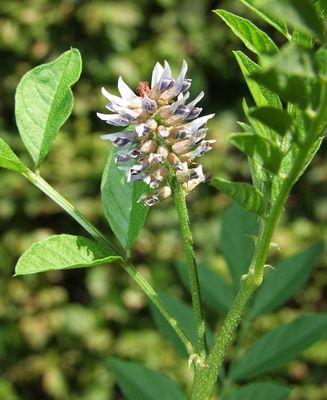 Licorice rootGlycyrrhiza glabra
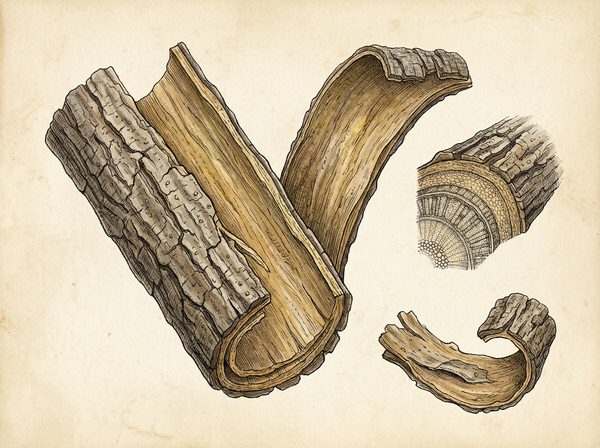 Magnolia BarkMagnolia officinalis
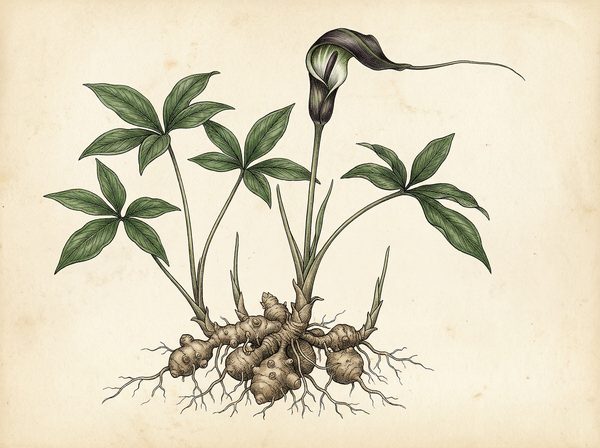 PinelliaPinellia ternata
Nearby on the shelf
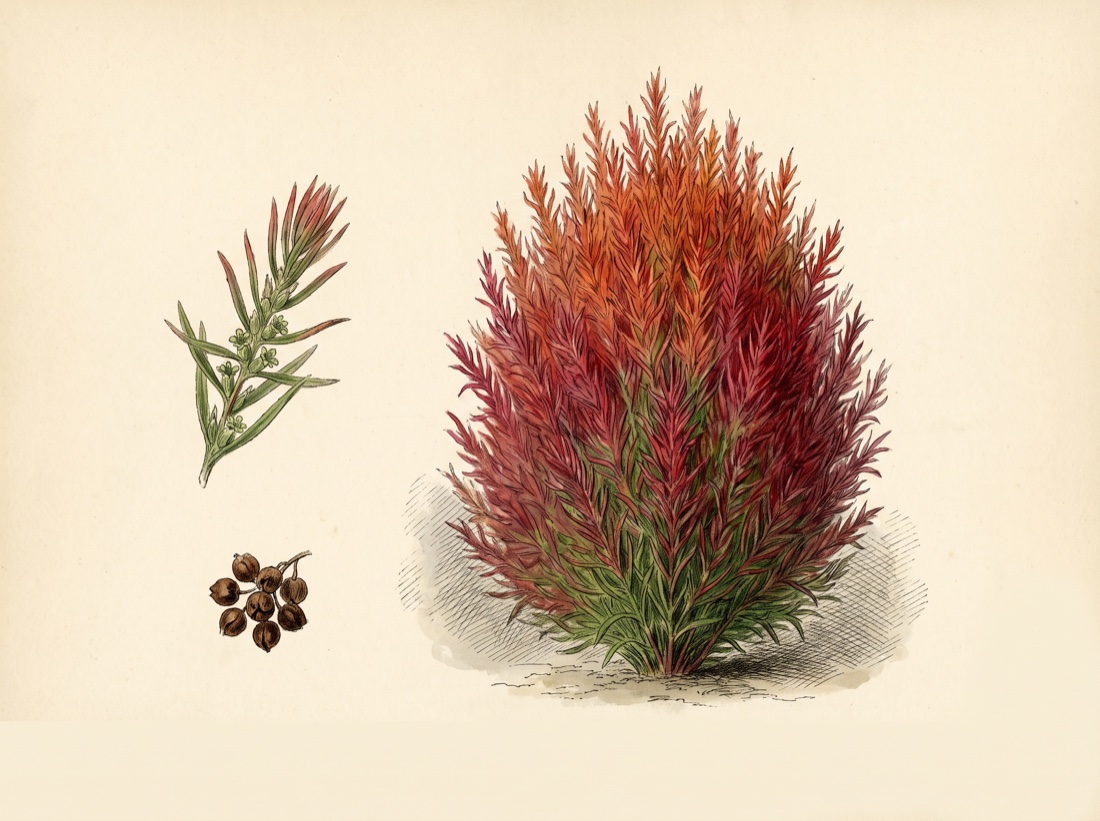 KochiaBassia scoparia
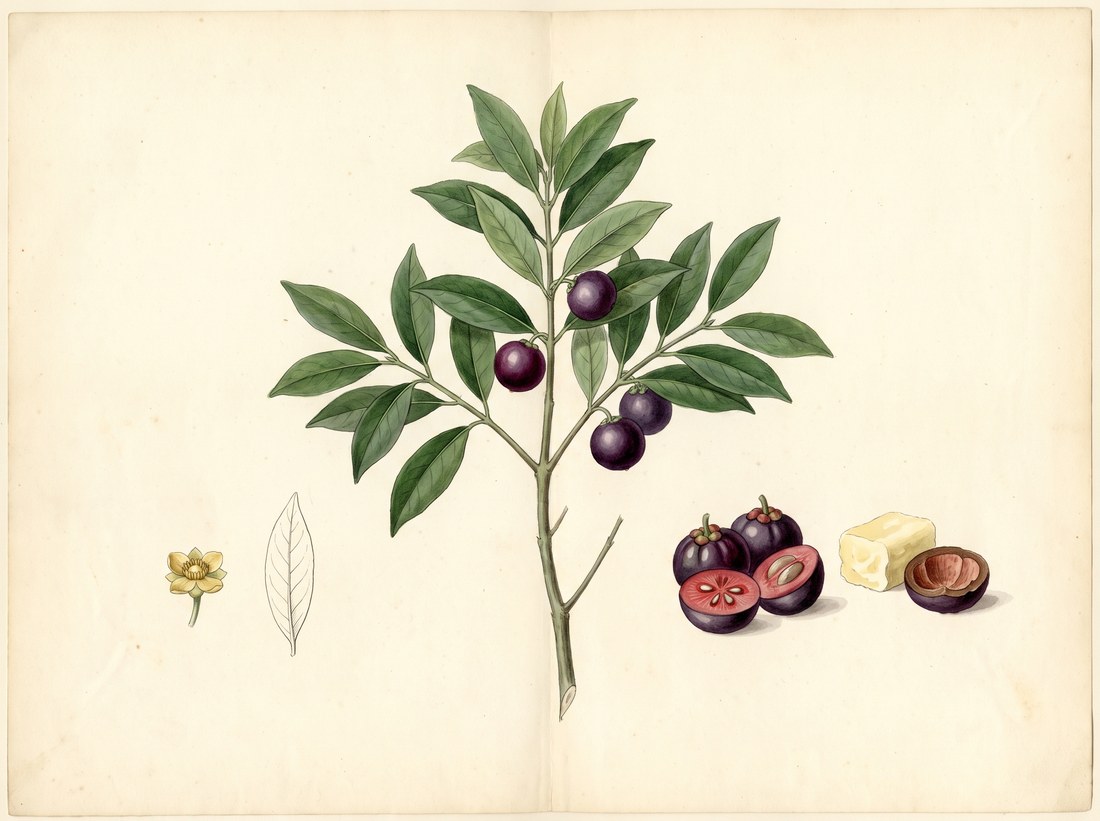 KokumGarcinia indica
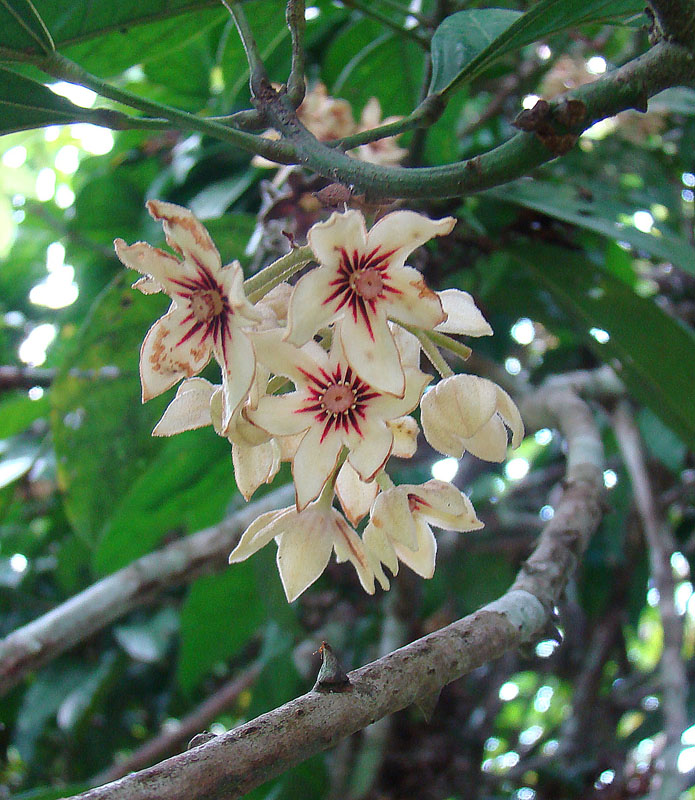 Kola NutCola acuminata
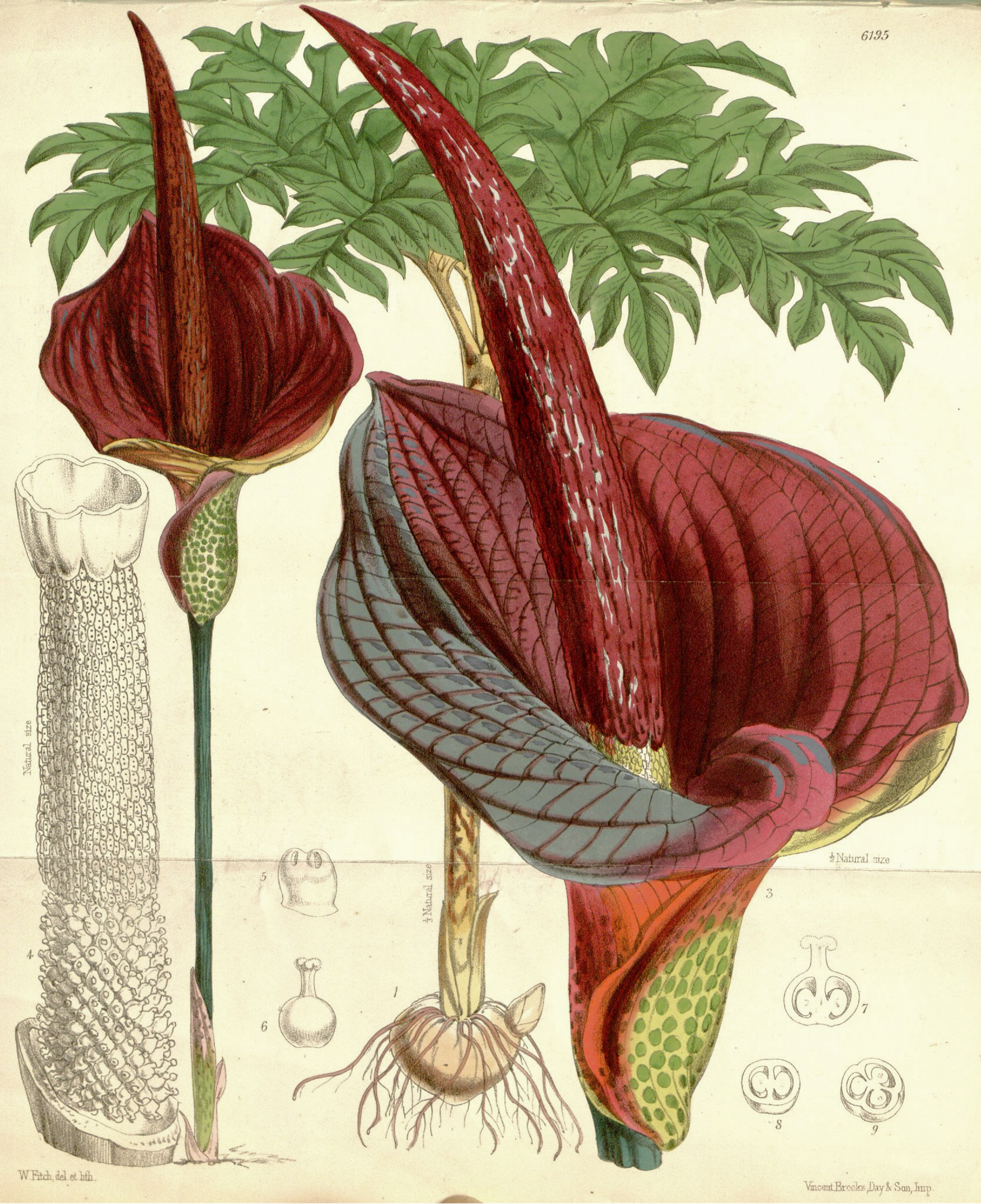 KonjacAmorphophallus konjac
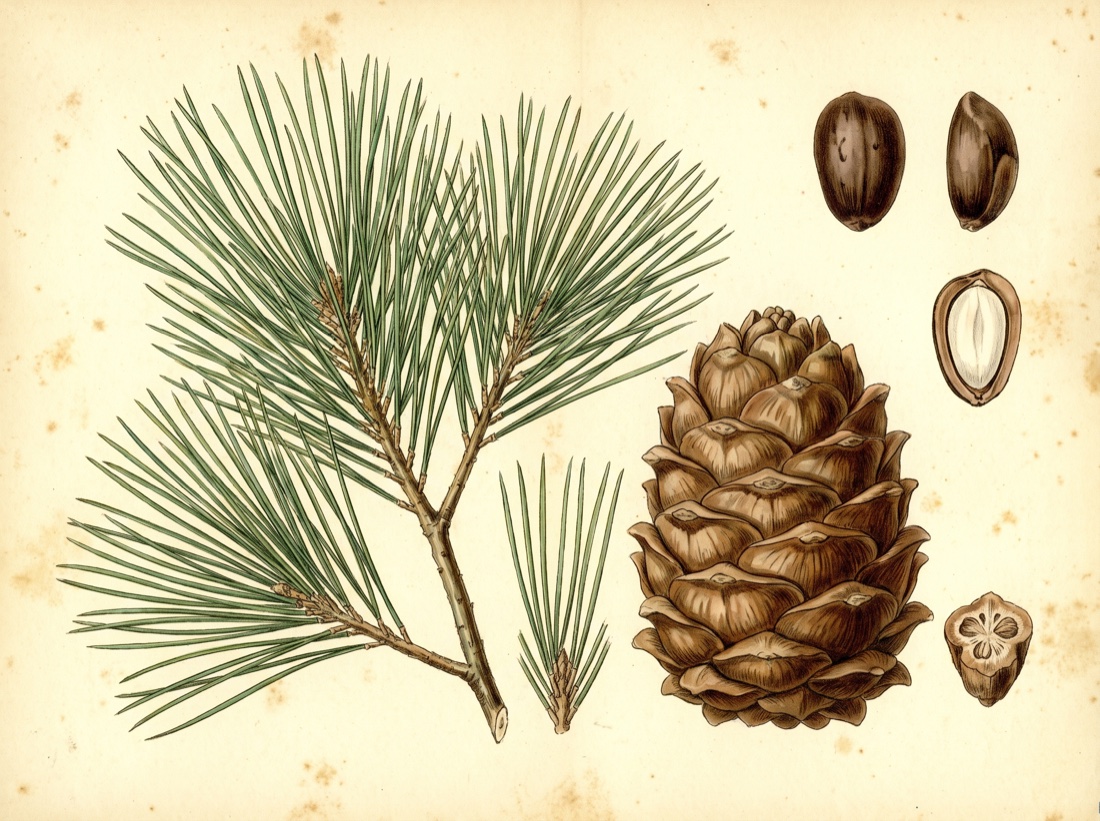 Korean pinePinus koraiensis
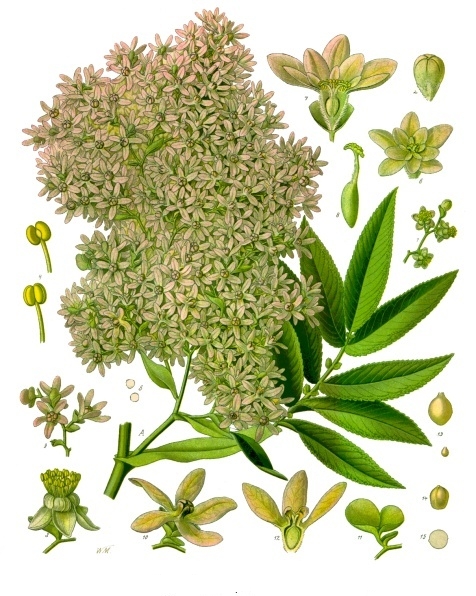 KoussoBrayera anthelmintica
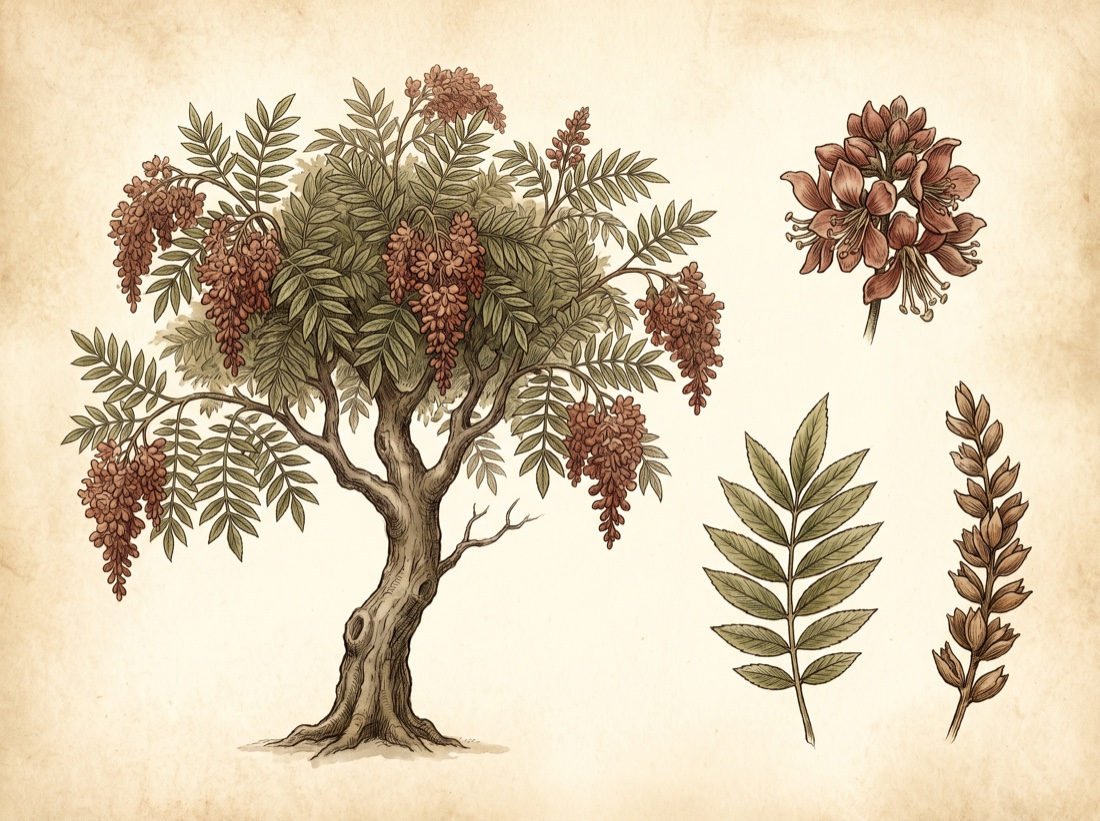 KoussoCusso
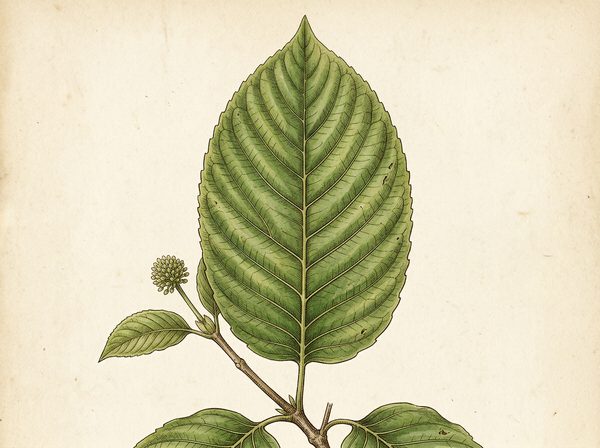 KratomMitragyna speciosa
The whole plate is in the library. The compass, Compare, the Sky of eleven hundred plants and the formulary open with an email address and a password, free, with the formula builder and its safety engine. Herbert without limit, his formulating, clients, the handouts and the labels are the paid room.
Open the library, free