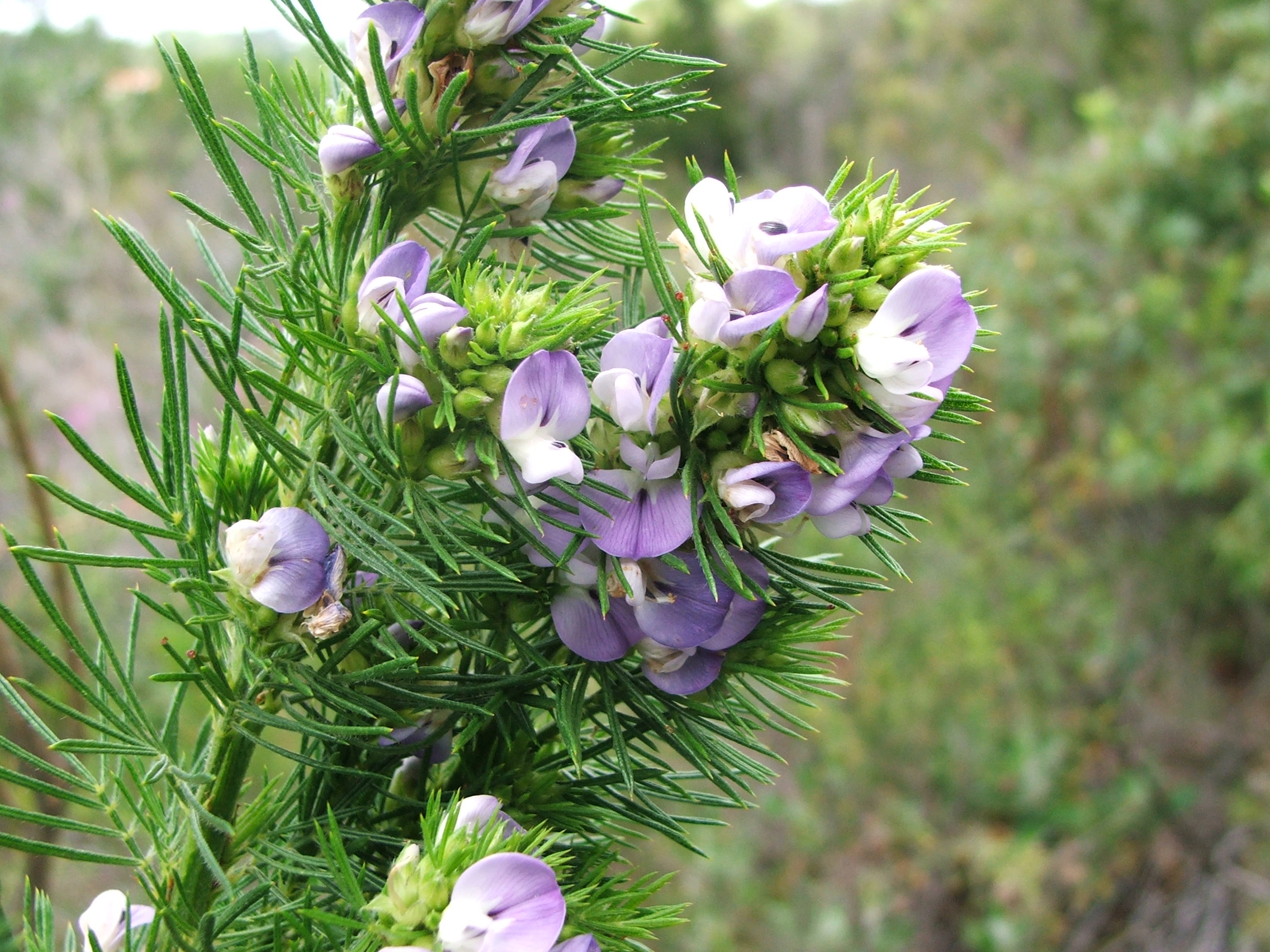
Western and Ayurvedic herbalism
Babchi
Psoralea corylifolia
Also known as bakuchi, scurfy pea, purple fleabane, Malaya tea, Psoralea, Malaytea scurfpea, Bakuchi, Vakuchi, Avalguja.
Psoralea corylifolia, now placed in the genus Cullen, is an erect annual herb of the pea family with small purple flowers and dark, kidney-shaped, strongly aromatic seeds, growing as a weed of fields and wasteland across the plains of India from Punjab to Bengal and in the Deccan, and cultivated in Rajasthan and Uttar Pradesh. Ayurveda knows the seed as Bakuchi, the chief remedy for shvitra (vitiligo) and for scaly, chronic skin disease, applied as oil before exposure to the sun. The same seeds are Bu Gu Zhi in Chinese medicine, where they are used quite differently as a kidney yang tonic for bone and urinary weakness.

Ask Herbert about Babchi. Herbert is the master herbalist inside Bountiful Herbs: he answers from this plate and eleven hundred others, with dosing, pairing and cautions. Your first ten questions are free.
Ask HerbertActions
Indications what the tradition reached for it in
- Vitiligo and leukoderma (topical with controlled sunlight, and internal)
- Psoriasis (topical)
- Tinea and other superficial fungal infections (topical)
- Alopecia areata (topical)
- Chronic eczema with thickened scaly skin (topical)
- Photoaging and fine wrinkles (bakuchiol-standardized creams)
- Intestinal parasites (traditional)
- Postmenopausal bone loss (traditional and preclinical)
- Scabies and pruritic dermatoses (topical)
- Vitiligo
- Psoriasis
- Chronic low back and knee weakness with cold signs
- Premature ejaculation
- Frequent or involuntary urination
- Predawn (cold-type) diarrhea
- Cold-type asthma or chronic cough
- Alopecia areata
- Ringworm and other superficial fungal skin infections
- General debility with a sense of internal cold
Specific indications
Sharply bordered milky white patches on a kapha or vata patient, spreading slowly, without itching, where the goal is repigmentation from the follicles outward
Thick, silvery, scaling plaques on elbows and knees in a patient whose skin is cold, dry and slow to respond to emollients alone
Circular scaling patches with an active red edge and central clearing, the ringworm picture, on the trunk or thighs
Safety
Recognised toxicity. This plant carries a toxicity flag in the record; it is for trained practitioners only.
Low dose botanical. Used in drop doses in the classical practice; not a plant to dose freely.
Pregnancy: Avoid in pregnancy: no published safety class is known to us, but the seed is heating, contains estrogenic flavonoids and psoralens, and the tradition itself withholds it from pregnant women.
Breastfeeding: Avoid internal use while nursing; psoralens and estrogenic flavonoids have not been studied in breast milk.
The record lists 11 contraindications; open the plate in the library to read them in full.
In practice
The Ayurvedic use of Bakuchi is anchored in skin. For shvitra the purified seed powder is taken in small doses with honey or with Khadira decoction, while the seed oil or a paste of seed with ginger or Chakramarda is applied to the patches and the patient sits in gentle morning sun for a few minutes; the aim is a mild pink reaction, never a blister.
In Ayurveda
Rasa: katu (pungent), tikta (bitter). Virya: ushna (heating). Vipaka: katu (pungent). Guna: laghu (light), ruksha (dry). Dosha: pacifies kapha and vata; aggravates pitta and rakta in excess. Prabhava: shvitrahara: the specific remedy for depigmented patches, restoring color to the skin. Karma: kushthaghna (relieves skin disease); shvitrahara (treats leukoderma); krimighna (anthelmintic); twachya (benefits the skin); keshya (benefits the hair); rasayana (rejuvenative); deepana (kindles digestion); vrishya (aphrodisiac); kaphahara (reduces kapha); raktashodhana (purifies blood). Classical indications: shvitra (leukoderma, vitiligo); kushtha (skin disease including psoriasis); kilasa (white patches); krimi (parasites); prameha (urinary disorders); shvasa (dyspnea); kasa (cough); arsha (hemorrhoids); pandu (anemia); khalitya (hair loss); dadru (ringworm). The dried ripe seed is the drug, purified by soaking in cow's urine or in a decoction and drying (the shodhana softens its heat), then given as churna in small doses with honey or ghee, and made into taila and lepa for application to depigmented or scaly patches. The expressed seed oil is applied to vitiligo patches before brief exposure to morning sun. Classical formulations: Bakuchi churna, Bakuchi taila, Somaraji taila, Avalgujadi lepa, Bakuchyadi yoga, Shvitrahara lepa, Bakuchi rasayana. Described in: Charaka Samhita, Sushruta Samhita, Ashtanga Hridaya, Bhavaprakasha Nighantu, Dhanvantari Nighantu, Raja Nighantu, Kaiyadeva Nighantu, Ayurvedic Pharmacopoeia of India.
Dosing as the sources wrote it
| Preparation | As written | Metric |
|---|---|---|
| Churna | 1-3 g purified seed powder daily with honey or ghee | 1000-3000 mg |
| Taila, topical | 1-2 mL seed oil applied to patches before brief sun exposure | 1-2 mL |
| Kalka, topical | 5-10 g seed paste applied locally | 5000-10000 mg |
| Kwatha | 30-50 mL decoction twice daily | 30-50 mL |
| Decoction (dried fruit) | 3-9 g dried seed daily in decoction, combined with other warming tonics | 3000-9000 mg |
| Tincture (1:5) | 1-2 mL 1:5 tincture two to three times daily | 1-2 mL |
Doses are reproduced from the sources for practitioners and are not a recommendation for any person.
From the sources
Overview. Psoralea corylifolia, now placed in the genus Cullen, is an erect annual herb of the pea family with small purple flowers and dark, kidney-shaped, strongly aromatic seeds, growing as a weed of fields and wasteland across the plains of India from Punjab to Bengal and in the Deccan, and cultivated in Rajasthan and Uttar Pradesh. Ayurveda knows the seed as Bakuchi, the chief remedy for shvitra (vitiligo) and for scaly, chronic skin disease, applied as oil before exposure to the sun. The same seeds are Bu Gu Zhi in Chinese medicine, where they are used quite differently as a kidney yang tonic for bone and urinary weakness.
Overview. Psoralea corylifolia is a small annual legume native to South and East Asia, long used in both the Ayurvedic and Chinese herbal traditions and later noted by nineteenth century Western eclectic physicians for its distinctive warming and skin-affecting properties. The small kidney-shaped seeds (fruits) are the part used, taken internally as a warming tonic or applied topically as an oil or tincture for skin conditions marked by loss of pigment. The plant is best known outside its home traditions as the original botanical source of psoralen, the photoactive compound later developed into pharmaceutical PUVA therapy.
Clinical Notes. The Ayurvedic use of Bakuchi is anchored in skin. For shvitra the purified seed powder is taken in small doses with honey or with Khadira decoction, while the seed oil or a paste of seed with ginger or Chakramarda is applied to the patches and the patient sits in gentle morning sun for a few minutes; the aim is a mild pink reaction, never a blister.
Clinical Notes. Psoralea seed is reached for in two quite different clinical pictures. Internally, it is used as a warming tonic for a constitution marked by coldness: lower back and knee weakness, frequent or dribbling urination, premature ejaculation, and the classic predawn loose stool that improves as the day warms.
Drawn from King's American Dispensatory, 18th edition (Felter and Lloyd), and the Bountiful Herbs editorial.
In formulas
Babchi stands in 26 documented formulas in the library, among them Khadirāriṣta, Nimbādi Cūrṇa, Kuṣṭharākṣasa Taila, Bṛhat Guḍūcī Taila, Somarājī Taila, Avalgujādi Lepa.
Often paired with
 Tu Si ZiCuscuta chinensis
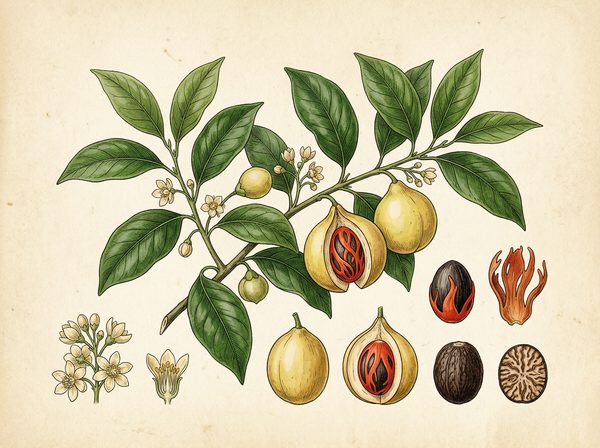 nutmegMyristica fragrans
 Wu Wei ZiSchisandra chinensis
 RehmanniaRehmannia glutinosa
 PoriaWolfiporia extensa
 Chinese boxthornLycium chinense
Nearby on the shelf
 AspenPopulus tremuloides
 AtibalaAbutilon indicum
 Autumn CrocusColchicum autumnale
 AvensGeum virginianum
 BaelAegle marmelos
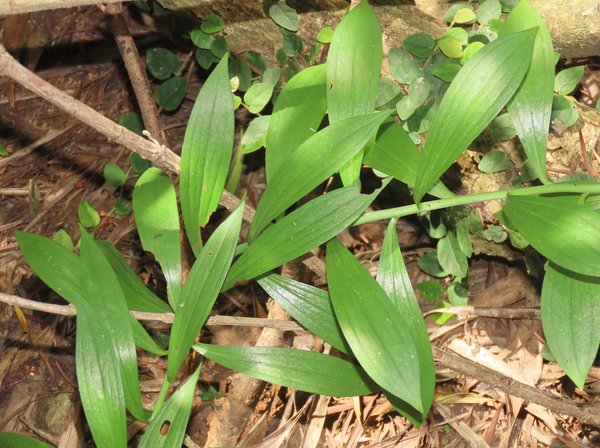 Bai HeLilium brownii
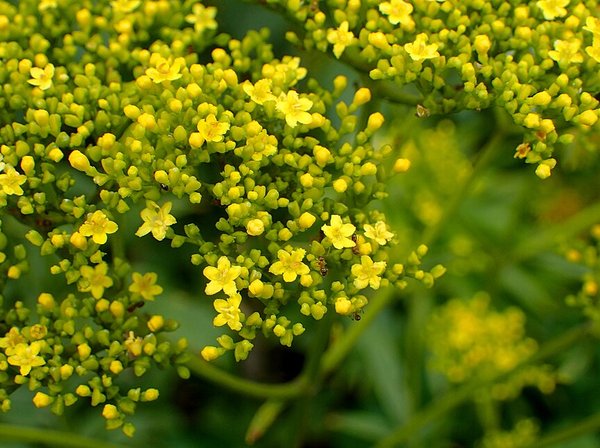 Bai Jiang CaoPatrinia scabiosifolia
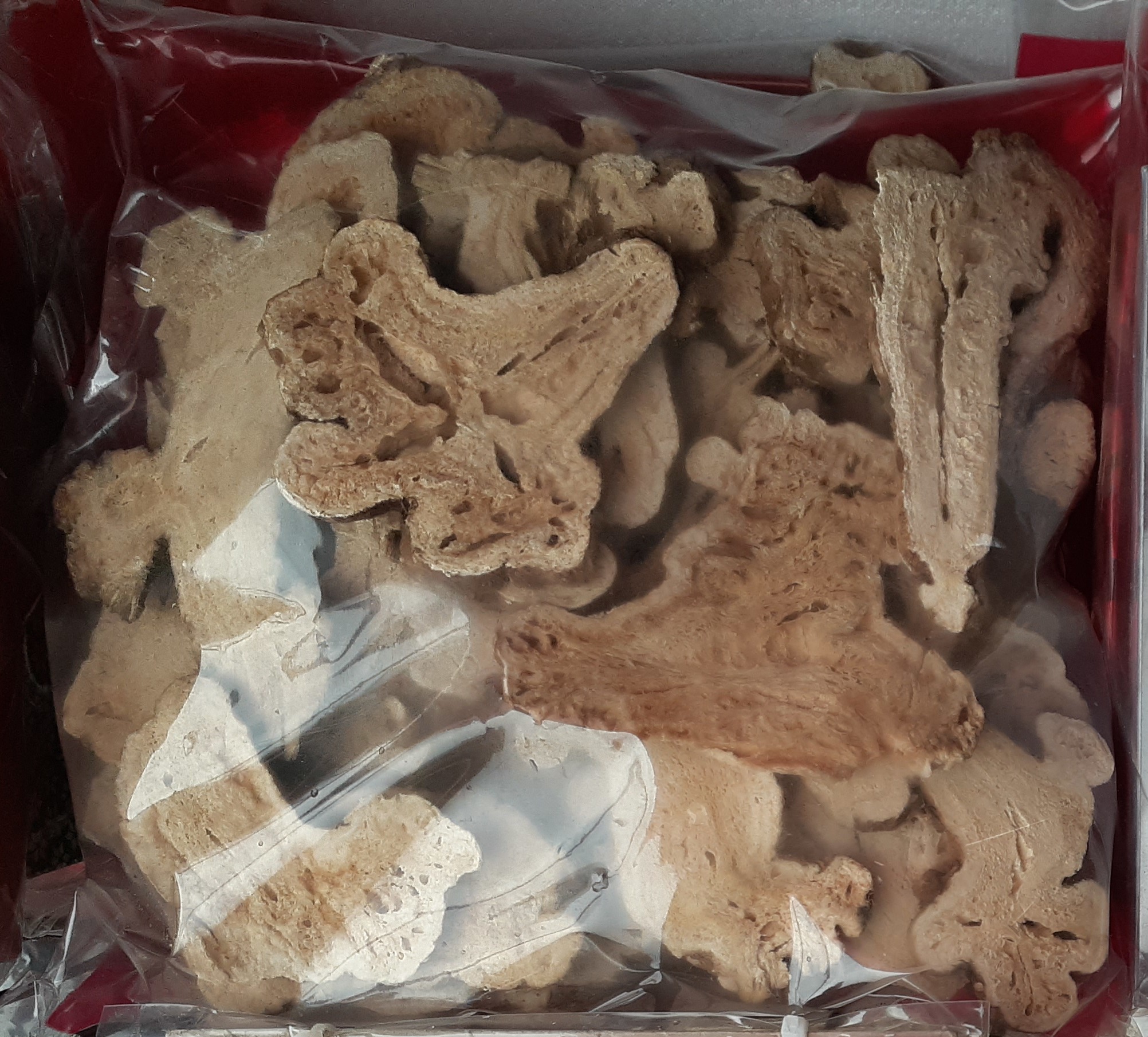 Bai ZhuAtractylodes macrocephala
The whole plate is in the library. The compass, Compare, the Sky of eleven hundred plants and the formulary open with an email address and a password, free, with the formula builder and its safety engine. Herbert without limit, his formulating, clients, the handouts and the labels are the paid room.
Open the library, free