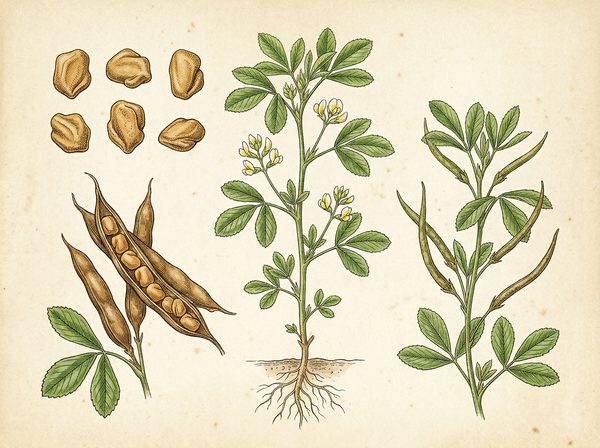
Western and Ayurvedic herbalism
Fenugreek
Trigonella foenum-graecum
Also known as Greek hay, methi, bird's foot, Bockshornsame, Methika, Methi, Chandrika.
Trigonella foenum-graecum is an annual legume of the Mediterranean and western Asia that has been cultivated in India since antiquity and is grown on a large scale in Rajasthan, Gujarat and Madhya Pradesh. Its hard, bitter, maple-scented seeds are a kitchen spice, a postpartum food and a medicine: Ayurveda names it Methika and uses it as a warming, nourishing digestive that pacifies vata, builds strength and milk in a new mother, and steadies sugar and fat in the blood. The fresh leaf is a common bitter green.

Ask Herbert about Fenugreek. Herbert is the master herbalist inside Bountiful Herbs: he answers from this plate and eleven hundred others, with dosing, pairing and cautions. Your first ten questions are free.
Ask HerbertActions
Indications what the tradition reached for it in
- Type 2 diabetes and prediabetes (adjunct)
- High cholesterol and triglycerides
- Insufficient breast milk in the early weeks
- Postpartum debility and slow recovery
- Poor appetite and sluggish digestion with gas
- Constipation with dryness
- Gastritis and reflux with burning (soaked seed, in moderation)
- Low libido and low testosterone in men (adjunct)
- Menstrual cramps and menopausal symptoms (adjunct)
- Chronic bronchitis with sticky mucus
- Hair loss and dandruff (topical paste and oil)
- Boils, abscesses and swollen joints (topical poultice)
- Anorexia
- Dyspepsia
- Gastritis
- Convalescence
- Topically for furunculosis
- Myalgia
- Lymphadenitis
- Gout
- Wounds
- Leg ulcers
- Minor skin inflammations
- Catarrh
- Flatulence
- Constipation
- Insufficient lactation
- Hypercholesterolemia
- Hyperlipidemia
- Inflammation
Specific indications
A cold, tired, overweight vata-kapha patient with rising blood sugar, poor appetite in the morning and gas after meals
A new mother in the first weeks after birth who is weak, cold and short of milk and wants a food-like remedy
An older man with dyslipidemia, borderline glucose, low energy and reduced libido who prefers a kitchen remedy to a supplement
A dry, constipated patient with a sensitive stomach who does not tolerate harsher bitters
Safety
Pregnancy: Use with care in pregnancy
The record lists 8 contraindications; open the plate in the library to read them in full.
In practice
Methika belongs on the border of food and medicine, and that is how the tradition uses it. For weak digestion, gas and vata colic the seed is roasted and powdered and taken with warm water or buttermilk before meals; for constipation and dryness a teaspoon of seed is soaked overnight and swallowed in the morning with the water.
In Ayurveda
Rasa: tikta (bitter), katu (pungent). Virya: ushna (heating). Vipaka: katu (pungent). Guna: laghu (light), snigdha (unctuous). Dosha: pacifies vata and kapha; aggravates pitta in excess. Karma: deepana (kindles digestion); pachana (digests ama); vatahara (pacifies vata); kaphahara (reduces kapha); balya (strengthening); brimhana (nourishing, builds tissue); stanyajanana (promotes breast milk); shulaprashamana (relieves colic); jvaraghna (relieves fever); keshya (good for the hair); vrishya (aphrodisiac); pramehahara (relieves urinary disorders including diabetes). Classical indications: agnimandya (weak digestion); aruchi (loss of appetite); shula (colic); atisara (diarrhea); grahani (malabsorption, irritable bowel); vatavyadhi (rheumatic and neurological disorders); amavata (rheumatoid arthritis); prameha (urinary disorders including diabetes); stanyakshaya (deficient breast milk); sutika roga (postpartum weakness); jvara (fever); kesha patana (hair loss). The seed is the drug, used whole, soaked, sprouted or as churna, and cooked into postpartum sweets and gruels; it is also taken as kwatha, ground into lepa for swellings and boils, and infused into oil for the hair. The fresh leaf is a bitter vegetable that eases digestion and kapha. Classical formulations: Methika churna, Methi modaka (postpartum sweet), Methika kwatha, Methi ladoo (postpartum food), Methika taila (hair oil), Methika lepa. Described in: Bhavaprakasha Nighantu, Raja Nighantu, Kaiyadeva Nighantu, Ayurvedic Pharmacopoeia of India.
Dosing as the sources wrote it
| Preparation | As written | Metric |
|---|---|---|
| Churna | 3-6 g powdered seed twice daily with warm water before meals | 3000-6000 mg |
| Soaked seed | 5-10 g whole seed soaked overnight, taken in the morning with the water | 5000-10000 mg |
| Kwatha | 50-100 mL decoction twice daily | 50-100 mL |
| Standardized extract | 500-1000 mg seed extract daily in divided doses | 500-1000 mg |
| Lepa, topical | 10-20 g seed paste applied to boils, swollen joints or scalp | 10000-20000 mg |
| Seed 1-6 g or equivalent three times daily | 1000-6000 mg |
Doses are reproduced from the sources for practitioners and are not a recommendation for any person.
From the sources
Overview. Trigonella foenum-graecum is an annual legume of the Mediterranean and western Asia that has been cultivated in India since antiquity and is grown on a large scale in Rajasthan, Gujarat and Madhya Pradesh. Its hard, bitter, maple-scented seeds are a kitchen spice, a postpartum food and a medicine: Ayurveda names it Methika and uses it as a warming, nourishing digestive that pacifies vata, builds strength and milk in a new mother, and steadies sugar and fat in the blood. The fresh leaf is a common bitter green.
Clinical Notes. Traditionally used as galactagogue to increase breast milk possible hypoglycemic effect may cause maple syrup odor in sweat/urine high doses may cause GI symptoms comply with Ph Eur
Clinical Notes. Methika belongs on the border of food and medicine, and that is how the tradition uses it. For weak digestion, gas and vata colic the seed is roasted and powdered and taken with warm water or buttermilk before meals; for constipation and dryness a teaspoon of seed is soaked overnight and swallowed in the morning with the water.
Ayurvedic Profile. Rasa: tikta (bitter), katu (pungent). Virya: ushna (heating). Vipaka: katu (pungent). Guna: laghu (light), snigdha (unctuous). Dosha: pacifies vata and kapha; aggravates pitta in excess. Karma: deepana (kindles digestion); pachana (digests ama); vatahara (pacifies vata); kaphahara (reduces kapha); balya (strengthening); brimhana (nourishing, builds tissue); stanyajanana (promotes breast milk); shulaprashamana (relieves colic); jvaraghna (relieves fever); keshya (good for the hair); vrishya (aphrodisiac); pramehahara (relieves urinary disorders including diabetes).
Drawn from King's American Dispensatory, 18th edition (Felter and Lloyd), and the Bountiful Herbs editorial.
In formulas
Fenugreek stands in 2 documented formulas in the library, among them Prabhaṅjana Vimardana Taila, Blood Sugar Support Formula.
Often paired with
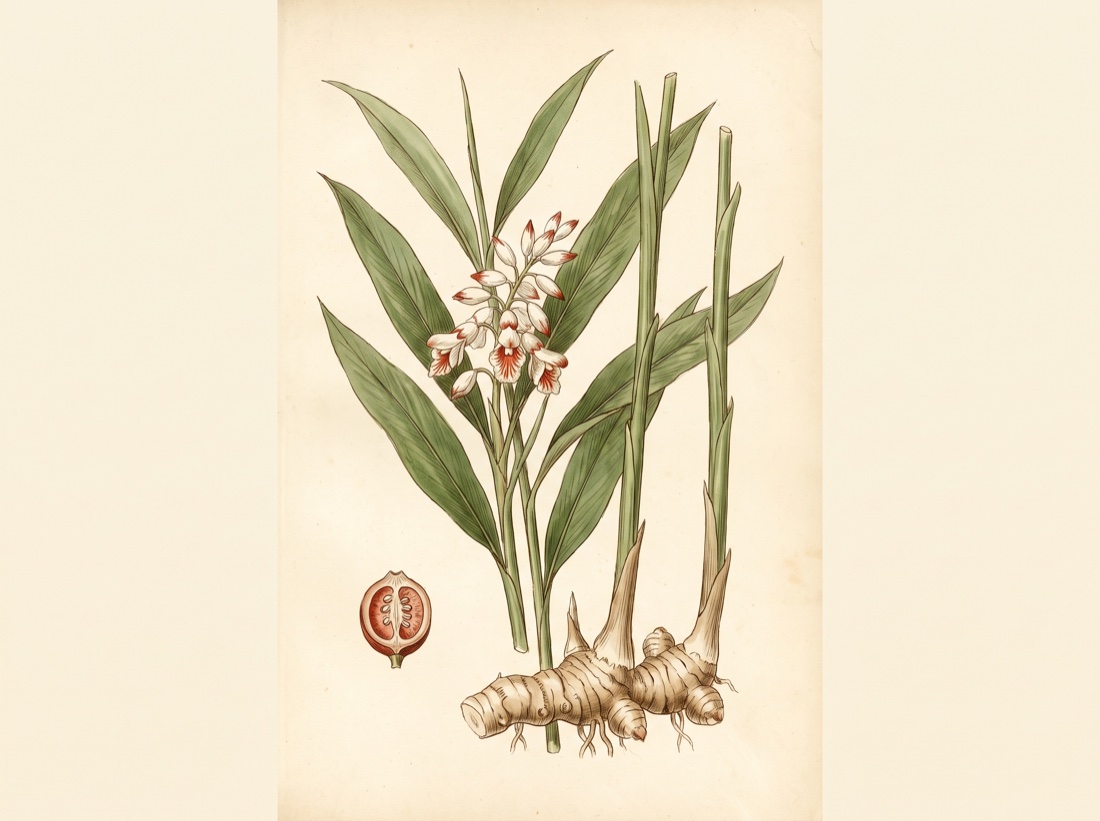 greater galangalAlpinia galanga
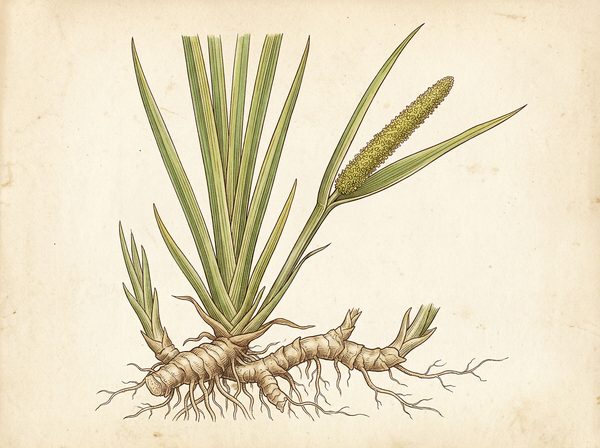 sweet flagAcorus calamus
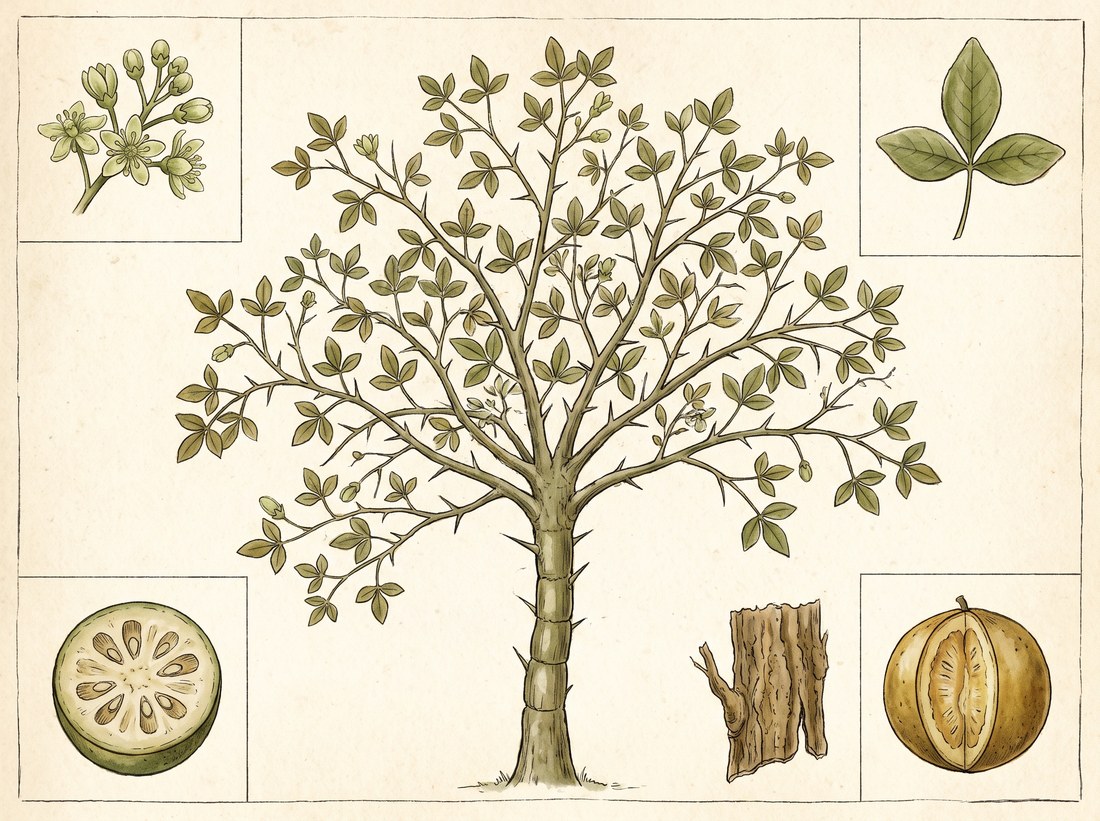 baelAegle marmelos
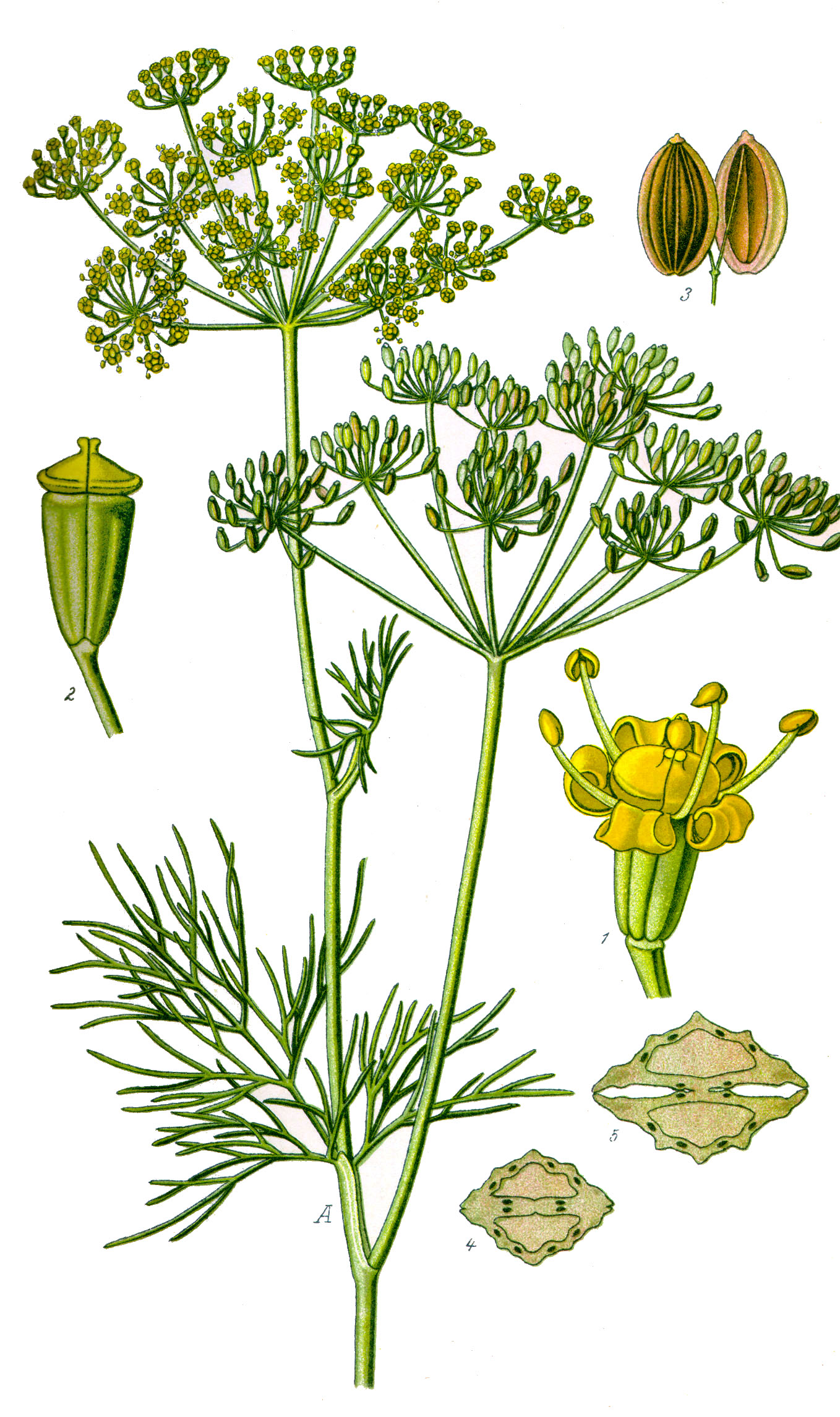 dillAnethum graveolens
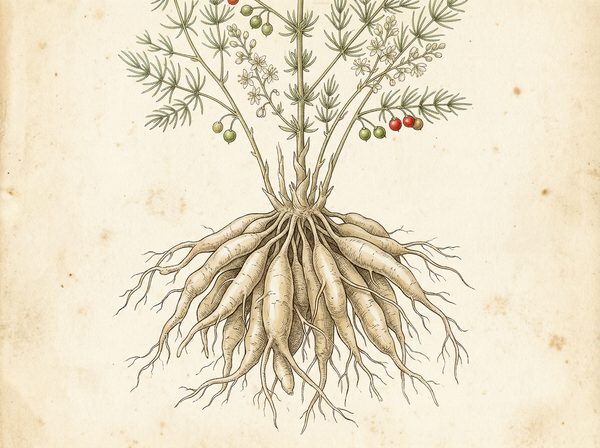 shatavariAsparagus racemosus
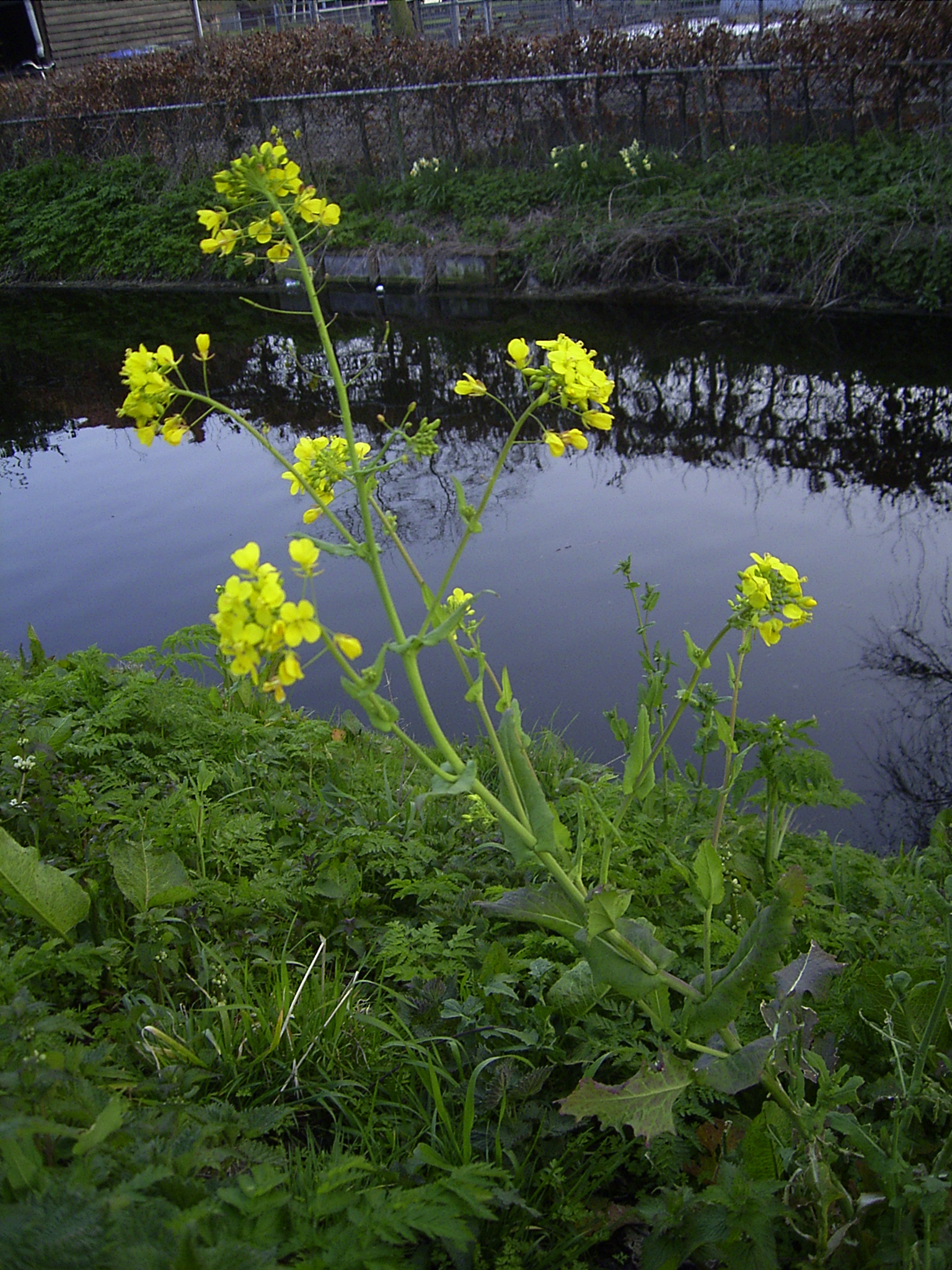 white mustardBrassica alba
Nearby on the shelf
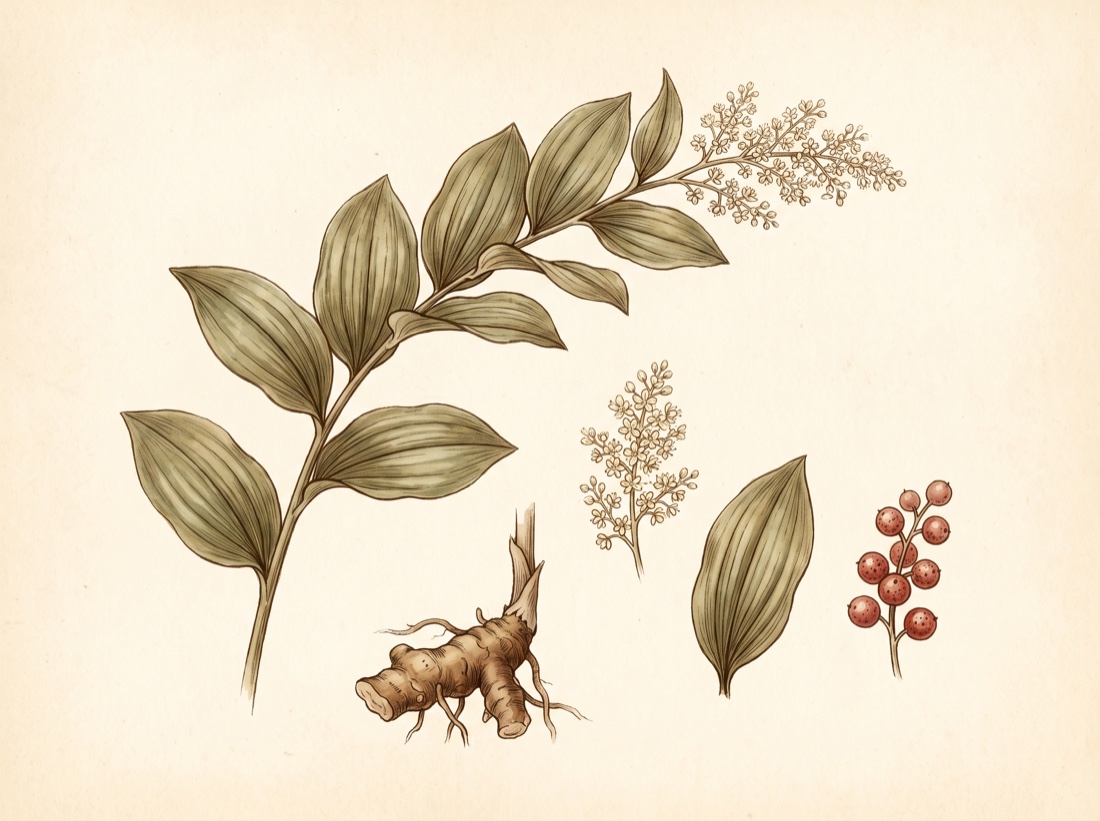 False Solomon's sealMaianthemum racemosum
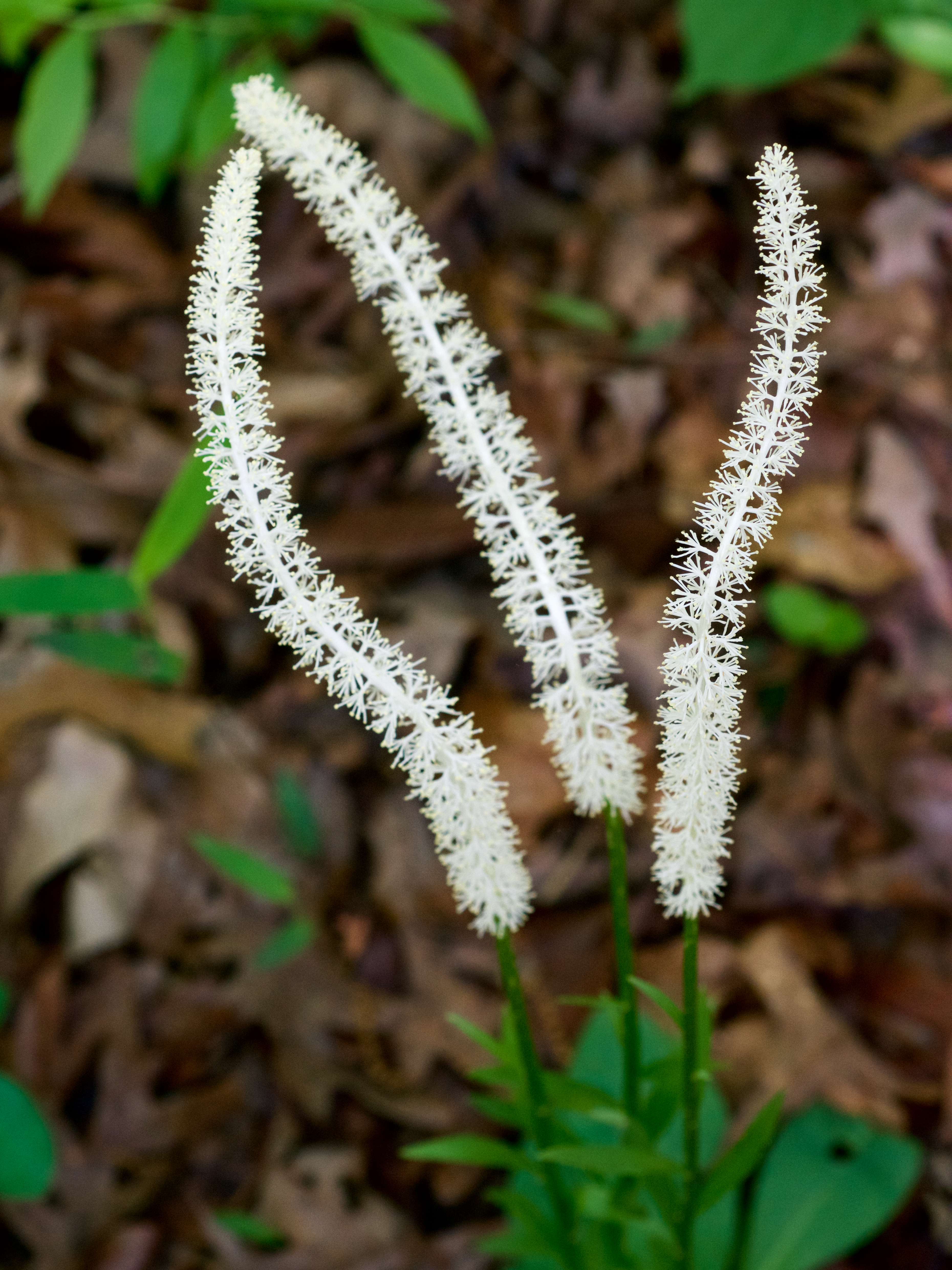 False unicornChamaelirium luteum
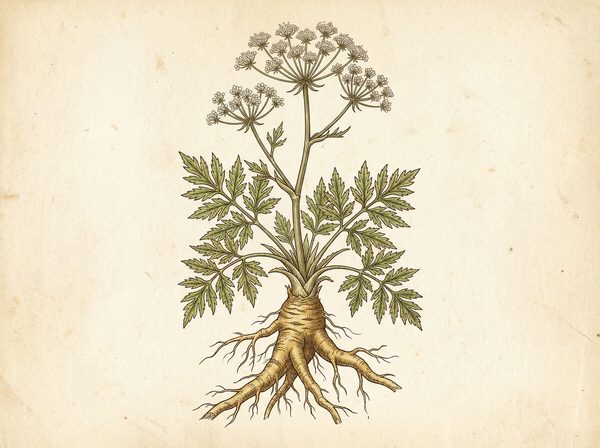 Fang FengSaposhnikovia divaricata
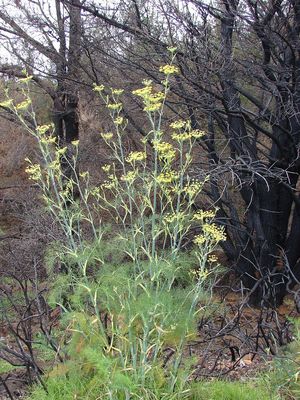 FennelFoeniculum vulgare
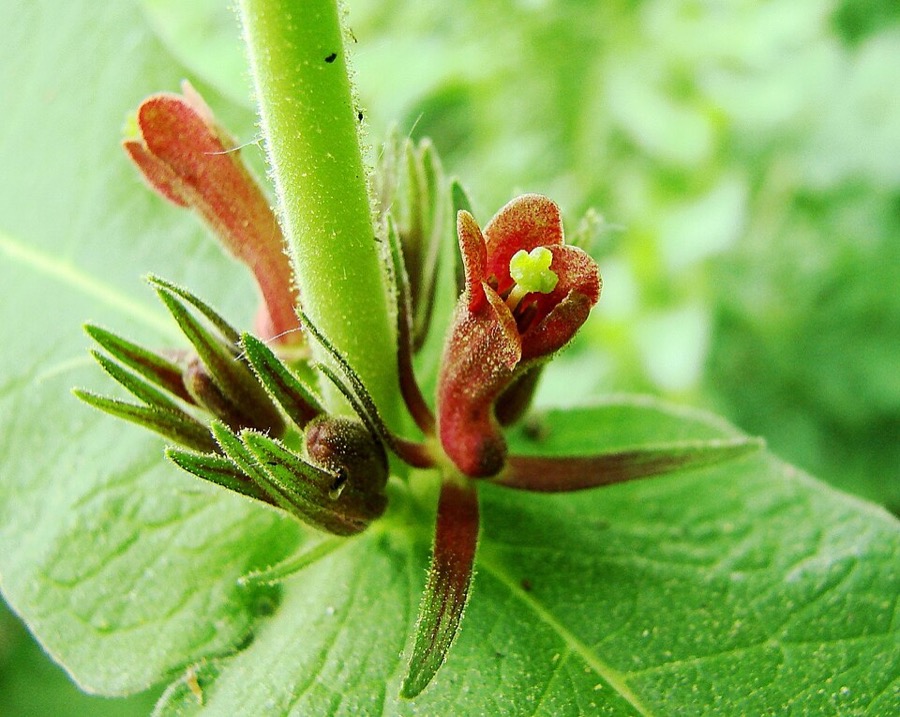 Fever-rootTriosteum
 FeverfewTanacetum parthenium
 FicariaRanunculus ficaria
 FigFicus
The whole plate is in the library. The compass, Compare, the Sky of eleven hundred plants and the formulary open with an email address and a password, free, with the formula builder and its safety engine. Herbert without limit, his formulating, clients, the handouts and the labels are the paid room.
Open the library, free