Western Herbalism
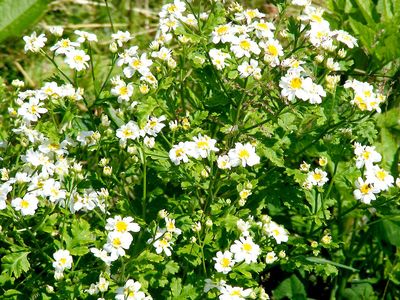
Feverfew
Tanacetum parthenium
Also known as Altamisa, Featherfew.
Best for migraine when migraine has heat signs (sensation of heat, redness in face, ice cravings, etc) TCM=treat qi stagnation, clears damp heat, resolves phlegm Relieves coughing/wheezing

Ask Herbert about Feverfew. Herbert is the master herbalist inside Bountiful Herbs: he answers from this plate and eleven hundred others, with dosing, pairing and cautions. Your first ten questions are free.
Ask HerbertActions
Indications what the tradition reached for it in
- Migraine prophylaxis
- Nausea
- Allergies
- Gastrointestinal atony
- Arthritis
- Inflammation
- Asthma
- Depression
- Dysmenorrhea
- Amenorrhea
- Colic
- Cramps
- Debility
- Fatigue
- Menstrual irregularity
- Muscle spasms
- Loss of appetite
- Dyspepsia
- Weakness
- Respiratory complaints
- Poor circulation
- Peripheral vascular insufficiency
- Migraine
- Tinnitus
- Vertigo
- Fever
- Menstrual disorders
- Difficulty during labour
- Stomach ache
- Toothache
Safety
Pregnancy: Not safe. Tanacetum is contraindicated in early pregnancy due to its potential emmenagogue effect and may cause contact dermatitis.
Pregnancy, our record's flag: Caution. Use with care in pregnancy (our record's flag)
Pregnancy, a modern clinical reference: Feverfew is contra-indicated during pregnancy; It is reputed to be an abortifacient and to affect the menstrual cycle; It is documented to modify menstrual flow, cause abortion in cattle and induce uterine contraction in full-term women
Pregnancy, a modern clinical reference: Contraindicated in pregnancy
Pregnancy, published rating: Caution. No increase in harm from limited human use, but animal studies show fetal damage of uncertain relevance (Mills & Bone B3)
Breastfeeding: Limited data. Lack of data.
The record lists 3 contraindications; open the plate in the library to read them in full.
Dosing as the sources wrote it
| Preparation | As written | Metric |
|---|---|---|
| Tincture (1:3) | 1-3 ml TID | 1-3 mL |
| Infusion | 1 tsp-1 Tbs/c BID-TID | |
| Fresh leaves | 1-3/day as migraine prophylaxis | |
| Powder | 50-200 mg/d | 50-200 mg |
| Aerial parts (dried) 50-200 mg daily | 50-200 mg | |
| equivalent to 0.2 -0.6 mg parthenolide daily. Clinical trials of feverfew for the prevention of migraine have assessed the effects of, for example, 143 mg of a dried alcoholic extract of fev |
Doses are reproduced from the sources for practitioners and are not a recommendation for any person.
From the sources
Clinical Notes. Best for migraine when migraine has heat signs (sensation of heat, redness in face, ice cravings, etc) TCM=treat qi stagnation, clears damp heat, resolves phlegm Relieves coughing/wheezing
Action, Medical Uses, and Dosage. Tonic, carminative, emmenagogue, vermifuge, and stimulant. This agent is one of the pleasantest of the tonics, influencing the whole intestinal tract, increasing the appetite, improving digestion, and promoting secretion, besides having a decided action upon the renal and cutaneous functions.
History. This is a European plant, and is common to the United States; found occasionally in a wild state, but is generally cultivated in gardens, and flowers in June and July. It imparts its virtues to water, but much better to alcohol. Bees are said to dislike this plant very much, and a handful of the flower-heads will cause them to keep at a distance.
Specific indications and reasoning. Though Pulsatilla is the remedy for nervousness, it must not be give with any expectation of benefit when the bacitement depends upon irritation and determination of blood. In this case it will either exert no influence or it will be unfavorable.
Drawn from Scudder's Specific Medication and Specific Medicines; King's American Dispensatory, 18th edition (Felter and Lloyd), and the Bountiful Herbs editorial.
Also mentioned under
Also mentioned under Pellitory of Spain
Also mentioned under Tansy
In formulas
Feverfew stands in 1 documented formula in the library, among them Headache & Migraine Formula.
Often paired with
 LavenderLavandula spp.
 WillowSalix spp.
 ButterburPetasites hybridus
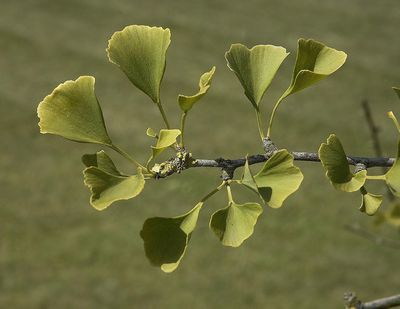 Maidenhair treeGinkgo biloba
Nearby on the shelf
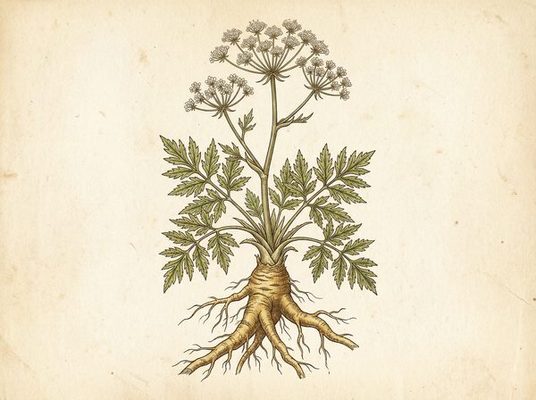 Fang FengSaposhnikovia divaricata
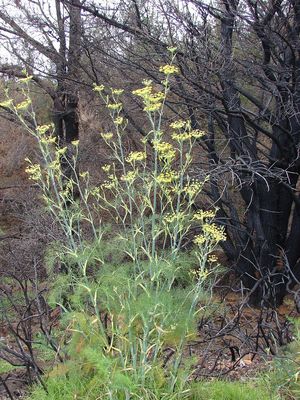 FennelFoeniculum vulgare
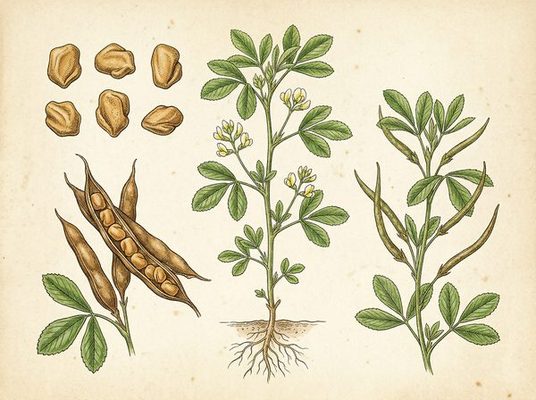 FenugreekTrigonella foenum-graecum
 Fever-rootTriosteum perfoliatum
 FicariaRanunculus ficaria
 FigFicus carica
 FigwortScrophularia nodosa
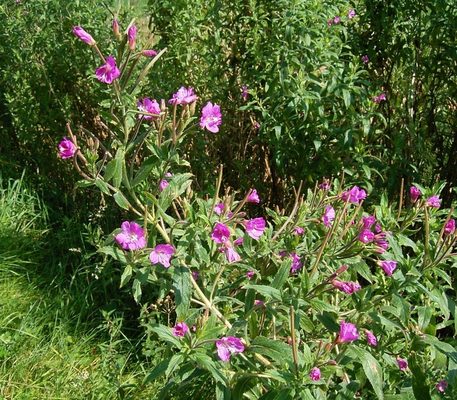 FireweedEpilobium angustifolium
The whole plate is in the library. The compass, Compare, the Sky of eleven hundred plants and the formulary open with an email address and a password, free, with the formula builder and its safety engine. Herbert in full, his formulating, clients, the handouts and the labels are the paid room.
Open the library, free