
Western Herbalism
Cattail Flag
Typha
Also known as Cattail, Cattail rush, Reed mace, Bulrush (informal).
Typha is a genus of tall wetland reeds, commonly called cattail, found in marshes and pond margins across temperate regions worldwide. American Eclectic physicians used the soft down surrounding the seed head as a simple, absorbent wound dressing and valued the fine pollen shed from the male spike as a topical and internal astringent for bleeding. The starchy rhizome has long served as a food and mild demulcent, while related Asian species supply the pollen used in Chinese medicine under the name Pu Huang.

Ask Herbert about Cattail Flag. Herbert is the master herbalist inside Bountiful Herbs: he answers from this plate and eleven hundred others, with dosing, pairing and cautions. Your first ten questions are free.
Ask HerbertActions
Indications what the tradition reached for it in
- Uterine bleeding
- Postpartum hemorrhage
- Hematuria
- Epistaxis
- Minor cuts and abrasions
- Burns and scalds
- Hemorrhoids
- Dysmenorrhea with clotting
- Mouth ulcers
- Diaper rash and chafing
Specific indications
Fresh bleeding wound with the pollen dusted directly on to stop oozing quickly
Dysmenorrhea with dark clotted flow and a sensation of pelvic congestion
Safety
Pregnancy: Avoid therapeutic internal use in pregnancy because of its traditional blood-moving and uterine-stimulating reputation, though topical use of the down for minor wound care is not considered a concern.
The record lists 3 contraindications; open the plate in the library to read them in full.
In practice
The most distinctive use of cattail in older American practice was practical rather than showy: the down was gathered in late summer and packed directly onto burns, scalds, and weeping wounds, where its softness and mild astringency helped protect the area and encourage drying.
Dosing as the sources wrote it
| Preparation | As written | Metric |
|---|---|---|
| Pollen, internal | 3-9 g dried pollen daily, wrapped in cloth and added to decoction | 3000-9000 mg |
| Tincture (1:5, pollen) | 2-4 mL 1:5 tincture three times daily | 2-4 mL |
| Topical | Pollen or down applied directly to clean wounds, burns, or chafed skin as needed |
Doses are reproduced from the sources for practitioners and are not a recommendation for any person.
From the sources
Overview. Typha is a genus of tall wetland reeds, commonly called cattail, found in marshes and pond margins across temperate regions worldwide. American Eclectic physicians used the soft down surrounding the seed head as a simple, absorbent wound dressing and valued the fine pollen shed from the male spike as a topical and internal astringent for bleeding. The starchy rhizome has long served as a food and mild demulcent, while related Asian species supply the pollen used in Chinese medicine under the name Pu Huang.
Clinical Notes. The most distinctive use of cattail in older American practice was practical rather than showy: the down was gathered in late summer and packed directly onto burns, scalds, and weeping wounds, where its softness and mild astringency helped protect the area and encourage drying.
Drawn from King's American Dispensatory, 18th edition (Felter and Lloyd), and the Bountiful Herbs editorial.
In formulas
Cattail Flag stands in 12 documented formulas in the library, among them yán hú suo tāng, shào fu hú yu tàng, shi xiào sǎn, xiǎo jì yin zi, lu páo sǎn.
Often paired with
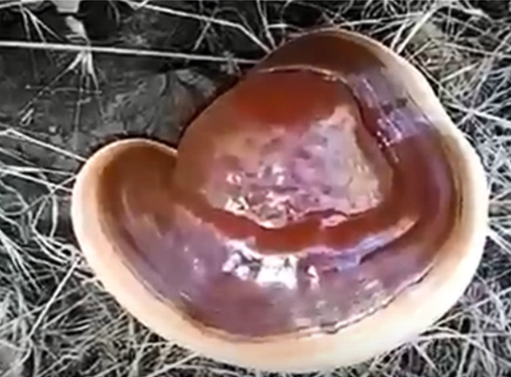 ReishiGanoderma lucidum
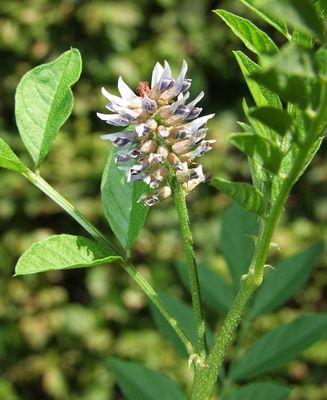 Licorice rootGlycyrrhiza glabra
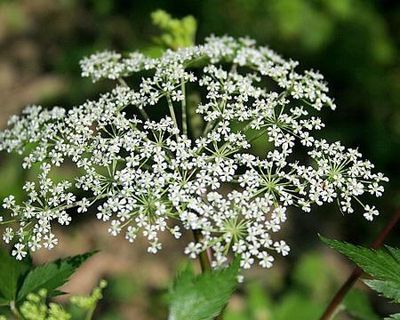 Dong QuaiAngelica sinensis
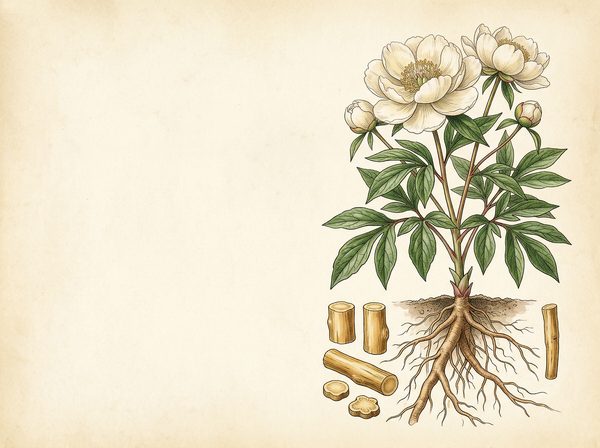 White PeonyPaeonia lactiflora
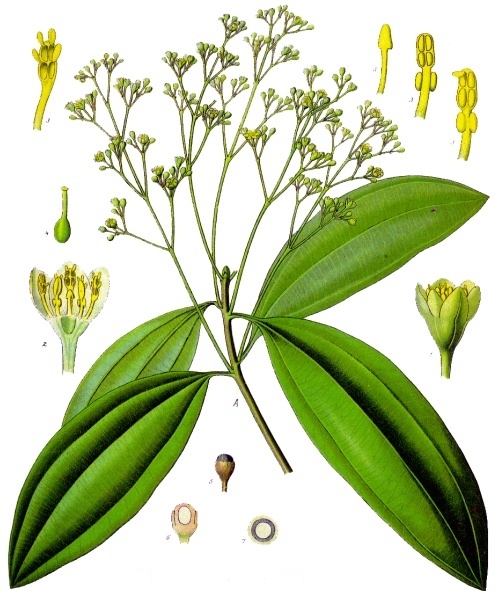 Indian bay leafCinnamomum tamala
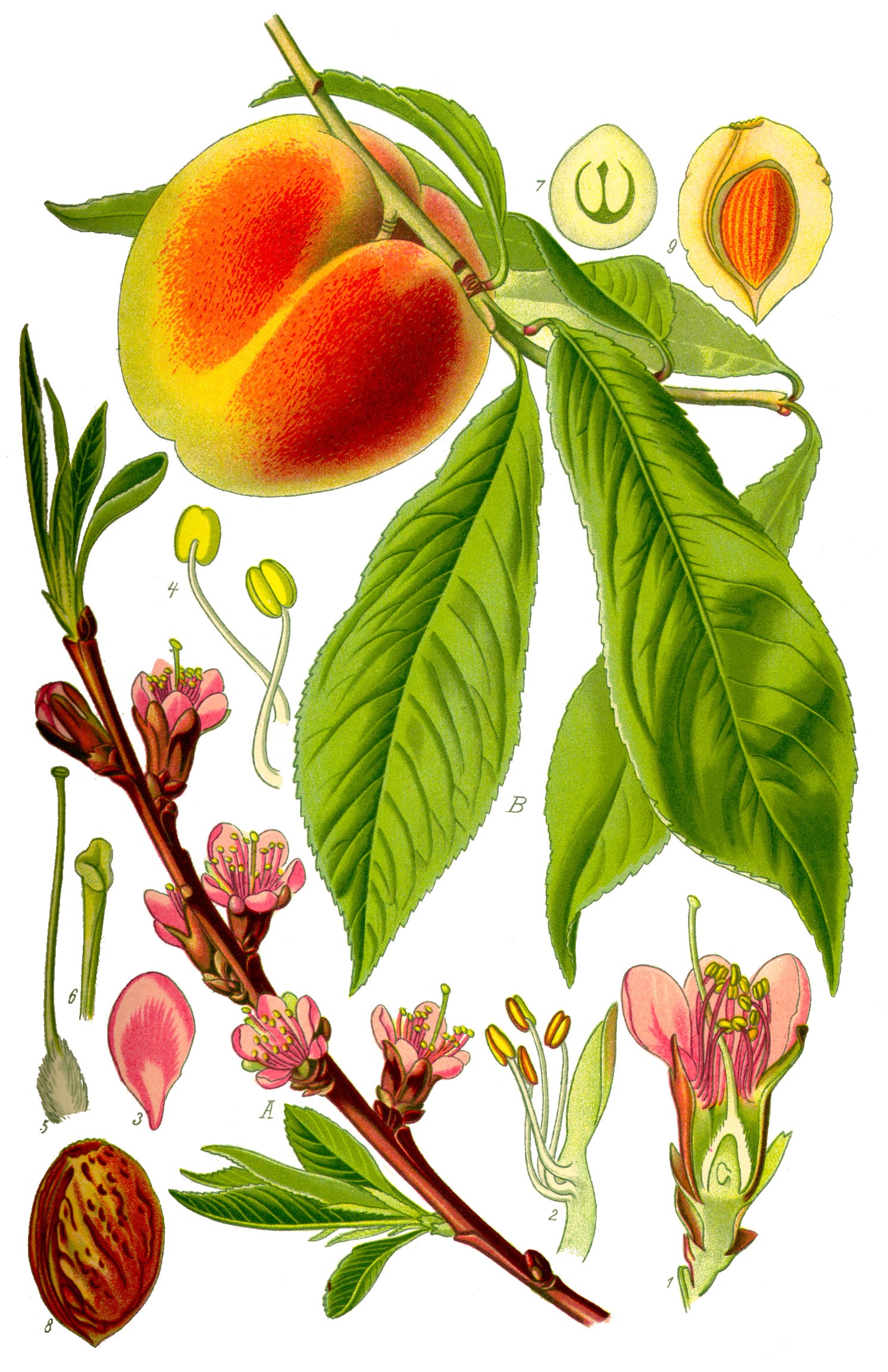 PeachPrunus persica
Nearby on the shelf
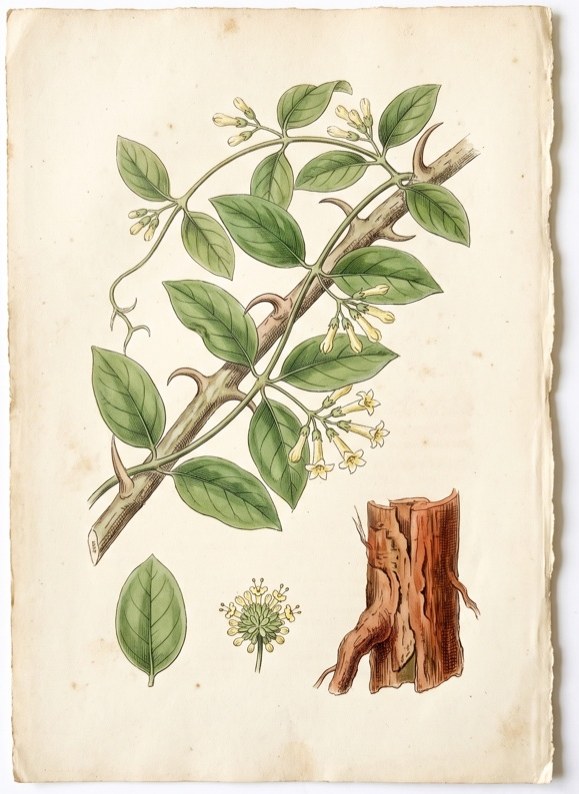 Cat's ClawUncaria tomentosa
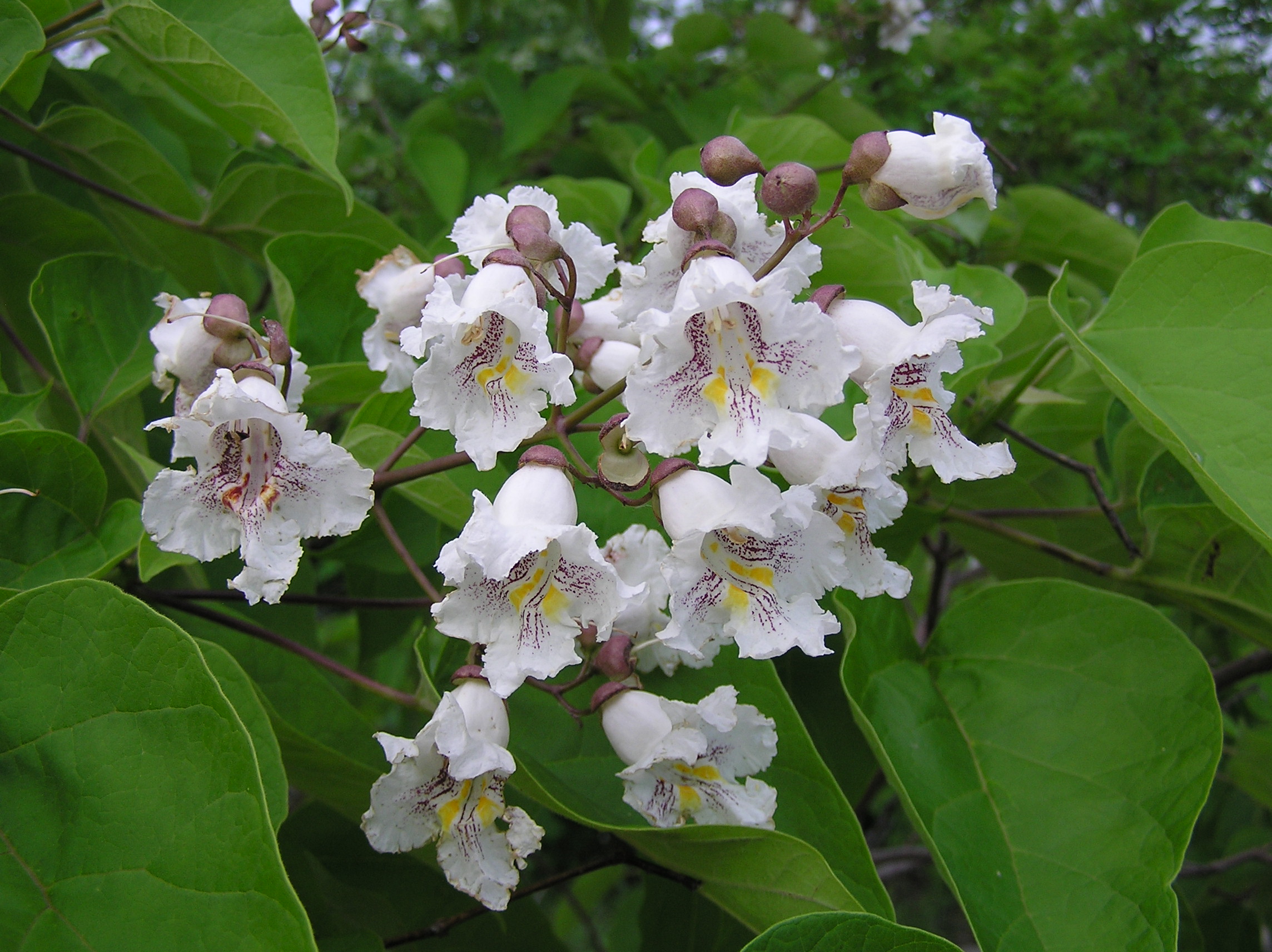 CatalpaCatalpa bignonioides
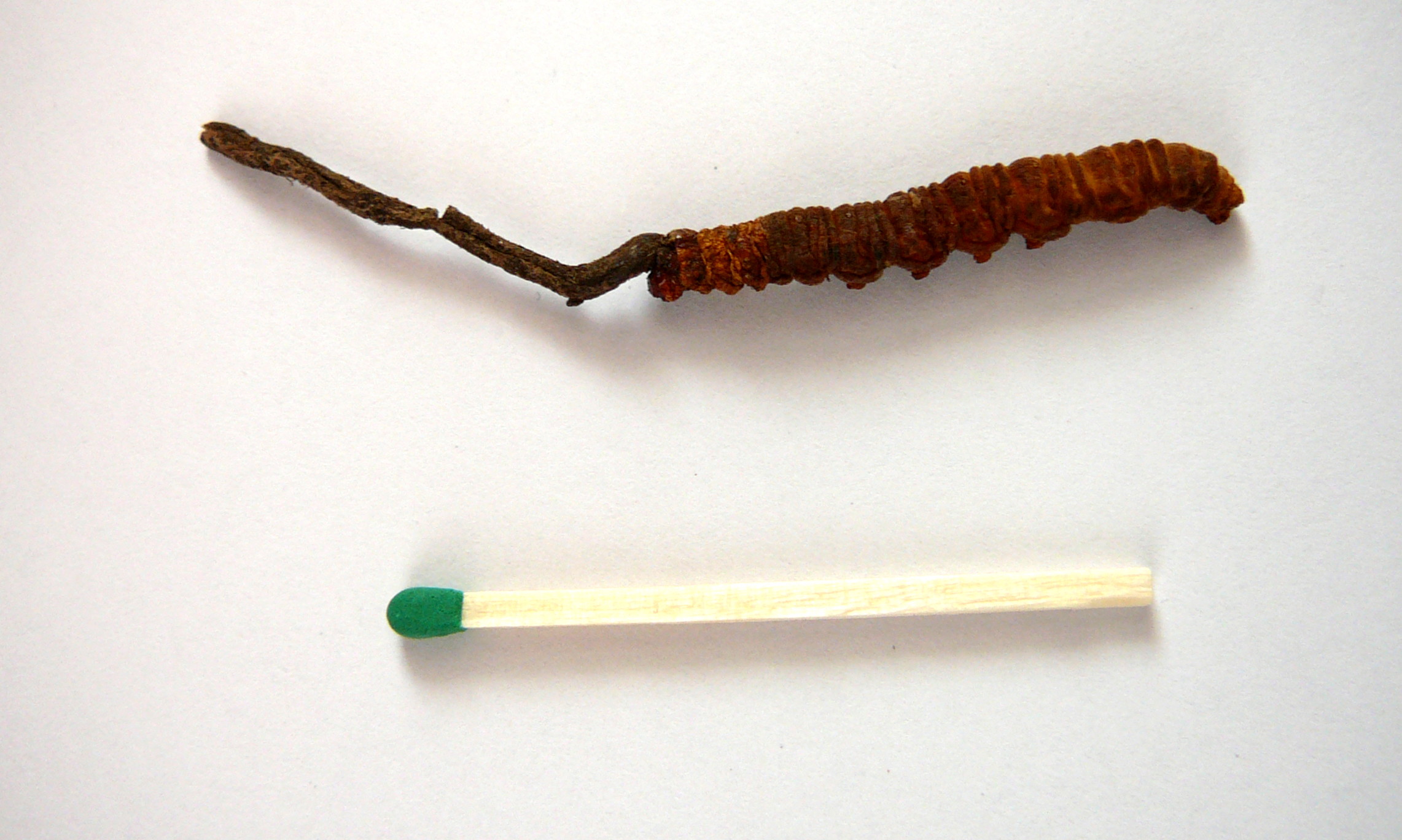 Caterpillar fungusCordyceps sinensis
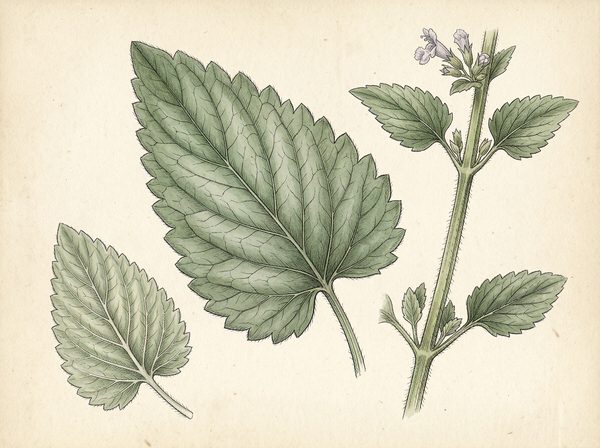 CatnipNepeta cataria
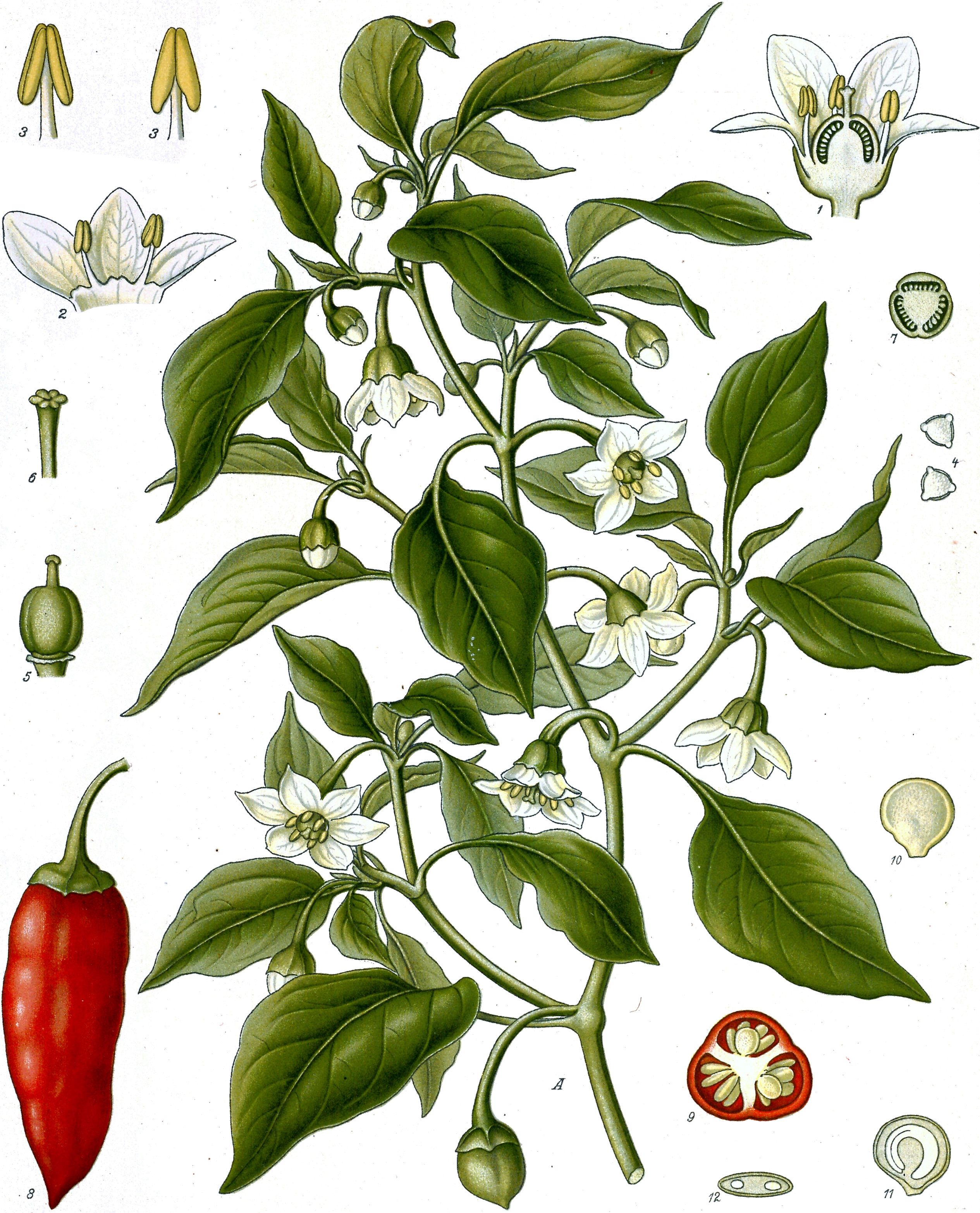 CayenneCapsicum frutescens
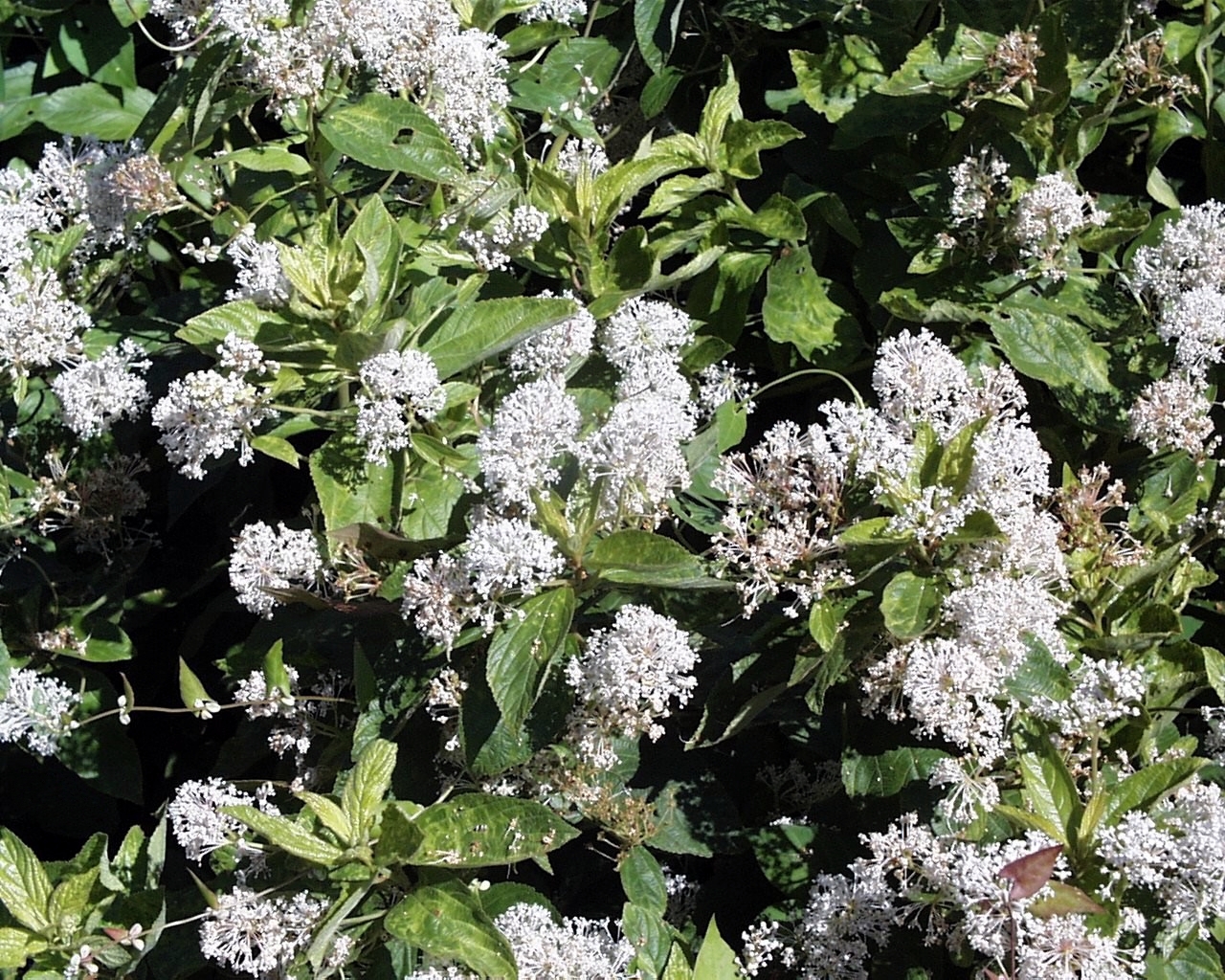 CeanothusCeanothus thrysiflorus
 CelandineChelidonium majus
 CeleryApium graveolens
The whole plate is in the library. The compass, Compare, the Sky of eleven hundred plants and the formulary open with an email address and a password, free, with the formula builder and its safety engine. Herbert without limit, his formulating, clients, the handouts and the labels are the paid room.
Open the library, free