Western Herbalism
Ceanothus
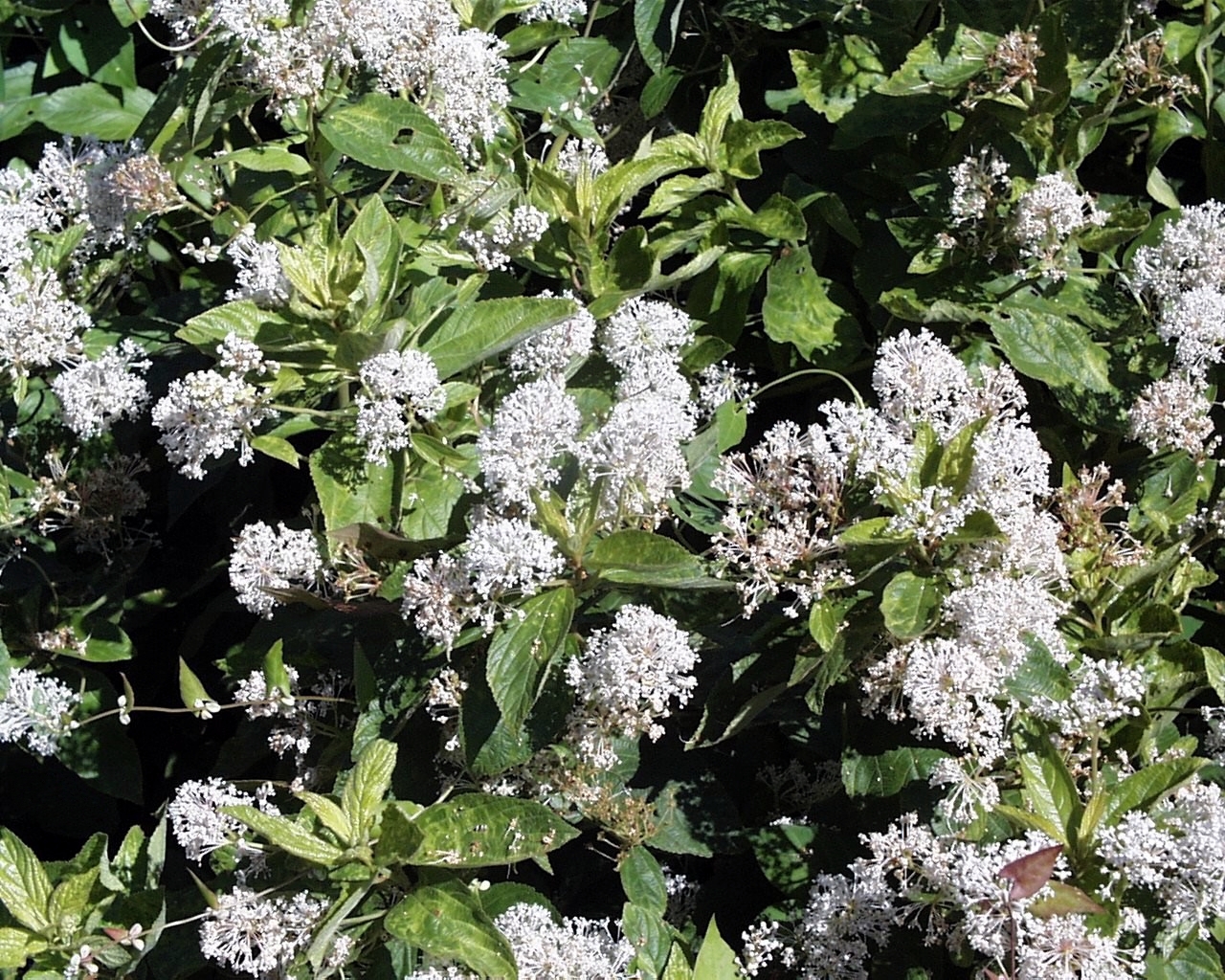
Ceanothus thrysiflorus
Also known as California Lilac, Deer Bush, Blueblossom, Blue Myrtle Brush.
Ceanothus thyrsiflorus, known as California lilac or blueblossom, is a evergreen shrub native to coastal California and Oregon, valued in the mountain chaparral for its dense clusters of blue flowers. Eclectic physicians of the nineteenth century used the leaf, berry, and root bark, most often as a tincture, for congestive conditions of the throat, spleen, and lymphatic system. It stands alongside its better documented relative Ceanothus americanus in the same tradition of astringent, decongestant shrubs used for boggy mucous membranes and sluggish lymphatic drainage.

Ask Herbert about Ceanothus. Herbert is the master herbalist inside Bountiful Herbs: he answers from this plate and eleven hundred others, with dosing, pairing and cautions. Your first ten questions are free.
Ask HerbertActions
Indications what the tradition reached for it in
- Pharyngitis with thick tenacious discharge
- Tonsillitis
- Chronic nasal catarrh with profuse discharge
- Conjunctivitis (topical wash)
- Splenic congestion
- Lymphatic congestion and swollen lymph nodes
- Subinvolution of the uterus
- Varicose veins with venous congestion
- Minor hemorrhage of mucous membranes
- Chronic sore throat with dryness and difficulty swallowing
Specific indications
Sore, constricted throat with thick, tenacious discharge and pain on swallowing
Profuse, thick nasal or throat catarrh where the membrane needs clearing and drying
Boggy, congested spleen with a sense of fullness in the left upper abdomen
Safety
The record lists 4 contraindications; open the plate in the library to read them in full.
In practice
This is a plant reached for when tissue is congested, boggy, and discharging thick or tenacious mucus rather than thin catarrh. The classic picture from the old eclectic literature is a sore, constricted throat with real difficulty swallowing and a feeling of dryness underneath the discharge, seen in pharyngitis, tonsillitis, and the catarrhal states that follow a cold settling in the throat.
Dosing as the sources wrote it
| Preparation | As written | Metric |
|---|---|---|
| Tincture (1:5, 50%) | 1-3 mL three times daily | 1-3 mL |
| Gargle dilution | 5 mL tincture diluted in 100 mL water, used as a throat gargle several times daily | 5-5 mL |
| Leaf infusion (topical eyewash) | steeped leaf infusion, cooled, applied topically to inflamed eyes |
Doses are reproduced from the sources for practitioners and are not a recommendation for any person.
From the sources
Overview. Ceanothus thyrsiflorus, known as California lilac or blueblossom, is a evergreen shrub native to coastal California and Oregon, valued in the mountain chaparral for its dense clusters of blue flowers. Eclectic physicians of the nineteenth century used the leaf, berry, and root bark, most often as a tincture, for congestive conditions of the throat, spleen, and lymphatic system. It stands alongside its better documented relative Ceanothus americanus in the same tradition of astringent, decongestant shrubs used for boggy mucous membranes and sluggish lymphatic drainage.
Clinical Notes. This is a plant reached for when tissue is congested, boggy, and discharging thick or tenacious mucus rather than thin catarrh. The classic picture from the old eclectic literature is a sore, constricted throat with real difficulty swallowing and a feeling of dryness underneath the discharge, seen in pharyngitis, tonsillitis, and the catarrhal states that follow a cold settling in the throat.
Therapy. Henderson has written a very interesting article which was published in the Annual. He says he has employed an infusion of the leaves in conjunctivitis, and as an application in inflamed eyes he has applied the steeped leaves themselves.
Drawn from Ellingwood's American Materia Medica, Therapeutics and Pharmacognosy, and the Bountiful Herbs editorial.
Often paired with
 BloodrootSanguinaria canadensis
 Black cohoshActaea racemosa
 Pleurisy rootAsclepias tuberosa
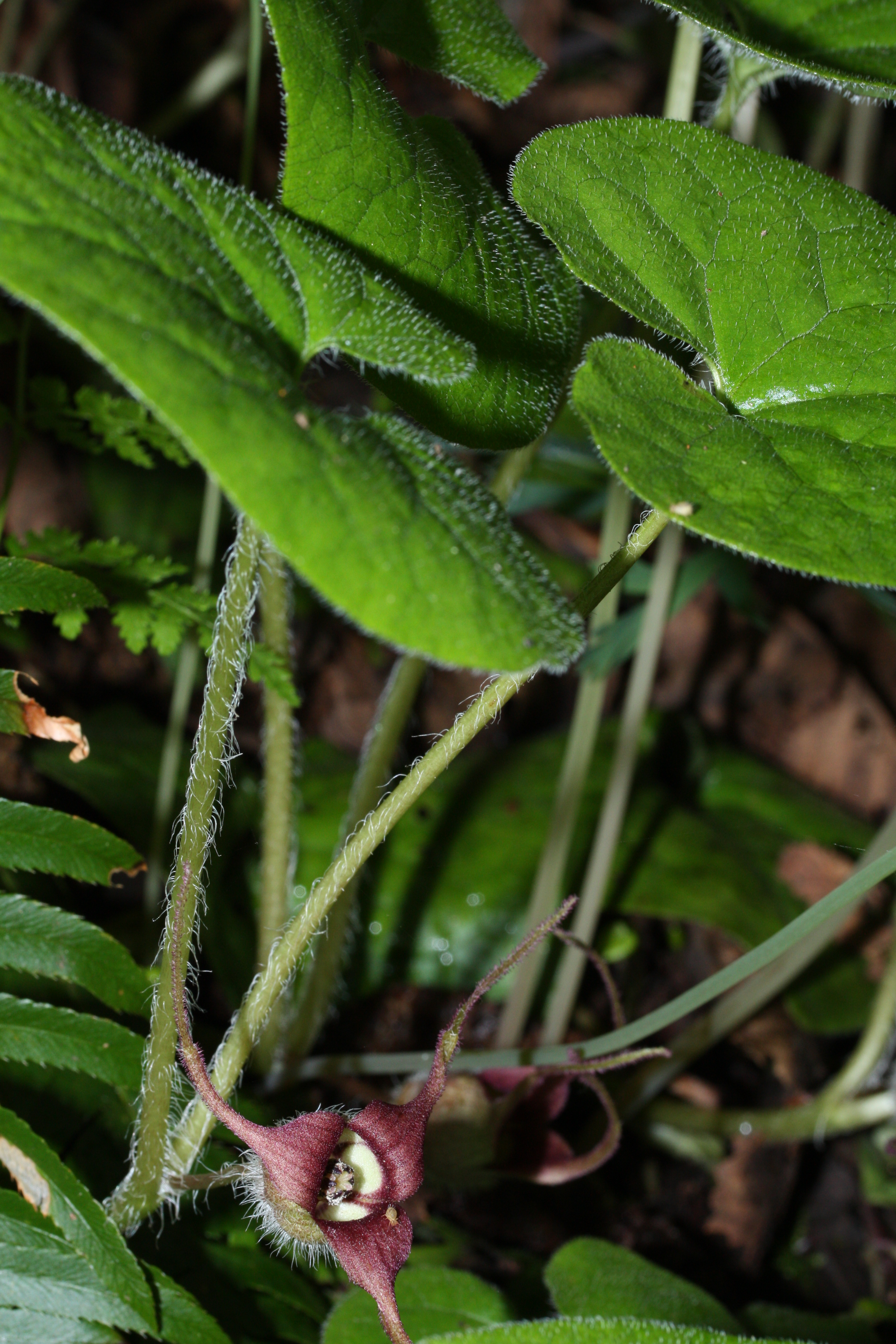 Wild GingerAsarum Candense
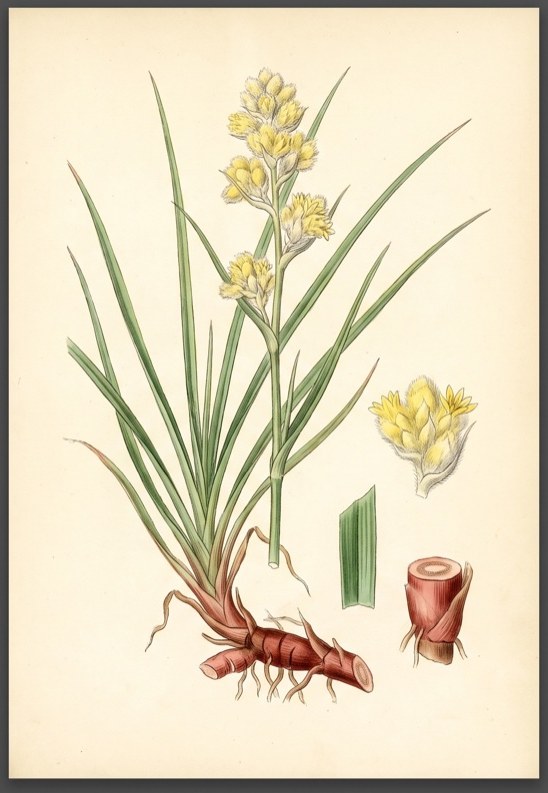 Red rootLachnanthes
Nearby on the shelf
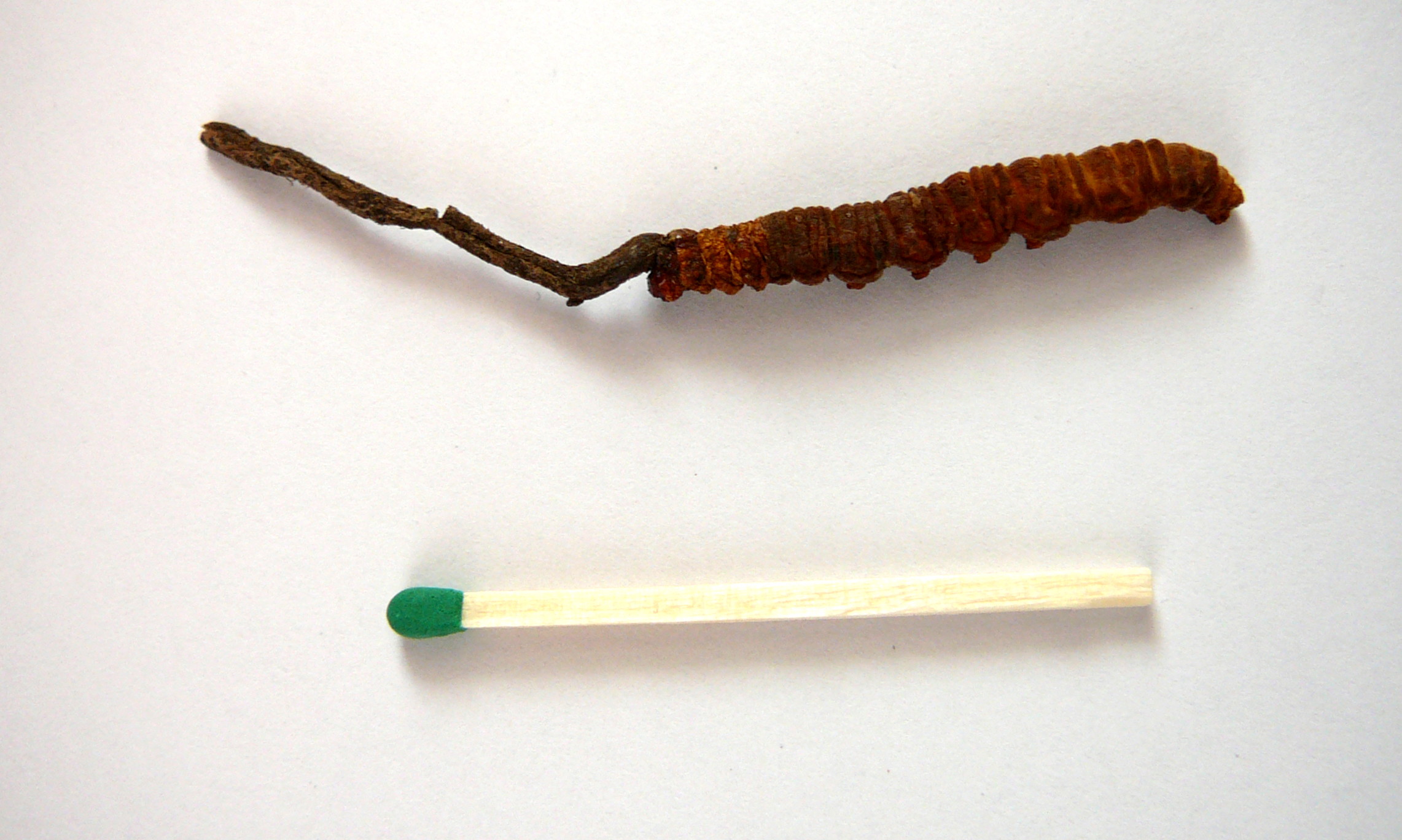 Caterpillar fungusCordyceps sinensis
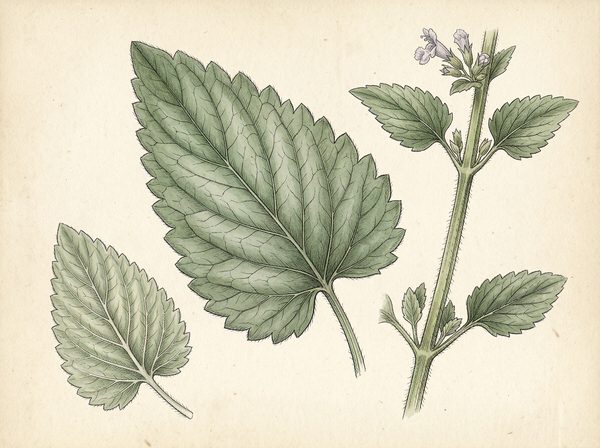 CatnipNepeta cataria
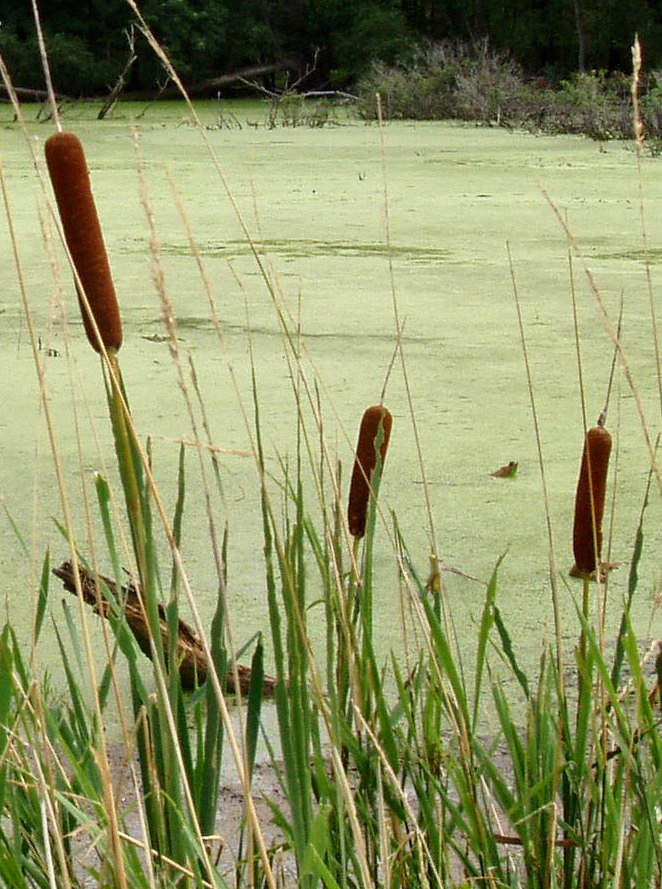 Cattail FlagTypha
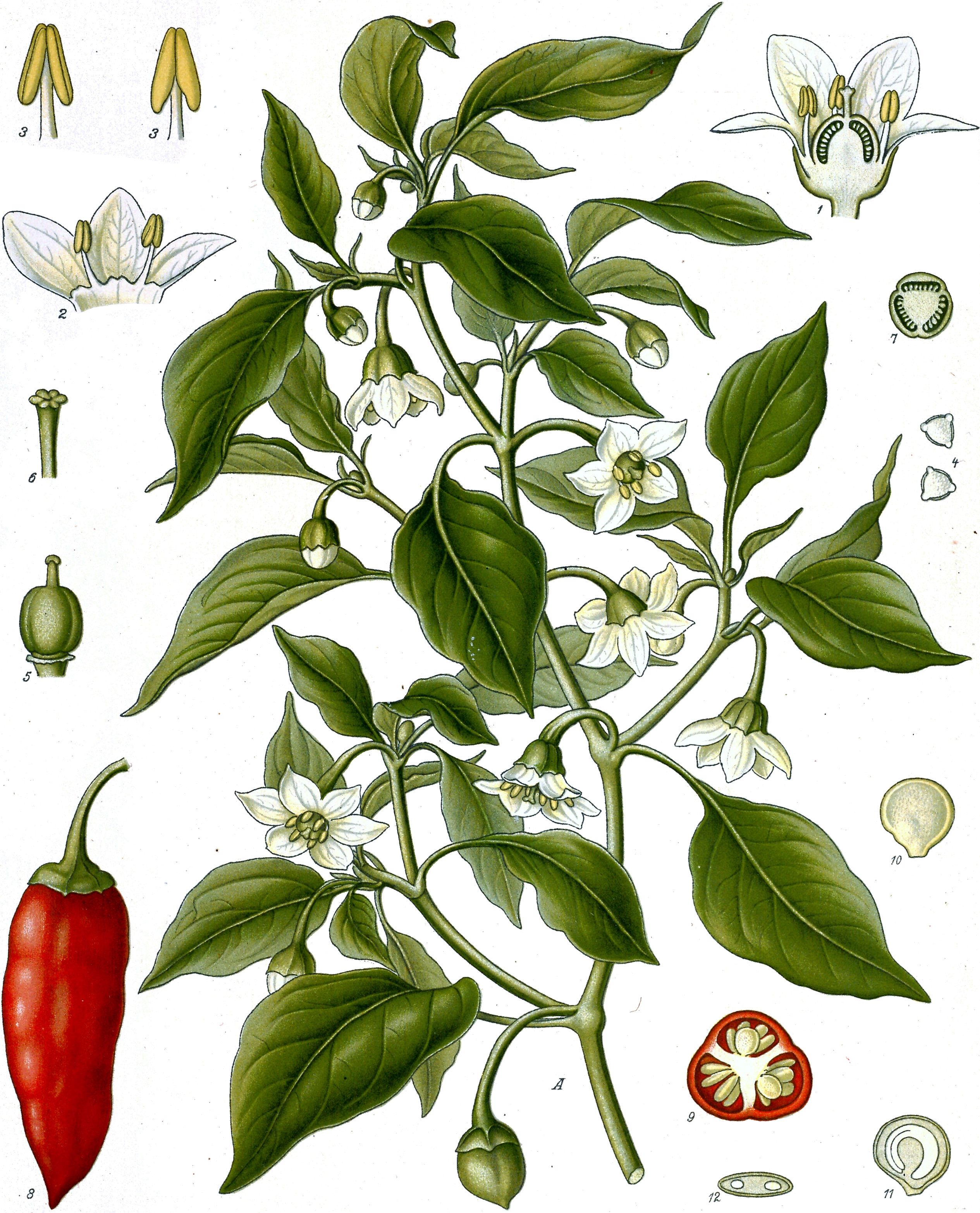 CayenneCapsicum frutescens
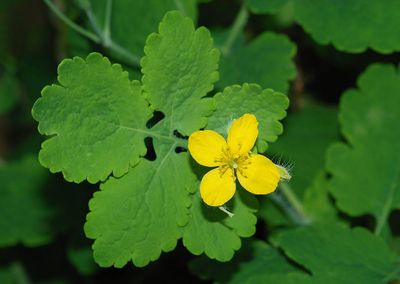 CelandineChelidonium majus
 CeleryApium graveolens
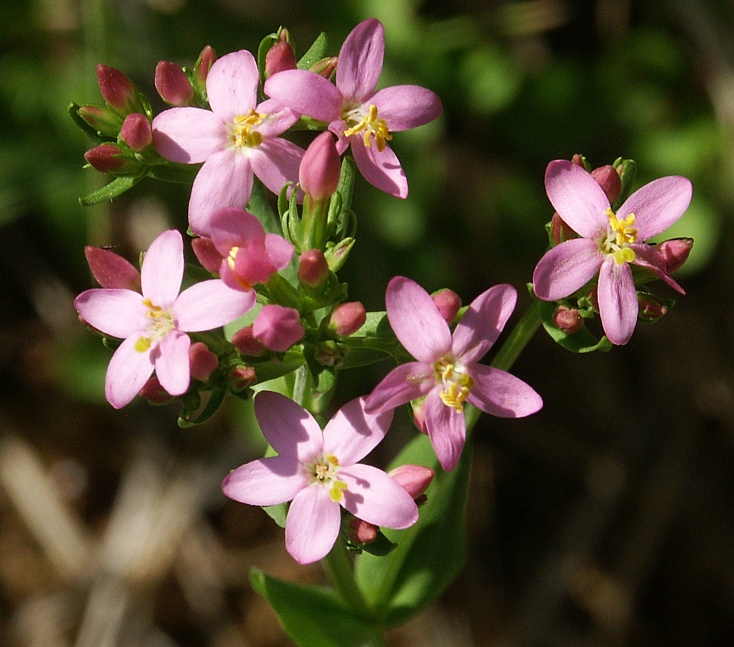 CentauryCentaurium erythraea
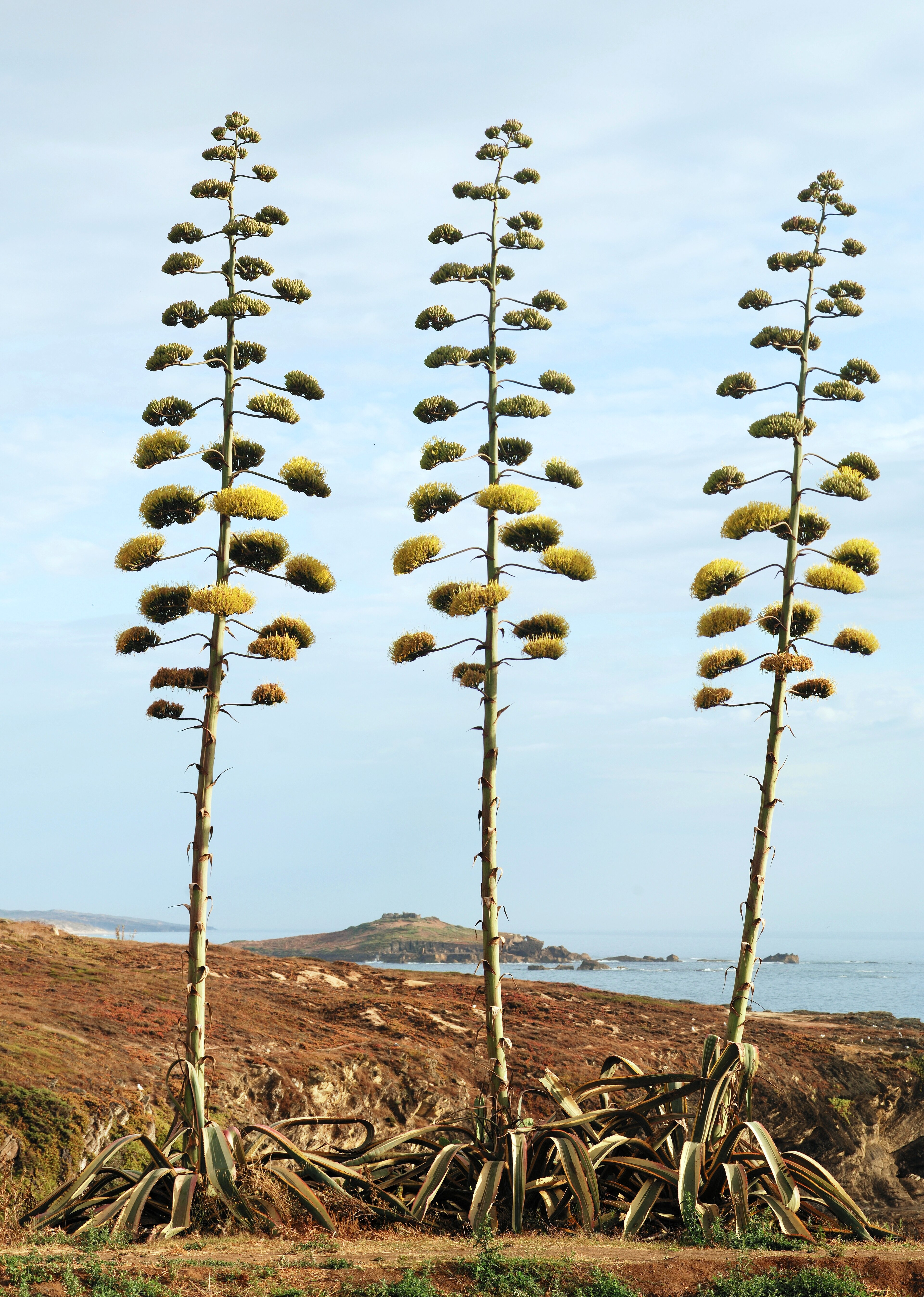 Century PlantAgave americana
The whole plate is in the library. The compass, Compare, the Sky of eleven hundred plants and the formulary open with an email address and a password, free, with the formula builder and its safety engine. Herbert without limit, his formulating, clients, the handouts and the labels are the paid room.
Open the library, free