Western Herbalism
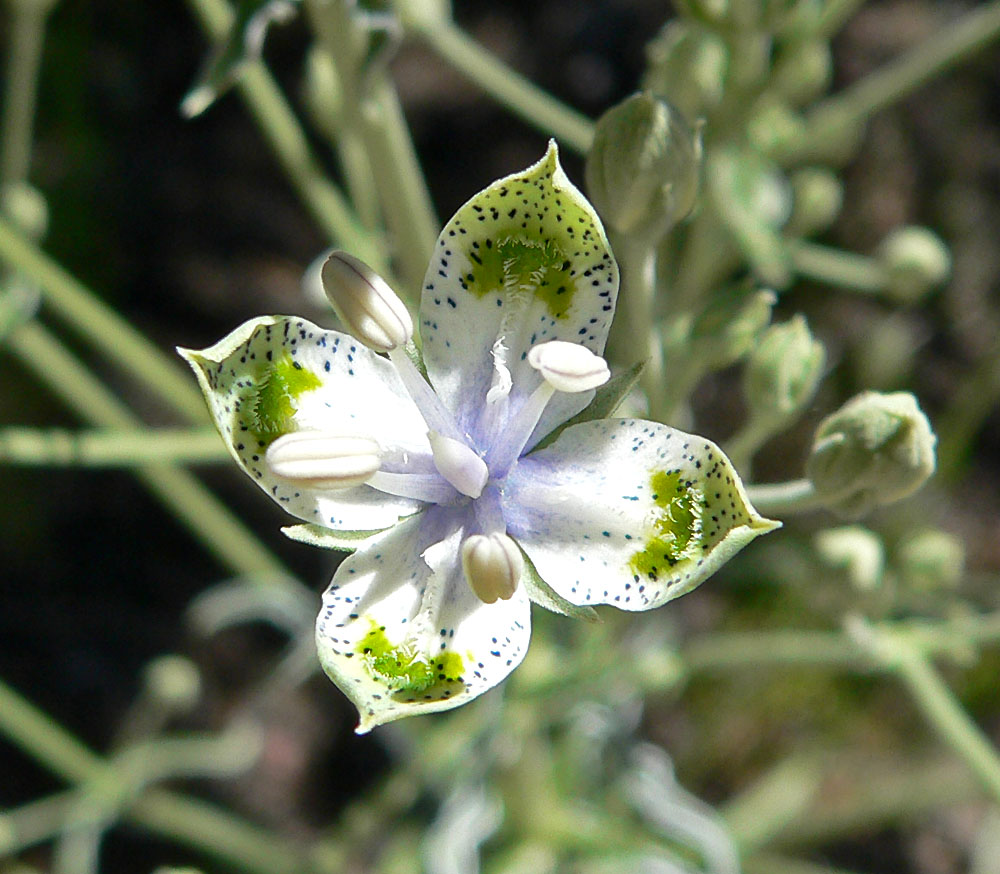
American columbo
Frasera carolinensis
Also known as Columbo root, Indian lettuce, American colombo, Frasera.
American columbo is a tall, striking biennial or triennial member of the gentian family, native to open woods and prairies of the eastern and midwestern United States. The large, thick yellow taproot is the part used, and it was highly valued in nineteenth century American herbal practice as a pure bitter tonic, occupying a place in the physiomedicalist and eclectic materia medica similar to that of European gentian. It has largely fallen out of modern use but remains documented in historical American herbal literature as a reliable digestive bitter.

Ask Herbert about American columbo. Herbert is the master herbalist inside Bountiful Herbs: he answers from this plate and eleven hundred others, with dosing, pairing and cautions. Your first ten questions are free.
Ask HerbertActions
Indications what the tradition reached for it in
- Dyspepsia
- Anorexia
- Atonic digestion
- Debility during convalescence
- Chronic gastric weakness
- Flatulent colic
- Poor appetite after acute illness
- General tonic support in low vitality states
- Poor appetite
- Anorexia in convalescence
- Chronic indigestion
- Torpid liver with sluggish digestion
- General debility with weak digestive fire
- Gastric catarrh
- Delayed or scanty menses (traditional use)
Specific indications
Weak, atonic digestion with poor appetite and a pale, flabby, coated tongue
Slow recovery of appetite and strength during convalescence following an acute illness
Safety
Low dose botanical. Used in drop doses in the classical practice; not a plant to dose freely.
Pregnancy: Avoid in pregnancy, as no modern safety data exist and traditional sources note emetic and cathartic effects at higher doses.
Breastfeeding: Avoid during lactation given the complete absence of modern safety information.
The record lists 5 contraindications; open the plate in the library to read them in full.
In practice
American columbo was reached for in the older American tradition much as gentian is used today, as a simple bitter to rouse a sluggish, atonic digestion and to support appetite and strength during a slow convalescence.
Dosing as the sources wrote it
| Preparation | As written | Metric |
|---|---|---|
| Dried root, powdered | 0.5-2 g daily, in divided doses before meals | 500-2000 mg |
| Decoction | 2-4 g dried root simmered briefly, taken in divided doses daily | 2000-4000 mg |
| Tincture (1:5) | 1-3 mL three times daily | 1-3 mL |
| Dose of the powder, ten to twenty grains three times a day | 648-1296 mg | |
| Immense doses, as sixty grains, are often written about | 3888-3888 mg | |
| The dose may range from three to eight grains | 194-518 mg |
Doses are reproduced from the sources for practitioners and are not a recommendation for any person.
From the sources
Overview. American columbo is a tall, striking biennial or triennial member of the gentian family, native to open woods and prairies of the eastern and midwestern United States. The large, thick yellow taproot is the part used, and it was highly valued in nineteenth century American herbal practice as a pure bitter tonic, occupying a place in the physiomedicalist and eclectic materia medica similar to that of European gentian. It has largely fallen out of modern use but remains documented in historical American herbal literature as a reliable digestive bitter.
Overview. American columbo is a tall biennial or short-lived perennial of the gentian family, native to rich woodlands and meadows of eastern and central North America. Its thick, yellowish taproot was dug in the plant's first year, before the tall flowering stalk arose, and dried for use as a simple bitter tonic. It held a firm place in nineteenth century eclectic and physiomedical practice as a home-grown substitute for imported gentian and other foreign bitters.
Clinical Notes. American columbo was reached for in the older American tradition much as gentian is used today, as a simple bitter to rouse a sluggish, atonic digestion and to support appetite and strength during a slow convalescence.
Clinical Notes. Frasera is used exactly as one would use gentian or other simple bitters: a small dose taken before meals to rouse a sluggish appetite and support weak, atonic digestion, particularly in convalescent or debilitated patients whose stomach has lost its tone.
Drawn from Cook's Physio-Medical Dispensatory; Scudder's Specific Medication and Specific Medicines; King's American Dispensatory, 18th edition (Felter and Lloyd); Ellingwood's American Materia Medica, Therapeutics and Pharmacognosy, and the Bountiful Herbs editorial.
Nearby on the shelf
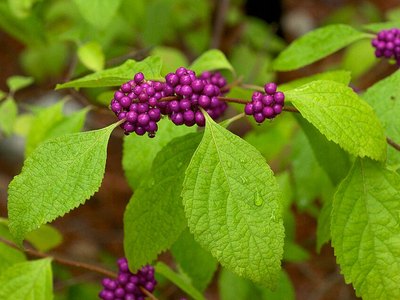 American beautyberryCallicarpa americana
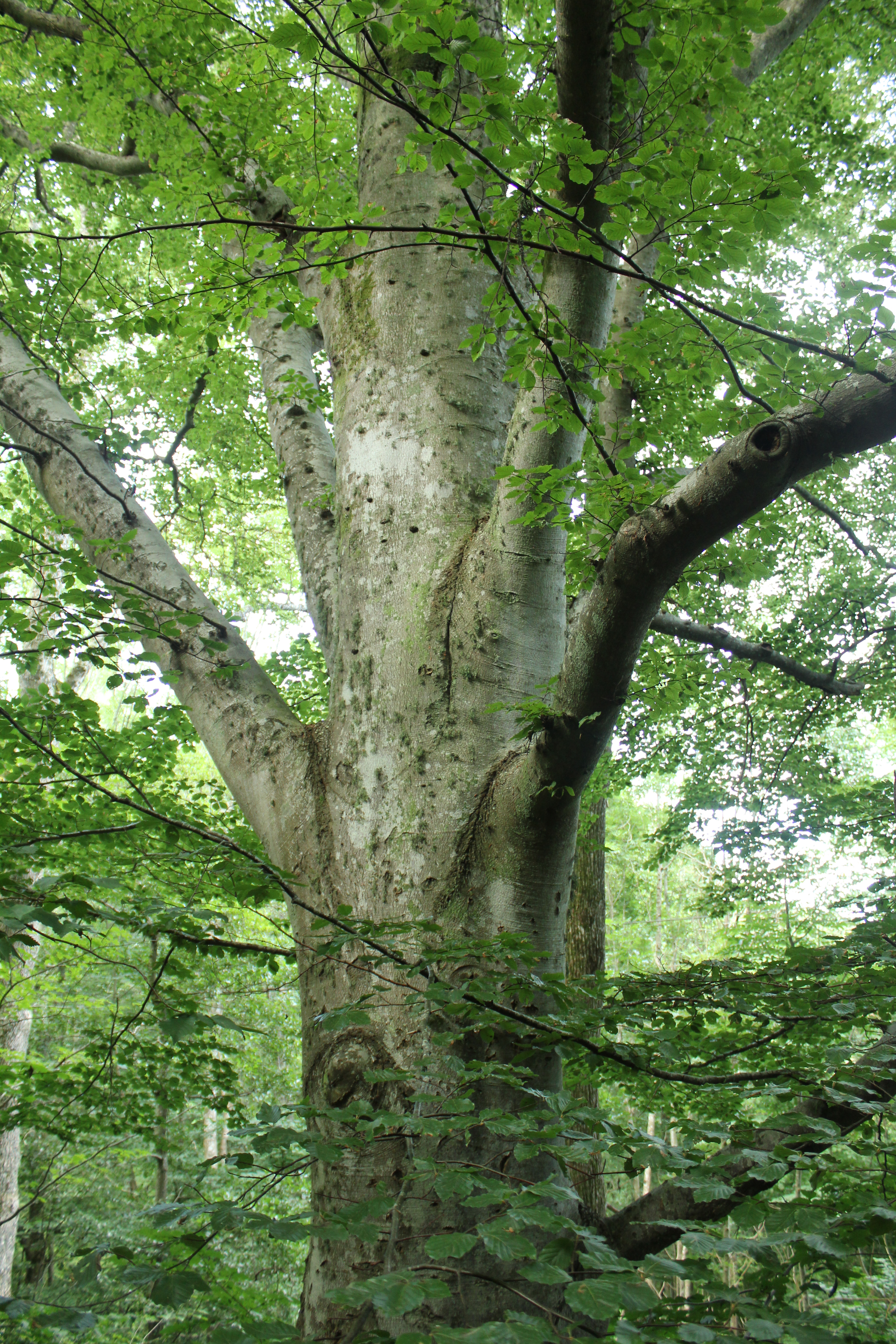 American beechFagus ferruginea
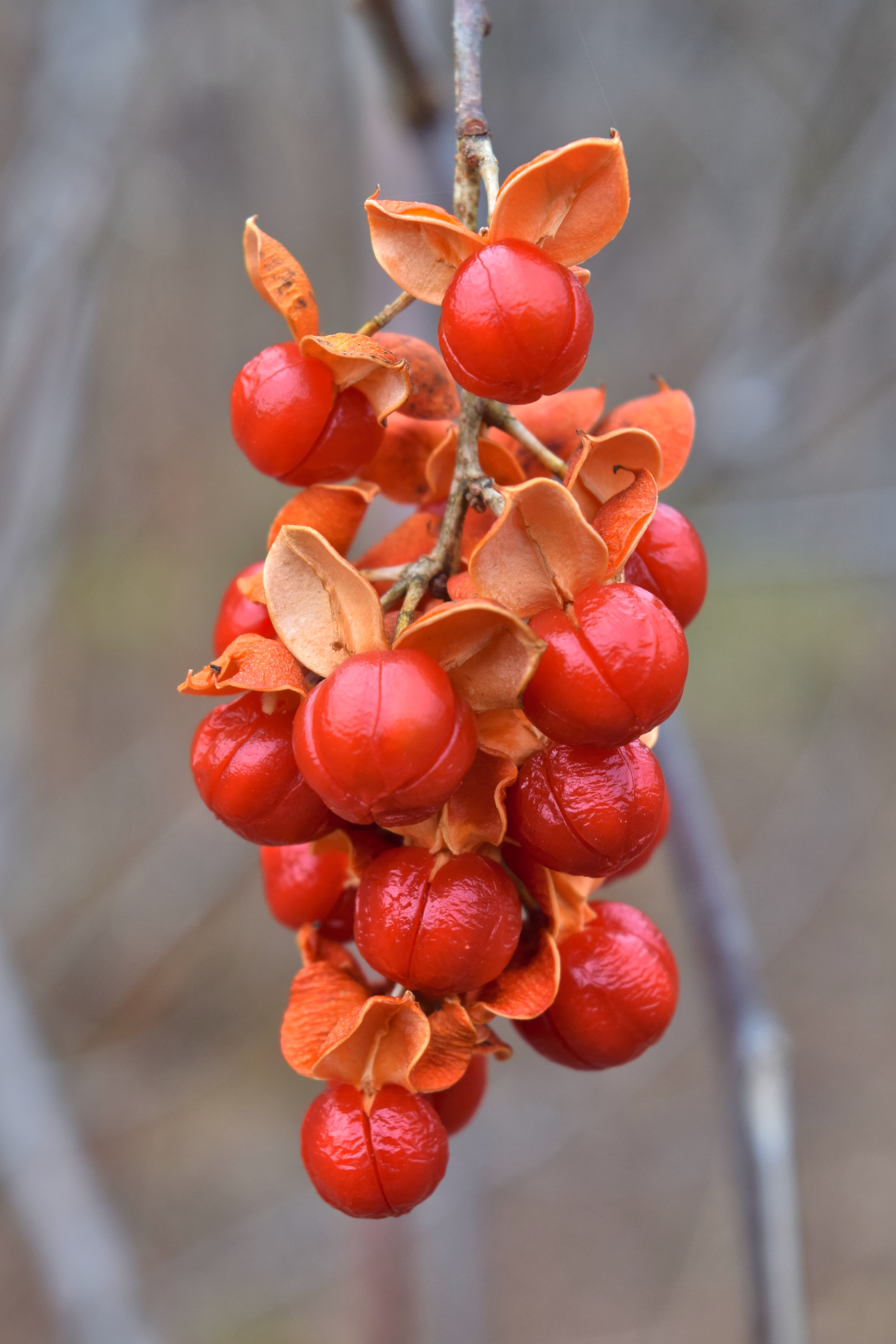 American bittersweetCelastrus scandens
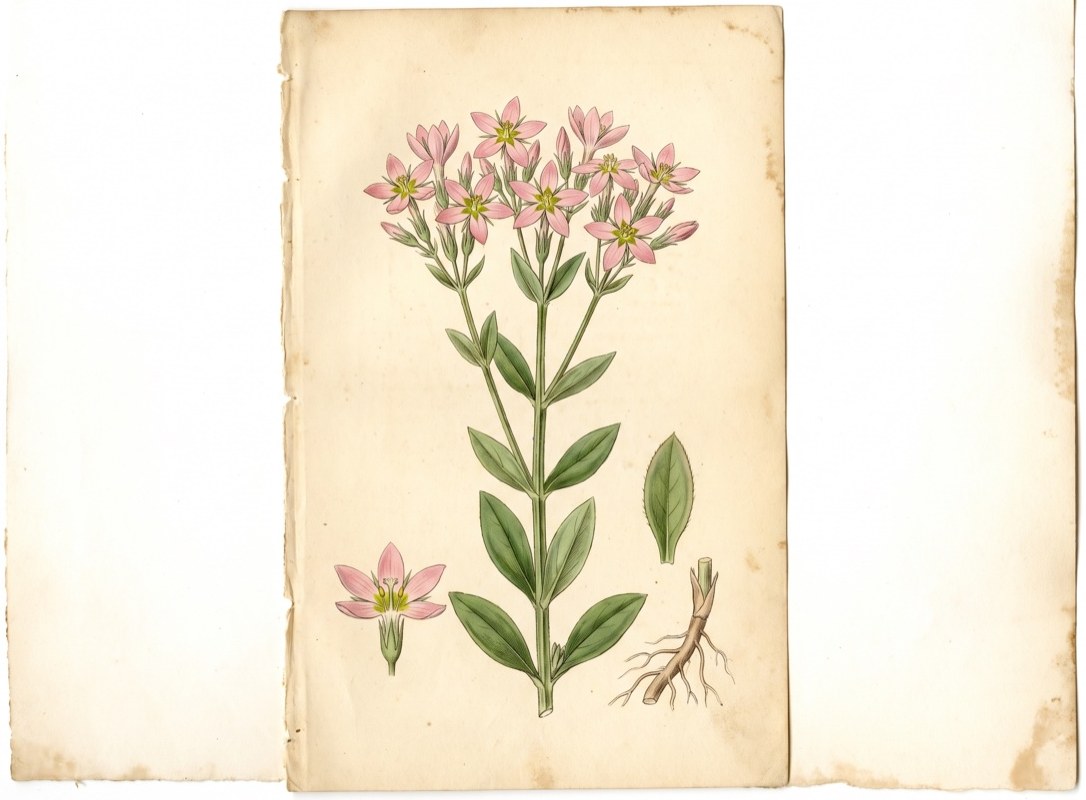 American centaurySabbatia angularis
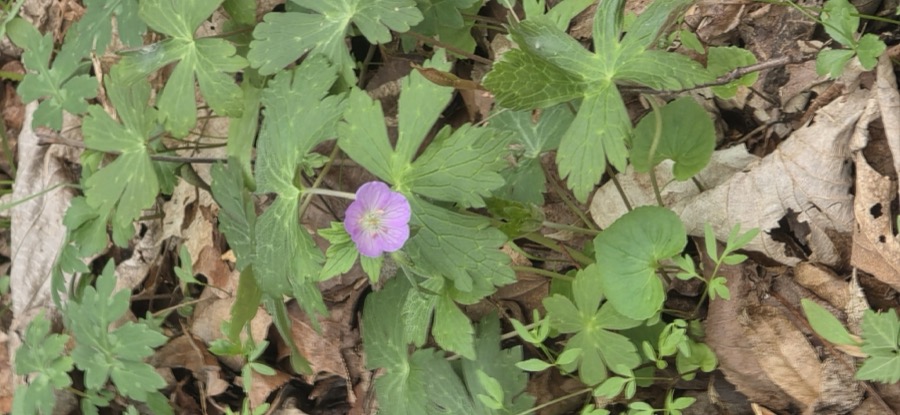 American cranesbillGermanium maculata
 American dittanyCunila mariana
 American figwortScrophularia marilandica
 American GinsengPanax quinquefolius
The whole plate is in the library. The compass, Compare, the Sky of eleven hundred plants and the formulary open with an email address and a password, free, with the formula builder and its safety engine. Herbert without limit, his formulating, clients, the handouts and the labels are the paid room.
Open the library, free