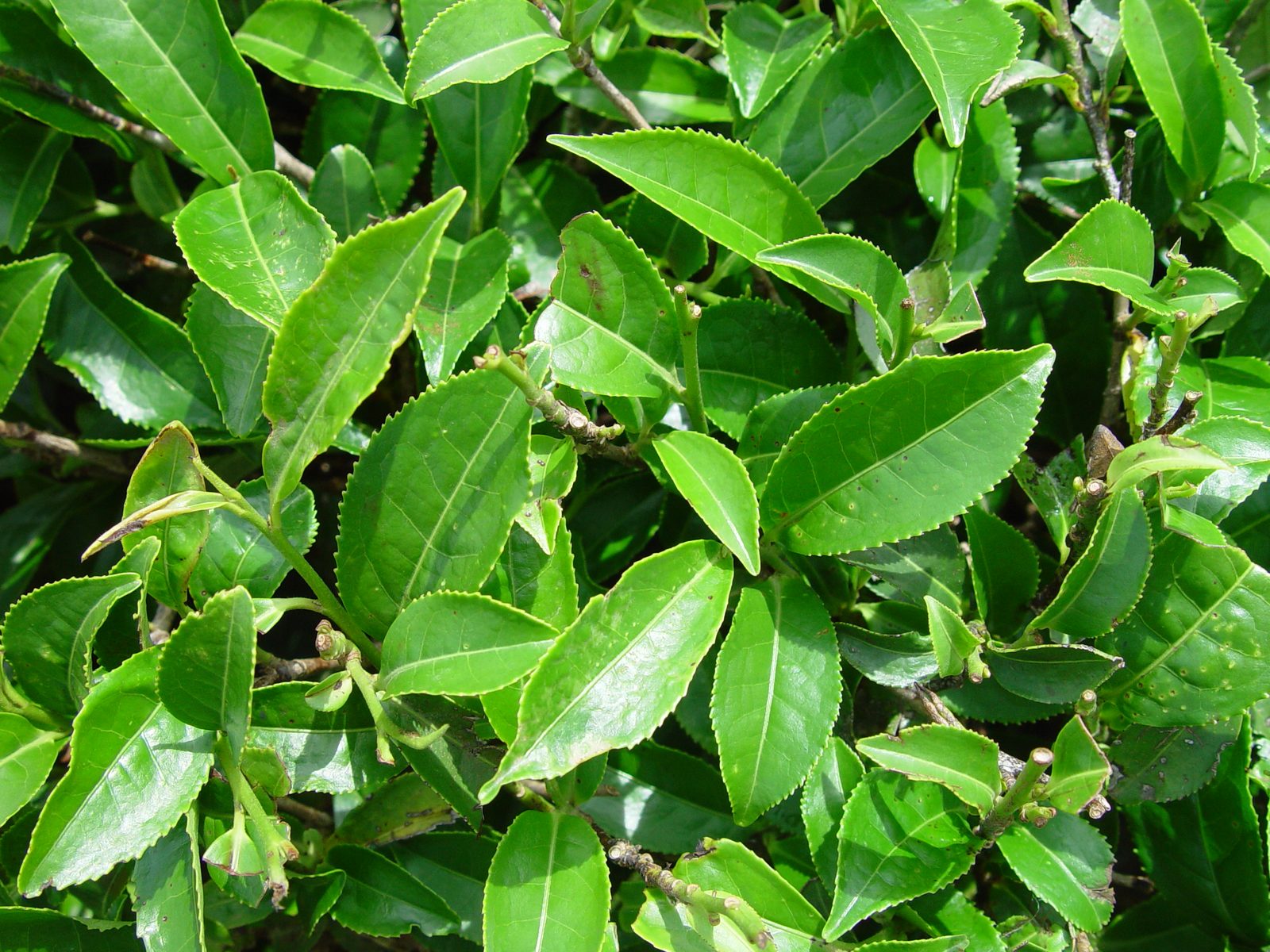
Western and Chinese herbalism
Black tea
Camellia sinensis
Also known as Green tea, Chinese tea, gruner tea, Matsu-cha, camellia tea, Tea, chá yè.
Tea is a mild stimulant and astringent. Used in moderation, the infusion, when not too strong, is a harmless and refreshing beverage. As to its effects upon the constitution, there is quite a diversity of opinion, but it is very probable that, with healthy persons, no pernicious influences arise from its use, unless taken in large quantities, or very strong.

Ask Herbert about Black tea. Herbert is the master herbalist inside Bountiful Herbs: he answers from this plate and eleven hundred others, with dosing, pairing and cautions. Your first ten questions are free.
Ask HerbertActions
Indications what the tradition reached for it in
- Oral squamous cell carcinoma
- Infant apnea
- Plaque (teeth)
- Leukoplakia
- Obesity
- Gingivitis
- Headache
- Hemochromatosis
- Chronic obstructive pulmonary disease
- Asthma
- Bleeding
- Bronchospasm
- Diarrhea
- Edema
- Fluid retention
- Inflammation
- Urinary disorders
- Spasm
- Respiratory complaints
- Oxidative stress
- Fatigue
- Lethargy
- Dyspnea
- Excessive discharge
- Fever
- Common cold
- Chemotherapeutic/radiation adjunct
- Cancer prevention
- Cardiovascular protection
- Dental caries
Safety
Pregnancy: Not safe. Not for use in pregnancy (our record's flag)
Pregnancy, our record's flag: Caution. Use with care in pregnancy (our record's flag)
Pregnancy, a modern clinical reference: Usual dietary intakes appear safe; however, excessive use is not recommended due to the caffeine content of green tea
Pregnancy, published rating: No concern. AHPA Botanical Safety Handbook class 1
Breastfeeding: Not safe. Not for use while breastfeeding (our record's flag)
Breastfeeding, our record's flag: Caution. Use with care while breastfeeding (our record's flag)
Breastfeeding, published rating: Caution. Brinker notes: stimulant alkaloids pass into milk
The record lists 12 contraindications; open the plate in the library to read them in full.
Dosing as the sources wrote it
| Preparation | As written |
|---|---|
| Infusion | 3-10 c/d (higher for cancer) |
| Solid extract | 1/4 tsp QD-BID |
| L-theanine | 200 mg QD-TID |
| Standardized extrace w/ at least | Standardized extrace w/ at least 50% polyphenols, at least 45% ECGC, 500mg-2000 mg/d |
| The infusion of tea may be used freely; the fluid extract in doses of ½ to 1 fluid drachm, well diluted with water. | |
| Infusion | Infusion: 1 heaping tsp. (1 tsp. = 2.5 g)/cup; steep 2 - 10 min.; 1 cup QD - TID. Alternatively, if green tea is steeped for more than |
Doses are reproduced from the sources for practitioners and are not a recommendation for any person.
From the sources
Action, Medical Uses, and Dosage. Tea is a mild stimulant and astringent. Used in moderation, the infusion, when not too strong, is a harmless and refreshing beverage. As to its effects upon the constitution, there is quite a diversity of opinion, but it is very probable that, with healthy persons, no pernicious influences arise from its use, unless taken in large quantities, or very strong.
primary-actions. Black tea acts primarily as: Antioxidant, Anti-inflammatory, Antineoplastic, Stimulant, Bronchodilator, Astringent. Secondary actions include Diaphoretic, Diuretic.
action-antioxidant. In an aqueous infusion of dried unfermented leaves of Camellia sinensis, numerous biological activities have been reported including antimutagenic, antibacterial, hypocholesterolemic, antioxidant, antitumor and cancer preventive activities.
action-anticancer-mechanism. EGCG, the major catechin in green tea, inhibits cell proliferation and induces apoptosis in cancer cells, in part by inhibiting receptor tyrosine kinases including EGFR, HER2 and HER3 and the IGF-1 and VEGF receptors, thereby inhibiting the Ras/MAPK and PI3K/Akt signaling pathways and the activation of AP-1 and NF-kappaB.
Drawn from King's American Dispensatory, 18th edition (Felter and Lloyd), and the Bountiful Herbs editorial.
Also mentioned under
Also mentioned under American Holly
Also mentioned under Cacao
In formulas
Black tea stands in 122 documented formulas in the library, among them wũ hù tāng, huáng lián shàng qing wán, shi gão tang, chuan xiong ch tiáo sǎn, chuan xiông chá tiáo sắn, càng ér zi sǎn.
Often paired with
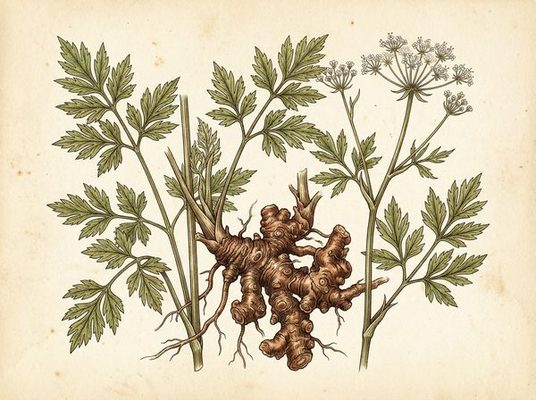 Sichuan Lovage RhizomeLigusticum chuanxiong
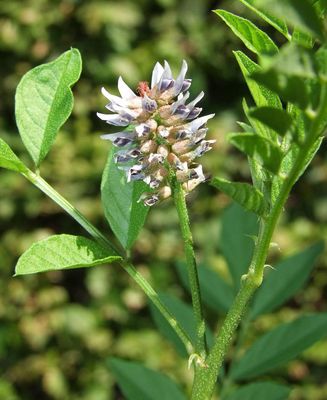 Licorice rootGlycyrrhiza glabra
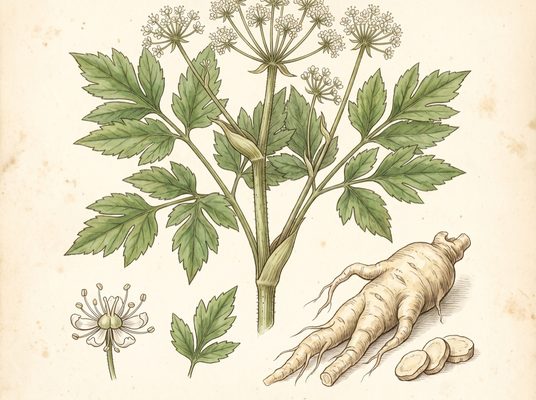 Dahurian angelicaAngelica dahurica
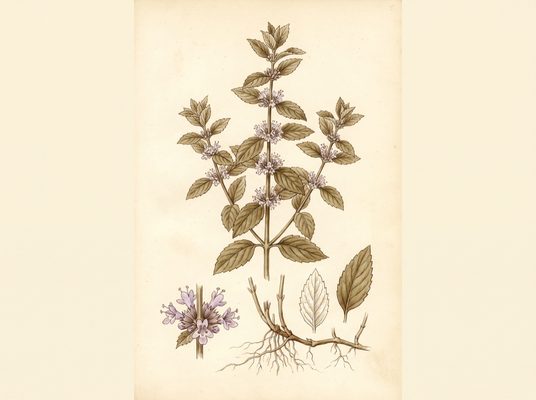 Chinese mintMentha canadensis
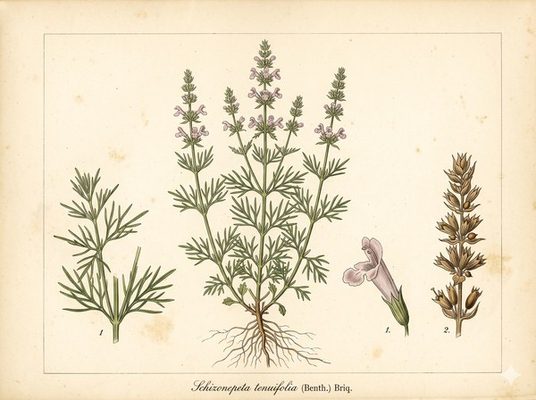 Jing JieSchizonepeta tenuifolia
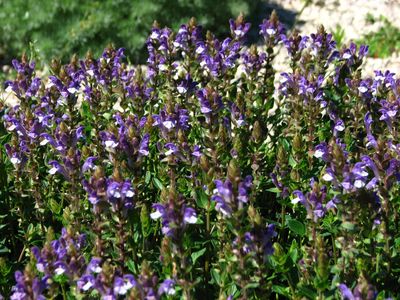 Chinese skullcapScutellaria baicalensis
Nearby on the shelf
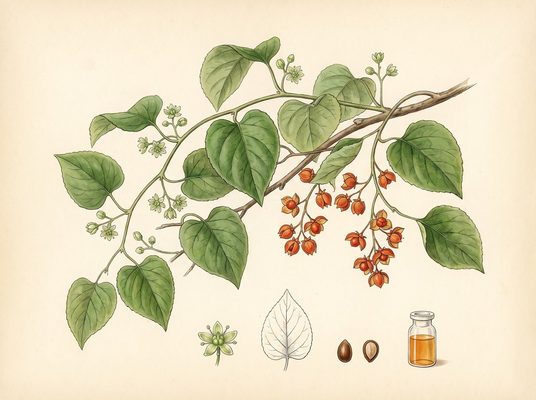 Black oil plantCelastrus paniculatus
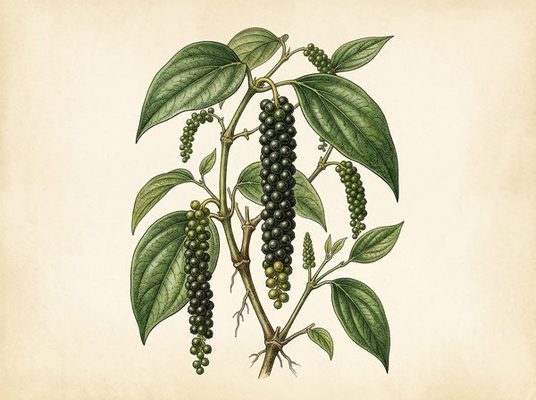 Black pepperPiper nigrum
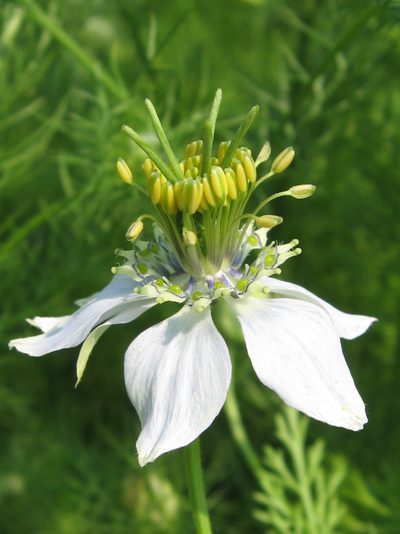 Black seedNigella sativa
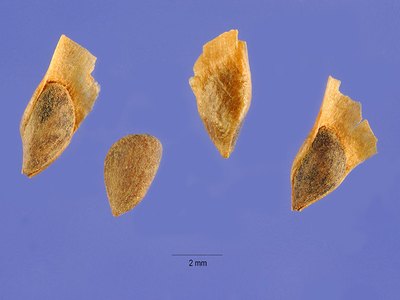 Black spruceAbies nigra
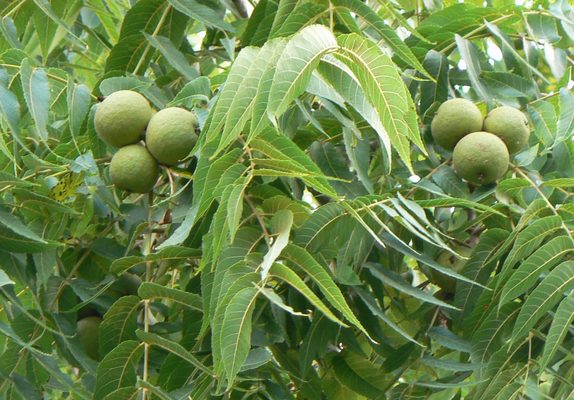 Black walnutJuglans nigra
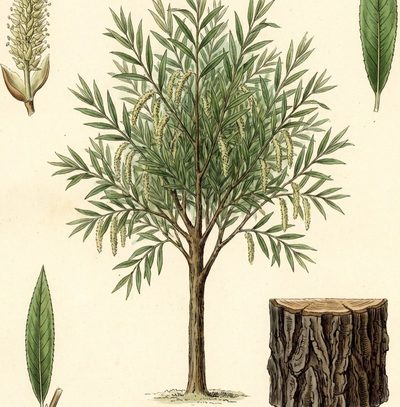 Black willowSalix nigra
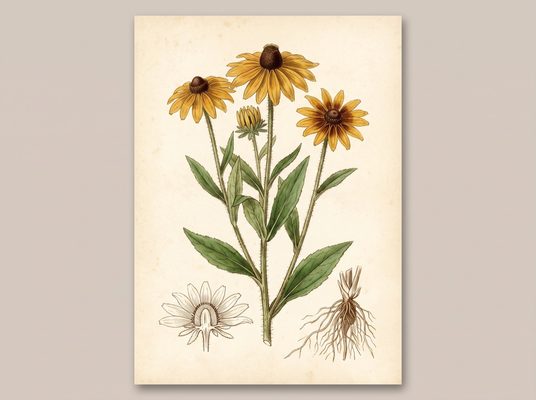 Black-eyed SusanRudbeckia hirta
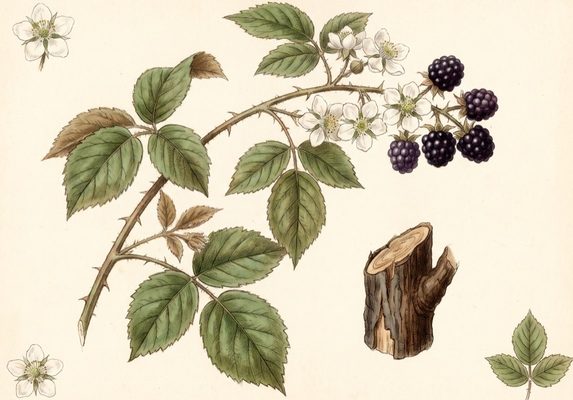 BlackberryRubus villosus
The whole plate is in the library. The compass, Compare, the Sky of eleven hundred plants and the formulary open with an email address and a password, free, with the formula builder and its safety engine. Herbert in full, his formulating, clients, the handouts and the labels are the paid room.
Open the library, free