Western and Ayurvedic herbalism
Black seed
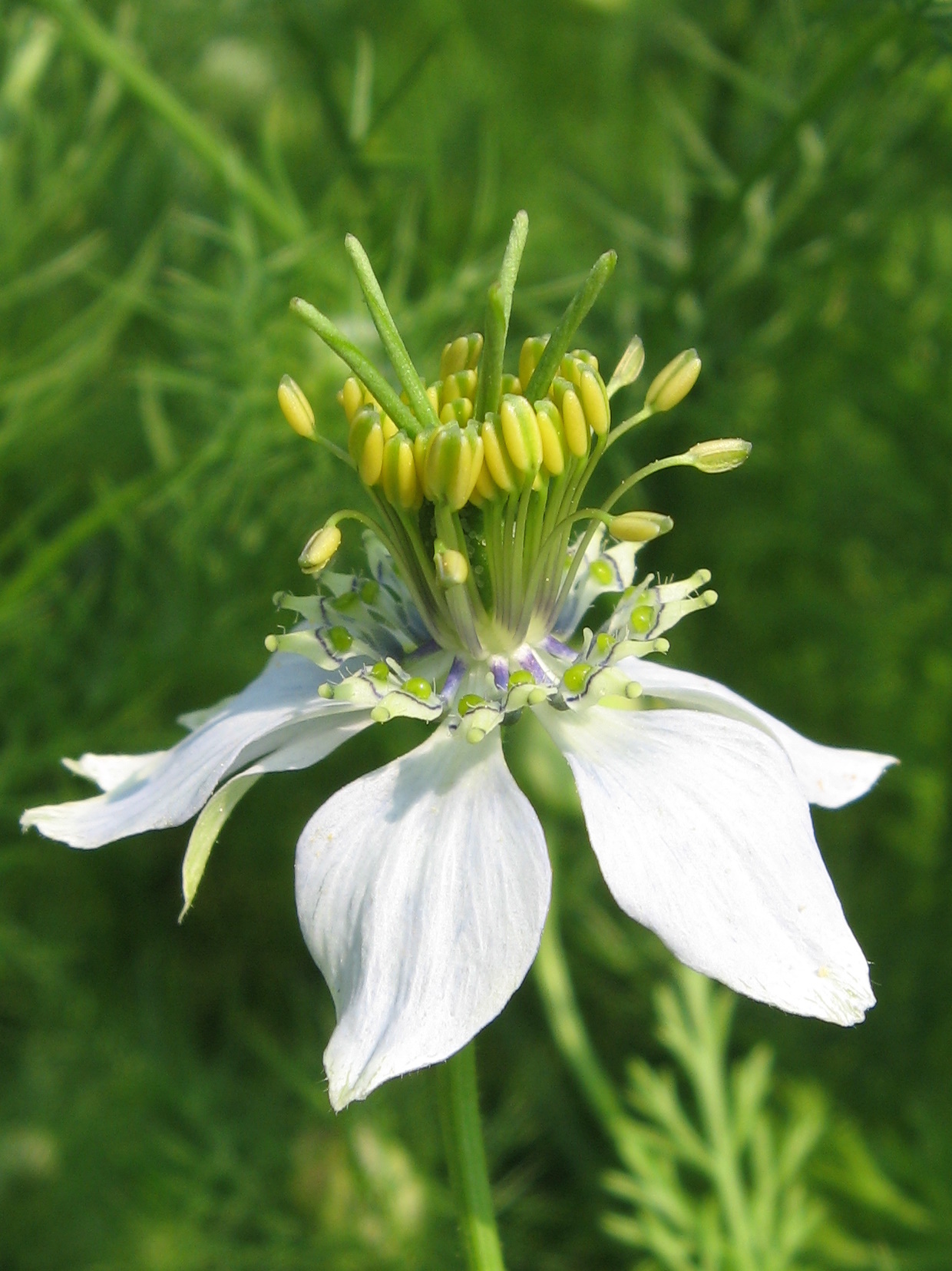
Nigella sativa
Also known as black cumin, kalonji, fennel flower, nigella, Upakunchika, Kalajaji, Sthulajiraka.
Nigella sativa is a small annual of the buttercup family with finely divided leaves, pale blue-white flowers and inflated capsules packed with angular black seeds, cultivated across the Gangetic plain, Punjab, Bihar and Bengal and throughout the Middle East. Ayurveda knows the seed as Upakunchika or Kalajaji, a warming, aromatic digestive and postpartum remedy, though its greatest fame comes from Unani medicine, where it is the blessed seed of prophetic tradition. Modern research on the seed oil and its constituent thymoquinone has made it one of the most studied of all seed medicines.

Ask Herbert about Black seed. Herbert is the master herbalist inside Bountiful Herbs: he answers from this plate and eleven hundred others, with dosing, pairing and cautions. Your first ten questions are free.
Ask HerbertActions
Indications what the tradition reached for it in
- Allergic rhinitis and hay fever
- Bronchial asthma (adjunct)
- Chronic bloating and weak digestion
- Recurrent respiratory infection with low immunity
- Metabolic syndrome, mild hypertension and dyslipidemia (adjunct)
- Type 2 diabetes (adjunct)
- Eczema and chronic itchy skin (internal and topical oil)
- Autoimmune thyroiditis (adjunct, small trial evidence)
- Poor lactation and postpartum debility
- Intestinal worms (adjunct)
- Tension headache (oil as nasya or scalp rub)
- Chronic low-grade inflammation with fatigue
- Staph aureus
- Liver toxicity
- Inflammatory bowel disease
- Candida
- Dyslipidemia
- Runny nose
- Nasal congestion
- Osteoarthritis
- MRSA
- Bronchitis
- Immunodeficiency
- Asthma
- Fatigue
- Peptic ulcer
- Diabetes
- Loss of appetite
- Hypertension
- Rheumatoid arthritis
Specific indications
A kapha-vata patient with a stuffy, itchy nose every spring, a heavy chest and sluggish digestion who catches every cold
The overweight, mildly hypertensive middle-aged patient with rising sugars and cholesterol who wants one seed to add to food and take as oil
A wheezy child or adult with allergic asthma whose attacks come with mucus and cold rather than dry heat
The new mother with poor milk, gas and a heavy postpartum body for whom roasted seeds in ghee and jaggery are traditional
Safety
Pregnancy: Avoid medicinal doses and the concentrated oil in pregnancy because animal studies show uterine relaxation and antifertility effects; no published AHPA class is known to us, and culinary amounts on food are regarded as safe.
The record lists 8 contraindications; open the plate in the library to read them in full.
In practice
In Ayurvedic practice Upakunchika is a household digestive and a postpartum herb. Reach for it in the kapha-vata picture of gas, heaviness, weak appetite, worms and a chest that fills with mucus, and give the roasted seed powder with honey or warm water before meals.
In Ayurveda
Rasa: katu (pungent), tikta (bitter). Virya: ushna (heating). Vipaka: katu (pungent). Guna: laghu (light), ruksha (dry), tikshna (sharp). Dosha: pacifies kapha and vata; may aggravate pitta in excess. Karma: deepana (kindles digestion); pachana (digests ama); krimighna (anthelmintic); stanyajanana (promotes breast milk); garbhashaya shodhana (cleanses the uterus after delivery); kaphaghna (reduces kapha); shvasahara (relieves dyspnea); medhya (supports intellect); shothahara (reduces swelling); vranaropana (heals wounds); jvarahara (reduces fever). Classical indications: agnimandya (weak digestion); adhmana (distension); krimi (worms); atisara (diarrhea); shvasa (dyspnea, asthma); kasa (cough); jvara (fever); kushtha (skin disease); stanya kshaya (poor lactation); sutika roga (postpartum disorders); aruchi (loss of taste); shirahshula (headache, as nasya). The small black seeds are the drug, given roasted and powdered as churna with honey or warm water, as kwatha, and as the pressed seed oil taken internally or applied externally; the oil is also used as nasya for headache and the seed in postpartum confections and digestive powders. Classical formulations: Upakunchikadi churna, Krishnajirakadi churna, Kalonji taila, Sutika bharana yoga (postpartum compounds), Jirakadyarishta (some traditions add Upakunchika). Described in: Bhavaprakasha Nighantu, Dhanvantari Nighantu, Raja Nighantu, Kaiyadeva Nighantu, Ayurvedic Pharmacopoeia of India.
Dosing as the sources wrote it
| Preparation | As written | Metric |
|---|---|---|
| Churna | 1-3 g roasted seed powder twice daily with honey or warm water | 1000-3000 mg |
| Taila (seed oil, internal) | 1-2.5 mL cold-pressed seed oil once or twice daily with food | 1-2.5 mL |
| Kwatha | 50-100 mL decoction twice daily | 50-100 mL |
| Nasya | 2-4 drops warmed seed oil in each nostril for headache | 0.04-0.08 mL |
| Taila, topical | 2-5 mL seed oil applied to skin or scalp once daily | 2-5 mL |
| Seed powder | Seed powder 2 g/day | 2000-2000 mg |
Doses are reproduced from the sources for practitioners and are not a recommendation for any person.
From the sources
Overview. Nigella sativa is a small annual of the buttercup family with finely divided leaves, pale blue-white flowers and inflated capsules packed with angular black seeds, cultivated across the Gangetic plain, Punjab, Bihar and Bengal and throughout the Middle East. Ayurveda knows the seed as Upakunchika or Kalajaji, a warming, aromatic digestive and postpartum remedy, though its greatest fame comes from Unani medicine, where it is the blessed seed of prophetic tradition. Modern research on the seed oil and its constituent thymoquinone has made it one of the most studied of all seed medicines.
Clinical Notes. Primary active thymoquinone mediates most pharmacological effects used traditionally in Unani Ayurveda Siddha Tibb-e-Nabwi no official ESCOP monograph found wide safety margin LD50 high
Clinical Notes. In Ayurvedic practice Upakunchika is a household digestive and a postpartum herb. Reach for it in the kapha-vata picture of gas, heaviness, weak appetite, worms and a chest that fills with mucus, and give the roasted seed powder with honey or warm water before meals.
action_immunomodulator. Nigella sativa has immunopotentiation and antihistaminic, antidiabetic, anti-hypertensive, anti-inflammatory and antimicrobial activities, and has shown potent immune-regulating ability, regulating several important cytokines seemingly according to the host's needs.
In formulas
Black seed stands in 23 documented formulas in the library, among them Daśamūlāriṣṭa, Mṛtasaṅjīvanī Surā, Nārikela Khaṇḍa, Pūgakhaṇḍa, Madhusnuhī Rasāyana, Laghu Ciṅcādikā Lehya.
Often paired with
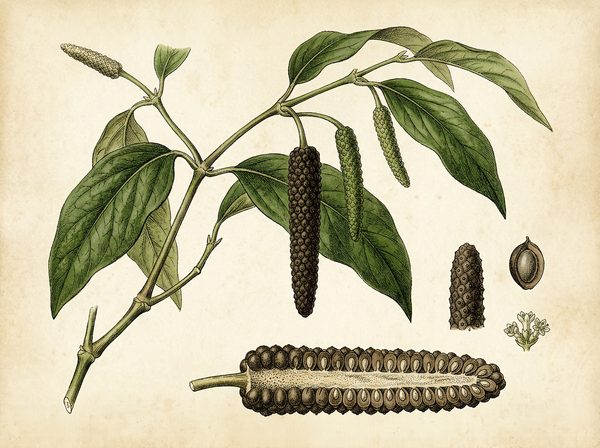 long pepperPiper longum
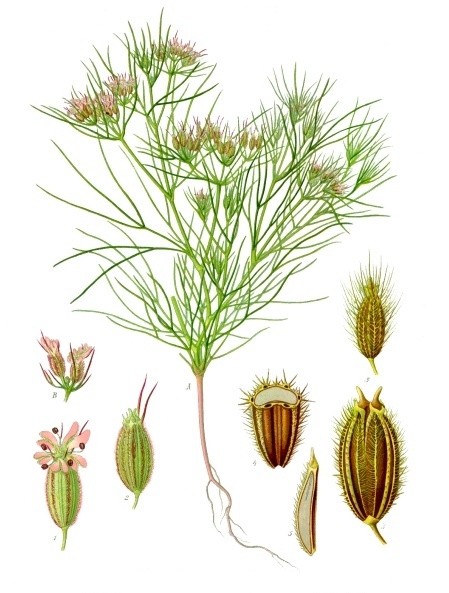 CuminCuminum cyminum
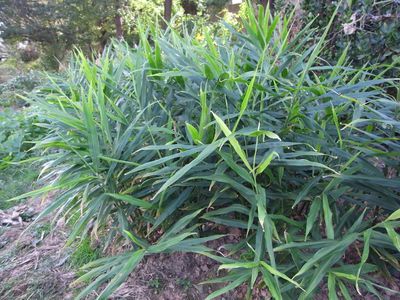 GingerZingiber officinale
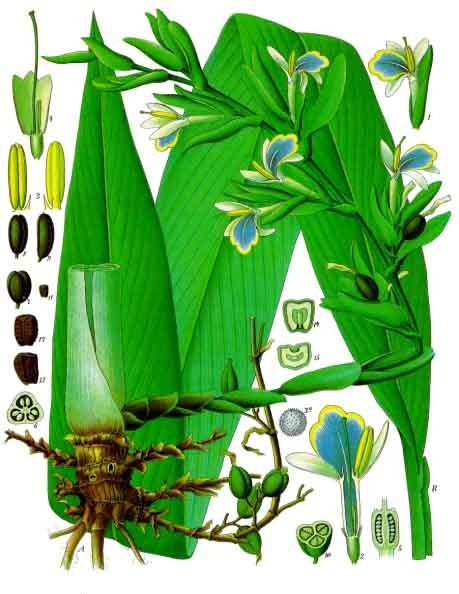 cardamomElettaria cardamomum
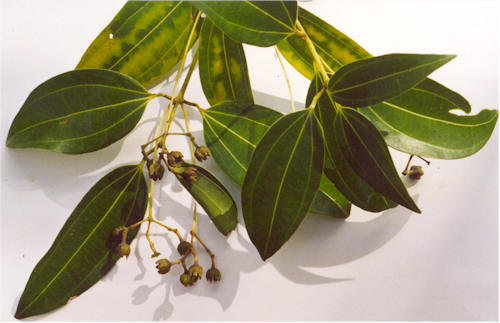 Ceylon cinnamonCinnamomum zeylanicum
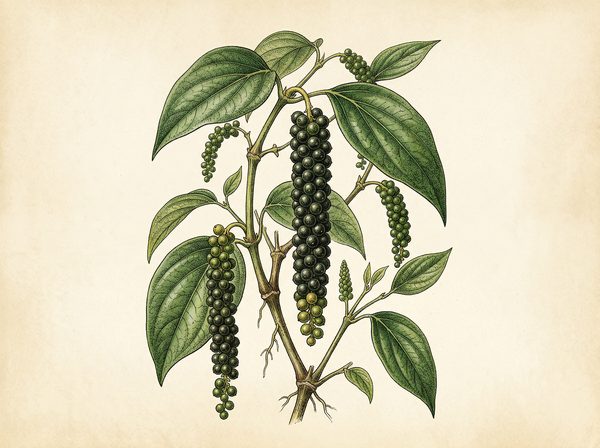 black pepperPiper nigrum
Nearby on the shelf
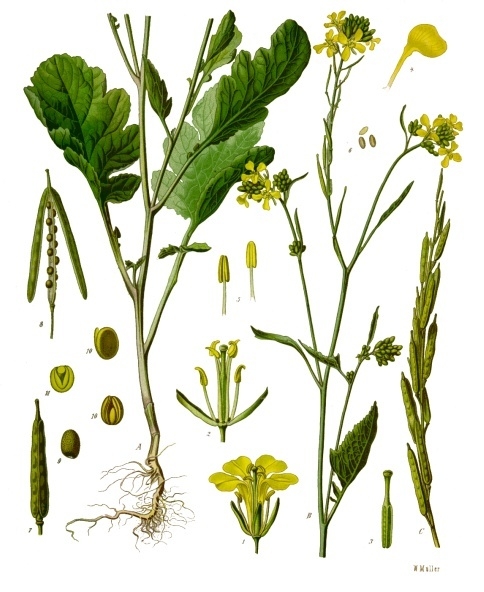 Black MustardSinapis Nigra
 Black nightshadeSolanum nigrum
 Black oil plantCelastrus paniculatus
 Black spruceAbies Nigra
 Black teaCamellia sinensis
 Black walnutJuglans nigra
 Black willowSalix Nigra
The whole plate is in the library. The compass, Compare, the Sky of eleven hundred plants and the formulary open with an email address and a password, free, with the formula builder and its safety engine. Herbert without limit, his formulating, clients, the handouts and the labels are the paid room.
Open the library, free