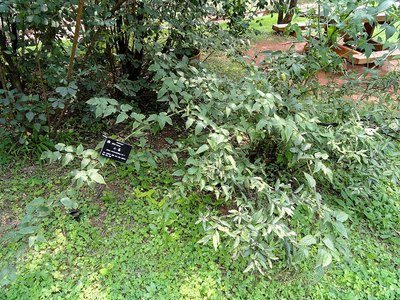
Western Herbalism
Blackberry
Rubus villosus
Also known as Rubus, American blackberry, Bramble, (1) Blackberry, (2) Low Blackberry, (3) Low-bush-Blackberry, etc.
Rubus villosus is an old botanical name applied to the wild American blackberry, a bramble of the rose family native to eastern North America, now generally referred to the Rubus allegheniensis complex. The root bark, and to a lesser extent the leaves, were the parts favored by nineteenth century American Eclectic physicians for their pronounced astringency. It held a steady place in domestic and Eclectic medicine as a gentle, dependable remedy for diarrheal complaints, particularly in children.

Ask Herbert about Blackberry. Herbert is the master herbalist inside Bountiful Herbs: he answers from this plate and eleven hundred others, with dosing, pairing and cautions. Your first ten questions are free.
Ask HerbertActions
Indications what the tradition reached for it in
- Acute diarrhea
- Chronic diarrhea with atonic bowel
- Infantile diarrhea (cholera infantum)
- Dysentery
- Summer complaint in children
- Leucorrhea
- Mouth ulcers and sore throat (as gargle)
- Hemorrhoids (as topical wash)
- Postpartum minor bleeding
- General debility with sluggish digestion
Specific indications
Watery, frequent stools in a pale, feeble infant with poor appetite and evidence of sluggish liver and glandular action
Chronic loose stools in an adult whose mucous membranes seem relaxed and atonic rather than acutely inflamed
Gastro-intestinal atony, with copious watery and pale feces.
Safety
The record lists 4 contraindications; open the plate in the library to read them in full.
In practice
Blackberry root bark is one of the older and gentler astringents, well suited to cases where the gut lining seems lax and enfeebled rather than acutely inflamed. Eclectic writers valued it especially in the diarrheas of infancy and early childhood, describing a picture of a pale, listless child with poor appetite and sluggish organ function, in which the astringent tannins were thought to firm relaxed mucosa while the bitter fraction offered a mild tonic lift to digestion.
Dosing as the sources wrote it
| Preparation | As written | Metric |
|---|---|---|
| Root bark decoction | 2-4 g dried root bark three times daily | 2000-4000 mg |
| Fluid extract (1:1) | 1-4 mL three times daily | 1-4 mL |
| Tincture (1:5) | 2-6 mL three times daily | 2-6 mL |
| Extractum Rubi Fluidum, Fluid Extract of Rubus | Dose, from ten to sixty minims. | 0.62-3.7 mL |
| Specific Medicine Rubus | Dose, from five to thirty minims. | 0.31-1.85 mL |
| Dose, 5 to 60 grains. | 324-3888 mg |
Doses are reproduced from the sources for practitioners and are not a recommendation for any person.
From the sources
Overview. Rubus villosus is an old botanical name applied to the wild American blackberry, a bramble of the rose family native to eastern North America, now generally referred to the Rubus allegheniensis complex. The root bark, and to a lesser extent the leaves, were the parts favored by nineteenth century American Eclectic physicians for their pronounced astringency. It held a steady place in domestic and Eclectic medicine as a gentle, dependable remedy for diarrheal complaints, particularly in children.
Clinical Notes. Blackberry root bark is one of the older and gentler astringents, well suited to cases where the gut lining seems lax and enfeebled rather than acutely inflamed. Eclectic writers valued it especially in the diarrheas of infancy and early childhood, describing a picture of a pale, listless child with poor appetite and sluggish organ function, in which the astringent tannins were thought to firm relaxed mucosa while the bitter fraction offered a mild tonic lift to digestion.
Action and Therapy. The decoction of rubus is a mild and agreeable astringent in watery diarrheas, especially in children, when the stools are clay-colored or pale. There is marked enfeeblement of the stomach and bowels, and the child is fretful, has no appetite, and there is marked pallor of the skin. The syrup or a spiced cordial of the bark and another of the fruit have been used largely in domestic practice to control intractable diarrheas. They act best after a thorough purging with castor oil or similar cathartic has been resorted to. Rubus strigosus (Red Raspberry) has similar uses.
Therapy. In those cases of diarrhea where there are large, watery, clay-colored discharges three or four times each day, an infusion of blackberry root will sometimes correct this entire train of symptoms. A syrup of blackberry will also answer an excellent purpose.
Drawn from King's American Dispensatory, 18th edition (Felter and Lloyd); Ellingwood's American Materia Medica, Therapeutics and Pharmacognosy; Felter's Eclectic Materia Medica, Pharmacology and Therapeutics, and the Bountiful Herbs editorial.
Often paired with
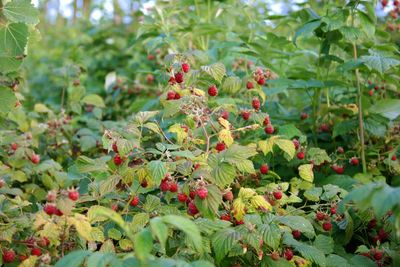 Red raspberryRubus idaeus
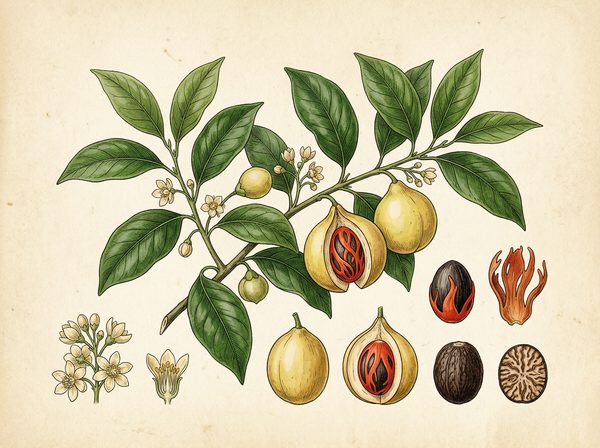 nutmegMyristica fragrans
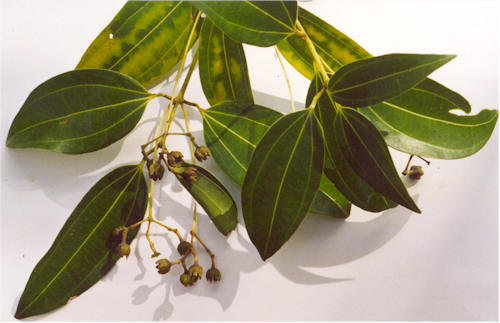 Ceylon cinnamonCinnamomum zeylanicum
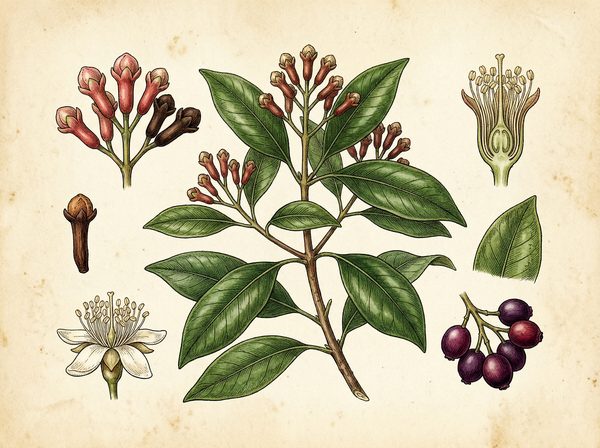 cloveSyzygium aromaticum
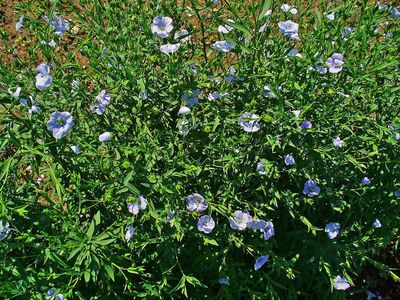 flaxLinum usitatissimum
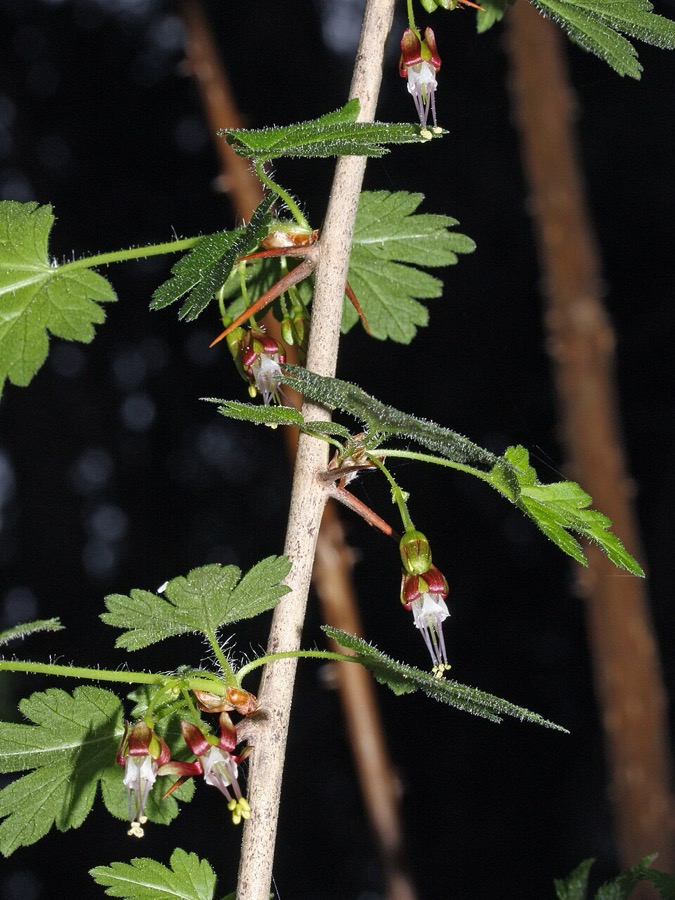 CurrantRibes
Nearby on the shelf
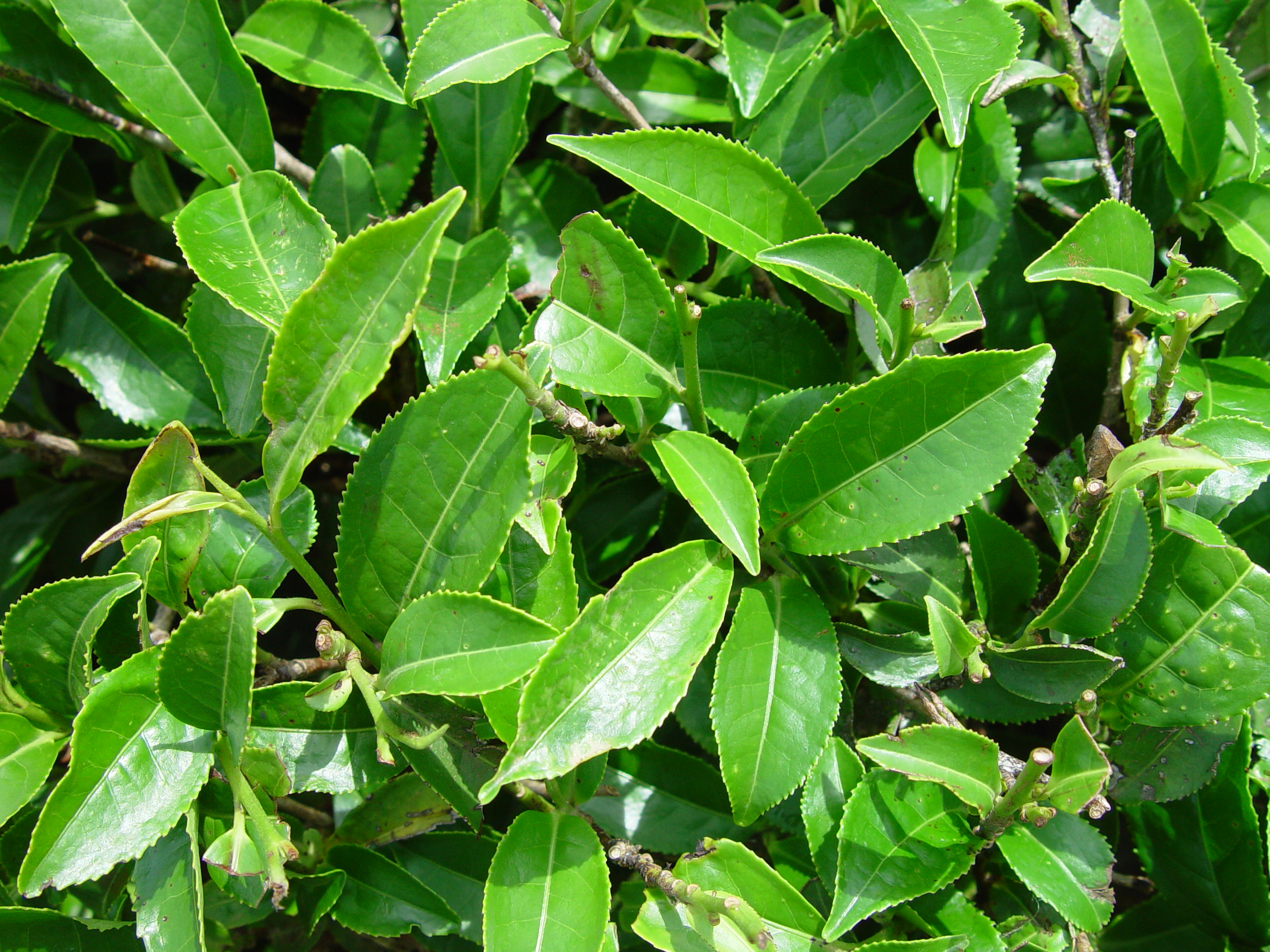 Black teaCamellia sinensis
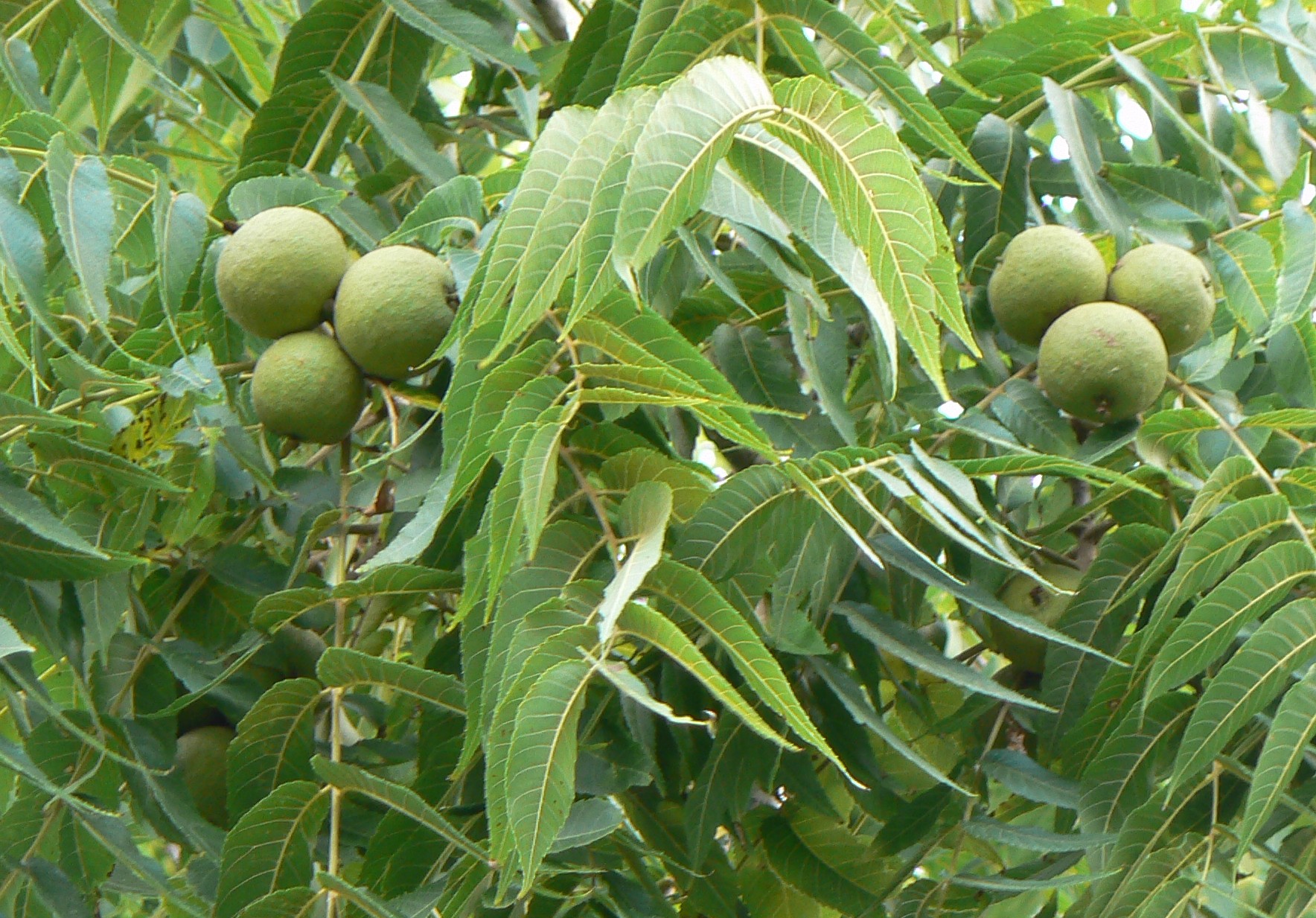 Black walnutJuglans nigra
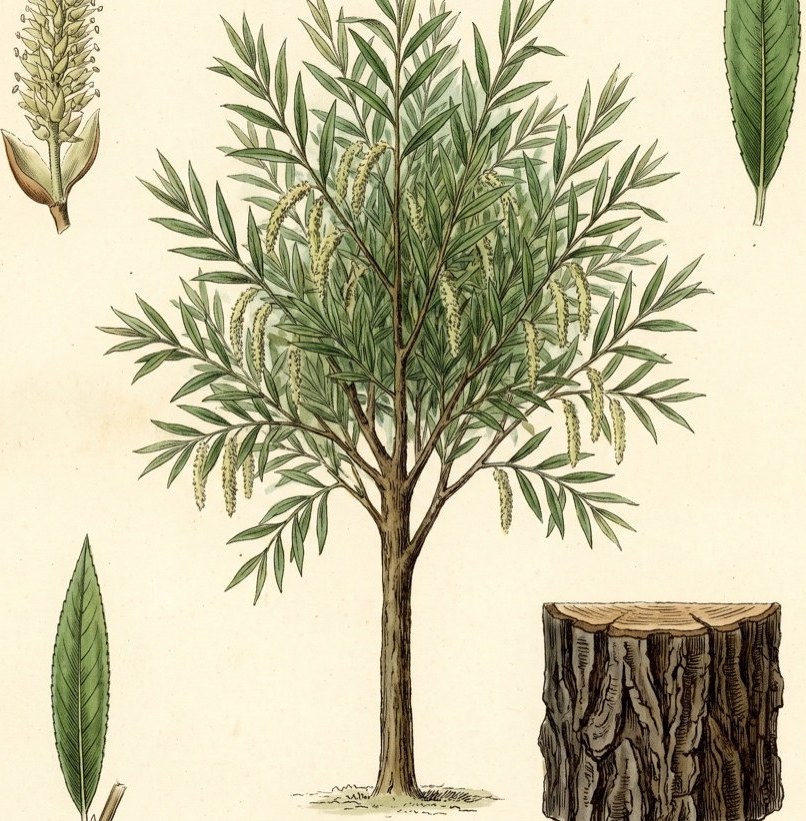 Black willowSalix Nigra
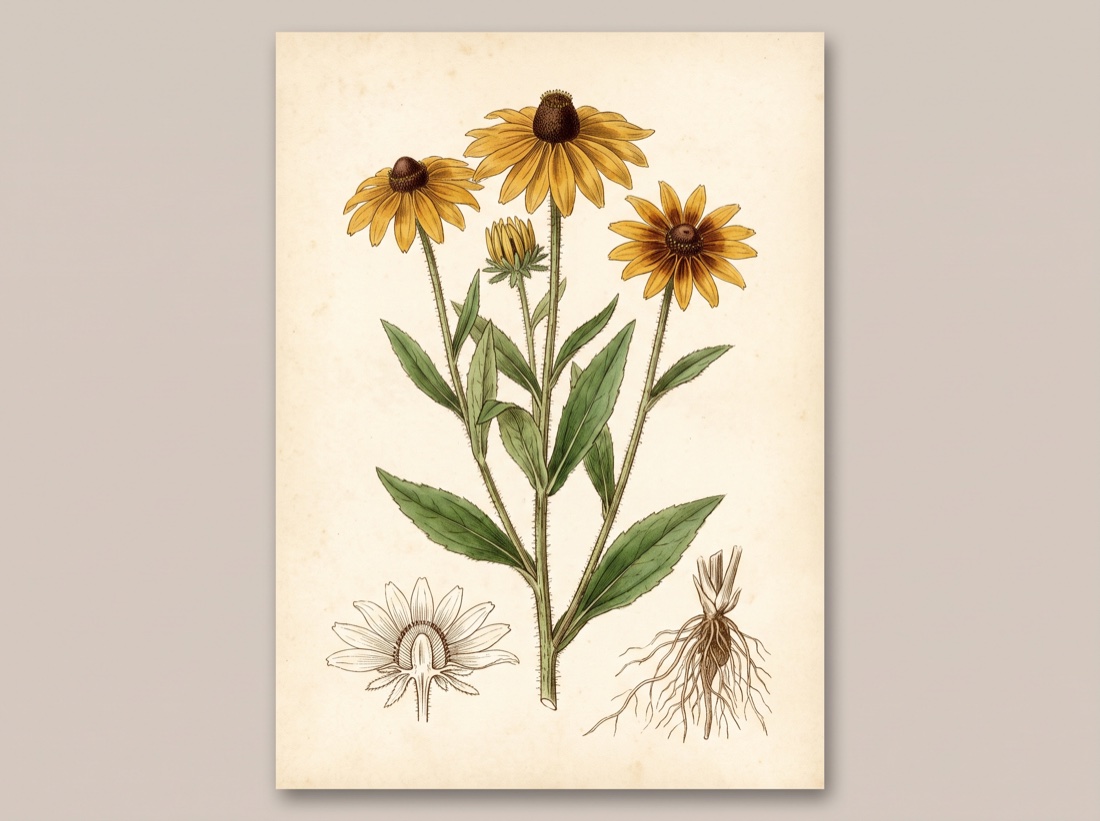 Black-eyed SusanRudbeckia hirta
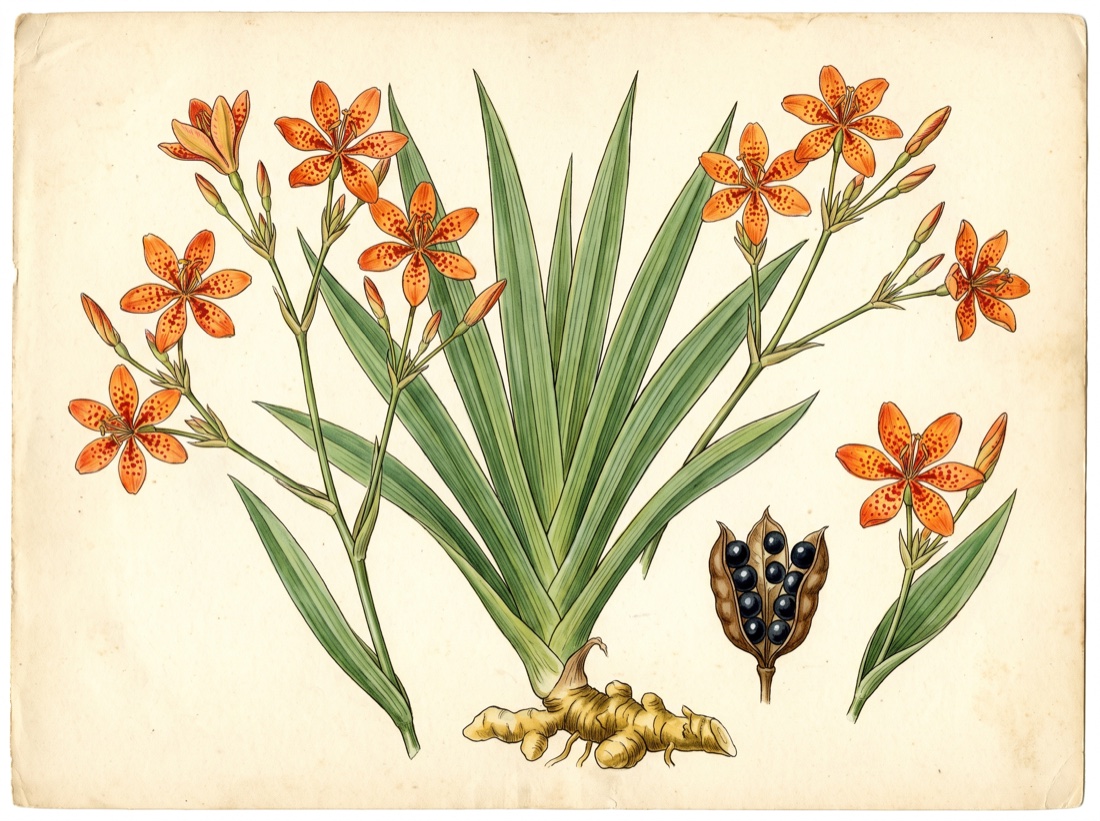 Blackberry lilyIris domestica
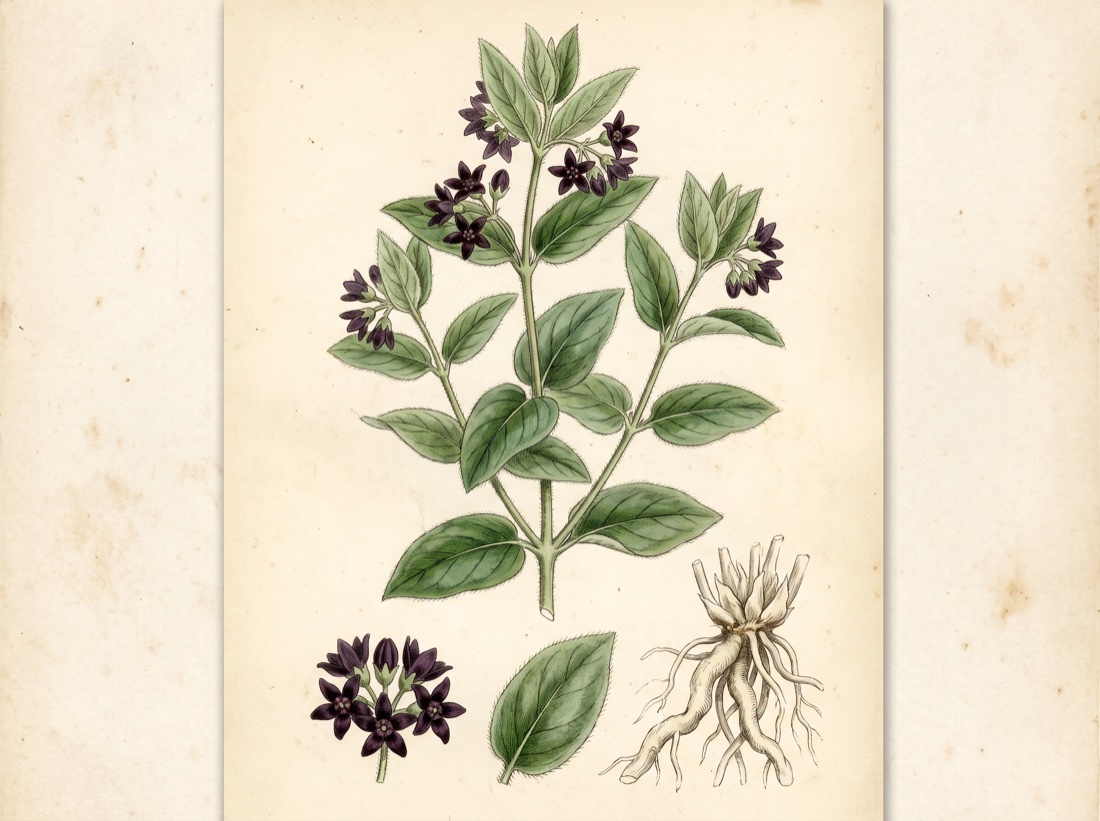 Blackend swallowwortVincetoxicum atratum
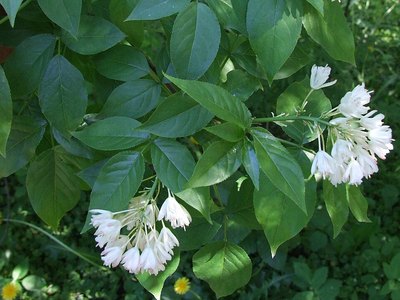 Bladder nutStaphylea trifolia
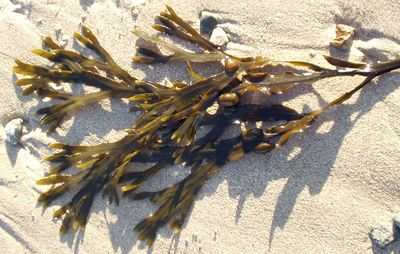 BladderwrackFucus vesiculosus
The whole plate is in the library. The compass, Compare, the Sky of eleven hundred plants and the formulary open with an email address and a password, free, with the formula builder and its safety engine. Herbert without limit, his formulating, clients, the handouts and the labels are the paid room.
Open the library, free