Western Herbalism
Arrowroot
Maranta
Also known as Arrow-root, Bermuda arrowroot, West Indian arrowroot, Obedience plant, Bermuda arrow-root.
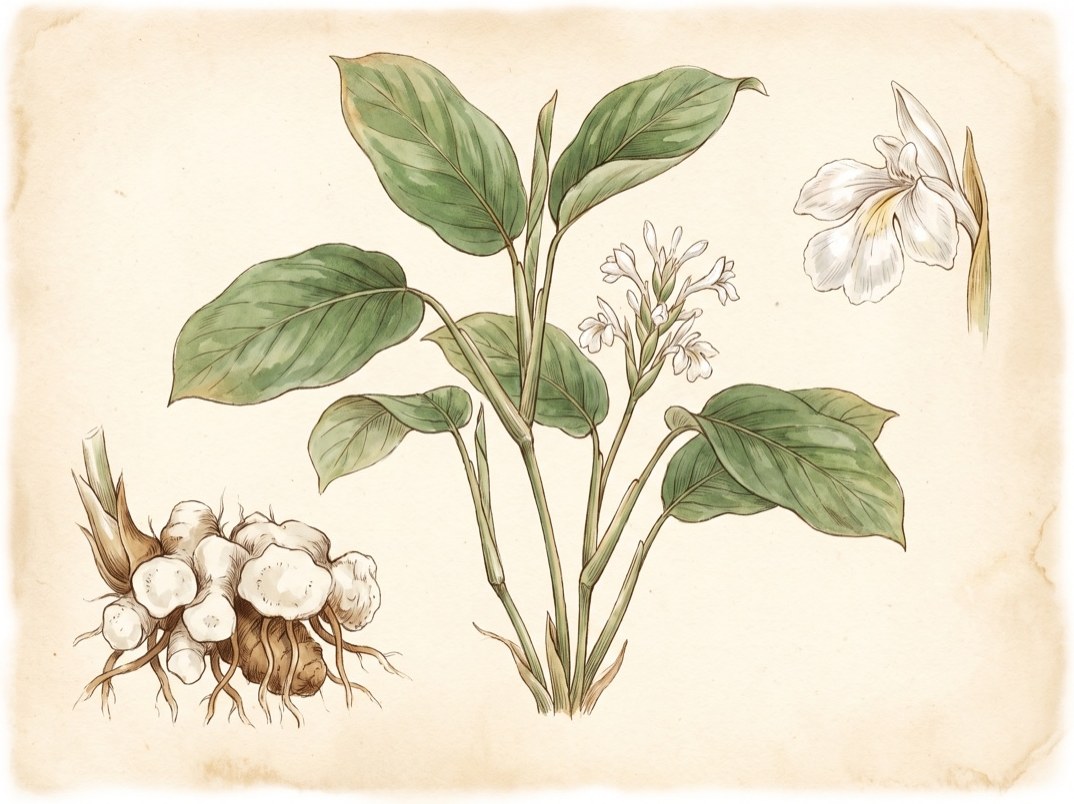
Maranta arundinacea, arrowroot, is a perennial reed-like herb of tropical America, long cultivated in the West Indies and Bermuda for its starchy rhizomes. The rhizome is harvested, washed, and processed into a fine white starch, the part used medicinally and as food. In nineteenth century eclectic and domestic medicine it held a firm place as the gentlest of nutritive starches, given to infants, invalids, and convalescents when ordinary food could not be tolerated.

Ask Herbert about Arrowroot. Herbert is the master herbalist inside Bountiful Herbs: he answers from this plate and eleven hundred others, with dosing, pairing and cautions. Your first ten questions are free.
Ask HerbertActions
Indications what the tradition reached for it in
- Convalescent feeding after illness
- Infant and invalid diet when milk or heavier starches are poorly tolerated
- Acute diarrhea, as a bland binding food
- Dyspepsia with irritated or inflamed gut lining
- Gastroenteritis in children (supportive feeding)
- General debility with poor appetite
- Nappy rash and skin irritation (topical powder)
- Mild gastritis requiring bland nourishment
Specific indications
A weak or elderly patient recovering from fever or gastrointestinal upset who needs an easily digested, non-irritating starch to rebuild strength
An infant with loose stools where a smooth, mucilaginous gruel is better tolerated than milk or wheat starch
Safety
The record lists 2 contraindications; open the plate in the library to read them in full.
In practice
Arrowroot starch is prepared as a thin gruel by cooking a small amount with water or milk until it thickens into a smooth, translucent paste, then given warm in small frequent feedings. It was a mainstay of the sickroom kitchen: bland, easily digested, low in irritating fiber, and gentle on an inflamed or convalescing gut, making it useful for weaning infants off milk during diarrheal illness or for feeding patients recovering from fevers and gastrointestinal upsets who cannot yet manage solid food.
Dosing as the sources wrote it
| Preparation | As written | Metric |
|---|---|---|
| Arrowroot gruel | 5-10 g starch made into a thin gruel with water or milk, given warm 2-4 times daily | 5000-10000 mg |
| Topical powder | applied dry to irritated skin as needed |
Doses are reproduced from the sources for practitioners and are not a recommendation for any person.
From the sources
Overview. Maranta arundinacea, arrowroot, is a perennial reed-like herb of tropical America, long cultivated in the West Indies and Bermuda for its starchy rhizomes. The rhizome is harvested, washed, and processed into a fine white starch, the part used medicinally and as food. In nineteenth century eclectic and domestic medicine it held a firm place as the gentlest of nutritive starches, given to infants, invalids, and convalescents when ordinary food could not be tolerated.
Clinical Notes. Arrowroot starch is prepared as a thin gruel by cooking a small amount with water or milk until it thickens into a smooth, translucent paste, then given warm in small frequent feedings. It was a mainstay of the sickroom kitchen: bland, easily digested, low in irritating fiber, and gentle on an inflamed or convalescing gut, making it useful for weaning infants off milk during diarrheal illness or for feeding patients recovering from fevers and gastrointestinal upsets who cannot yet manage solid food.
Drawn from King's American Dispensatory, 18th edition (Felter and Lloyd), and the Bountiful Herbs editorial.
Nearby on the shelf
 ArnicaArnica spp.
 Arrow-GrassTriglochin
 Arrowleaf balsamrootBalsamorhiza sagittata
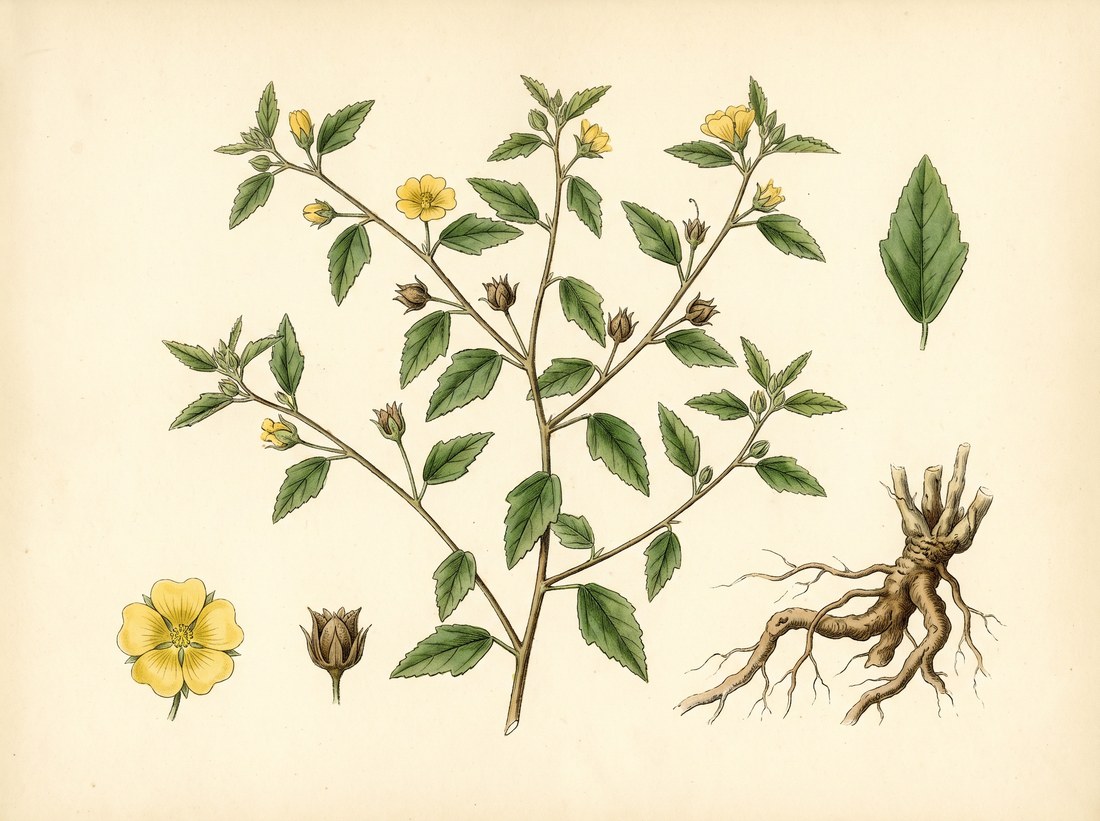 Arrowleaf sidaSida rhombifolia
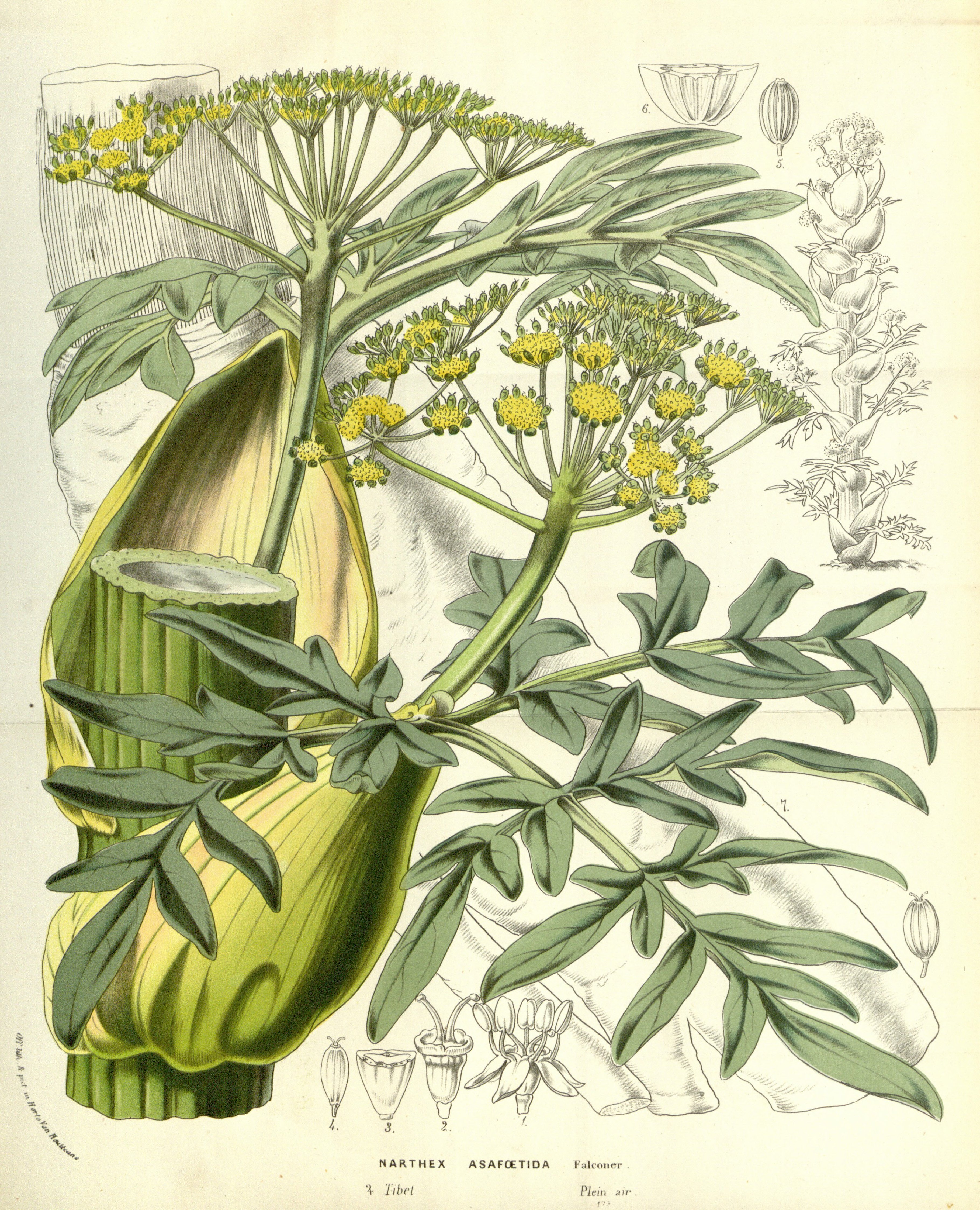 AsafoetidaFerula asafoetida
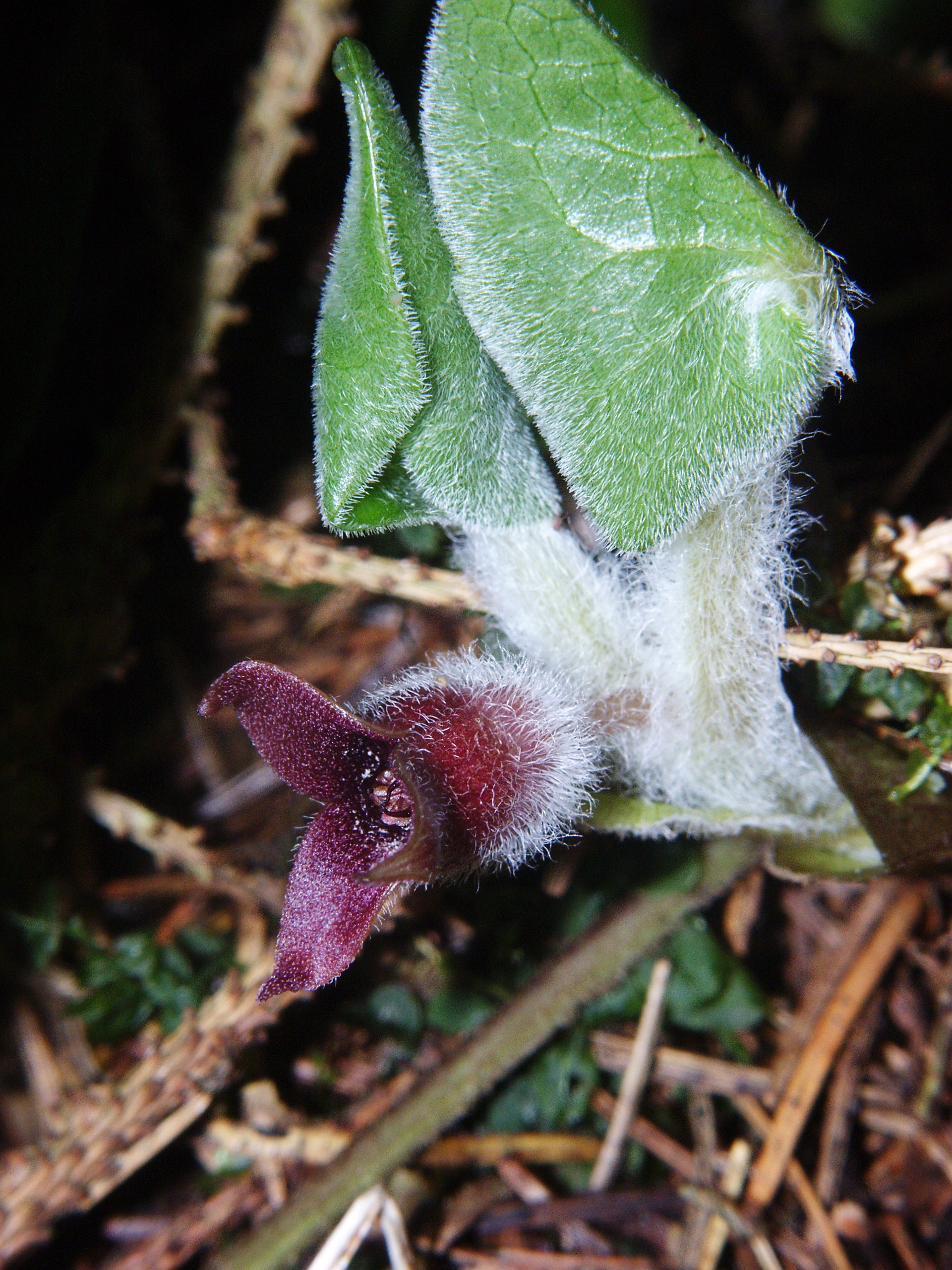 AsarabaccaAsarum Europaeum
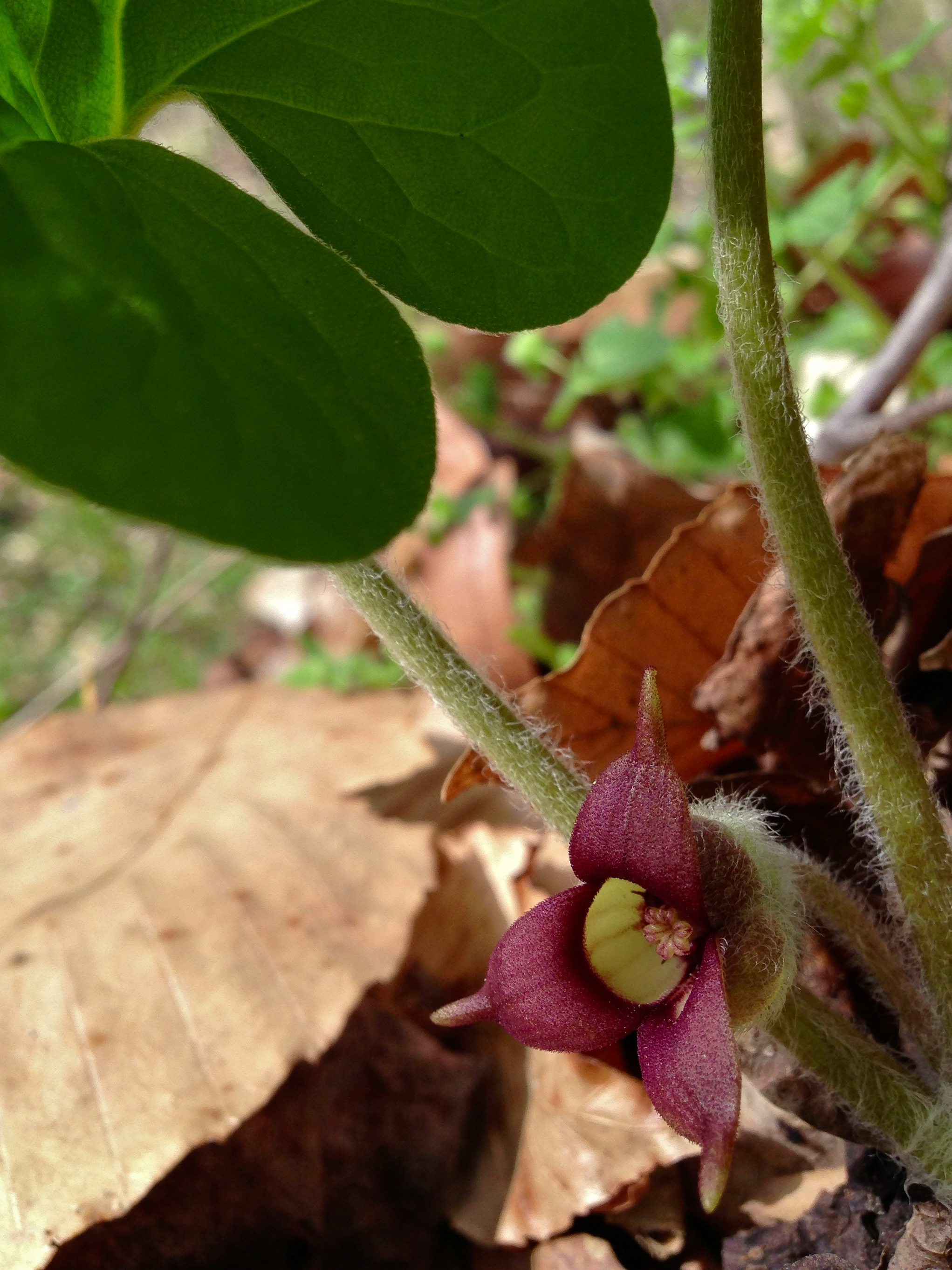 AsarumAsarum canadense
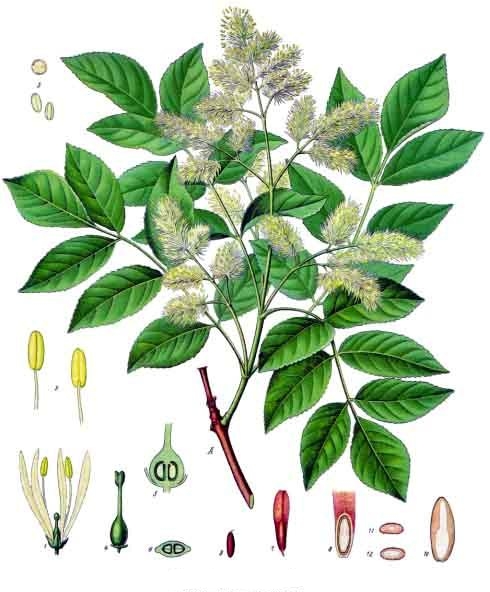 AshFraxinus excelsior
The whole plate is in the library. The compass, Compare, the Sky of eleven hundred plants and the formulary open with an email address and a password, free, with the formula builder and its safety engine. Herbert without limit, his formulating, clients, the handouts and the labels are the paid room.
Open the library, free