Ayurvedic Herbalism
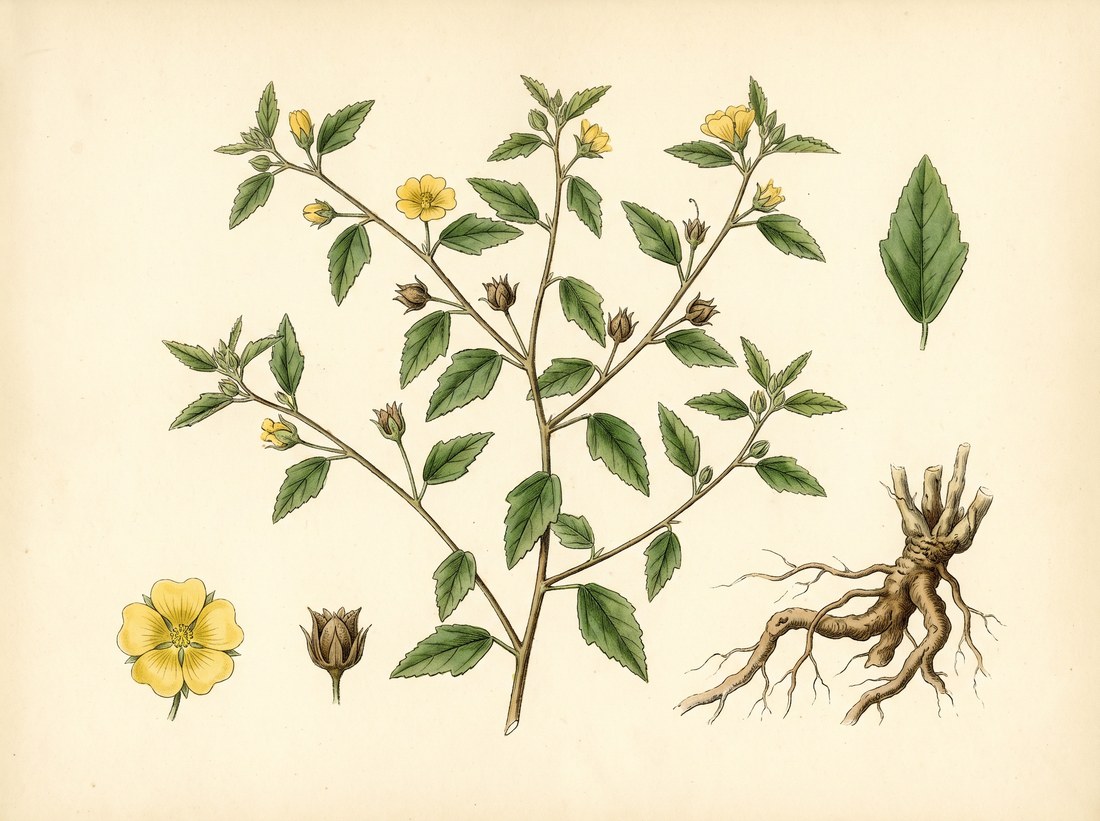
Arrowleaf sida
Sida rhombifolia
Also known as Cuban jute, Queensland hemp, Paddy's lucerne, broom weed, Mahabala, Sahadeva, Pitapushpi.
Sida rhombifolia is a wiry, erect undershrub with rhomboid leaves and small yellow flowers, growing on waste ground, field margins and roadsides throughout India and across the tropics of both hemispheres. Ayurveda classes it as Mahabala, the great strength giver, one of the four Balas alongside Sida cordifolia, Abutilon indicum and Grewia species, and uses its root as a sweet, cooling, nourishing tonic for vata: for wasting, nerve disorders, joint pain, urinary irritation and weakness after fever. It shares the Bala group's role in the great Vatahara oils.

Ask Herbert about Arrowleaf sida. Herbert is the master herbalist inside Bountiful Herbs: he answers from this plate and eleven hundred others, with dosing, pairing and cautions. Your first ten questions are free.
Ask HerbertActions
Indications what the tradition reached for it in
- Chronic debility and wasting
- Neuralgia, neuropathy and nerve pain of vata type
- Rheumatic and arthritic pain (internal and oil massage)
- Post-stroke weakness and paralysis (adjunct, in Bala group oils)
- Burning urination and urinary irritation
- Edema with weakness
- Bleeding disorders of pitta type (traditional)
- Chronic diarrhea in a weak patient
- Slow healing wounds, boils and abscesses (poultice)
- Fever with exhaustion
- Male sexual debility
- Mild hypertension of vata type (traditional)
Specific indications
A thin, dry, exhausted patient with nerve pain, tremor or weakness after illness who needs to be nourished and steadied rather than stimulated
The elderly patient with aching joints, poor sleep and a weak stream, for whom Bala group oils externally and the root decoction internally suit the whole picture
Burning micturition and low back ache in a pitta patient who cannot tolerate the heavier, warmer tonics
Post-stroke hemiparesis in the recovery phase, treated with daily Bala group oil massage and the root in milk
Safety
Pregnancy: Avoid concentrated internal preparations in pregnancy because of the variable ephedrine content of the Sida group and a lack of human data; no published safety class is known to us for this species, though Bala group oils are traditional in the postpartum period.
The record lists 9 contraindications; open the plate in the library to read them in full.
In practice
Mahabala is used much as Bala is, with the tradition regarding it as slightly more cooling and bitter and choosing it where pitta joins vata: nerve pain with burning, urinary irritation with weakness, fever leaving the patient thin and shaky.
In Ayurveda
Rasa: madhura (sweet), tikta (bitter). Virya: sheeta (cooling). Vipaka: madhura (sweet). Guna: guru (heavy), snigdha (unctuous), picchila (slimy). Dosha: pacifies vata and pitta; may increase kapha in excess. Karma: balya (strengthening); brimhana (nourishing, builds tissue); vatahara (pacifies vata); mutrala (diuretic); shothahara (reduces swelling); vrishya (aphrodisiac); hridya (cardiotonic); vranaropana (heals wounds); grahi (absorbs, binds the stool); rasayana (rejuvenative). Classical indications: vatavyadhi (neuromuscular and joint disorders of vata); kshaya (wasting and debility); daurbalya (weakness); mutrakrichra (dysuria); shotha (edema); raktapitta (bleeding disorders); atisara (diarrhea); jvara (fever with debility); vrana (wounds and ulcers); hridroga (heart disease of vata type); shukradosha (defects of semen); pakshaghata (hemiplegia, in Bala group formulations). The root is the principal drug, given as kwatha, as churna with milk, as ksheerapaka and as a component of the medicated oils and ghritas of the Bala group; the whole plant is decocted for fever, dysuria and diarrhea; the leaf is used as a poultice for wounds, boils and painful joints and its mucilage as a soothing drink. Classical formulations: Bala taila (as part of the Bala group), Mahanarayana taila, Dhanwantharam taila, Balashwagandhadi taila, Mahabala kwatha, Balachaturbhadra churna (regional variants), Sahadevi churna. Described in: Charaka Samhita, Sushruta Samhita, Ashtanga Hridaya, Bhavaprakasha Nighantu, Dhanvantari Nighantu, Raja Nighantu, Kaiyadeva Nighantu, Ayurvedic Pharmacopoeia of India.
Dosing as the sources wrote it
| Preparation | As written | Metric |
|---|---|---|
| Kwatha | 50-100 mL root decoction twice daily | 50-100 mL |
| Churna | 3-6 g root powder twice daily with milk or honey | 3000-6000 mg |
| Ksheerapaka | 100-200 mL milk decoction once daily at bedtime | 100-200 mL |
| Taila, topical | 10-20 mL Bala group oil massaged daily over limbs or joints | 10-20 mL |
| Kalka, topical | 5-10 g leaf paste applied to boils or wounds | 5000-10000 mg |
Doses are reproduced from the sources for practitioners and are not a recommendation for any person.
From the sources
Overview. Sida rhombifolia is a wiry, erect undershrub with rhomboid leaves and small yellow flowers, growing on waste ground, field margins and roadsides throughout India and across the tropics of both hemispheres. Ayurveda classes it as Mahabala, the great strength giver, one of the four Balas alongside Sida cordifolia, Abutilon indicum and Grewia species, and uses its root as a sweet, cooling, nourishing tonic for vata: for wasting, nerve disorders, joint pain, urinary irritation and weakness after fever. It shares the Bala group's role in the great Vatahara oils.
Clinical Notes. Mahabala is used much as Bala is, with the tradition regarding it as slightly more cooling and bitter and choosing it where pitta joins vata: nerve pain with burning, urinary irritation with weakness, fever leaving the patient thin and shaky.
Ayurvedic Profile. Rasa: madhura (sweet), tikta (bitter). Virya: sheeta (cooling). Vipaka: madhura (sweet). Guna: guru (heavy), snigdha (unctuous), picchila (slimy). Dosha: pacifies vata and pitta; may increase kapha in excess.
In formulas
Arrowleaf sida stands in 2 documented formulas in the library, among them Mahā Viṣagarbha Taila, Navaratnarājamṛgānka Rasa.
Often paired with
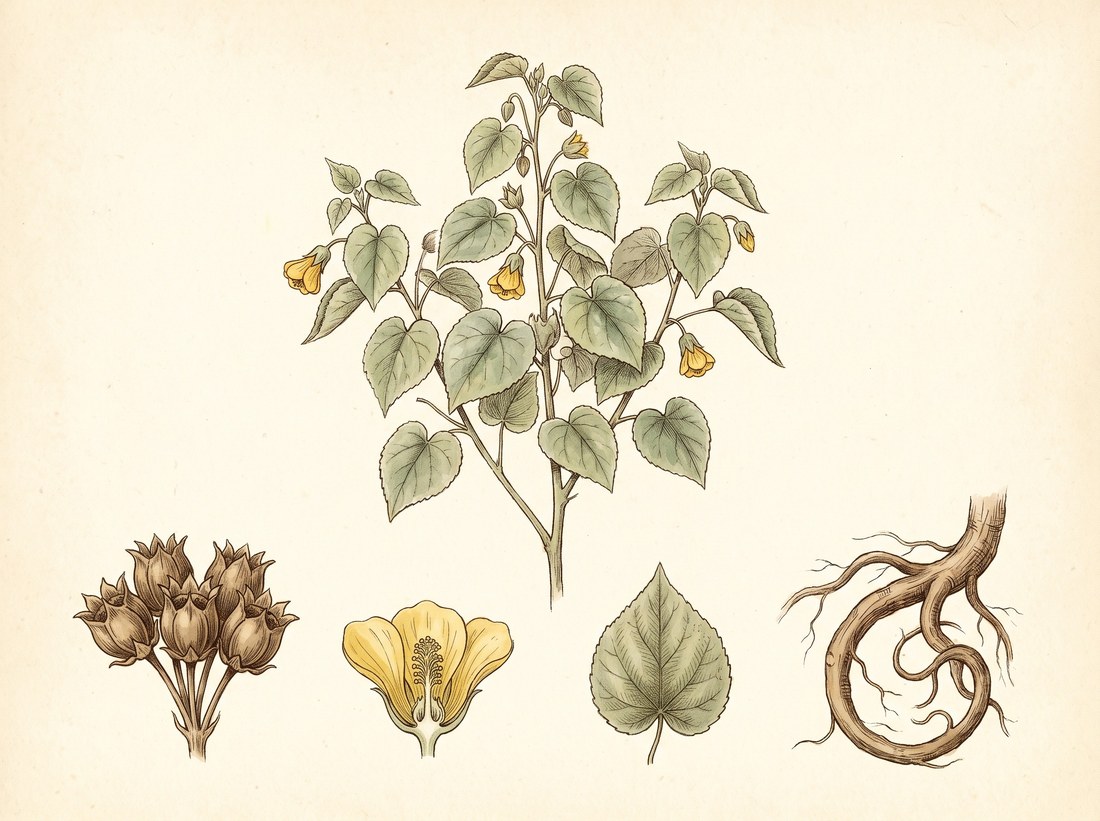 atibalaAbutilon indicum
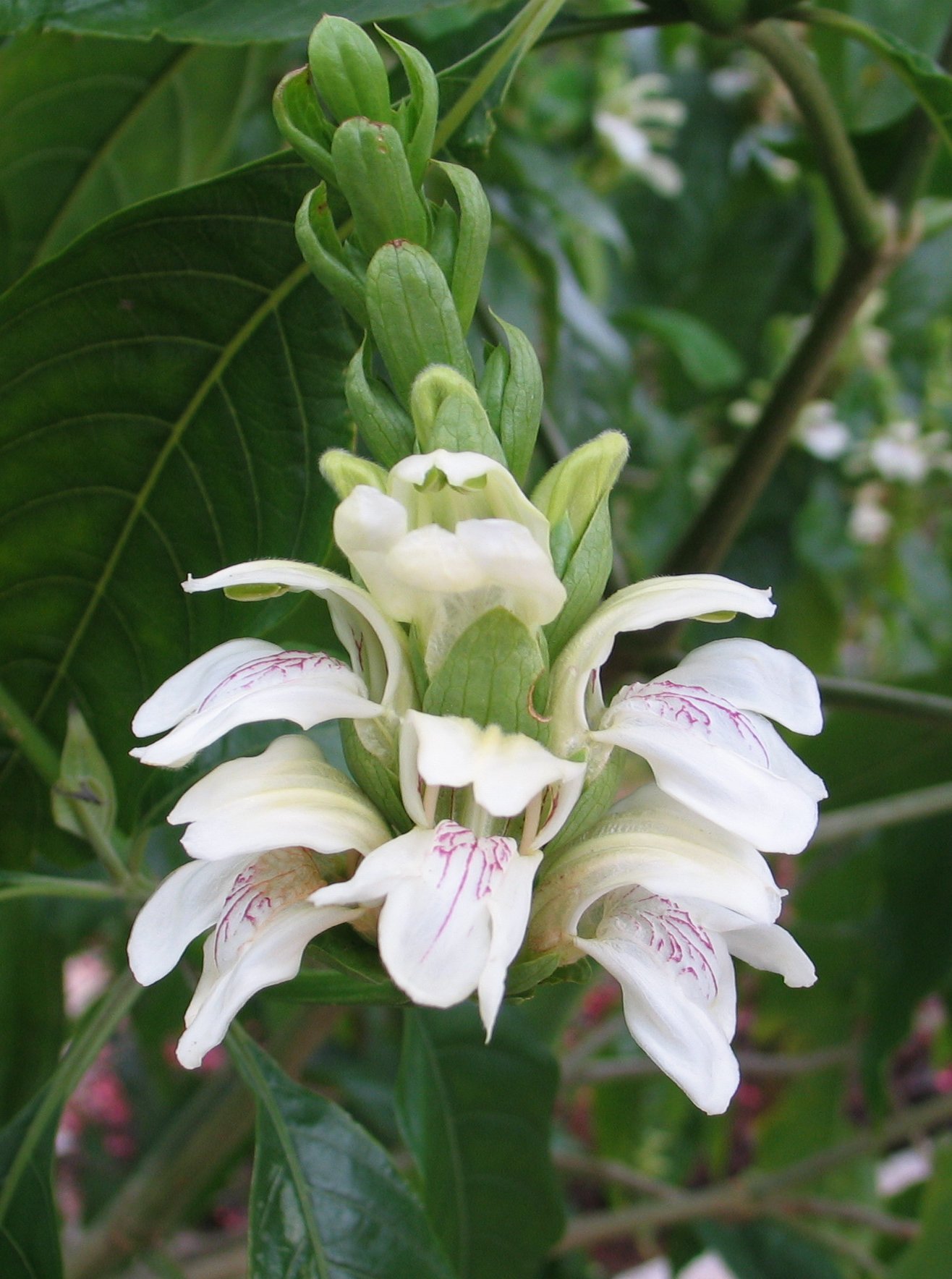 vasakaAdhatoda vasica
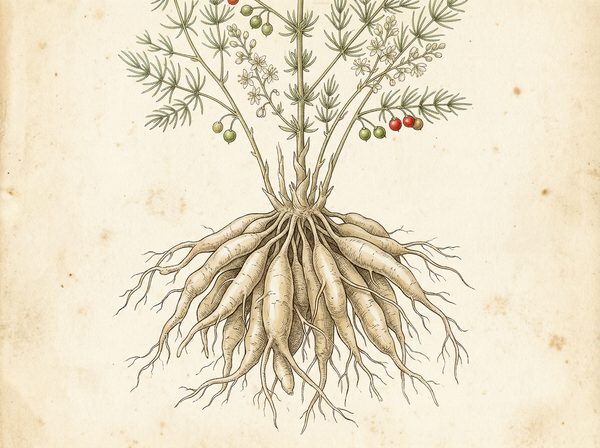 shatavariAsparagus racemosus
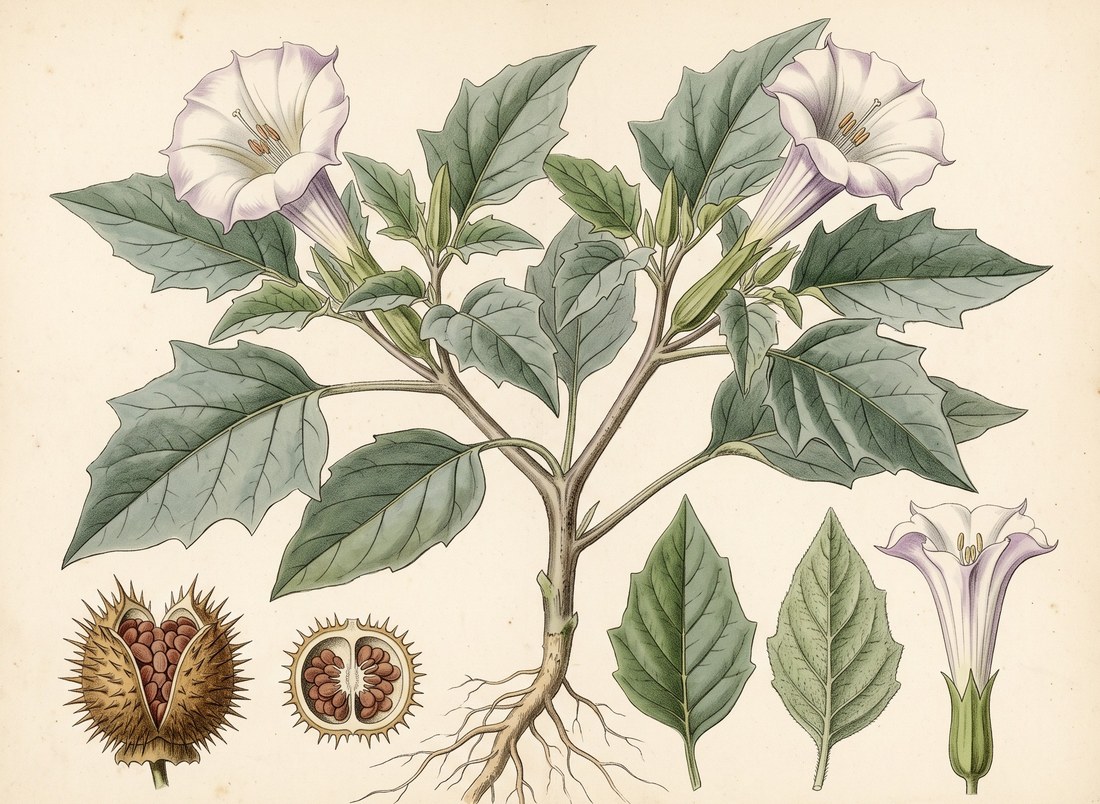 dhatturaDatura metel
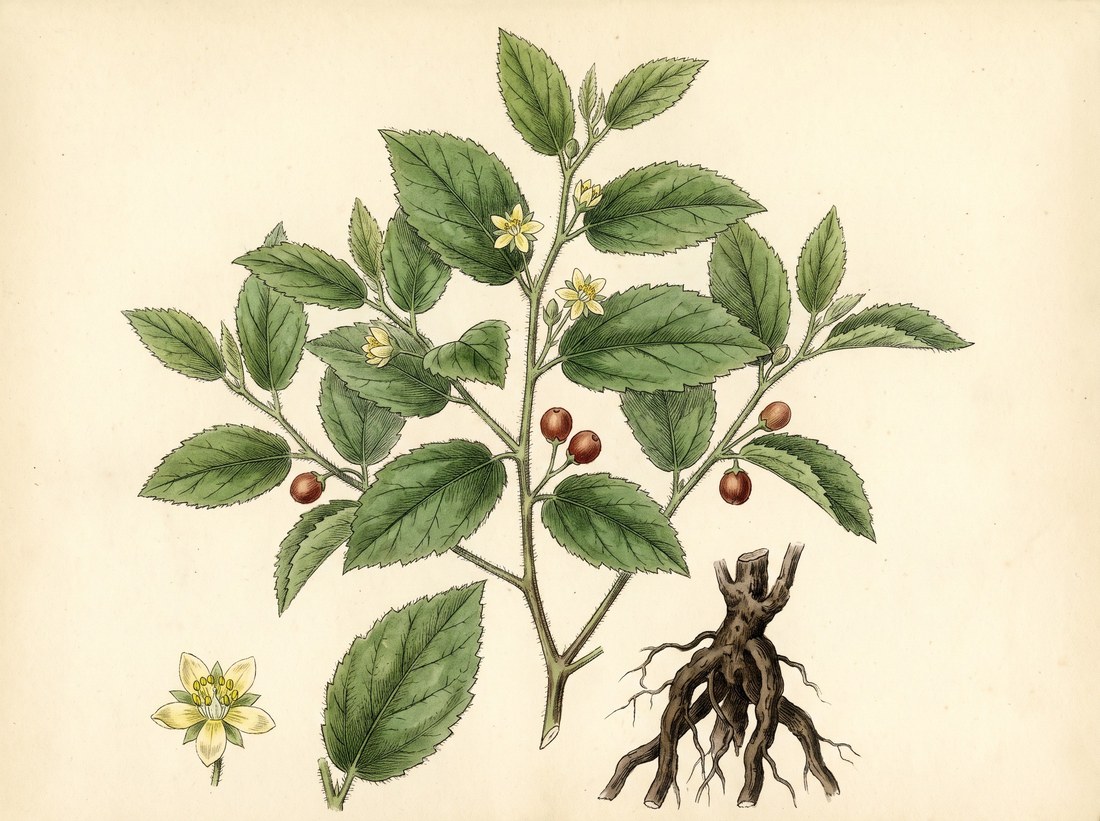 nagabalaGrewia hirsuta
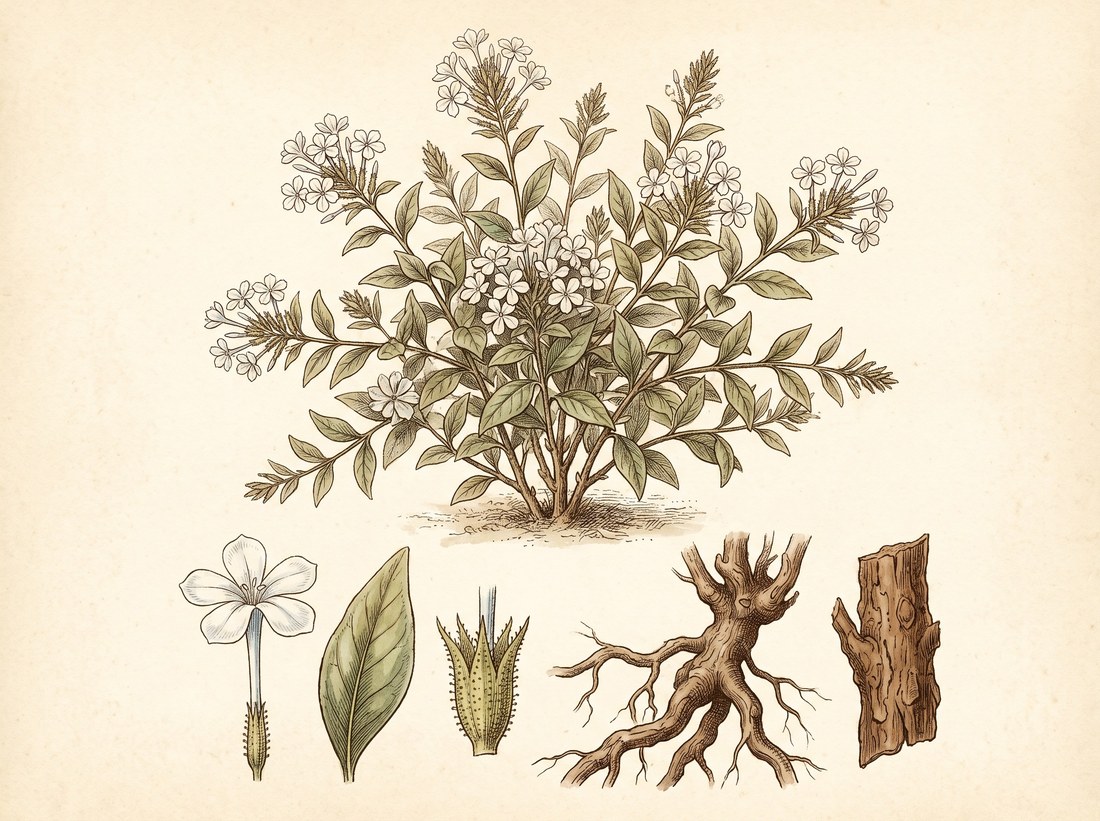 Ceylon leadwortPlumbago zeylanica
Nearby on the shelf
 Armeniaca vulgarisArmeniaca vulgaris
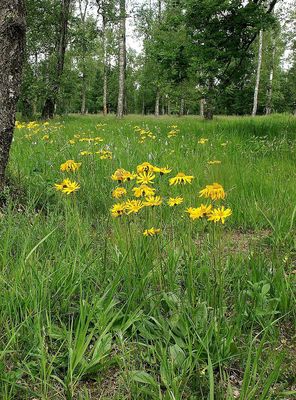 ArnicaArnica spp.
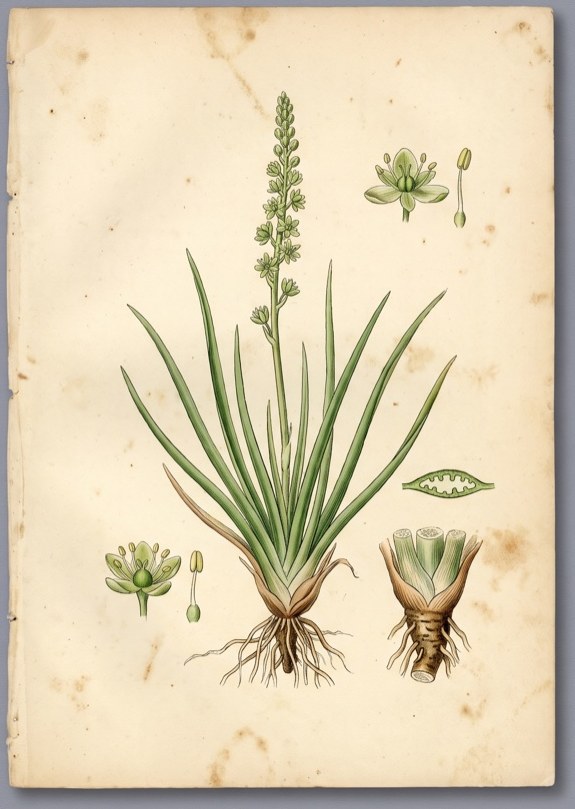 Arrow-GrassTriglochin
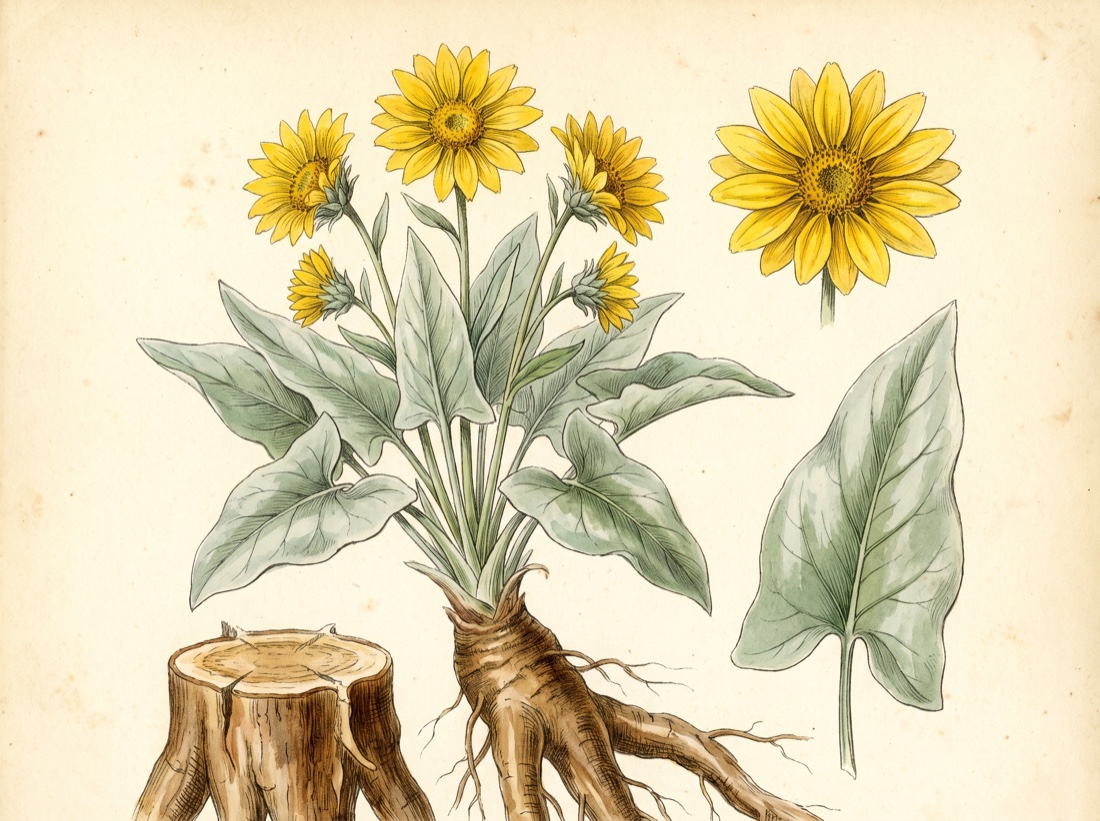 Arrowleaf balsamrootBalsamorhiza sagittata
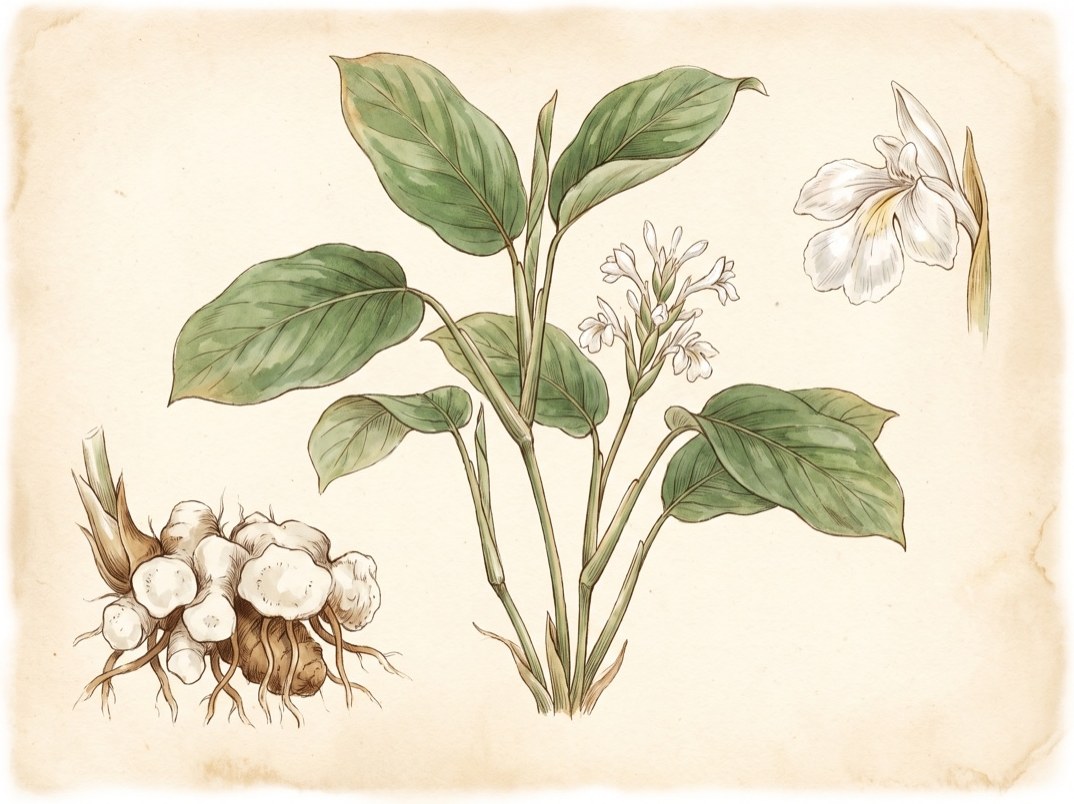 ArrowrootMaranta
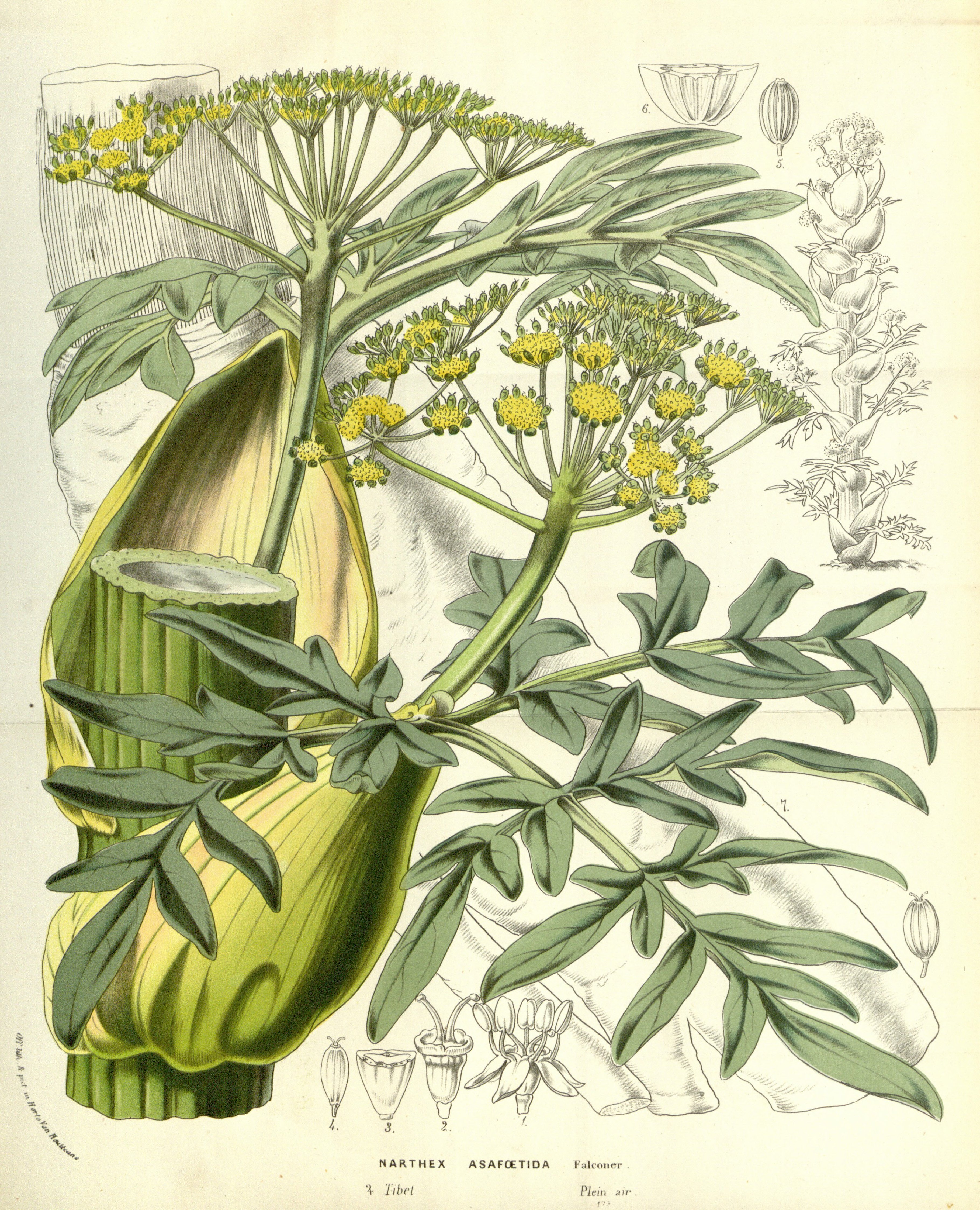 AsafoetidaFerula asafoetida
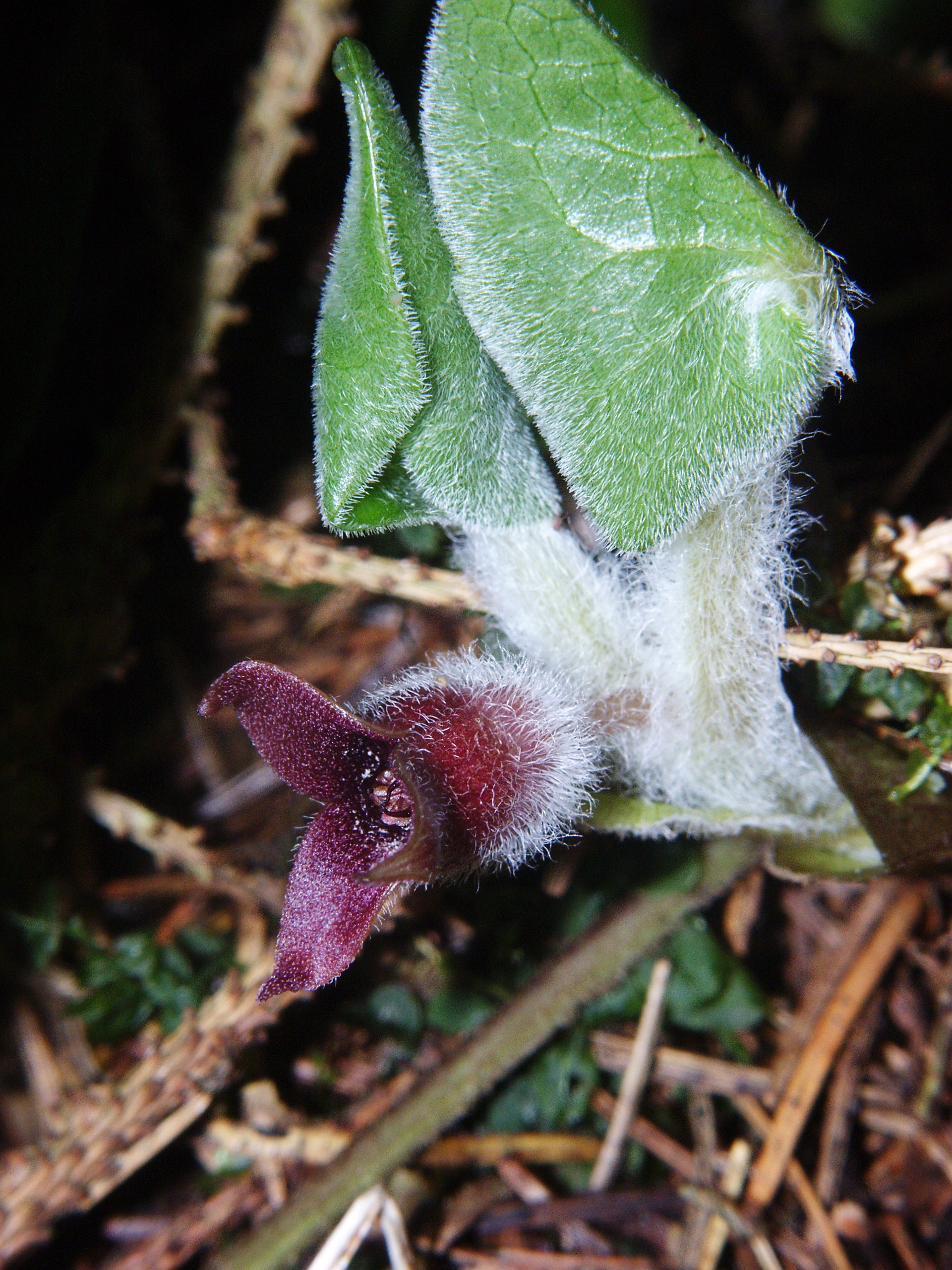 AsarabaccaAsarum Europaeum
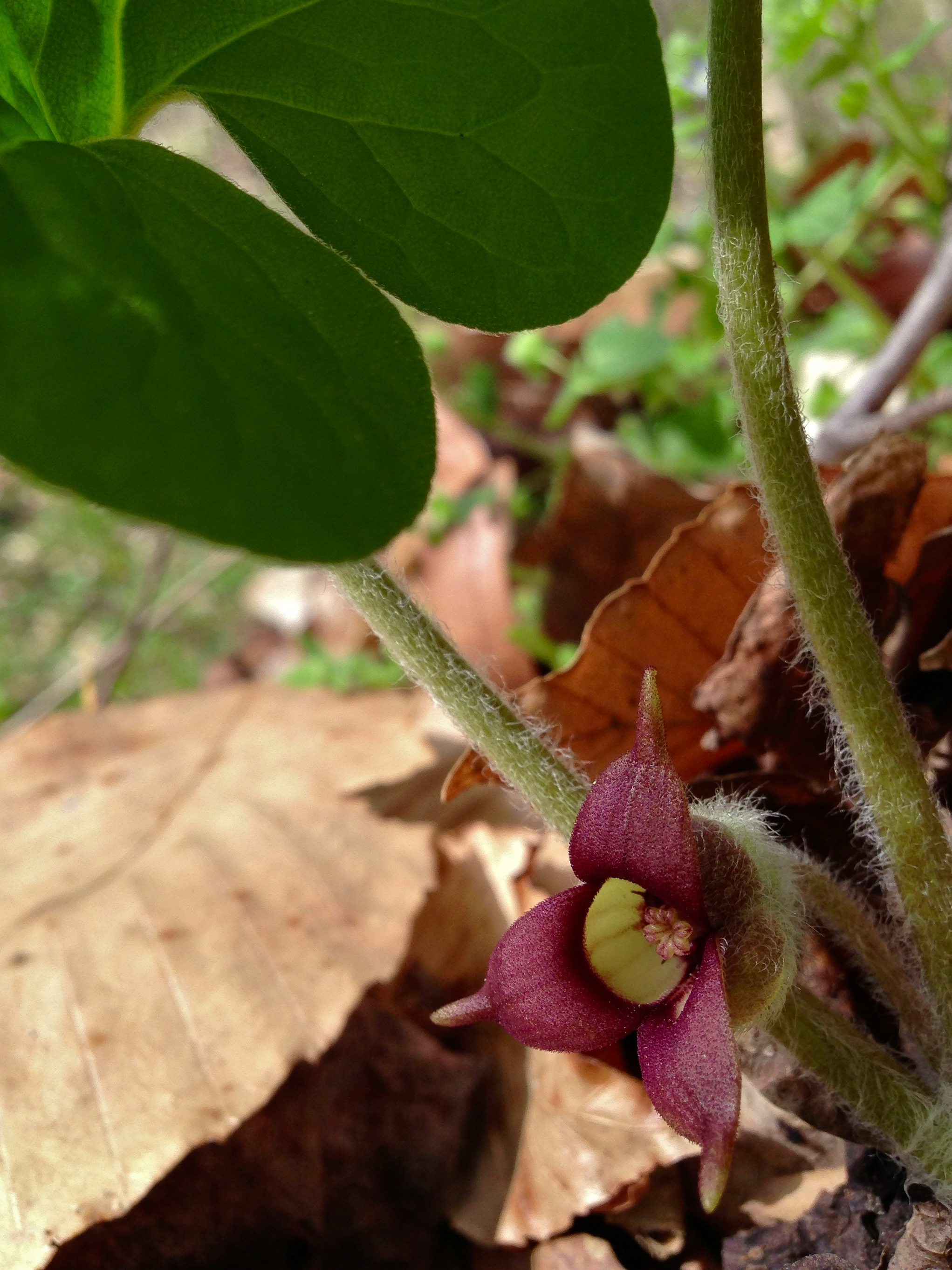 AsarumAsarum canadense
The whole plate is in the library. The compass, Compare, the Sky of eleven hundred plants and the formulary open with an email address and a password, free, with the formula builder and its safety engine. Herbert without limit, his formulating, clients, the handouts and the labels are the paid room.
Open the library, free