Ayurvedic Herbalism
Arjuna
Terminalia arjuna
Also known as arjun tree, white marudah, Arjuna, Kakubha, Dhavala.
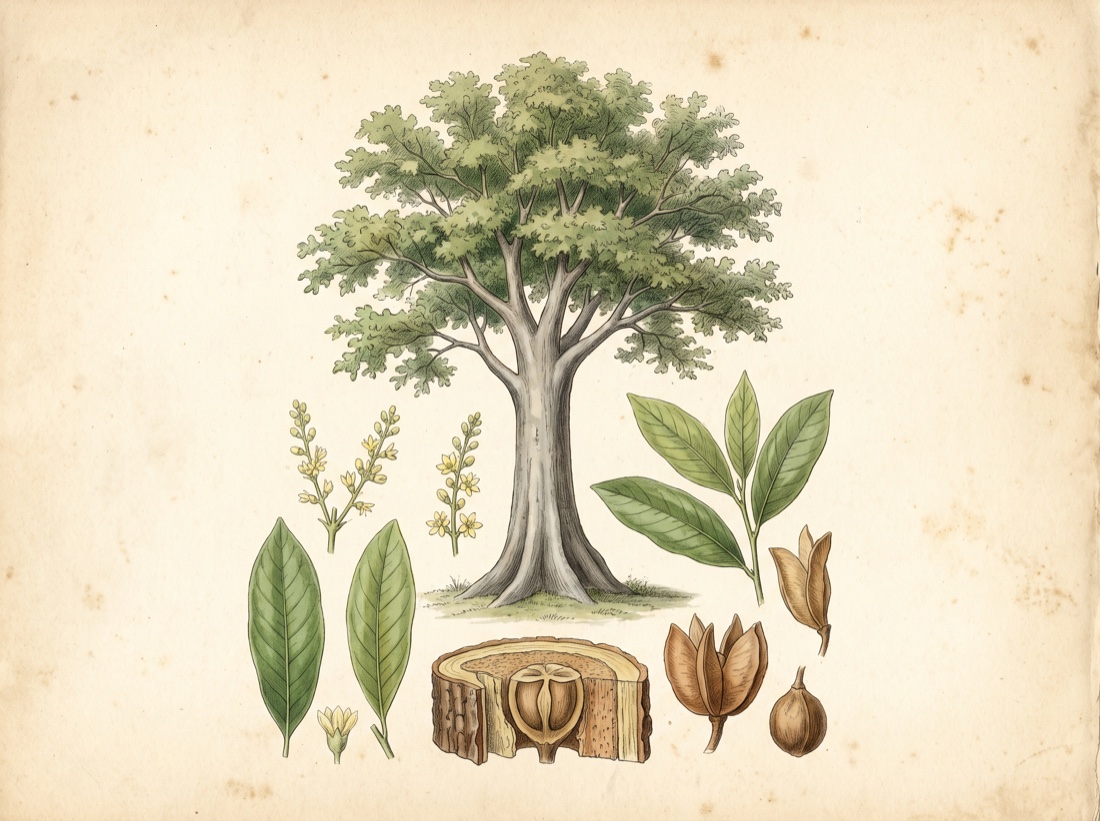
Terminalia arjuna is a large deciduous tree of river banks and dry stream beds across central and southern India, Bengal, Bihar and the sub-Himalayan tracts, recognizable by its smooth, pale gray bark that peels in thin flakes. Ayurveda treats the bark as its foremost heart remedy: a cooling, astringent hridya that strengthens the heart, checks bleeding, knits fractures and reduces fat. It has held that place since the classical compendia, and it remains the single herb most Ayurvedic physicians reach for in cardiac disease.

Ask Herbert about Arjuna. Herbert is the master herbalist inside Bountiful Herbs: he answers from this plate and eleven hundred others, with dosing, pairing and cautions. Your first ten questions are free.
Ask HerbertActions
Indications what the tradition reached for it in
- Stable angina pectoris (adjunct)
- Chronic heart failure with reduced ejection fraction (adjunct to standard care)
- Mild to moderate hypertension
- Dyslipidemia and early atherosclerosis
- Recovery after myocardial infarction (adjunct)
- Palpitations with anxiety in a hot, agitated patient
- Bleeding gums, hemorrhoids and menorrhagia (astringent use)
- Fractures and slow healing wounds (traditional, topical and internal)
- Chronic diarrhea and dysentery
- Exhaustion after prolonged illness with cardiac weakness
- Tuberculosis
- Thirst
- Angina pectoris (stable/unstable)
- Endothelial dysfunction
- Fractures
- Dyslipidemia
- Angina pectoris
- Hypercholesterolemia
- Menorrhagia
- Ischemic mitral regurgitation
- Chronic respiratory disorders
- Fatigue
- Atherosclerosis
- Myocarditis necrosis
- Urinary tract infection
- Diabetes
- Obesity
- Dilated cardiomyopathy
- Hypertension
- Ulcers
Specific indications
A middle aged patient with effort angina, breathlessness on stairs and a lipid profile that is drifting upward, who wants a daily tonic to sit beside the cardiologist's plan
Heart failure of NYHA class II with fatigue, low exercise tolerance and edema, where the patient is on standard drugs but still tired and weak
Palpitations, flushing and irritability in a pitta constitution with borderline blood pressure and a tendency to bleed easily from the gums or nose
Long standing diarrhea or heavy periods in someone with a hot, moist constitution who also has a family history of heart disease
Safety
Pregnancy: Pregnancy Caution
The record lists 7 contraindications; open the plate in the library to read them in full.
In practice
Arjuna suits the heart that is strained rather than cold and collapsed: the patient with angina, hypertension, elevated lipids or early failure, often of a pitta or kapha build, sometimes flushed and irritable, sometimes heavy and congested.
In Ayurveda
Rasa: kashaya (astringent). Virya: sheeta (cooling). Vipaka: katu (pungent). Guna: laghu (light), ruksha (dry). Dosha: pacifies kapha and pitta; may aggravate vata in excess or in very dry, thin patients. Prabhava: hridya (specific affinity for the heart). Karma: hridya (cardiac tonic); raktastambhana (stops bleeding); vranaropana (heals wounds and fractures); medohara (reduces fat); kaphapittahara (reduces kapha and pitta); stambhana (astringent, checks discharges); shramahara (relieves exhaustion); sandhaniya (unites broken bone). Classical indications: hridroga (heart disease); raktapitta (bleeding disorders); kshata and kshaya (chest injury and wasting); bhagna (fracture); prameha (urinary disorders including diabetes); medoroga (obesity and lipid disorders); vrana (wounds and ulcers); atisara (diarrhea); trishna (excessive thirst). The thick, smooth, pale stem bark is the drug, dried and powdered for churna, boiled in milk and water as ksheerapaka, decocted as kwatha, fermented as arishta, and powdered into a paste for topical use on wounds and fractures. Classical formulations: Arjunarishta, Arjuna ksheerapaka, Arjuna churna, Arjunatvak kwatha, Parthadyarishta, Arjuna ghrita. Described in: Charaka Samhita, Sushruta Samhita, Ashtanga Hridaya, Bhavaprakasha Nighantu, Dhanvantari Nighantu, Raja Nighantu, Kaiyadeva Nighantu, Ayurvedic Pharmacopoeia of India.
Dosing as the sources wrote it
| Preparation | As written | Metric |
|---|---|---|
| Churna | 3-6 g powdered bark twice daily with warm milk or water | 3000-6000 mg |
| Ksheerapaka | 10-12 g bark boiled in milk and water, taken once daily in the morning | 10000-12000 mg |
| Kwatha | 50-100 mL decoction twice daily | 50-100 mL |
| Arishta | 15-30 mL twice daily after food | 15-30 mL |
| Standardized extract | 500-750 mg bark extract twice daily | 500-750 mg |
| Bark powder | Bark powder 3-6 g/day divided | 3000-6000 mg |
Doses are reproduced from the sources for practitioners and are not a recommendation for any person.
From the sources
Overview. Terminalia arjuna is a large deciduous tree of river banks and dry stream beds across central and southern India, Bengal, Bihar and the sub-Himalayan tracts, recognizable by its smooth, pale gray bark that peels in thin flakes. Ayurveda treats the bark as its foremost heart remedy: a cooling, astringent hridya that strengthens the heart, checks bleeding, knits fractures and reduces fat. It has held that place since the classical compendia, and it remains the single herb most Ayurvedic physicians reach for in cardiac disease.
Clinical Notes. Primary Ayurvedic cardiotonic bark sustainably harvested supports emotional heart (courage, resilience) tridoshic but excess provokes vata optimum dose 1-2 g/day bark powder for cardiovascular support no serious toxicity in long-term studies up to 4+ years
Clinical Notes. Arjuna suits the heart that is strained rather than cold and collapsed: the patient with angina, hypertension, elevated lipids or early failure, often of a pitta or kapha build, sometimes flushed and irritable, sometimes heavy and congested.
primary-actions. Arjuna acts primarily as: Cardiotonic, Astringent, Antioxidant, Hypolipidemic, Hypotensive. Secondary actions include Anti-inflammatory, Diuretic, Hemostatic, Gastroprotective, Antidysenteric.
In formulas
Arjuna stands in 9 documented formulas in the library, among them Ayaskṛti, Aravindāsava, Aśvagandhādyariṣṭa, Devadārvāriṣṭa, Drākṣāriṣṭa, Jīrakādi Modaka.
Often paired with
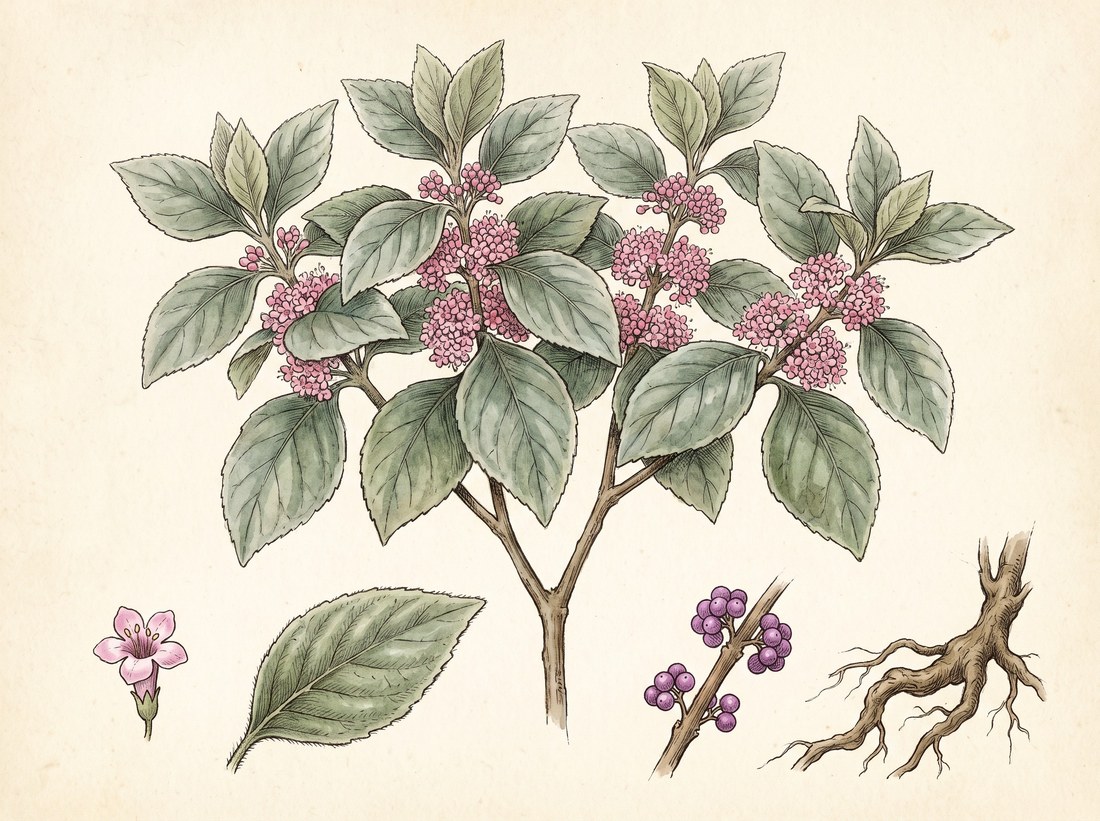 beautyberryCallicarpa macrophylla
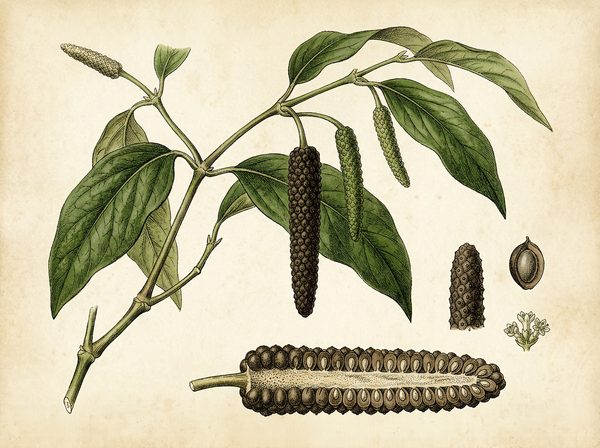 long pepperPiper longum
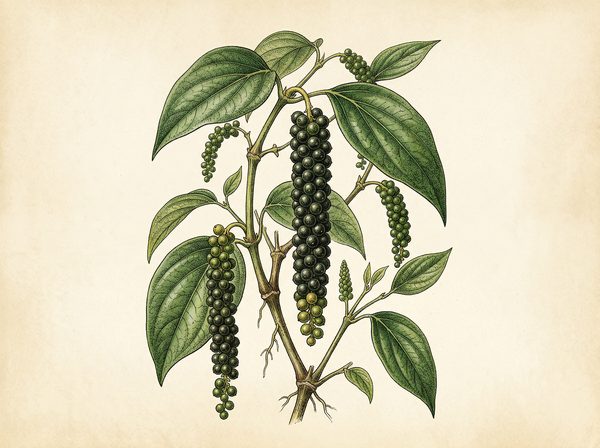 black pepperPiper nigrum
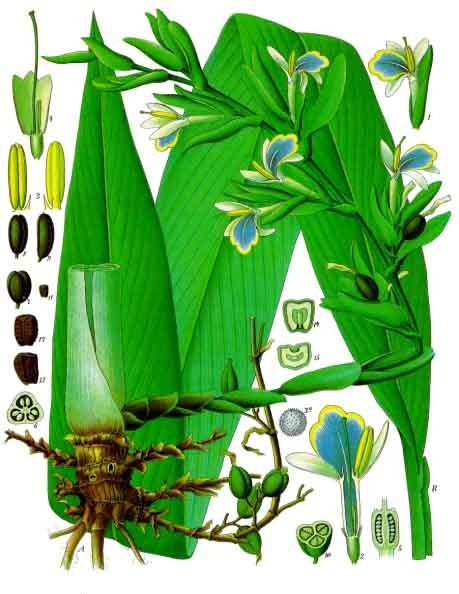 cardamomElettaria cardamomum
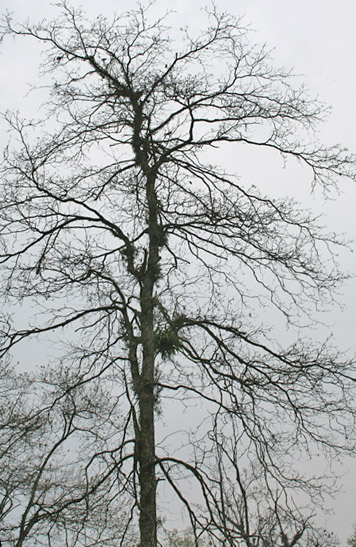 chebulic myrobalanTerminalia chebula
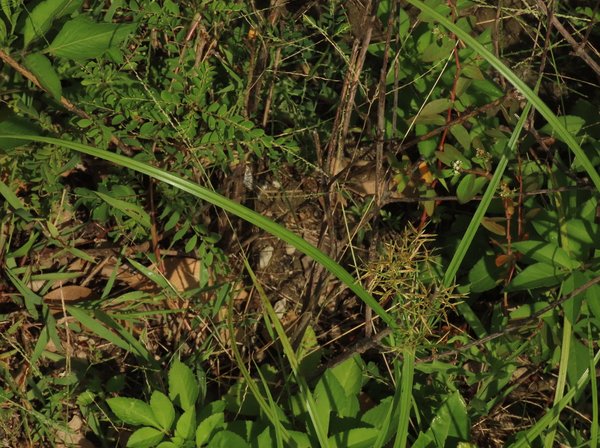 nut grassCyperus rotundus
Nearby on the shelf
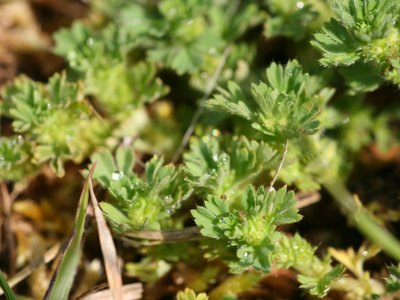 AphanesAphanes arvensis
 ApplePyrus Malus
 Arabian jasmineJasminum sambac
 Areca nutAreca catechu
 Armeniaca vulgarisArmeniaca vulgaris
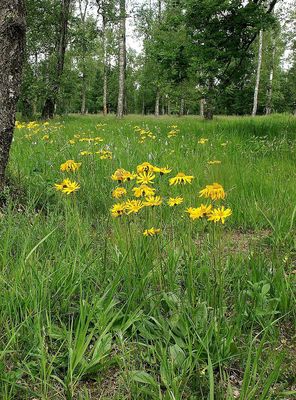 ArnicaArnica spp.
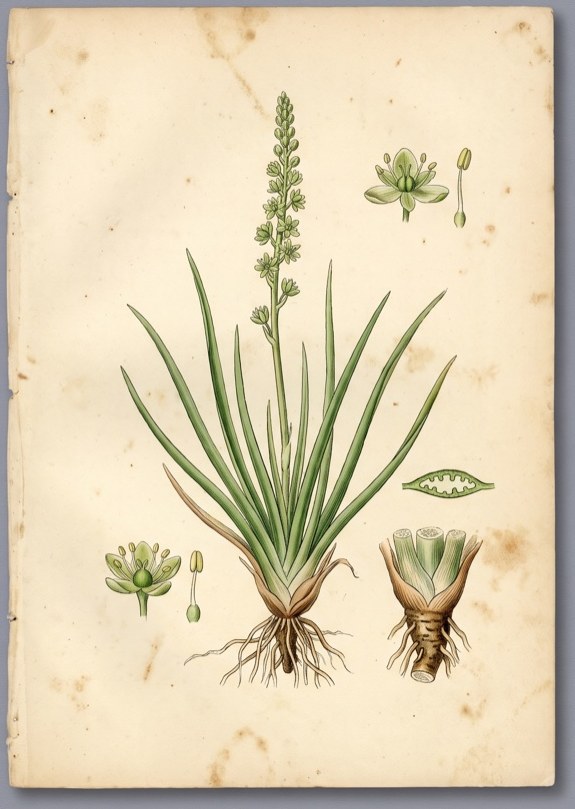 Arrow-GrassTriglochin
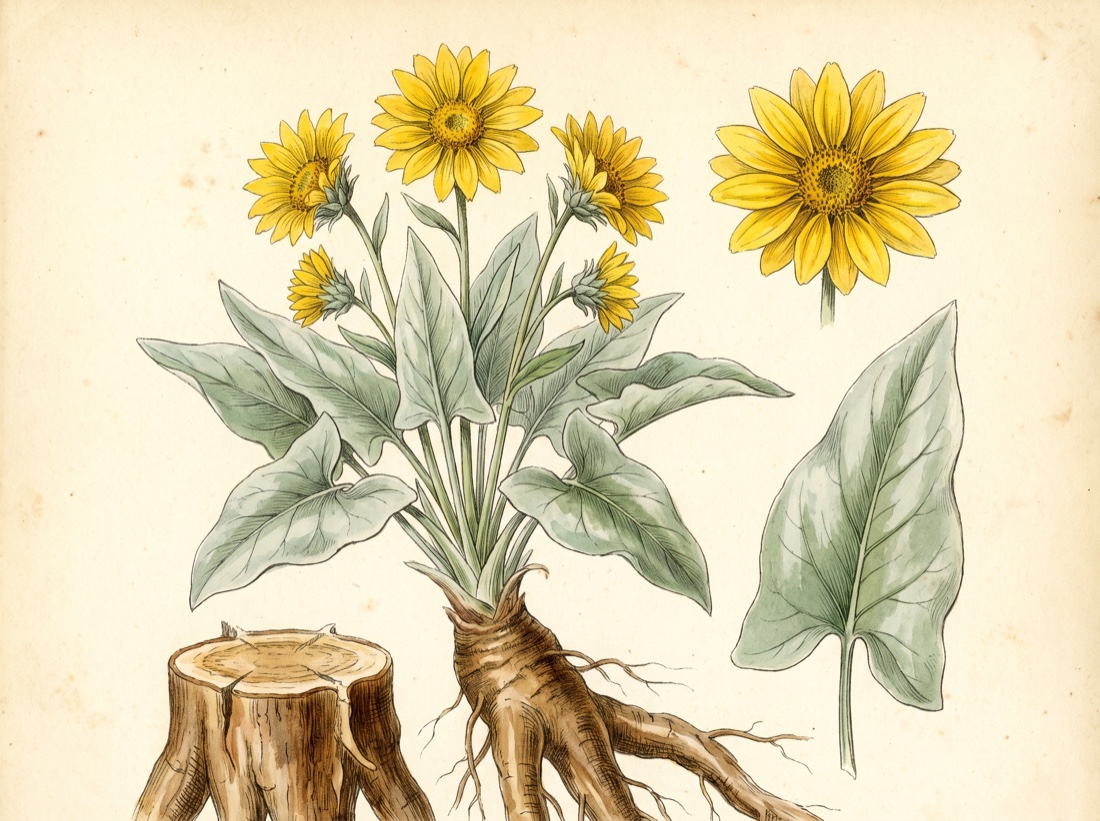 Arrowleaf balsamrootBalsamorhiza sagittata
The whole plate is in the library. The compass, Compare, the Sky of eleven hundred plants and the formulary open with an email address and a password, free, with the formula builder and its safety engine. Herbert without limit, his formulating, clients, the handouts and the labels are the paid room.
Open the library, free