Chinese Herbalism
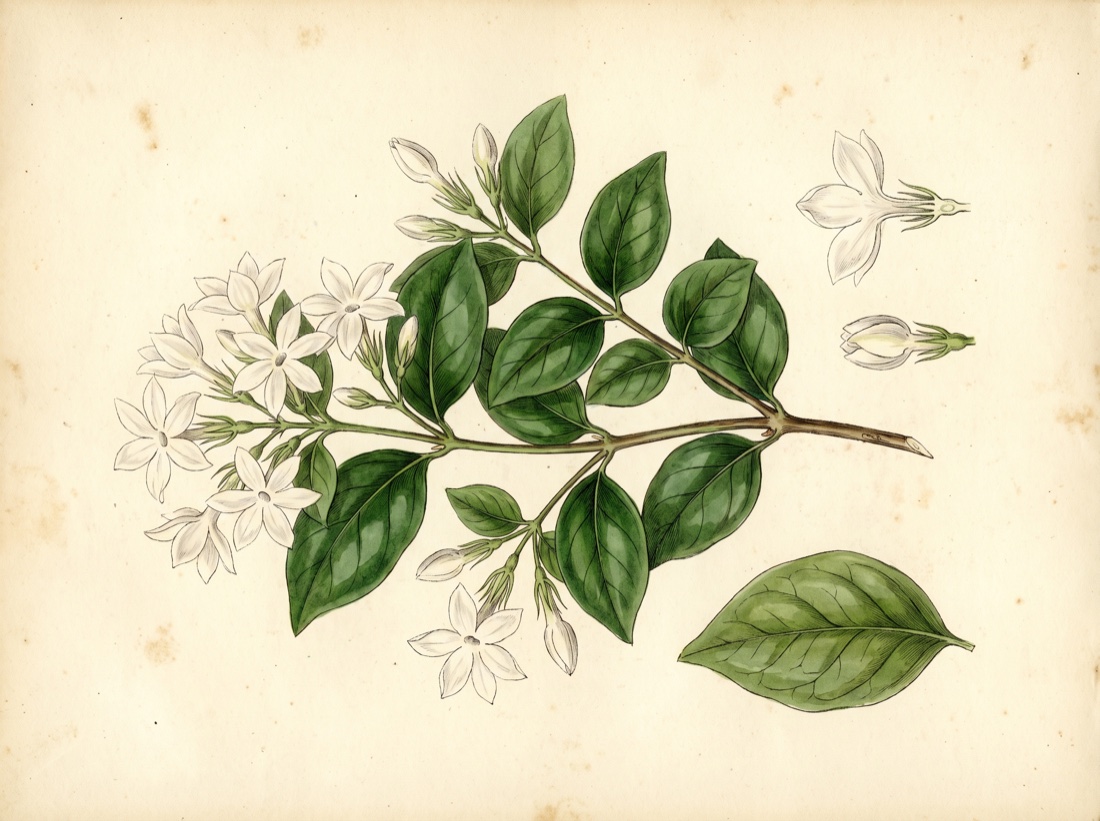
Arabian jasmine
Jasminum sambac
Also known as sambac jasmine, mo li hua, sampaguita, pikake, mò lì huā, mò lì.
Arabian jasmine is a scrambling evergreen shrub with intensely fragrant white flowers, native to tropical Asia and grown throughout India, Southeast Asia, southern China and the Middle East for garlands, perfume and tea. The flower is the medicinal part; the leaf and root appear in folk practice. In Chinese medicine mo li hua is a warm, fragrant qi-regulating flower that opens the chest and harmonizes the stomach, and it is the flower that scents jasmine tea. In South and Southeast Asia it is best known as a lactation suppressant applied to the breasts.

Ask Herbert about Arabian jasmine. Herbert is the master herbalist inside Bountiful Herbs: he answers from this plate and eleven hundred others, with dosing, pairing and cautions. Your first ten questions are free.
Ask HerbertActions
Indications what the tradition reached for it in
- Epigastric and abdominal distension from qi stagnation
- Poor appetite with a heavy, damp digestion
- Diarrhea and dysentery (folk)
- Low mood and chest oppression from liver constraint
- Tension headache with irritability
- Conjunctivitis and red, sore eyes (external wash)
- Suppression of lactation after weaning or stillbirth (topical flowers)
- Breast engorgement during weaning (topical flowers)
- Halitosis (mouth rinse)
- Mild insomnia and restlessness (aroma)
Specific indications
A person who sighs, feels tight in the chest and bloated under the ribs, with appetite dulled by worry, who is soothed by a fragrant jasmine tea
A mother who needs to stop milk production quickly and comfortably, treated with fresh jasmine flowers strung and worn against the breasts
Summer digestive sluggishness with a sticky tongue coating and mild loose stools
Safety
The record lists 5 contraindications; open the plate in the library to read them in full.
In practice
Mo li hua is a gentle, pleasant herb for the person whose digestion suffers from mood: the tight chest, the sigh, the bloating after meals in someone who is worried or irritable. It sits with mei gui hua (rose) and fo shou (Buddha's hand) among the fragrant qi regulators, and it is easily given as a tea, alone or scented into green tea.
In Chinese medicine
Temperature: warm. Taste: acrid, sweet. Channels: Liver, Spleen, Stomach. Actions: Regulates qi and relieves constraint; Harmonizes the middle burner and stops pain; Transforms turbidity and dispels damp; Brightens the eyes (as an external wash).
Dosing as the sources wrote it
| Preparation | As written | Metric |
|---|---|---|
| Infusion of flowers | 3-10 g dried flower daily in divided doses | 3000-10000 mg |
| Tincture (1:5, 40%) | 1-3 mL three times daily | 1-3 mL |
| Topical for lactation suppression | 50-60 cm string of fresh flowers worn against each breast daily for 5 days | |
| Eye wash | 3-5 g dried flower per 250 mL boiled water cooled and strained used twice daily | 3000-5000 mg |
Doses are reproduced from the sources for practitioners and are not a recommendation for any person.
From the sources
Overview. Arabian jasmine is a scrambling evergreen shrub with intensely fragrant white flowers, native to tropical Asia and grown throughout India, Southeast Asia, southern China and the Middle East for garlands, perfume and tea. The flower is the medicinal part; the leaf and root appear in folk practice. In Chinese medicine mo li hua is a warm, fragrant qi-regulating flower that opens the chest and harmonizes the stomach, and it is the flower that scents jasmine tea. In South and Southeast Asia it is best known as a lactation suppressant applied to the breasts.
Clinical Notes. Mo li hua is a gentle, pleasant herb for the person whose digestion suffers from mood: the tight chest, the sigh, the bloating after meals in someone who is worried or irritable. It sits with mei gui hua (rose) and fo shou (Buddha's hand) among the fragrant qi regulators, and it is easily given as a tea, alone or scented into green tea.
Chinese Medicine Profile. Temperature: warm. Taste: acrid, sweet. Channels: Liver, Spleen, Stomach. Actions: Regulates qi and relieves constraint; Harmonizes the middle burner and stops pain; Transforms turbidity and dispels damp; Brightens the eyes (as an external wash).
Nearby on the shelf
 AnnattoBixa orellana
 Anthemis cotulaAnthemis cotula
 AphanesAphanes arvensis
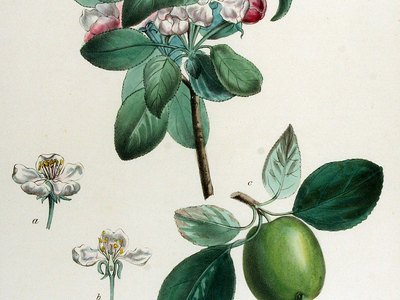 ApplePyrus Malus
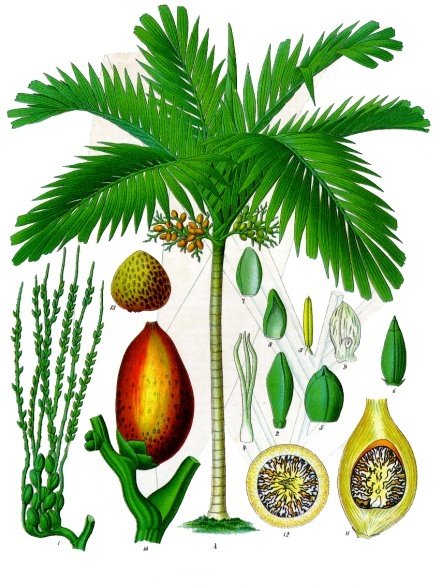 Areca nutAreca catechu
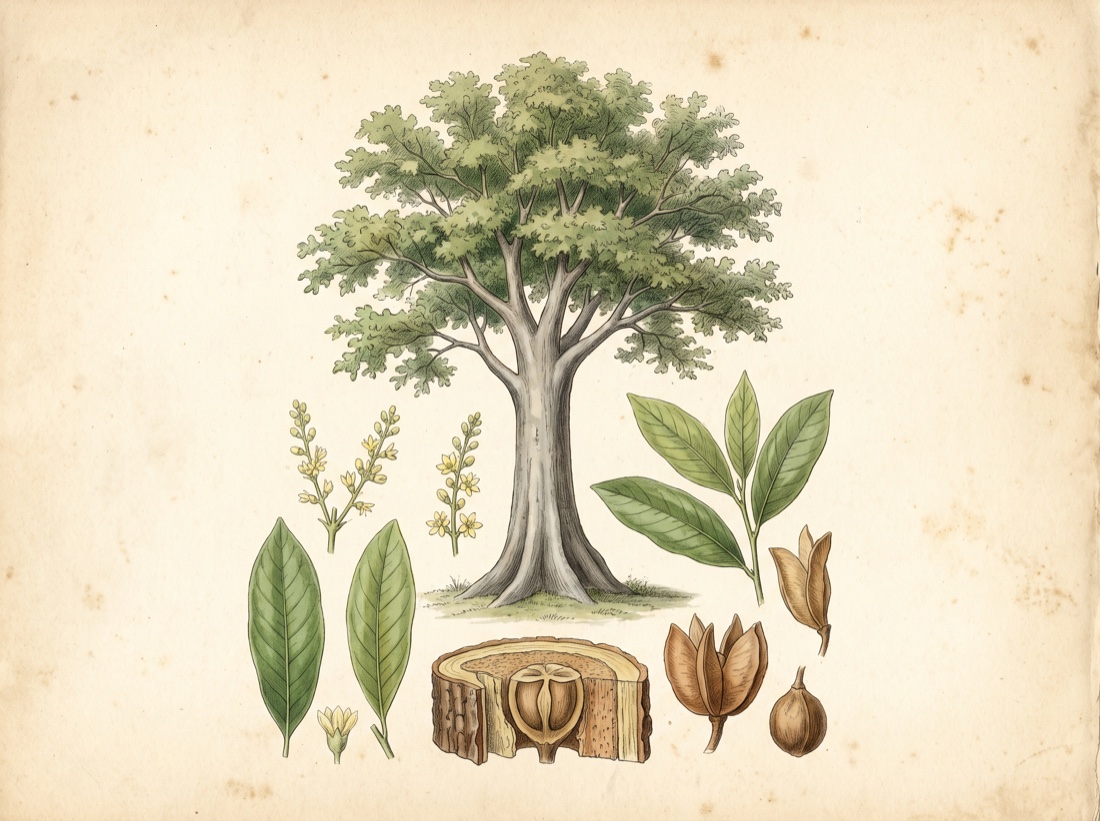 ArjunaTerminalia arjuna
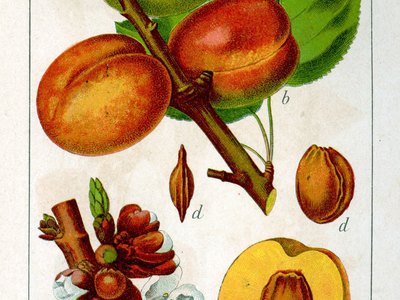 Armeniaca vulgarisArmeniaca vulgaris
 ArnicaArnica spp.
The whole plate is in the library. The compass, Compare, the Sky of eleven hundred plants and the formulary open with an email address and a password, free, with the formula builder and its safety engine. Herbert without limit, his formulating, clients, the handouts and the labels are the paid room.
Open the library, free