Western Herbalism
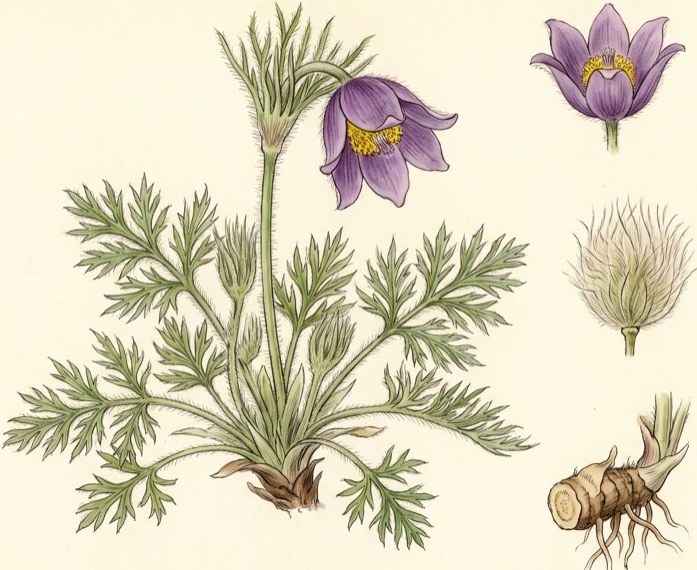
American pasque flower
Anemone Patens
Also known as American pulsatilla, Pasque flower, Prairie crocus.
Anemone patens, now generally classified as Pulsatilla patens, is a low, hairy perennial of the buttercup family native to dry prairies and open woodlands of central and western North America and parts of Eurasia. The whole fresh flowering plant was used by nineteenth century eclectic and homeopathic physicians as a close relative and reputed substitute for European Pulsatilla vulgaris. It has a minor place in older American materia medica, valued as a nervine and antispasmodic, but its acrid, irritant fresh-plant chemistry always demanded caution.

Ask Herbert about American pasque flower. Herbert is the master herbalist inside Bountiful Herbs: he answers from this plate and eleven hundred others, with dosing, pairing and cautions. Your first ten questions are free.
Ask HerbertActions
Indications what the tradition reached for it in
- Nervous tension and restlessness
- Insomnia from overstimulation
- Dysmenorrhea
- Delayed or scanty menses
- Nervous cough including whooping cough (historical)
- Skin eruptions (historical)
- Ophthalmic complaints (historical, unverified)
- Neuralgia
Specific indications
Restlessness and low mood with a tearful, changeable emotional state, historically likened to Pulsatilla vulgaris but noted to act more strongly and less predictably
Spasmodic dry cough with nervous irritability, as used historically for whooping cough
Safety
Recognised toxicity. This plant carries a toxicity flag in the record; it is for trained practitioners only.
Low dose botanical. Used in drop doses in the classical practice; not a plant to dose freely.
Pregnancy: Use with care in pregnancy
Breastfeeding: Not for use while breastfeeding
The record lists 5 contraindications; open the plate in the library to read them in full.
In practice
Eclectic writers regarded American pulsatilla as similar in spirit to European pasque flower but sharper and less forgiving in overdose, useful for nervous complaints, dysmenorrhea, and spasmodic coughs when a gentler remedy had failed.
Dosing as the sources wrote it
| Preparation | As written | Metric |
|---|---|---|
| Homeopathic dilution | 6C to 30C as prescribed by a qualified homeopathic practitioner | |
| Fresh plant tincture, historical eclectic dose (not generally recommended today) | 0.05-0.3 mL (about 1-5 drops) daily, extreme caution advised | 0.05-0.3 mL |
| Five to | Five to 30 drops of the tincture (℥viij to alcohol Oj), may be added to 4 fluid ounces of water, a dose of which is a teaspoonful 3 times a day. | 1.5 mL |
Doses are reproduced from the sources for practitioners and are not a recommendation for any person.
From the sources
Overview. Anemone patens, now generally classified as Pulsatilla patens, is a low, hairy perennial of the buttercup family native to dry prairies and open woodlands of central and western North America and parts of Eurasia. The whole fresh flowering plant was used by nineteenth century eclectic and homeopathic physicians as a close relative and reputed substitute for European Pulsatilla vulgaris. It has a minor place in older American materia medica, valued as a nervine and antispasmodic, but its acrid, irritant fresh-plant chemistry always demanded caution.
Clinical Notes. Eclectic writers regarded American pulsatilla as similar in spirit to European pasque flower but sharper and less forgiving in overdose, useful for nervous complaints, dysmenorrhea, and spasmodic coughs when a gentler remedy had failed.
Action, Medical Uses, and Dosage. This plant is acrid and poisonous. It has been recommended in amaurosis and other diseases of the eye, secondary syphilis, cutaneous diseases, and whooping-cough, in doses of 1 or 2 grains daily. These, however, are its old-time uses.
History and Chemical Composition. This plant blossoms in April and May. "Anemone nemorosa abounds in an acrid juice, which is particularly intense in the root. These properties disappear when the plant is dried, and hence only the recent plant, or preparations of the recent plant, are of value in medicine.
Drawn from King's American Dispensatory, 18th edition (Felter and Lloyd), and the Bountiful Herbs editorial.
Nearby on the shelf
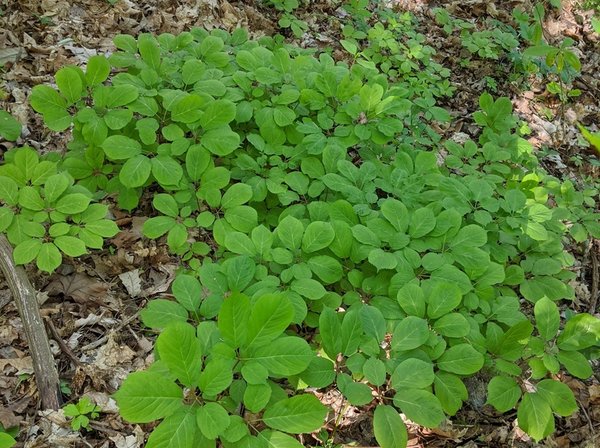 American GinsengPanax quinquefolius
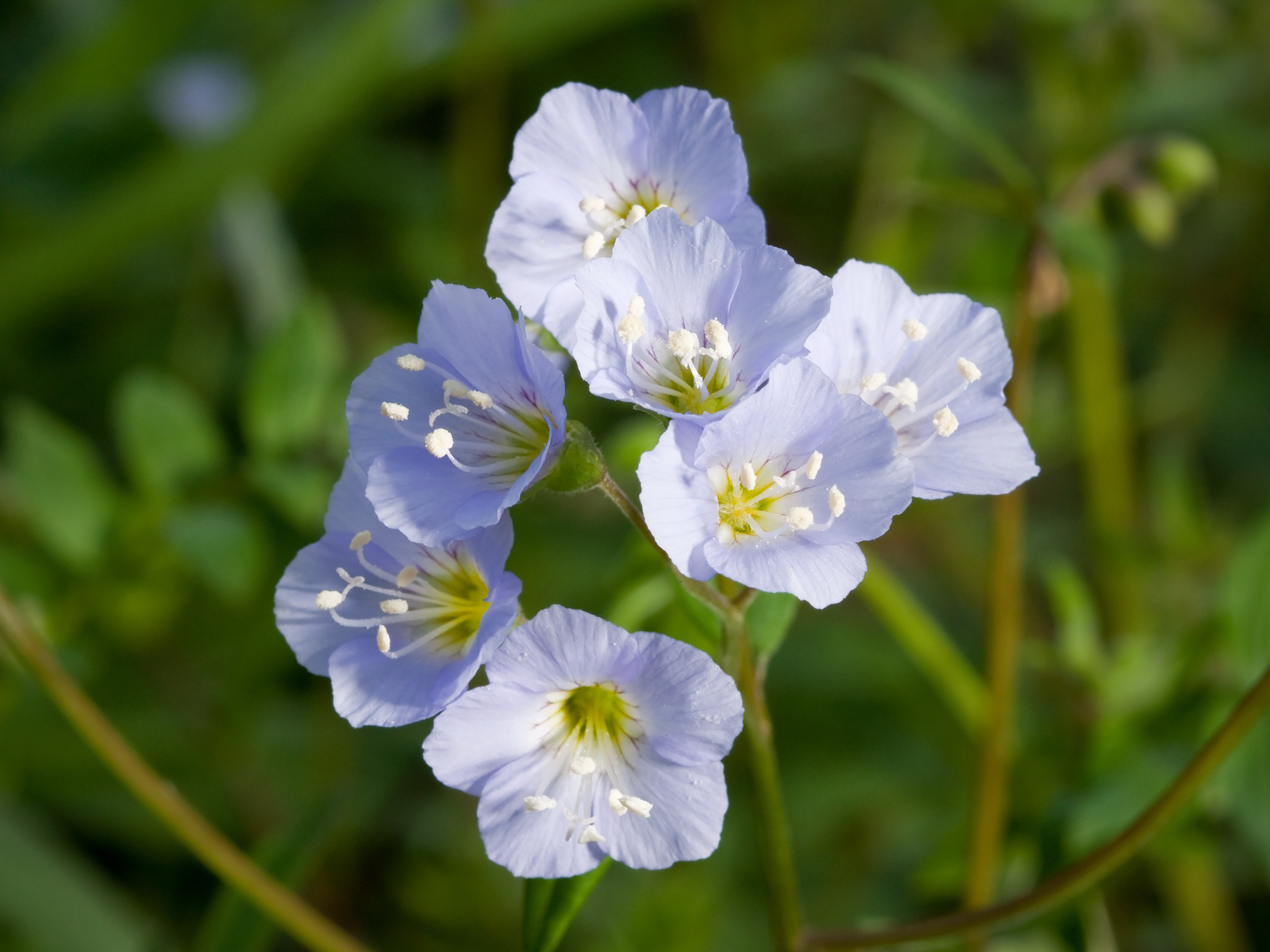 American Greek ValerianPolemonium
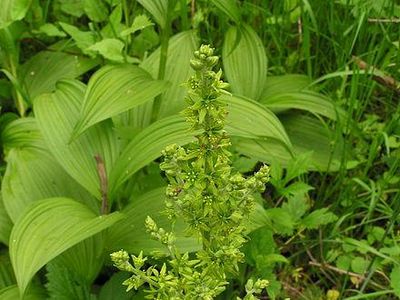 American helleboreVeratrum viride
 American HollyIlex Opaca
 American pennyroyalHedeoma pulegioides
 American persimmonDiospyros virginiana
 American sennaCassia Marilandica
 American SkullcapScutellaria lateriflora
The whole plate is in the library. The compass, Compare, the Sky of eleven hundred plants and the formulary open with an email address and a password, free, with the formula builder and its safety engine. Herbert without limit, his formulating, clients, the handouts and the labels are the paid room.
Open the library, free