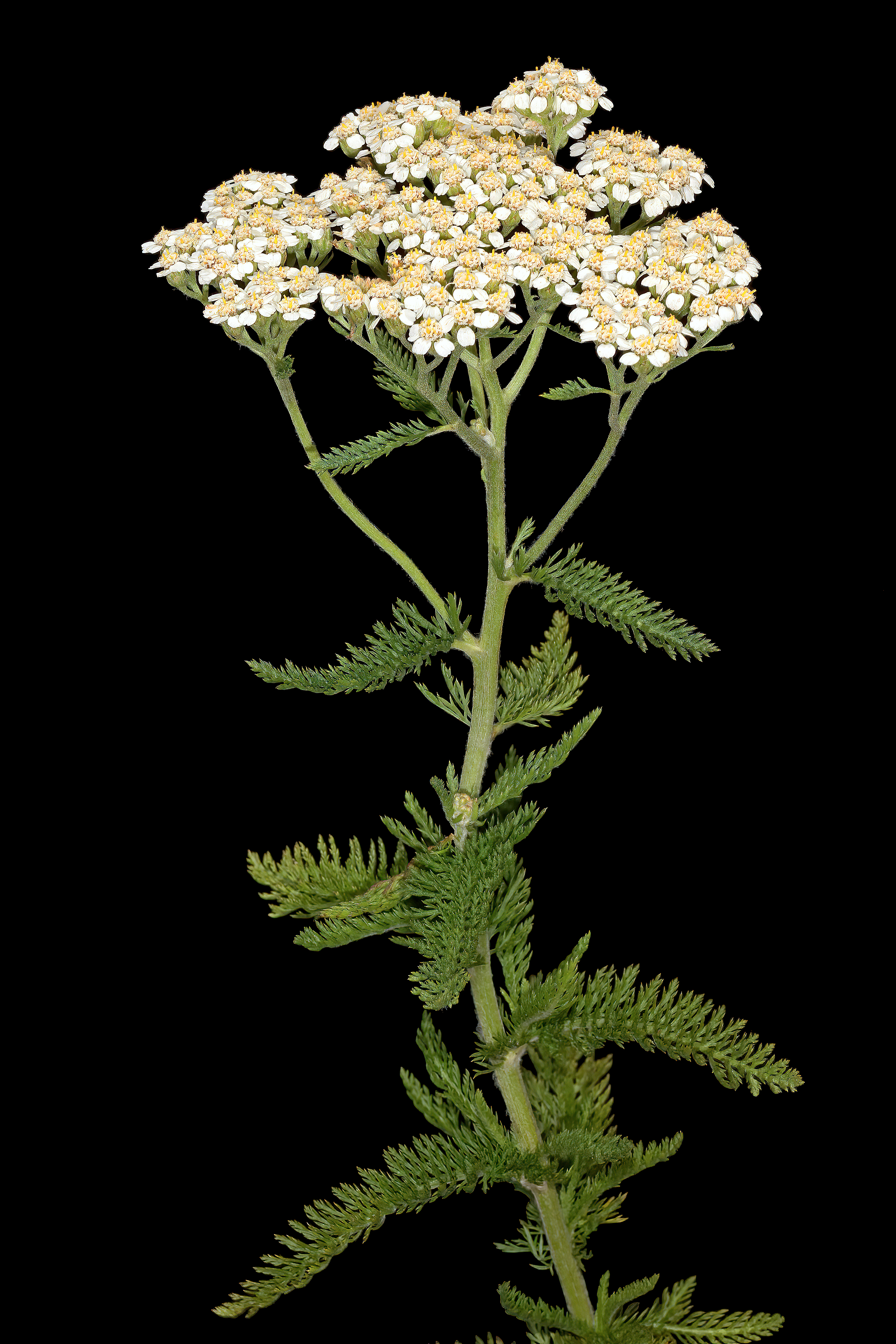
Western Herbalism
Yarrow
Achillea millefolium
Also known as Milfoil, Millefolium, Achillea, Thousand Leaf, Nosebleed plant, Soldier's woundwort.
Yarrow is a perennial herb of the daisy family, common across meadows and roadsides of Europe, North America, and temperate Asia, long naturalized wherever it is not native. The flowering aerial parts are gathered for medicine. It has a long history of folk and physiomedical use as a wound herb and fever remedy, valued for its ability to act on tissue tone in seemingly opposite directions, opening the skin to promote sweating while also astringing tissues to check bleeding.

Ask Herbert about Yarrow. Herbert is the master herbalist inside Bountiful Herbs: he answers from this plate and eleven hundred others, with dosing, pairing and cautions. Your first ten questions are free.
Ask HerbertActions
Indications what the tradition reached for it in
- Cuts
- Intestinal cramps
- Illness (that leads to bleeding)
- Bleeding (from illness or fever)
- Cramps (minor)
- Loss of appetite
- Constipation
- Perineal tears
- Maldigestion
- Hemoptysis
- Inflammation
- Gas/bloating
- Hypertension
- Nipples (cracked, bleeding)
- Flu (w/ fever)
- Urinary tract inflammation
- Dysmenorrhea
- Leukorrhea
- Fever (that leads to bleeding)
- Scrapes
- Urethritis
- Cold (w/ fever)
- Reproductive tract inflammation
- Wounds
- Hemorrhoids (bleeding)
- Skin abrasions
- Hypochlorhydria
- Enteritis
- Hematuria
- Indigestion
Specific indications
Atony and relaxation of tissue, with free dis. charges; passive hemorrhage.
Safety
Pregnancy: Use with care in pregnancy
Breastfeeding: Use with care while breastfeeding
The record lists 3 contraindications; open the plate in the library to read them in full.
Dosing as the sources wrote it
| Preparation | As written | Metric |
|---|---|---|
| Infusion | 1-2 tsp/c TID, drink hot q hour when feverish | |
| Tincture (1:3) | 2-5 ml TID | 2-5 mL |
| Fluid extract (1:1) | 1-3 ml TID | 1-3 mL |
| Dried herb 2-4 g as an infusion three times daily | 2000-4000 mg | |
| (G6, G7) Liquid extract 2-4 mL (1 : 1 in 25% alcohol) three times daily .(G6, G7) Tincture 2-4 mL (1 : 5 in 45% alcohol) three times daily | 2-4 mL | |
| Specific Achillea | Dose, from five to sixty minims. | 0.31-3.7 mL |
Doses are reproduced from the sources for practitioners and are not a recommendation for any person.
From the sources
Overview. Yarrow is a perennial herb of the daisy family, common across meadows and roadsides of Europe, North America, and temperate Asia, long naturalized wherever it is not native. The flowering aerial parts are gathered for medicine. It has a long history of folk and physiomedical use as a wound herb and fever remedy, valued for its ability to act on tissue tone in seemingly opposite directions, opening the skin to promote sweating while also astringing tissues to check bleeding.
Clinical Notes. Leaf=specific for bleeding wounds Diaphoretic=flower Peripheral vasodilation Best used as hot tea at start of acute fever w/ hot dry skin TCM=Dispels wind heat conditions w/ fever, acute inflammation, & floating, fast pulse. Regulates Qi, dispels damp, treats liver & spleen disharmony and liver yang rise Best as hot tea for diaphoretic action Topically as stiz bath, wash, poultice Commonly combined w/ Sambucus, Eupatorium, Mentha or Tilia flowers for diaphoretic activity Carminative herbs pair well w/ bitters to improve GI function (Matricaria, Foeniculum, Zingiber, Melissa, etc) Added to formulas to treat hemotypsis and hematuria
Clinical Notes. Yarrow earns its old reputation as a fever herb that also stops bleeding. Given as a warm infusion at the onset of a cold or flu, especially one that comes with chilliness and a tight, dry skin, it encourages a gentle sweat and seems to help the body redistribute heat from the core to the periphery.
Action and Therapy. Achillea is astringent and tonic. Its chief virtues are shown in its occasional control of passive menorrhagia due wholly to atony, and not to the presence of tissue change or destruction. It sometimes relieves hematuria, and is soothing to the urinary tract.
Drawn from Cook's Physio-Medical Dispensatory; Scudder's Specific Medication and Specific Medicines; King's American Dispensatory, 18th edition (Felter and Lloyd); Ellingwood's American Materia Medica, Therapeutics and Pharmacognosy, and the Bountiful Herbs editorial.
In formulas
Yarrow stands in 3 documented formulas in the library, among them Upper Respiratory Infection Formula, Hypertension Support Formula.
Often paired with
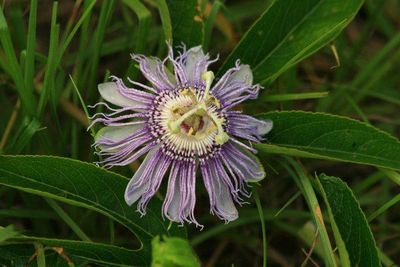 Passion FlowerPassiflora incarnata
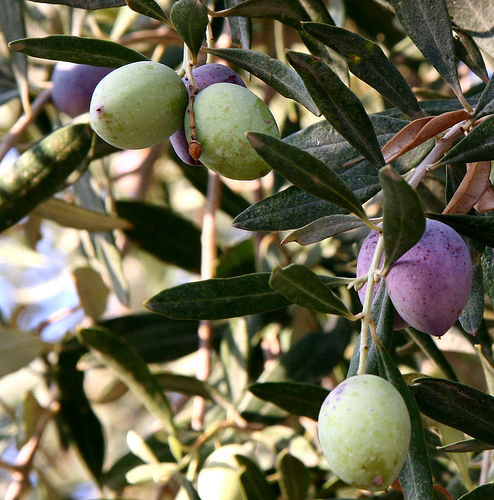 OliveOlea europaea
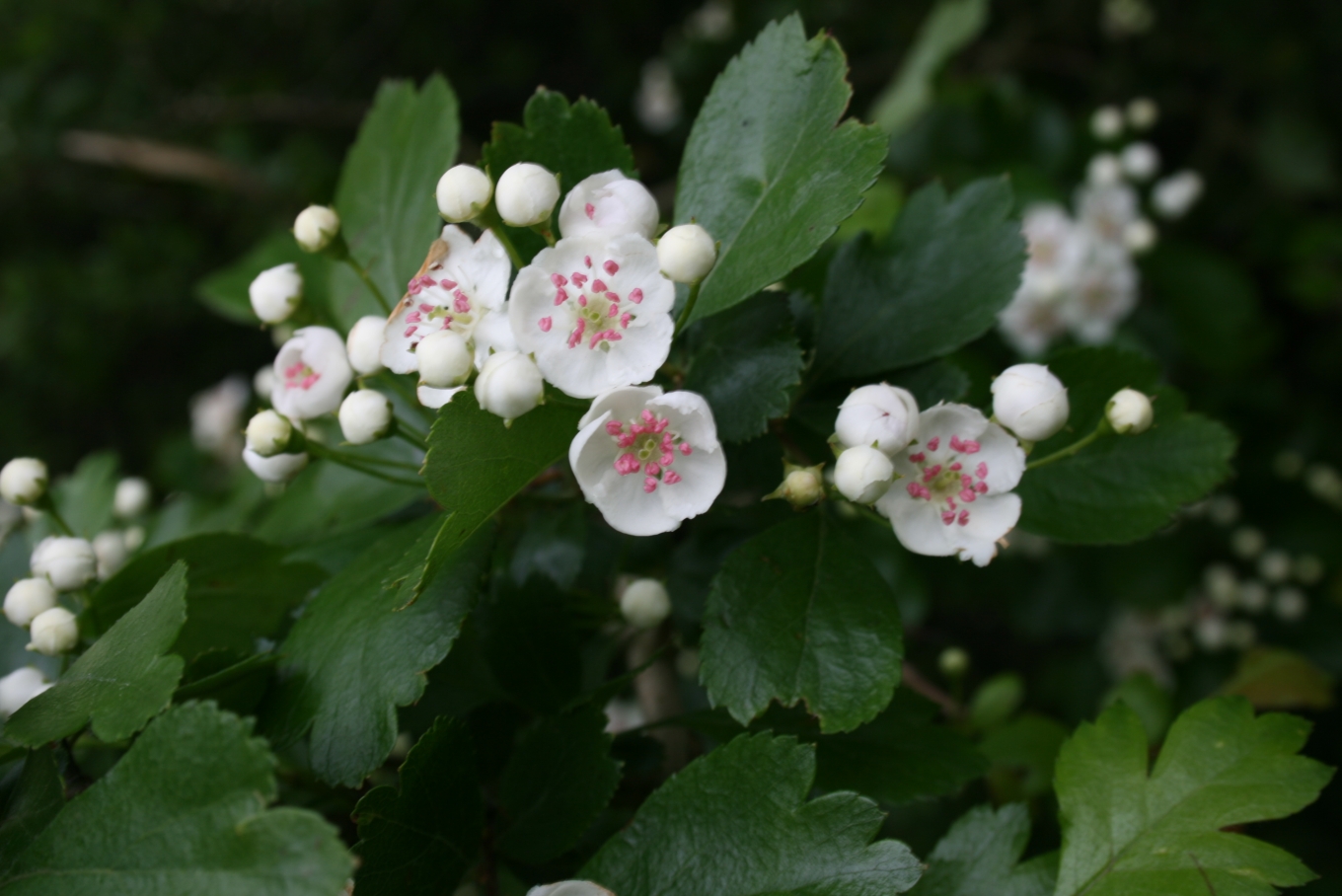 HawthornCrataegus oxyacantha
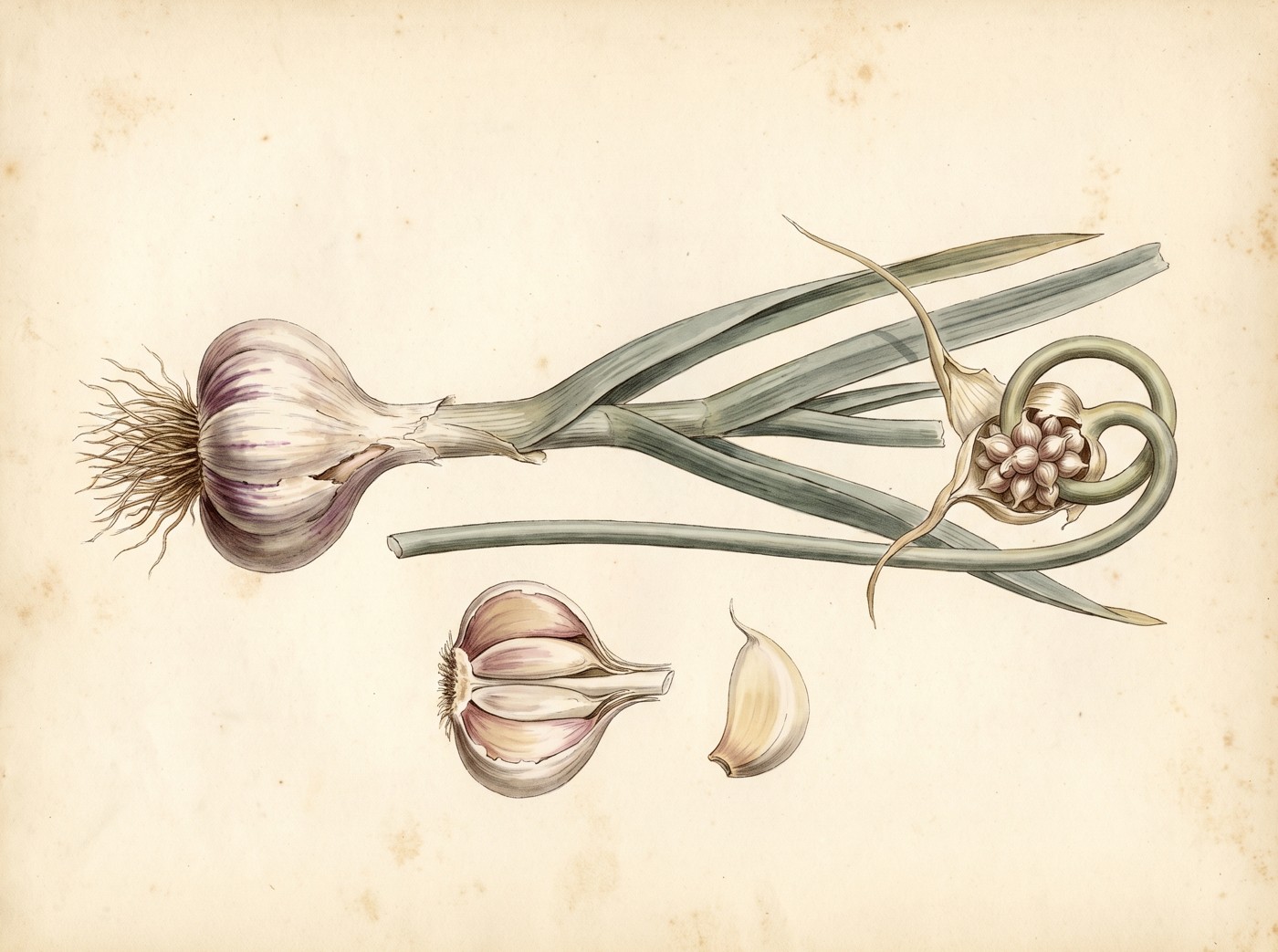 garlicAllium sativum
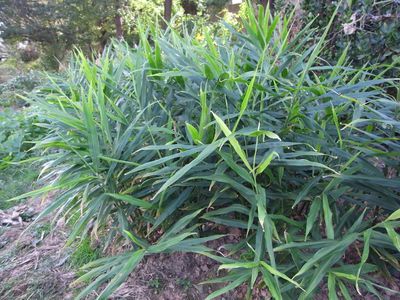 GingerZingiber officinale
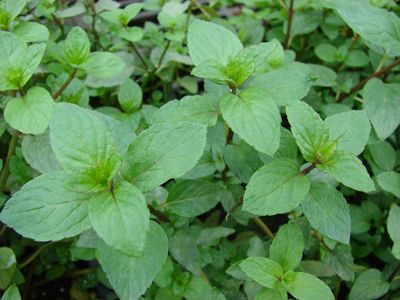 PeppermintMentha piperita
Nearby on the shelf
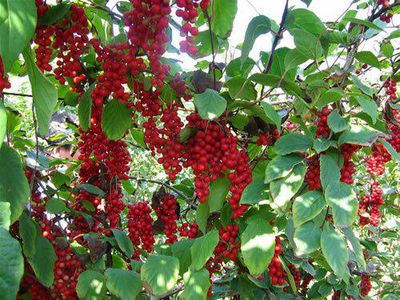 Wu Wei ZiSchisandra chinensis
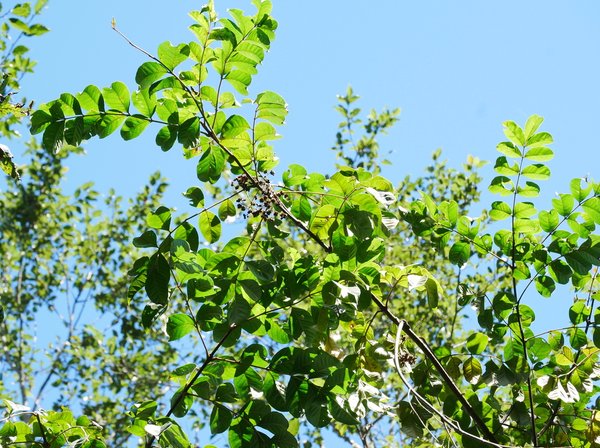 Wu Zhu YuTetradium ruticarpum
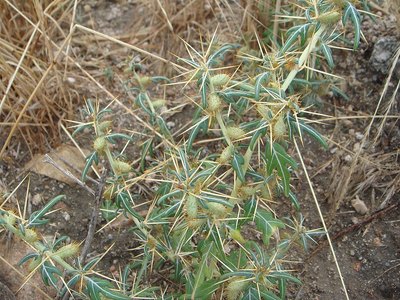 XanthiumXanthium spinosum
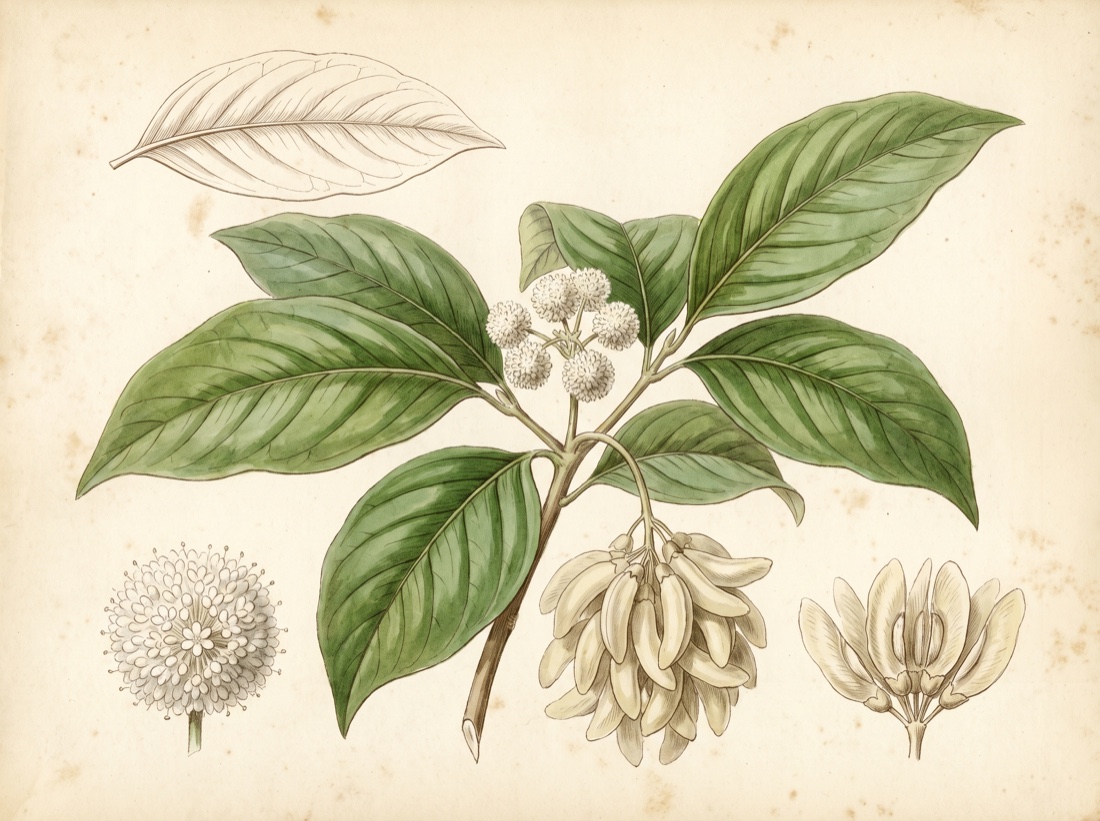 Xi ShuCamptotheca acuminata
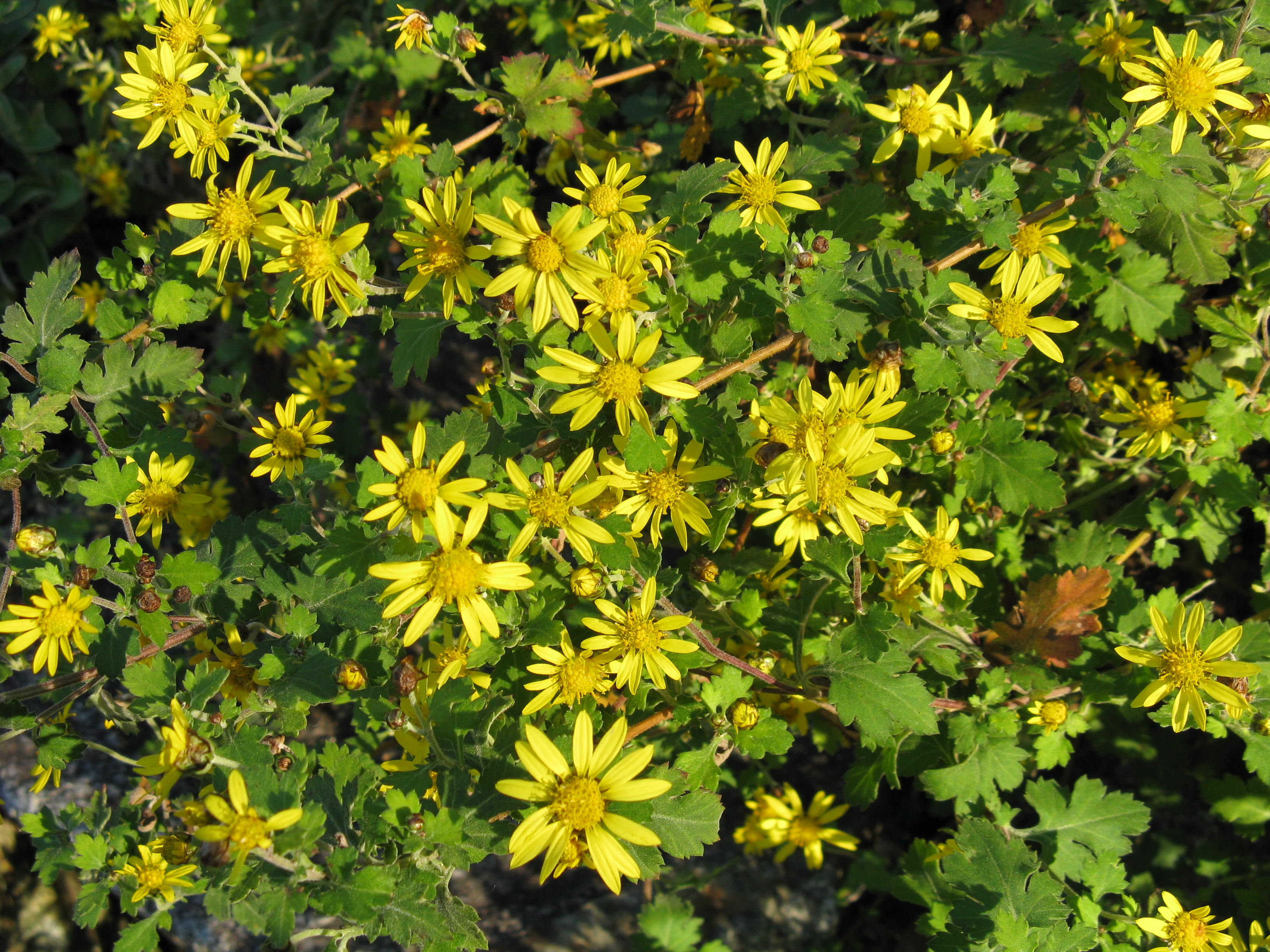 Ye Ju HuaChrysanthemum indicum
 Yellow jessamineGelsemium sempervirens
 Yellow parillaMenispermum canadense
 Yellow pond lilyNuphar lutea
The whole plate is in the library. The compass, Compare, the Sky of eleven hundred plants and the formulary open with an email address and a password, free, with the formula builder and its safety engine. Herbert without limit, his formulating, clients, the handouts and the labels are the paid room.
Open the library, free