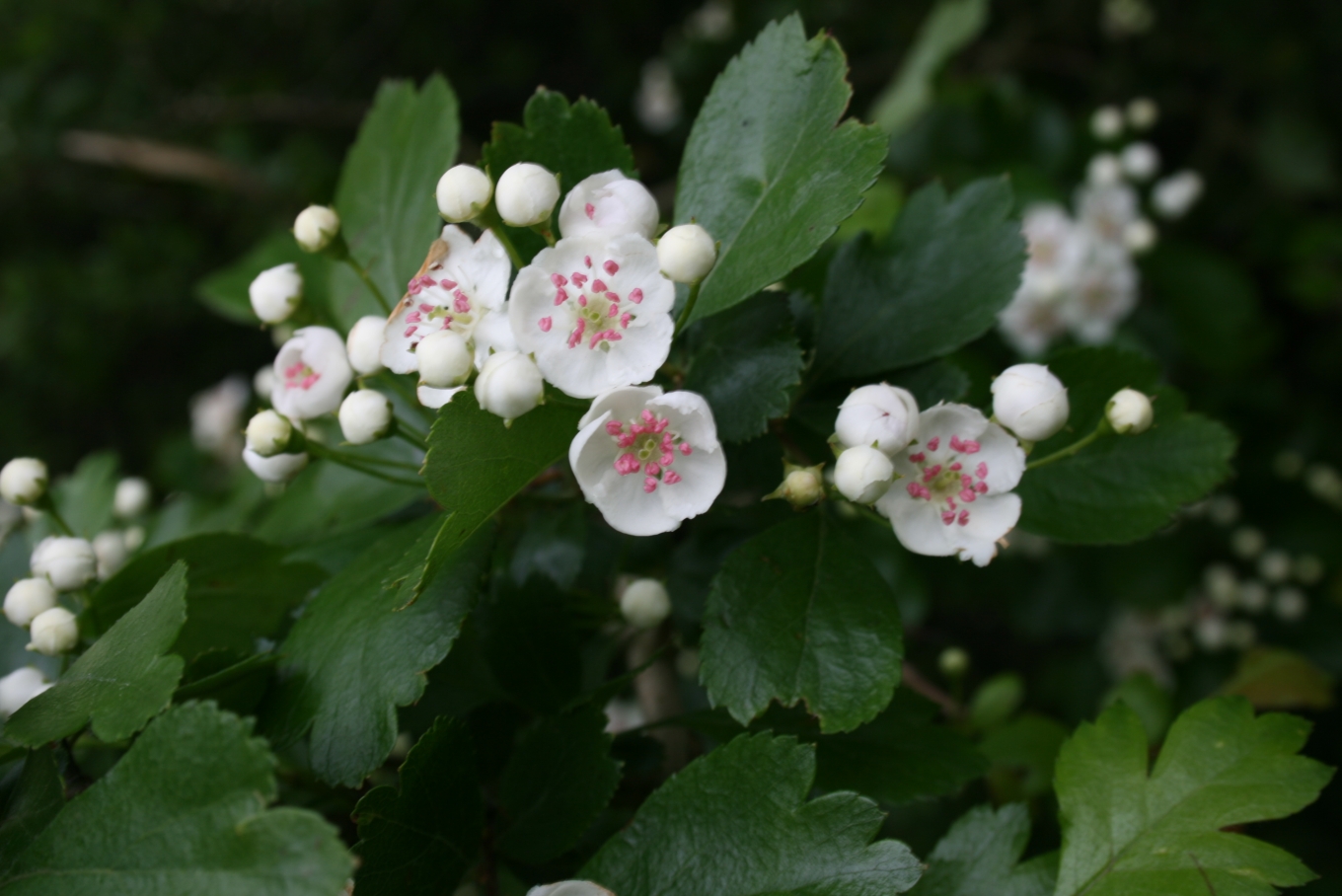
Western Herbalism
Hawthorn
Crataegus oxyacantha
Also known as Haw, English Hawthorn, Maybush, Whitethorn, ambig, Crataegus, (1) English Hawthorn, May.
Hawthorn is a thorny shrub or small tree of the rose family native to Europe and widely naturalized, long valued for its flowering tops, leaves, and berries. It rose to prominence in eclectic and later European phytotherapy as the leading cardiovascular tonic of Western herbal medicine, used to support a failing or overworked heart. Modern use favors standardized leaf and flower extracts, though the traditional berry preparations described by nineteenth century eclectic physicians remain in use for gentler, longer term support.

Ask Herbert about Hawthorn. Herbert is the master herbalist inside Bountiful Herbs: he answers from this plate and eleven hundred others, with dosing, pairing and cautions. Your first ten questions are free.
Ask HerbertActions
Indications what the tradition reached for it in
- Mild to moderate chronic heart failure (NYHA I-II)
- Hypertension, borderline or mild
- Angina, adjunctive supportive use
- Cardiac arrhythmias, mild functional
- Anxiety with cardiac awareness or palpitations
- Post-viral or age-related cardiac weakness
- Atherosclerosis, supportive long-term use
- General cardiovascular tonic in the elderly
- Poor peripheral circulation
- Convalescence after cardiac events, once stable and physician-supervised
- Cardiac failure
- Myocardial weakness
- Paroxysmal tachycardia
- Hypertension
- Arteriosclerosis
- Buerger's disease
- Post operation
- Dyspnea
- Sprain
- Premature ventricular contractions
- Pain (cardiac)
- Heart (rapid and feeble action)
- Angina pectoris
- Post myocardial infarction
- Cardiac muscle weakness
- Hypertension (mild)
- Arrhythmia
- Hypertension (moderate)
- Hypotension
- Cerebral circulation disturbances
Specific indications
Weak, irritable heart with breathlessness on exertion and a sense of cardiac fatigue, especially in the elderly
Palpitations with anxiety and a tight, oppressed feeling in the chest, worse with stress
Safety
Pregnancy: Limited safety data in pregnancy
The record lists 5 contraindications; open the plate in the library to read them in full.
In practice
Hawthorn is the herb I reach for first when a patient needs steady, cumulative cardiovascular support rather than a rapid effect: it takes four to eight weeks of consistent dosing to show its full benefit, and patients should be told this plainly so they do not abandon it too soon.
Dosing as the sources wrote it
| Preparation | As written | Metric |
|---|---|---|
| Tincture (1:5, berry or leaf/flower, 45%) | 2-4 mL three times daily | 2-4 mL |
| Standardized dry extract (leaf and flower, 1.8-2.2% flavonoids) | 300-900 mg daily in divided doses | 300-900 mg |
| Traditional fluid extract (eclectic specific medicine style) | 0.3-1 mL (5-15 minims) every 1-3 hours in acute functional cardiac complaints, short term | 0.3-1 mL |
| Fruit Dried fruit 0.3-1.0 g as an infusion three times daily | 300-1000 mg | |
| (G7) Liquid extract 0.5-1.0 mL (1 : 1 in 25% alcohol) three times daily .(G7) Tincture 1-2 mL (1 : 5 in 45% alcohol) three times daily | 0.5-1 mL | |
| (G7) Leaf with flower For the treatment of decreasing cardiac efficiency corresponding to functional stage II of the New Y ork Heart Association 160 -900 mg aqueous-alcoholic extract (ethanol 45% v/v | 160-900 mg |
Doses are reproduced from the sources for practitioners and are not a recommendation for any person.
From the sources
Overview. Hawthorn is a thorny shrub or small tree of the rose family native to Europe and widely naturalized, long valued for its flowering tops, leaves, and berries. It rose to prominence in eclectic and later European phytotherapy as the leading cardiovascular tonic of Western herbal medicine, used to support a failing or overworked heart. Modern use favors standardized leaf and flower extracts, though the traditional berry preparations described by nineteenth century eclectic physicians remain in use for gentler, longer term support.
Clinical Notes. Strengthens cardiac muscle, valves and circulatory insufficiency For hypertension it dilates coronary vessels, increasing functional capacity of heart Maintains healthy arteries, veins and heart by strenthening and protecting connective tissue found in the heart and endothelial lining of blood vessels --> gives structures resiliency against injury, disease and normal wear and tear of aging Impoves circulation to extremeties by lowering the resistance to blood flow in peripheral blood vessels Reduces cardiac plaque formation (mechanism unknown) Increases tensile binding strength of connective tissue in general and protects against oxidative damage Increases coronary blood flow, mild ACE inhibition, positive...
Clinical Notes. Hawthorn is the herb I reach for first when a patient needs steady, cumulative cardiovascular support rather than a rapid effect: it takes four to eight weeks of consistent dosing to show its full benefit, and patients should be told this plainly so they do not abandon it too soon.
Action and Therapy. The bark, fruit and leaves of several species of the genus Crataegus have in the past been used as astringents and tonics. Though a well-known wild shrub of thickets and commonly cultivated hedge and ornamental plant, the English hawthorn seems to have largely escaped the exact investigators of medicinal plants until a quite recent date.
Drawn from Ellingwood's American Materia Medica, Therapeutics and Pharmacognosy; Felter's Eclectic Materia Medica, Pharmacology and Therapeutics, and the Bountiful Herbs editorial.
In formulas
Hawthorn stands in 35 documented formulas in the library, among them Heart Tonic Formula, Hypertension Support Formula, jià jiǎn xiǎo chái hú tàng, ging yí tāng, gi pí wán, bão tãi zi shẽng wán.
Often paired with
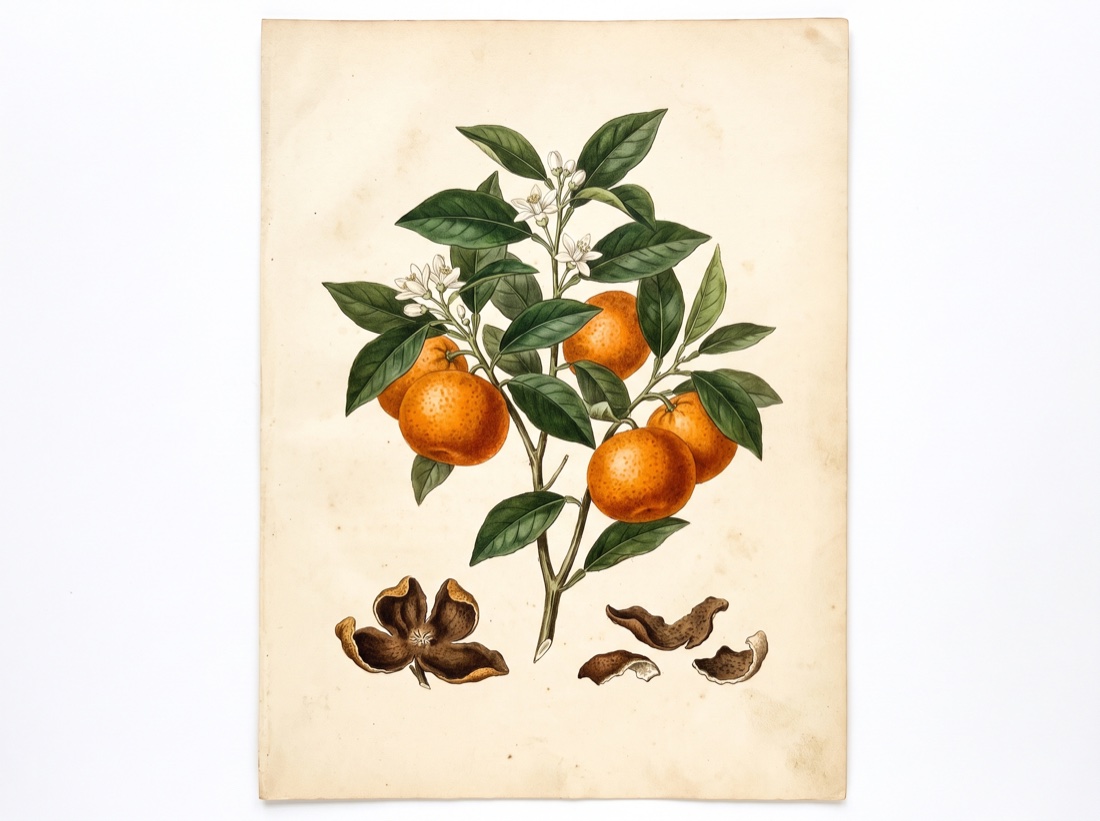 tangerineCitrus reticulata
 Licorice rootGlycyrrhiza glabra
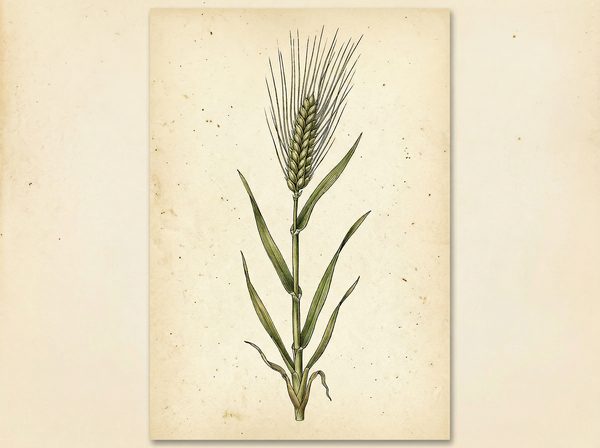 barleyHordeum vulgare
 MaltMaltum
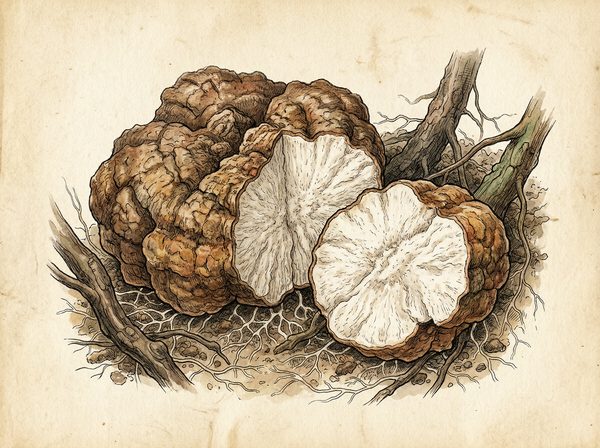 PoriaWolfiporia extensa
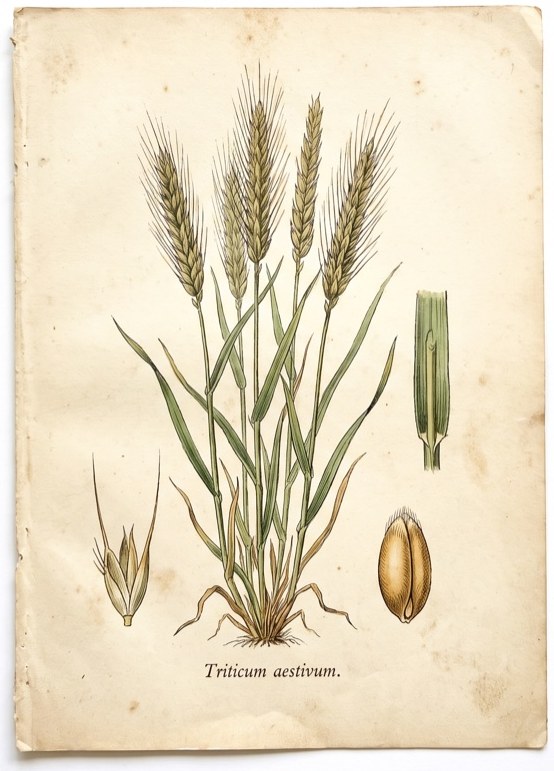 Wheaten FlourFarina Tritici
Nearby on the shelf
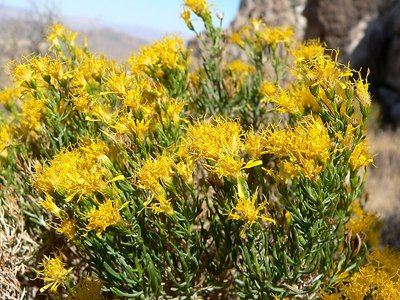 HaplopappusHaplopappus laricifolius
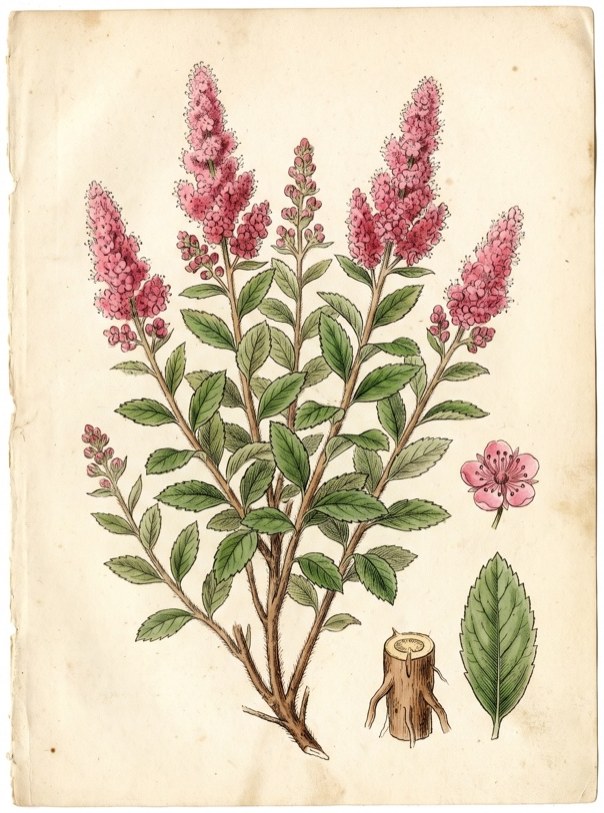 HardhackSpirea tomentosa
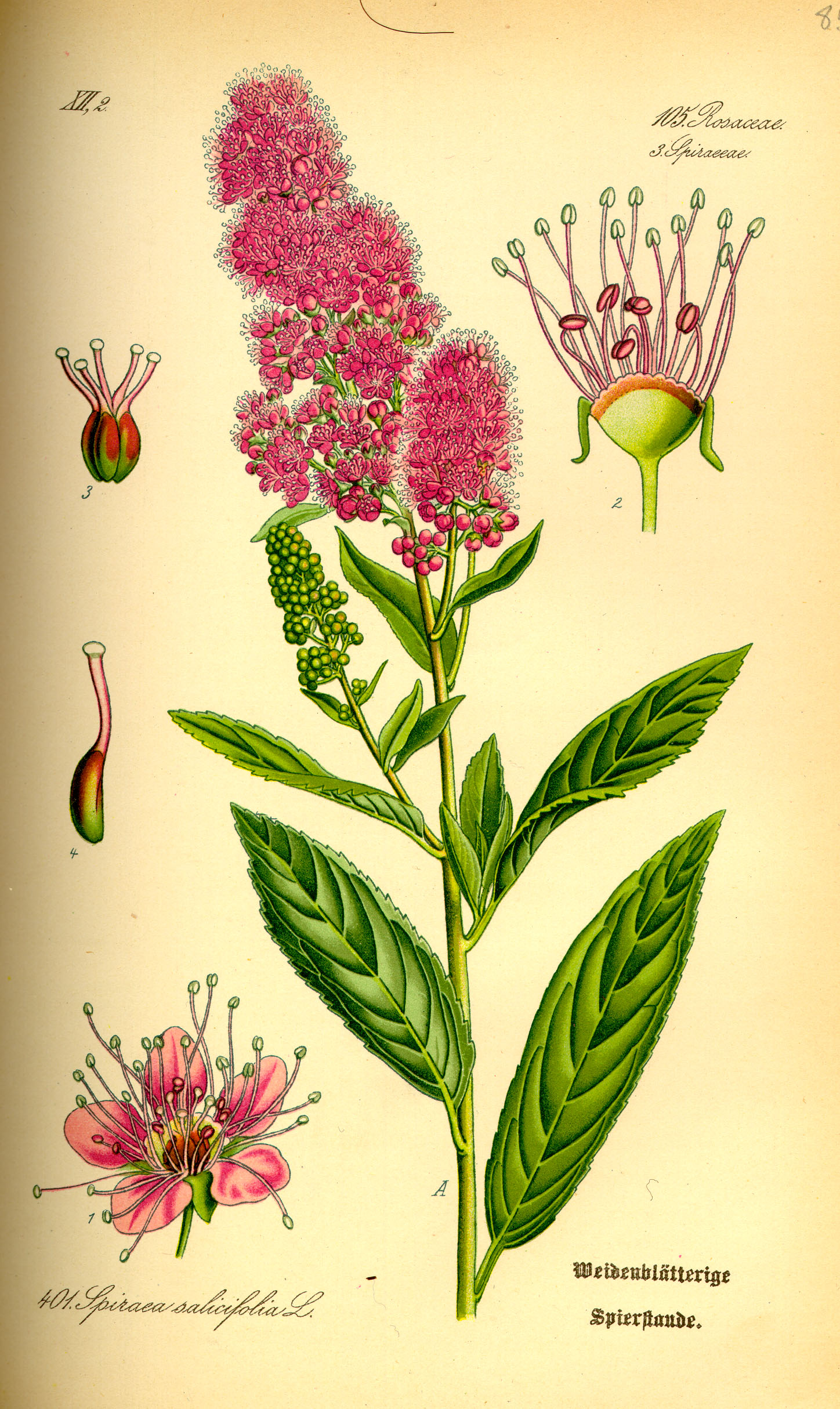 HardhackSpiraea
 HawkweedHieracium venosum
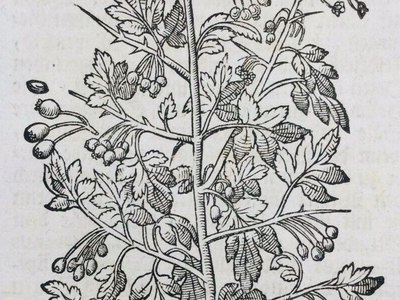 HawthorneCrataegus oxycantha
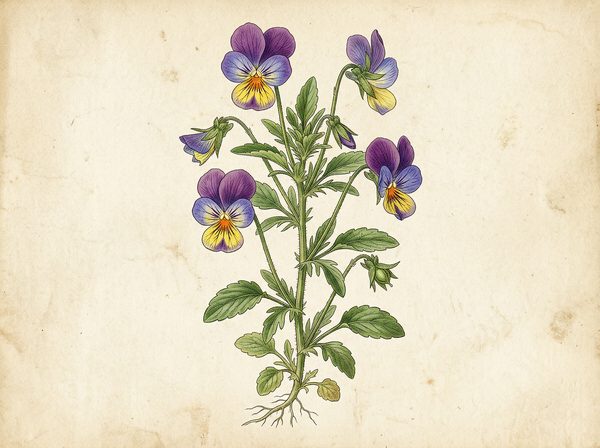 HeartseaseViola tricolor
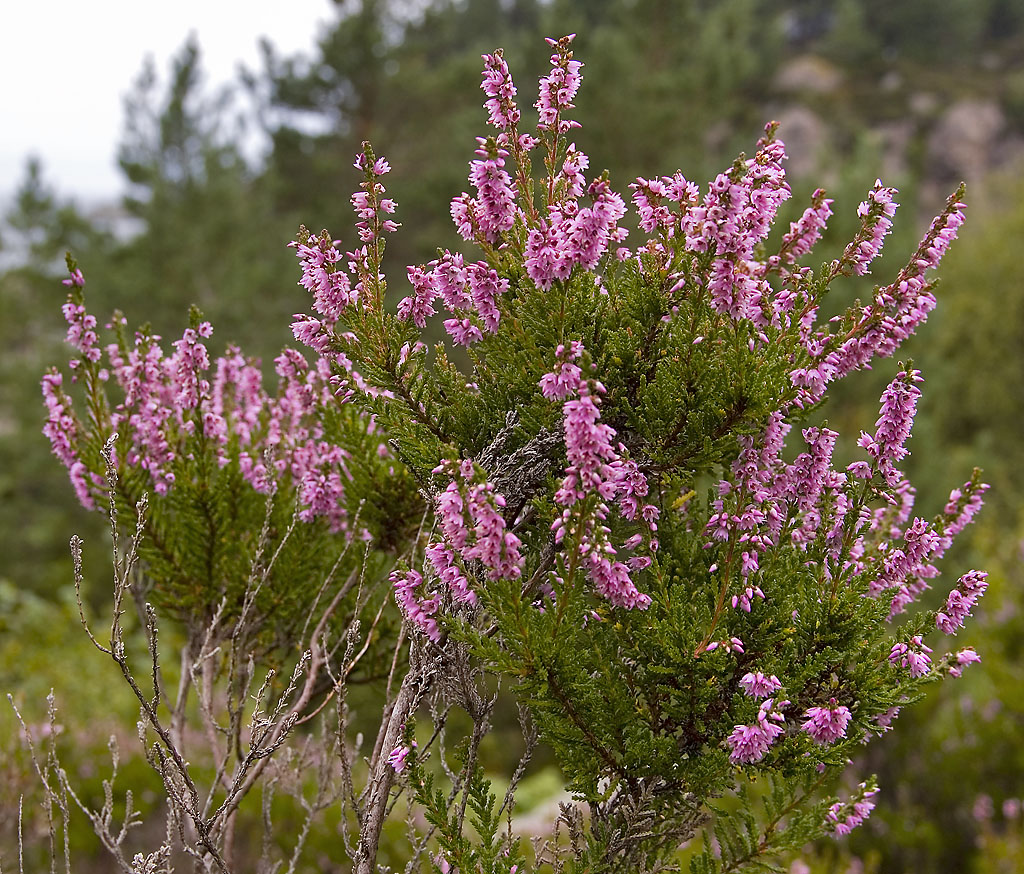 HeatherCalluna vulgaris
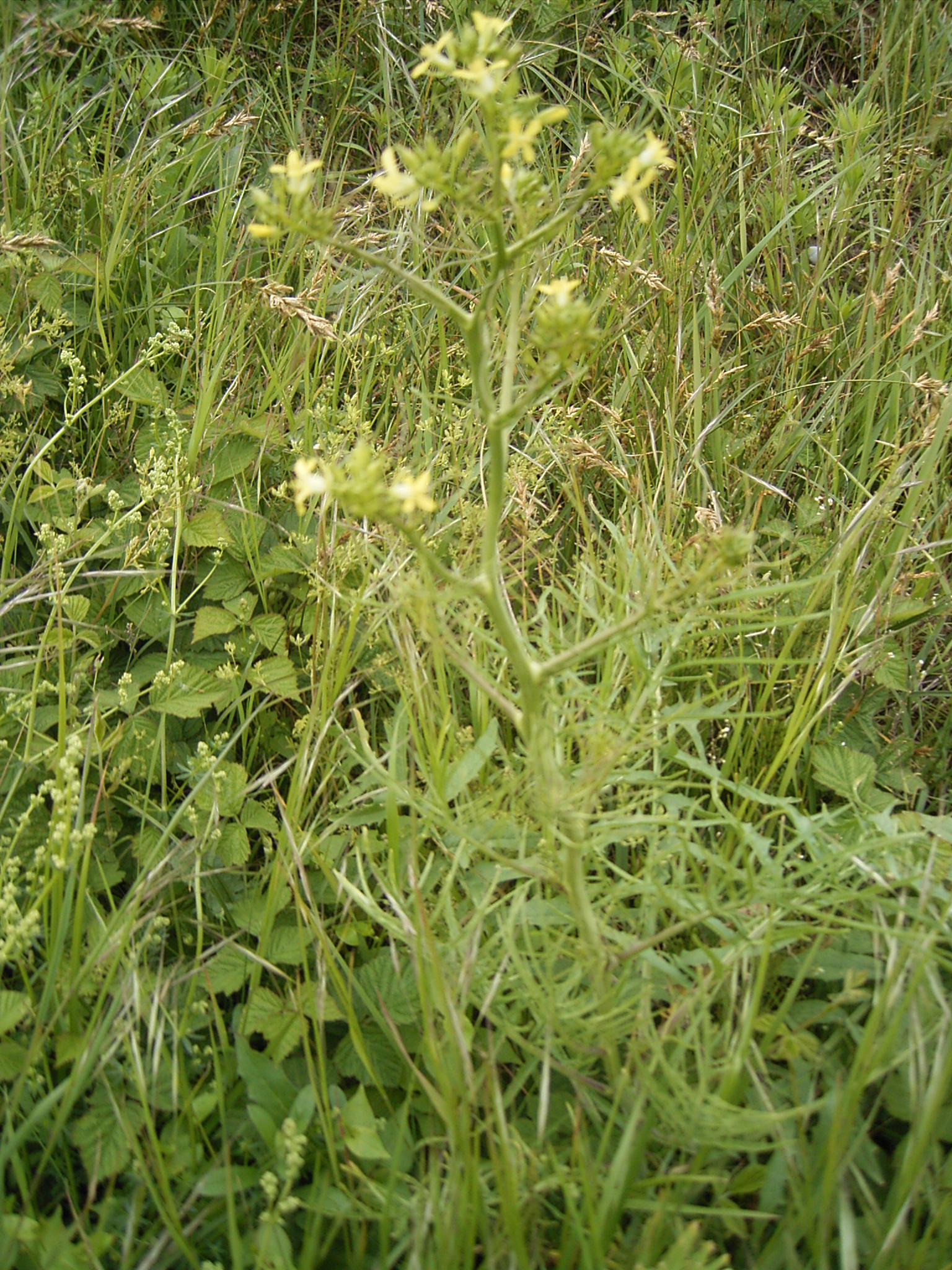 Hedge MustardSisymbrium
The whole plate is in the library. The compass, Compare, the Sky of eleven hundred plants and the formulary open with an email address and a password, free, with the formula builder and its safety engine. Herbert without limit, his formulating, clients, the handouts and the labels are the paid room.
Open the library, free