Western Herbalism
Xanthium
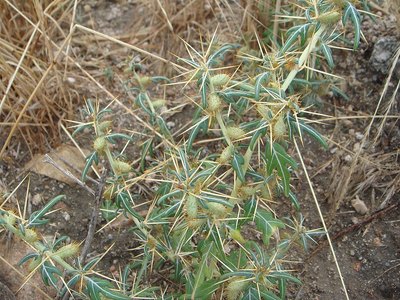
Xanthium spinosum
Also known as Cocklebur, Clotbur, Spiny cocklebur, Bathurst burr, Spiny clotbur, Spiny Clot-Bur.
Xanthium spinosum, spiny cocklebur or clotbur, is a widespread annual weed of the daisy family, originally native to South America and now naturalized across temperate and warm regions worldwide, including North America, Europe, and Australia. The aerial parts, particularly the leaves and young herb before seed set, were used by nineteenth century eclectic physicians in the United States as a fluid extract and specific medicine. It never entered mainstream pharmacopeial use and has largely fallen out of practice, remaining a plant of historical rather than contemporary clinical interest.

Ask Herbert about Xanthium. Herbert is the master herbalist inside Bountiful Herbs: he answers from this plate and eleven hundred others, with dosing, pairing and cautions. Your first ten questions are free.
Ask HerbertActions
Indications what the tradition reached for it in
- Passive hemorrhage
- Postpartum hemorrhage with poor uterine tone
- Passive hematuria
- Cystitis with irritable bladder
- Chronic skin eruptions attributed to poor elimination
- Scrofulous or swollen glands (traditional alterative use)
- Intermittent fevers with a periodic pattern (historical use)
- Sluggish elimination through skin and kidneys
Specific indications
Passive postpartum hemorrhage where uterine tone is poor and bleeding is oozing rather than brisk
Passive, non-inflammatory hematuria with a dull, dragging discomfort that the remedy is said to soothe
Safety
Low dose botanical. Used in drop doses in the classical practice; not a plant to dose freely.
Pregnancy: Avoid in pregnancy: safety data are lacking and the genus is associated with hepatotoxic constituents, particularly in seed forms.
Breastfeeding: Avoid in lactation: no safety data exist and the same hepatotoxic concerns apply.
The record lists 6 contraindications; open the plate in the library to read them in full.
In practice
Eclectic writers valued cocklebur chiefly for passive, non-inflammatory bleeding, describing its use in postpartum hemorrhage where the uterus was atonic rather than actively contracting against an obstruction, and in low-grade hematuria where the urinary tract seemed simply irritable rather than acutely inflamed.
Dosing as the sources wrote it
| Preparation | As written | Metric |
|---|---|---|
| Tincture (1:5, fresh or dried aerial parts) | 0.5-1.5 mL three times daily | 0.5-1.5 mL |
| Fluid extract (historical eclectic dose) | 0.3-1 mL up to three times daily | 0.3-1 mL |
| Extractum Xanthii Fluidum; Fluid Extract of Xanthium | Dose, from ten to twenty minims. | 0.62-1.23 mL |
| Specific Medicine Xanthium | Dose, from five to fifteen minims. | 0.31-0.92 mL |
| Dose, 5 to 30 grains. | 324-1944 mg | |
| Dose, 1 to 60 drops. | 0.02-1.2 mL |
Doses are reproduced from the sources for practitioners and are not a recommendation for any person.
From the sources
Overview. Xanthium spinosum, spiny cocklebur or clotbur, is a widespread annual weed of the daisy family, originally native to South America and now naturalized across temperate and warm regions worldwide, including North America, Europe, and Australia. The aerial parts, particularly the leaves and young herb before seed set, were used by nineteenth century eclectic physicians in the United States as a fluid extract and specific medicine. It never entered mainstream pharmacopeial use and has largely fallen out of practice, remaining a plant of historical rather than contemporary clinical interest.
Clinical Notes. Eclectic writers valued cocklebur chiefly for passive, non-inflammatory bleeding, describing its use in postpartum hemorrhage where the uterus was atonic rather than actively contracting against an obstruction, and in low-grade hematuria where the urinary tract seemed simply irritable rather than acutely inflamed.
Action and Therapy. Clotbur is used chiefly as a soothing diuretic, to allay irritable conditions of the bladder, and is especially recommended in chronic cystitis and haematuria. It is frequently used in conjunction with tincture of red onion, for irritation of the urinary tract with bloody, painfully voided urine loaded with mucus and gritty deposits. Its other uses cover the indications given above, unnatural sweating being an especial indication for the drug.
Therapy. Dr. Homsher suggested its use in irritable bladder troubles; specifically in chronic cystitis, with thickening of the bladder walls, with frequent urination, painful tenesmus, constant sensation of weight in the region of the bladder, with the continued passage of minute calculi, cases in which there are doubtless sand or gravelly deposits in the folds of the bladder, perhaps imbedded in the mucous structure, a condition not uncommon in females.
Drawn from King's American Dispensatory, 18th edition (Felter and Lloyd); Ellingwood's American Materia Medica, Therapeutics and Pharmacognosy; Felter's Eclectic Materia Medica, Pharmacology and Therapeutics, and the Bountiful Herbs editorial.
Often paired with
 Cocklebur FruitXanthium sibiricum
 Bai ZhuAtractylodes macrocephala
 Fang FengSaposhnikovia divaricata
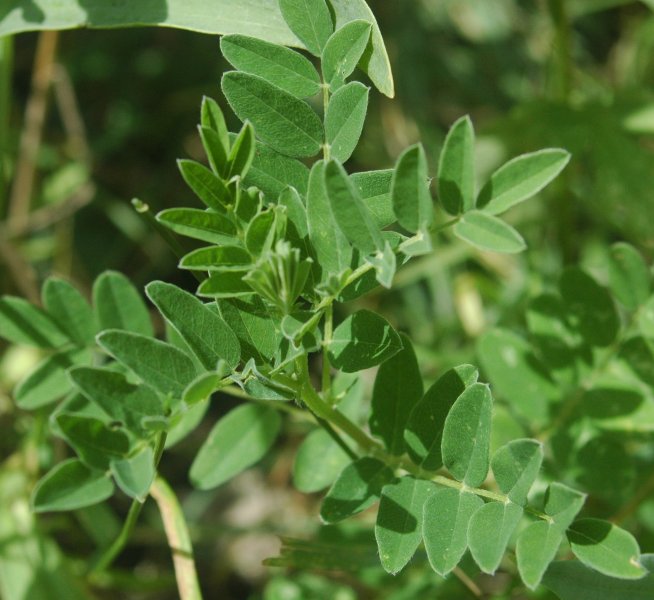 Milk Vetch RootAstragalus membranaceus
Nearby on the shelf
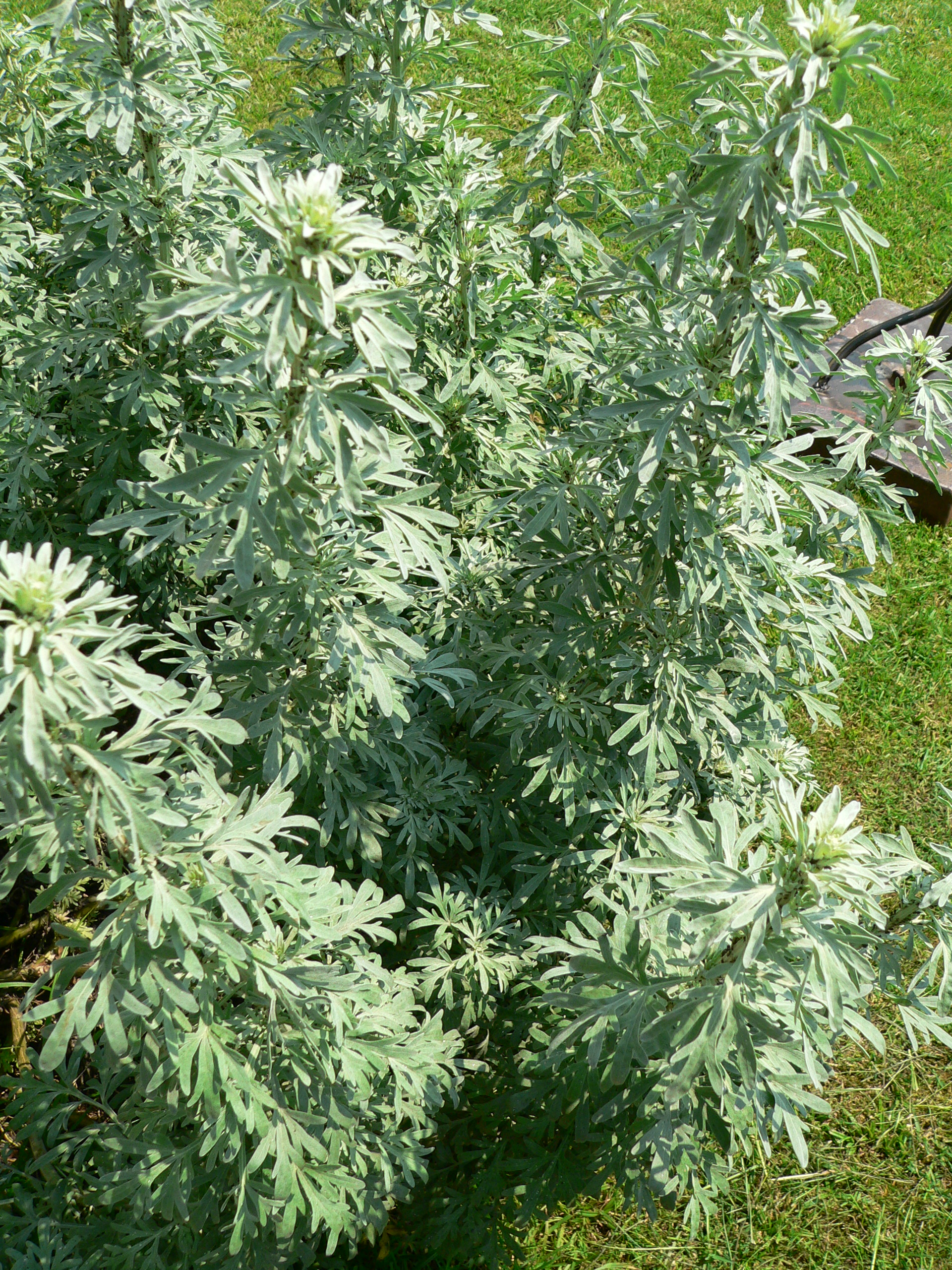 WormwoodArtemisia absinthium
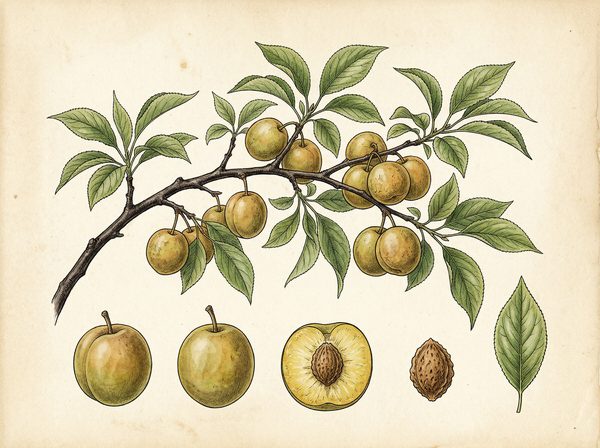 Wu MeiPrunus mume
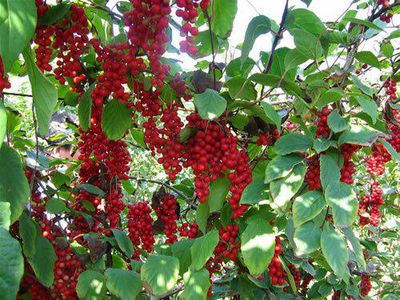 Wu Wei ZiSchisandra chinensis
 Wu Zhu YuTetradium ruticarpum
 Xi ShuCamptotheca acuminata
 YarrowAchillea millefolium
 Ye Ju HuaChrysanthemum indicum
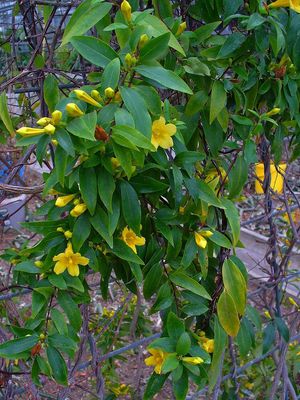 Yellow jessamineGelsemium sempervirens
The whole plate is in the library. The compass, Compare, the Sky of eleven hundred plants and the formulary open with an email address and a password, free, with the formula builder and its safety engine. Herbert without limit, his formulating, clients, the handouts and the labels are the paid room.
Open the library, free