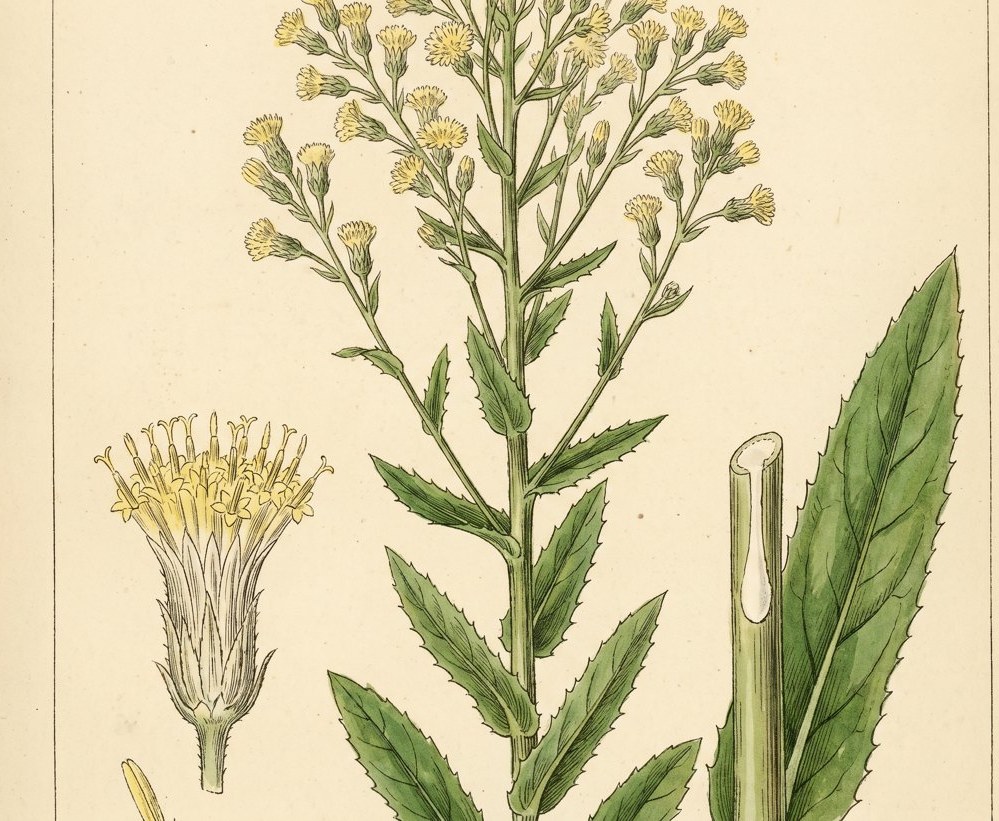
Western Herbalism
Wild Lettuce
Lactuca virosa
Also known as Bitter Lettuce, Great Lettuce, Lettuce Opium, Lettuce, Strong-scented lettuce.
Historically used as opium substitute ('Lettuce Opium' or lactucarium). Mild sedative and analgesic effects documented in animal studies and traditional use. Insufficient clinical evidence for efficacy in humans. Recreational inhalation reported but unsafe. Latex applied topically for antibacterial effects (limited evidence).

Ask Herbert about Wild Lettuce. Herbert is the master herbalist inside Bountiful Herbs: he answers from this plate and eleven hundred others, with dosing, pairing and cautions. Your first ten questions are free.
Ask HerbertActions
Indications what the tradition reached for it in
- Nymphomania
- Colic
- Muscular pain
- Whooping cough
- Joint pain
- Priapism
- Rheumatism
- Overactive nervous system
- Painful menstruation
- Spastic pain
- Restlessness
- Cough
- Excitability in children
- Urinary tract disorder
- Insomnia
- Abdominal pain
- Bronchial asthma
- Nervous tension
- Dry irritated cough
- Uterine cramps
- Poor circulation
- Dysmenorrhea
- Anxiety
- Cramps
- Muscle spasms
- Pain
- Stress
- Sleep disorders
- Pertussis
- Irritable cough
Safety
Recognised toxicity. This plant carries a toxicity flag in the record; it is for trained practitioners only.
Low dose botanical. Used in drop doses in the classical practice; not a plant to dose freely.
Pregnancy: Limited safety data in pregnancy
Breastfeeding: Use with care while breastfeeding
The record lists 5 contraindications; open the plate in the library to read them in full.
Dosing as the sources wrote it
| Preparation | As written | Metric |
|---|---|---|
| Dried leaves | Dried leaves 0.5-3g TID | 500-3000 mg |
| Tincture | Tincture (1:1 in 25% alcohol) 0.5-3ml TID | 0.5-3 mL |
| Tincture | Tincture 3-8ml daily | 3-8 mL |
| Tea | Tea 1-5g daily | 1000-5000 mg |
| Dried leaves 0.5-3.0 g as an infusion three times daily | 500-3000 mg | |
| W 596 Liquid extract 0.5-3.0 mL (1 : 1 in 25% alcohol) three times daily .(G6) Lactucarium (dried latex extract) (BPC 1934) 0.3 -1.0 g three times daily | 0.5-3 mL |
Doses are reproduced from the sources for practitioners and are not a recommendation for any person.
From the sources
Clinical Notes. Historically used as opium substitute ('Lettuce Opium' or lactucarium). Mild sedative and analgesic effects documented in animal studies and traditional use. Insufficient clinical evidence for efficacy in humans. Recreational inhalation reported but unsafe. Latex applied topically for antibacterial effects (limited evidence).
Action and Therapy. A non-constipating calmative and feeble hypnotic, sometimes proving useful in insomn ia from mental overwork and, as a syrup, in the cough of phthisis. Even garden lettuce ( Lactuca sativa) relieves irritation of the broncho-pulmonic membranes and has a tendency to induce drowsiness. Lactucarium is often inert; when a good preparation can be obtained it is fairly sedative for irritable children.
indications. Wild Lettuce is traditionally indicated for: Nymphomania, Colic, Muscular pain, Whooping cough, Joint pain, Priapism, Rheumatism, Overactive nervous system, Painful menstruation, Spastic pain, Restlessness, Cough, Excitability in children, Urinary tract disorder, Insomnia, and 13 further conditions.
constituents. Notable constituents of Wild Lettuce include: Lactucin, Lactucopicrin, Lactucarium, sesquiterpene lactones, Flavonoids (quercetin, apigenin, luteolin), Coumarins, Alkaloids, Malic acid, Citric acid, Oxalic acid.
Drawn from King's American Dispensatory, 18th edition (Felter and Lloyd); Felter's Eclectic Materia Medica, Pharmacology and Therapeutics, and the Bountiful Herbs editorial.
Often paired with
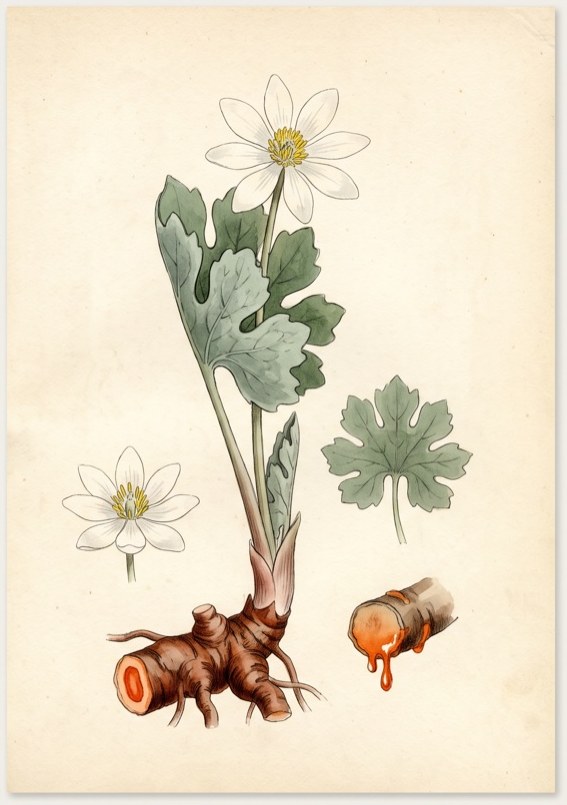 BloodrootSanguinaria canadensis
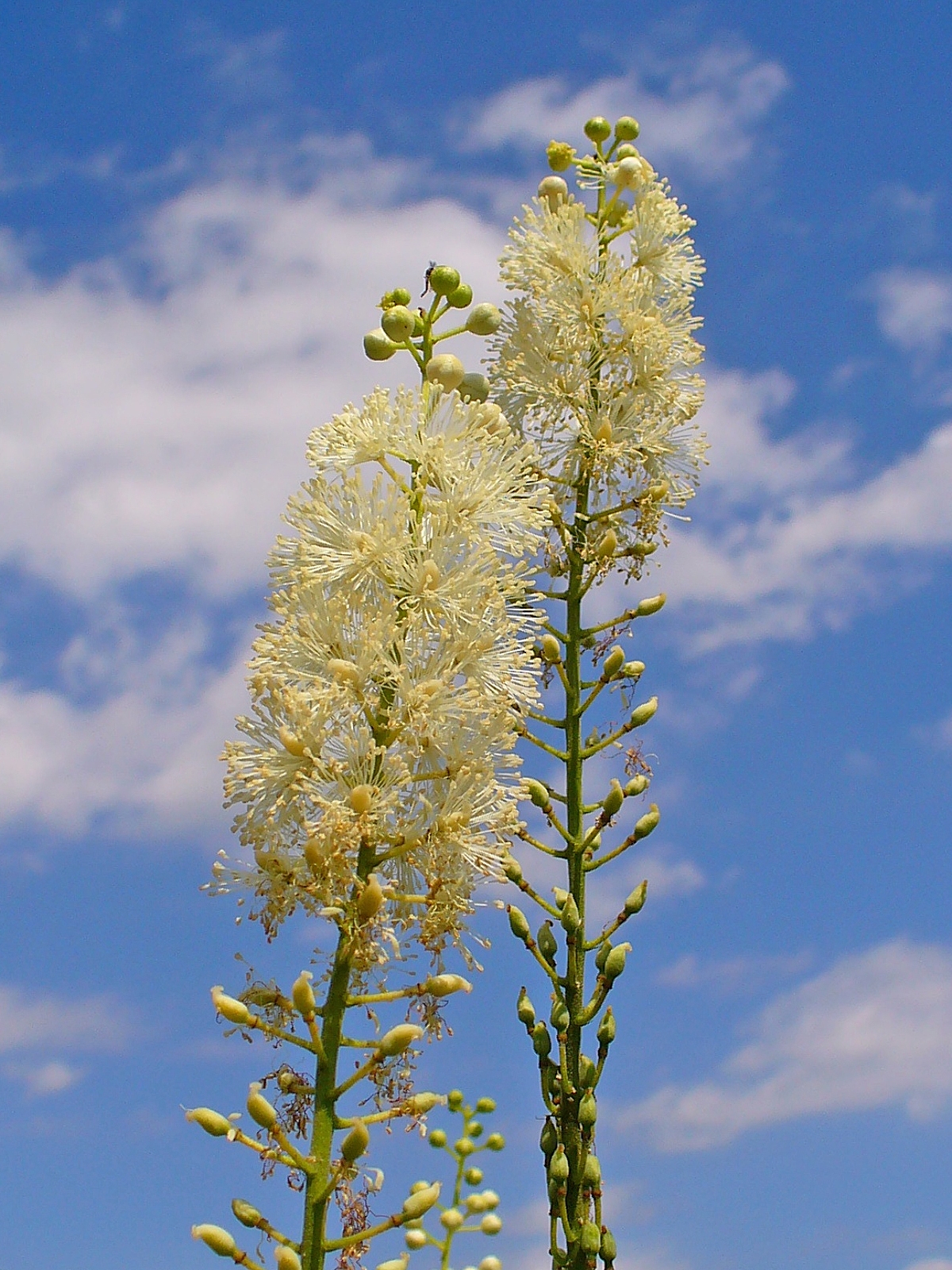 Black cohoshActaea racemosa
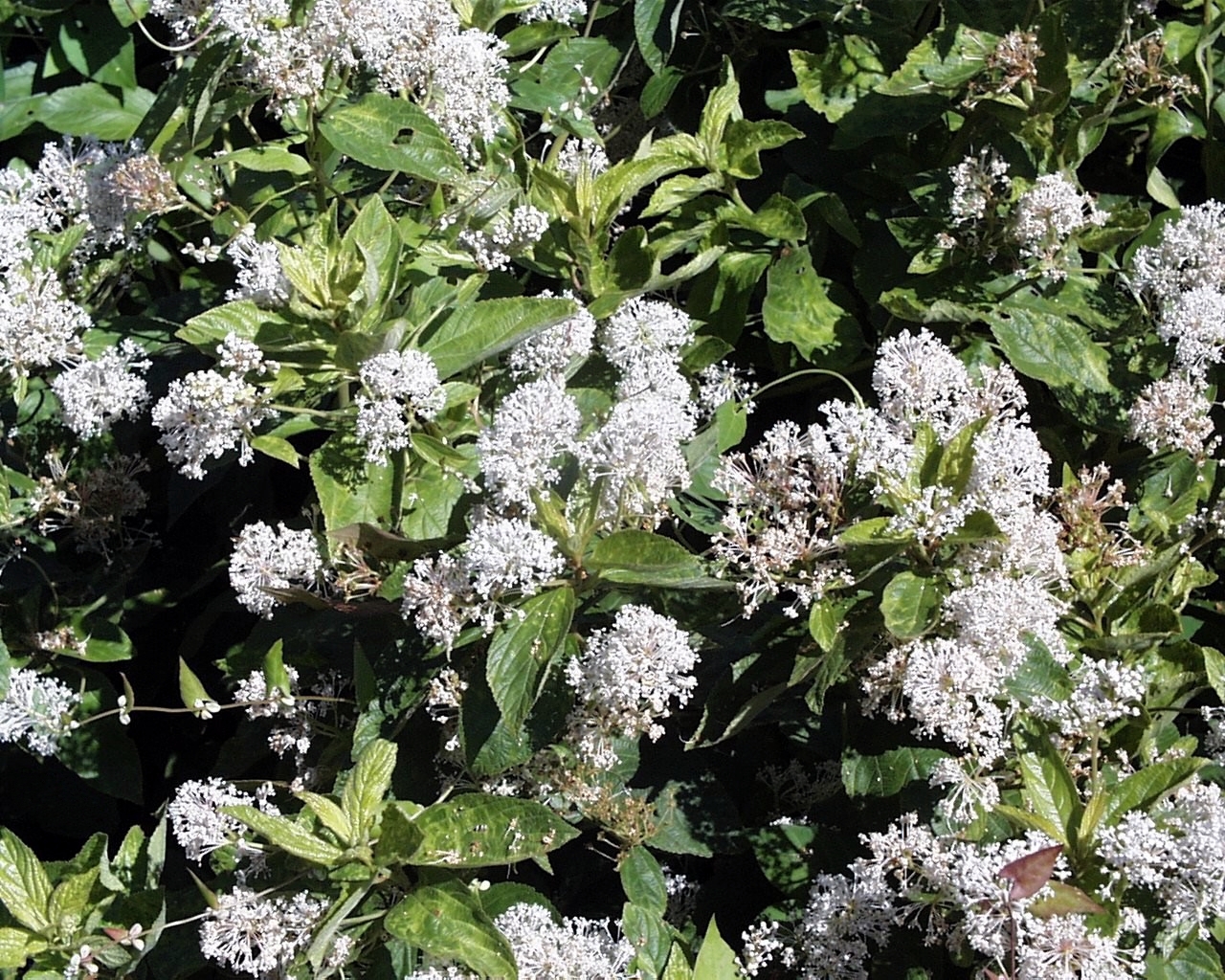 Red rootCeanothus americanus
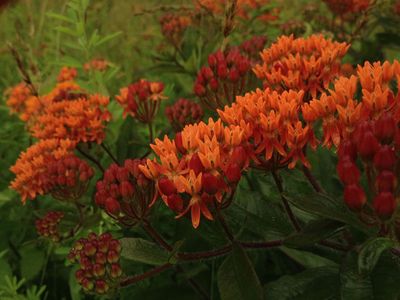 Pleurisy rootAsclepias tuberosa
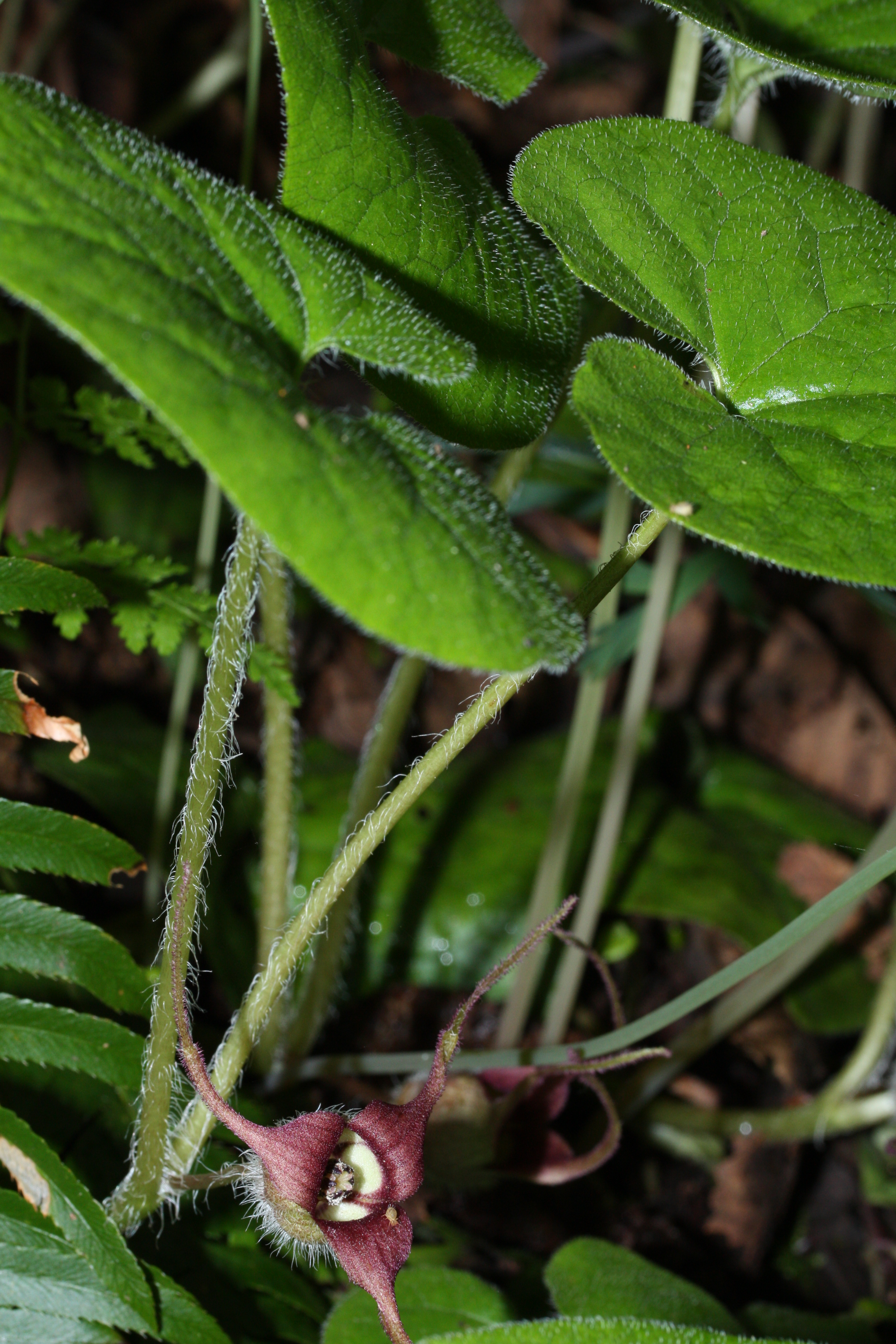 Wild GingerAsarum Candense
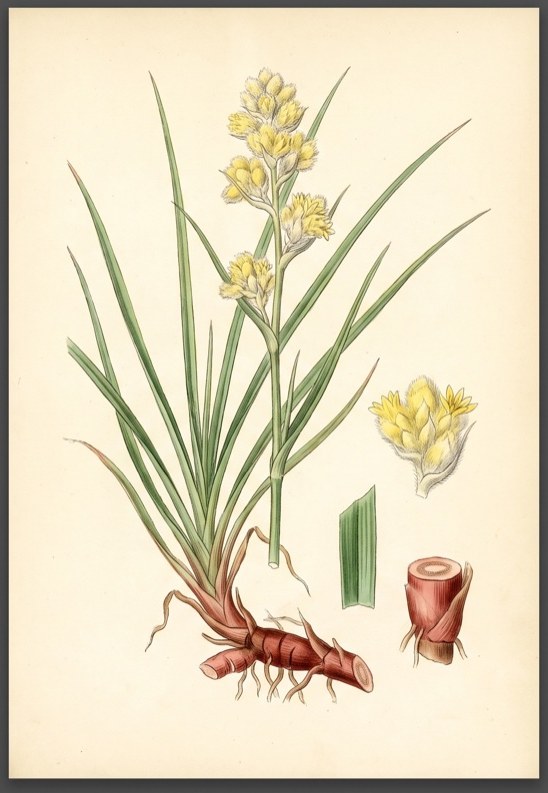 Red rootLachnanthes
Nearby on the shelf
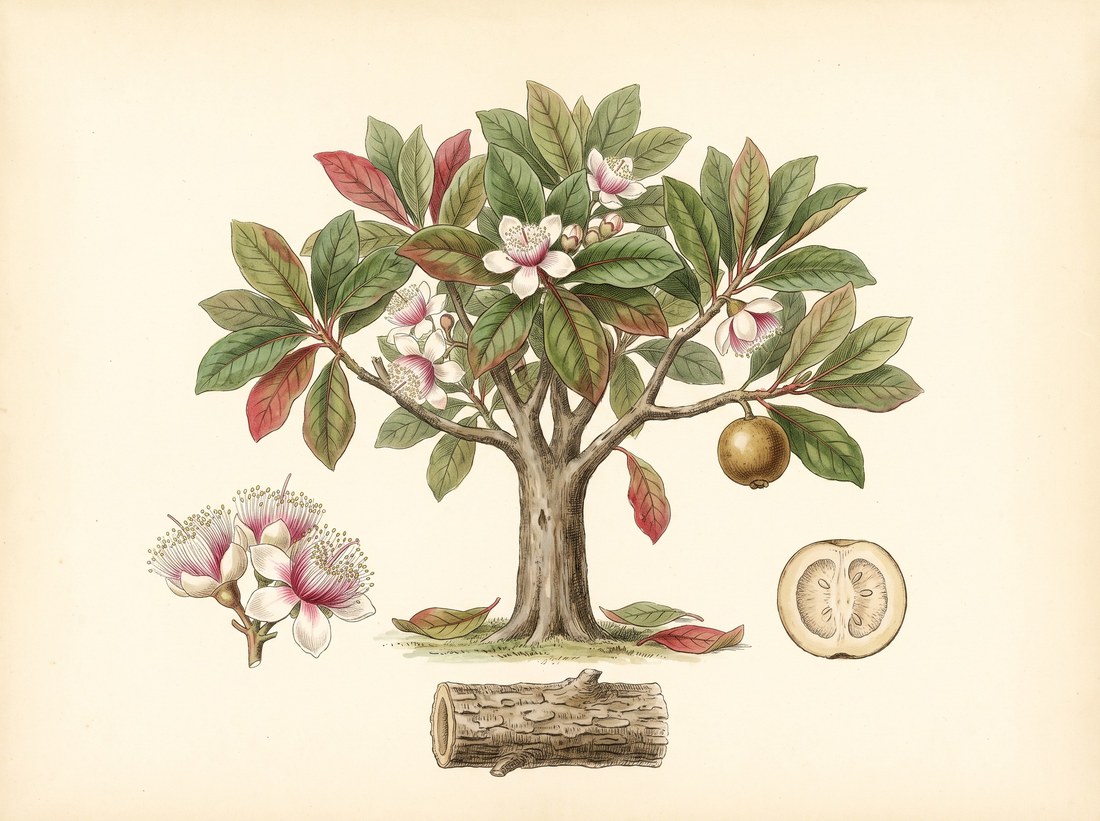 Wild guavaCareya arborea
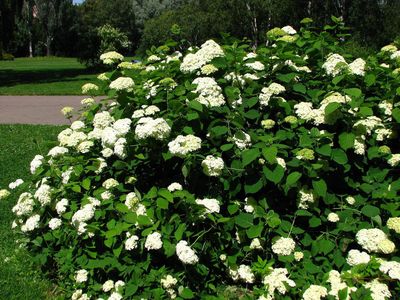 Wild hydrangeaHydrangea arborescens
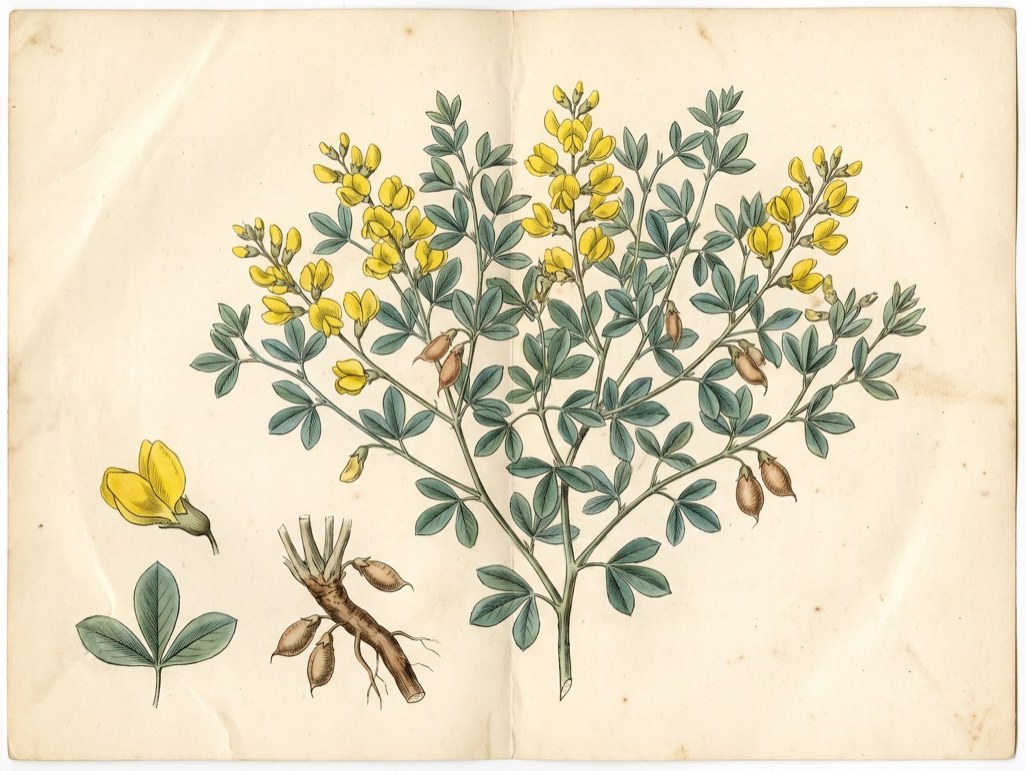 Wild indigoBaptisia tinctoria
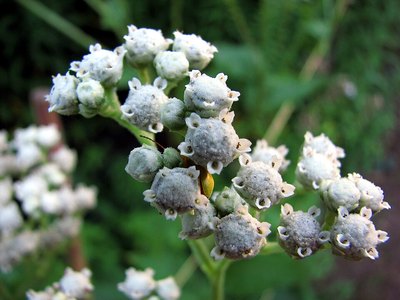 Wild quinineParthenium integrifolium
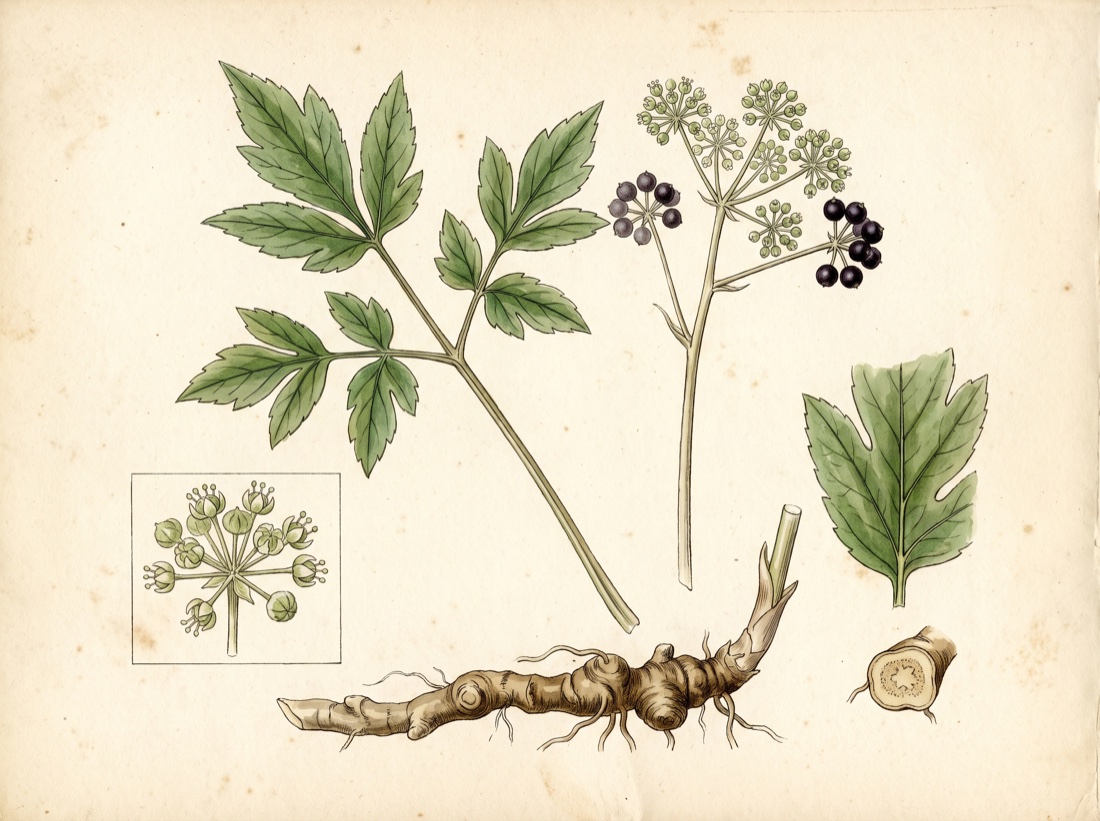 Wild SarsaparillaAralia nudicaulis
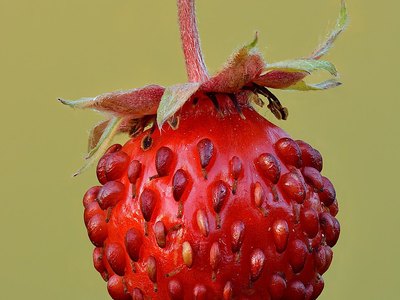 Wild strawberryFragaria vesca
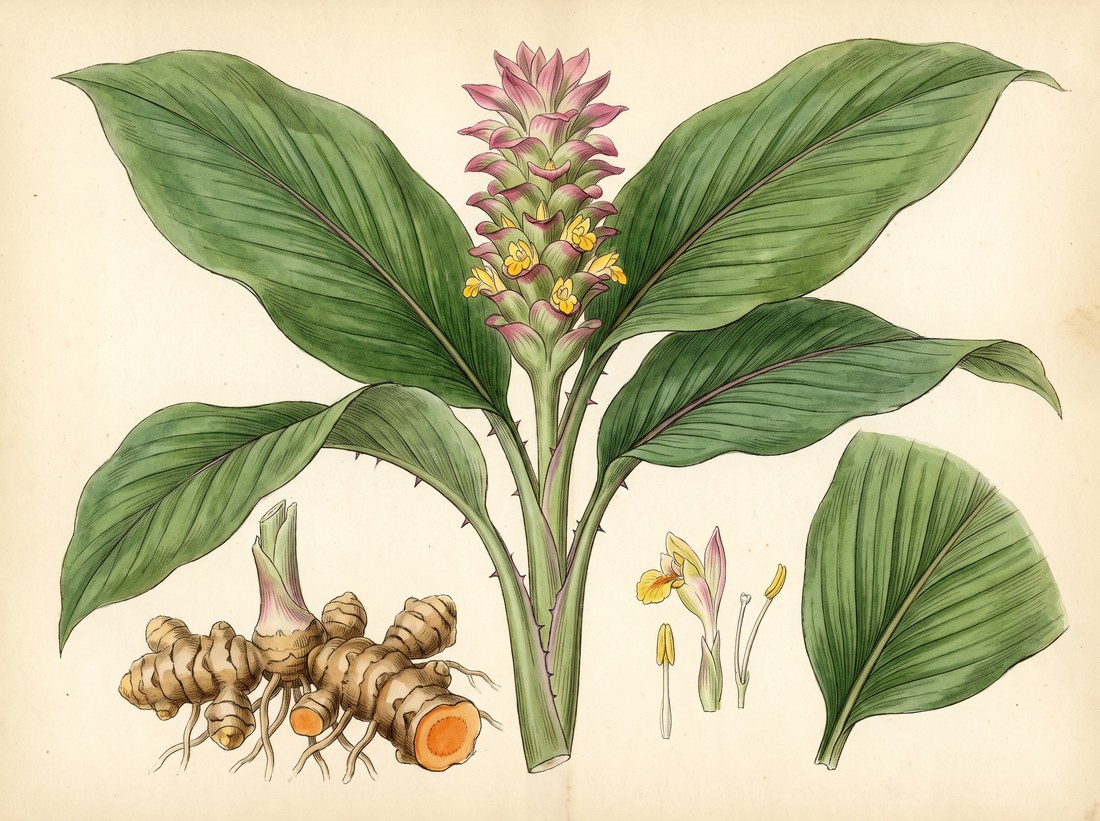 Wild turmericCurcuma aromatica
The whole plate is in the library. The compass, Compare, the Sky of eleven hundred plants and the formulary open with an email address and a password, free, with the formula builder and its safety engine. Herbert without limit, his formulating, clients, the handouts and the labels are the paid room.
Open the library, free