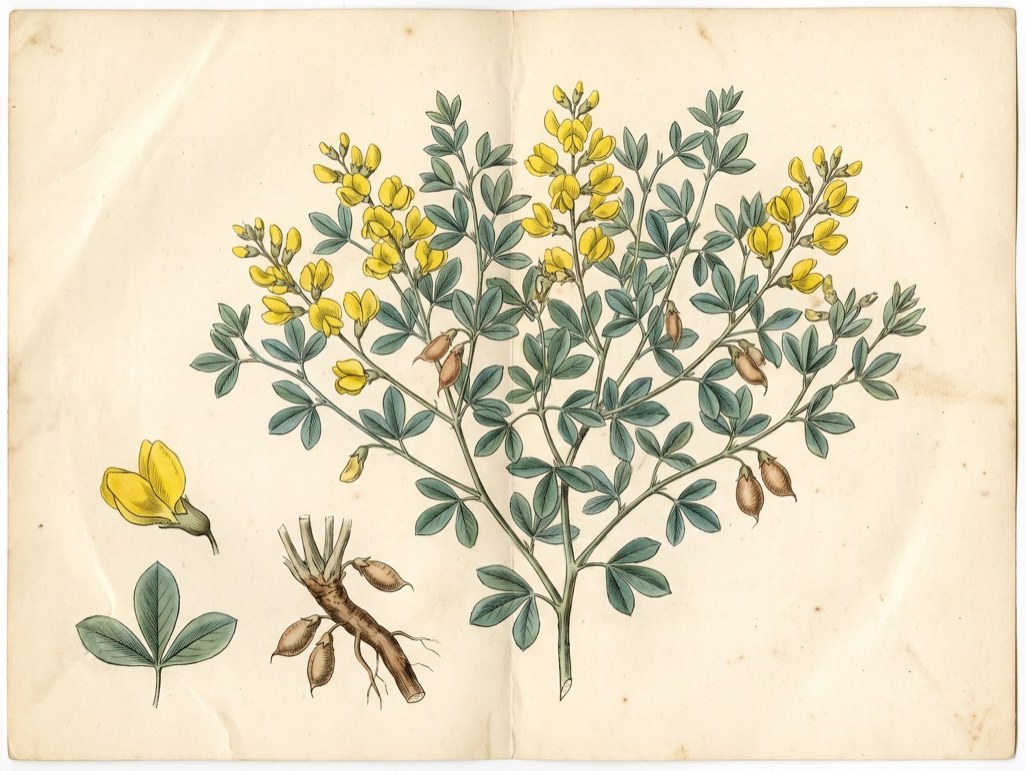
Western Herbalism
Wild indigo
Baptisia tinctoria
Also known as Indigofera, Indigo broom, Rattle bush, Horsefly, Weed, Baptisia, Indigo Weed.
Overdose=Call 911, promote emesis followed by activated charcoal Most often used in combination w/ other herbs TCM=Used for liver/intestinal stagnation tending to generate damp heat, breaks up and move downward damp heat and digestive accumulation

Ask Herbert about Wild indigo. Herbert is the master herbalist inside Bountiful Herbs: he answers from this plate and eleven hundred others, with dosing, pairing and cautions. Your first ten questions are free.
Ask HerbertActions
Indications what the tradition reached for it in
- Sinusitis
- Tonsillitis
- Pharyngitis
- Gangrene
- Skin ulcer
- Lymphadenopathy
- Ulcerative colitis
- Necrosis
- Septic conditions (w/ ulceration, degeneration & lack of vitality/atony)
- Cellulitis
- Upper respiratory infection (w/ catarrah)
- Dysentery
- Sepsis
- Abscess
- Bacterial infection (acute)
- Blood poisoning
- Viral infection (acute)
- Prostration (extreme)
- Infection
- Chronic skin conditions
- Metabolic waste accumulation
- Immune weakness
Safety
Low dose botanical. Used in drop doses in the classical practice; not a plant to dose freely.
Pregnancy: Not for use in pregnancy
Breastfeeding: Lactation
The record lists 2 contraindications; open the plate in the library to read them in full.
Dosing as the sources wrote it
| Preparation | As written | Metric |
|---|---|---|
| Decoction | 1 tsp/c TID | |
| Tincture (1:5) | 1-2 ml TID up to 6x/day for acute use | 1-2 mL |
| Extractum Baptisiae Alcoholicum , Alcoholic Extract of Baptisia | Dose, from one to four grains. | 64.8-259 mg |
| Specific Medicine Baptisia | Dose, from one-fourth to ten minims. | 0.02-0.62 mL |
| Decoctum Baptisiae, Decoction of Baptisia | Dose, 1 to 4 drachms; employed chiefly as a local application. | 3888-15552 mg |
| Specific Medicine Baptisia | Dose, 1 to 20 drops | 0.02-0.4 mL |
Doses are reproduced from the sources for practitioners and are not a recommendation for any person.
From the sources
Clinical Notes. Overdose=Call 911, promote emesis followed by activated charcoal Most often used in combination w/ other herbs TCM=Used for liver/intestinal stagnation tending to generate damp heat, breaks up and move downward damp heat and digestive accumulation
Therapy. External. Locally the decoction and the specific medicine baptisia (diluted with water) are effective as washes and dressings for indolent and fetid as well as for irritable and painful ulcers, inflammations with full or swollen and dusky tissues, and tendency to destruction, aphthous and nursing sore mouth, mercurial gingivitis, sore nipples, and ulceration of the cervix uteri, with foul, sanious, or muco-purulent leucorrhoea.
Therapy. With the above indications the agent has been widely used for many years by our practitioners in the treatment of typhoid conditions, and has established its position as an important remedy. It has an apparent dynamic influence upon the glandular structure of the intestinal canal, directly antagonizing disease influences here, and reenforcing the character of the blood, prevents the destruction of the red corpuscles, and carries off waste material.
Properties and Uses. This plant has been pronounced poisonous, though there seems to be no proof whatever that such is the case. I have used the leaves with much freedom outwardly, and at times inwardly. The bark of the root is said to act the same as the leaves.
Drawn from Cook's Physio-Medical Dispensatory; Scudder's Specific Medication and Specific Medicines; King's American Dispensatory, 18th edition (Felter and Lloyd); Ellingwood's American Materia Medica, Therapeutics and Pharmacognosy, and the Bountiful Herbs editorial.
Often paired with
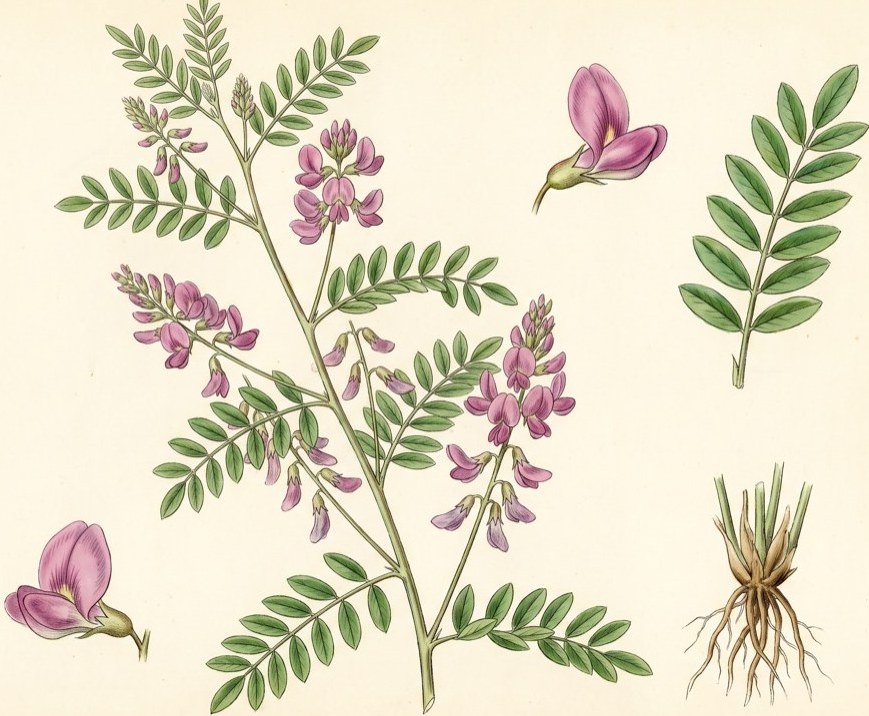 IndigoIndigo
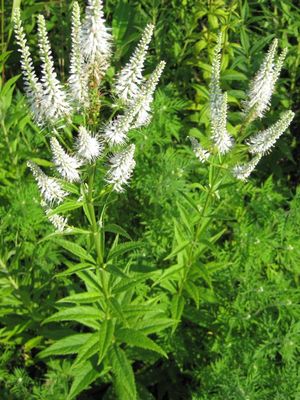 Culver's rootVeronicastrum virginicum
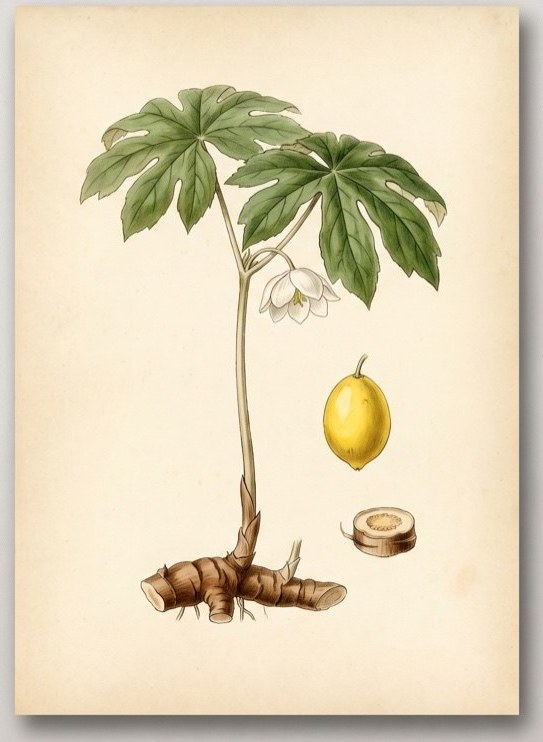 May applePodophyllum peltatum
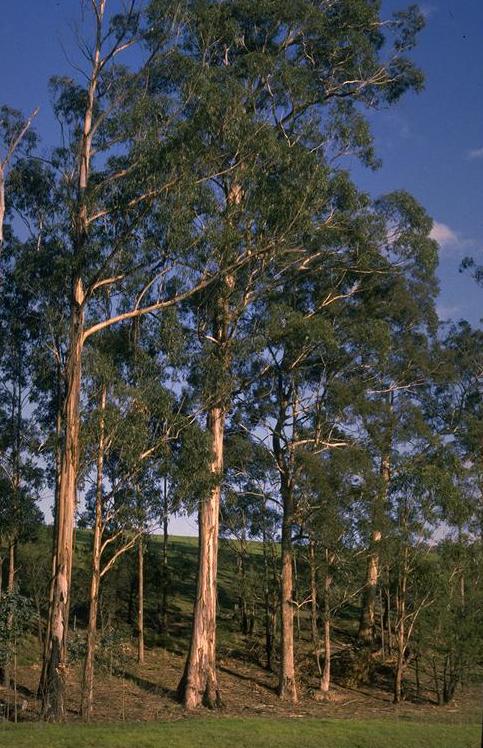 EucalyptusEucalyptus globulus
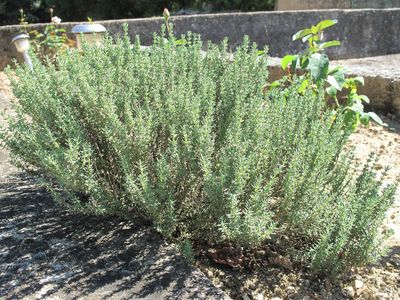 ThymeThymus vulgaris
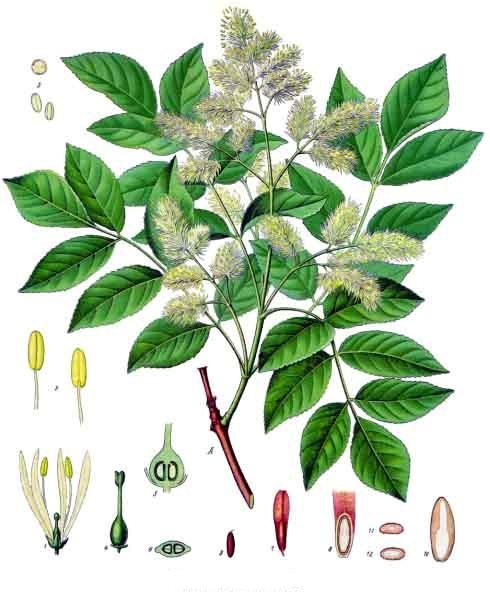 Manna ashFraxinus ornus
Nearby on the shelf
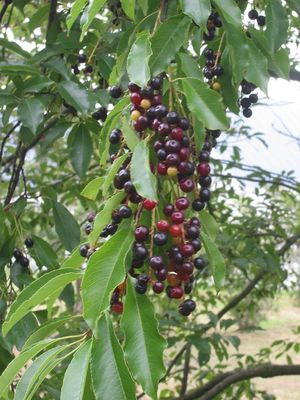 Wild cherryPrunus serotina
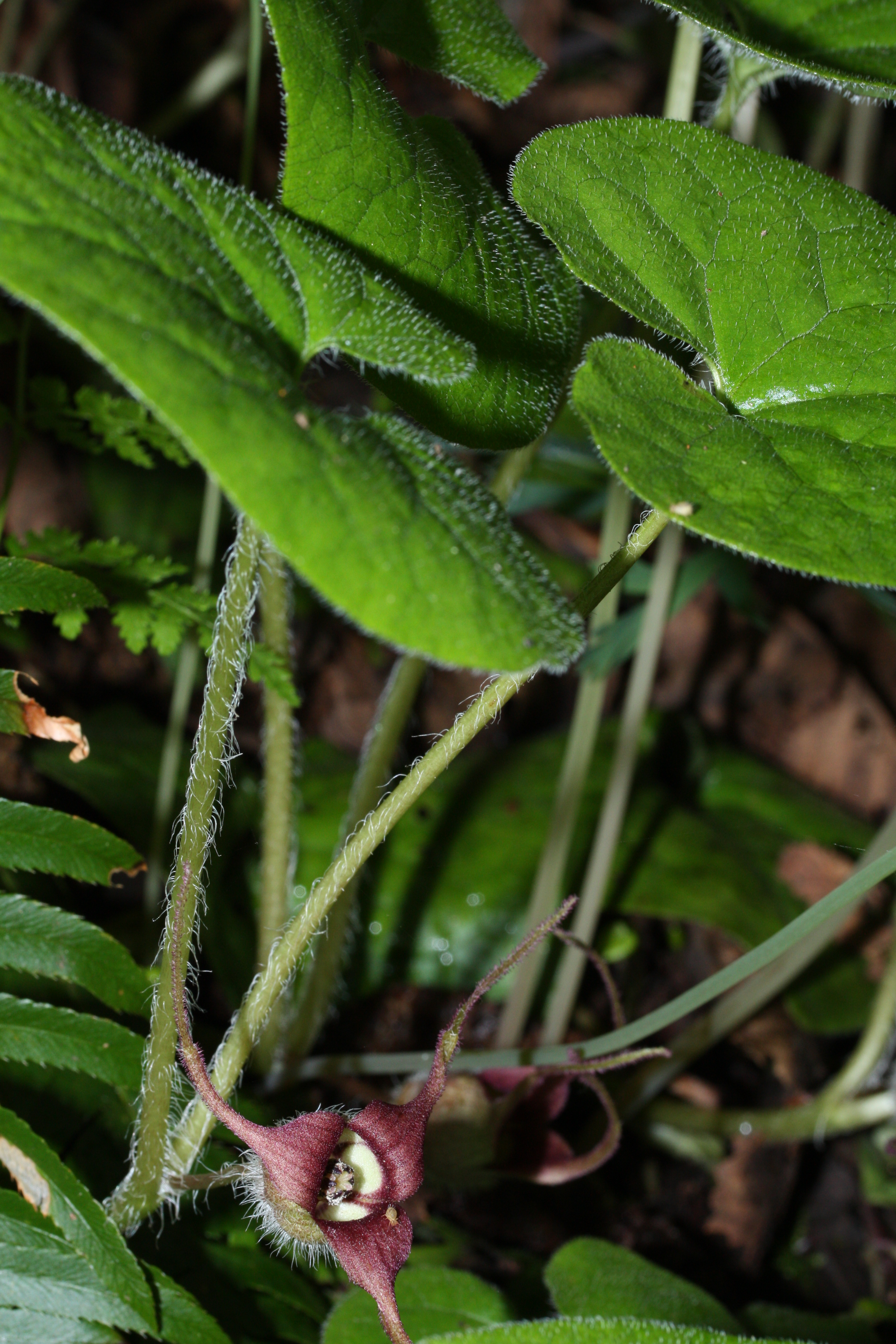 Wild GingerAsarum Candense
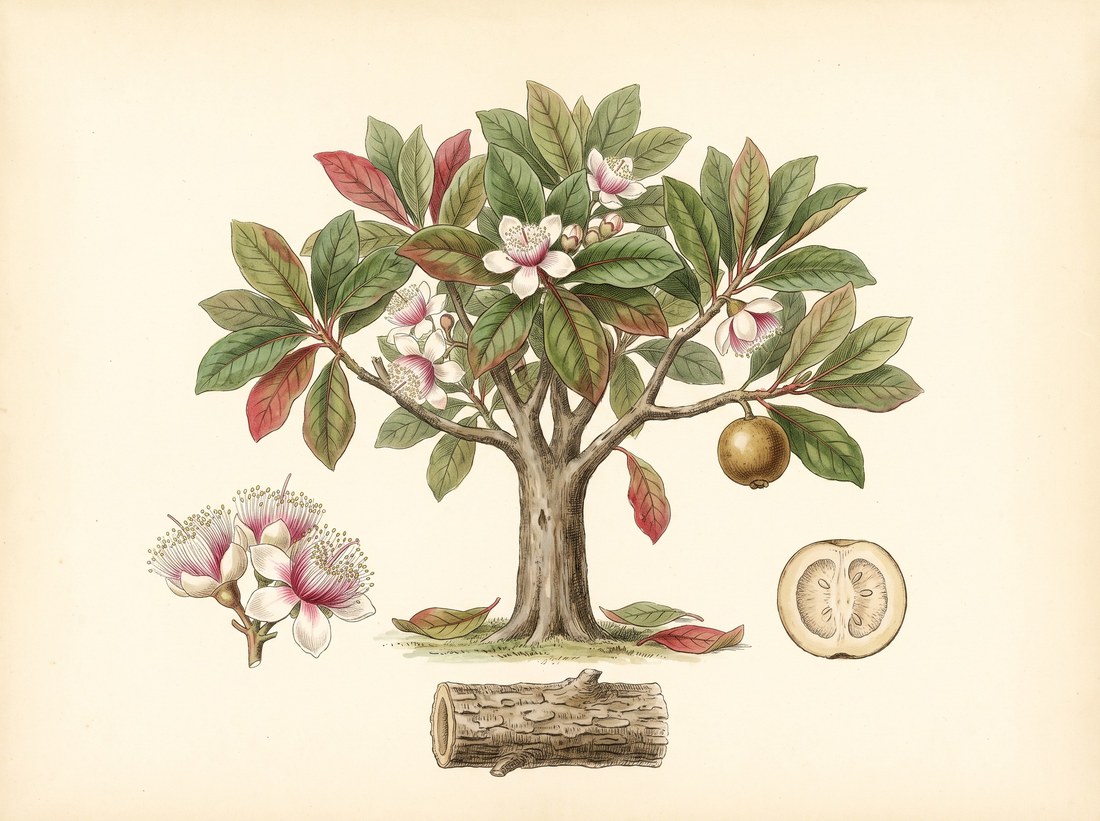 Wild guavaCareya arborea
 Wild hydrangeaHydrangea arborescens
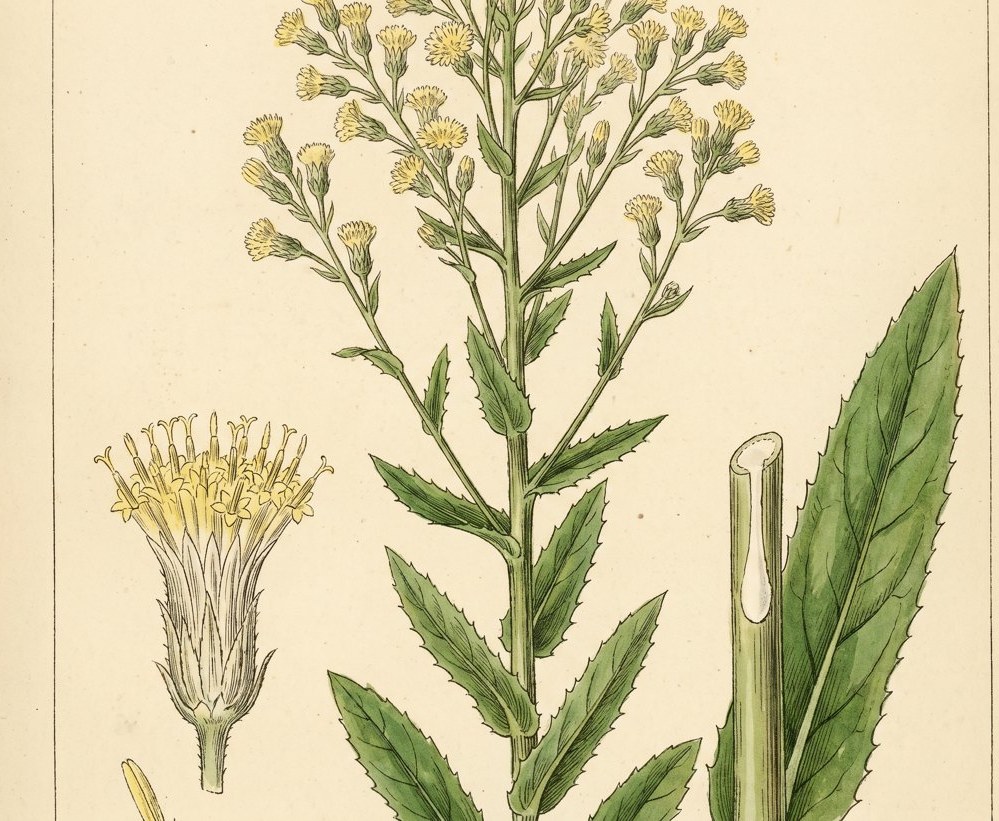 Wild LettuceLactuca virosa
 Wild quinineParthenium integrifolium
 Wild SarsaparillaAralia nudicaulis
 Wild strawberryFragaria vesca
The whole plate is in the library. The compass, Compare, the Sky of eleven hundred plants and the formulary open with an email address and a password, free, with the formula builder and its safety engine. Herbert without limit, his formulating, clients, the handouts and the labels are the paid room.
Open the library, free