Western Herbalism
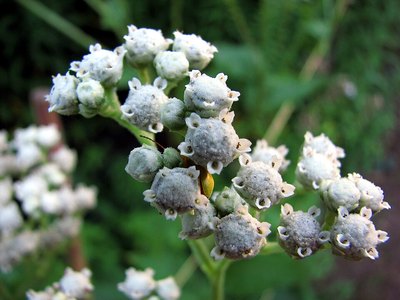
Wild quinine
Parthenium integrifolium
Also known as American feverfew, Prairie dock, Cutting almond, Nephritic plant.
Parthenium integrifolium is a perennial prairie plant of the aster family, native to the dry open woods and barrens of the eastern and central United States. The fusiform root was the part chiefly gathered by nineteenth century American physiomedical and Eclectic practitioners, who knew it as the nephritic plant for its supposed action on the kidneys, and as cutting almond and wild quinine in regional folk use. It has almost no presence in contemporary herbal practice and is included here chiefly as a historical curiosity with a documented place in the physiomedicalist materia medica.

Ask Herbert about Wild quinine. Herbert is the master herbalist inside Bountiful Herbs: he answers from this plate and eleven hundred others, with dosing, pairing and cautions. Your first ten questions are free.
Ask HerbertActions
Indications what the tradition reached for it in
- Chronic nephritis (historical use)
- Urinary irritation with scanty output
- Cystitis (adjunct)
- Low-grade fevers (folk substitute for cinchona)
- Edema associated with kidney weakness
- Uterine hemorrhage (traditional astringent use)
- Wound bleeding (topical, folk styptic)
- General debility with weak urinary tone (physiomedical framing)
Specific indications
Dull aching low back pain with scanty, dark urine attributed to weak kidney tone
Intermittent low fevers where cinchona bark was unavailable or poorly tolerated, hence the folk name wild quinine
Safety
Low dose botanical. Used in drop doses in the classical practice; not a plant to dose freely.
Pregnancy: Avoid in pregnancy: traditional astringent and uterine-active reputation combined with a complete absence of modern safety data.
Breastfeeding: Avoid during lactation given the lack of any modern safety information on this species.
The record lists 5 contraindications; open the plate in the library to read them in full.
In practice
In the physiomedical literature this root was classed among the relaxant diuretics, given for a dull, aching, congested kidney picture with scanty or dark urine, often alongside other tissue-tone remedies such as corn silk or couch grass rather than as a stand-alone specific.
Dosing as the sources wrote it
| Preparation | As written | Metric |
|---|---|---|
| Decoction of dried root | 2-4 g dried root simmered daily | 2000-4000 mg |
| Tincture (1:5, 40%) | 1-2 mL up to three times daily | 1-2 mL |
Doses are reproduced from the sources for practitioners and are not a recommendation for any person.
From the sources
Overview. Parthenium integrifolium is a perennial prairie plant of the aster family, native to the dry open woods and barrens of the eastern and central United States. The fusiform root was the part chiefly gathered by nineteenth century American physiomedical and Eclectic practitioners, who knew it as the nephritic plant for its supposed action on the kidneys, and as cutting almond and wild quinine in regional folk use. It has almost no presence in contemporary herbal practice and is included here chiefly as a historical curiosity with a documented place in the physiomedicalist materia medica.
Clinical Notes. In the physiomedical literature this root was classed among the relaxant diuretics, given for a dull, aching, congested kidney picture with scanty or dark urine, often alongside other tissue-tone remedies such as corn silk or couch grass rather than as a stand-alone specific.
Properties and Uses. The root of this plant is relaxant and very moderately stimulant, and expends its chief power upon the kidneys. By its use, the amount of watery discharge in the urine is greatly increased; and at the same time a soothing impression made upon the mucous membranes of the renal apparatus.
Description. Natural Order, Compositae. A perennial plant, from one to four feet high, with erect and pubescent stems, with corymbose branches, bearing the flower-heads terminally. Leaves alternate, at considerable distances apart, three to six inches long by one-third as wide, tapering, crenate toothed, the lower ones often cut-lobed below the middle; those low down on the stem on petioles often six to ten inches long, which are gradually reduced till the upper leaves are small and sessile.
Drawn from Cook's Physio-Medical Dispensatory, and the Bountiful Herbs editorial.
Nearby on the shelf
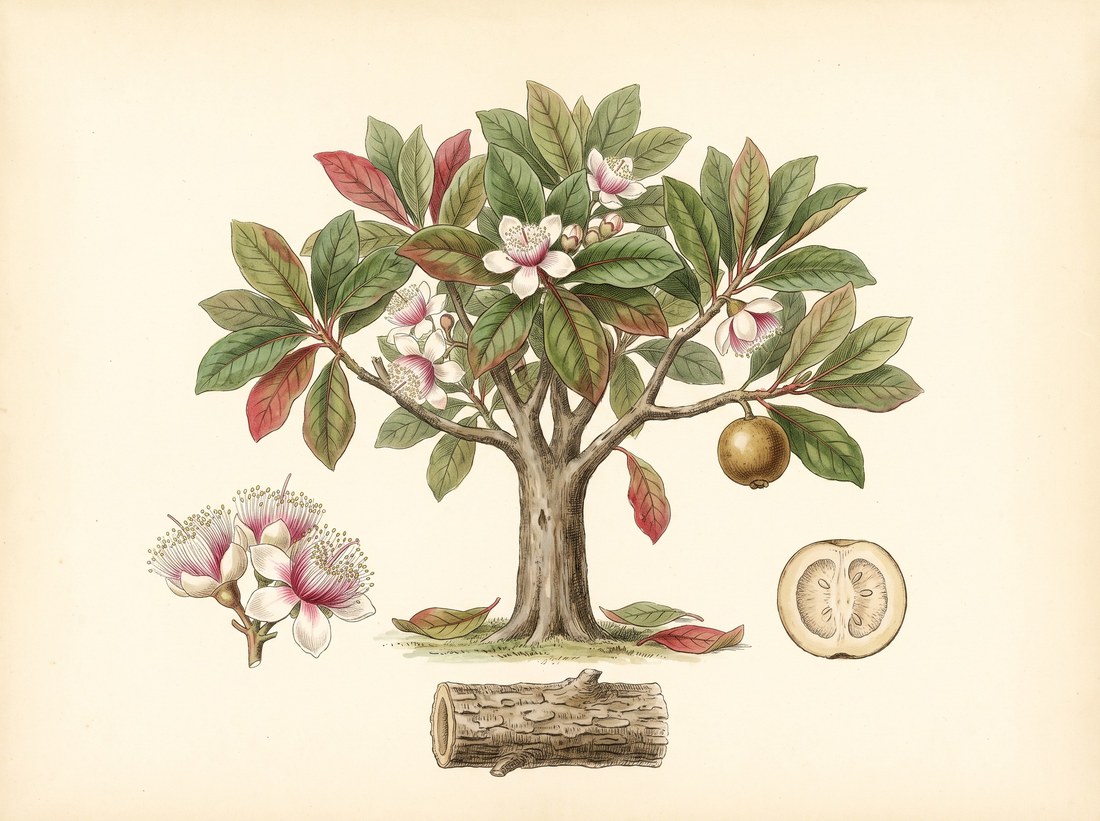 Wild guavaCareya arborea
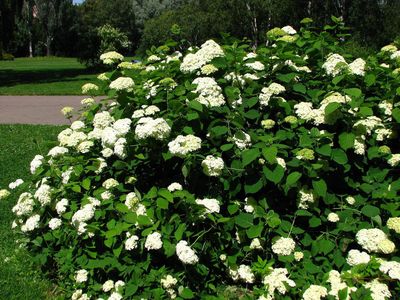 Wild hydrangeaHydrangea arborescens
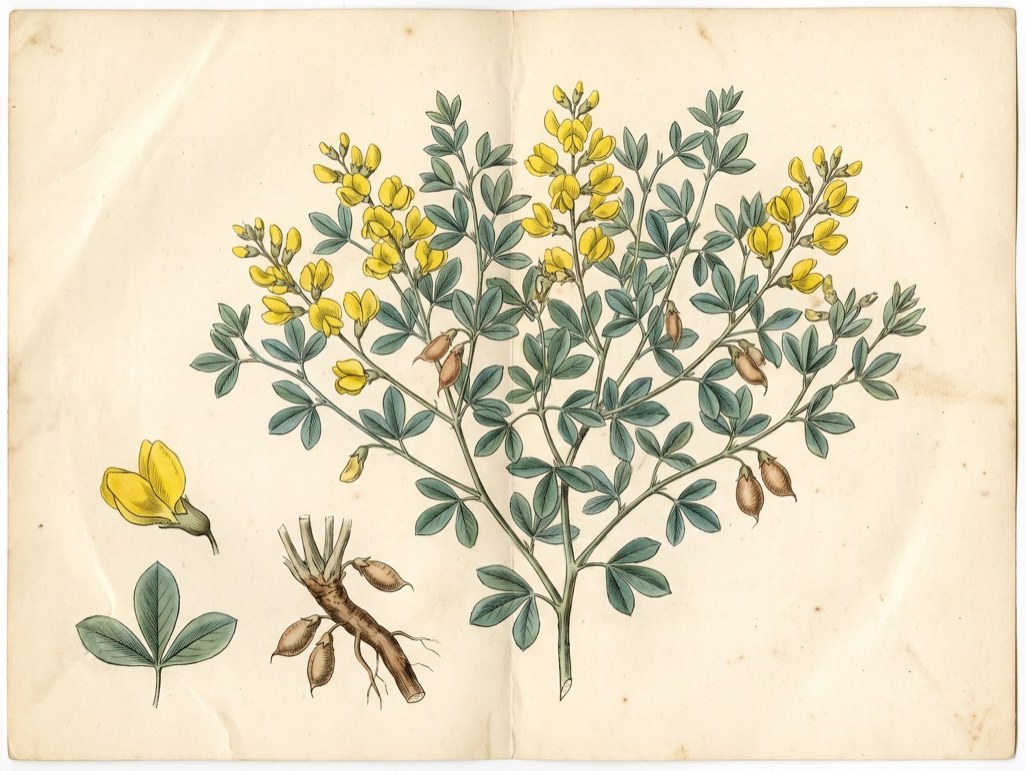 Wild indigoBaptisia tinctoria
 Wild LettuceLactuca virosa
 Wild SarsaparillaAralia nudicaulis
 Wild strawberryFragaria vesca
 Wild turmericCurcuma aromatica
 Wild yamDioscorea villosa
The whole plate is in the library. The compass, Compare, the Sky of eleven hundred plants and the formulary open with an email address and a password, free, with the formula builder and its safety engine. Herbert without limit, his formulating, clients, the handouts and the labels are the paid room.
Open the library, free