Ayurvedic Herbalism
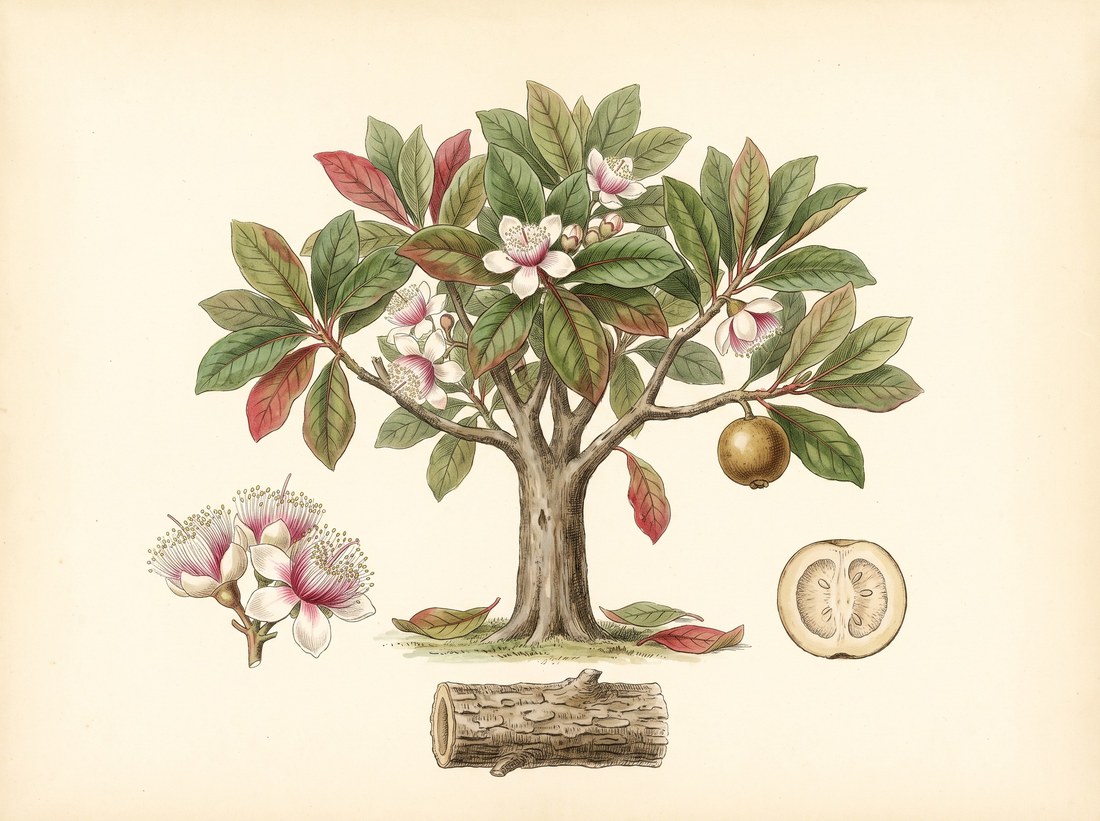
Wild guava
Careya arborea
Also known as slow match tree, patana oak, Ceylon oak, kumbhi, Kumbhi, Katabhi, Kumbhika.
Careya arborea is a medium sized deciduous tree with large leathery leaves that turn red before falling, showy white and pink flowers with tufted stamens that open at night, and a hard round fruit like a small guava. It grows across the deciduous forests and grasslands of India from the sub-Himalayan tract through central India to the Western Ghats, and in Sri Lanka and Southeast Asia. In Ayurveda the tree is Kumbhi, an astringent, cooling remedy of the bark for diarrhea, dysentery, bleeding and wounds, with the flowers used after childbirth and for cough.

Ask Herbert about Wild guava. Herbert is the master herbalist inside Bountiful Herbs: he answers from this plate and eleven hundred others, with dosing, pairing and cautions. Your first ten questions are free.
Ask HerbertActions
Indications what the tradition reached for it in
- Acute diarrhea and dysentery with blood and mucus
- Chronic loose stools of pitta or kapha type
- Gastric and duodenal ulcer (traditional and preclinical)
- Bleeding gums and mouth ulcers (bark decoction gargle)
- Wounds, ulcers and abscesses (bark paste, topical)
- Boils and inflamed swellings (topical)
- Cough and cold (flower decoction)
- Postpartum recovery and lochia (flowers, traditional)
- Fever with diarrhea
- Skin eruptions and itching (topical)
- Snakebite first aid in the folk tradition (not a substitute for antivenom)
Specific indications
Watery, bloody dysentery with cramping and heat in a patient who also bleeds easily from the gums, for the bark decoction
A hot, swollen, painful abscess or a slow healing ulcer that needs to be drawn and dried, for the bark paste
Chronic gastric burning with a history of ulcer in a pitta patient who cannot tolerate hot bitters
The new mother with a lingering cough and slow recovery of the womb after delivery, for the flower preparation
Safety
The record lists 6 contraindications; open the plate in the library to read them in full.
In practice
The Ayurvedic physician turns to Kumbhi for the classic kashaya indications: loose stools with blood, bleeding from the gut or gums, and wounds that will not close. The bark decoction is given warm in divided doses for dysentery, often with Kutaja and Bilva, or with Dhataki and Lodhra when bleeding is prominent; a stronger decoction is used as a gargle for sore gums and mouth ulcers.
In Ayurveda
Rasa: kashaya (astringent), tikta (bitter), madhura (sweet). Virya: sheeta (cooling). Vipaka: katu (pungent). Guna: laghu (light), ruksha (dry). Dosha: pacifies kapha and pitta; may aggravate vata in excess. Karma: grahi (absorbs and binds, antidiarrheal); raktastambhana (arrests bleeding); vranaropana (heals wounds); shothahara (reduces swelling); vishaghna (counters poison); krimighna (anthelmintic); kasahara (relieves cough); jvaraghna (relieves fever); kaphapittahara (reduces kapha and pitta); garbhashaya shodhana (cleanses the uterus after delivery, the flowers). Classical indications: atisara (diarrhea); pravahika (dysentery with blood); raktapitta (bleeding disorders); vrana (wounds and ulcers); granthi and arbuda (glandular swellings and tumors); kasa (cough); pratishyaya (coryza); visha (snake and insect poisoning); krimi (worms); kushtha (skin diseases); apasmara (epilepsy, in some texts). The astringent stem bark is decocted for diarrhea, dysentery and bleeding and made into a paste for wounds, abscesses and swellings. The flowers are given as a demulcent after childbirth and for cough; the fruit and leaves are used topically and in regional folk medicine. It is dispensed mostly as a single drug or in local compounds rather than in the great classical formulas. Classical formulations: Kumbhi twak kwatha, Kumbhi twak churna, Kumbhi kalka (topical), Kumbhi pushpa kshirapaka, Kumbhi taila (regional). Described in: Charaka Samhita, Sushruta Samhita, Bhavaprakasha Nighantu, Dhanvantari Nighantu, Raja Nighantu, Kaiyadeva Nighantu.
Dosing as the sources wrote it
| Preparation | As written | Metric |
|---|---|---|
| Kwatha | 50-100 mL bark decoction twice daily | 50-100 mL |
| Churna | 3-6 g powdered bark daily in divided doses with honey or rice water | 3000-6000 mg |
| Kalka, topical | 10-20 g fresh bark or leaf paste applied to the affected area once or twice daily | 10000-20000 mg |
| Gargle | 50-100 mL strong bark decoction used as a mouth rinse twice daily | 50-100 mL |
Doses are reproduced from the sources for practitioners and are not a recommendation for any person.
From the sources
Overview. Careya arborea is a medium sized deciduous tree with large leathery leaves that turn red before falling, showy white and pink flowers with tufted stamens that open at night, and a hard round fruit like a small guava. It grows across the deciduous forests and grasslands of India from the sub-Himalayan tract through central India to the Western Ghats, and in Sri Lanka and Southeast Asia. In Ayurveda the tree is Kumbhi, an astringent, cooling remedy of the bark for diarrhea, dysentery, bleeding and wounds, with the flowers used after childbirth and for cough.
Clinical Notes. The Ayurvedic physician turns to Kumbhi for the classic kashaya indications: loose stools with blood, bleeding from the gut or gums, and wounds that will not close. The bark decoction is given warm in divided doses for dysentery, often with Kutaja and Bilva, or with Dhataki and Lodhra when bleeding is prominent; a stronger decoction is used as a gargle for sore gums and mouth ulcers.
Ayurvedic Profile. Rasa: kashaya (astringent), tikta (bitter), madhura (sweet). Virya: sheeta (cooling). Vipaka: katu (pungent). Guna: laghu (light), ruksha (dry). Dosha: pacifies kapha and pitta; may aggravate vata in excess.
In formulas
Wild guava stands in 3 documented formulas in the library, among them Bhārṅgī Guḍa, Dādhika Ghṛta, Mahā Paṅcagavya Ghṛtā.
Often paired with
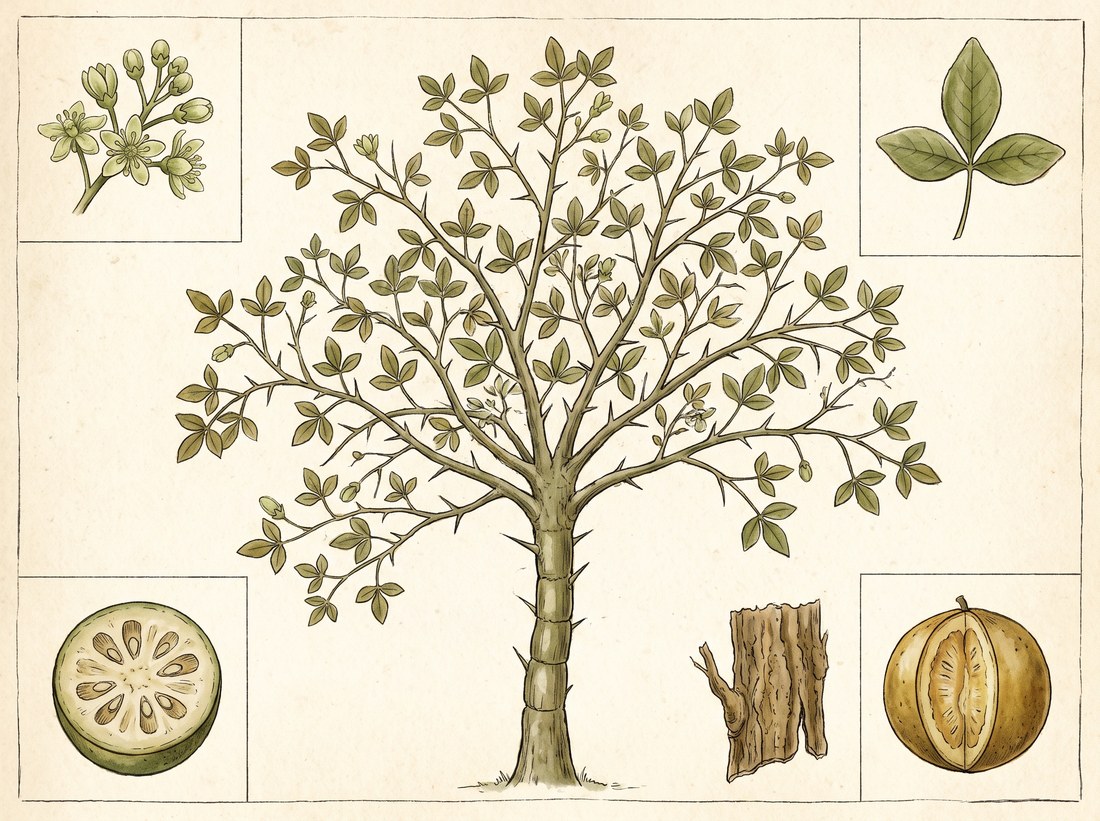 baelAegle marmelos
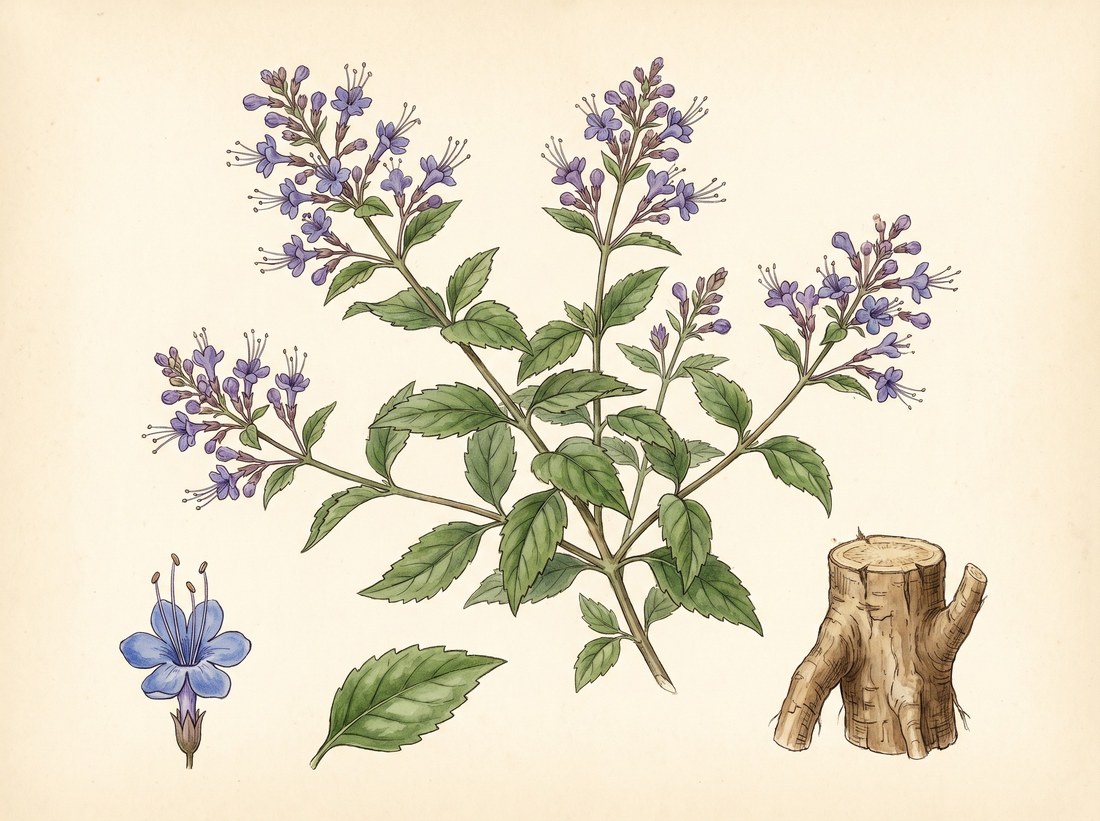 bharangiClerodendrum serratum
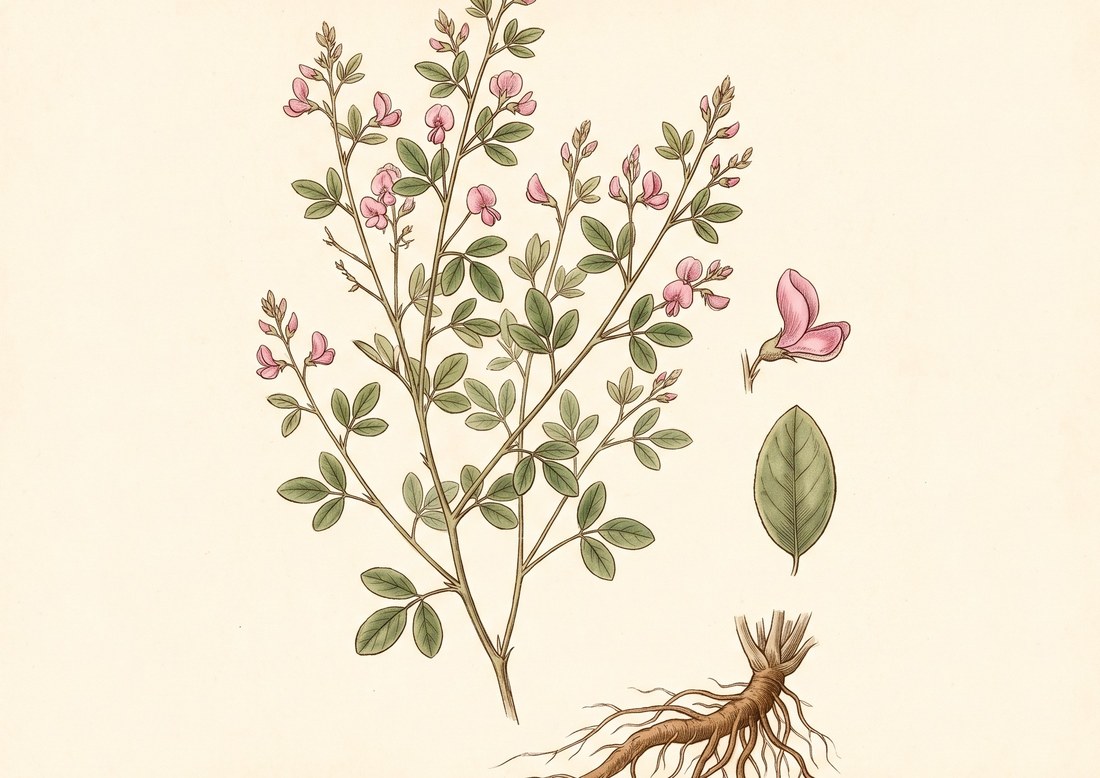 shalparniDesmodium gangeticum
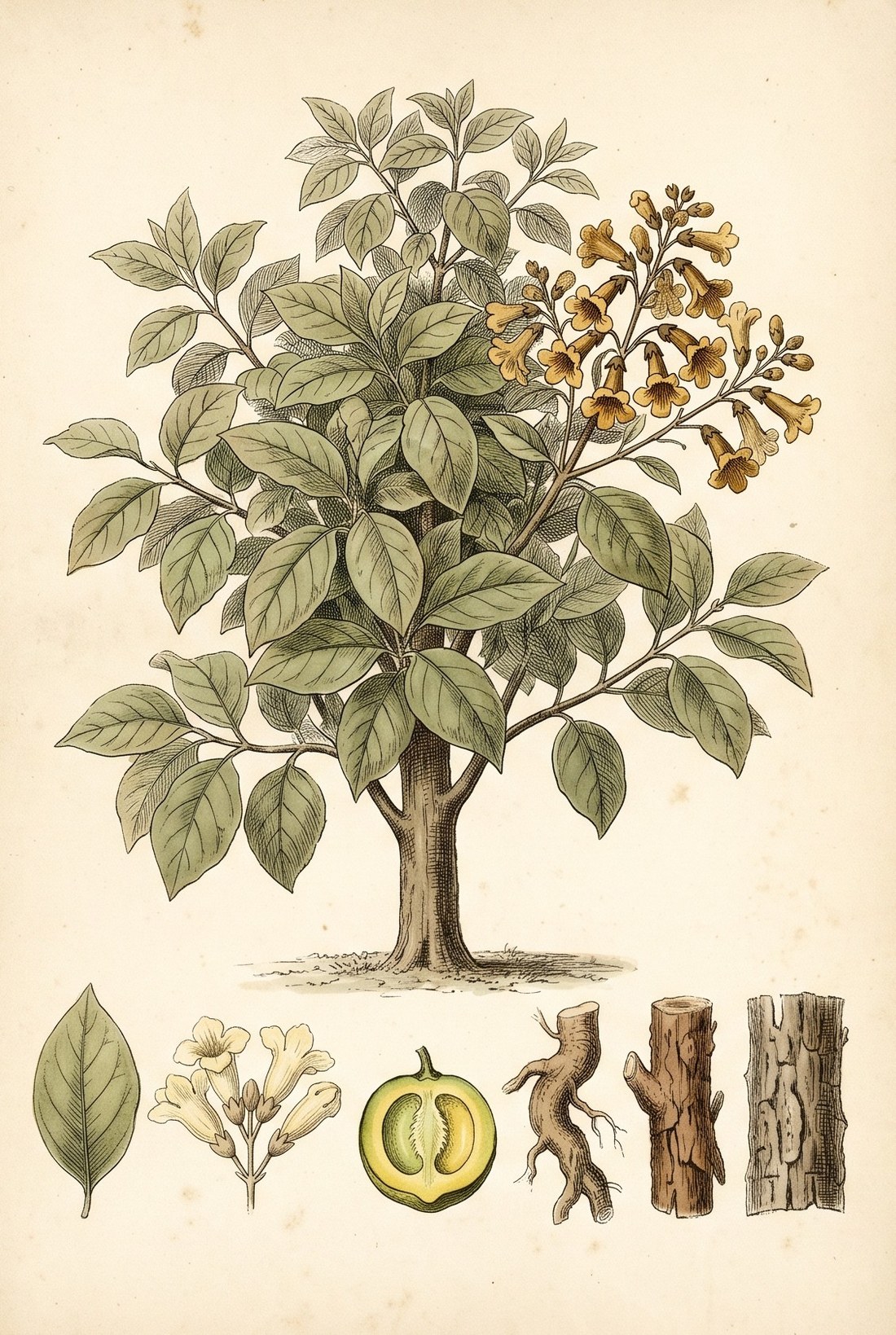 gmelinaGmelina arborea
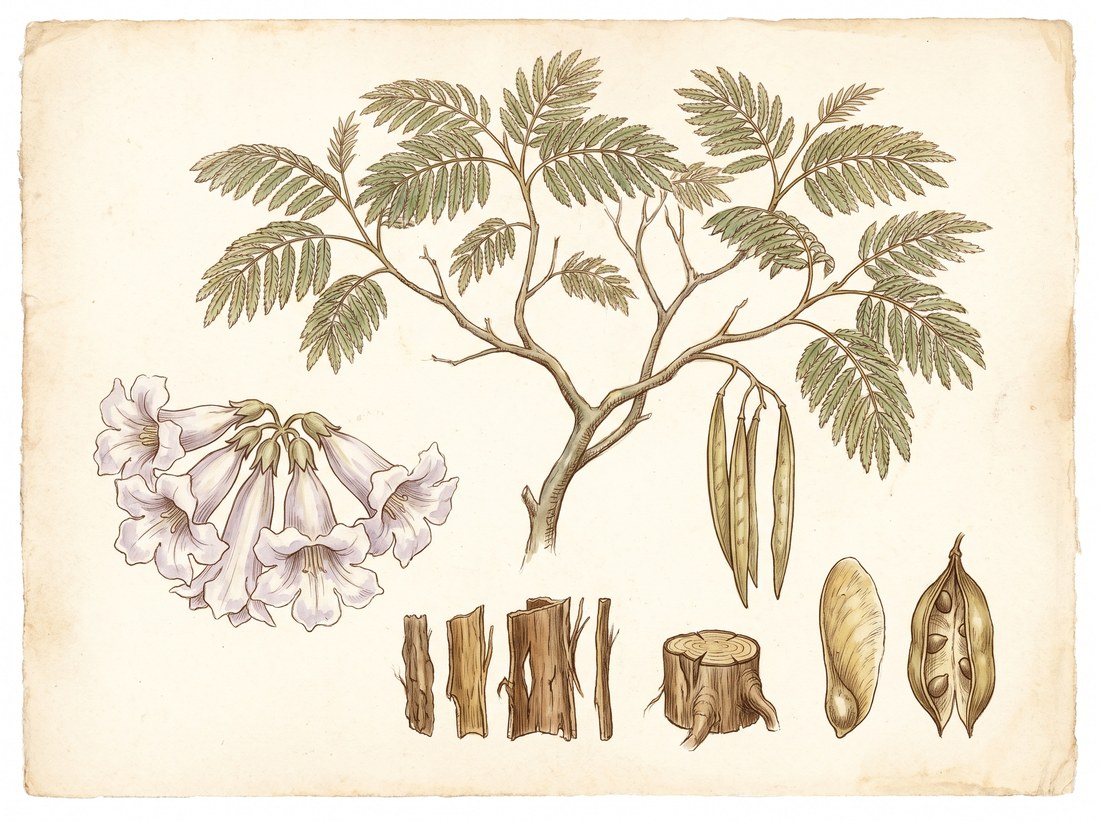 Indian trumpet flowerOroxylum indicum
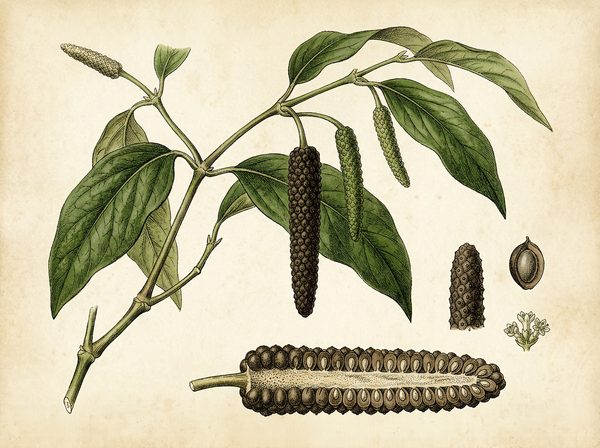 long pepperPiper longum
Nearby on the shelf
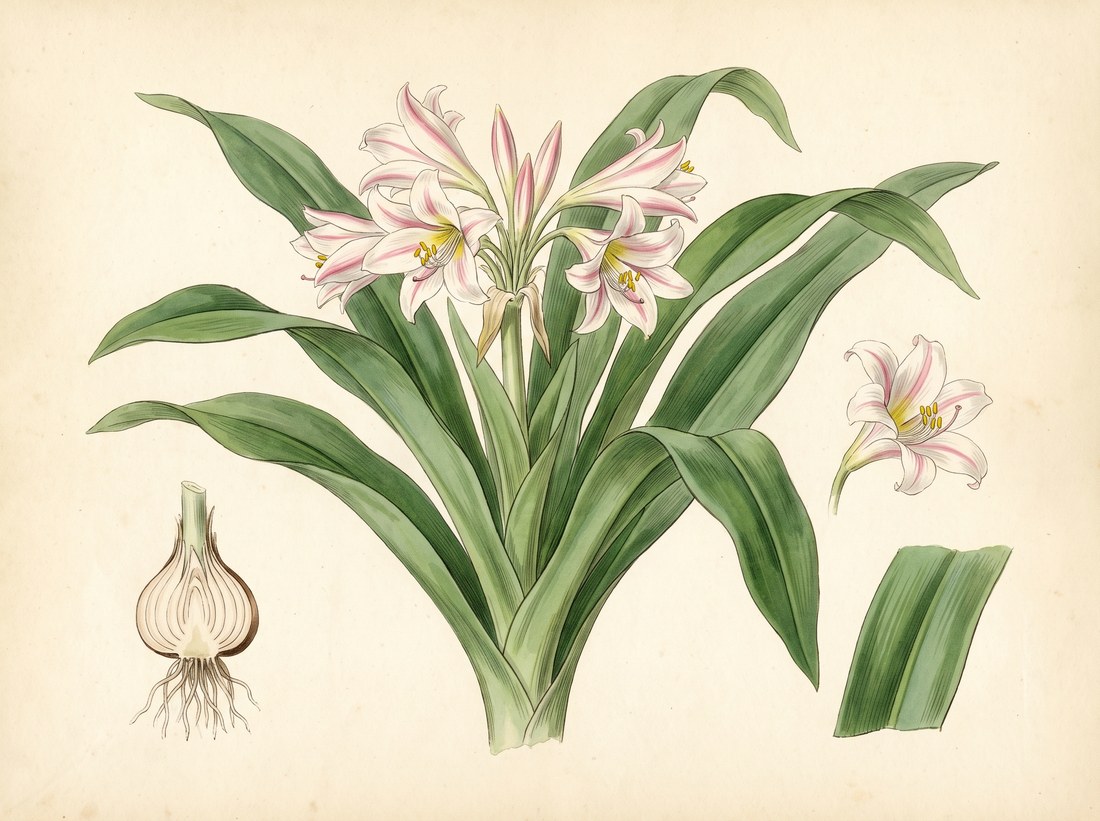 Wide-leaved crinum lilyCrinum latifolium
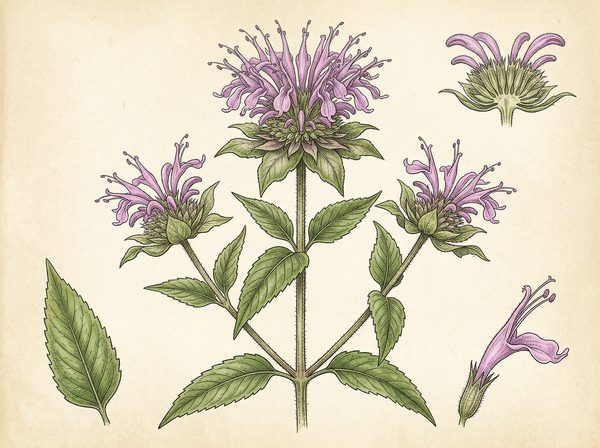 Wild BergamotMonarda fistulosa
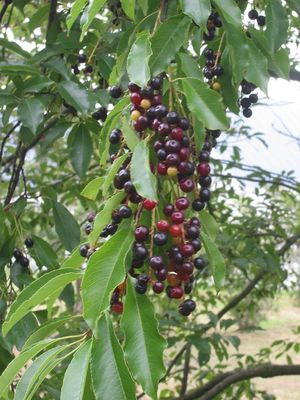 Wild cherryPrunus serotina
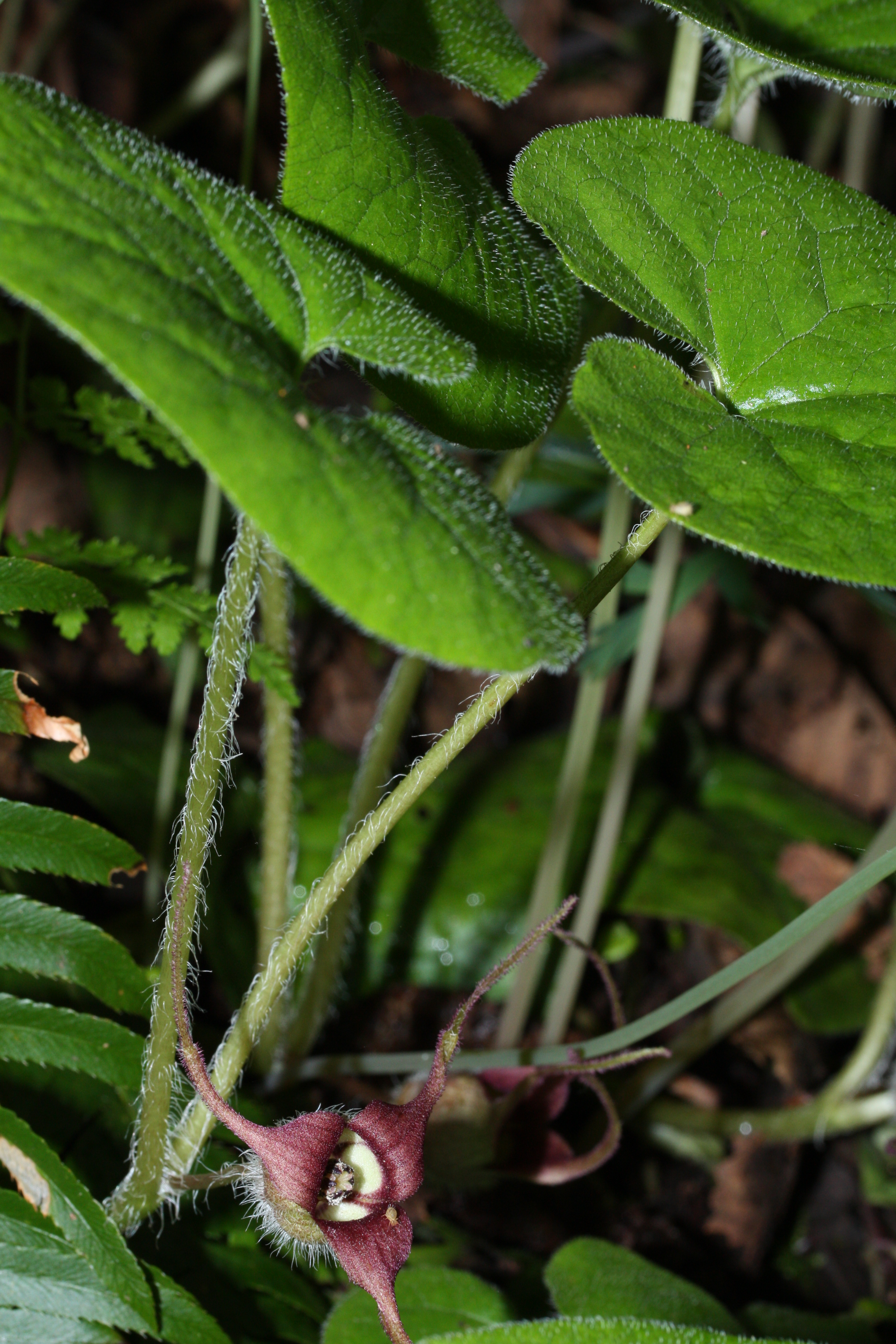 Wild GingerAsarum Candense
 Wild hydrangeaHydrangea arborescens
 Wild indigoBaptisia tinctoria
 Wild LettuceLactuca virosa
 Wild quinineParthenium integrifolium
The whole plate is in the library. The compass, Compare, the Sky of eleven hundred plants and the formulary open with an email address and a password, free, with the formula builder and its safety engine. Herbert without limit, his formulating, clients, the handouts and the labels are the paid room.
Open the library, free